
BigDeal Make Up · Hong Kong
Japanese Makeup And Japanese Sheer Makeup
Japanese makeup and Japanese sheer makeup use a translucent base, delicate colour and precise, understated brow and eye detail. This guide helps you describe the finish you want: how to build a sheer base, where to add definition so the look reads finished rather than faint, and which practical questions to confirm when you book a service or class. Use it to state your preferences clearly for bridal, event or everyday styling.

At a glance
Japanese makeup
Japanese sheer makeup pairs a skin-like translucent base with precise colour placement on cheeks, lips and eyes so the face looks polished and naturally luminous. For bridal or event work, treat any Japanese bridal makeup reference as a directional brief and confirm timing, travel, product choices and written scope with customer service before booking.
01
Practical guidance for Japanese makeup
What to tell the artist when requesting Japanese makeup
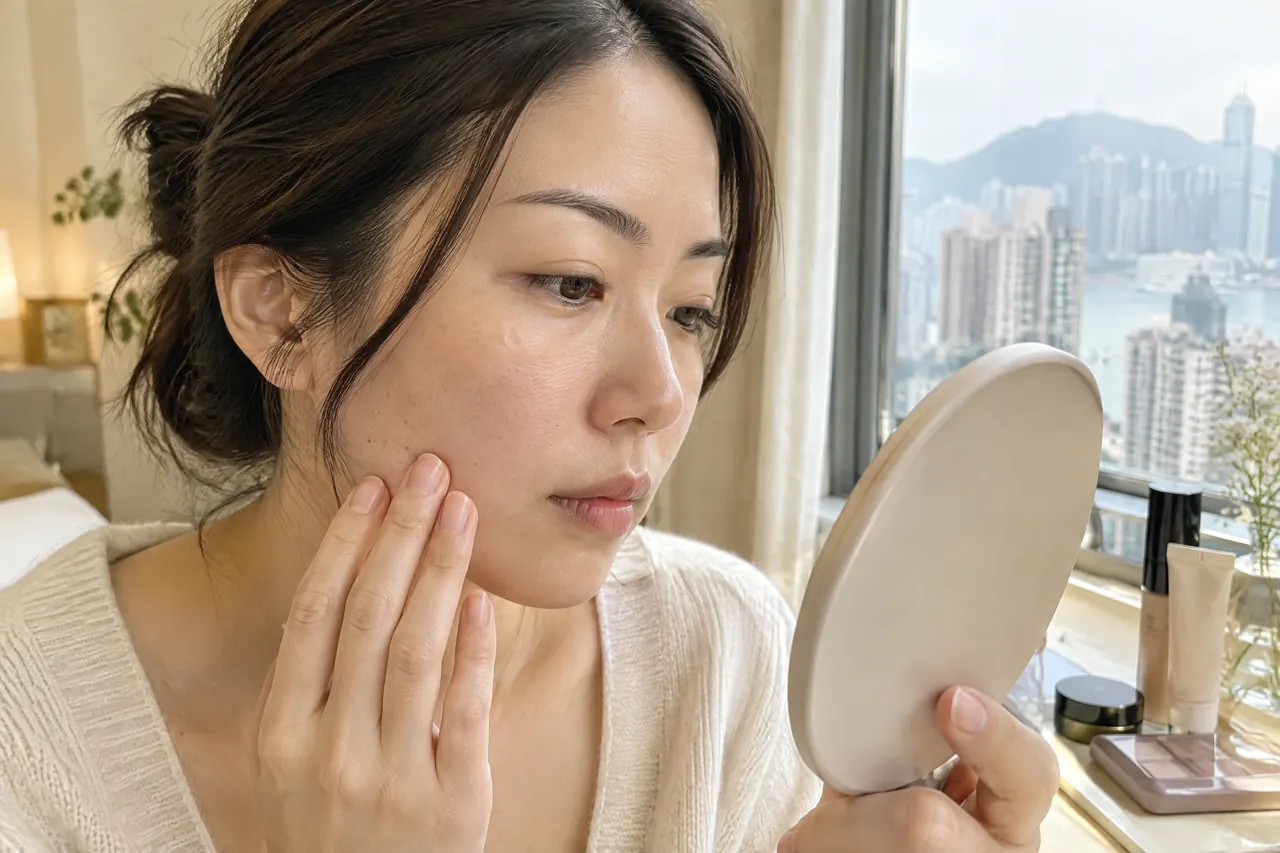
Japanese makeup often appears light because the surface retains skin texture and natural radiance, but the result is shaped by deliberate choices. A translucent base should even tone and blur without masking pores or expression lines; the goal is skin that reads healthy and worked-on rather than absent. When describing what you want, indicate whether you prefer sheer coverage that still shows freckles, or a more evening-friendly veil that smooths more comprehensively.
Understand the distinction between a tidy, unfinished and a ‘bare’ finish. Unfinished makeup feels patchy because contouring, correction or brow shaping was omitted; Japanese sheer makeup removes the blunt edges of heavy contour and replaces them with soft modulation. Ask the artist for examples showing the degree of coverage, and if you have photos of the exact finish you like, bring them—images of lighting and close-ups help the artist judge how sheer will translate under ceremony, studio or outdoor light.
When enquiring, give concise skin information: oily/combo/dry, sensitivity or product restrictions, and any recent treatments that change texture. These details guide the decision between a cushion or a light fluid base, or whether a primer and spot-corrector are necessary. For brides or clients with a specific dress or hair colour, mention that too—Japanese makeup frequently uses subtle complementary tones, and those must harmonise with your overall palette.
For a closer comparison, consider Asian bridal makeup
02
How to build a translucent base for Japanese sheer makeup — pair a sheer foundation with delicate cheek and lip colour
Key choices that shape Japanese sheer makeup
The translucent base is the platform: products are blended thinly, often dabbed and pressed to preserve depth rather than spread. Coverage techniques include using a damp sponge or a sheer foundation with light-concealer for targeted correction only. This keeps the skin’s surface soft while still evening tone. If you need more coverage for photography, discuss controlled layering and flash-safe products so the finish remains natural without reflecting brightly on camera.
Cheek and lip colour in Japanese natural makeup tend to be warm-muted roses, peachy sheens or soft corals placed closer to the apples for a youthful lift. Instead of heavy sculpting, a subtle wash is feathered and built in thin layers so the reviewer from three metres away reads a healthy flush. For lips, a lightly stained finish or a semi-matte balm keeps the effect modern—avoid heavy gloss unless the brief explicitly asks for it, and specify if you want longwear or reapplication tolerance.
If you’re asking for Japanese bridal makeup, treat the cheek and lip choices as direction rather than prescription. Brides often want photographs that render skin and colour faithfully across venues, so explain whether reception lighting, midday outdoor photos or evening flash will dominate. That detail changes the pigment intensity and finish (matte vs satin) and could require an extra lip touch-up kit or a slightly stronger blush to survive brighter lights and longer days.
Match your plans with brow design
03
Adapt the technique to your features and occasion — use precise brows and eyes to keep a sheer look intentional
How to assess the finished Japanese sheer makeup look realistically
Brow and eye work is where a Japanese sheer makeup stays legible. Fine hair strokes, soft shading and precise, often brown-toned liners define shape without hard lines. For asymmetrical eyes or brows, cosmetic balancing is achieved with careful shading and temporary trimming of stray hairs only if the client requests—they’re cosmetic solutions, not medical. Ask the artist how they balance asymmetry with colouring and what removable eyelid techniques they use so you get a preview of the finished shape.
Eyeliner is typically thin, close to the lashline and smudged slightly to read soft in photographs. For clients who want an intentional but understated lash effect, natural-looking lash extensions or individual lash clusters can be discussed; note that extensions and lash glue may require separate agreements for prep and aftercare. If you are allergic to adhesives, bring this up early so the makeup plan avoids those products and opts for tinted lashes or enhanced mascara techniques instead.
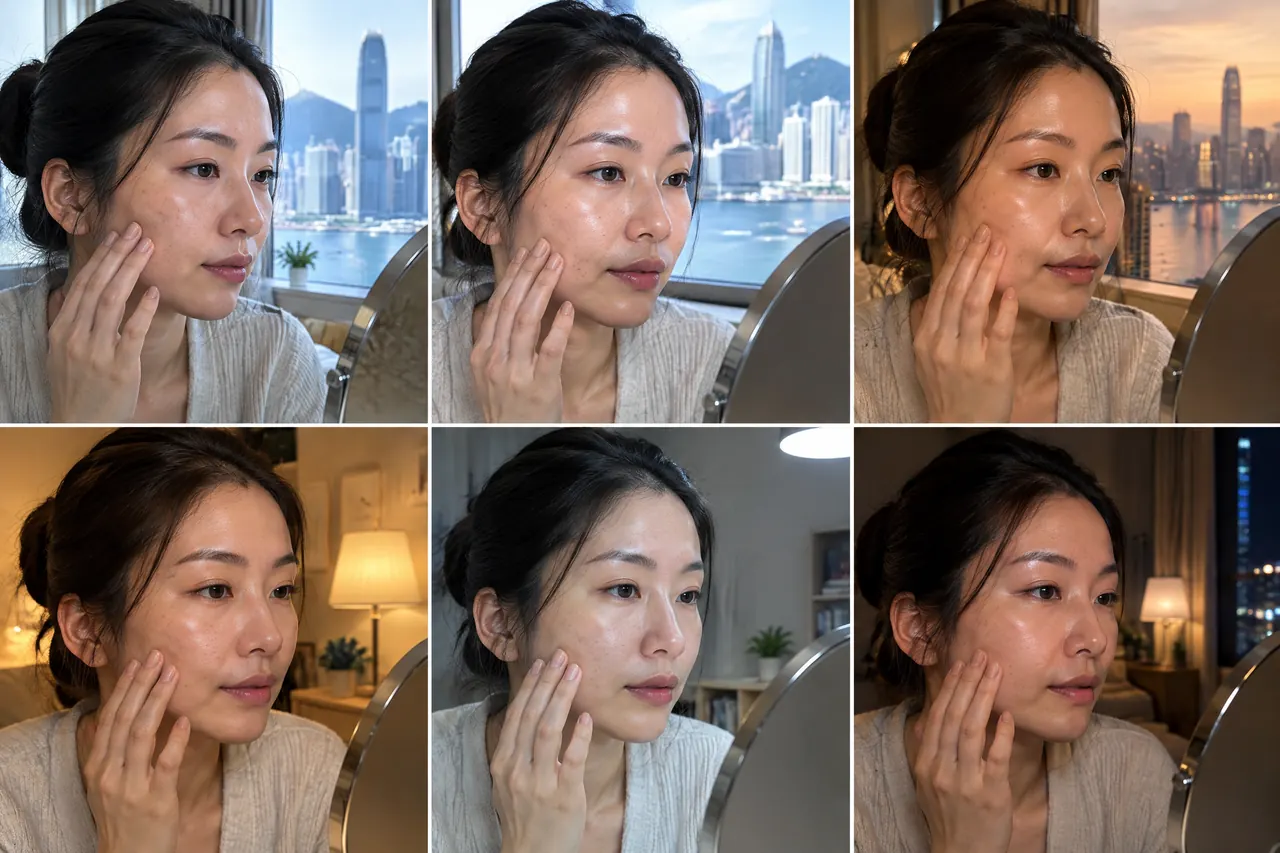
Tests under realistic light are crucial: ask for a preview in daylight and under fluorescent or LED lighting similar to the venue. That will show whether the liner reads too dark or the brow strokes are too defined. A practical artist will simulate venue light at a trial or provide photos taken under comparable conditions. This is especially important for event work because what reads sheer in a soft-lit studio may look heavier under stage lighting or bright outdoor sun.
You may also find it useful to compare Douyin Soft Glam
04
Match texture to outfit, ceremony and venue lighting — tailoring Japanese makeup finishes
Practical considerations for Japanese makeup and venue lighting
The interplay between texture and outfit fabric matters: silk and satin reflect light and benefit from a very skin-like finish; matte wools or heavy embroidery can take slightly more pigment without looking out of place. Japanese sheer makeup adapts: choose satin-finish products for dresses that catch light, and more matte-satin for photographic conditions that throw stronger highlights. When you enquire, include the main fabric and colour of your outfit so the artist can recommend product finishes and placement.
Ceremony type affects durability choices. A short portrait session requires less concern for longwear than a full-day wedding. Humid outdoor summers need different base choices compared with a cool indoor banquet. Tell the artist whether the ceremony is short or an all-day event; for longer days, request a written scope that includes timing, touch-up windows and whether the artist will be on-site for reapplications. This prevents assumptions about what is included and whether extra travel or kit fees apply.
Lighting at the venue dictates the saturation and finish of cheek and lip colour. Photographers and planners often coordinate with artists; if you have a photographer, request they share lighting notes or sample images. That allows the makeup to be tuned to avoid flashback or colour shifts. If you don’t have technical notes, provide photos of the venue lighting at the time of day your event will occur, and the makeup team will propose finishes and a coverage level suited to those conditions.
For another approach, explore dry skin makeup
05
Use a Japanese bridal reference as direction — brow and eye precision keeps the sheer look intentional
How to prepare references and confirm bridal arrangements for Japanese makeup
Describing your brief as Japanese bridal makeup helps the artist understand reference points—translucent skin, discreetly defined eyes, and soft rose or coral tones—but it doesn’t imply a fixed price or a different service category. There is no separate published fee for Japanese-inspired styling on this route; bridal or event scope, timing, travel and any extras must be confirmed with customer service before booking. State clearly if you require trial runs, on-site touch-ups or added makeup for attendants.
When preparing references, include close-up images and full-face photos in different lights so the artist can judge texture and saturation. A Japanese bridal reference is a directional tool: it tells the team the finish you like—not an instruction to reproduce a particular person or brand image exactly. Expect the artist to adapt tones to your skin undertone and dress palette, offering a tailored interpretation rather than an exact copy.
If you want a written scope for bridal work, request it early. Clear points to confirm are the start time, total artist time on-site, travel time, travel costs and whether assistant coverage is included for multiple clients. The Hong Kong Voluntary Code of Practice encourages transparent pricing and fair contract terms; that independent guidance supports clear quotes and is not an endorsement of a specific service. Ask customer service for a written estimate before committing.
Before deciding, take a look at Makeup Techniques
06
Questions to confirm before booking a service or class — confirm timing, travel and any extra arrangements
Practical checklist for Japanese sheer makeup bookings
Before booking, confirm these essentials: the total appointment duration including trial time, whether the artist must travel to the venue and any associated travel fees, and whether touch-ups during the day are included. For bridal parties, clarify the number of faces per artist and whether assistants are supplied. If a timeline is tight, enquire about staggered scheduling so everyone is ready for photos without last-minute rushing.
Ask about product lists and allergy-safe options. The team uses brands such as NARS, Dior Beauty, Giorgio Armani Beauty, Estée Lauder, Laura Mercier, Clé de Peau Beauté, Bobbi Brown and M·A·C as appropriate, not as compulsory endorsements. If you have sensitivities or insist on specific products, state them. For classes, confirm the language of instruction and date availability; for service bookings, request written confirmation of scope and any additional hourly or travel charges.
Finally, check post-appointment expectations: will the artist supply a small touch-up kit or a list of recommended products? For events requiring removable eyelid techniques or lash work, ask about aftercare and removal timing. Clarify whether children’s face painting or prosthetics, which differ from standard cosmetics, are part of the service—these require separate discussion and cannot be assumed within standard makeup bookings.
07
Choosing the right artist for your look — ask about experience with Japanese sheer makeup
How to confirm the artist is a good match for Japanese makeup
When searching for a practitioner, ask for recent portfolios showing full-face images at different scales and under varied lighting; this reveals whether the artist consistently achieves a translucent base with clear, but soft, definition. If you want local expertise, request confirmation the makeup person is a Japanese makeup artist Hong Kong clients have used before, and ask for examples of event work in similar venues. That helps you see how their approach translates from studio light to outdoor, banquet or chapel conditions.
Check practical details that affect the finished look: whether the artist carries a range of cushion, fluid and cream bases to match your skin type; experience with temporary eyelid or brow-balancing techniques for asymmetry; and familiarity with longwear products safe under flash photography. If you have product sensitivities, insist on a list of likely brands and an allergen check well ahead of the appointment—this avoids last-minute changes that compromise the sheer finish.
Finally, ask about trial logistics: how long the trial lasts, whether trial photos are provided, and whether the same artist who conducts the trial will do the event day work. For bridal bookings, demand a written scope that lists arrival time, total artist hours on-site, number of faces covered and travel arrangements. These points prevent misunderstandings about whether assistants are supplied or extra travel charges apply, and they let you compare artists on both aesthetic and professional readiness.
08
Decide between a service and a class — what to expect from Japanese makeup services and lessons
Practical differences that affect cost, time and learning outcomes for Japanese sheer makeup
A booked styling service focuses on delivering the look for a specific date: the artist does the work and you leave ready for photos or the event. Services include consultation about skin and lighting, product selection by the artist, and a suite of application techniques aimed at longevity. If you need step-by-step guidance to recreate the look yourself, a class gives hands-on practice but requires confirming dates, language of instruction and class size in advance—these details are provided on enquiry, not assumed as included.
Costs differ by format: the published fees on this page apply per learner for classes where stated, and service prices are quoted per client for on-site or studio bookings. For group bookings or parties, ask whether the quote covers multiple learners per session or a private, dedicated lesson; the choice changes pacing, individual feedback and how much time the tutor spends with each face. Clarify whether Maggie Yeung or another instructor will lead the class and whether that person’s experience aligns with your goal of Japanese sheer makeup techniques.
Instructional classes emphasise technique—how to press and layer a translucent base, place cheek and lip colour for subtle lift, and use fine brow strokes to balance asymmetry—whereas a service day prioritises a finished result and speed. If you plan to both learn and have your makeup done, ask about combined options: some arrangements let you receive a professional application and a short teach-back session for upkeep and touch-ups. Confirm such combinations in writing so scope, time and fees are clear before you commit.
Style references
Related makeup style illustrations



Common booking questions and practical answers for Japanese makeup and Japanese sheer makeup requests
| Question | Typical Artist Response | What you should confirm |
|---|---|---|
| Is a trial included for bridal Japanese makeup? | Trials are recommended but not automatically included; they help finalise coverage and colour choices. | Confirm whether the trial is charged, duration, and whether it counts toward final appointment time. |
| Will the look be the same in photos as in person? | Artist will test under similar lighting; finishes may be adjusted to suit flash or daylight. | Provide venue lighting notes or photos and request test shots in comparable light at trial. |
| Can you do Japanese natural makeup for oily or textured skin? | Yes — the artist will use mattifying or lightweight satin products and targeted correction. | Share recent skin changes, treatments, and product sensitivities before booking. |
| Are travel and on-site touch-ups included for event days? | Not automatically; travel time and touch-up coverage are quoted separately depending on location and schedule. | Get a written scope listing artist hours on-site, travel fees, and whether assistants are provided. |
| Do you use lash extensions for a sheer look? | Individual lash clusters or natural-looking extensions can be used, but adhesives require separate consent and care. | Mention adhesive allergies, desired lash longevity, and removal timing before the appointment. |
| What if I ask for a specific celebrity or brand look? | Japanese makeup is a style reference only; artists adapt the direction to your features and colouring. | Provide reference photos and accept that the result is an interpretation suited to your skin and outfit. |
Helpful answers
Frequently asked questions
How is Japanese sheer makeup different from no-makeup makeup?
Japanese sheer makeup is purposefully structured: foundations are translucent to preserve skin texture, while colour is placed precisely to enhance rather than hide features. No-makeup makeup aims to disappear entirely and can sometimes look unfinished. With Japanese sheer makeup you will get intentional brow shaping, soft eye definition and layered cheek/lip colour so the face appears polished and luminous.
Can Japanese bridal makeup be adapted for photography and long events?
Yes—adapting for photography and duration is standard. Brides should request a trial and advise the artist on the main photo times and venue lighting. For longer events, discuss touch-up windows and whether the artist will stay on-site. These elements affect product choices: longwear formulations and slight pigment increases may be used to maintain the sheer aesthetic throughout the day.
Will you copy a picture of a Japanese makeup look exactly?
Artists use reference images as direction but not as promises of exact replication. Skin undertone, bone structure and outfit colour all affect how tones appear. A professional will explain adjustments needed and present a tailored version that honours the reference while working with your individual features, ensuring the look remains flattering and practical for your event.
What should I tell customer service to get an accurate quote?
Provide the date and times required, venue postcodes or travel details, number of faces to be made up, whether a trial is wanted, and any special product or allergy requirements. If it’s bridal, note the dress fabric, photographer lighting and whether assistants are needed. Customer service will then supply a written scope and confirm any travel or extra-hour fees before you book.
Are brow and eyelid techniques permanent?
No. Brow shaping, tinting and the removable eyelid techniques used to balance asymmetry are temporary cosmetic measures. They are designed to remain through the event but can be altered or removed afterward. If you want semi-permanent solutions, discuss those separately; on this service route, we focus on temporary, reversible makeup methods.
Do you offer classes specifically titled Japanese makeup or Japanese sheer makeup?
Class availability and exact titles vary; if you want instruction in Japanese natural makeup techniques, enquire with customer service about dates and language of instruction. The artist Maggie Yeung tutors at BigDeal and her personal studio Red's Beauty began in 2003, but you must confirm class dates and whether English instruction is provided before booking.
How do I verify the artist’s local experience with Japanese sheer looks?
Request portfolio images of recent work done in Hong Kong along with references from similar events; explicitly ask whether the stylist has worked as a Japanese makeup artist Hong Kong clients booked for weddings or editorial shoots have used. Also confirm trial photos under comparable lighting and whether the same artist will attend the event day to maintain continuity.
Can I book a class and expect the same finish as a professional service?
Classes teach technique; while a good lesson will show you how to achieve the look, results differ because professionals use experience and time pressure management to produce a finished look quickly. If you want both outcomes, ask about combined arrangements—professional application with a short teach-back—so you leave with a polished finish and practical skills for touch-ups.
Ready to discuss it?
Request a lighting and venue check with your booking
Tell us what you are planning, and we will help clarify the service or lesson details that matter for your enquiry.
From the makeup blog