
At a glance
A successful portrait plan needs two separate decisions: the appearance you want and the changes permitted on borrowed property. Match permission to the exact piece, not its general category. Keep unresolved actions off the trial plan, while developing a photo look that respects the owner's return expectations.
Start portrait borrowed topper alteration approval with the owner
Separate the chosen photograph from permission to change property
Borrowing a topper for portraits creates a practical boundary between wearing it and changing it. Permission to bring it to a makeup trial may cover neither action on its own. Ask the owner to describe what they approve for the trial and the actual shoot. Keep cutting, heat and adhesive as separate decisions. Record the response against the identified piece, rather than treating a friendly promise as approval for every styling method.
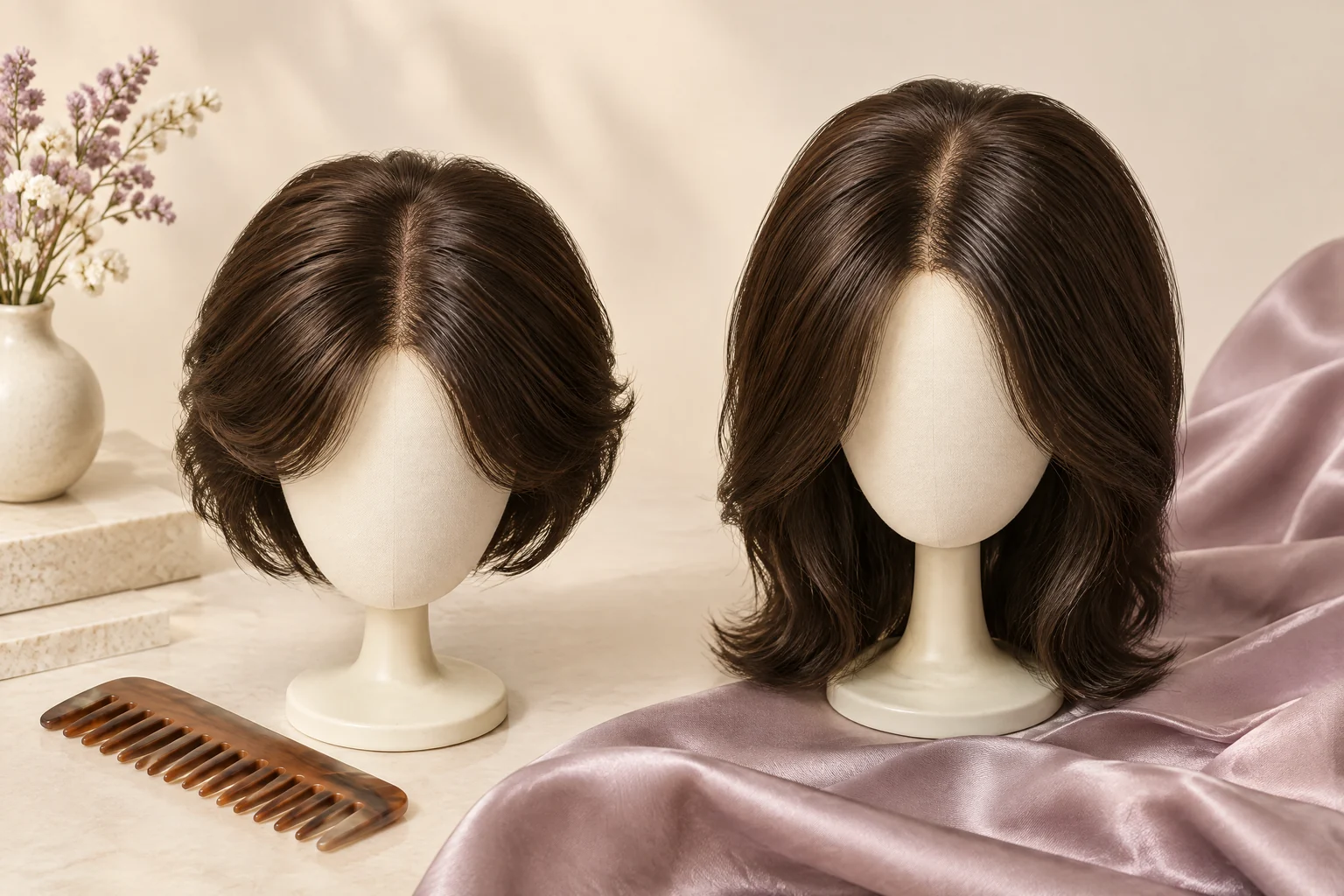
Choose reference photographs for the features you genuinely want to reproduce. A softer fringe, visible forehead or fuller crown each suggests a different styling question. Tell the makeup artist which feature matters most and which can change. That ranking helps when the borrowed piece cannot support the exact reference. You might retain the photograph's makeup balance while choosing a different hair outline. The alternative should be your conscious selection, not an unexpected compromise during the shoot.
For category information, DT Hub's hair topper hong kong page offers an entry to its Hair Toppers & Pieces material. Use that information to prepare questions about the piece you have borrowed. It does not identify an unlabelled item or authorise changes to someone else's property. Bring the owner's model details into the discussion instead. Product photographs can help communicate preferred coverage, but they cannot establish the construction of the piece inside your storage box.
For a shared portrait session, discuss family photoshoot makeup Hong Kong alongside the family's actual picture arrangements. A borrowed topper may affect how confidently someone turns towards other family members. Explain whether the portraits include seated groups, standing combinations or individual close views. Share only information needed for that preparation. The owner need not join the makeup discussion unless you want their involvement. Keep their permission record available without sharing private messages with the whole family.
- Identify the borrowed piece before discussing any alteration.
- Separate trial permission from permission for the shoot.
- Record your preferred appearance independently of the owner's limits.

Identify the exact fibre before considering any tool
Why product categories cannot supply material instructions
Ask for the product label, model name and instructions that belong to this particular piece. Keep photographs of those details with the owner's permission record. A storage bag from another purchase is not reliable identification. If the label is missing, request identification from the original supplier before discussing alteration. Until then, describe the material as unknown. That wording prevents a casual assumption from becoming the basis for a tool choice during an otherwise busy trial.
Jon Renau's Synthetic Hair Care and Styling Tips prohibits heat styling for the synthetic fibre it covers. It also warns that razor cutting can shred ends and cause fraying. Those instructions show why a topper's name cannot establish tool suitability. They do not identify every borrowed product as Jon Renau synthetic fibre. Use the source to request applicable instructions. It cannot replace the instruction sheet for an unidentified piece. [1]
A full wig and a partial topper may solve different coverage questions in a portrait brief. DT Hub's women's wig hong kong page provides a related product information entrance for exploring that distinction. Consider whether your reference requires crown volume or a more complete change of silhouette. Then return to the specific borrowed item's identity. Choosing a broader product category does not settle fibre composition, attachment suitability or the owner's tolerance for permanent changes.
HairUWear's Colors & Care gives different heat rules for Tru2Life and Kanekalon Vibralite fibres. It says heat-styled Tru2Life keeps its new texture even after washing, while Vibralite must not be heat-styled. This matters when someone describes curling as a temporary adjustment. Washing may not restore the original shape of a heat-friendly piece. Ask the supplier how the identified model behaves, then seek the owner's approval for that consequence. Heat-friendly does not mean consequence-free. [2]
Record cutting, heat and adhesive as separate decisions
Make portrait borrowed topper alteration approval action-specific
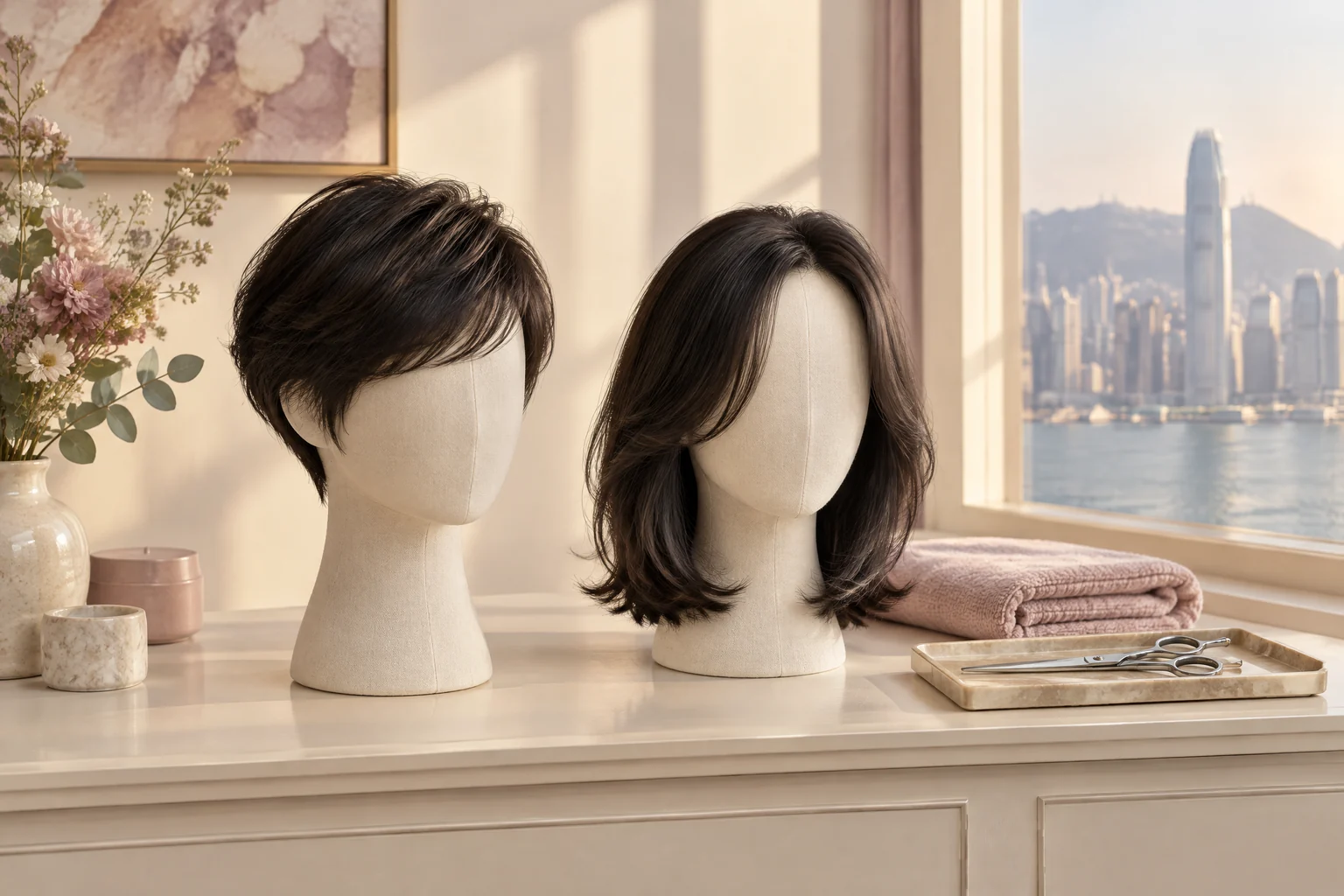
A fringe trim changes the borrowed piece rather than simply changing how you wear it. Describe the proposed area and intended finish to the owner before seeking supplier guidance. Permission for a shorter fringe should not become permission to thin the crown or reshape the sides. Ask who may carry out the approved work and when. If any detail remains unresolved, retain the existing length and choose a portrait arrangement that accommodates it.
Heat approval needs more detail than permission to use a styling tool. The supplier should confirm whether the exact model supports the proposed change and provide its applicable care limits. The owner should understand the intended result and any restoration requirement. Keep that information together so the trial artist sees the same decision as the shoot artist. A different reference photograph does not automatically expand approval. Review any newly proposed texture change before it happens.
A lace edge raises a construction question, not an automatic invitation to trim or glue it. DT Hub's lace front wig hong kong page is a relevant information entry when discussing that type of hairline. Its category name cannot approve adhesives or cutting on your borrowed piece. Ask the supplier to confirm the actual edge construction and permitted handling. Keep the owner's decision specific to the proposed action, including whether the existing edge must remain untouched.
For adhesive proposals, request confirmation of the exact product and the planned removal process from the supplier. Include both application and removal in the owner's decision, rather than approving only attachment. Avoid experimenting on the borrowed base to discover compatibility. If confirmation is unavailable, keep adhesive use outside the agreed plan. Discuss whether an already approved attachment arrangement can support the session. If not, choose another appearance rather than improvising an unapproved bonding method.
| Proposed action | Owner decision | Supplier confirmation | While unresolved |
|---|---|---|---|
| Shorten the fringe | Named area and intended finish | Suitable work and responsible specialist | Keep the current length |
| Change texture with heat | Desired change and restoration responsibility | Exact model and applicable handling limits | Exclude heat styling |
| Attach with adhesive | Application and removal included | Specific product and removal compatibility | Exclude adhesive use |
| Change or trim the edge | Exact boundary of authorised work | Identified base and permitted handling | Leave the edge unchanged |
Use the trial to compare appearances within approved limits
Change the portrait plan before changing the borrowed piece
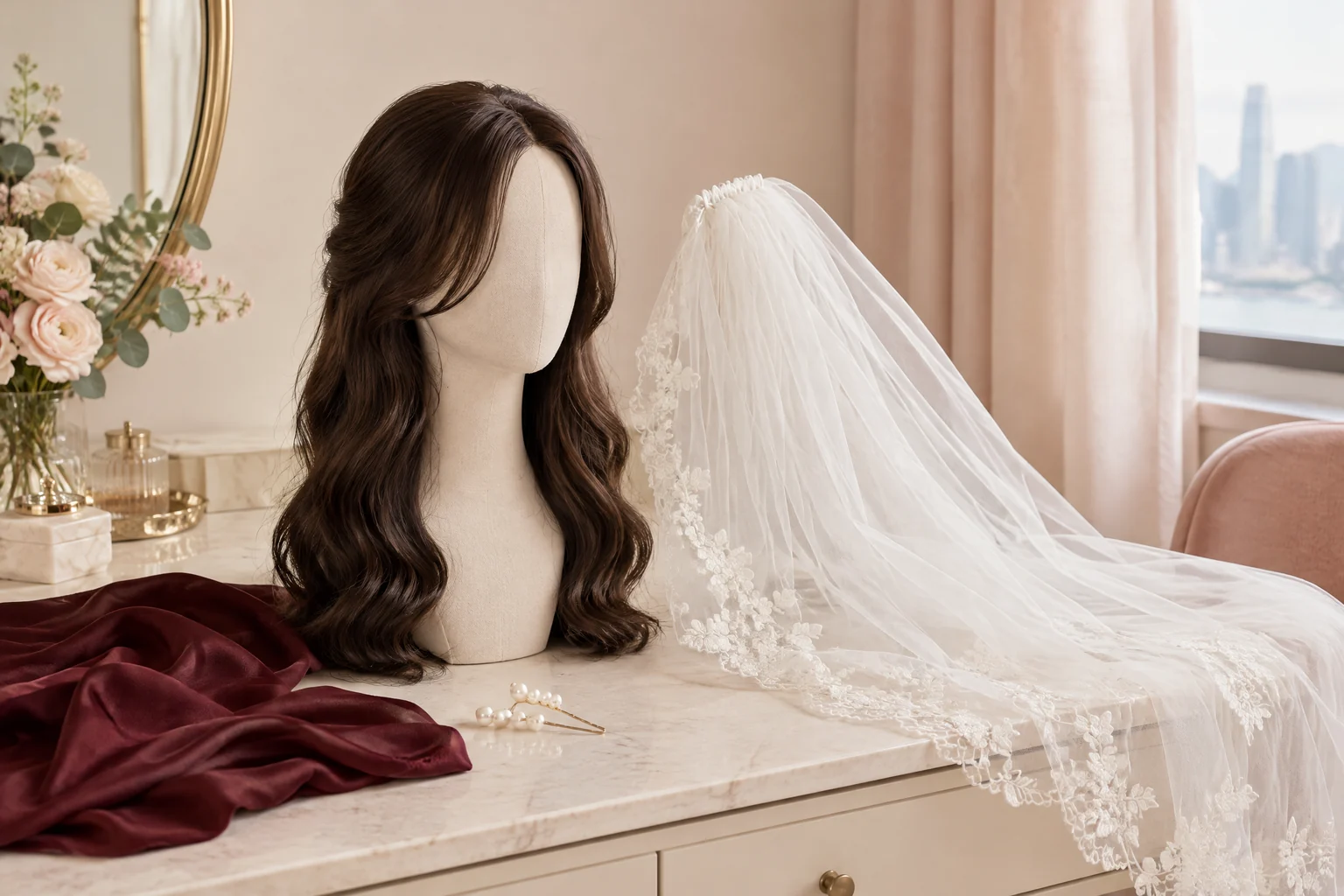
Start the trial with the approved handling boundary, before anyone selects tools. Place the reference photograph beside the owner's permissions and the supplier's instructions. Identify the desired features that can be explored without alteration. Compare how the existing fringe frames the eyebrows and whether the current parting suits your preferred portrait. The goal is a clear appearance decision, not proving that every inspiration photograph can be reproduced. Leave unresolved actions visibly outside the trial scope.
When discussing professional makeup for photoshoot Hong Kong, explain that the hairpiece is borrowed and alteration permissions are limited. Ask how that affects the makeup trial's sequence and the preparation needed beforehand. The makeup discussion can still address complexion finish, brow balance and the relationship between hair and clothing. Confirm who is responsible for handling the topper rather than assuming every booking includes specialist hairpiece work. Keep those responsibilities tied to the actual arrangement you agree.
Take comparison photographs only with your consent and the venue's agreement. Use the same intended framing when comparing two approved appearances, so the difference is easier to judge. Examine the hairline, fringe and overall balance together rather than inspecting one isolated strand. A phone photograph can support a shared decision, but it cannot promise the final photographer's result. Send the chosen appearance to the photographer and explain which parts are fixed by borrowing restrictions.
Prepare one fallback that does not require further changes to the borrowed piece. It might use your own hair, another permitted accessory or a portrait arrangement without the topper. Choose the option because you feel comfortable in it, not because the trial has run out of time. Discuss its makeup implications before leaving. A planned alternative protects your decision-making when approval is delayed. It also avoids treating the shoot date as a reason to cross the owner's boundary.
Give the shoot team a short, usable handover
Keep approved appearance and handling responsibilities together
Create a concise handover containing the piece's identity, approved actions and selected trial appearance. Add the unresolved actions as explicit exclusions. Name the person who will bring the item and the person authorised to handle it. Include the owner or supplier contact only with their permission. Keep sensitive background information out of the general shoot schedule. The team needs practical boundaries and relevant instructions, not a detailed explanation of why you choose to wear a topper.
For business headshot makeup, describe how you plan to use the portrait and which framing matters most. A closely cropped profile image may need different priorities from a wider branding photograph. Explain whether you want consistency with an existing image or a deliberate update. Keep that decision separate from alteration approval. Your intended professional presentation can guide makeup choices. It cannot expand borrowing permission or guarantee an exact photographic match.
Agree when the approved piece should arrive relative to makeup preparation and photography. Allow the responsible person time to compare it with the handover before proceeding. If a supplier must complete authorised work beforehand, confirm that arrangement directly rather than placing it inside the makeup appointment. Ask BigDeal about the actual service sequence relevant to your booking. Do not treat the trial as an open window for unplanned alterations that another specialist was supposed to complete.
Check clothing changes and accessories against the handling plan before the session. A high collar, headwear or a decorative clip may create a new question about contact with the piece. Describe the actual item instead of asking whether all accessories are acceptable. Send that question to the responsible supplier when compatibility is uncertain. Keep an alternative outfit or accessory choice available if useful. This is a wardrobe decision, not a reason to test unfamiliar attachment methods on borrowed property.

Plan the return before the portrait day begins
Treat restoration and privacy as part of borrowing
Agree with the owner how the topper should be returned and who will prepare it for that return. Follow the identified product's instructions rather than improvising washing or restyling. If the proposed shoot preparation requires specialist restoration, confirm responsibility before approving the change. Include the storage container and any accessories in the handover. A clear return arrangement reduces ambiguity about whether your permission covered wearing alone or also the work needed afterwards.
With the owner's agreement, record the piece's condition before the trial and again before the shoot. Photograph the relevant features without attaching personal medical information or unnecessary identity details. Store those images where only the agreed participants can access them. The record helps everyone discuss an existing fringe shape or base condition accurately. It is not proof that a styling action is safe. Keep material guidance and owner approval as their own requirements throughout the preparation.
If permission changes after the trial, update the appearance decision rather than relying on an earlier conversation. Tell both artists which actions have been withdrawn or remain unresolved. Replace the reference photograph if it now suggests an unavailable alteration. Confirm whether your fallback needs a different makeup balance or schedule. A last-minute restriction can be disappointing. It is easier to manage with one current version of the agreed plan.
After the session, report any unexpected change to the owner promptly and describe what actually happened. Avoid attempting an unapproved repair to make the item appear unchanged. Request the supplier's relevant advice if further handling is needed. Return the agreed information with the piece, including any authorised work that was completed. The practical measure of a good borrowing arrangement is not only your chosen portrait. It is also whether the owner receives their property under the agreed conditions.
Key takeaway
Approve the change before choosing the tool. Your reference photograph defines the appearance you want, while the owner controls permitted alterations. The supplier's model-specific instructions establish handling limits. When those decisions do not align, change the portrait plan rather than treating a borrowed topper as an experiment.
Practical checklist
- Match the owner's permission to the specific borrowed piece and its identification details.
- Keep cutting, heating and adhesive decisions separate, including any removal or restoration requirements.
- Send the artist the selected appearance, supplier instructions and clearly excluded actions.
- Confirm the responsible handler and actual preparation sequence before the portrait session.
- Agree on a comfortable fallback and the owner's return expectations before the shoot.
Frequently asked questions
Does permission to borrow include permission to trim?
Treat borrowing and trimming as separate permissions. Describe the proposed area and result to the owner. Obtain the supplier's relevant guidance before any work. Approval to wear the piece does not settle who may alter it.
Can heat styling be considered temporary?
Not automatically. Some heat-friendly fibres retain their changed texture after washing, as HairUWear explains for Tru2Life. Ask about your exact model and restoration requirements. The owner must understand the proposed change before authorising it.
What if the label is missing?
Ask the owner for purchase details or request identification from the original supplier. Keep material-dependent alterations outside the plan while identification remains unresolved. A similar-looking online photograph cannot establish the fibre or base of your borrowed piece.
Should I bring the owner's private messages to the trial?
Bring a concise permission record instead of sharing an entire conversation. Include the approved actions, exclusions and relevant product details. Ask permission before passing on contact information. Your makeup artist needs practical boundaries, not unrelated personal history.
Can the portrait proceed while alteration approval is pending?
Consider a chosen appearance that needs no pending alteration. Discuss whether the piece's already approved handling supports the shoot. Otherwise use your agreed fallback. Confirm any effect on makeup preparation and photography before keeping the original schedule.
Sources
| Source | What it supports |
|---|---|
| Synthetic Hair Care and Styling Tips | Jon Renau prohibits heat styling for the synthetic fibre covered by its guide and warns that razor cutting may shred and fray fibre ends. Identify the borrowed model before selecting tools. |
| Raquel Welch Colors & Care | HairUWear distinguishes heat-friendly Tru2Life from non-heat-stylable Kanekalon Vibralite and says heat-styled Tru2Life retains its new texture after washing. Heat changes cannot be assumed reversible. |
Discuss your own makeup plans
Discuss your portrait makeup plan with BigDeal Make Up on WhatsApp +852 6918 3153. Mention the borrowed topper, your preferred appearance and any unresolved alteration permissions when arranging your makeup preparation.
Ask on WhatsApp +852 6918 3153