
At a glance
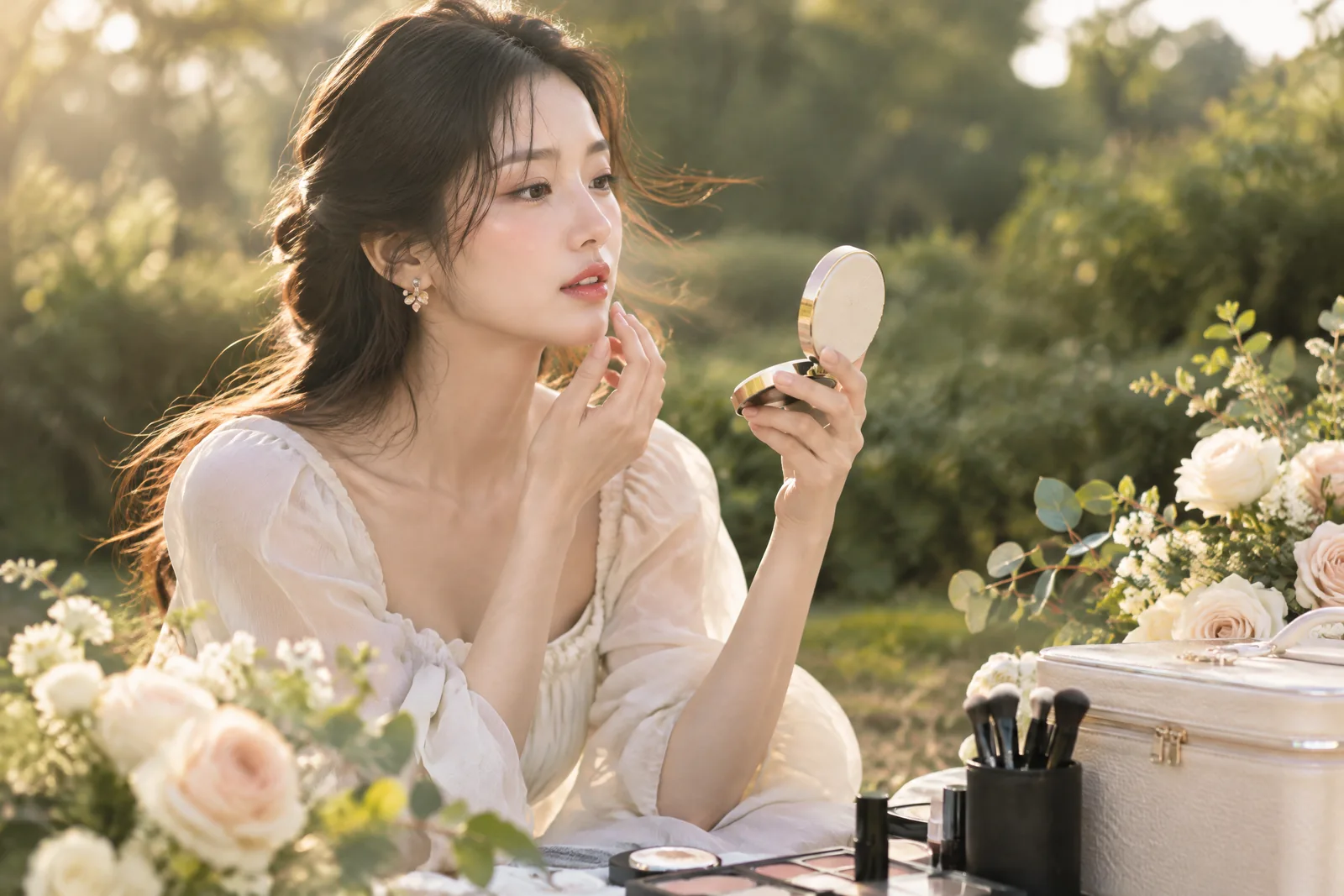
The strongest schedule treats makeup as part of the shoot sequence, not a separate appointment. Fix the first camera-ready time before choosing a call time. Add a second look only when it changes the story or setting. Keep travel, outfit changes and weather alternatives visible. Then share one concise run sheet with the photographer, hair stylist and makeup team. That coordination protects comfort and leaves room for considered adjustments.
Build a pre-wedding shoot makeup schedule around movement
A pre-wedding shoot makeup schedule starts with fixed moments
Begin with the moment the photographer needs the first finished image, rather than the time everyone arrives. Work backwards through dressing, hair finishing, makeup, a short settling period and any venue access. Add the desired direction beside each outfit, including engagement photoshoot makeup Hong Kong. A soft daytime look may suit several outfits when accessories and framing change. This first map stops a late location move from quietly shrinking the preparation window.
Separate fixed moments from flexible moments before anyone chooses a look. Fixed moments include photographer call, venue entry, booking slots and sunset plans. Flexible moments include portrait order, accessory swaps and minor lip changes. Mark both on one page. The schedule becomes easier to adjust when a delay occurs. It also makes clear whether additional on-site support is genuinely needed, rather than assumed.
Use a simple decision table before confirming arrangements. It does not need precise minute estimates. Its purpose is to show what must happen before the next camera setup. Leave a buffer between finishing and departure. That gap gives everyone time to pack, dress carefully and check the first look in the intended light. It also reduces rushed choices after everybody has already arrived.
| Moment | What to confirm | Why it matters |
|---|---|---|
| First camera-ready time | Outfit, hair accessory and location | Sets the backwards plan |
| Location move | Travel route, access and indoor fallback | Protects the next setup |
| Look change | New dress, hair adjustment and makeup intensity | Shows whether a true change is worthwhile |
| Final portraits | Touch-up point and transport after shooting | Avoids packing during key images |
Choose locations before fixing the beauty call time
Leave room for light, access and weather
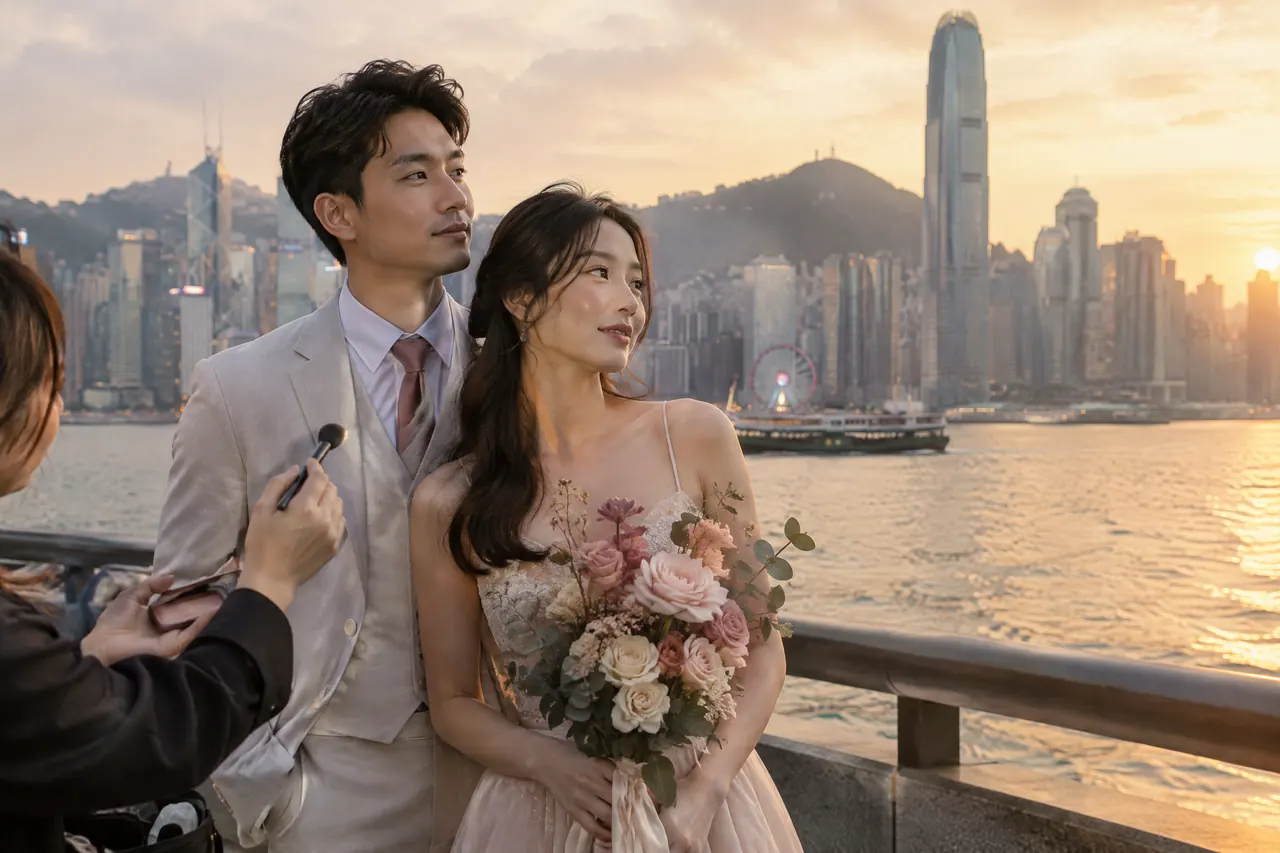
Location order affects more than scenery. It determines when you can dress, whether there is a private changing space and how much can be carried. Discuss those details with a pre-wedding makeup artist on location Hong Kong before fixing a call time. The first location should support the most important outfit and the least complicated preparation. A later location can be more adventurous because the principal images are already protected.
Hong Kong conditions can change the practical order. The Observatory notes that May to August are hot and humid, with occasional showers and thunderstorms. It also says about 80 percent of annual rain falls between May and September. [1] Build a nearby indoor alternative into the run sheet during wetter months. Keep the photographer’s contact, transport plan and a dry waiting point together, rather than deciding after departure. [1]
Do not make every buffer a beauty buffer. Some belongs to lifts, parking, crowds, wardrobe handling and finding the correct entrance. Ask the photographer which scene can move first if weather changes. Then choose a base and hairstyle that suit the original plan without making the backup setting feel unsuitable. Keep a cover-up layer nearby for the first location. This is a planning decision, not a promise that conditions will remain unchanged.
Decide whether a second look earns its place
Change the story, not just one small detail
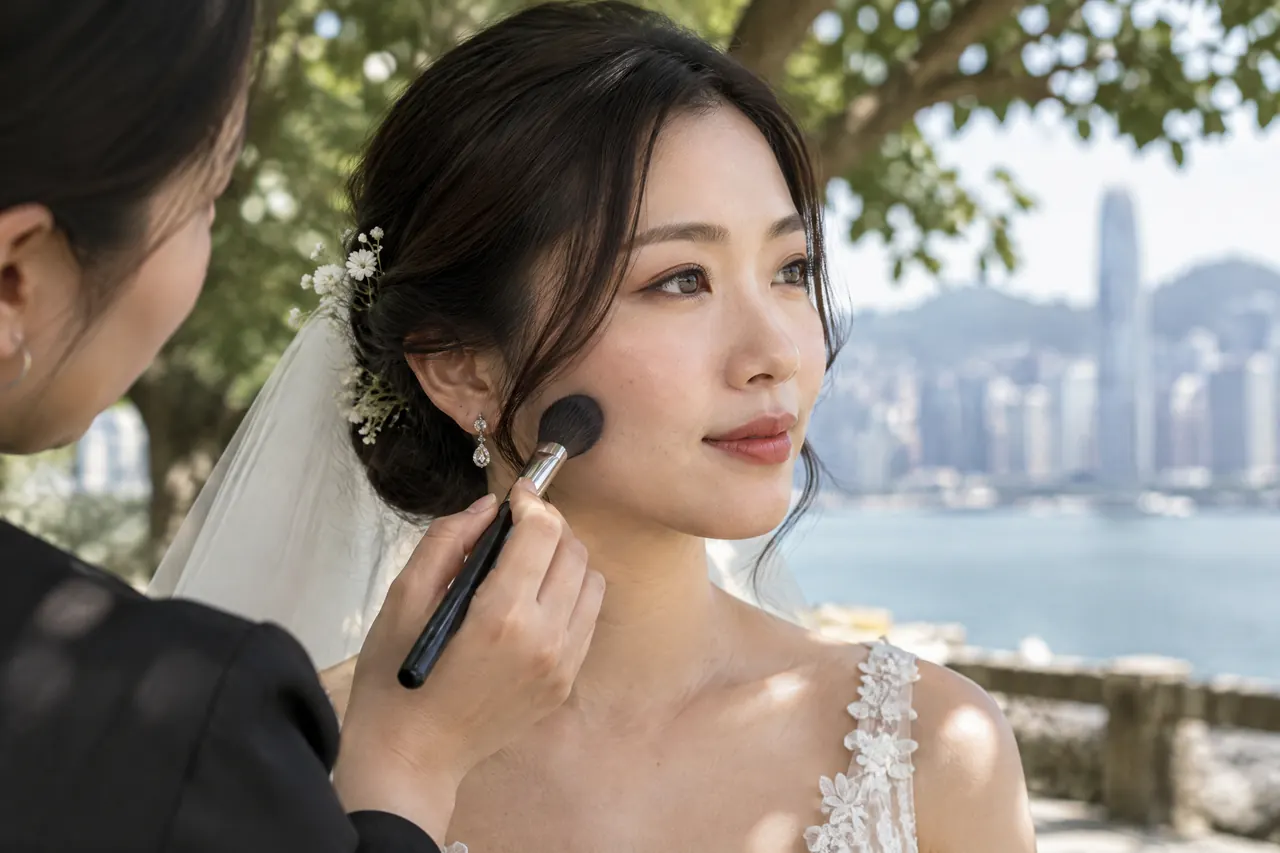
A second look is most useful when the dress, setting or image mood changes noticeably. Compare that aim with pre-wedding makeup one look before treating every outfit as a new makeup direction. A single consistent base can often carry a full shoot. A new lip, hair accessory or jacket may create enough contrast. Reserve a full change for a clear visual shift, not for a vague wish to have more variety.
Place every proposed change against the real shooting sequence. Ask what must be removed, what must be rebuilt and what can remain. A hair adjustment may be faster and less disruptive than changing the complexion and eye work. Plan the order so delicate details appear before humidity, wind or repeated dressing. The photographer can then place close portraits when the intended finish is freshest.
Keep the change area realistic. You need a clean, private spot, good light, a surface for accessories and enough quiet to avoid losing small items. Tell the team whether the change happens indoors, in a vehicle or between public locations. This information influences the practical scope more than a mood-board image alone. Confirm what support is included rather than assuming a continuous presence. This lets the day retain a calm, workable pace.
- Keep one adaptable base when only accessories or lip colour change.
- Place the most detailed portraits before a major wardrobe change.
- Confirm a private, well-lit space for any genuine second look.
- Treat a short touch-up differently from a complete makeup change.
Use a trial to settle smaller decisions earlier
Bring references with a purpose
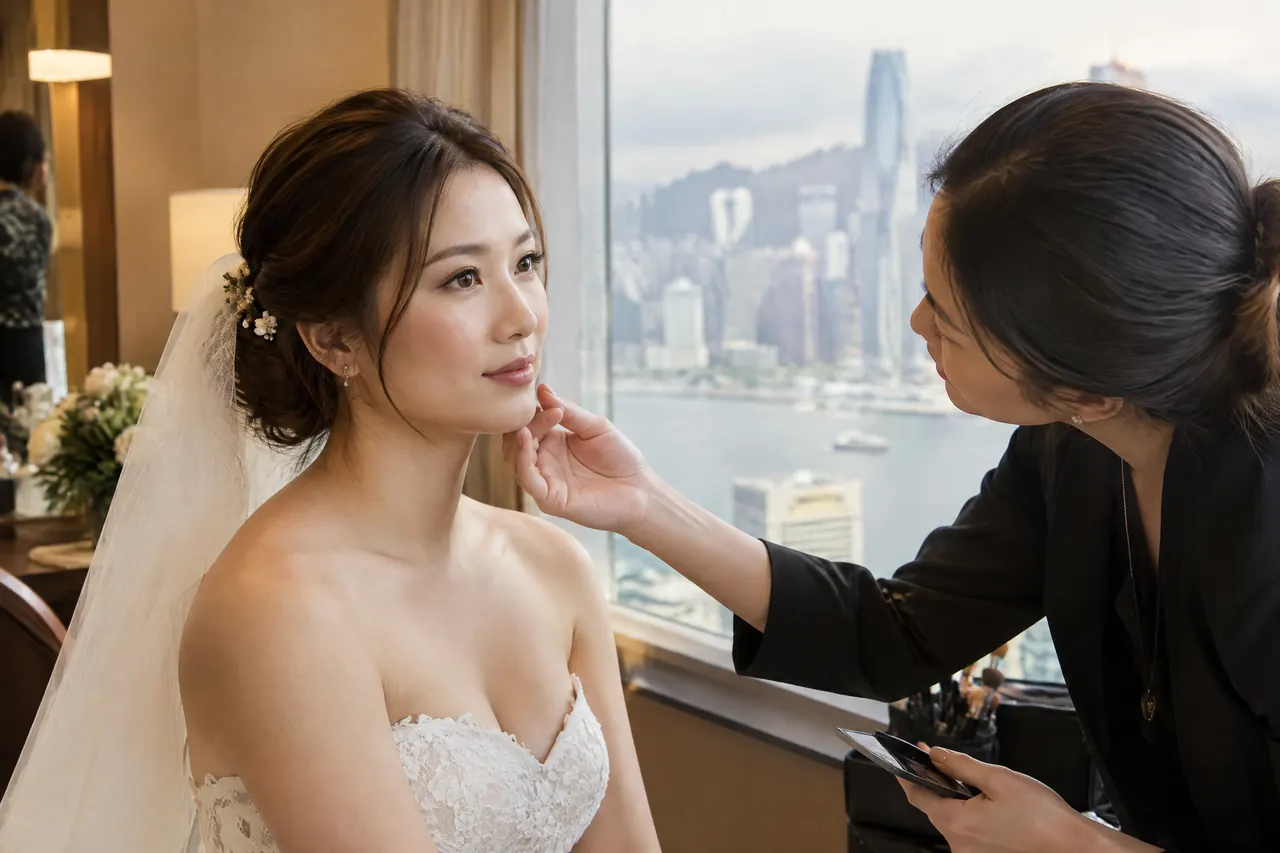
A pre-wedding makeup trial Hong Kong is most helpful when it answers specific questions before shoot day. Bring the strongest reference images, outfit colours and any accessories that affect balance. Name what you want to compare, such as softer brows against a stronger lip. Take clear notes after the session. Those notes should record the agreed direction, not create a long list of undecided alternatives. This keeps later communication concise and useful.
Test details that would be awkward to solve during a location move. Consider fringe placement, lash comfort, neckline balance and how a lip shade reads beside each outfit. If contact lenses are part of the plan, mention them early. The American Optometric Association advises applying soft lenses before makeup. It advises putting rigid gas-permeable lenses in after makeup. [2] Follow your own eye-care advice for personal concerns. Keep the lens case and approved supplies accessible. [2]
Agree a practical reference pack after the trial. Include one front-facing photograph, one side view, the hair accessory, outfit order and a note about which change matters most. Avoid treating a trial image as an unchangeable template. Lighting, weather and camera settings vary. The useful outcome is a shared direction and a set of priorities. This helps the team make sensible small choices on the day. It also avoids repeating a long consultation on location.

Protect continuity through outfits, light and touch-ups
Keep the base steady and the notes simple
Continuity means the look still belongs to the same story after walking, changing and moving between settings. It does not mean every shine mark disappears. Review pre-wedding makeup price Hong Kong only after you know the day’s actual coverage needs. A longer shoot, extra location or real look change may alter the arrangement. Written scope is more useful than comparing labels without the timetable. It should match each planned transition, not just the final image.
Make one person responsible for holding the short version of the plan. That person can confirm the next outfit, accessories and planned touch-up moment. Keep the notes visual and brief. A marked-up outfit list works better than messages scattered across several phones. If a change is delayed, the team can decide whether to simplify the next detail without losing the overall direction. The priority portrait should remain visible on the list.
Prepare a compact kit around maintenance rather than reinvention. Blotting papers, the agreed lip product, a small mirror and hair pins may be enough. Keep spare accessories protected and separate from cosmetics. Ask who carries each item during travel. This prevents a touch-up pause from becoming a search through bags. Any product preferences or sensitivities should be raised when arrangements are confirmed. This prevents last-minute substitutions from becoming a distraction.

Confirm a shared run sheet before the shoot
Make the final check practical
Send the final run sheet in advance through the pre-wedding makeup booking Hong Kong discussion. Include date, first-ready time, location order, transport contacts, outfit sequence and the agreed number of look changes. Add access instructions and the person who can make quick decisions. A useful schedule gives clear priorities without pretending every moment will run exactly as planned. It should be easy to read while travelling between locations.
On the morning, begin with the priority images and the first complete outfit. Keep jewellery and outer layers away until makeup and hair have settled. Before leaving, check the face in the light closest to the first setting. Then pack the agreed touch-up items in one reachable place. During the shoot, pause briefly at planned transitions rather than waiting for every small concern to accumulate. Keep those pauses short and connected to the next scene.
Finish with a final decision list, not a fresh round of experiments. Confirm the last location, final outfit, transport after shooting and what belongs in the touch-up bag. If something changes, decide which planned feature matters most. That approach protects the shoot’s visual direction while keeping people comfortable. It also gives customer service the information needed to confirm practical arrangements accurately. Keep a final copy with the person managing the day.
Key takeaway
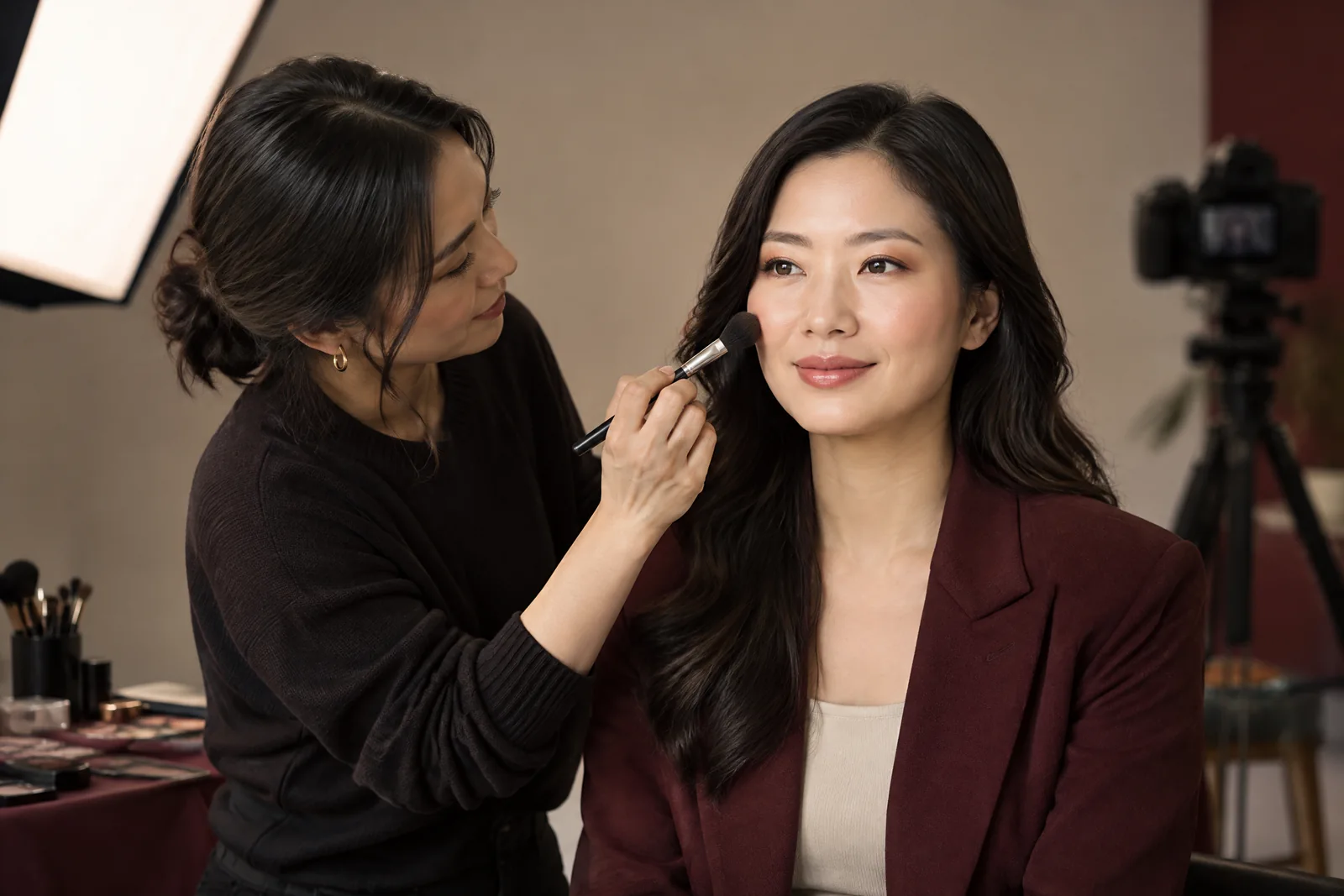
Choose a second look only when it earns the time required for travel, changing and rebuilding details. The trade-off is simple: more visual variety can add pressure to a tightly sequenced shoot. One adaptable direction with well-timed accessory and lip changes often protects the photography better. If several locations, major wardrobe shifts and planned pauses already exist, a fuller change may be worthwhile. Let the image sequence, rather than the number of outfits, decide.
Practical checklist
- Write the first camera-ready time beside the first outfit and location.
- List every location move, access point, transport contact and indoor alternative.
- Mark each outfit as a touch-up, minor restyle or genuine second look.
- Share reference images, accessory notes and product preferences before arrangements are confirmed.
- Pack blotting papers, the agreed lip product, pins and a small mirror.
- Name one person who can approve simple changes during the shoot.
Frequently asked questions
Should I plan one or two makeup looks?
Choose two only when the second outfit or setting needs a genuinely different visual direction. One thoughtful base with selective adjustments can be calmer for a moving shoot. Put the proposed change beside the location order. If it interrupts priority portraits, simplify it or move it later.
When should I arrange a pre-wedding makeup trial?
Arrange it before the shoot plan becomes fixed, especially when hair accessories or contact lenses matter. Bring the confirmed outfit palette and reference images. Use the session to reduce decisions, not to test every online trend. Confirm the final direction and remaining practical questions with customer service.
What should the photographer receive from the makeup plan?
Share the first camera-ready time, location order, outfit sequence and planned change points. Add any images that show the intended mood. The photographer can then protect close portraits before a major change. This also helps everyone identify where a short buffer will make the most difference.
How can weather change the schedule?
Weather may change travel time, comfort, lighting and which location works first. Keep one alternative setting and a contact route ready. Do not wait until everyone has travelled to discuss it. A prepared change of order is usually easier than rebuilding the whole shoot plan.
What should I bring to the shoot?
Bring the agreed touch-up items, accessories, a small mirror and any confirmed product preferences. Keep each outfit clearly separated. Bring lenses and eye-care items only as advised for your personal use. Leave experimental products at home, since the day is for carrying out an agreed direction.
Sources
| Source | What it supports |
|---|---|
| Climate of Hong Kong | Hong Kong Observatory climate guidance states that May to August are hot and humid with occasional showers and thunderstorms, and about 80 percent of annual rain falls between May and September. |
| Contact Lens Care | American Optometric Association cosmetic guidance says to insert soft contact lenses before applying makeup and rigid gas-permeable lenses after makeup. |
Discuss your own makeup plans
Share your date, first-ready time, locations, outfits and preferred finish on WhatsApp +852 6918 3153 for tailored pre-wedding shoot planning.
Ask on WhatsApp +852 6918 3153