
At a glance
Start with a finish that respects current texture, then adjust coverage only where it adds value. Dry areas usually need flexible layers, while shiny areas need selective control. Combination skin often benefits from different choices across the face. Lighting changes what the base appears to do. Hong Kong humidity makes a modest touch-up plan practical. The strongest decision is rarely the most matte or most radiant option. It is the one you can wear comfortably and maintain calmly.
Start your foundation finish decision guide with observation
What a foundation finish decision guide should compare
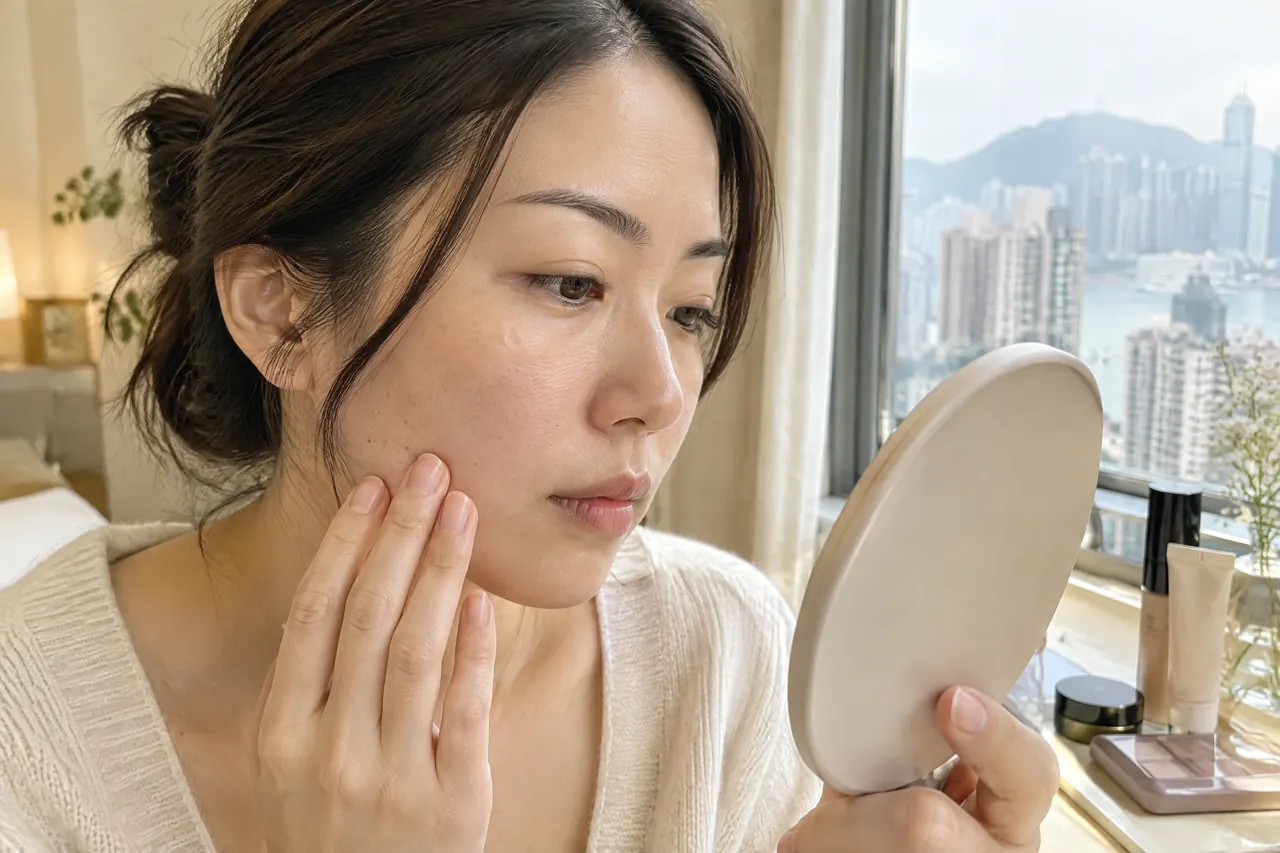
Begin with your bare face in ordinary daylight, after your usual skincare has settled. Look at the jawline, cheeks, nose, and chin separately. Shade comes before finish, because a suitable tone gives every texture a fairer chance. The foundation shade matching guide can help you consider tone and undertone before coverage. Then describe what you actually see: dryness, shine, uneven tone, or texture. This makes the finish decision specific rather than aspirational.
Finish describes the surface impression after foundation has settled. Matte usually reduces visible shine. Satin sits between matte and glow, with a more skin-like sheen. Radiant finishes reflect more light and can appear fresher. Coverage describes how much colour correction or concealment the base provides. These are related decisions, but they are not the same decision. A full-coverage base can be satin, and a sheer base can be matte. Separating them prevents unnecessarily heavy layering.
Decide what must look consistent during the occasion. You may want even tone for a close portrait. You may instead need a comfortable base for a long lunch or several venue changes. Name one main priority, then one secondary priority. For instance, choose natural daylight first and shine control second. This order helps when two preferences conflict. It also makes reference photographs easier to discuss without copying a filter or assuming identical skin conditions.
- Check the jawline, cheeks, nose, and chin separately.
- Choose shade before deciding coverage or surface shine.
- Name one main priority and one secondary priority.
- Use ordinary daylight rather than a heavily filtered image.
| Priority | Useful finish direction | Coverage approach | Practical check |
|---|---|---|---|
| Comfort around dry areas | Satin or softly radiant | Light base with local correction | Check after smiling and speaking. |
| Shine through the T-zone | Soft matte in selected zones | Build thinly where tone needs evening | Blot before adding more powder. |
| Mixed behaviour across the face | Satin base with targeted setting | Use concealer instead of extra all-over layers | Review cheeks and centre separately. |
| Close photographs or evening lighting | Satin, then adjust by lighting | Use enough coverage for the desired tone | Take one unfiltered test photograph. |
Read dryness and surface texture before adding coverage
Let flexible layers protect comfort
If foundation catches around the nose, mouth, or cheeks, more coverage may emphasise the issue. Start with a small amount where you need evening out. Then build only after the first layer settles. The dry skin makeup guide is useful when comfort and visible flaking affect your choice. A satin or softly radiant surface can look more forgiving than a flat finish. The aim is not constant shine. It is a flexible base that still resembles skin.
Preparation changes the way any finish sits. Allow skincare to settle before makeup, rather than covering a slippery surface immediately. Press foundation on lightly instead of dragging it across dry patches. Use a small amount of concealer only where extra correction matters. Powder does not need to cover every part of the face. Place it where movement or unwanted shine needs control. This leaves smoother areas free to retain the chosen finish.
Texture is normal, and foundation cannot erase it without trade-offs. Thick layers may make a close mirror view appear smoother at first. Later, they can gather around expression lines or dry edges. A lighter base with targeted correction often looks calmer in person. Compare the result after talking, smiling, and wearing it for a while. That short check reveals more than a still face under one bathroom light.
Control shine selectively instead of choosing an all-over mask
Keep dimension around the face
A shiny T-zone does not automatically require a completely matte complexion. Observe where shine develops and when it becomes distracting. The oily skin makeup guide offers a useful starting point for selective control. A soft matte approach may work on the centre of the face. Cheeks can remain satin if they feel comfortable. This contrast often keeps the complexion dimensional while giving you a clearer plan for maintenance.
Build thin layers and pause between them. A heavy first layer can encourage unnecessary powder, which may leave the base looking dull. Apply coverage where redness or uneven tone needs it. Use a light setting step over areas that usually become shiny. Then reassess under different light. If the face looks flat, reduce powder on the outer cheeks before adding more glow. Small adjustments are easier to reverse than a fully powdered base.
Touching the face, commuting, warm rooms, and close greetings can all change how foundation feels. Plan for that reality rather than chasing an immovable surface. Carry blotting papers or a clean tissue if they suit your routine. Press, do not rub, when removing excess shine. Reapply a small amount of powder only after blotting. This sequence protects coverage better than repeatedly layering powder onto moisture or oil.
Use zones for combination skin and uneven texture
One face can need more than one finish
Many people notice different behaviour across the face. The centre may become shiny while the cheeks feel tight or textured. In that case, makeup for combination skin should be considered as a zone-by-zone question. Use a comfortable base across the face, then set only the places needing control. This allows one overall look without forcing every area into the same finish. It also reduces the temptation to over-correct the drier zones.
Start by matching foundation to the larger areas of the face and neck. Then use placement to refine the result. A small concealer application can address local discoloration without thickening the entire base. Light powder may be limited to the sides of the nose, chin, or forehead. A cream cheek product can remain on smoother skin if desired. This is a practical way to keep contrast and comfort within one complexion plan.
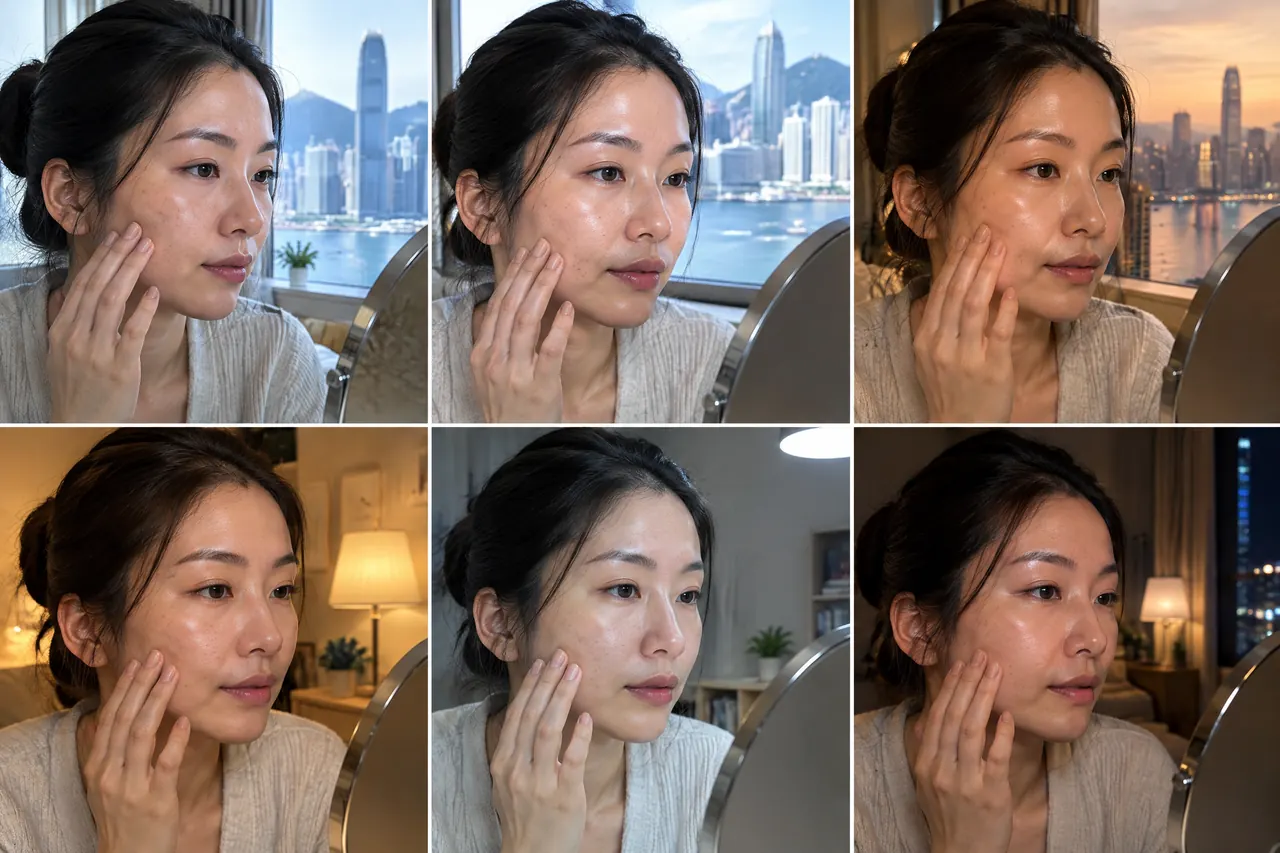
Check your finish from normal conversation distance as well as close range. A mirror magnifies small details that other people may never notice. Daylight reveals colour and surface balance. Indoor light can make powder appear stronger or softer. Take one unfiltered photograph if the occasion includes pictures. The purpose is not to scrutinise every pore. It is to see whether the finish still looks balanced when the face is read as a whole.

Adjust coverage and finish for mature-looking texture
Prioritise movement over a perfectly flat surface
Foundation can settle differently where the skin moves often, especially around the eyes and mouth. The makeup for mature skin guide is relevant when you want to balance even tone with a flexible finish. Begin with a lighter layer and assess it after facial movement. Add correction only where it changes the overall impression. A satin finish can preserve some light without demanding strong shine. Comfort and movement usually matter more than a perfectly flat surface.
Avoid treating every visible line as a problem to cover. Heavy product may collect where the face naturally bends. Instead, focus coverage on tone differences that affect the overall balance. Keep the eye area lighter if that feels more comfortable. Use precise concealer rather than expanding foundation everywhere. Let the cheek area retain a little life, especially for daylight. This approach can make the finished complexion look considered rather than overly corrected.
Your preferred finish can still change with the occasion. A soft daytime gathering may suit a more natural surface. Evening lighting can support a slightly more polished base. Test the full look with your usual glasses, hairstyle, and clothing colour. These details influence how strong the face appears. Ask whether the base supports the whole look, rather than whether it wins attention alone. That question often leads to a more proportionate choice.
Test lighting, photography, climate, and your touch-up plan
Plan for the setting instead of a perfect first application
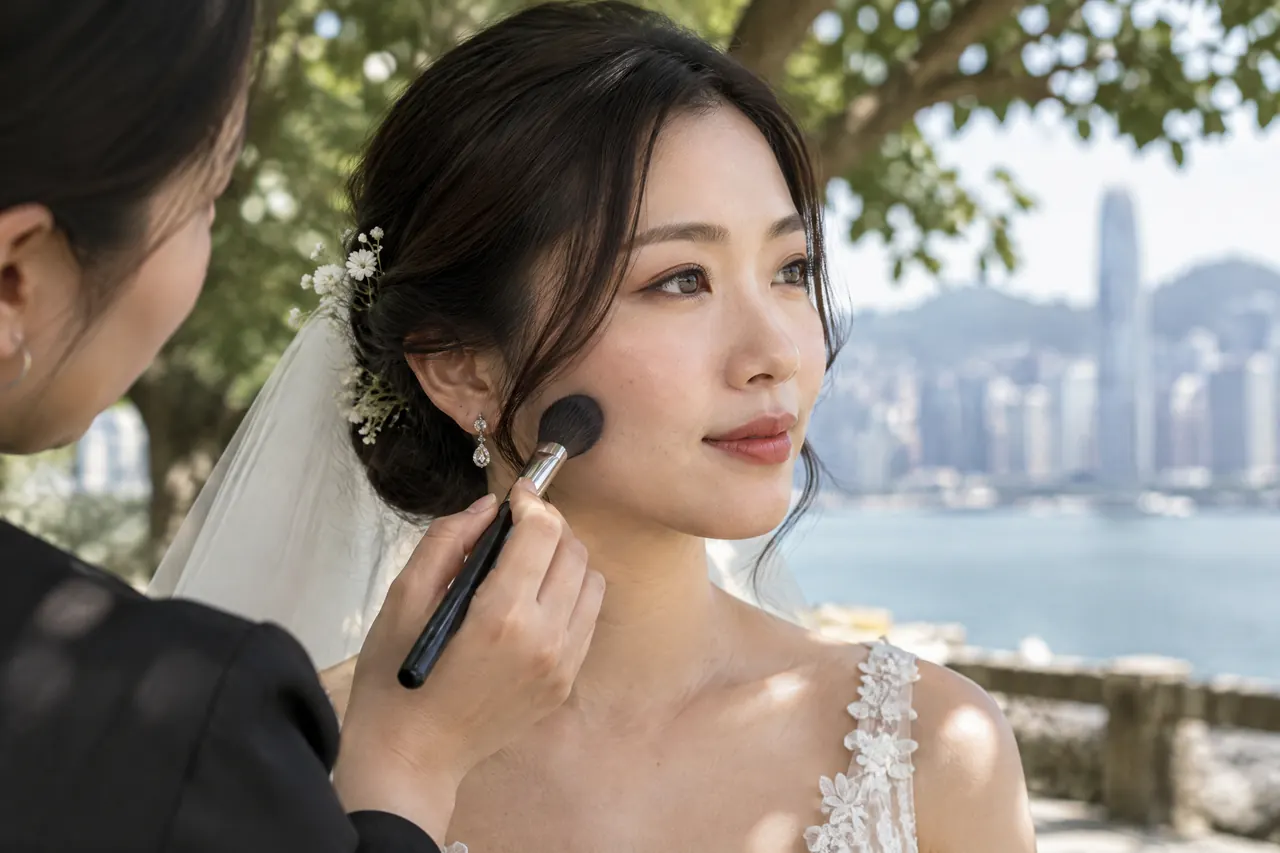
A chosen finish must survive the day you actually have planned. If your schedule includes travel, outdoor waiting, photographs, or a long meal, decide what you can refresh discreetly. The makeup touch-up service page clarifies the difference between modest upkeep and a changed look. Bring only the items you can use confidently. A simple plan often means blotting, checking the lip colour, and assessing one shiny area before photographs.
Hong Kong weather can make that planning especially sensible. The Hong Kong Observatory describes May through August as hot and humid, with showers and thunderstorms possible. [1] That does not dictate one finish for every person. It does make comfort, thin layers, and a realistic refresh more relevant. Test your base on an ordinary warm day when possible. Notice whether it feels comfortable before deciding that more powder is the only response to humidity. [1]
Photography is another reason to test rather than guess. Direct window light can reveal tone differences and dry edges. Flash may change how sheen appears, depending on the camera and setting. Ask the photographer or organiser what lighting is expected when that information is available. Take a simple unfiltered test photograph under similar conditions. Then compare the image with your face in person. Use the result to refine placement, not to chase a permanently filter-like finish.
Keep product changes and skin concerns in proportion
Treat comfort as a reason to simplify
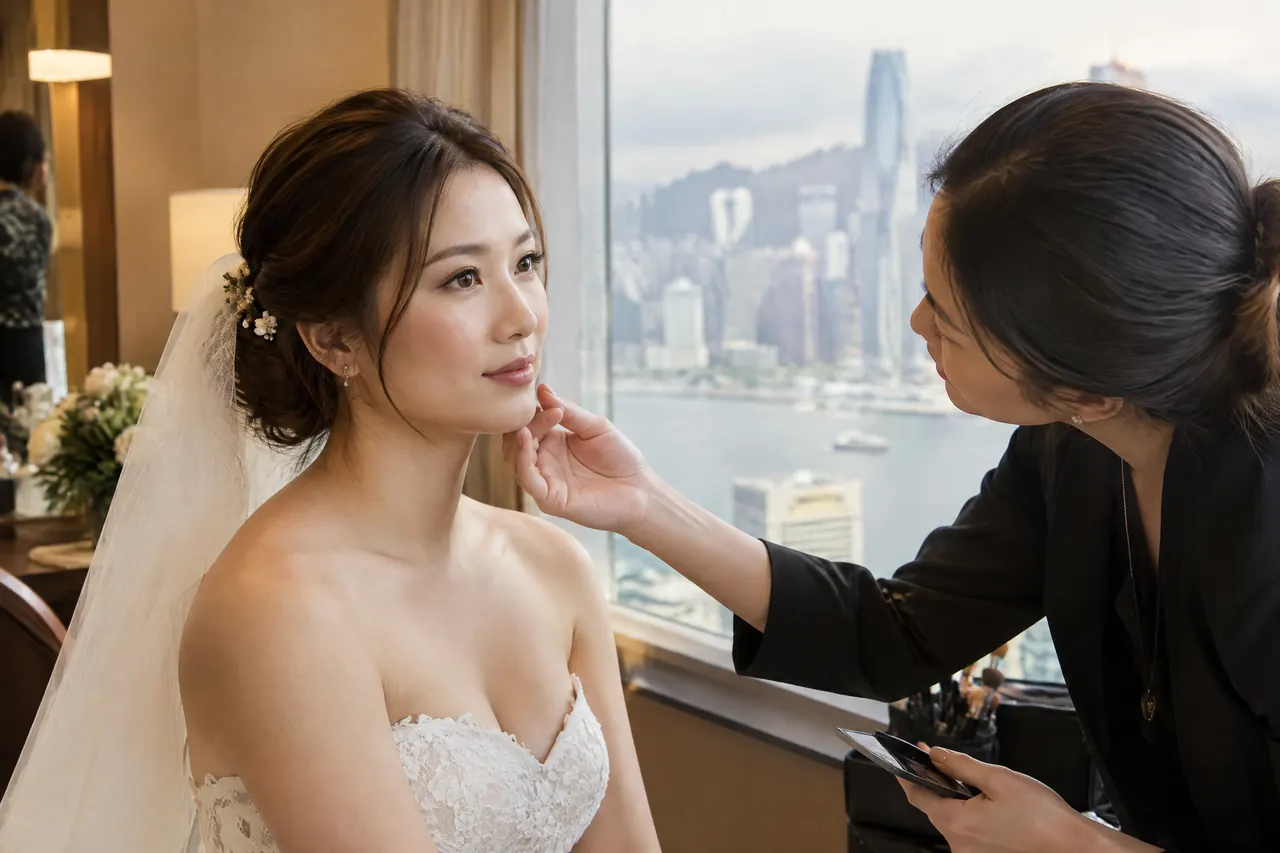
If you are trying an unfamiliar skincare or complexion product, allow time before an important occasion. The American Academy of Dermatology advises testing a new skin product on small areas before routine use. [2] This is especially relevant when your skin has reacted before. Keep a short list of products you know feel comfortable. Share relevant sensitivities when making an enquiry. A makeup discussion can consider preferences, but it cannot diagnose the cause of a reaction. [2]
Avoid introducing several unfamiliar products at the same time. If discomfort appears, it becomes harder to identify what changed. Keep the preparation routine familiar, then test one addition well ahead of the event. The United States Food and Drug Administration advises stopping use after a cosmetic reaction. It also advises contacting a healthcare provider. [3] This is a safety boundary, not a complexion technique. Seek suitable professional advice for persistent, severe, or uncertain skin concerns. [3]
A good decision guide ends with a small, honest brief. State the occasion, expected lighting, wear time, texture concerns, and what touch-up effort feels realistic. Mention whether you prefer satin, matte, or radiant references, without treating them as fixed labels. BigDeal Make Up can discuss Hong Kong makeup services or makeup lessons around those preferences. Confirm practical arrangements and product requests directly with customer service before relying on any particular option.
Key takeaway
Choose a finish that fits your most demanding condition, then correct only where needed. A flatter base can support shine control, but may reduce visible dimension. A more radiant base can look fresh, but needs careful placement in warm conditions. Satin often offers a middle route. The practical trade-off is not matte versus glow. It is the balance between surface appearance, skin comfort, and the touch-ups you can realistically manage.
Practical checklist
- Observe the bare face in ordinary daylight before choosing finish.
- Decide one main priority, such as comfort, shine control, or photography.
- Test thin layers after skincare has settled fully.
- Check the base after smiling, speaking, and a short period of wear.
- Take one unfiltered photograph under similar lighting when possible.
- Pack only touch-up items you can use confidently.
Frequently asked questions
Should I choose matte foundation if I become shiny?
Not necessarily. First notice where shine appears and whether it bothers you in person or photographs. A selectively set satin base may feel more comfortable. A soft matte finish can be useful through the T-zone. Test the result through your usual travel, conversations, and lighting before deciding.
Can I wear radiant foundation in Hong Kong humidity?
Yes, if the surface feels comfortable and your maintenance plan is realistic. Keep layers thin and avoid adding glow everywhere. Set the areas that become shiny first. Carry a simple blotting option if useful. A radiant look should still feel wearable after travel and during the event.
How do I choose coverage without making texture more visible?
Apply a light layer, then add concealer only where extra correction changes the overall balance. Let each layer settle before adding another. Check the result after natural facial movement. This usually gives clearer control than covering the entire face heavily from the start.
What should I share before asking about a foundation finish?
Share the occasion, ready-by time, expected lighting, wear length, usual skin behaviour, and preferred references. Mention any product sensitivities or comfort concerns. Explain whether you expect photographs or outdoor travel. These details support a more practical discussion than simply asking for matte or dewy makeup.
Sources
| Source | What it supports |
|---|---|
| Climate of Hong Kong | The Hong Kong Observatory states that May through August are hot and humid, with occasional showers and thunderstorms. |
| How to Test Skin Care Products | The American Academy of Dermatology recommends testing a new skin product on small areas before routine use. |
| How to Report a Cosmetic Product Related Complaint | The FDA states that, following a cosmetic-product reaction, the first step is to stop using the product and contact a healthcare provider. |
Discuss your own makeup plans
For a considered complexion discussion, message BigDeal Make Up on WhatsApp at +852 6918 3153. Share your occasion, lighting, preferred finish, and practical concerns.
Ask on WhatsApp +852 6918 3153