
BigDeal Make Up · Hong Kong
Hooded Eyes Makeup And Hooded Eye Makeup Tutorial
Hooded eyes makeup starts with the eye open and relaxed: place shadow, liner and lashes where the lid space is actually visible when you smile or speak. This hooded eye makeup tutorial explains how to position colour, choose liner weight and test lashes, and treats eyelid tape and false lashes as removable styling aids that always require comfort checks and clear consent before use.

At a glance
hooded eyes makeup
Look at the eye open and relaxed, place shadow where it will actually show, pick a liner weight that survives blinking, and use lashes that lift without blocking the eye. The guide below adapts techniques for Asian hooded eyes, explains when to discuss eyelid tape or contact lenses, and lists the questions to answer before booking a lesson, a hooded eyes makeup class or a studio appointment.
01
A practical guide to hooded eyes makeup
Practical considerations for hooded eye makeup tutorial
Start every brow-to-lash plan by observing the eye open, relaxed and facing forward. Many hooded eyes appear different when the lid is closed: shadow applied on a closed lid can disappear into the fold when the eye opens. Identify the amount of mobile lid you actually see—this visible lid space guides shadow placement and how much liner will show.
When teaching or booking a hooded eyes makeup session, I ask clients to sit upright and look straight ahead while I trace an imaginary line across the visible lid. This sets a functional outer crease and prevents product being wasted above an area that will be hidden when the eye is relaxed. For Asian hooded eyes makeup, the visible space may be narrower and often benefits from a slightly higher but subtle shadow wash that still reads when the eyes are open.
Use a small, flat brush to demonstrate on one eye while it is open so the client sees where colour appears. That test also reveals where shimmer will catch light and whether a darker shade will look heavy in movement. The open-eye check is the single most important step in any hooded eye makeup tutorial because it resolves placement before you start layering.
For a closer comparison, consider eyeliner for downturned eyes
02
A practical guide to hooded eye makeup tutorial — place shadow slightly above the fold only where it will show
Practical considerations for hooded eye makeup tutorial
Place matte transition shades just above the visible lid rather than deep into the fold. In practice this means applying a soft, diffused colour a few millimetres above where the lid meets the brow bone when the eye is open. That placement creates the illusion of depth without disappearing under the hood when the eye opens and closes.
For natural eyeshadow for hooded eyes, choose a warm, mid-tone matte on the mobile lid and gently sweep a slightly deeper matte into the area above the visible lid to define shape. Keep shimmers confined to the centre or inner third of the visible lid so they catch light without emphasising hooding. A small domed brush and a light hand are essential: heavy force packs pigment into the fold where it will vanish.
Smoky eyes for hooded lids work when the darkest pigment stays close to the lashline and outer visible lid, then blurs upwards to a soft transition shade. Avoid drawing a strong, dark line directly in the fold; instead concentrate depth where it will be seen with the eye open and soften the edges so expression doesn’t erase the effect.
Match your plans with monolid eyes makeup
03
How to adapt the technique to your features and occasion — choose liner weight that survives the open-eye check
A realistic way to assess the finished look in a hooded eye makeup tutorial
Eyelid liner for hooded eyes must be judged with the eye open. A thick winged line often disappears under the hood when the eye is relaxed or can transfer to the upper lid crease. Test liner weight by drawing the intended line then having the client open and blink; refine until the mark reads at the outer third without poking or smudging into the hooded crease.
For subtle daytime looks choose a thin pencil or tightline technique to darken lashes without heavy shaping. A long-wear formula that won’t migrate is useful, but always test wear against natural blinking and expression. For a more dramatic evening effect, a tapered soft gel liner applied close to the lashes and extended slightly at an angle will remain visible if kept narrow and blended upward into the outer shadow.
If you want a definitive wing for photographs, mark the wing while the eye is open and keep the angle shallow; a steep vertical flick tends to tuck into hooded space. In classes we practise both open-eye and closed-eye applications so you learn the difference between lines that look strong when closed and lines that remain present on the moving, visible lid.
You may also find it useful to compare Asian bridal makeup
04
How to adapt the technique to your features and occasion — use lash shape to support the look without blocking the eye
Practical considerations for hooded eyes makeup
False lashes are a styling tool, not a fix. For hooded eyes choose lashes with a gradual length increase towards the outer corner rather than dense full bands that can press against the hood and obscure the eye. A flatter spike or a short-centre, long-outer profile lifts appearance without blocking the visible space.
When teaching lashes for hooded eyes makeup, I demonstrate trimming the lash band and testing the strip while the eye is open. A long, upward-curving lash that starts too far from the inner corner can push on the hood and cause discomfort or gaps. Use lightweight, flexible bands and trim in small increments until the strip lies comfortably without crowding the mobile lid.
Adhesive selection and placement are important: place the lash slightly above the natural lashline to create an illusion of open space, but never so far up that it presses into the hood. For those who prefer mascara alone, layering a volumising formula at the outer lashes and curling carefully will support the same lifted effect without an external band.
For another approach, explore brow design
05
Questions to confirm before a booking or class — discuss eyelid tape, contact lenses and comfort before use
Practical considerations for hooded eye makeup tutorial
Eyelid tape and glue are optional, removable styling tools and must be treated as such in any hooded eyes makeup class or appointment. Before using adhesive on a client, confirm allergies, skin sensitivity and recent procedures around the eye. Ask whether contact lenses will be worn and whether the client has tried tape before; if they haven’t, offer to demo on yourself or to let them apply under supervision.
Comfort, not permanence, is the objective. Explain the temporary nature of eyelid tape and the likely feeling during wear—some clients notice tightness or pulling, especially on more mature skin. Provide clear guidance on removal and recommend a gentle oil-based remover if adhesive residue remains, while reminding clients not to use household solvents or vigorous rubbing near the eye.
For those enrolled in a hooded eyes makeup class, include a consent and comfort-check step before any adhesive or lashes are applied. This ensures transparent consent and a sensitivity check before any styling begins. If a client prefers to avoid adhesives, plan alternative lifts using curl, mascara layering and strategic shadow instead.
Before deciding, take a look at Makeup Techniques
06
Questions to confirm before a booking or class — confirm whether a requested hooded-eye arrangement is available
A realistic way to assess the finished look and class content
Availability and scope of a hooded eyes makeup lesson or service must be checked with customer service. There is no fixed public price or guaranteed class schedule here; staff will confirm format, fees and whether Maggie Yeung will teach on your requested date. Enquire about class size, whether you want hands-on practice, and whether the session includes product lists or a take-home cheat sheet.
Be specific about the result you want—natural daytime, smoky evening, bridal or editorial—and ask which removable styling choices the artist will propose. Since eyelid tape and false lashes are optional and removable, ask whether the studio will supply those items or whether you should bring your preferred brands and any contact lenses you’re used to wearing.
Before confirming, ask about sensitivity policies, refunds or rescheduling terms, and whether the class includes an open-eye check during practice. If you want a named artist, mention Maggie Yeung specifically; she is an instructor here, her Red’s Beauty personal studio began in 2003 and she teaches hooded-eye techniques within the BigDeal programme when scheduled, but availability should be confirmed.
For a closer comparison, consider makeup touch-up service
07
Practical choices when you want hands-on practice — decide tools, outcomes and who teaches your session
Deciding tools, outcomes and who teaches your hooded eyes makeup class
If you’re booking a lesson to learn how to do hooded eye makeup, be clear about the technique focus and whether you want hands-on practice or demonstration. Start by asking which removable styling aids will be offered—adhesives, sample lashes or lash curlers—and whether you should bring your own. For example, eyelid tape hooded eyes techniques are demonstrated as a temporary styling option only; they’re shown and practised with consent, sensitivity checks and guided removal.
Identify the look you want—natural day, lifted outer-corner, smoky evening or bridal—and ask the tutor to show a step-by-step plan for that result. A good session will include an open-eye check at each stage so you learn hooded eyes eyeshadow placement that actually reads when the eye is relaxed. Expect the instructor to demonstrate both closed-lid application (useful for neat edges) and open-lid adjustments (where the true placement lives), and to explain the trade-offs between shimmer, matte and liner weight.
If you prefer a named teacher, ask about Maggie Yeung’s availability; her Red’s Beauty personal studio began in 2003 and she teaches hooded-eye approaches within BigDeal when scheduled. Confirm whether an English session is possible for your date and whether the class will cover removable aids such as tape and adhesive lashes. Because hours, certificate details and exact teaching dates are not listed publicly, these points require direct enquiry so you know precisely what will be covered and who will lead your lesson.
08
Choosing liner and eyeshadow for a lasting look — how to place product so it shows and stays put
How to place product so it shows and lasts for hooded eyes makeup
A common frustration is drawing what looks like a perfect line with the eye closed that disappears or smudges when the eye opens. To avoid that, practise hooded eyelid eyeliner techniques with the eye open: apply a thin, close-to-lashline line, blink and refine until the mark is visible at the outer third without folding into the hood. For more drama, extend the line slightly and blend upward into the outer shadow rather than packing pigment into the fold; that preserves visibility and minimises transfer.
Hooded eyes eyeshadow placement depends on the visible mobile lid rather than the crease you see when the eye is closed. Use a mid-tone matte across the mobile lid and sweep a softer transition shade a few millimetres above the visible lid to create depth that survives blinking. Reserve shimmer for the centre or inner third of the visible lid so it catches light without highlighting hooding; if you need extra hold, set thin liner with matching shadow to reduce migration.
False lashes and adhesive choices complete the look but should be tested while the eye is open. Lightweight bands and outer-length emphasis lift the eye without crowding the hood; if you try eyelid tape hooded eyes demonstrations during class, pair them with lash tests so you learn combined effects. Practical practice of these elements—liner, shadow placement and lash shape—is the most efficient way to understand how to do hooded eye makeup that reads in real life, not just in the mirror with a closed lid.
Style references
Related makeup style illustrations
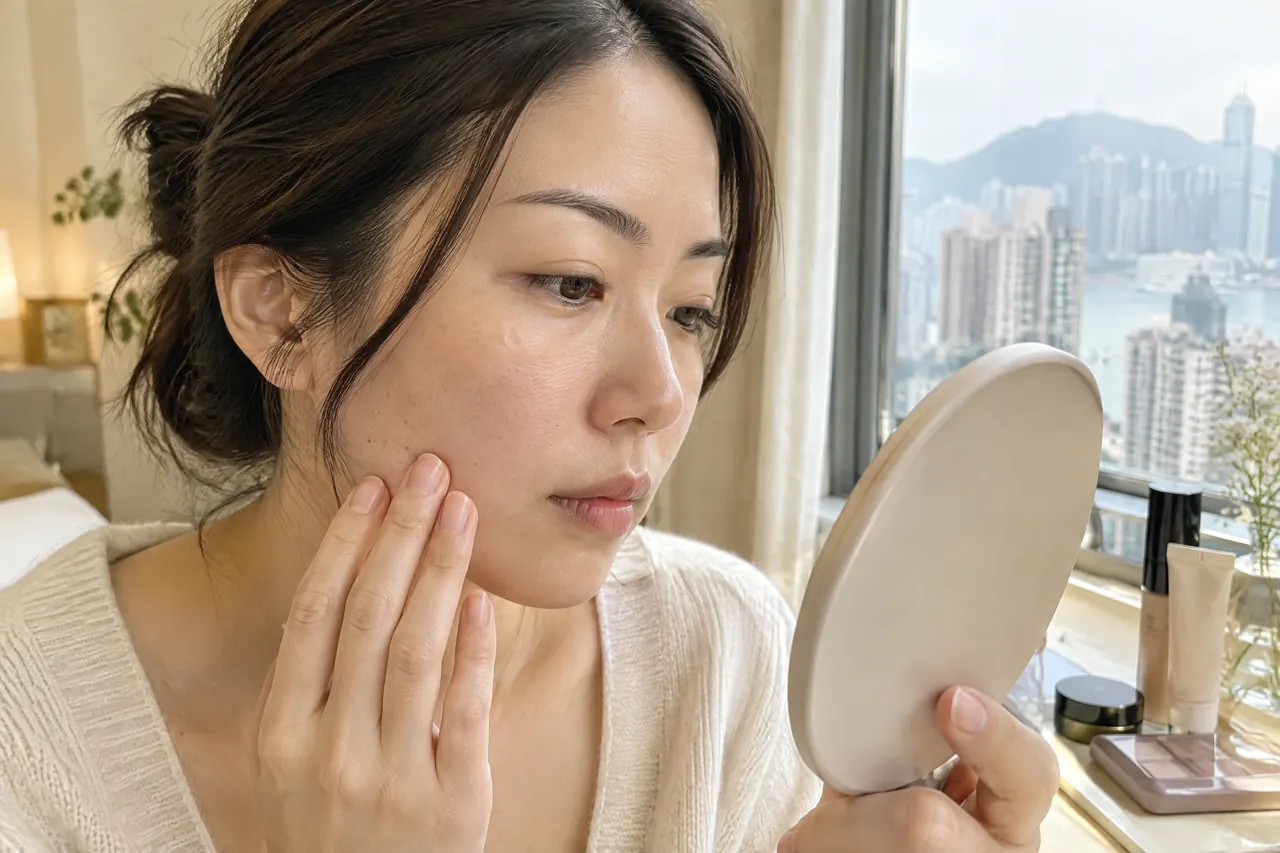
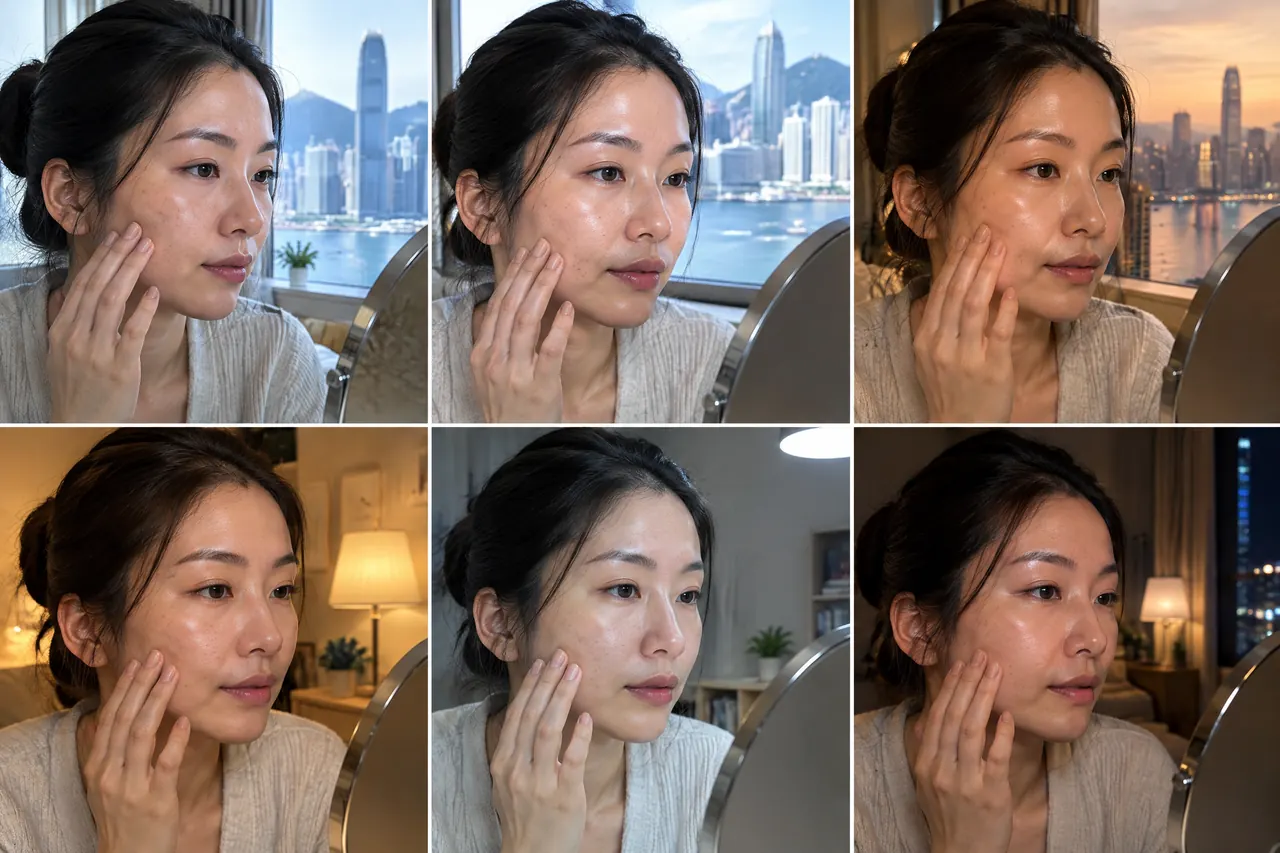



Quick technique checklist — practice steps for hooded eyes makeup
| Step | What to do | Reason |
|---|---|---|
| Open-eye check | Observe and mark visible lid while client looks forward | Ensures shadow and liner will show when the eye is open |
| Shadow placement | Apply mattes slightly above visible lid; shimmer on centre/inner third | Adds depth without vanishing into the hood |
| Liner test | Draw intended liner, have client blink and refine line weight | Prevents transfer to fold and keeps wing visible |
| Lash selection | Choose lightweight band, outer-length emphasis; trim and test open-eye | Lifts appearance without blocking the eye |
| Adhesive check | Confirm allergies, contact lens usage and comfort before any tape/glue | Protects client safety and mirrors transparent-service expectations |
Helpful answers
Frequently asked questions
How do I know if a particular eyeshadow will show on my hooded lid?
Test any eyeshadow with the eye open and relaxed: apply a small swatch on the mobile lid and another just above the visible lid, then look straight ahead. If the top swatch disappears when you open your eye, move pigment slightly higher or select a shade with more contrast. Shimmers should be concentrated on the centre or inner third of the visible lid to catch light without emphasising the hood.
Can eyelid tape permanently change hooded eyes?
No. Eyelid tape and glue are temporary styling tools; they lift or define a crease while worn but do not create a permanent structural change. They can help a particular makeup arrangement last through a shoot or event, but comfort, skin sensitivity and proper removal are essential. Discuss previous reactions and agree the application method before use in a class or session.
Which false lash shape is best for hooded eyes?
Select lashes with graduated length that are shorter at the centre and longer at the outer edge, or choose styles specifically labelled for 'hooded' or 'lifted' looks. Avoid very thick, straight bands that push into the hood; instead choose flexible, lightweight strips that allow the natural lashline to show. Always trim and test with the eye open to ensure comfort and visibility.
Will liner smudge into my hooded crease during the day?
It can if the liner is thick and placed where the lid meets the hood. Use a slim, close-to-lashline application and consider long-wear or waterproof formulas tested by blinking and opening the eye. Smudging risk is reduced by setting a thin layer of shadow over liner and avoiding heavy lines directly in the fold; practise the open-eye test in-class to find a reliable weight.
Can I learn eyelid tape hooded eyes techniques in a single lesson?
Yes, a single lesson can introduce eyelid tape hooded eyes application, removal and comfort checks, but expect it to be demonstrative and supervised practice rather than a guarantee of comfort for everyone. Bring any contact lenses you normally wear and mention sensitivities beforehand; the instructor will show alternatives such as lash shaping and shadow placement if tape isn’t suitable.
How do I book a hooded eye makeup artist Hong Kong or confirm Maggie’s availability?
Contact customer service to confirm which tutors are scheduled and whether Maggie Yeung will teach on your requested date. Maggie’s Red’s Beauty personal studio began in 2003 and she sometimes teaches within BigDeal; because hours, language of instruction and exact dates aren’t published openly, you’ll need to enquire about availability, class size and whether the session will be hands-on or demonstration-style.
What’s the difference between hooded eyelid eyeliner and a regular winged liner?
Hooded eyelid eyeliner is drawn and tested with the eye open so the visible portion reads when the lid is relaxed. That generally means a thinner, close-to-lashline application and a shallower flick blended into outer shadow, unlike a steep, thick wing that can disappear into the hood. In class you’ll practise both approaches and learn how to set thin liner with shadow to reduce transfer and smudging.
Ready to discuss it?
Enquire about class dates, language and comfort checks
Tell us what you are planning, and we will help clarify the service or lesson details that matter for your enquiry.
From the makeup blog