
At a glance
For Hong Kong wedding, event and photography learners, separate permission from technical suitability. The model chooses what personal information to release. The original provider or supplier clarifies the instructions they issued. The tutor decides whether a demonstration fits those instructions and the agreed scope. This division protects the model's choices while keeping the lesson useful when the original plan cannot proceed.
Evening updo model instructions start with authority
Name the person who can request the relevant record
Start by distinguishing three things: the model's hair, their personal salon record, and a supplier's general instruction sheet. These are not interchangeable. The person carrying a screenshot may not have permission to forward the complete record. A public leaflet may contain no personal information at all. Ask where each document came from and what it describes. Then identify the person who can answer questions about that document.
The model should decide whether to contact their previous provider directly or authorise a specific organiser to make the request. Describe the purpose plainly: checking the scope of an evening updo lesson. Identify the recipient and the information needed. A useful request concerns the existing product and relevant styling restrictions. It does not require every appointment message, payment receipt or unrelated personal detail from the original salon visit.
The tutor has a different responsibility from the person obtaining the record. They must assess whether the available instructions support the proposed demonstration. The original provider can explain what service was recorded. The product supplier can clarify its own directions where appropriate. Neither conversation replaces the model's permission to participate. Record these separate decisions so that one person's approval is not silently expanded into approval from everyone.
DT Hub offers a related information destination under hair straightening hong kong. Use it to understand the service topic before asking a focused question. Its existence does not identify the model's treatment or release their previous provider's records. A general service page cannot settle a personal instruction query. Keep any request tied to the model's actual documents, their chosen recipient, and the demonstration being considered for this lesson.
| Decision | Relevant person | What to record |
|---|---|---|
| Release personal salon information | Model and authorised record holder | Purpose, recipient and necessary details |
| Explain an issued product direction | Original provider or relevant supplier | Applicable document and clarification |
| Approve the teaching plan | Tutor and participating model | Permitted scope and unresolved steps |
| Switch to mannequin practice | Tutor and organiser | Suitable equipment and revised objective |
Limit what reaches the classroom
Separate personal records from teachable restrictions
Write a short request before collecting material. Specify whether the tutor needs a product name, a dated aftercare sheet, or clarification of an existing restriction. Explain whether the document will remain with the tutor or enter a class handout. Those are different audiences. The model can agree to private review without agreeing to classroom distribution. A supplier's general leaflet may be sufficient when no personal history is needed.
Hong Kong's Privacy Commissioner says collected personal data should be necessary, adequate and not excessive. Unrelated new uses require express, voluntary consent under the stated principle. Apply this carefully to an identifiable model's records. Ask whether classroom sharing serves the original purpose or needs separate consent. A generic, non-identifying product leaflet is different. Restrict access to personal material rather than posting a complete salon record in a learner chat. [1]
Prepare a teaching note that states the agreed restrictions without unnecessary identifying details. For example, it can say that a proposed tool remains excluded pending clarification. It need not explain the model's private reasons for declining a step. Keep the underlying message with the designated organiser when needed. Decide who may read it and when it will be deleted. Explain those arrangements before the model provides the information.
When exploring bridal hair course Hong Kong, ask how a proposed demonstration will handle model permissions and private instructions. This is a practical course enquiry, not an assumption about a published policy. Explain your intended learning goal and whether your model has existing salon restrictions. Request the preparation requirements for that particular arrangement. You can discuss the lesson's suitability without sending a complete personal record at the first enquiry.
Read the actual directions, not the service label
Evening updo model instructions need a defined scope
The US FDA explains that some smoothing products release formaldehyde when heated during their use. It advises checking ingredients and professional directions for safe use. This warning does not establish what is in this model's previously treated hair. Nor does it prove that ordinary reheating has that effect. The relevant lesson is narrower: product identity and intended use matter. A broad straightening label cannot supply permission or a heat setting. [2]
Check whether the document concerns application, immediate aftercare, or later styling. Directions for one stage do not automatically answer questions about another. Note the issuer, product identification and document date where available. If a page is incomplete, request the missing context rather than selecting the most convenient line. A cropped instruction can hide an exception. Do not turn an uncertain instruction into a live experiment on the model's hair.
The phrase japanese straight perm leads to a DT Hub service information page. It is useful as a topic reference, not a model-specific instruction sheet. Similar names can still leave the exact product and recorded service unclear. Ask the model's authorised provider to identify what was used. Then ask whether the proposed demonstration fits the relevant directions. Do not borrow a temperature, interval or compatibility rule from the service name.
Keep clarification separate from corrective chemistry. An updo demonstration should not become an attempt to reverse, repair or redo a previous chemical service. If the plan requires an unapproved chemical step, change the plan. Written permission to obtain information does not establish technical suitability. A model's willingness does not resolve a missing product direction either. Use the information to set limits, rather than treating it as encouragement to improvise.
Approve a small, visible demonstration plan
Show the model what participation would involve
Describe the intended finished shape and the proposed stages in ordinary language. Include tools, accessories, products, handling and photography where relevant. Let the tutor mark anything that remains unresolved. Let the model mark what they do not want. These notes should meet in one clear plan before the lesson starts. Approval of a photograph does not approve a styling product. Agreement to section the hair does not approve heated tools.
For a wedding or evening event learner, decide whether the purpose is structure, speed, accessory placement or finishing. A lesson focused on pin placement may not need the original heated demonstration. That does not mean every unheated technique suits every person. The tutor still needs a suitable plan and the model's agreement. Keeping one clear learning goal makes it easier to choose a meaningful alternative without expanding the model's exposure.
Set a simple stopping arrangement. The model should know how to ask for a pause without explaining private history to the class. The tutor should know who can approve a revised plan. A new step deserves a fresh discussion when it changes the agreed scope. Photograph only what has been agreed. If discomfort or unexpected symptoms occur, stop the demonstration and seek appropriate help rather than continuing to finish the look.
An enquiry about updo hairstyling course Hong Kong can focus on these teaching choices. Describe whether you want to learn structural placement, controlled practice or a complete event look. Ask whether a mannequin can serve the intended lesson when model instructions are incomplete. This does not imply every course includes that arrangement. It gives BigDeal a specific question to answer. It also avoids presenting uncertain treatment history as a solved preparation detail.
- Approve the lesson scope separately from record sharing.
- Treat a changed tool or product as a changed plan.
Use a mannequin when nobody can authorise the next step
Keep the learning objective without borrowing permission
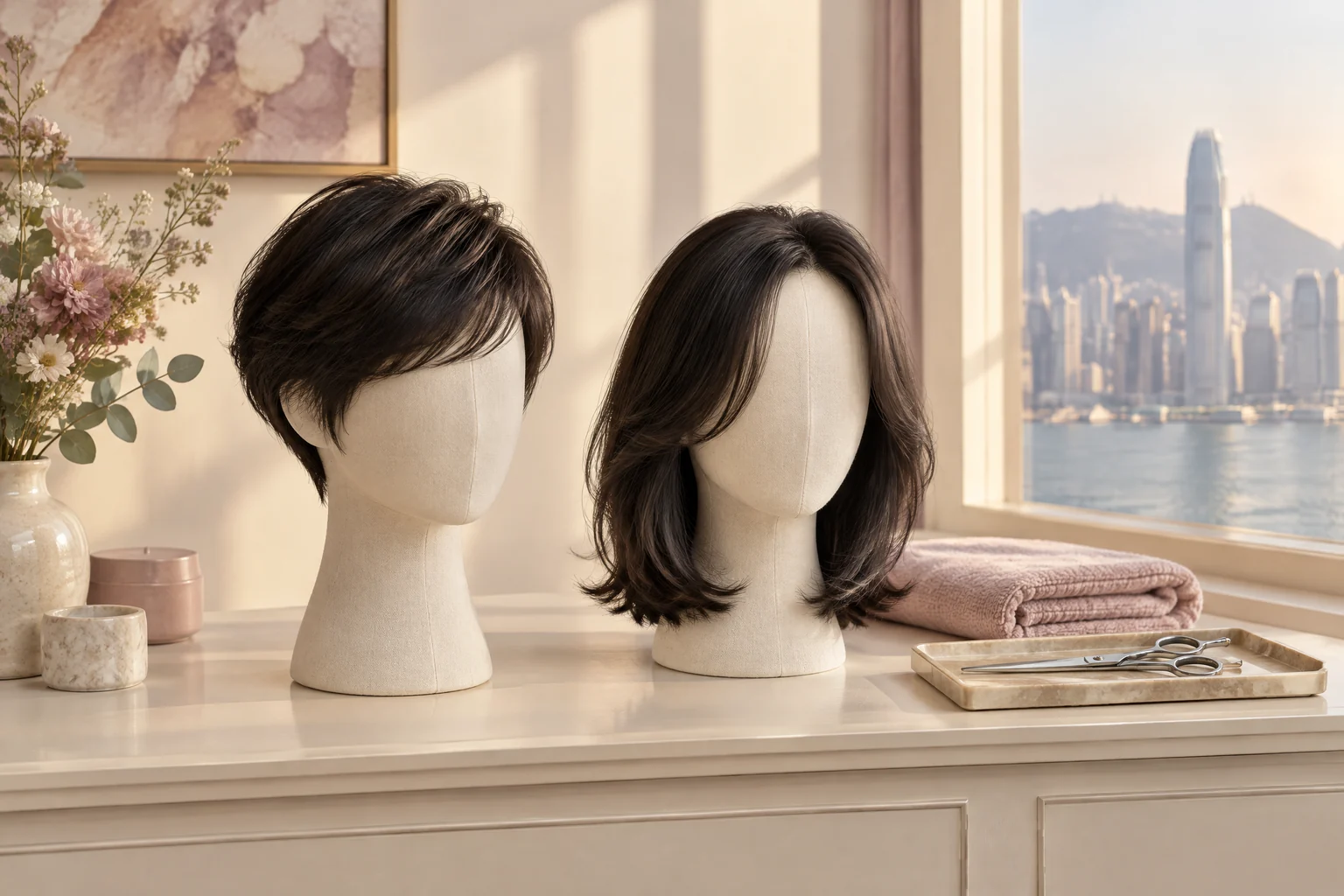
The DT Hub destination for straight therapy hong kong provides related service information. It cannot approve a classroom step for someone else's model. A familiar name may help frame a question, but it does not identify the applicable directions. If the authorised provider cannot clarify them before the lesson, leave that proposed step out. Choose a suitable mannequin demonstration rather than treating silence as permission from the supplier or model.
A mannequin alternative needs its own preparation. Check the mannequin's material and supplier directions before selecting tools or products. Human-hair and synthetic practice heads should not be treated as interchangeable. This article supplies no universal heat setting for either. If the planned action is not supported, use a different practice method. The alternative is valuable because it changes the teaching subject, not because all practice equipment is automatically suitable.
Retain the lesson's main decision where possible. For accessory placement, the tutor can demonstrate position and balance on an appropriate practice head. For a photography session, learners can discuss how the silhouette reads from different angles. Label the exercise honestly as mannequin practice. Avoid suggesting that its finish predicts the model's result. The model may observe without having their records shown or their hair used to complete the original demonstration.
Tell participants about the alternative early enough to adjust their expectations. Explain what will still be taught and what cannot be demonstrated that day. An unresolved instruction does not require replacing the model with another person at short notice. That replacement would need its own preparation and consent. Agree whether the model will attend as an observer. Confirm the equipment and timing directly rather than assuming that changing the subject changes nothing else.
Close the lesson without circulating the model's history
Keep useful learning notes and honour the agreed limits
At the end, separate learning notes from personal documents again. Learners can record sectioning decisions and the approved practice sequence. They do not need the model's entire treatment history to remember those points. Keep any retained personal material only for the agreed purpose and necessary period. Remove it when no longer required, subject to applicable obligations. An attendance list or lesson photograph should not become a reason to keep unrelated salon messages.
If a learner wants to reuse photographs in a portfolio, discuss that purpose separately from classroom observation. Identify the intended audience and the images involved. The model can allow a demonstration while declining public publication. Do not append their private restrictions to a caption. Record the agreed use clearly so that the person publishing can follow it. Learning from the demonstration and promoting work afterwards are not the same permission decision.
When contacting BigDeal about evening hairstyling course Hong Kong, send the learning objective before any personal hair documents. Explain whether you have an authorised model or need to discuss mannequin practice. Ask about the actual preparation requirements and session arrangements. BigDeal can then address the enquiry without being expected to interpret an unidentified supplier's rules. Share only the information needed for the next decision, through the agreed recipient and method.
Before a later wedding, event or shoot, revisit the plan rather than copying the demonstration notes unchanged. The person's instructions, preferences or proposed products may have changed. A class note is not continuing permission for future handling. Confirm the current scope with the person involved. If relevant directions remain unclear, change the styling plan or obtain clarification. The useful habit is knowing who can answer, not accumulating more private screenshots.
Key takeaway
A successful lesson does not require access to every detail of the model's history. It requires a clear request, relevant directions and an agreed demonstration scope. When one part is missing, preserve the learning objective on suitable practice equipment. That choice respects the model without turning uncertainty into a technical experiment.
Practical checklist
- Identify who may request the model's relevant salon information.
- Define the recipient and purpose before collecting personal records.
- Check the actual document instead of interpreting a service label.
- Agree the demonstration scope and stopping arrangement with the model.
- Prepare a suitable mannequin option for unresolved instructions.
Frequently asked questions
Can the organiser contact the model's previous salon?
Agree the request with the model and identify an authorised contact. Explain the purpose, recipient and necessary details. The salon must still handle disclosure appropriately. Being the organiser does not itself grant access to a complete personal record.
Does agreeing to model allow the class to see salon messages?
No such blanket permission should be inferred. Discuss private review and classroom sharing separately. Learners may need only a teaching restriction, not the underlying messages. Give the model a clear choice about the information and audience involved.
Is a straightening label enough to choose a heated tool?
No. It does not identify the applicable product directions or the model's permitted styling scope. Ask the authorised provider for relevant clarification. This article gives no temperature or waiting interval because those cannot be established from the service label.
What if the supplier cannot reply before class?
Keep the unresolved step out of the live demonstration. Discuss a suitable mannequin alternative with the tutor. Check its own directions and explain the revised objective. The model can observe without releasing more personal information to fill the gap.
Can a demonstration photograph go into a learner's portfolio?
Discuss portfolio use separately and identify the intended images and audience. Participation in a lesson is not automatic agreement to public publication. Keep the model's private hair information out of captions and follow the specific use they have agreed.
Sources
| Source | What it supports |
|---|---|
| The Ordinance at a Glance — Privacy Commissioner for Personal Data, Hong Kong | Necessary, non-excessive collection, consent for unrelated new purposes and restricted access support minimal sharing of identifiable model records. |
| Hair Smoothing Products That Release Formaldehyde When Heated — U.S. Food and Drug Administration | Some smoothing products release formaldehyde when heated during use. Product identity and safe-use directions matter; this does not establish the content or reheating behaviour of the model's previously treated hair. |
Discuss your own makeup plans
Discuss your BigDeal Make Up lesson or event hair preparation through WhatsApp +852 6918 3153. Share your learning objective and ask which model or mannequin arrangements need confirmation.
Ask on WhatsApp +852 6918 3153