
BigDeal Make Up · Hong Kong
Oily Skin Makeup And Oily Skin Foundation
Oily skin makeup is more about smart layering than simply piling on powder. A successful oil-control approach balances preparation, thin layers of base, targeted setting and realistic refresh planning so your skin feels comfortable across a day or an event. This comparison guide helps you weigh coverage, finish and practical trade-offs so you can decide which oily skin foundation or routine suits your lifestyle, climate and bridal needs in Hong Kong without chasing a single ‘best’ product.

At a glance
oily skin makeup
Choose foundations and routines by testing texture, coverage and primer compatibility rather than relying on a single oily skin foundation. Consider how your skin behaves across hours, meals and humidity, and plan selective powdering and compact touch-ups instead of a full-matte look. For oily-skin bridal makeup in Hong Kong, confirm prep, trial wear time and on-day touch-up arrangements before booking so expectations are clear.
01
A practical guide to oily skin makeup
Key practical considerations for oily skin makeup
When comparing oily skin makeup options, start with how each base feels on your skin, not only the label. Comfort matters because thick, occlusive layers often trap oil and lead to sliding or patchy wear. Test light-to-medium coverage formulas and build in thin layers; you’ll often get better longevity and a more natural finish than by applying a single heavy coat of foundation.
Coverage and finish are trade-offs. Many oil-control foundations advertise matte finishes, but an extreme matte can accentuate dry patches or move when facial oils re-emerge. Semi-matte or natural-matte foundations frequently manage shine while still allowing micro-movement of the skin, which is helpful in Hong Kong’s variable humidity. Try swatching both sheer and medium coverages to see which maintains appearance without feeling cakey.
Pay close attention to how a foundation interacts with your primer and moisturiser. A mattifying primer can extend wear for some formulations but will clash with others, creating flaking or uneven texture. Bring the exact moisturiser, primer and suncream you typically use when testing products so you can judge compatibility rather than assuming one ‘oily skin foundation’ will work with everything.
For a closer comparison, consider dry skin makeup
02
A practical guide to oily skin foundation — prepare oil-prone areas without over-layering
Practical considerations for choosing an oily skin foundation
Preparation is the most overlooked stage for people seeking oil-control. Cleanse and hydrate with lightweight, non-comedogenic products to avoid a tight, over-dry base that encourages compensatory oil production. Use a light, oil-free moisturiser or a hydrating gel instead of heavy creams; the skin should be comfortable before any primer or foundation is applied.
Primers for oily skin vary: some mattify with powders or silica, others balance oil with lightweight silicone textures. Apply primer sparingly, focusing on the T-zone or other oil-prone areas rather than the whole face. Too much primer under foundation can cause slip, especially in humid conditions, so test a controlled amount and observe for several hours to assess whether shine returns quickly or slowly.
Apply foundation thinly and build coverage only where needed—this is particularly important if your skin alternates between oily cheeks and drier areas. Use stippling or damp sponge techniques to deposit minimal product and avoid rubbing, which can reactivate surface oil. Thin layers reduce the likelihood of creasing and help any selective setting powder work more effectively.
Match your plans with foundation shade matching
03
A practical guide to oil control makeup routine — selective powdering for shine control
Practical considerations for an oil control makeup routine
Selective powdering keeps the skin looking alive while managing shine where it matters. Instead of applying a heavy dusting of powder all over, target the forehead, nose and chin—the classic T-zone—plus any other areas that become oily for you. Use a small tapered powder brush or a thin flat brush for touchups to avoid dulling the entire complexion.
Choose the right powder texture. Ultra-fine translucent powders can set foundation without adding weight; mineral or silica-based pressed powders work well in compacts for quick refreshes. Avoid overly pigmented powders that can shift colour, and test in daylight to ensure the finish remains natural. For bridal scenarios, ask whether the makeup artist will do selective re-powdering between photos and speeches.
Blotting papers are a must for oily skin makeup. They remove surface oil without disturbing underlying layers, so you can preserve coverage and colour. Keep several within reach in a clutch or bridal kit and plan a sequence—blot first, then apply a light touch of pressed powder only where the blotting paper has removed sheen. This method prevents cakey build-up over time.
You may also find it useful to compare makeup for mature skin
04
How to adapt oily skin makeup to your features and occasion
Practical considerations for adapting an oil control makeup routine
Different facial features react differently to products: nostrils, the crease of the smile lines and eyelids often get oilier than cheeks. Use lighter formulas around expressive lines and focus slightly more coverage on flatter, oil-prone areas. For asymmetrical eyes or brows, cosmetic balancing is a temporary, non-medical adjustment achieved with shading and precise placement of base products rather than heavier layers.
Always test primer and foundation together in the real conditions you expect to face. If you’ll be outdoors for an engagement shoot in humid weather, trial the products on a similar day or during an errand that lasts several hours. This gives you honest feedback on how the base responds to sweat, pollution and mask-wearing, and whether additional setting or frequent touch-ups will be needed.
For event makeup—especially weddings—discuss close-up photography and long wear with your makeup artist. Good adaptation includes planning where to add a little extra coverage, how often a bridal party will be refreshed, and which compact products are appropriate for a fast, non-disruptive touch-up. Confirm whether eyelid techniques like removable fake eyelids or temporary crease adjustments are included, understanding these are cosmetic and temporary.
For another approach, explore sensitive skin makeup
05
How to adapt oily skin foundation technique — a realistic way to assess the finished look
A realistic way to assess oily skin foundation and overall finish
Assessing a finished oily skin makeup look means checking three things: how the coverage sits in natural light, whether any setting products change colour on camera, and how comfortable the skin feels after three to six hours. Bring a daylight-facing window or step outside during a trial; Hong Kong light can reveal subtle shifts in finish that indoor bulbs mask. Record a few photos at intervals to judge ongoing behaviour.
Ask for a short wear trial during a booking consultation: 3–4 hours is usually enough to understand oil control patterns, and longer if you anticipate a full-day event. Note where foundation breaks down first and whether blotting then light powdering restores the original look. This step helps you choose between a heavier ‘long-wear’ foundation and a lighter layer-with-refresh strategy.
If you’re preparing for bridal makeup, request details about what touch-up support is offered. Clarify who provides products for late-night touch-ups, whether the artist includes blotting and powdering at intervals, and how many attendants are allocated. These practical arrangements often determine whether the look endures without resorting to excessive product layers initially.
Before deciding, take a look at Makeup Techniques
06
Questions to confirm before a booking or class — plan refresh items for weather and events
Confirm practical touch-up and trial arrangements for oily skin makeup
Before you book a service or sign up for a class, confirm the practical items: will blotting papers, a compact pressed powder and a small brush be supplied, or should you bring your own? For longer events or meals expect to re-blot before eating and to reapply light powder afterwards. This sequence keeps lipstick and eye makeup intact while controlling T-zone shine.
Ask whether the artist or class covers product compatibility tests: will you be offered a trial combining your skincare, sun protection and primer for several hours, or is the trial a shorter demo? In Hong Kong’s climate, a realistic trial under similar humidity and travel conditions is the only reliable way to predict performance. If enrolling in a class, check whether Maggie Yeung or another instructor will demonstrate touch-up techniques.
Confirm precisely what is inside any bridal arrangement: number of touch-up visits or hours on the day, whether assistants handle quick reapplications, and if the artist uses compact-only techniques for minimal disruption. The Voluntary Code of Practice referenced in independent guidance supports transparent discussion of product preferences and service scope; treat it as general guidance rather than endorsement, and get written confirmation of agreed touch-up support.
For a closer comparison, consider makeup for deeper skin tones
07
Choosing products and a pro who knows local conditions for oily skin makeup
Match testing to humidity and the oily skin look you want
Finding the best foundation for oily skin Hong Kong brides and everyday clients often starts with choosing a makeup artist who understands how local humidity and pace of day affect wear. When you ask about an oily skin makeup artist Hong Kong, request a trial in similar conditions to your event: the same moisturiser, suncream and primer for several hours. A short photo sequence and a 3–4 hour observation will reveal whether a specialist’s chosen products and techniques offer real lasting control rather than a temporary matte effect.
Makeup that lasts on oily skin is about method as much as formula. In practice this means lightweight, buildable foundations paired with strategic priming and targeted setting rather than one heavy long-wear product applied everywhere. Ask which primer for oily skin the artist prefers and why; different mattifying primers work with certain foundations and not with others. During a trial, test the exact primer-plus-foundation combo on your T-zone and eyelids so you can judge pilling, colour change and comfort over time.
If you’re arranging oily skin bridal makeup, clarify the on-day refresh plan. Brides often need scheduled blot-and-resurface moments between photos and speeches; discuss who provides blotting papers, pressed powder and a small brush, and whether assistants will help. A reliable artist will present realistic options — such as light, removable eyelid techniques or selective powdering — and confirm these as part of the booking, leaving larger claims about guarantees or certificates to enquiry rather than assumption.
08
Practical choices for daily and special-event oily skin routines
Selecting products, tools and a maintenance plan for oily skin makeup
For daily makeup for oily skin select formulations you can repeat successfully every morning: thin-layer foundations, an oil-balancing primer for T-zone control and a fine translucent pressed powder for touch-ups. Keep blotting papers close; they remove surface oil with minimal disturbance so you only need a small amount of powder afterwards. When testing products, recreate a typical day (commute, lunch, indoor/outdoor time) to see how each element behaves in context.
Bridal and long-day events demand extra planning: pack compact, travel-friendly touch-up items and agree how often touch-ups will occur. Many people assume heavy long-wear foundations are the answer, but over-layering can cause sliding or clumping as skin oil reappears. Instead, opt for a controlled base that can be refreshed selectively. If you want more coverage later, practice stippling or sponge build-up in a trial rather than adding a thicker coat on the day.
When comparing primers, don’t pick one solely for labels. A suitable primer for oily skin should reduce shine without creating drag or flaking under your chosen foundation. During a session with a pro, ask to see products in use and request a small hand or arm demo if you can’t trial the face immediately. This helps you compare textures and decide which combination actually yields makeup that lasts on oily skin for your specific routine and environment.
Style references
Related makeup style illustrations
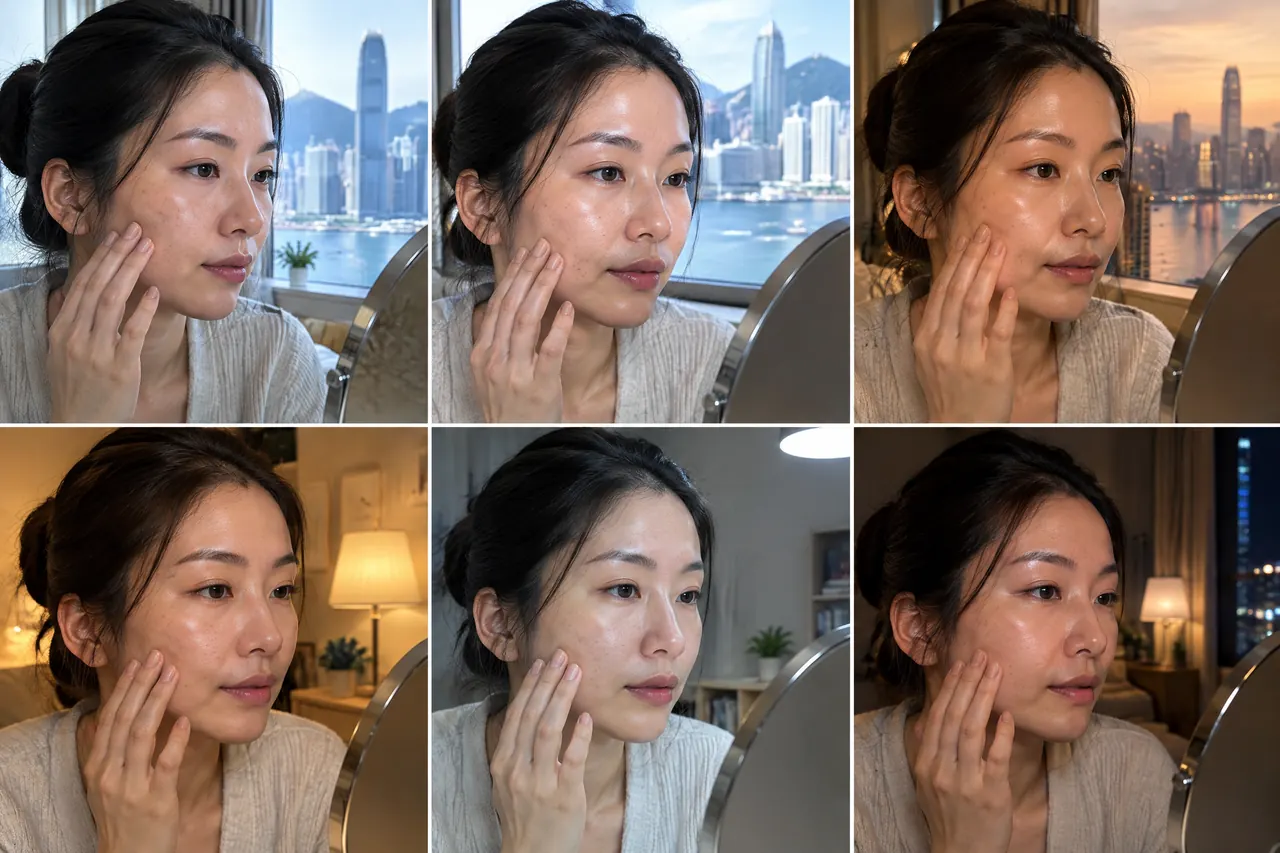



Comparing oily skin foundation and routine choices — what to test
| Test area | What to look for | Practical tip |
|---|---|---|
| Primer compatibility | Does the primer reduce shine without flaking under your chosen foundation? | Apply primer to T-zone only during trial; observe for 3–4 hours. |
| Coverage build | Can you achieve desired coverage with thin, buildable layers? | Use a stippling brush or damp sponge to deposit minimal product. |
| Finish (matte vs semi-matte) | Does the finish remain natural in daylight and photos after several hours? | Photograph in natural light at 0, 3 and 6 hours to check. |
| Touch-up strategy | Are blotting papers and targeted powdering effective without cakiness? | Blot first, then reapply a small amount of pressed powder with a thin brush. |
Helpful answers
Frequently asked questions
What is the best foundation for oily skin in Hong Kong?
There’s no single best foundation for oily skin in Hong Kong because wear depends on skin type, humidity, primer and skincare. Instead, test thin, buildable foundations with a mattifying or natural-matte finish alongside your regular moisturiser and suncream. Observe how the combination behaves over several hours and choose the formula that keeps texture smooth without feeling heavy.
Should I use powder all over for oil control?
Blanket powdering often dulls the complexion and can accentuate texture. Selective powder placement on the T-zone and other high-shine points is usually more flattering and longer-lasting. For touch-ups, blot first to remove excess oil then lightly resurface only the areas that need it to avoid cakiness.
How do I test primer and foundation compatibility?
Test by applying your usual moisturiser, then the primer and the foundation in a thin layer. Wear the combination for 3–4 hours in conditions similar to your event—if possible, replicate humidity or time outdoors. Note any pilling, colour shift or rapid shine and adjust product choices accordingly.
What should be included in an oily-skin bridal makeup plan?
A solid bridal plan specifies skin prep, trial wear time, compact touch-up items (blotting papers, pressed powder, small brush) and the number or duration of on-day touch-ups. Confirm whether assistants are provided for continuous touch-ups during photos or later in the reception. Get these arrangements in writing so expectations are clear.
Can blotting papers replace setting powder?
Blotting papers remove surface oil and are a gentler first step than re-powdering. In many cases blotting followed by targeted powdering restores the finish without building up product. Keep both in your kit: blot first, then apply a small amount of pressed powder only where needed.
What is the best foundation for oily skin Hong Kong clients should try first?
There is no single universal winner; instead, trial thin, buildable foundations with a mattifying or natural-matte finish alongside your regular moisturiser and suncream. Test coverage and comfort over several hours and photograph in daylight — the option that balances longevity and natural appearance for you will be the best foundation for oily skin Hong Kong conditions.
How can I make makeup for oily skin last through a long event?
Layer strategically: start with lightweight hydration, apply a targeted primer to oil-prone areas, use thin layers of buildable foundation and set only the T-zone with a fine pressed powder. Carry blotting papers and reapply light powder after blotting. Schedule brief touch-ups at key points in the day so you refresh selectively without adding heavy product all over.
Do I need a specialist for oily skin bridal makeup?
Working with an oily skin makeup artist Hong Kong who has handled humid, long-day events makes a difference. A specialist will arrange a realistic trial, recommend product combinations that perform together, and plan practical on-day support such as assistants, blot-and-powder timing and compact kits. Confirm these specifics when enquiring, including whether Maggie Yeung or another instructor will demonstrate techniques if you book a class.
Ready to discuss it?
Book a personalised touch-up consultation
Tell us what you are planning, and we will help clarify the service or lesson details that matter for your enquiry.
From the makeup blog