
At a glance
A useful group-photo check separates facial shine, camera viewpoint and hair coverage. Rehearse in the planned rows, review the intended crop, and give colleagues a private way to request changes. Leaving their appearance unchanged is also a valid choice.
Start the staff front row top view makeup check with one frame
Find what the higher viewpoint actually shows
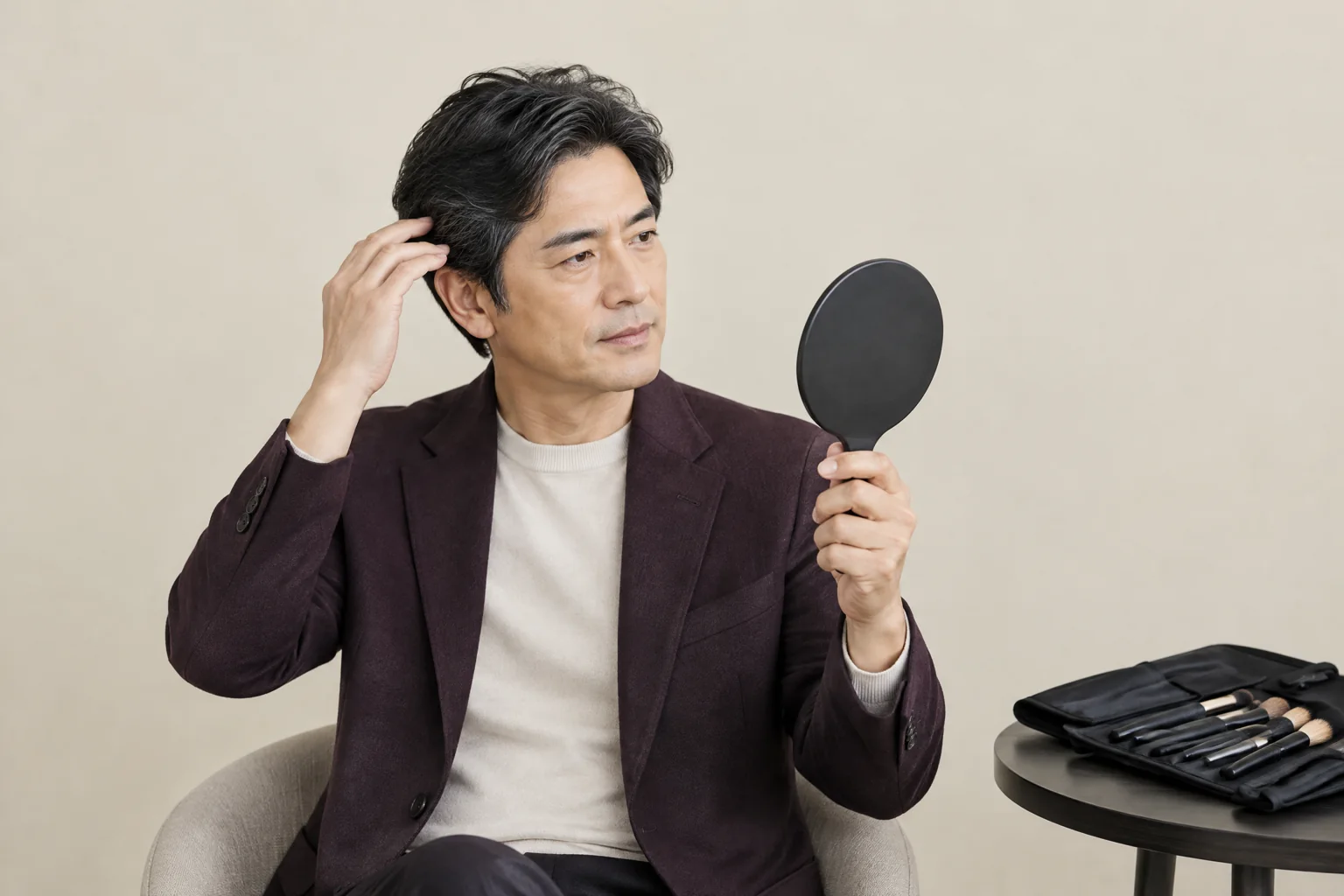
A camera above a seated front row can include more crown than an ordinary face-level portrait. The question is whether each colleague likes that view, not whether their hair needs correcting. Start with a test frame showing the planned rows and background. Look separately at forehead shine, visible parting and head position. These are different observations. A makeup adjustment cannot replace missing hair, while a camera change may alter what enters the picture.
If you personally want top coverage, OwnStrand shares the same owner as BigDeal Make Up and provides relevant selection reading. Its men's hairpiece for thinning crown guide starts with the area and surrounding hair, rather than a product label. Use that reading to describe your own preference before discussing an exact piece. Crown-focused coverage differs from a broader partial piece or full wig. None is a compulsory part of looking professional in a staff photograph.
Ask privately how each person wants to review the test. Some colleagues prefer a quick screen check; others want no discussion about their hair. Avoid announcing a crown concern across the room or circulating enlarged head crops in a team chat. Offer the same opportunity to everyone without assigning anyone a problem. An organiser can check expressions and group balance, but the colleague should decide whether their own appearance needs a change.
Set the picture's purpose before deciding how closely to inspect it. An office noticeboard, website banner and recruitment portrait may use different crops. Ask the photographer to show the likely final framing, including space for any text. A tiny preview can hide details, while extreme enlargement can create concerns absent from the finished image. Agree on a sensible review size and the parts of the image that genuinely matter for publication.
Rehearse the front row without extra styling
Keep the real clothes, seats and camera position
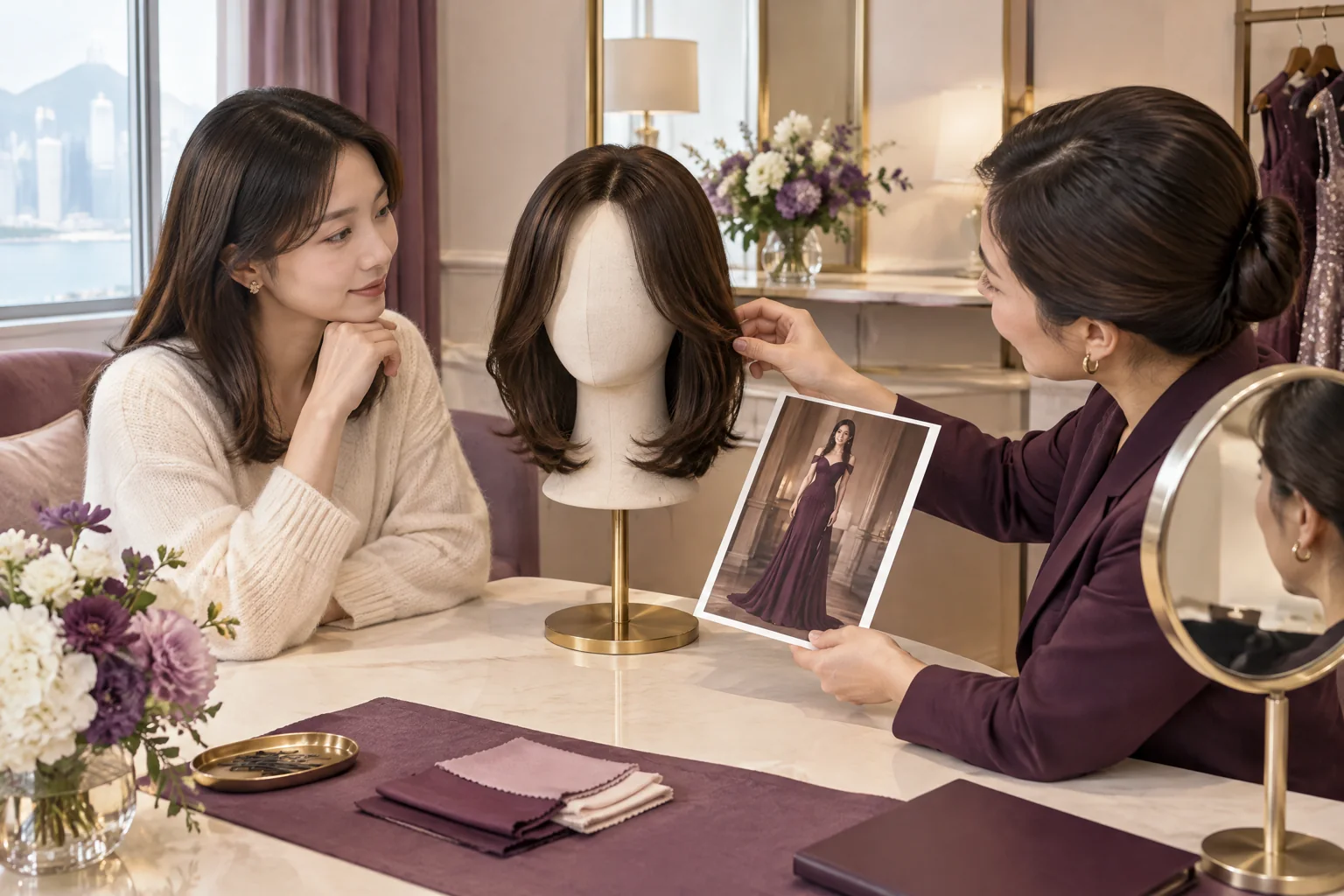
Run the first test with the proposed chairs, row spacing and lighting already in place. Wear the glasses, jacket and hairstyle you expect to use. Look towards the photographer's indicated point rather than forcing your chin upwards to hide the crown. That movement can change your expression and posture. Take one neutral frame, then review it before adding products. A useful rehearsal keeps the setup recognisable instead of testing an unrelated selfie angle.
If the group photograph sits beside a staff introduction video, tell the makeup team about both formats. The makeup artist for corporate video service is relevant when faces also appear during speaking and movement. A still frame cannot show every change during a turn or seated conversation. Rehearse the planned movement with your own appearance choices intact. Explain whether you need one consistent look across photographs and video, rather than two separately styled versions.
Bring any hairpiece you already wear in its usual condition, with its own care instructions available. The rehearsal should establish how it looks in this setup, not become an unplanned fitting session. Describe who normally handles its placement and what adjustments you permit. If you prefer to arrange it yourself, leave time and a private mirror for that. Keep hair tools and facial makeup separate so a rushed touch-up does not become permission to handle everything.
Review both the whole team and your place within it. At group scale, check whether your face is unobstructed and your expression feels familiar. At a reasonable closer view, check any detail you personally want reviewed. Include glasses reflections and a collar rubbing against the hairstyle. Keep a reference to the approved test with the photographer's agreement. The goal is a repeatable setup, not an album of increasingly critical close-ups of one colleague.
Compare camera height before choosing coverage
Map the lens, front row and visible faces
Canon's group portrait guidance gives a sports-team example with the camera almost level with the front row's heads. It also highlights focus across the rows. That example makes a lower viewpoint worth testing, rather than declaring an elevated camera essential. Corporate groups have their own room and composition constraints. Ask your photographer to compare viewpoints while checking every face remains visible. The guidance does not establish one correct height for every team photograph. [1]
Sketch a side view showing the lens, seated front row and standing back row. Mark where the proposed camera looks down towards the front seats. Then test a lower lens position without changing makeup, hair or lighting. Check whether a back-row face becomes blocked before judging the result. A camera adjustment affects the whole group, so it needs a group composition review. It should not solve one concern by making another colleague disappear behind a shoulder.
If changing the viewpoint does not meet your preference, compare coverage as a separate personal decision. The men's hairpiece reading explains partial coverage and the details worth checking for an exact piece. Those include its footprint, base, fibre and relationship to your own hair. Use it when you want a selection conversation, not as a promise of a quick shoot-day solution. A full wig changes a different area and involves a different fit discussion.
Leave the approved camera position steady while assessing facial makeup. Check the forehead, nose and cheeks under the planned light, then discuss targeted shine control if wanted. Adding powder across the crown is not a substitute for a coverage decision. Nor should facial makeup be used to justify handling someone's hairpiece. Compare one change at a time. Simultaneous camera and styling changes make it harder to identify which option the colleague preferred.
| Concern in the frame | Change to test | What stays under review |
|---|---|---|
| More crown visible from above | Lower the camera viewpoint | All faces and the final crop |
| Unwanted facial shine | A requested local makeup adjustment | The same light and camera |
| A personally unwanted hair boundary | The wearer's permitted local arrangement | Front view, crown view and comfort |
| Uncomfortable seated angle | A workable standing position | Mobility, row balance and individual preference |
Let each colleague choose their own adjustment
Offer options without turning concealment into a team rule
Present the options neutrally: keep the current look, test another position, or discuss a small styling change. Ask which option the colleague wants to see first. Someone may be comfortable with visible scalp and only dislike a tense expression. Another person may want local coverage without changing their front hairstyle. Neither choice requires an explanation to the team. Keep the conversation about their requested photograph, rather than guessing their confidence from the amount of hair visible.
Hong Kong's Community Legal Information Centre explains that photographs can collect personal data about identified people. It also distinguishes that situation from an anonymous photographic subject. Named staff pictures deserve a clear discussion about identification and intended use with the organiser. This is not a claim that every photograph legally requires consent. Separately, agree how colleagues can review appearance changes and raise a concern privately. For legal questions about publication, the organiser should obtain appropriate advice. [2]
An individual portrait can need a different check from the team frame, even on the same shooting day. The business headshot makeup service is relevant when one colleague also needs a closer professional portrait. Ask to review that camera angle separately instead of carrying a group-photo decision into every shot. A person happy with the team frame might prefer another parting for their headshot. Approval should relate to the actual view, not become a blanket styling instruction.
Standing can be an option if the room, composition and colleague's comfort allow it. Offer it without placing anyone in a different row because of their hair. Moving a seated person closer to lens height may change crown visibility. Test the photograph rather than promising concealment. Consider mobility needs and the visibility of others at the same time. If no workable arrangement improves their preferred view, discuss another portrait format instead of forcing an uncomfortable pose.
Check optional local coverage in the actual light
Match the requested area rather than maximising fullness
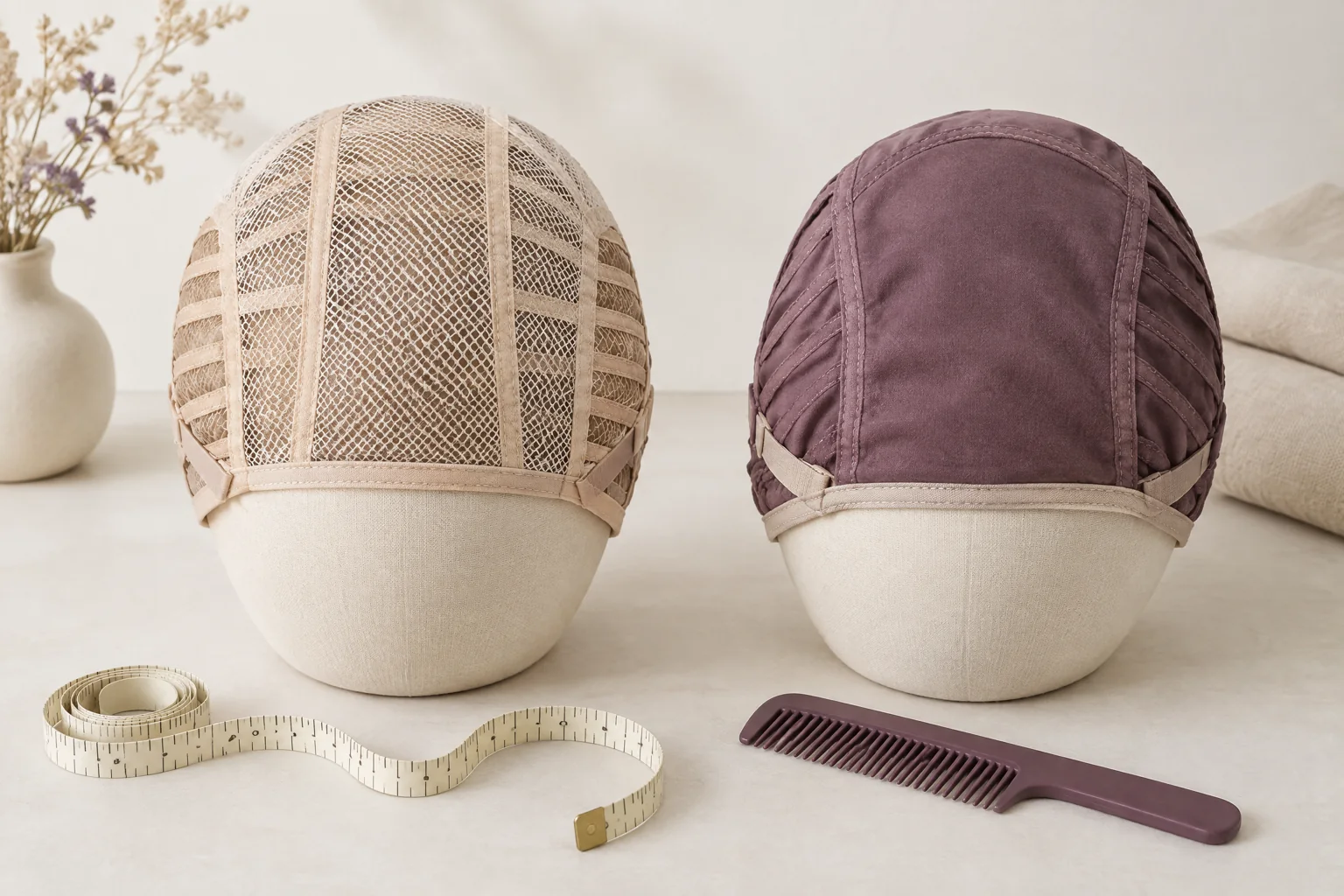
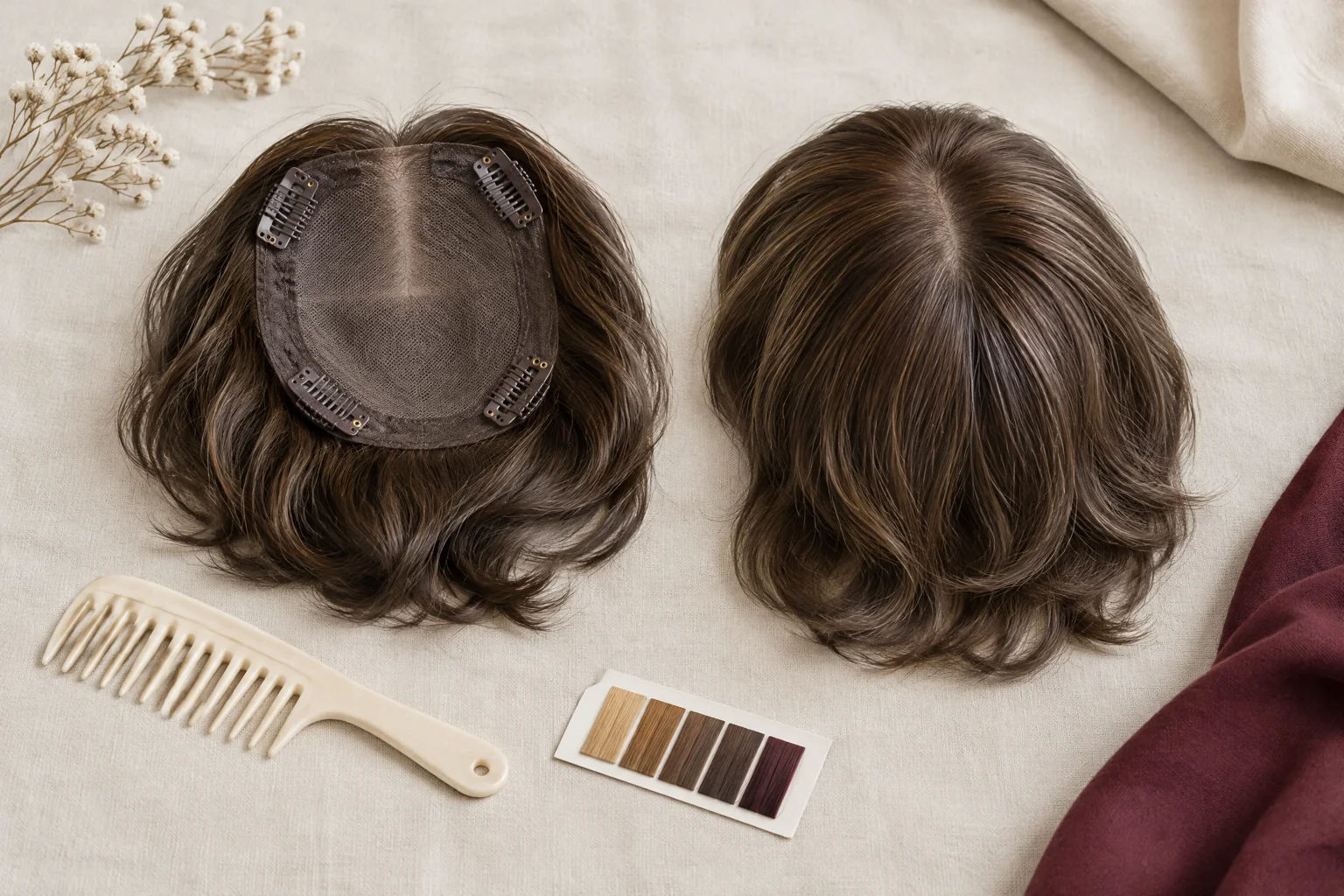
For a colleague choosing coverage, identify exactly what they want reviewed from above. It might be the crown boundary, a parting or where existing hair meets a piece. Ask them to arrange the item as they normally wear it before testing the photograph. Keep any further handling within their permission and the item's instructions. BigDeal's makeup discussion should not be treated as confirmation of hairpiece fitting or attachment work. Arrange that separately with the appropriate provider.
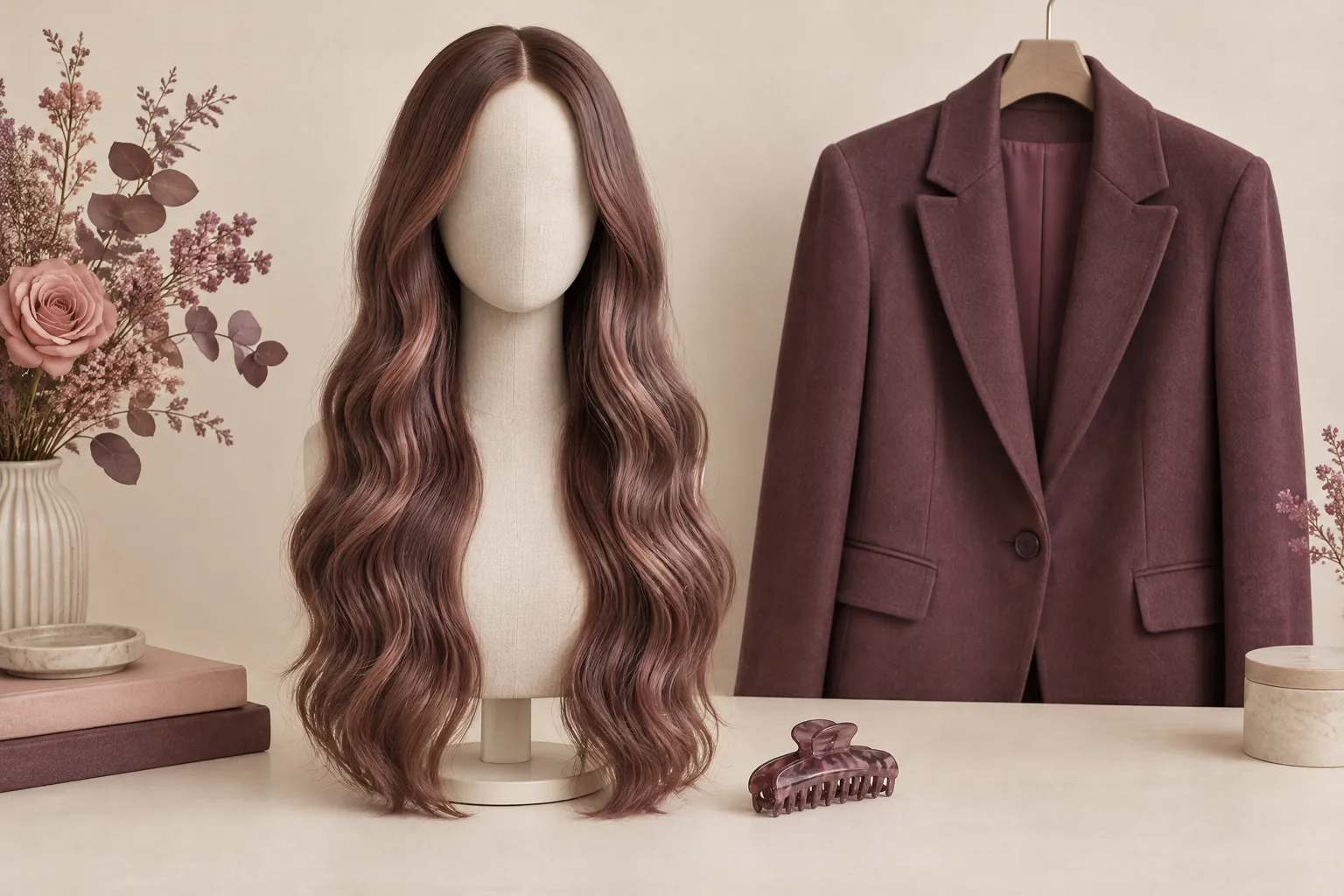
Compare the outline beside your remaining hair, not simply whether the top looks fuller. The low density wigs guide separates overall fullness from the thickness of individual fibres. Its density descriptions are not universal measurements across brands. A lighter-looking style is not automatically the most natural choice or a guarantee of less weight. Use the guide to describe your preferred silhouette. Then assess the piece's cut and boundary under the planned camera view.
Take a front view as well as the higher group view before approving a local change. The crown arrangement should still be something you enjoy wearing outside the exact camera angle. Ask about the selected item's brushing, cleaning and styling instructions before introducing any product or tool. A familiar facial product does not establish compatibility with hair fibres or a base. If the piece feels uncomfortable or its edge moves, pause the trial rather than keep layering styling products.
If you are still selecting an item, leave that decision outside the immediate group-photo queue. You can browse OwnStrand's information online and enquire about the specific option. Its only confirmed shop is in Kwun Tong, where sample-viewing arrangements can be discussed. Ask about the dimensions, care and fitting route relevant to your chosen piece. Bring your own item or permitted reference photos to the later makeup discussion. A catalogue image alone cannot establish a finished match.
Finish with an approved frame and a practical fallback
Repeat the staff front row top view makeup check after changes
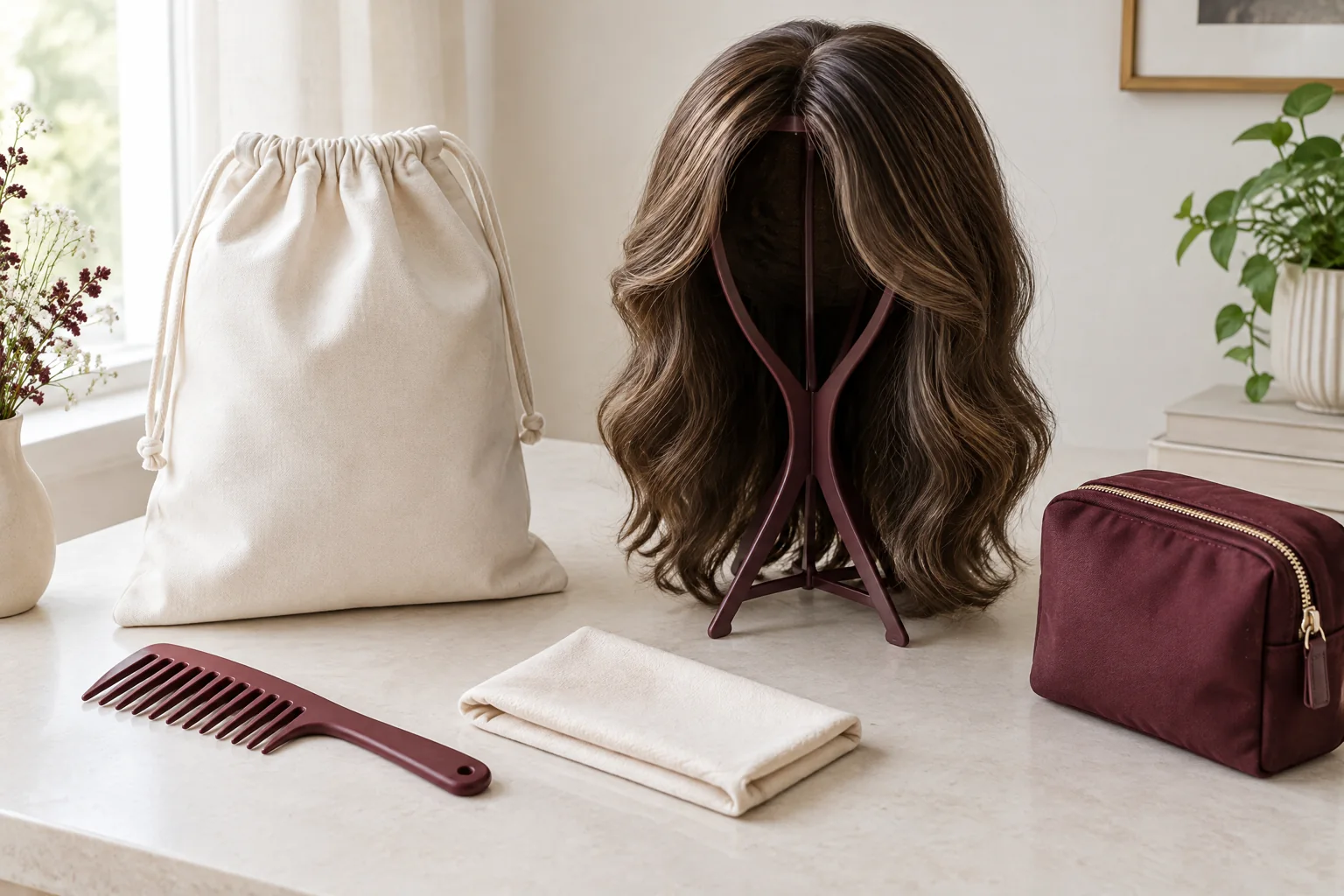
Repeat the test when the camera height, chairs or row order changes. A colleague's earlier approval relates to the earlier viewpoint. Check again after any personally requested hair arrangement, particularly if the final pose includes a head turn. Keep the review short and specific: ask whether this frame matches the look they approved. Avoid reopening every detail that was already accepted. A repeat check should confirm the relevant change, not restart the entire preparation process.
For a campaign shoot, agree on the review process before the production schedule becomes crowded. The commercial advertising makeup service is relevant when the team image forms part of a wider advertising brief. Share the planned formats and the time available for individual checks. Tell the organiser that hair coverage remains a personal choice rather than a uniform styling requirement. This allows camera decisions and requested makeup adjustments to be scheduled without singling out a colleague during the shoot.
Keep the practical note brief: approved row, camera viewpoint, requested makeup adjustment and who handles the personal hair item. Leave health explanations and speculative comments about hair loss out of the styling note. Share only what the people completing the agreed work need. If the organiser wants to retain test images, confirm their purpose and handling through the organiser's usual process. Appearance approval and permission for later image use are related discussions, but they are not interchangeable.
Have a fallback when someone is unhappy and the group cannot be rearranged safely. Pause their styling discussion, offer a private review, and ask about a separate portrait or another usable frame. Do not improvise attachment work or insist they lift their chin until the concern disappears. The final choice should preserve a comfortable expression and an acceptable appearance for that person. A successful team photograph includes individual choice, rather than requiring identical hair coverage across the front row.
- Recheck the affected view after a camera or row change.
- Keep personal hair handling with the agreed person.
Key takeaway
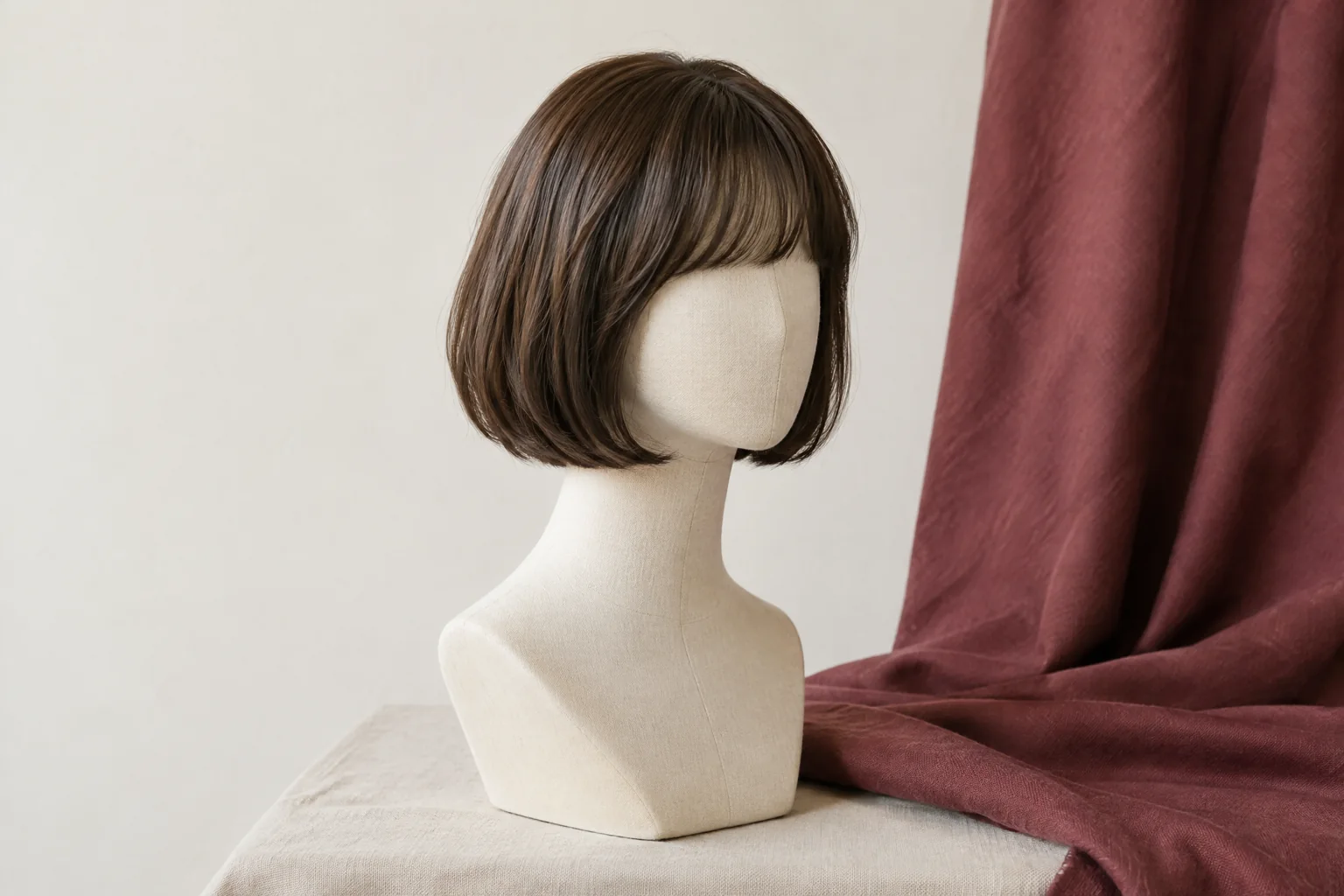
Choose the smallest change that addresses the colleague's actual concern. A lower viewpoint may help composition; makeup addresses facial details; optional coverage needs its own selection and handling discussion. Keeping the existing look remains an equally valid outcome.
Practical checklist
- Confirm the intended crop and where the staff image will appear.
- Test the real rows before adding styling products.
- Review camera height with every face still visible.
- Agree privately on personal hair handling and requested changes.
- Repeat the relevant check after the setup changes.
Frequently asked questions
Does everyone in the front row need crown coverage?
No. Visible scalp is not a reason to require coverage. Give each colleague a chance to review the actual frame privately. They may prefer their existing appearance, a different viewpoint or a personal coverage discussion.
Can makeup fix what a high camera shows on top?
Facial makeup can address requested facial shine or tone. It does not replace hair coverage. First identify whether the concern comes from viewpoint, hair arrangement or facial makeup, then test the relevant change separately.
Should I ask to stand instead of sitting?
You can request a test if standing is comfortable and fits the composition. Check your own view and the visibility of other faces. Changing rows should be an offered option, not a response imposed because of your hair.
Can I bring a hairpiece I already wear?
Yes, use your own item to explain your makeup needs. Confirm handling expectations before the rehearsal. A makeup enquiry does not confirm fitting or attachment services, and the item's own care instructions remain important.
What if I approve the test but the final camera moves?
Request another short review from the new viewpoint. Check the changed detail and the final crop. Your approval of one appearance test should not be treated as approval of every later angle or publication use.
Sources
| Source | What it supports |
|---|---|
| Canon — Group portrait tips | Canon's sports-team example recommends a camera almost level with front-row heads and focus across rows. It supports testing a lower viewpoint, not a universal height rule. |
| CLIC — Photographs and personal data under Hong Kong privacy law | CLIC distinguishes photographs collected about identified people from anonymous photographic subjects. This supports checking staff identification and intended image use without claiming every photograph legally requires consent. |
Discuss your own makeup plans
For BigDeal makeup arrangements, WhatsApp +852 6918 3153 with your shoot format and planned group setup. If you already wear a hairpiece, share your own item or photos to discuss makeup preparation. This contact is for BigDeal makeup enquiries, not OwnStrand bookings or hairpiece sales.
Ask on WhatsApp +852 6918 3153