
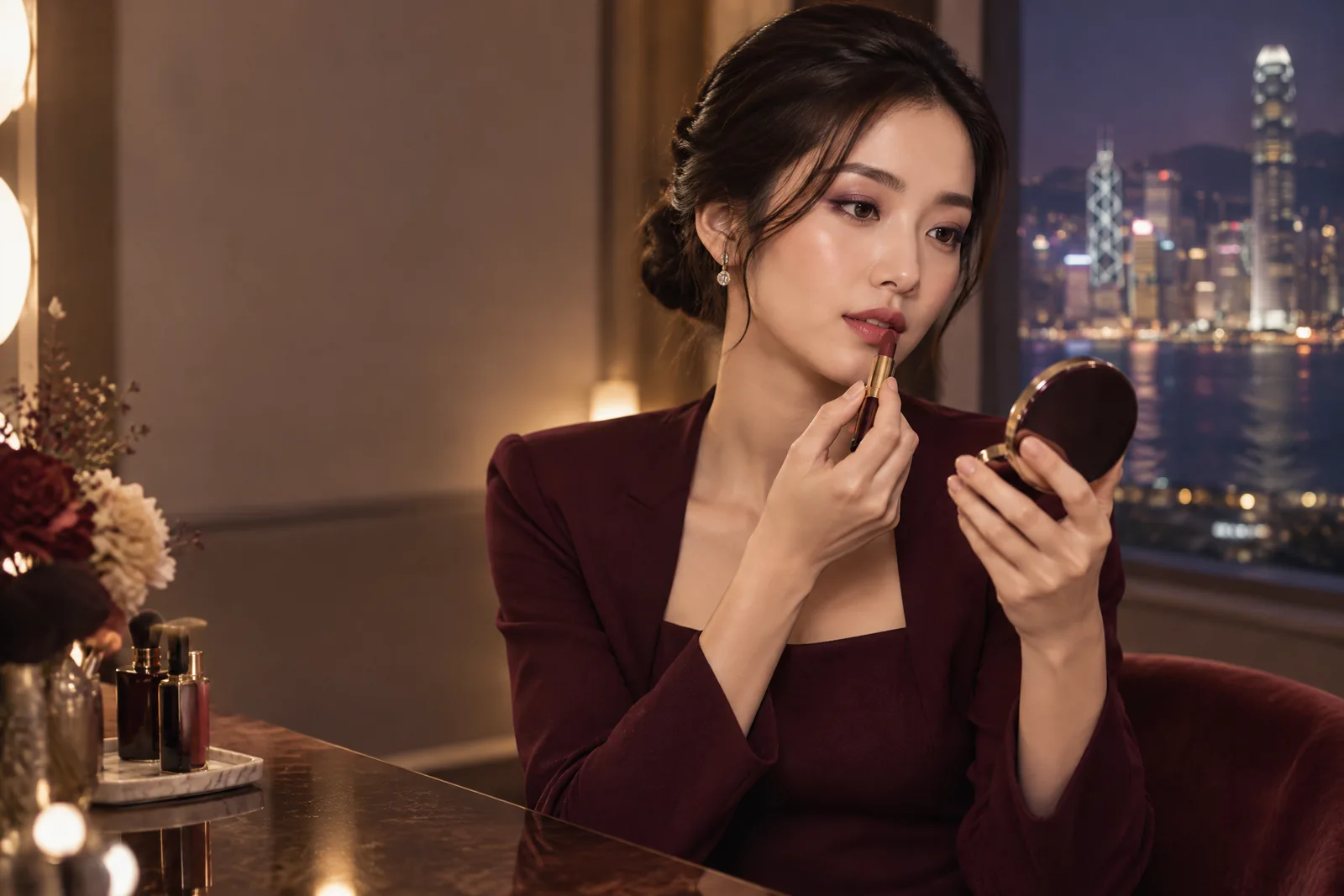
At a glance
For an event in Hong Kong, make a small image brief before the appointment. Include one window-light photo, one flash photo, and one wider group reference. Notice where the texture begins, how wide the silhouette becomes, and whether the hairline still feels like you. The most dependable choice is the one you enjoy in the lighting and framing your occasion will actually use.
Start with wig texture in event light, not a single mirror view
Why wig texture in event light needs more than one photo
A dressing-room mirror shows one distance and light direction. Event images rarely do. A phone photo by a window, a direct-flash snapshot, and a wide group frame reveal different things. Take all three before choosing a reference look. Keep the camera near eye level first. Then move farther back. This helps you judge the outline, not only tiny surface detail, before the occasion begins.
Use daylight to compare colour and broad texture. The American Cancer Society suggests natural outdoor light or a window when comparing a wig with a hair-colour reference. That advice can help build a photo brief. Daylight still varies with shade, cloud, and reflected building light. Treat it as one useful observation, not a prediction of every camera result you will receive. [1]
Begin with a question that is easier than finding a perfect label. Do you want movement as a long line, or definition as separate loops? Notice the crown, cheek area, and ends. A camera may simplify close detail, especially at group distance. Let your preferred silhouette lead. Fine texture can refine the choice afterward for a balanced and recognisable overall image.
Bring two reference images with a similar length and parting. One can show your preferred texture. The other can show event mood. Do not compare a close crop with a wide group shot as if they answer the same question. Note what each image proves. A front view shows face framing. A side view shows bulk. A group view shows whether texture reads clearly.
Read broad waves in window light and outdoor portraits
Use wavy wigs as a pattern comparison, not a material claim
To compare flowing movement, browse wavy wigs for broad bends, loose waves, and uneven beach-wave effects. The guide says these labels describe visible pattern. They do not establish fibre or cap construction. For an event brief, note where the bend begins. Also check whether it continues through the ends. This changes the amount of width beside the cheeks in outdoor portraits and event photographs.
Window light often makes a broad wave read as connected movement. Stand with the window slightly to one side. Look for a smooth crown-to-mid-length transition, not one highlighted section. If one side looks flatter, turn slightly before deciding it lacks volume. Outdoor shade can help compare shape because it reduces sharp contrast from direct midday sun during an outdoor portrait.
A wave is easier to read when cut and texture are considered together. A shorter shape may place gentle volume beside the cheeks. A longer shape lets the pattern travel below the shoulders. Neither is automatically better. Ask where you want movement to end. That choice helps decide whether makeup should feel softly blended or more deliberately defined for the planned photographs.
Before an evening event, take a short walking video near a window. Still images can make a loose pattern look flatter or more regular than motion. Watch the outline as you turn. If the ends separate too much, choose a calmer reference. The aim is not to remove movement. Choose movement that feels intentional from several angles in the room.
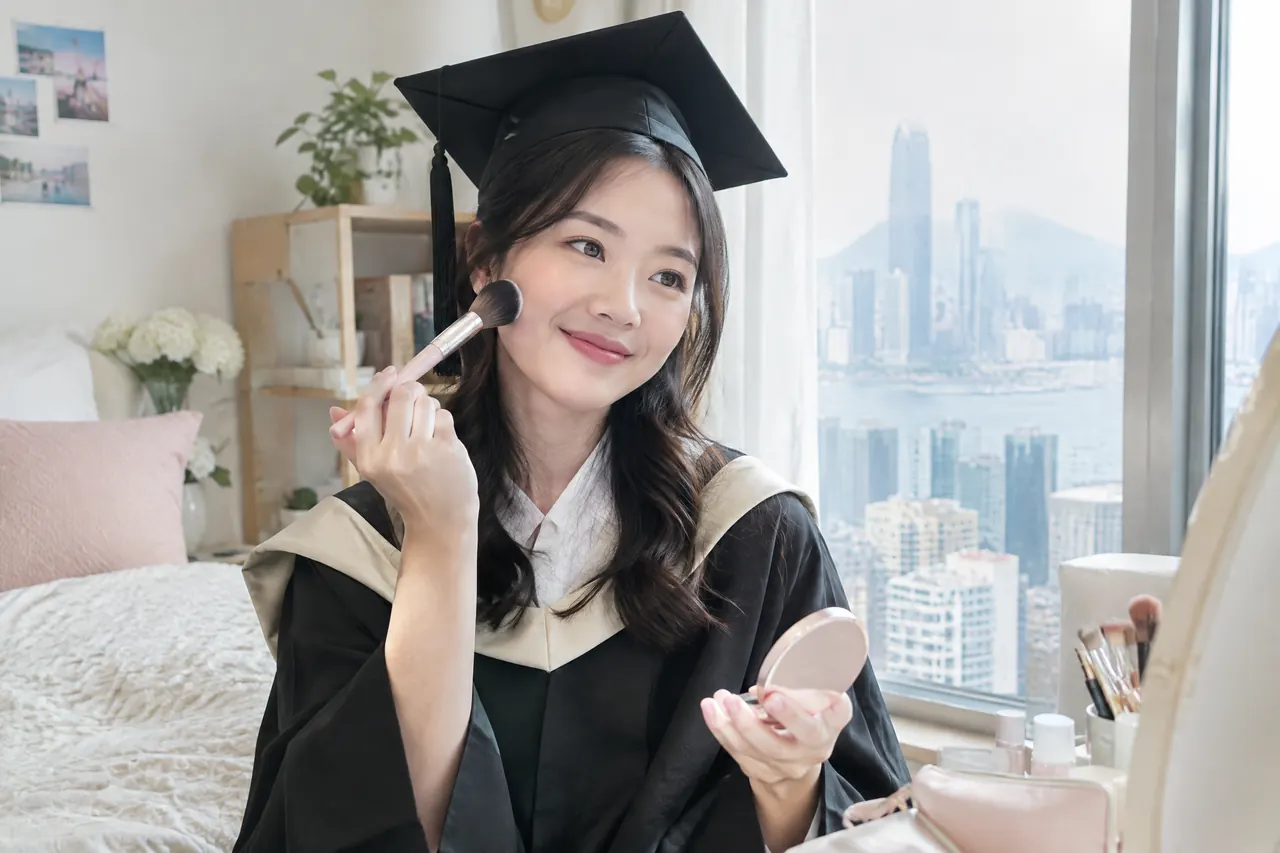
Check curls under flash without judging them too harshly
Use flash tests to see separation, shine, and camera distance
For more pronounced definition, compare curly wigs with a similar-length wave, not a different cut. The assigned guide says deep curls, spirals, and looser patterns can read differently. It also says stated length may not match visible drop. In a flash image, check overall shape first. Then see whether curl groups remain distinct or merge into one dark mass at the sides.
Flash direction changes what the camera emphasises. Nikon explains that direct flash can create flatter light, glare, and shadows behind the head. Bounced flash changes the direction and quality of the light. That is why a single harsh event snapshot should not decide a texture choice. Ask the photographer or a friend for one test that resembles the likely venue setup, if that is practical. [2]
When reviewing a flash photo, separate shine from texture. A bright patch may be reflection, not smoother hair. Zoom out after looking close. In a full portrait, ask whether the curl outline supports the face and outfit. If it feels busy, change one factor next time. Try a calmer parting, less detailed accessory, or softer eye makeup for a quieter result.
Avoid forcing every curl into identical spacing for a camera test. Uniformity can be attractive, but it is not the only polished finish. A few natural-looking variations can prevent a stiff outline. Check the front pieces first. Then see whether texture blocks earrings, a collar, or the neckline you want visible. These are styling observations, not a standard of perfection.
Use group photographs to judge outline before detail
Face framing matters more when everyone appears smaller
In a group photograph, faces occupy less of the frame and texture becomes an outline. A broad wave may read as a soft, continuous border. Curls may read as a fuller, textured perimeter. Step back to mimic the distance from a banquet table or stage. If the hairstyle disappears, test a clearer parting. Add more separation at the front, or create a defined shoulder shape.
Use wigs for face shape as a prompt for comparing proportions, not a rulebook. The guide suggests looking at length, parting, fringe, and the outline around cheeks or jaw. Try one variable at a time. Keep the wave and change the part. Then keep the part and change the front pieces. This makes your preference easier to identify without treating face shape as a problem to correct.
Check the hairline in a relaxed pose rather than only facing squarely forward. A casual laugh, a lowered chin, and a slight turn are common in group pictures. Look for whether the front still sits where you expect it to sit. If it needs adjustment, solve fit and placement before adding more makeup definition. A stronger contour cannot compensate for a hairstyle that feels unsettled to the wearer.
Coordinate the group rather than matching every texture. With detailed prints, a calmer wave can give the image breathing room. With simple outfits and a celebratory occasion, curls can provide a focal shape. Consider the venue background too. Dark hair against a dark wall may need a clearer silhouette. A bright background can make soft flyaway detail less visible from afar.
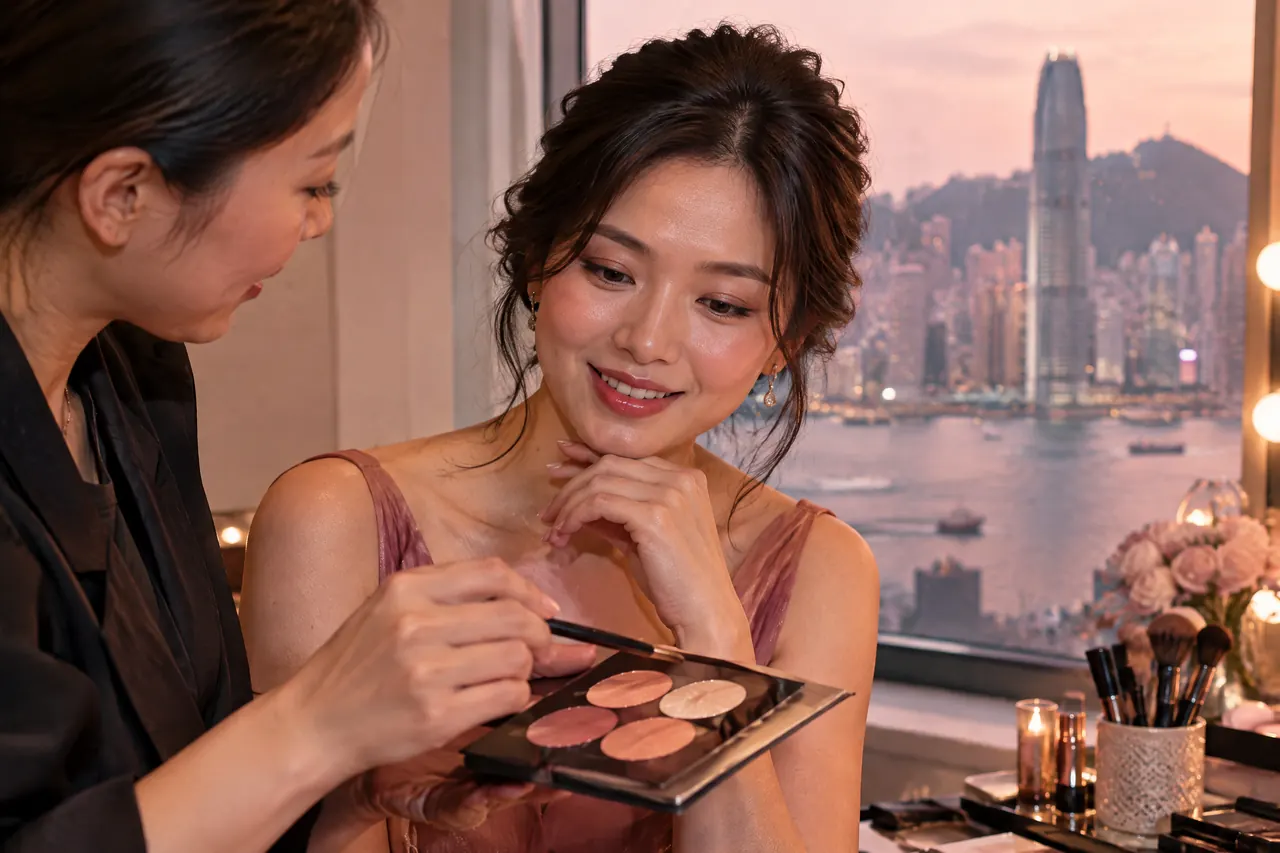
Pair face framing with makeup contrast and venue mood
Choose the emphasis you want around cheeks, eyes, and lips
Texture and makeup should share a visual priority. With a soft wave, a blurred lip edge and diffused blush can feel connected to the hair’s movement. With clearly separated curls, a cleaner liner or a more precise lip boundary may give the face enough structure. This is a styling conversation, not a formula. Test the full look in that same light. A strong lash or glitter finish can compete with detailed curls.
For a dinner, engagement, or formal celebration, discuss banquet makeup Hong Kong when developing the appointment brief. Bring your lighting tests, neckline photo, and preferred texture reference together. State which images show the result you want, not only products you like. A makeup plan can then support the chosen hair outline instead of competing with it. Keep the request focused on the event’s real camera conditions.
The table below is an editorial planning tool, not a ranking of styles. It helps you decide what to compare before a trial or event preparation. Use it with your own comfort, outfit, and preferred facial framing in mind. If two options look equally good, choose the one that feels easier to wear. A secure feeling often photographs more naturally than a technically perfect reference.
Accessories deserve their own test. A reflective clip near a curl can appear much brighter under flash than it does by a window. A narrow headband may change the apparent height at the crown. Put the accessory on before taking the group-distance photo. Then remove it and compare. This simple pair of images shows whether the accessory supports the silhouette or becomes the first thing the camera notices.
| What to compare | What the camera may show | A useful next test |
|---|---|---|
| Broad wave | A connected outline with gentle movement | Check where the bend begins beside the cheeks |
| Defined curl | More texture and a fuller outer shape | Compare visible drop with the stated length |
| Centre or side part | A different balance around forehead and jaw | Keep texture unchanged for the next photograph |
| Hair accessory | Extra brightness or emphasis under flash | Photograph with and without it at group distance |
Plan the appointment around evidence, scope, and touch-up time
Bring a concise brief instead of relying on one saved image
A useful brief fits on one phone screen. Include the event location, start time, likely lighting, outfit neckline, and three test photos. Add one sentence about preferred texture up close. Add another about preferred shape in a group. This gives the artist practical information without forcing one copied look. If plans change from daylight to evening, say so early. Lighting changes may alter what needs more definition.
When comparing appointment scope, use the banquet makeup cost Hong Kong page to prepare questions about the makeup arrangement. Keep hairpiece or wig details as a separate item to clarify with the relevant provider. Do not assume an image reference confirms a particular product, construction, or availability. Ask what needs to be brought, fitted, or tested beforehand. Clear responsibilities make the preparation calmer on the day.
Pack a small touch-up kit that respects the texture rather than fighting it. Include a mirror, clean clips, and any item the relevant hair provider recommends for the specific piece. Avoid adding heat or unfamiliar product unless you have confirmed it suits that item. For makeup, blot first and add only what the photograph needs. Heavy powder near the hairline can make the transition look more obvious under bright flash.
Schedule the final comparison before the outfit is fully on, if possible. You need enough time to look at the hair from front, side, and seated angles. Once dressed, take a fast flash photo and a wider room photo. Save them for the artist’s reference if touch-ups are planned. This is not about chasing perfection. It is about spotting a misplaced part, flattened crown, or over-bright accessory while there is still time to adjust it.

Rehearse the photo plan and keep your own preference central
A short sequence gives you better decisions than endless scrolling
Set aside one short rehearsal rather than collecting dozens of unrelated images. Wear the neckline or a similar top. Take the window-light, flash, and group-distance photos in that order. Review them after a break, not immediately. First notice which version makes you feel most like yourself. Then note one small adjustment for each lighting condition. This keeps the decision personal and practical, instead of turning it into a search for universal rules.
For a birthday dinner, use birthday makeup Hong Kong planning to name the mood you want in photographs. It might be relaxed, polished, dramatic, or playful. Share that mood with the texture reference. A soft wave and a bright lip may feel festive. Defined curls and a simpler lip may focus attention on hair. Your preference decides the pairing. Test images make it easier to explain.
Use this rehearsal list before leaving home. It creates a small visual record instead of an uncertain memory after the event. Complete it slowly and avoid changing several details between frames. The goal is to see how texture behaves, not to create a professional shoot. Save only the useful images. A simple album makes the next event easier to plan and explain.
After the event, keep one image that feels accurate and one that does not. Note the lighting, camera distance, parting, and makeup contrast in each. That record is more useful next time than a label such as flattering or unflattering. You will learn whether you preferred soft movement, stronger curl definition, or a different face frame. Style choices can evolve, and a photograph is feedback rather than a verdict.
- Photograph the style beside a window and with a flash.
- Step back for one group-distance view.
- Check the front after turning and looking down.
- Add the planned accessory before the final test.
- Save the clearest three images in one album.
Key takeaway
Pick texture by the outline you enjoy across daylight, flash, and group distance. Then make the parting, accessory, and makeup support that same impression. A face-shape idea can help you compare proportions, but it does not outrank comfort or your personal taste. Three deliberate photographs give a better basis for an event decision than one perfect-looking saved image.
Practical checklist
- Save one window-light photo of the full look.
- Take one direct-flash test before the event.
- Check the silhouette from group-photo distance.
- Test the planned accessory under the same lighting.
- Bring the clearest three references to the appointment.
Frequently asked questions
Should I choose waves or curls for flash photography?
Choose the outline you prefer in a flash test. Waves often read as connected movement, while curls can show stronger separation. Compare similar lengths before deciding.
Will a face-shape guide tell me exactly what to wear?
No. Use it to compare length, parting, fringe, and the outline near cheeks or jaw. Comfort and personal taste should remain central.
Why does a curly style look shorter in photographs?
Curl turns reduce visible drop compared with a straighter line. Check the actual photo and the listing’s stated measurement rather than relying on a category name.
What should I show a makeup artist before an event?
Share the outfit neckline, venue timing, three lighting tests, and one sentence about the hair outline you prefer. This is clearer than sending many unrelated images.
Can one phone photo tell me whether texture will work in a group?
Usually not. A close crop shows detail, but a group-distance frame shows silhouette. Take both, then judge the style in the framing your event will use.
Sources
| Source | What it supports |
|---|---|
| American Cancer Society: Wigs for Hair Loss | Natural light outdoors or near a window can be used when comparing a wig with a hair-colour reference; individual wig type and personal preference remain selection considerations. |
| Nikon Learn & Explore: The Basics of Flash Photography | Direct flash can produce flat light, glare, and shadows, while bouncing flash changes light direction and quality. |
Discuss your own makeup plans
Bring a window-light portrait, a flash test, and a group-distance photo when discussing an event makeup look.
Ask on WhatsApp +852 6918 3153