
At a glance
The useful result is a small set of speaking views you feel comfortable with, not a frozen pose. Test your reading position and partner-facing turn with the venue's audio team. Then decide whether a camera adjustment, one loose strand or a simpler handover needs attention. Keep the agreed view easy to repeat, so you can concentrate on your promises rather than monitor your reflection.
Bridal vow microphone face framing starts with movement
Check the moment you speak, not just the portrait
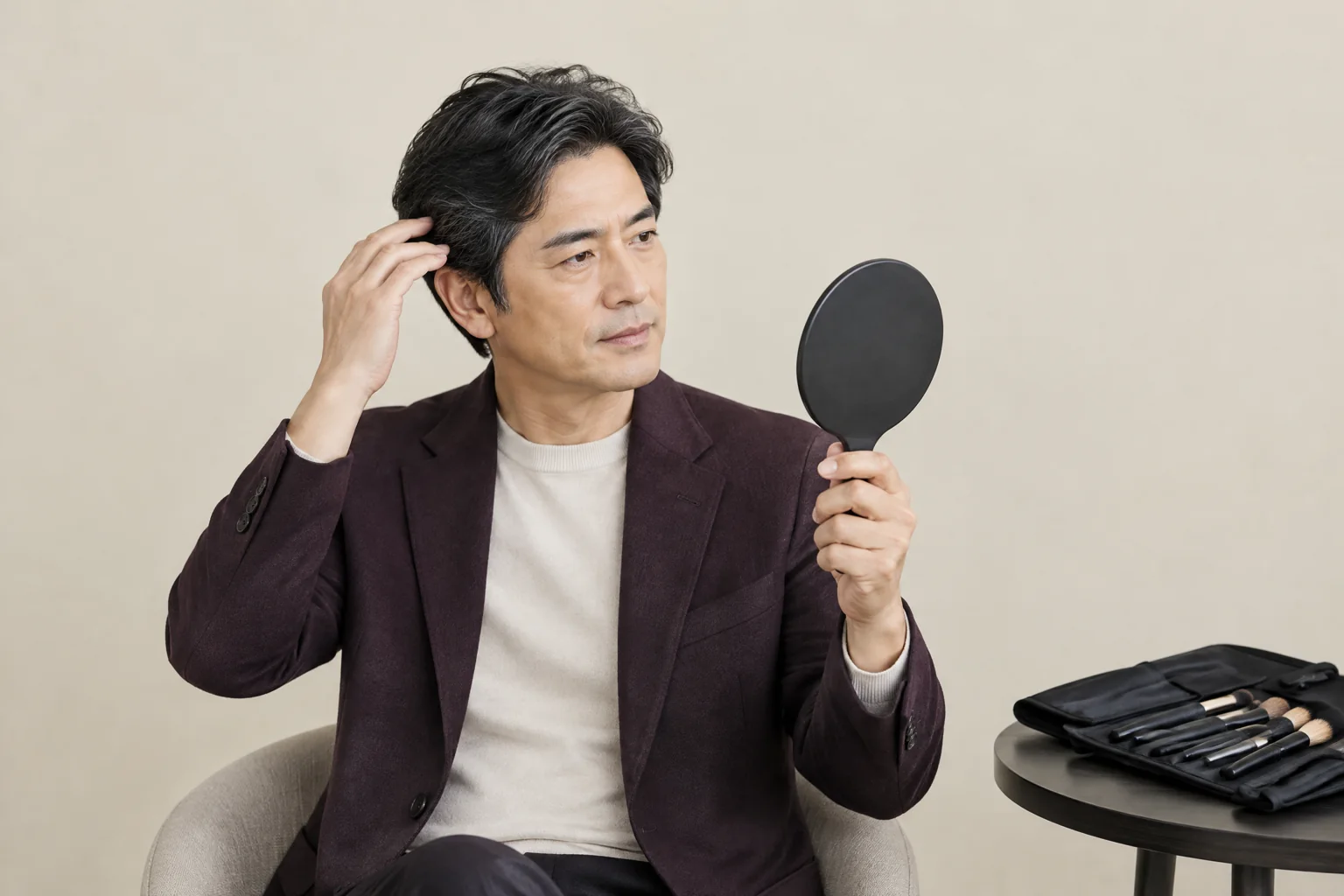
Start with the exact action that worries you. Perhaps the microphone hides your smile when you read from a card. Perhaps your front curl moves across one eye when you turn towards your partner. Film that action before deciding anything needs restyling. Watch the clip at normal speed first. A brief obstruction during a handover is different from a covered face throughout your vows.
Choose the views that matter for your ceremony. Ask your photographer or videographer where the main speaking camera will stand. Include a front view and the side facing your partner. You need room to look down at your words without holding your chin unnaturally high. Agree what you want visible, such as both eyes or your smile. A passing strand need not be a fault.
If you are selecting a hairpiece, OwnStrand's lace front wig guide offers separate reading about front construction. OwnStrand shares BigDeal's owner, and the guide explains why that label cannot settle every wearing detail. It does not answer where your microphone should sit. For this rehearsal, concentrate on the visible hair shape and speaking movements. Keep product construction questions separate from whether the microphone crosses your face.
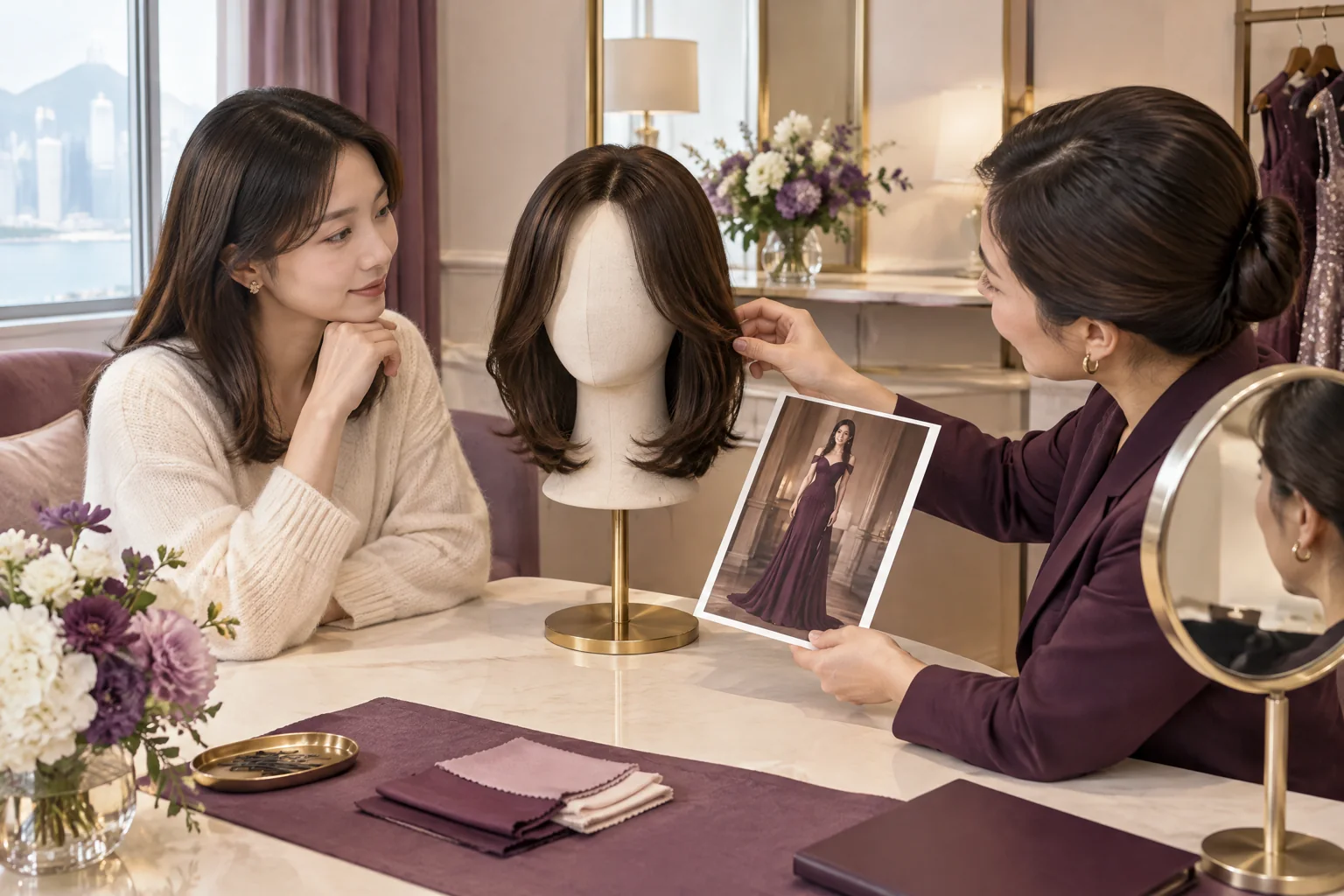
Your makeup discussion should begin with the ceremony you are planning. Share whether you will read seated, stand beside your partner or speak from a lectern. The bridal makeup Hong Kong service page is a useful starting point for that conversation. Bring a short movement clip alongside your preferred makeup references. It shows which parts of your expression disappear, rather than asking the artist to guess from one photograph.
Rehearse the microphone, vow card and partner turn together
Use your speaking voice and ordinary hand movements
Ask the venue which handheld microphone will be used and who will manage the sound check. At your trial, a similar object can reveal awkward hand movements. It cannot confirm how the ceremony microphone will sound. Repeat the check with the actual equipment when arrangements allow. Wear your planned earrings and bring your vow card. Their position can affect where you naturally put your hands.
Shure's presenter guidance recommends speaking into the microphone without waving it or letting it drift down. It also encourages recording practice and checking with the audio technician. Apply those principles while reading your actual words. Let the technician establish a suitable working position for your microphone and voice. Review the picture within that position. A lower microphone may reveal more face, but an inaudible promise is not a useful trade. [1]
Practise receiving the microphone before you begin speaking. Settle your grip, take your reading position and then start the first line. Continue through a natural pause and turn towards your partner. Watch whether your wrist swings the microphone across your cheek. Try a calmer movement rather than locking your elbow. Repeat with your vow card at a comfortable height, keeping your shoulders relaxed throughout the reading.
Prepare more than a list of makeup shades for the trial. The bridal trial Hong Kong preparation page can help you organise the appointment conversation. Bring your own hairpiece or clear photographs, plus the card you intend to hold. Mention any movement you prefer not to practise on camera. If venue details remain undecided, ask for a provisional check and repeat the relevant part once the setup is known.
Find out what is hiding your face before changing the look
Separate camera position, hair movement and makeup finish
Pause the recording at the moment your face becomes difficult to see. Identify the actual obstruction. A microphone head across your mouth is a different problem from a curl across your eye. A camera placed behind your speaking hand may exaggerate the obstruction. Compare the same moment from the other view. If that view is clear, discuss camera placement before removing a hairstyle detail you genuinely like.
Makeup cannot uncover a mouth hidden by equipment. Extra highlight or stronger lipstick may change the finish, but it cannot remove the microphone from the frame. Check makeup under the expected lighting only after the speaking position works. Look for a finish you like while smiling and reading. Keep your usual expressions in the test. An adjusted wrist or camera position may solve the issue without changing the makeup.
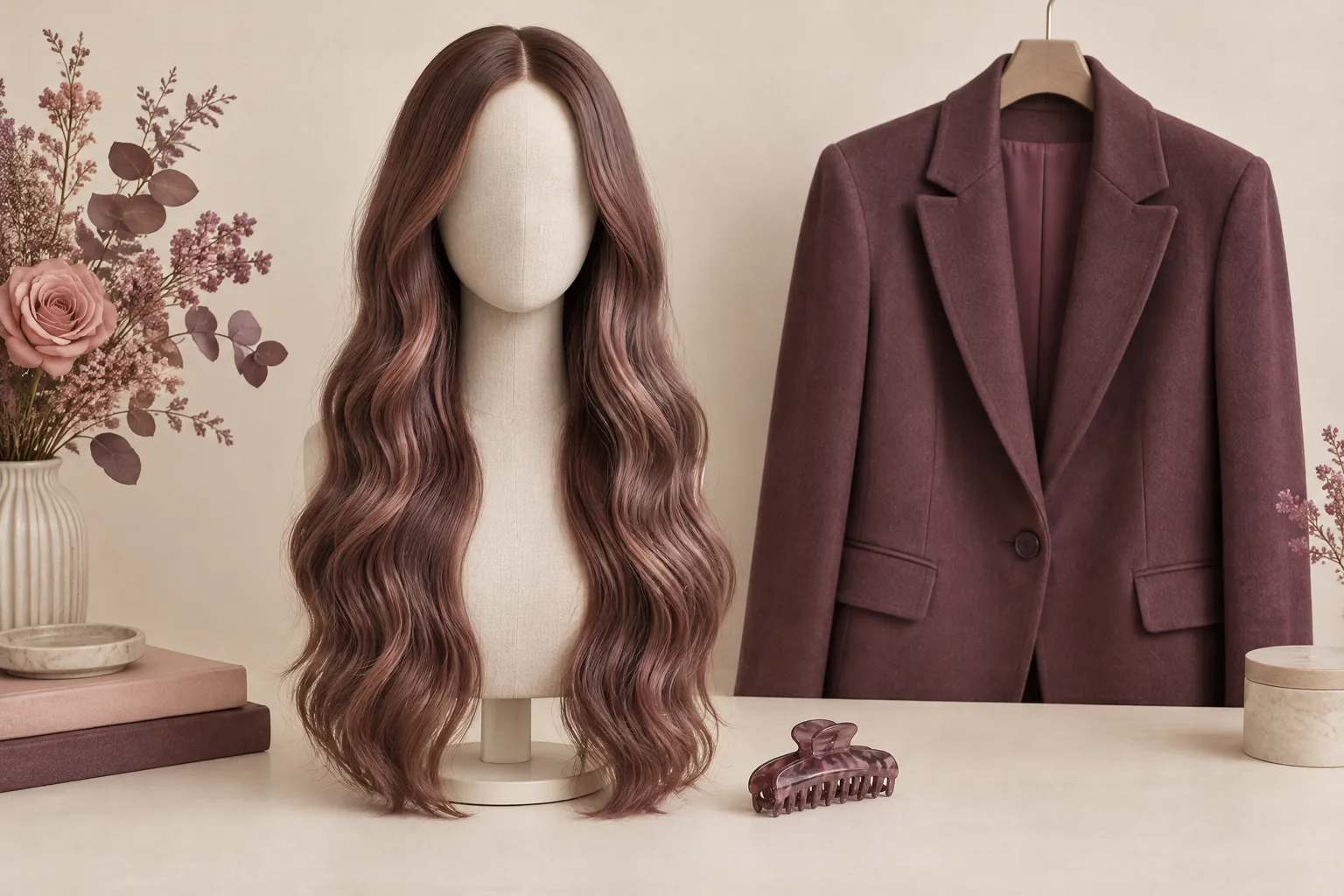
If you want to move a hairpiece's part, the silk top wig guide explains why top labels need model-specific checking. The term alone does not establish every material or parting option. Ask which changes your exact piece allows before redesigning the side facing the camera. Keep that answer with your trial notes. A side view should guide the desired silhouette, not become permission to alter the cap or attachment.
Change one variable at a time so the comparison stays useful. Keep the same words and standing position while testing a different camera view. Then compare a permitted small hair adjustment without moving the camera again. Review each clip with sound. Choose the version that feels comfortable as well as visible. A technically clearer frame is less helpful if you must remember an awkward pose through every sentence.
| Rehearsal finding | First change to test | Keep it only when |
|---|---|---|
| Microphone hides the mouth throughout reading | Discuss the working position with audio and camera teams | Speech stays clear and the arm feels relaxed |
| One strand covers an eye during turns | Test one permitted local hair adjustment | The turn remains comfortable and the style still feels right |
| Face is blocked only during the handover | Simplify the exchange or discuss camera coverage | The transition improves without changing the speaking grip |
Keep the style, reset one detail or simplify the sequence
Choose the smallest change that remains comfortable
Keep the existing style when the microphone only crosses your face briefly between speaking turns. Show that moment to the camera team and discuss whether they can cover the transition differently. Your hair does not need resetting because one paused frame looks awkward. Judge the complete reading as well as individual stills. A natural turn towards your partner may matter more than a perfectly open face in every frame.
Consider a local reset when one loose piece repeatedly falls across your eye during the reading. Ask the person responsible for hair whether an agreed repositioning suits the finished style. Test that small change through the same turn again. Check the view with your earrings and veil in place. The goal is less interruption while speaking, not removing every soft detail that makes the look feel like yours.
Simplify the sequence when your hands are doing too many jobs. Holding a bouquet, opening a folded card and accepting a microphone can become awkward together. Arrange for the bouquet to be held before your vows begin. Use a card you can read without repeatedly unfolding it. Confirm the handover with the person assisting you. This may preserve your preferred hairstyle while reducing the movements that keep blocking your face.
Reject a change that looks clear but feels tiring. An extended arm or a held chin can distract you from speaking naturally. Read a complete passage before accepting a new position. If discomfort appears, return to the earlier comfortable setup and discuss another camera view. There is no requirement to expose both sides equally. Your preferred speaking side can remain the main view if the ceremony team can accommodate it.
- Keep comfortable speech as the first requirement.
- Compare complete readings, not isolated flattering frames.
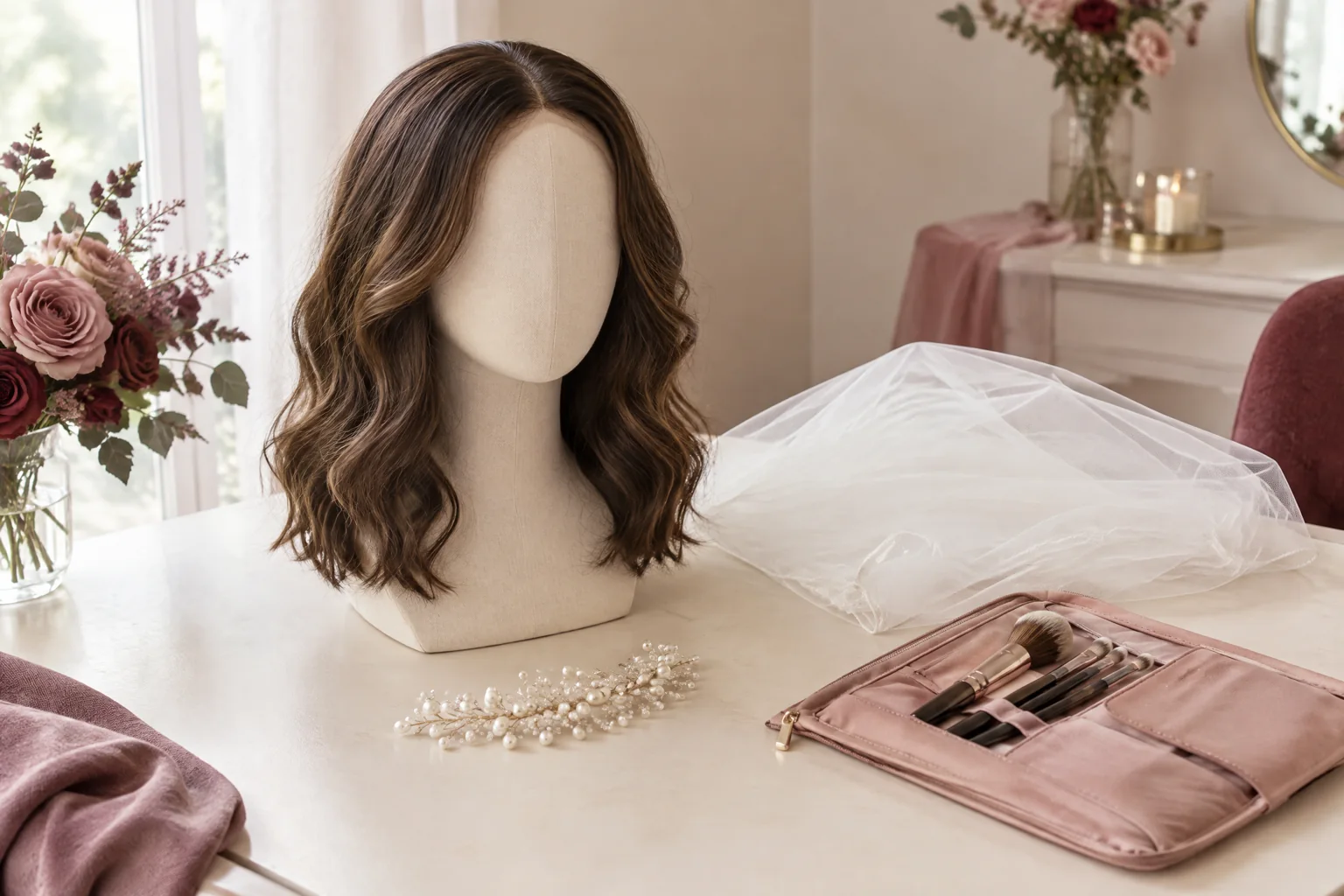
Agree who may touch what before the ceremony
Make the handover and any small reset predictable
Decide who will pass you the microphone and which hand you will use. Ask that person to offer the handle where you can reach it easily. Practise the exchange without reaching over your cheek or veil. If you need help with your vow card, agree that separately. Clear roles prevent several people adjusting different things around your face at once. You should know what will happen before anyone steps close.
DPA explains that cupping the microphone head can change the sound and increase feedback risk. Its practical starting point is holding the handle rather than covering the grille. Mark your comfortable grip during rehearsal and check it with the audio technician. Do not solve a slipping grip by wrapping fingers around the microphone head. Keep the handling decision connected to sound, even when a different grip appears neater on camera. [2]
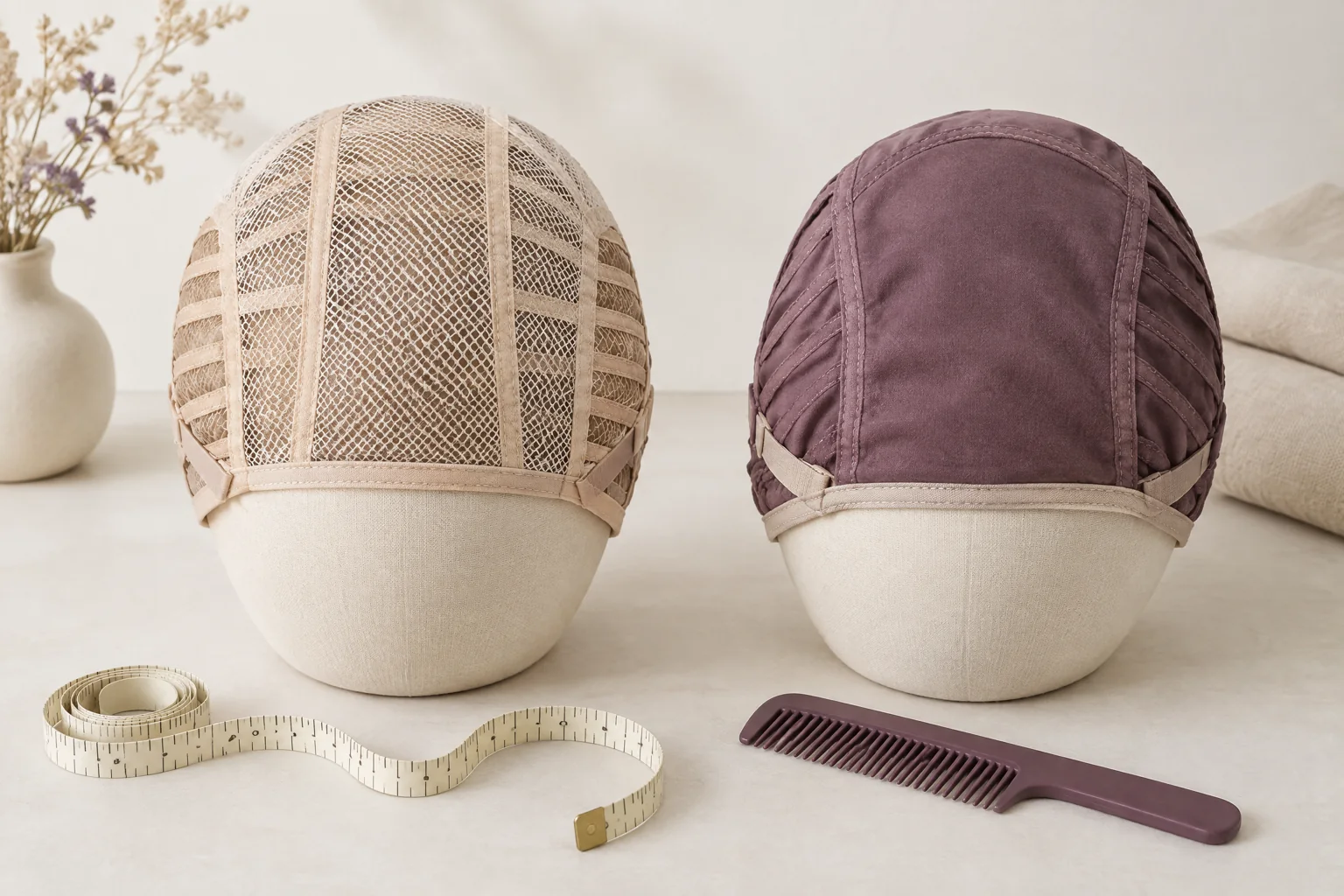
For anyone still choosing coverage, the women's wigs guide distinguishes full-head pieces from smaller toppers. Compare your preferred silhouette and the exact item's wearing instructions before planning wedding handling. You can browse online or enquire about viewing samples at OwnStrand's Kwun Tong space. That selection is separate from allowing someone to touch your piece during vows. Your reason for wearing it need not be shared with the ceremony team.
Give helpers practical instructions you are comfortable with. You might permit moving a loose strand while leaving the hairpiece and veil untouched. Name the person who may make that adjustment and the moment when you can pause. Any change involving the hairpiece should follow its applicable instructions and your consent. If an adjustment falls outside the agreed plan, stop and discuss it privately rather than proceeding during the handover.
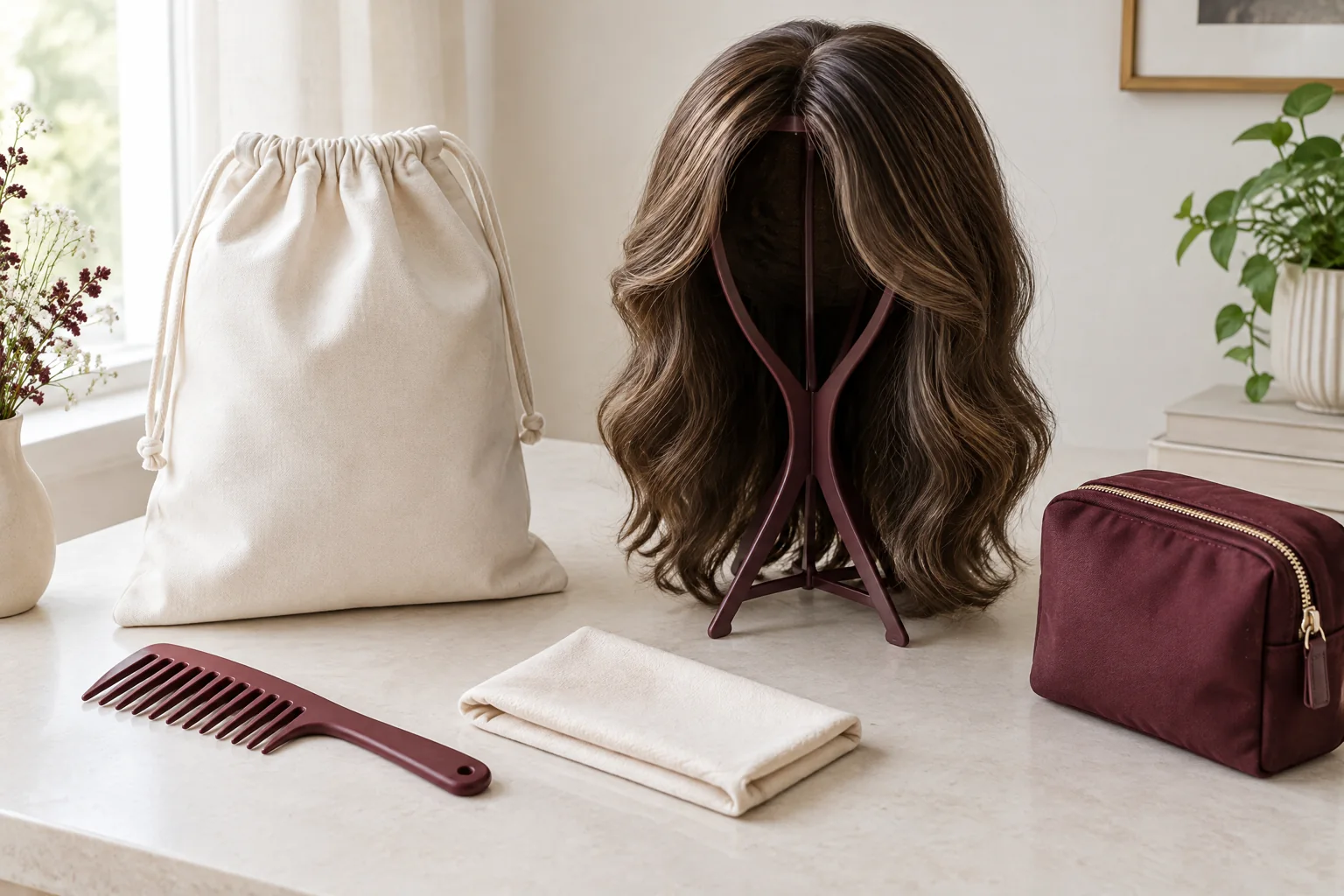
Carry a simple speaking plan into the wedding day
Your bridal vow microphone face framing rehearsal notes
Save one comfortable front view and one partner-facing view from the rehearsal. Label which hand holds the microphone and which holds the card. Include the start of the reading and the turn, not just the clearest still. Share only the material the relevant team needs, with your permission. These notes make the plan easier to discuss. They do not require you to copy an exact expression on the day.
Repeat the relevant check if the venue changes the microphone or speaking position. A different card size can also alter where your hands sit. Verify sound first, then look at the camera view. Leave time before the ceremony to settle the handover. If the same comfortable view still works, keep it. Rehearsal notes should reduce last-minute decisions, not create a reason to rebuild the entire look without a specific problem.
For wedding-day makeup planning, the big day bridal makeup page gives you a route to discuss timing with BigDeal. Share when the vows happen and whether you expect a makeup check beforehand. Explain any agreed local adjustment rather than requesting a complete restyle. The venue team remains responsible for microphone operation. Keep your makeup discussion focused on the finish, the schedule and how you want to feel while speaking.
Set a clear pause point before taking the microphone. Stop if you feel discomfort, notice the piece shifting or cannot hear the sound-check result. Ask the relevant person to resolve that issue before continuing. Avoid adding a new handling method while guests are waiting. Once the setup is comfortable and the team understands the plan, put the rehearsal aside. The purpose is to make space for your vows, not another performance task.
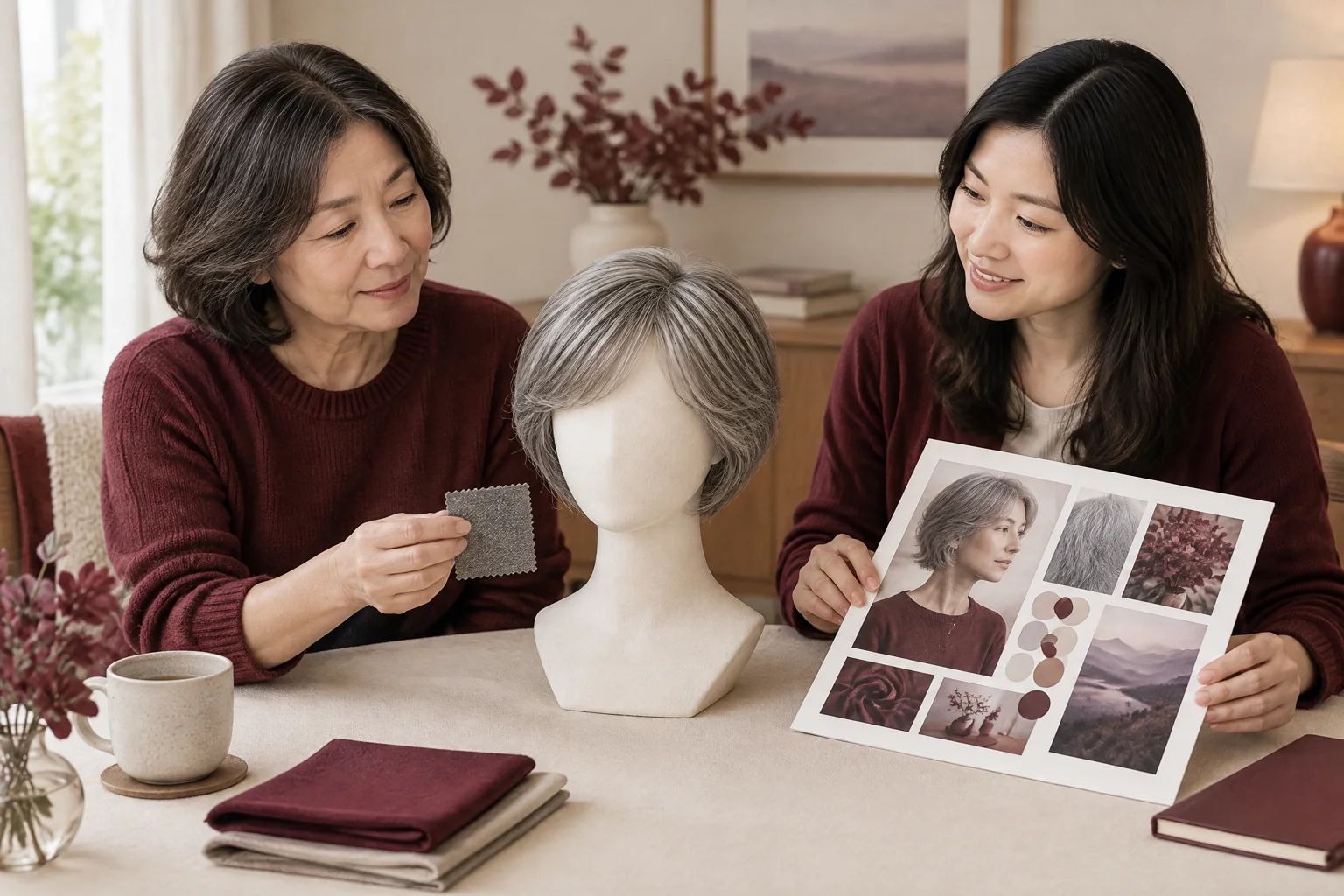
Key takeaway
Choose the smallest change that lets you speak comfortably and remain visible from the important ceremony view. A steadier handover or another camera angle may preserve your preferred face-framing style. Reserve makeup or hair changes for the detail they can actually address. Settle the sound, movement and permitted handling in advance. Keep your speaking plan simple, leaving your attention on your partner.
Practical checklist
- Confirm the microphone type and the person managing its sound check.
- Bring your vow card, planned accessories and your own hairpiece or photographs.
- Record the reading position and partner turn with sound.
- Agree the handover, preferred speaking view and any permitted local reset.
- Share concise notes and identify the changes that need another rehearsal.
Frequently asked questions
Should I lower the microphone to show more of my face?
Only test a lower position with the audio technician checking your voice. The correct working position depends on the actual equipment and setup. If lowering it makes your words harder to hear, keep the clearer sound position. Ask the camera team to review their angle instead. You can also test your reading hand without changing the microphone position that already works for your speech.
Do I need a different hairstyle just for my vows?
Not necessarily. First watch a complete reading from the planned camera side. Identify whether hair repeatedly hides an eye or the microphone simply crosses the frame during a transition. A small permitted reset or an easier handover may be enough. Keep the hairstyle you enjoy when the speaking view already works. A separate vow hairstyle adds another change to manage, so choose it for a clear reason.
Can the makeup artist adjust my wig during the microphone handover?
Discuss any requested handling before the wedding, including who may touch the piece and what adjustment you accept. Makeup planning does not automatically include altering a wig or its attachment. Bring the exact item's instructions if handling needs discussion. Prefer an agreed pause before speaking rather than an unexpected adjustment during the exchange. You can limit help to a loose strand and keep the piece itself untouched.
What if the ceremony microphone differs from the trial object?
Treat the trial as a movement rehearsal, not an equipment approval. Check the actual microphone with the venue's audio person when possible. Repeat your first line, reading position and partner turn. Compare the camera view after the sound position is settled. Update only the notes affected by the change. A different microphone does not automatically mean different makeup, but its size and handling may change the frame.
Sources
| Source | What it supports |
|---|---|
| A Basic Guide to Mics and Mic Techniques for Presenters — Shure | Presenters should speak into the handheld microphone, avoid waving it or letting it drift downward, record practice and check with the audio technician. These general principles inform the vow rehearsal, rather than prescribe a universal microphone position. |
| Proper hand placement on a vocal mic — DPA Microphones | Cupping the microphone head can colour the sound and increase feedback risk. DPA recommends holding the handle rather than the grille. The article uses this handling principle without applying the source's laboratory measurements to wedding equipment. |
Discuss your own makeup plans
For BigDeal makeup enquiries, WhatsApp +852 6918 3153 with your ceremony timing and a short speaking clip or reference photographs. If you have selected a hairpiece, share your own item or photos to discuss the makeup arrangement.
Ask on WhatsApp +852 6918 3153