
At a glance
Start with personal limits, then separate makeup planning from salon enquiries and healthcare concerns. A perm, cosmetic scalp service or elaborate hairstyle is optional. Your workable choice depends on your present hair, accessories, preferences and confirmed arrangements, not how complete a reference photograph looks.
Bridal scalp comfort choices can outrank the reference photo
Set bridal scalp comfort choices before selecting the silhouette
A reference photograph shows an outline, not how its wearer feels beneath the pins, comb or gathered hair. Explain which contact you dislike before discussing height or shine. Perhaps pressure behind your ears bothers you, or you prefer no product near a particular area. Describe the sensation and location plainly. You do not need to name a skin condition to state a preference. Your comfort boundary should remain valid even when the proposed style looks appealing.
The American Academy of Dermatology says a painful hairstyle is too tight. It also advises changing hairstyles immediately when tightly pulled hair causes pain or the scalp stings. That is a useful boundary for wedding planning, not a prediction about one occasion. Do not agree to endure a painful arrangement until the photographs finish. Ask for the style to be changed. Ongoing symptoms or concerns about hair loss need appropriate healthcare advice, not a cosmetic diagnosis. [1]
BigDeal's bridal makeup Hong Kong page is the relevant starting point for discussing your wedding makeup arrangements. Include any limits around hairline contact, accessory placement or handling when you send your enquiry. Ask which makeup and styling work can be agreed for your event. The page does not settle your individual requirements or confirm availability. A clear brief helps distinguish the finish you want from the contact you would rather avoid during its creation.
Separate the visual priority from the method you assumed would create it. You might want your earrings visible without requiring every side section to be pulled tightly back. Or you may value a clear neckline more than a high crown. Ask whether a different outline could express that priority within your limits. The trade-off may be less volume or more visible movement. Decide which compromise you welcome before an ambitious reference becomes the only acceptable answer.
- Mark areas where pulling or accessory contact is unwelcome.
- Name the visual feature worth keeping if the style changes.
- Agree that discomfort can prompt a change, even after styling begins.
A perm enquiry must leave room for a different answer
Disclose processing history without guessing suitability
A lasting texture change should serve the hair you want after the wedding, not only one day's styling reference. Ask yourself whether you want the proposed movement in your ordinary routine. If you mainly want a particular wedding silhouette, describe that separately. A decision to keep your current texture is a real option. It avoids committing while practical questions remain unanswered. However, the wedding styling still needs its own discussion.
Prepare a simple history of your roots, lengths and ends before approaching a salon. Include colour, bleach, straightening, earlier perms and home processing, even when dates are approximate. Explain what you know and mark anything uncertain. A photograph of darker hair cannot communicate every previous process. Mention known reactions and current discomfort too. This information helps frame an individual enquiry. Neither you nor a makeup provider can use it to establish chemical suitability.
Vitso Hair's hair perm page discusses current length, previous chemical work and the movement you would like to maintain. Vitso Hair shares an owner with BigDeal Make Up; this is salon information, not an independent recommendation. Use it to prepare questions about the proposed work and your daily routine. A smaller scope, revised plan or postponement may need discussion. BigDeal's makeup enquiry does not establish that a perm is appropriate or that a salon appointment is confirmed.
Do not organise several lasting changes as though they were fixed steps in a wedding countdown. An unresolved suitability question can affect the next decision, including cutting goals or the outline available for styling. Ask the salon what must be clarified before committing, rather than choosing a universal interval from someone else's timeline. Keep the original hair option in your makeup brief meanwhile. Your wedding schedule can remain practical without requiring every proposed hair change to proceed.
| Your main aim | Question to resolve | Option to retain |
|---|---|---|
| Wedding-day movement | Do I also want this texture afterwards? | Current texture with separately agreed styling |
| A lasting texture change | What does my processing history require the salon to assess? | Postpone while suitability remains unresolved |
| A cosmetic cleansing visit | Which products, contact and finish are proposed? | Keep the present routine while clarifying the service |
Scalp service names do not answer health questions
Separate a cosmetic goal from a symptom needing advice
Start a cosmetic scalp enquiry with an observable goal, such as residue near your parting or the finish after washing. Avoid deciding that a particular sensation means you need stronger cleansing. Tell the salon about products touching your roots and any contact you prefer to avoid. A service name cannot identify the products or steps involved. Ask what would actually happen during the visit before deciding whether the appointment fits your preferences and wedding preparation.
The NHS states that dandruff is not caused by poor hygiene. Its guidance advises seeing a GP when the scalp is very itchy, red or swollen. Flakes therefore do not justify assuming that a more intensive salon cleanse is the answer. If those symptoms describe your concern, seek appropriate healthcare advice in Hong Kong. Do not ask a beauty appointment to identify their cause. This distinction protects the purpose of the enquiry without diagnosing your scalp. [2]
The scalp treatment page at Vitso Hair describes cosmetic care, not medical treatment or restoration of lost hair. It prompts readers to confirm cleansing products, any massage and the finish afterwards. Those details matter more than an impressive service label. Ask whether the proposed contact fits your stated preferences, and clarify anything you do not understand. Reading the page does not confirm suitability, clinical benefit or inclusion within your BigDeal makeup arrangements.
Keep the roots and lengths separate in your brief. Product residue near the parting is not the same request as a smoother-looking finish through the ends. You may want to discuss one without adding work on the other. Also explain what happens after the visit: travelling home, putting on an outfit or attending another appointment. Confirm the finishing arrangements. Do not assume a salon service leaves your hair ready for the next appointment.
Keep a familiar makeup and hair option available
Choose what stays unchanged while enquiries continue
A conservative option means reducing unresolved decisions, not guaranteeing that a look is harmless or suitable for everyone. You could keep your present cut and texture while discussing a less elaborate wedding outline. Familiar does not mean identical to your everyday appearance. Decide which details can change through agreed styling and which should remain untouched. This creates a usable alternative if a new process, product or accessory still needs clarification close to the date.
Natural makeup describes a visual preference, not an ingredient standard. A softly defined face can still involve products you have not used before. Tell your makeup provider about known reactions and any relevant healthcare guidance you already have. Do not treat a lighter-looking finish as proof that product questions disappear. Ask how your preferences can be discussed within the agreed scope. The decision is about appearance and arrangements, rather than a claim that one style is medically safer.
BigDeal's natural bridal makeup Hong Kong page can help frame a preference for a softer wedding makeup direction. Explain the level of definition you like and what you want visible in portraits. Add the hair option you are keeping unchanged so the overall outline can be discussed together. Confirm the actual makeup and styling arrangements directly. A natural-looking reference neither guarantees product tolerance nor tells you which work is included for your particular wedding date.
Write a fallback that is specific enough to recognise. For example, keep the current parting, prioritise an open face and omit a demanding accessory if its placement feels uncomfortable. This is a planning example, not a promised styling result. A simpler choice may show more loose movement or less crown height. Compare that compromise with the effort required by the preferred look. Choose the alternative you would genuinely accept, rather than saving one that still depends on unresolved changes.
| Priority | Possible compromise to discuss | What still needs confirmation |
|---|---|---|
| Earrings visible | More loose side movement instead of a tightly gathered look | Achievable placement with your present hair |
| Dress neckline clear | Lower crown height or a simpler gathered outline | Contact at the nape and collar clearance |
| Decorative accessory | Omit it if its placement is uncomfortable | Who handles fitting and later removal |
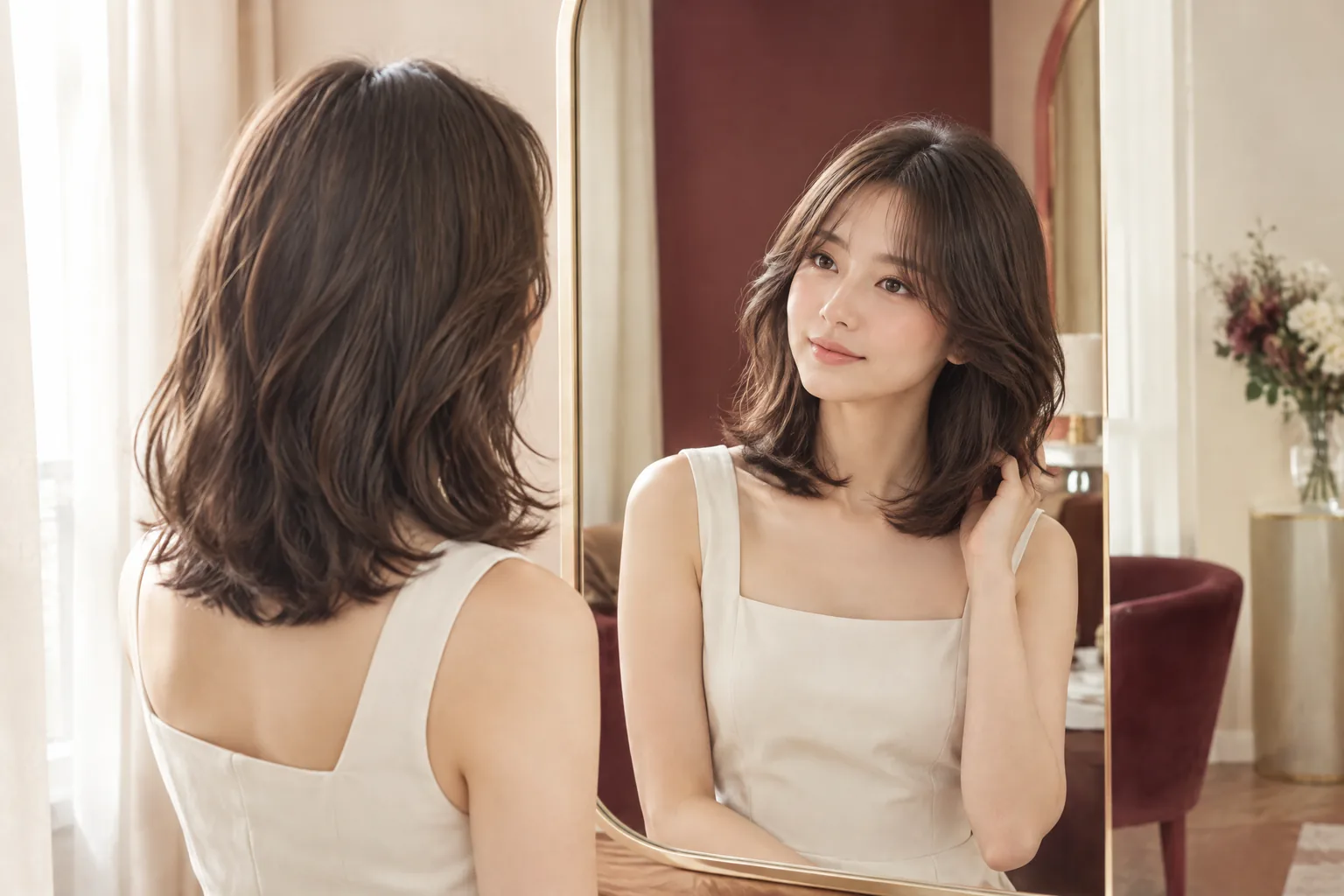
Salon reading is not a confirmed wedding appointment
Match the hair enquiry to outfits, travel and responsibilities
In a Hong Kong wedding schedule, a salon departure deadline may matter more than the time of the first photograph. Work backwards from the next confirmed obligation, allowing for the travel you actually plan. A tea ceremony outfit and an evening dress may also make different demands on the outline. Show both necklines and collars when enquiring. Do not assume a shape chosen for one outfit will work equally well with every accessory or change of clothing.
Bring clear photographs of your current hair from the front, side and back, plus the accessory you hope to wear. Explain whether you want to keep your ears visible or avoid pressure at the nape. Show how an accessory attaches, not merely its decorative front. If a trial is offered and agreed, ask what it will examine. Sitting and moving in the outfit can inform that discussion. A brief test cannot guarantee all-day comfort.
Vitso Hair's bridal hair page describes preparation for an in-salon hair enquiry, including your date and salon departure deadline. It asks readers to confirm the proposed style, timing and quote individually. Do not infer makeup, a trial, venue attendance or all-day touch-ups from that information. Keep those questions separate from your BigDeal makeup discussion. Shared ownership does not turn two enquiries into a joint package. Nor does it establish either service's availability on your wedding date.
Record who is responsible for each agreed task before considering the plan settled. Creating the initial hairstyle, placing a veil, removing it and making a later change are different requests. Ask who will handle them and where. If an accessory will come off between ceremonies, discuss that transition rather than assuming anyone nearby can manage it. A written scope is more useful than expecting a shared reference photograph to communicate every responsibility.
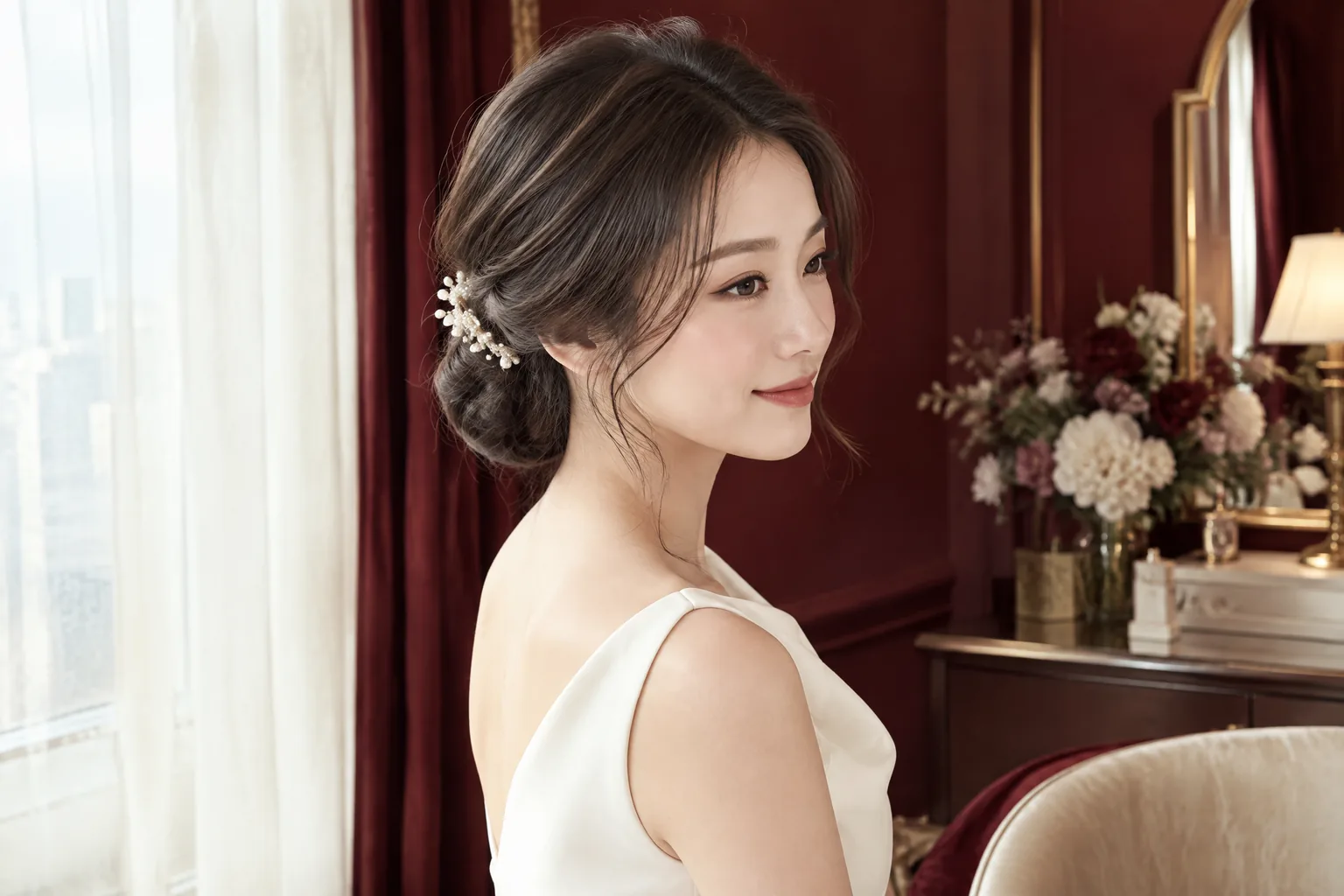
Confirm support for the event without promising comfort
Make limits usable throughout the actual wedding day
A comfort brief should reach the person carrying out the agreed work, not remain buried in your first message. Confirm how important limits will be communicated before styling begins. Use practical wording, such as wanting less pressure near an accessory or asking before adding product close to the roots. Tell the provider which details can be changed if needed. The aim is a shared decision process, not a promise that the original style will stay comfortable throughout the event.
Place any agreed checks beside real transitions in the schedule. A change from a high-collared ceremonial outfit to an evening dress is a useful discussion point. So is removing a veil before travelling to another location. These moments may change what you want from the hairstyle. Ask whether support at those times is available and included. Additional attendance is not automatic. More styling and tighter fixing are not necessarily the answer to every change.
For extended support, use BigDeal's full day wedding hair and makeup page to frame your enquiry. Share the itinerary, outfit changes and comfort limits, then ask which attendance and adjustments can be confirmed. A long wedding does not automatically require that scope if you only want an initial makeup appointment. Equally, a page title does not guarantee uninterrupted support or a particular outcome. Agree the responsibilities and timing for your actual event.
Give yourself permission to choose the less elaborate option during the day. An accessory can be omitted from the plan if its agreed use no longer feels acceptable. A visual detail can matter without being worth prolonged discomfort. Raise concerns promptly with the person responsible for the work, and seek healthcare advice for persistent symptoms. The successful planning decision is not necessarily preserving every detail. It is knowing what can change, who can help and where cosmetic support ends.
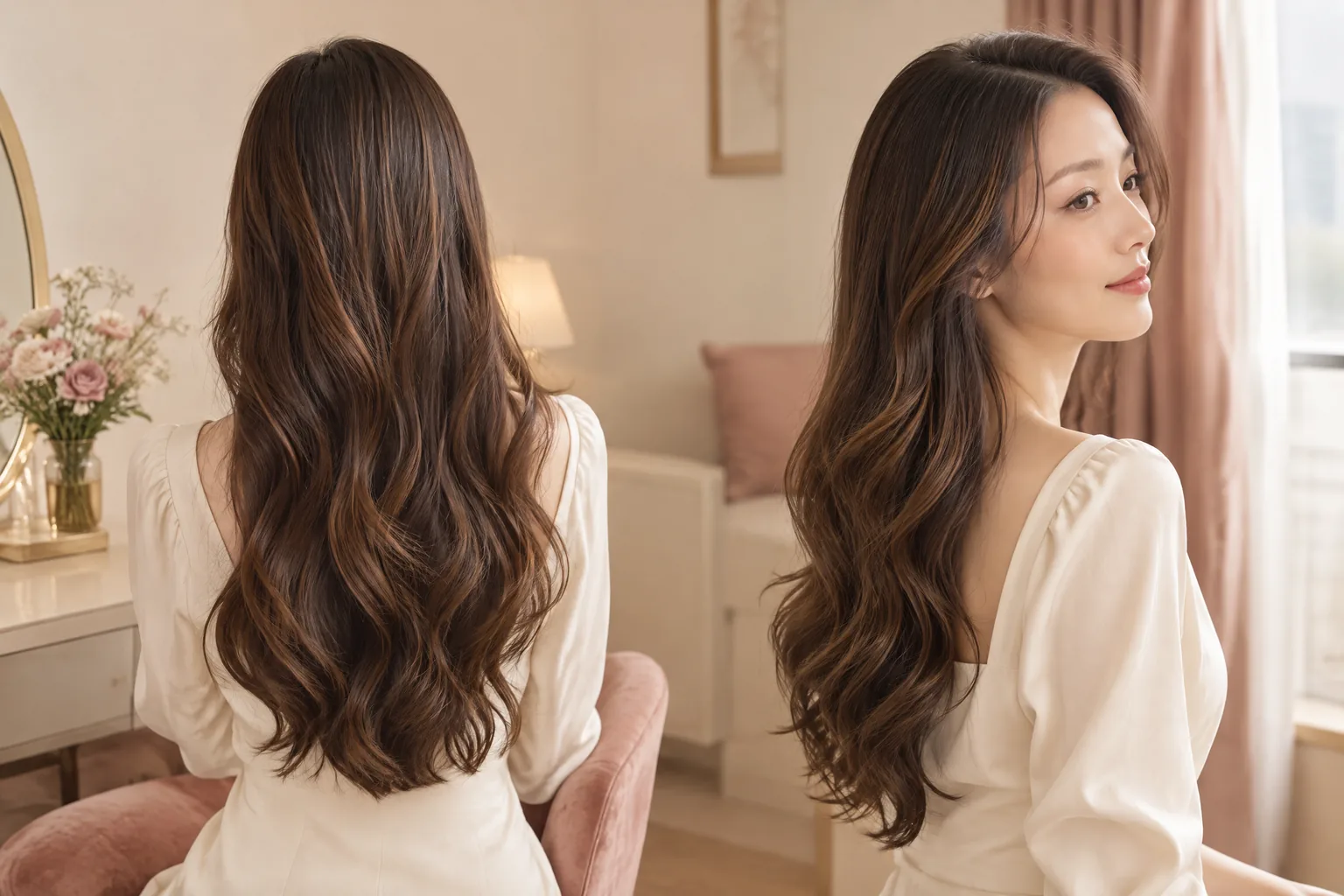
Key takeaway
Comfort-led wedding planning is strongest when the fallback is already acceptable, not invented under pressure. Keep your desired appearance separate from any assumed method. Then confirm the work, responsibility and limits that make that appearance a practical choice for your own event.
Practical checklist
- Describe pulling, product and accessory contact limits in plain language.
- Prepare an honest processing history, marking any uncertain details.
- Retain a current-hair option that you would genuinely accept.
- Show every relevant collar, neckline and accessory attachment.
- Confirm who handles styling changes and when agreed support is available.
- Seek healthcare advice for persistent scalp symptoms rather than a cosmetic diagnosis.
Frequently asked questions
Must I change my hair texture for the wedding?
No. Discuss what can be achieved with your present hair before considering a lasting change. A reference is a starting point, not a requirement to undergo a particular process.
Does a scalp spa label tell me what is included?
No. Ask about the actual products, cleansing, contact and finishing steps. Treat persistent symptoms as a healthcare concern, rather than choosing a cosmetic service by its name.
Is a natural makeup look a safer choice for reactions?
The look alone cannot establish product tolerance. Share known reactions and relevant healthcare advice, and discuss the proposed products separately from how subtle you want the finished makeup to appear.
Should I accept tight styling because the ceremony is short?
Do not use a short schedule as a reason to endure pain. Speak up and ask for a change. Agree beforehand which visual details can be simplified if discomfort occurs.
Does reading both brands' pages create one booking?
No. Confirm each enquiry and its scope directly. Shared ownership does not establish a package, a salon appointment or venue support. BigDeal's WhatsApp enquiry here concerns makeup arrangements.
Sources
| Source | What it supports |
|---|---|
| Hairstyles that pull can lead to hair loss — American Academy of Dermatology | A painful hairstyle is too tight; the AAD advises changing hairstyles immediately for pain from tightly pulled hair or scalp stinging. |
| Dandruff — NHS | Dandruff is not caused by poor hygiene; NHS guidance advises seeing a GP for a very itchy, red or swollen scalp. |
Discuss your own makeup plans
Discuss your wedding makeup arrangements with BigDeal Make Up on WhatsApp +852 6918 3153. Share your date, itinerary and comfort preferences. This enquiry does not confirm or book Vitso Hair services.
Ask on WhatsApp +852 6918 3153