
At a glance
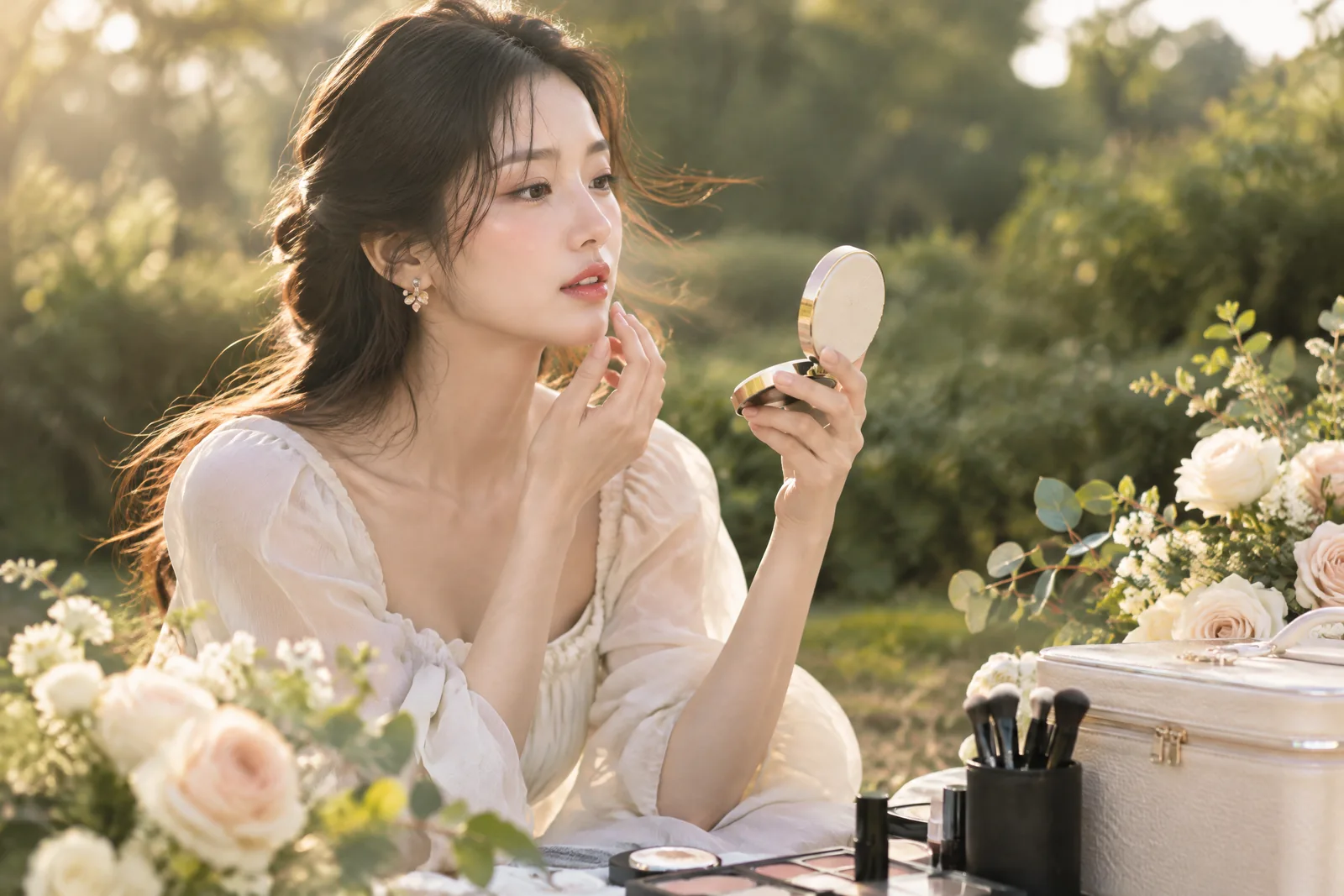
For a portrait, pre-wedding session or short video, compare the whole outline in camera-like light. Then decide what needs makeup adjustment, what needs a gentle styling plan, and what should remain unchanged.
Wig Density Camera Planning Starts Before Makeup
A Wig Density Camera Planning Brief Makes the Face Easier to Read
Camera preparation works best when hair and makeup become one conversation. A wig changes the visible frame around the forehead, cheeks, jaw and shoulders. Decide on the desired outline before choosing contour depth, brow strength, lashes or blush placement. This keeps the face coherent. It also avoids correcting a hair-shape concern with heavier makeup that feels wrong in person or distracting on camera.
Begin with the purpose of the images, then make the brief specific. A close business portrait, a moving video clip, and a pre-wedding photograph reveal different details. Note the likely lens distance, indoor or outdoor setting, outfit neckline and whether the hair will move. These details turn a vague request for volume into a practical visual plan for the appointment. This clarifies the consultation.
Take two unfiltered reference pictures of the intended wig, one facing forward and one from the side. Photograph it near a window and under the planned indoor light. The aim is not to judge yourself harshly. It is to see where the part, perimeter, crown and ends sit. That gives the makeup discussion a reliable starting point before the appointment begins.
- Name the occasion, camera distance and likely light.
- Bring front and side references of the intended hair shape.
- Separate a fullness question from a makeup coverage question.
Choose Fullness by the Whole Silhouette
Density Is Only One Part of What the Lens Sees
The assigned guide on wig density explains density as overall fullness, rather than the thickness of a single fibre. It also cautions that percentage labels are not standardised across brands. For photo preparation, compare the actual cut, length, parting, colour and face-framing. Do not ask one number to predict the finished image. The whole silhouette remains the more useful comparison. This keeps comparisons honest.
A compact bob can look substantial at the ends. Longer layers may appear lighter with the same description. A deep side part can create apparent lift without changing density. Dark shade against a pale backdrop can sharpen the outline. Compare like with like whenever possible. Similar length, similar parting and similar light reveal the difference that matters for the camera. This improves comparison.
If the goal is a professional head-and-shoulders image, share the references. A business portrait makeup artist can review them before the base is finalised. A closer hair outline can make soft blush and restrained contour feel sufficient. A fuller outline may need cleaner brow definition. It does not automatically need stronger foundation. Planning the face and silhouette together gives each feature enough visual room.
| What you notice | What it may change on camera | A useful makeup response | What to confirm first |
|---|---|---|---|
| A close, light-looking outline | More forehead and cheek space may be visible | Keep definition soft and deliberate | Parting, hairline placement and crop |
| A fuller crown or side sweep | The upper face can appear more strongly framed | Choose one focal feature, then simplify others | Side view, neckline and backdrop |
| A smooth finish before outdoor photos | Movement or flyaways may become noticeable later | Plan a flexible touch-up, not heavier base | Fibre, weather and approved care directions |
| An unclear heat-friendly label | Last-minute reshaping carries avoidable uncertainty | Finish makeup after the shape is settled | Exact model, tool and manufacturer guidance |
Balance the Hairline with the Makeup Map
Let the Front View Guide Detail, Not a Fixed Rule
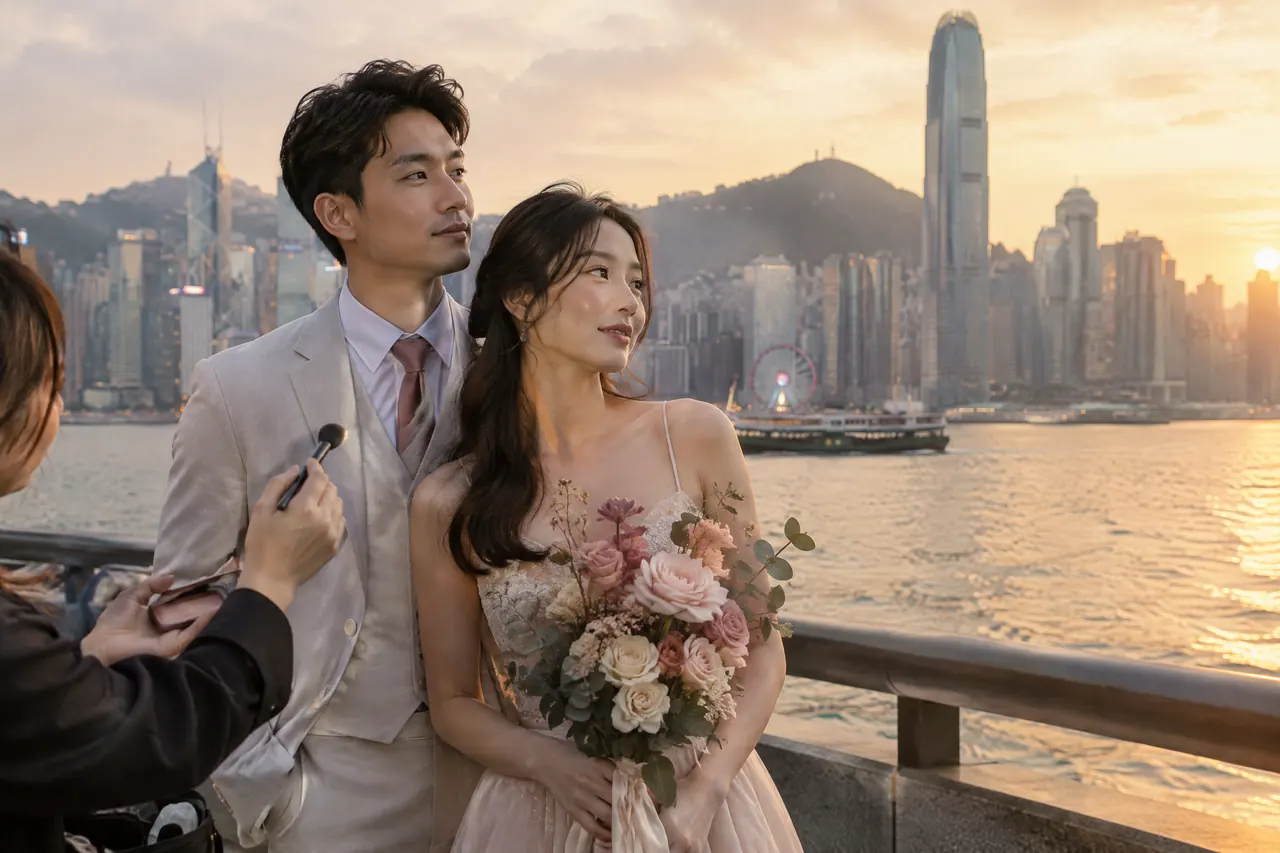
For business headshot makeup, describe where the part sits and how much forehead you expect to show. The useful question is whether brows, eyes and lips remain legible at the planned crop. A makeup artist can place definition deliberately. They need not treat the wig as an afterthought. Nor should they try to conceal it with extra product. Ask these questions early.
Look at the centre part, temples and areas close to the cheekbone. A neat, close front can leave more room for a soft eye and fresh complexion. A high-volume side may make an equally dramatic eye compete for attention. Choose one feature to lead. Keep the remaining elements coherent. This creates a calmer, more intentional image in stills and moving footage.
Do a seated camera check after the hair has settled. Turn the face slightly left and right. Then lower the chin as in a natural conversation. Check whether the hairline casts a shadow. Check whether lashes remain visible. Notice whether blush sits above the apparent fullness. Small placement changes are usually clearer than restarting the complete makeup look. This works well in rehearsal.
Plan for Humidity Without Promising a Perfect Finish
Fibre and Weather Questions Belong in the Brief
Hong Kong weather can make an outdoor plan feel uncertain, especially when a smooth finish matters. The wig frizz in humidity guide recommends identifying the fibre and reading specific care instructions before washing, brushing or restyling. Treat that as preparation information. It is not a promise that one routine will create identical results through every humid day, location or photography schedule.
Cancer Research UK distinguishes synthetic and human-hair wigs. It advises checking manufacturer information before exposing a synthetic wig to direct heat. Its guidance notes that dryers and electric tools can melt fibres and make hair frizz. Establish the material and instructions early. That simple step prevents a rushed decision about a rescue tool or unfamiliar product before the camera is ready. [1]
Make a weather fallback that protects the makeup schedule. Pack only items already permitted for the exact piece. Include a clean cloth for the hairline area and reference pictures of the intended shape. If the finish softens outdoors, accept controlled movement before repeatedly brushing, heating or adding products. Time pressure is not a reason to test a new technique. Keep the plan simple.
Treat Heat-Friendly Labels as a Question, Not Permission
The Exact Model Determines the Next Styling Step
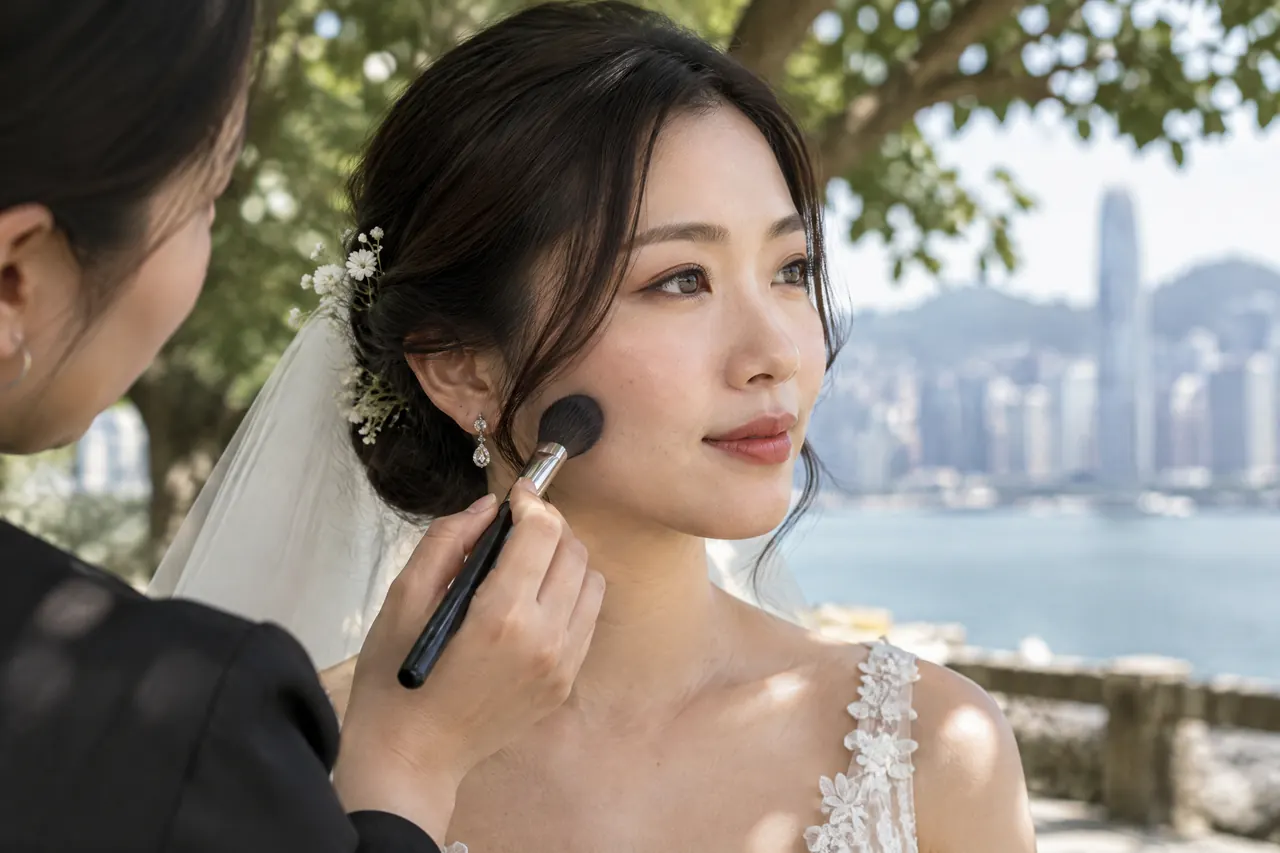
Before reaching for a dryer, brush or iron, review heat friendly synthetic wig care for the exact model. Its central caution is practical. A heat-friendly label does not automatically permit every tool or setting. If directions are missing, choose cool and gentle handling. Seek model-specific advice from the seller or manufacturer before changing the style with a heated tool. Confirm this before styling.
The American Academy of Dermatology says excessive heat can damage hair. It advises low or medium settings for flat irons on dry hair. That guidance concerns hair, not a universal rule for wig fibres. Use it as a reminder against casual hot-tool escalation. The wig maker's instructions remain the only relevant permission for a particular synthetic piece and planned method. This reduces risk. [2]
Do not build a makeup timetable around a last-minute restyle. Reserve time to put the wig on and assess the front in planned light. Make only approved adjustments. When heat guidance is uncertain, preserve the intended shape. Redirect attention to complexion, brows or accessories. Experimenting with a heated fix can create more uncertainty than a slightly softer camera finish. That matters on camera.
Run One Complete Camera Rehearsal
Test the Look in the Order It Will Be Worn
A rehearsal is useful because it brings separate decisions into one view. Wear the planned neckline and place the wig as expected on the day. Apply a light version of the makeup. Stand at the likely camera distance. Notice whether hair volume changes the visible shoulder, jawline or eye definition. This is more useful than judging details separately in a mirror.
For an editorial or fashion-led shoot, explain contrast and movement. Tell a fashion makeup artist Hong Kong before choosing an extreme finish. The brief can say whether volume should feel polished, soft, graphic or deliberately undone. That produces a useful conversation. It is better than requesting camera-ready makeup without describing the hair silhouette, clothing and image mood together. The agreement prevents confusion.
Use the rehearsal to decide what you will not change. If density, part and texture work in the test images, keep them stable on the shoot day. Repeatedly chasing another outline can disrupt timing and increase handling. Save your notes with the references. Final preparation can then begin from agreed decisions, rather than uncertain memory or last-minute online inspiration. Keep this note.
Use a Calm Decision Sequence on the Day
Protect the Face, the Fibre and the Schedule Together
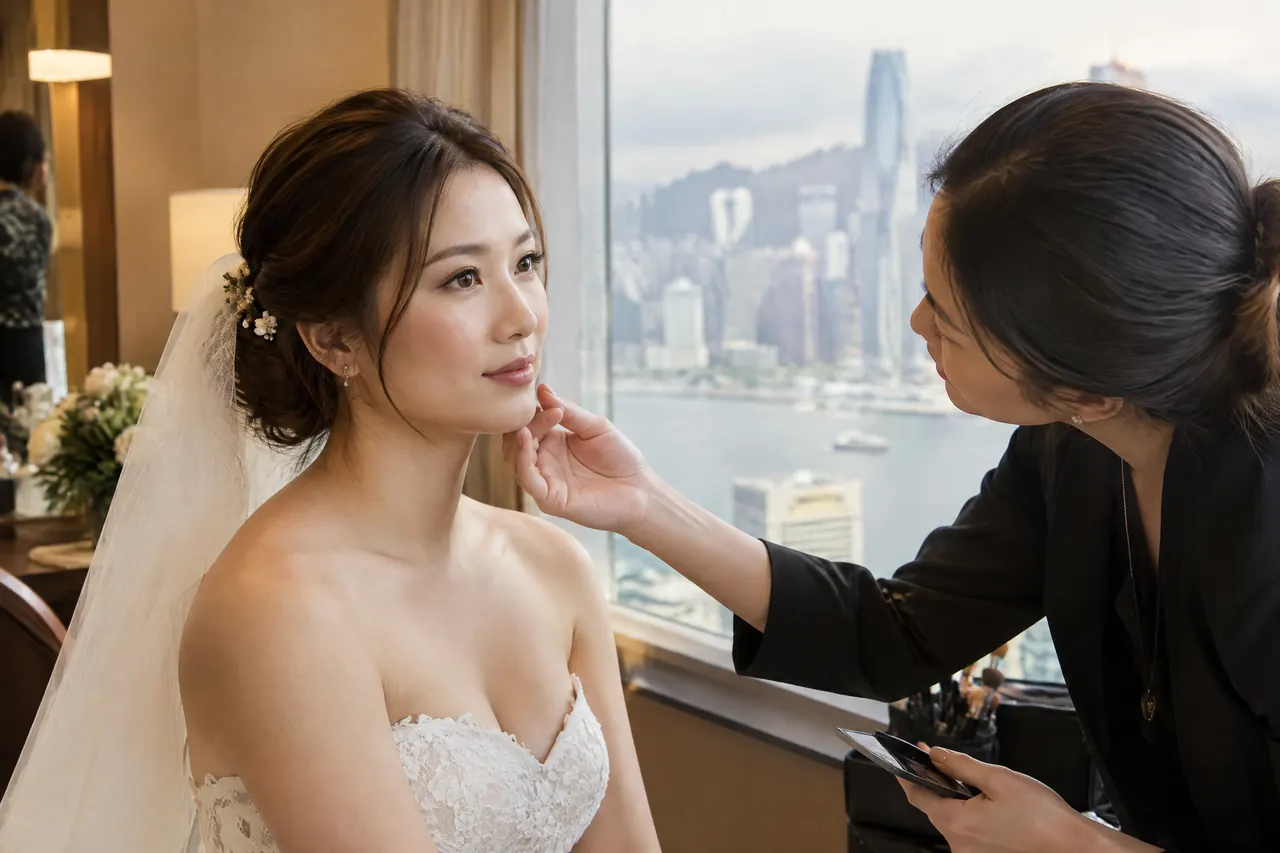
Start with wig information, then environment, then makeup. Confirm the fibre, model and care directions before it touches a hot tool or a new product. Put it on and check the front before completing complexion work. This reduces the chance that hair changes disturb an already finished base. It also gives the whole team a clear order for touch-ups. Check this first.
Keep the touch-up plan narrow. Blot the skin first if humidity affects shine, then check the part and front view. Brushing, product or heat should never become the automatic third step. When a changed outline does not harm the image, a softer finish can look intentional. It may be preferable to hurried intervention just before the camera starts. This protects the schedule.
Finally, take one still image and one short moving clip. Compare them with the agreed reference, not an imagined perfect result. If the look remains balanced in both, stop adjusting. A photograph benefits from clear proportions and calm preparation. It does not need maximum volume, maximum makeup, or repeated styling experiments. Leave time to settle before the first frame. Pause before changing it.
Key takeaway
Fullness is a design choice, not a correction to make with heavier makeup. When density, humidity and heat questions are settled early, the camera plan can stay focused on proportion, comfort and a face that still looks like you.
Practical checklist
- Save front and side references of the intended wig silhouette.
- Confirm fibre, exact model and available care instructions.
- Check the look under likely indoor and outdoor lighting.
- Tell the makeup artist the crop, outfit neckline and camera purpose.
- Pack only item-approved touch-up tools and products.
Frequently asked questions
Does a fuller wig always need stronger makeup for photos?
No. Fullness changes the outline around the face, but it does not dictate a single makeup intensity. Check the crop, lighting, parting and intended mood first. Often a cleaner brow or a more precise blush placement is enough to keep the face readable without adding heavy coverage or dramatic colour.
Should I select wig density from a percentage alone?
No. Percentage language is not standardised across brands, so it is better to compare the actual style. Look at cut, length, part, colour and side profile under relevant light. A photo reference showing your preferred silhouette gives a makeup artist more useful planning information than a number on its own.
What should I do if humidity changes the finish before photos?
First identify whether the issue is movement, tangling, flyaways or a changed shape. Follow the care instructions for that exact wig and avoid rushing into heat or unfamiliar products. If the look is still balanced, a softer texture may be more camera-friendly than repeated handling immediately before a shoot.
Can every heat-friendly synthetic wig be styled with hot tools?
No. Heat-friendly wording alone does not identify a permitted tool, setting or method. Confirm the exact model and read its manufacturer directions. If those details are unclear, put hot tools aside and use only gentle, cool handling until you can obtain specific guidance for the piece.
When should the wig be put on during makeup preparation?
Decide the sequence with the person doing the makeup, but plan a front-view check before the base is completely final. The hairline and part can influence brow, blush and contour placement. Leave enough time for this check so that no one needs to rush a styling change after the makeup is finished.
Sources
| Source | What it supports |
|---|---|
| Cancer Research UK — Wigs, hats and scarves | Cancer Research UK advises checking manufacturer information before exposing a synthetic wig to direct heat and notes that dryers and electrical tools can melt fibres and make hair frizz. |
| American Academy of Dermatology — Hair styling without damage | AAD states that excessive heat can damage hair and advises low or medium settings for flat irons on dry hair; this supports general heat caution but is not a wig-fibre instruction. |
Discuss your own makeup plans
Bring the wig, its care label and two reference images to your makeup consultation, then agree the camera sequence before the appointment begins.
Ask on WhatsApp +852 6918 3153