
At a glance
The exercise starts with a vague wedding request and ends with a bounded practice plan. Makeup choices, hair techniques and broader styling advice need different questions. A useful submission records the chosen task, practical limits and unresolved decisions. It also separates rehearsal photographs from permission to publish them. The aim is clearer planning, not a complete makeover or proof of professional readiness.
Bridal image makeover scope exercise: split the request
Start the bridal image makeover scope exercise with decisions
Imagine a tutor supplies this fictional request: a bride wants a polished ceremony look and a different evening hairstyle. She also asks whether her everyday wardrobe should change after the wedding. Nothing else is supplied about her hair, schedule or preferences. Your first task is to mark those gaps, not invent answers. This scenario is a proposed learning exercise, not a description of an actual BigDeal class.
Divide the request by deliverable rather than by the word makeover. Bridal makeup concerns the agreed face look for a particular occasion. Hairstyling concerns the shape, support and changes needed for an agreed hair look. Wider image advice could concern everyday presentation beyond that occasion. These categories may influence one another, but influence does not establish an included service. Each needs its own scope statement.
The SkillsActive consultation standard published on UK Standards supports discussing objectives and documenting agreed outcomes before developing a service plan. It also calls for communication within the practitioner's competence. Use that principle to distinguish a request from an agreement in your worksheet. This is a UK occupational learning reference, not Hong Kong law. It does not establish accreditation or qualifications for any course mentioned here. [1]
Keep the original request beside your rewrite so another learner can follow your reasoning. Mark a detail as supplied, proposed or unanswered. For example, an evening change is requested, but its available preparation time remains unanswered. A low bun is a proposal until agreed. This simple distinction prevents your attractive practice sketch from quietly becoming a booking promise. It also makes tutor feedback more precise.
- Supplied: ceremony makeup and an evening hair change.
- Unanswered: available preparation time and accessories.
- Separate enquiry: everyday wardrobe direction.
| Request | Worksheet output | Decision still needed |
|---|---|---|
| Ceremony makeup | Proposed face-look direction | Preferred coverage and colour |
| Ceremony hairstyle | One rehearsal shape | Hair details and accessory position |
| Evening hair change | Separate transition question | Available time and preparation |
| Everyday image advice | Independent enquiry note | Purpose and consultation scope |
Give bridal makeup its own practical brief
Describe the occasion before selecting the face look
For makeup, replace polished with questions that can guide a rehearsal. Ask which features the fictional bride wants emphasised and which finishes she dislikes. Record whether reference photographs show a preferred colour, coverage or overall mood. Do not interpret a photograph as agreement to every visible detail. A learner should be able to explain which decision each reference supports before choosing products or planning application.
DT Hub has a related service information page labelled bridal makeup kwun tong. In this exercise, it is an example of a bridal enquiry destination, not evidence of an included class service. Keep the occasion, preferred makeup direction and outstanding questions together when comparing information. A place name in a page label does not establish your wedding's service coverage. Confirm arrangements directly with the relevant provider.
Separate the desired appearance from the conditions under which it will be reviewed. A phone reference taken outdoors can suggest a colour direction without defining the final indoor result. In the worksheet, name the rehearsal lighting and whether a photograph will be taken. Compare the live appearance with that image rather than promising identical results everywhere. This keeps the exercise focused on observation and communication.
The makeup handover should state what was selected and what was not assessed. For example, record a proposed soft eye look with the lip colour still undecided. Do not claim that a classroom application proves wedding-day wear or suitability for every skin condition. A real service requires its own consultation and agreed arrangements. The learner's useful output is a readable decision record, not a performance guarantee.
Choose a hair task that can actually be rehearsed
Match the learning question to a defined hairstyle
When considering the bridal hair course Hong Kong information, bring a learning question rather than the entire makeover request. You might want to understand how to plan a ceremony hairstyle around an accessory. Record your current practice experience and whether you can bring suitable materials. These details help shape an enquiry about learning. They do not establish course entry requirements, tool provision or a guaranteed level of competence.
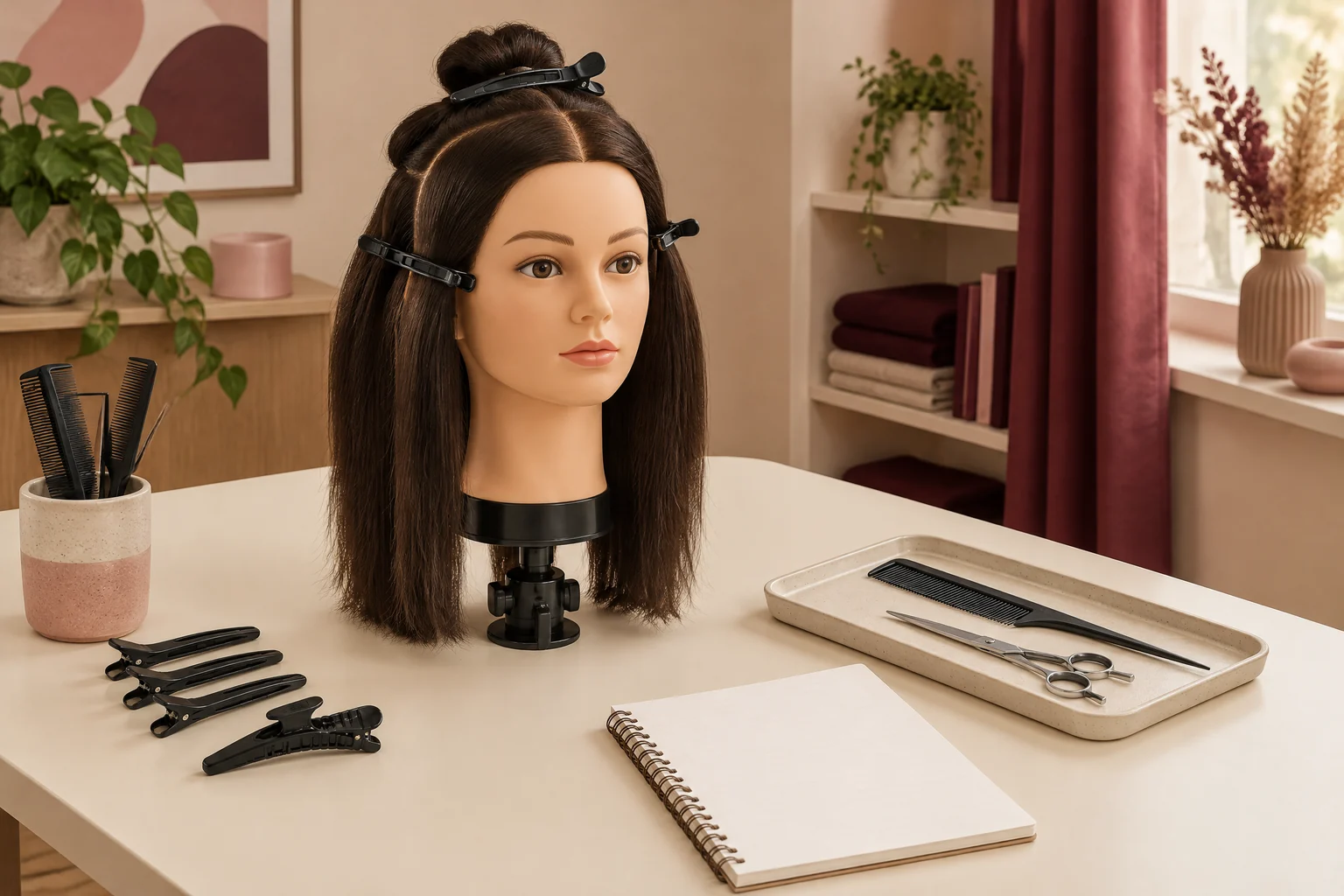
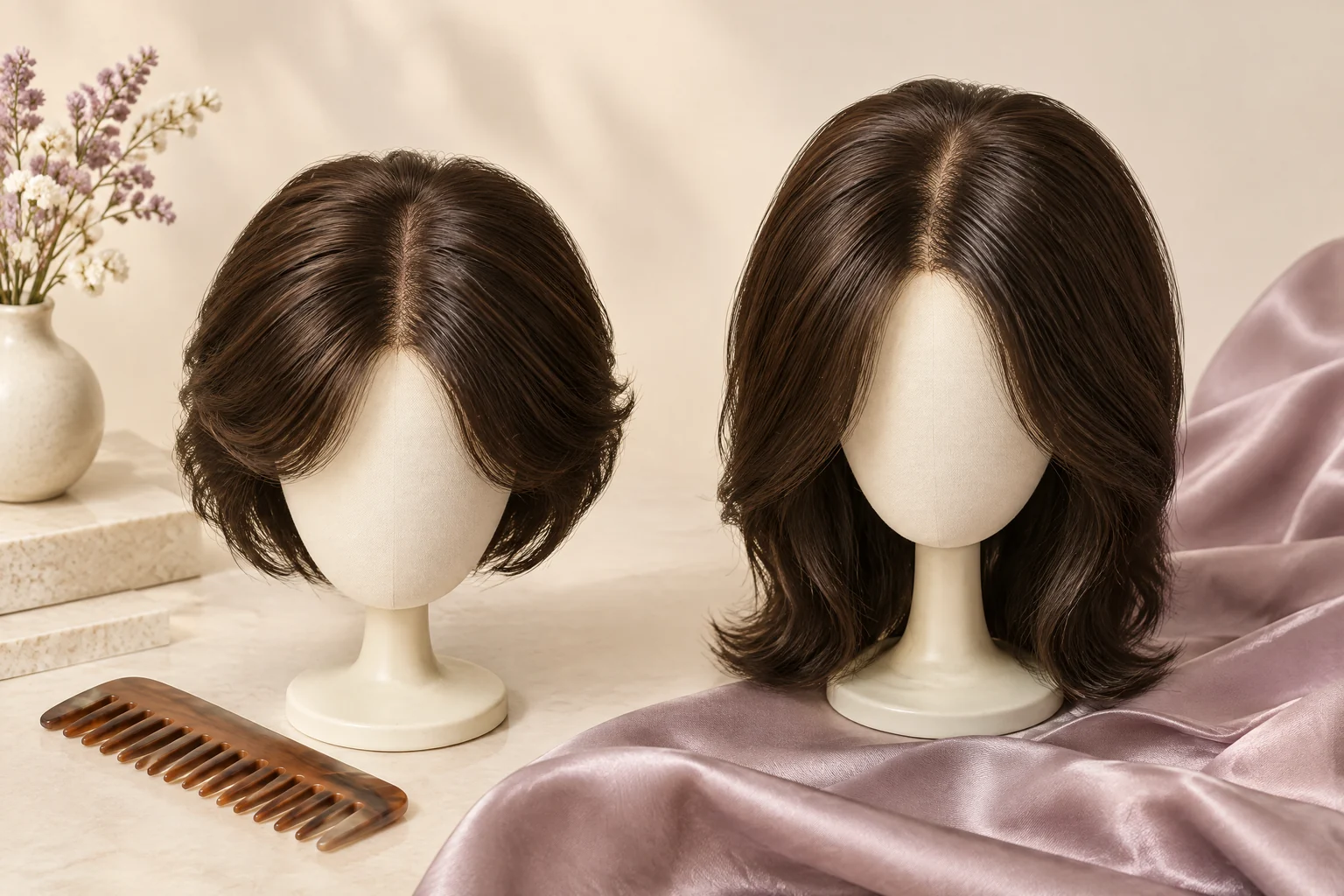
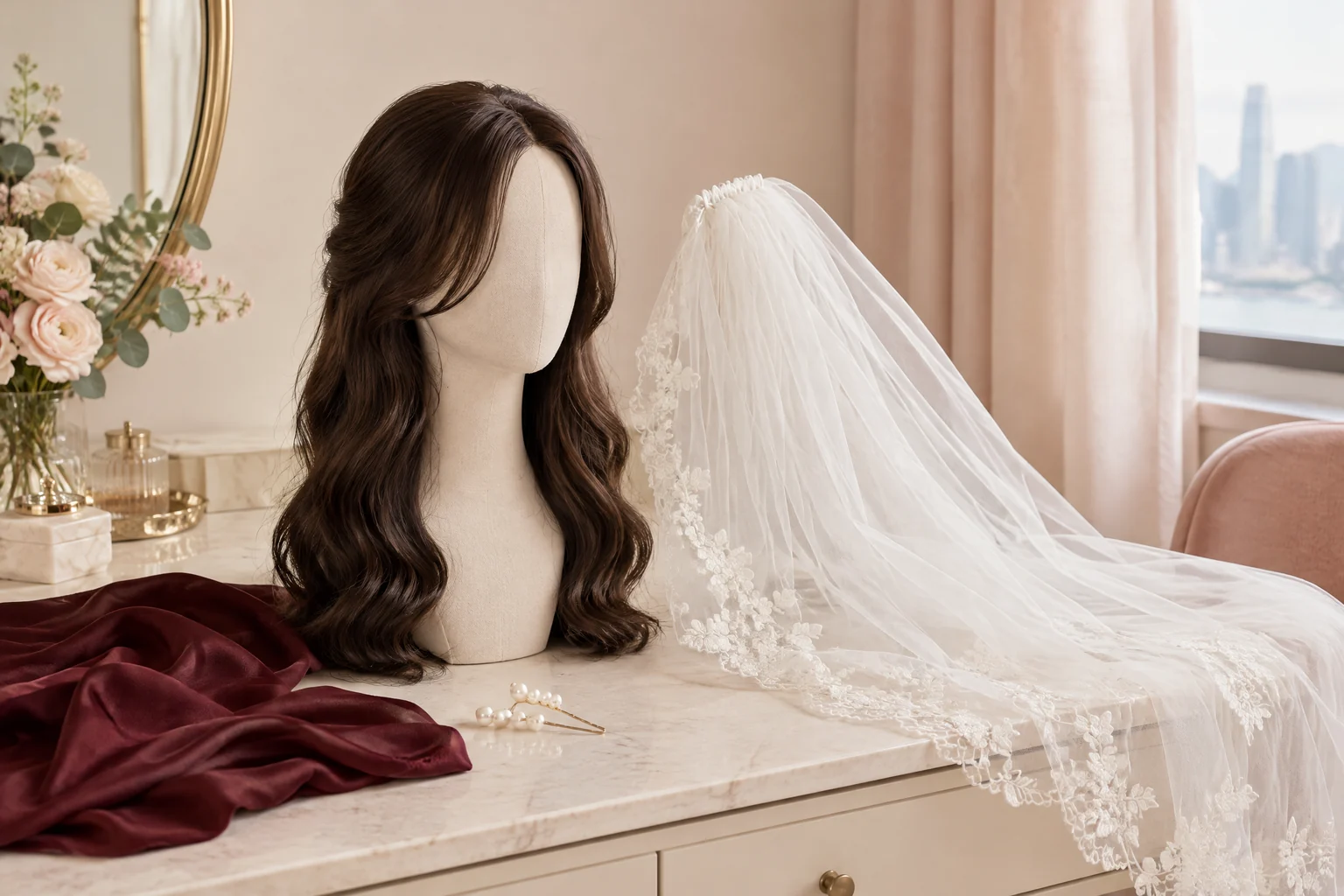
The updo hairstyling course Hong Kong page is relevant when your question concerns building and reviewing an updo. For the fictional worksheet, select one proposed shape and state how its outline will be checked. Record where the accessory should sit and what remains unknown about the hair. Avoid adding cutting or colouring to an updo task by implication. Those decisions would require a different agreed scope.
Use the evening hairstyling course Hong Kong information for a separate question about learning an evening look. In the hypothetical request, an evening change does not automatically mean two complete styles can fit one practice session. Ask what the learning session actually covers and how practice is organised. Keep the transition question visible, including removal of the first accessory. Do not write an unconfirmed timetable into the brief.
Choose one assessment focus for the hair rehearsal instead of attempting every requested finish. For example, evaluate the silhouette from the front and side while leaving a full evening conversion for another exercise. Note comfort feedback and any support that needs review. A mannequin task can assess arrangement, but cannot supply a person's comfort response. Label that limitation so a tidy photograph is not mistaken for complete service evidence.
Keep wider image advice as an independent enquiry
Separate wedding styling from everyday presentation
The wardrobe question has a different purpose from creating a ceremony look. It may involve clothing preferences, daily routines or how someone wants to present at work. None of those answers follows automatically from a bridal hairstyle. In your rewrite, retain the question without assigning recommendations. A learner can recognise its relevance while leaving the actual advice outside the agreed makeup or hair practice task.
The image makeover hong kong page at DT Hub provides a related information entry for that broader enquiry. Present it as something the reader may review separately, not as an addition to BigDeal training. Write down the specific question, such as whether consultation includes everyday clothing direction. The page's existence does not confirm suitability, availability or a shared appointment. Keep that distinction clear in the fictional service map.
The phrase wedding makeup hong kong leads to the same assigned DT bridal information page discussed earlier. In this exercise, it helps illustrate that another label does not create another booking or provider responsibility. Keep one bridal enquiry record with its actual questions. A wider image enquiry belongs in a different record. Neither should be presented as a combined offer simply because related pages discuss appearance services.
Avoid asking for personal information that the practice decision does not need. Everyday workplace details are unnecessary if the exercise only evaluates a ceremony bun. The fictional bride can decline wider image discussion without losing the agreed hair task. Give each proposed extension a separate purpose and agreement point. This protects the clarity of the brief and keeps the learner from expanding it merely to sound comprehensive.
Build safety and permission into the rehearsal
A finished look is not the only assessment priority
FDA eye-cosmetic guidance advises washing hands, using clean instruments and not sharing or swapping eye cosmetics. It also says to stop an irritating eye cosmetic immediately and seek medical advice if irritation persists. Apply those points when planning live-model practice, rather than borrowing personal mascara between learners. Record the hygiene arrangements before starting. An assessment deadline does not justify continuing an application that causes irritation. [2]
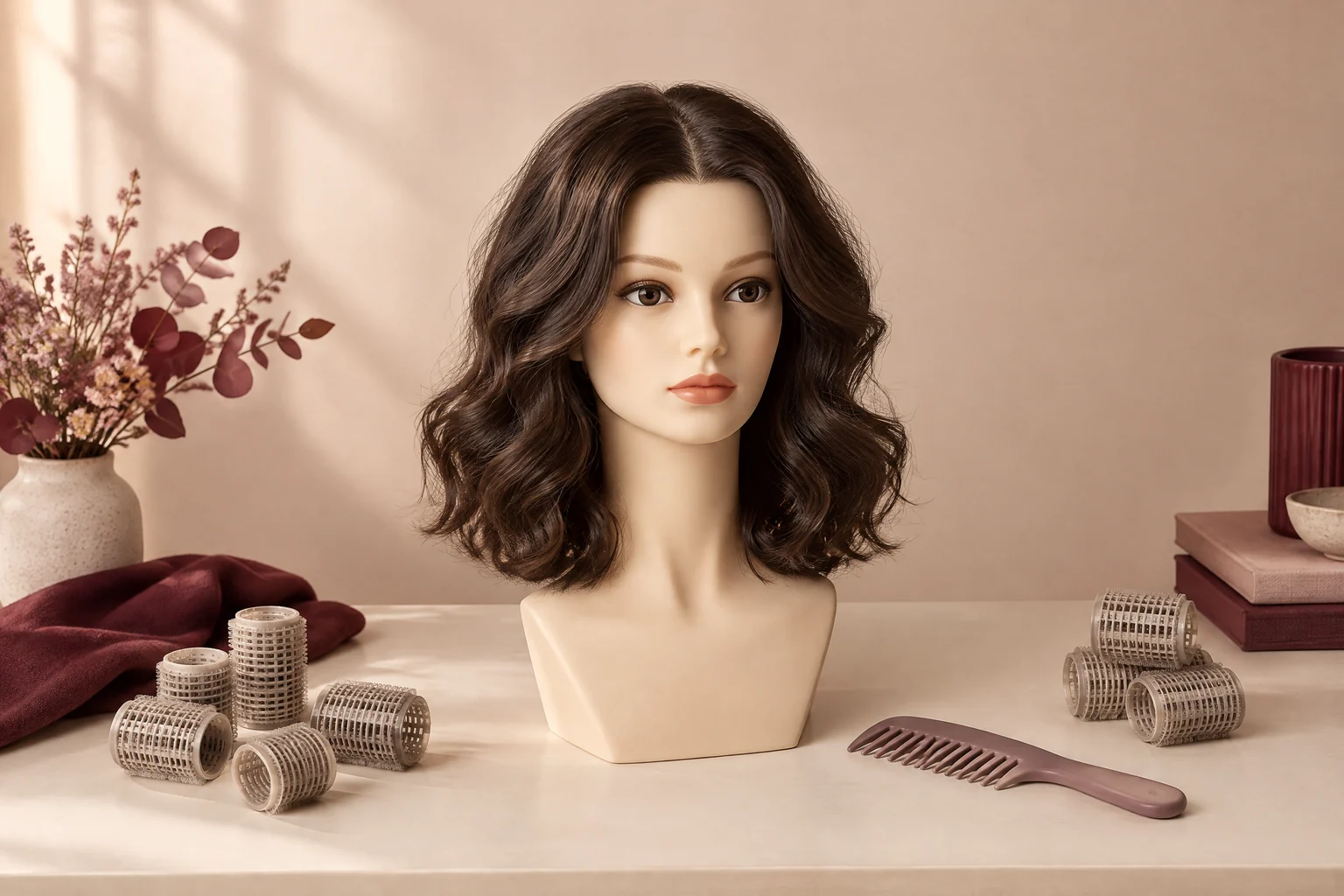
Decide whether the task uses a mannequin, a face chart or a consenting live model. Each option produces different evidence. A face chart can record intended colours without demonstrating application on skin. A mannequin can show a hair arrangement without testing personal comfort. Live practice introduces individual preferences and the ability to stop. State which option you used so the assessment does not imply an experience that never occurred.
Make preparation and removal part of the available practice time. The exercise needs space for explaining the task, arranging tools and recording feedback. If those activities leave too little time for the proposed hairstyle, narrow the task before starting. Do not silently remove the feedback stage to preserve an ambitious plan. For an actual class enquiry, confirm session duration and practice arrangements rather than assuming wedding-service timing applies.
Photograph permission should distinguish taking an assessment image from publishing it. Ask whether the model agrees to each use and what identifying details may appear. A close hairstyle view may not require a recognisable face for this exercise. Keep notes and images only through the agreed course process. Do not label a staged practice image as a wedding result or a real client makeover for promotional use.
Assess the rewrite by clarity, not the size of the promise
Finish with a brief another person can understand
Ask a classmate to identify the selected practice task without hearing your explanation first. They should find the intended look, evidence method and unanswered questions in the record. If they think wardrobe advice is included, revise the scope wording. If they cannot tell whether a style is proposed or approved, revise its status. The exercise succeeds when another reader can follow the decisions without filling gaps themselves.
A useful fictional rewrite might propose one ceremony updo rehearsal, with accessory position reviewed from two views. Makeup direction remains a separate discussion, and the everyday wardrobe question is reserved for independent consultation. The evening change still needs information about timing and hair preparation. This is deliberately an incomplete service arrangement but a complete scope record. It makes remaining decisions visible instead of covering them with the word makeover.
Test the record with one change, such as a different accessory arriving before practice. Ask whether that change affects the agreed task or needs a fresh decision. Record the revision and retain the earlier choice for comparison. Do not assume that agreement to the original sketch covers every later addition. This trains a practical habit: adapting a brief while preserving the reader's understanding of what has changed.
Finally, distinguish a learning achievement from permission to sell a wider service. Completing this worksheet can demonstrate clear reasoning within the exercise. It does not establish professional qualifications, independent readiness or future employment. When contacting BigDeal about learning, describe the specific technique and consultation difficulty you want to work on. A focused question is more useful than requesting complete makeover expertise from an undefined training session.
Key takeaway
A strong scope exercise leaves fewer hidden assumptions, not fewer unanswered questions. Keep the fictional bride's whole request visible while assigning only an agreed task to practice. Treat makeup direction, hairstyle learning and wider image advice as distinct decisions. Your final record should show what can be rehearsed, what evidence it produces and what needs another conversation. That clarity is useful for weddings, shoots and event preparation alike.
Practical checklist
- Label the scenario as hypothetical and keep supplied facts separate from proposals.
- Write distinct makeup, hair and wider image-advice questions.
- Choose one practice task and name the evidence you will collect.
- Record hygiene, stopping conditions and separate photograph permissions.
- Keep unresolved timing, tools and accessory decisions visible.
Frequently asked questions
Is this a description of a BigDeal class?
No. It is a proposed hypothetical exercise for practising service boundaries. It does not describe an actual syllabus or class outcome. Ask BigDeal about current learning content, practice arrangements and how your particular learning question could be addressed.
Can one reference image cover makeup and hair?
It can inform both discussions, but record which details matter for each. A hairstyle preference does not settle makeup coverage. Separate the decisions so agreement on one feature does not appear to approve every element shown in the image.
Does an image enquiry belong in the bridal practice plan?
Record it as a separate question when it concerns everyday presentation beyond the agreed wedding look. Do not erase the person's interest. Keep its purpose visible without implying that the bridal lesson or appointment includes wider image advice.
What if the exercise uses only a mannequin?
Describe the hair arrangement and the views you assessed. Do not claim comfort feedback or skin application experience. A mannequin record can be useful, provided its evidence is accurately labelled and its unanswered live-model questions remain visible.
What should I bring to a learning enquiry?
Bring your desired technique, relevant reference details and a short account of your practice experience. Explain whether your difficulty concerns planning, construction or changing styles. Ask about suitable preparation and tools without assuming materials or another service are included.
Sources
| Source | What it supports |
|---|---|
| Consult, assess, plan and prepare for Hair, Barbering, Beauty, Nails, Wellbeing and Holistic services | The SkillsActive standard requires discussing objectives, agreeing and documenting expected outcomes, and communicating within one's competence. The article applies this to separating proposed tasks from agreed services. |
| Eye Cosmetic Safety | FDA advises clean hands and instruments, no sharing or swapping eye cosmetics, stopping an irritating eye cosmetic, and consulting a doctor if irritation persists. These support the live-model hygiene and stopping plan. |
Discuss your own makeup plans
Discuss your bridal hairstyling learning question or makeup arrangements with BigDeal Make Up through WhatsApp +852 6918 3153.
Ask on WhatsApp +852 6918 3153