
At a glance
Start with two clear style directions and judge each against your dress, hair, comfort, photographs, and schedule. Then separate preferences from arrangements that require confirmation, such as timing, product notes, and trial scope. A second look is useful only when it answers a real contrast. Leave with a short written record, because memory becomes unreliable once wedding planning gets busy.
What a bridal trial decision checklist should settle
Use the bridal trial decision checklist before confirming
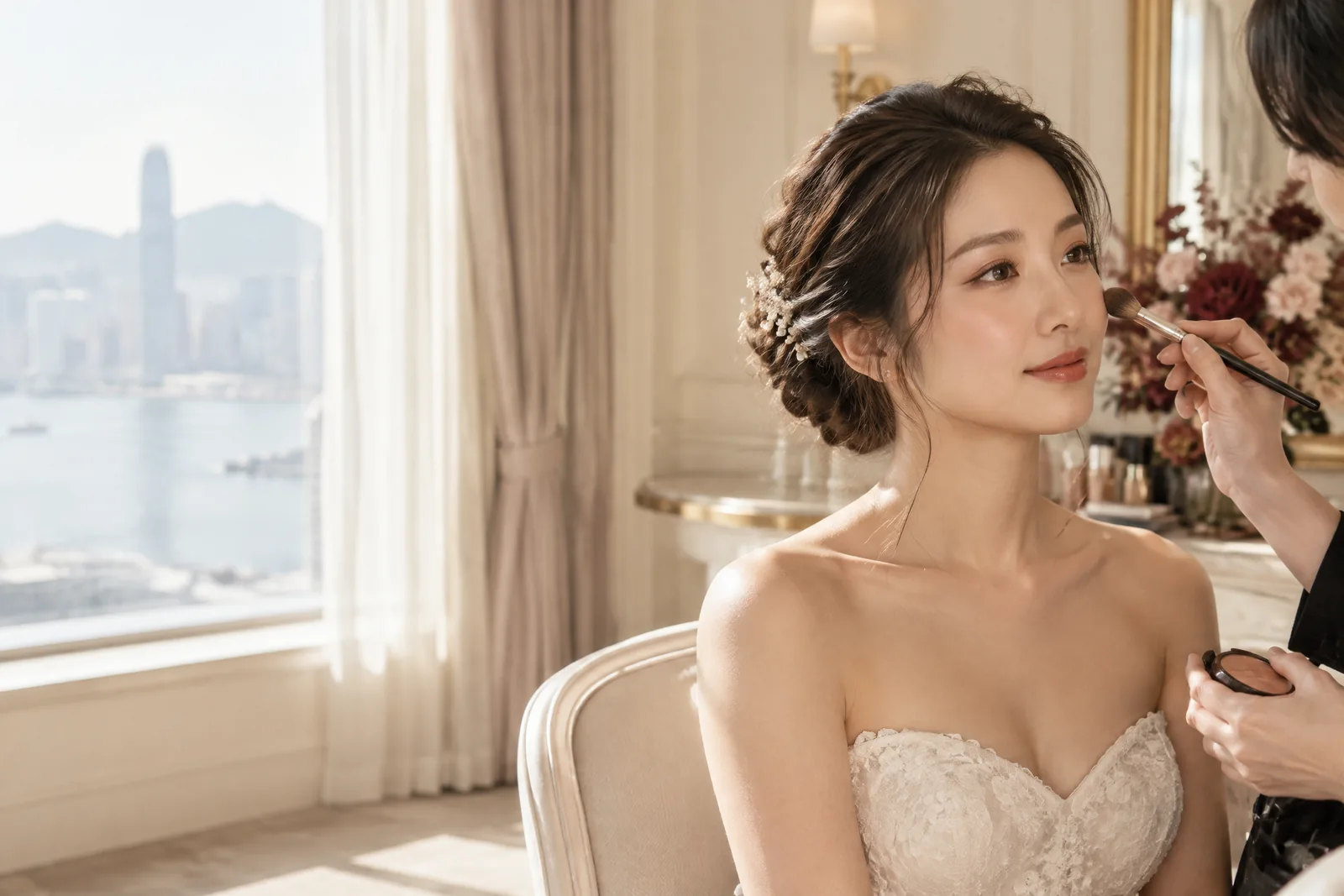
A useful trial is a decision session, not a search for perfection. First, decide which questions matter on the wedding day. These may include base finish, brow strength, eye definition, lip tone, hairstyle, and accessory placement. A [bridal trial Hong Kong](https://bigdealhk.com/makeup/en/wedding-makeup/bridal-trial-booking-and-preparation/) appointment can clarify one considered direction. Bring a small set of references, then explain why each image appeals. That gives the artist a clearer brief than asking to copy several unrelated looks.
Write down your non-negotiables before the appointment begins. You may want your freckles visible, a restrained lip colour, or an updo that accommodates a veil. Also note what you dislike, such as a very matte finish or heavy contour. This avoids vague comments later. The record should distinguish a personal preference from a question about the day’s arrangement. It also makes a second trial easier to assess, because you can see what changed deliberately.
Prepare references, clothing and skin notes
Bring evidence that explains your preference
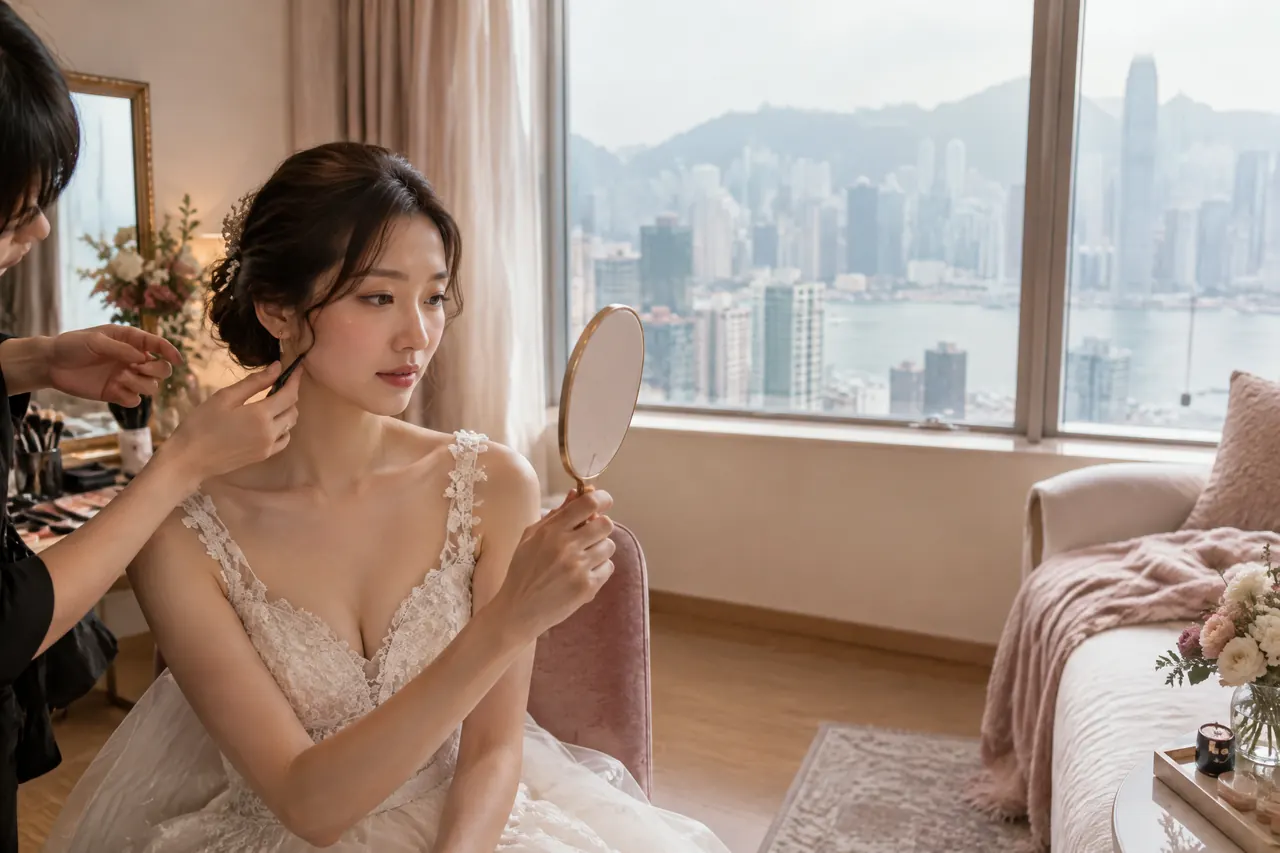
Choose four to six reference images with a stated purpose for each one. One may show a complexion finish, while another shows hair shape or eye intensity. Include a photograph of your dress, jewellery, veil, or hair accessory when available. Use [how to choose bridal makeup artist Hong Kong](https://bigdealhk.com/makeup/en/client-guides/choosing-a-makeup-artist/) to assess communication. Then compare portfolio style. The practical question is whether your chosen direction can be discussed clearly and confirmed in writing.
Keep your usual routine steady before the trial, unless qualified advice tells you otherwise. The American Academy of Dermatology suggests testing a new skin-care product on a small area before regular use. Its guidance describes testing twice daily for seven to ten days. [3] Avoid introducing several unfamiliar products immediately before a trial. Instead, bring concise notes about known sensitivities and preferred products. The aim is informed preparation, not a diagnosis or a promise about how skin will behave. [3]
Test the complete look in realistic conditions
Check the bridal trial decision checklist in changing light
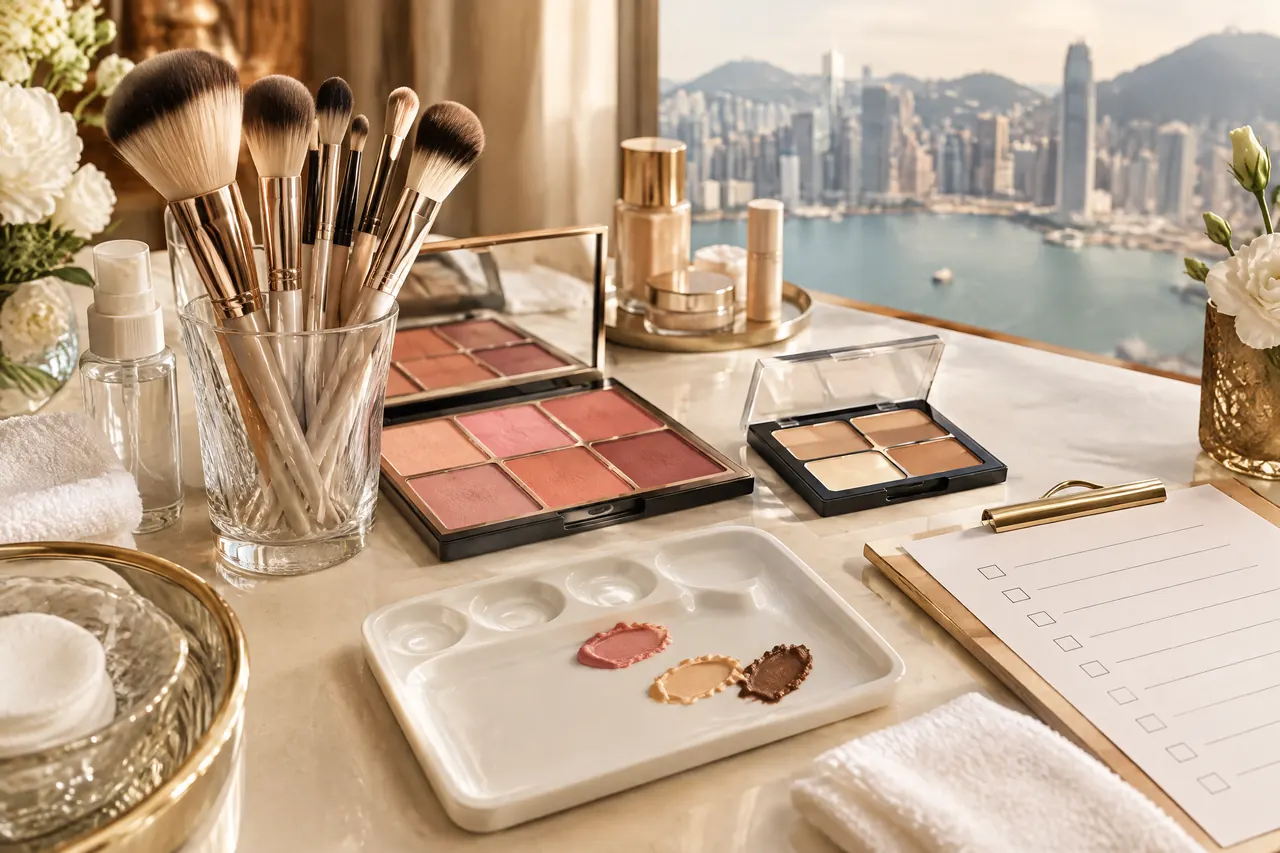
Judge the trial after the whole face and hair direction are complete. Look in daylight near a window, then under indoor venue-style lighting if possible. Take straightforward photographs from the front and each side. Hong Kong’s May to August period is commonly hot and humid. Showers and thunderstorms are possible. [1] A practical touch-up discussion is worthwhile for weddings in those months. Ask which small adjustments suit the planned schedule, rather than expecting any look to remain unchanged indefinitely. [1]
Comfort deserves the same attention as photographs. Move your eyebrows, smile, speak, and wear your glasses if they are part of the day. Check whether lashes, pins, or a lip finish distract you. Note any part that feels unfamiliar after a short period. The United States Food and Drug Administration advises clean containers and no makeup sharing. [2] Discuss hygiene expectations and product preferences during the trial. Do not treat the session as medical care. [2]
Compare two directions without blending them
Give each option a separate purpose
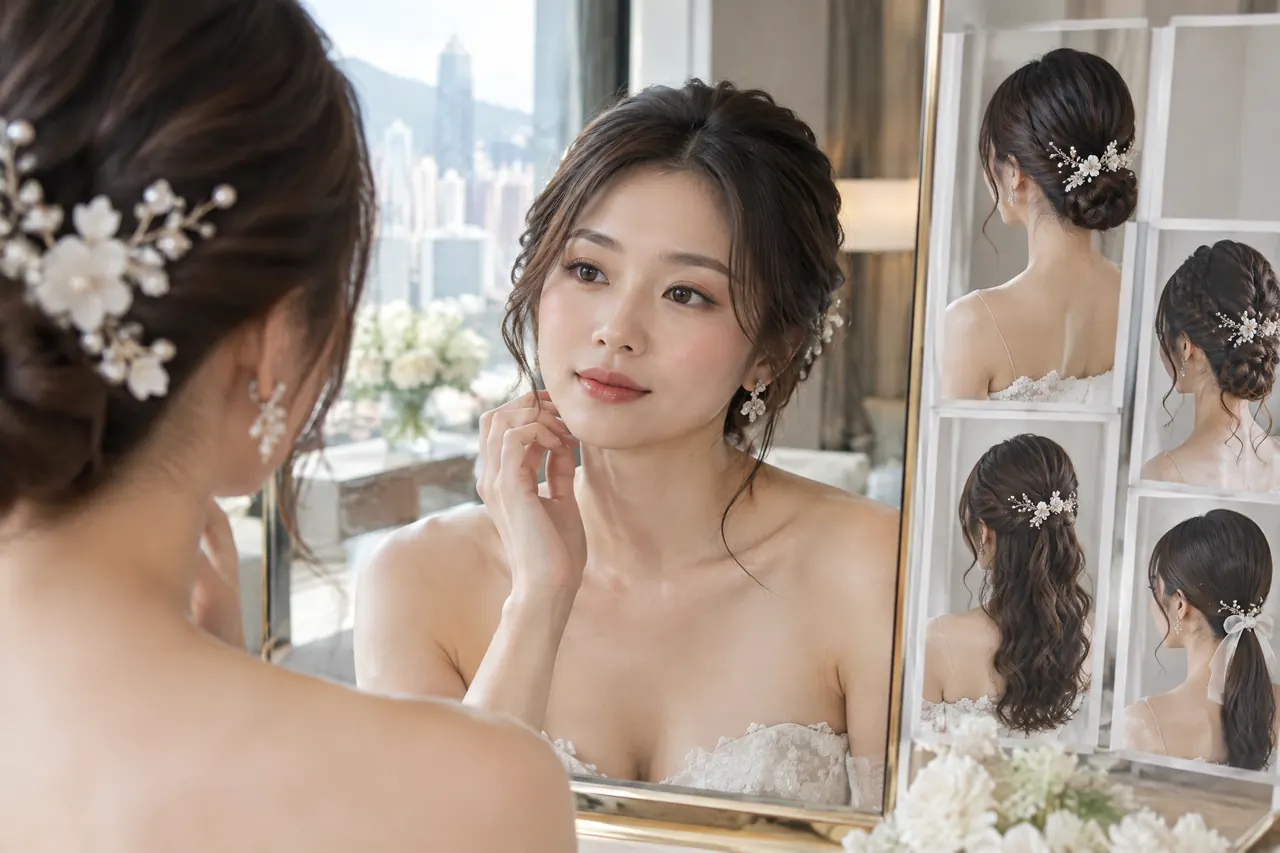
Two options can help when they answer a meaningful choice, such as soft versus defined eyes. They are less useful when both differ only by tiny changes. A [two-look bridal trial](https://bigdealhk.com/makeup/en/wedding-makeup/two-look-trial/) works best when you name the contrast in advance. For example, compare a softer base and loose hair with a more polished base and structured updo. Photograph each direction under similar light, with the same accessory position and a neutral expression.
Do not combine favourite details from both looks too quickly. First score each direction against comfort, dress harmony, photography, and the wedding timetable. A brighter lip may suit one reference. Yet it may compete with flowers or need more attention during the day. A loose hairstyle may suit the neckline, yet need a different accessory plan. The trial is successful when you understand these trade-offs. It need not produce an objectively better style for every setting.
| Decision area | Look A notes | Look B notes | Final question |
|---|---|---|---|
| Complexion | Finish and comfort after photographs | Finish and comfort after photographs | Which feels most like you? |
| Eyes and brows | Definition, balance, and glasses comfort | Definition, balance, and glasses comfort | Which suits the ceremony light? |
| Hair and accessory | Shape, pins, and neckline relationship | Shape, pins, and neckline relationship | Which works with your chosen accessory? |
| Wedding practicality | Touch-up and schedule considerations | Touch-up and schedule considerations | What needs confirmation before booking? |

Turn observations into practical booking questions
Separate style decisions from arrangement details
After choosing a direction, list the arrangements that still need written confirmation. These may include service timing, location, whether hair is included, accessory fitting, and the scope of any later changes. The [bridal trial price Hong Kong](https://bigdealhk.com/makeup/en/wedding-makeup/bridal-trial-price-and-policy/) page gives trial information. It asks readers to confirm current terms before paying. Keep this conversation separate from whether you preferred peach or rose lip colour. Clear questions prevent a style decision from being mistaken for a booking commitment.
Use a simple comparison sheet during the final review. Give the look a name rather than calling it the first or second option. Add one sentence about why it suits the ceremony and another about what needs confirmation. Include the exact accessory, if one was used. The sheet should fit on one page. It can then be shared with the relevant people without sending a large image collection that invites contradictory opinions.
Treat the selected look as a brief, not a fixed script. The chosen base can still be adapted if daylight, a venue, or clothing details change. However, change only what has a clear reason. Record the reason beside the decision. This protects the overall direction from last-minute inspiration. It also helps you explain which details matter most if someone else is helping with accessories or photographs. A calm decision record is easier to use than an elaborate collection of possibilities.
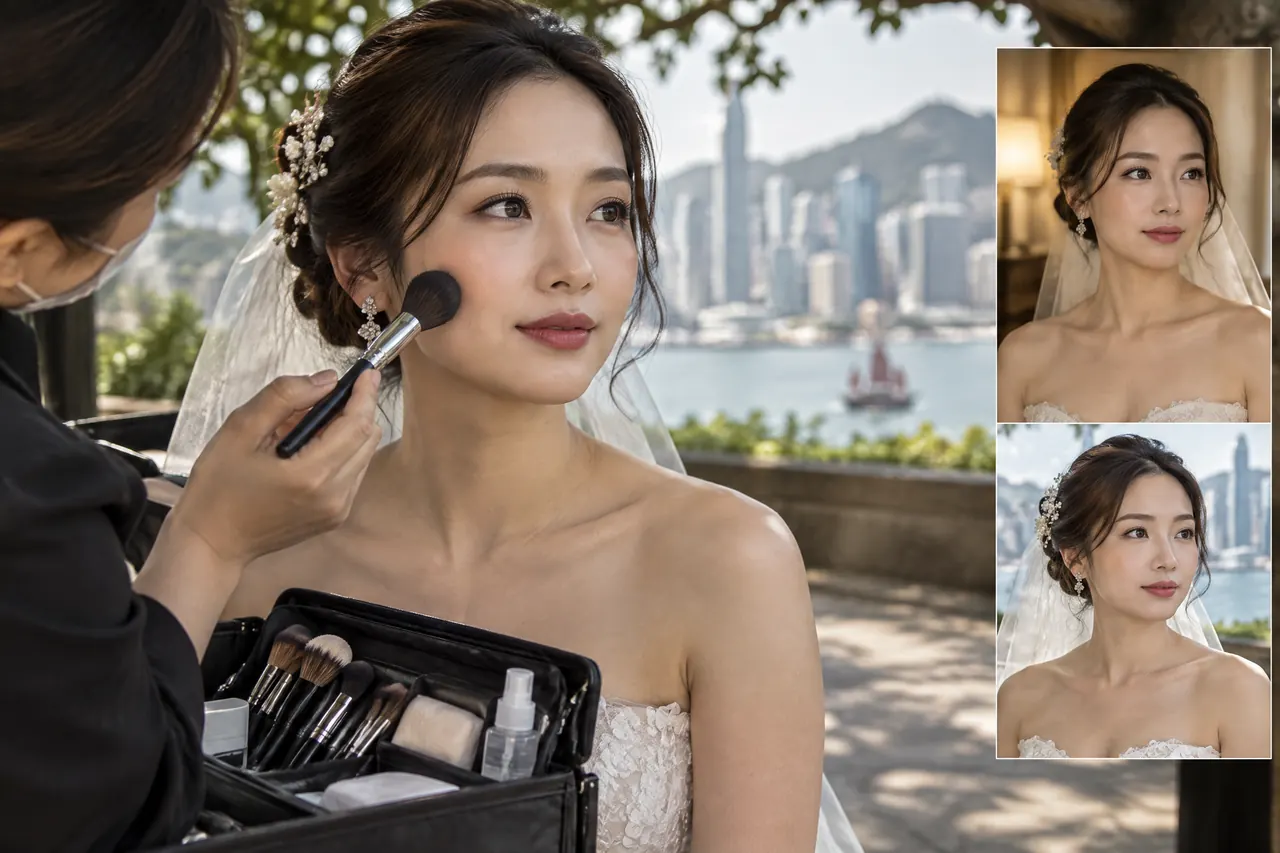
Leave with a decision record you can use
Capture choices before memories blur
Before leaving, photograph the selected direction in clear light and save only the most useful images. Record the complexion description, eye balance, blush placement, lip shade family, hairstyle, and accessory position. Add one note about comfort and one note about touch-up priorities. If a product is important, ask how availability will be handled rather than assuming it will be available later. This creates a practical reference without turning the trial into a product-shopping list.
Share the record with one or two trusted decision-makers, not an open group chat. Ask them to comment on the agreed criteria, such as whether the look resembles you and fits the dress. Broad voting often creates new preferences without solving the original decision. If you remain uncertain, identify one precise issue for a follow-up discussion. It may be hair height, lip depth, or eye definition. A narrow question makes another appointment more useful than repeating the full comparison.
- Name the selected direction in plain words.
- Save front, side, and full-length reference photographs.
- Record accessories and the intended placement.
- Separate confirmed details from open questions.
- Keep one person responsible for the final record.

Use the checklist before your final enquiry
Focus the last conversation on decisions
Review your notes against the wedding sequence before making the final enquiry. Consider when you will dress, travel, meet family, take photographs, and change accessories. A beautiful trial choice may need a practical adjustment if the schedule changes. State the decision you have already made, then ask only about the remaining arrangements. This approach respects your own preferences while giving the service team information needed to confirm a suitable scope. It also reduces last-minute changes driven by incomplete planning.
A trial can give confidence, but it cannot remove every uncertainty from a wedding day. Weather, lighting, transport, and schedules can change. Choose a look that feels recognisable, comfortable, and proportionate to the occasion. Keep a small touch-up plan that matches the confirmed arrangement. Most importantly, leave with decisions you can repeat in a sentence. That clarity is more valuable than trying every possible trend during one appointment. Keep wording simple so the record remains useful on a busy wedding morning.
Build a small decision hierarchy if several details remain open. Put the overall mood first, then complexion and hairstyle, followed by lip shade and smaller accents. This order prevents a minor colour preference from changing the whole direction. It also gives you a sensible way to respond if an accessory changes. Retain the choices that support your face, dress, comfort, and celebration setting. Revisit only the detail affected by the change, rather than restarting the entire trial decision.
Key takeaway
The main trade-off is between trying more variations and leaving with a usable decision. Two complete, purposeful directions reveal more than many small changes. Prioritise comfort, the dress, photographs, and the wedding sequence. Then keep style preferences separate from arrangements requiring confirmation. A concise written record protects the choice when later opinions or new images make the decision feel less clear.
Practical checklist
- Choose two style directions with a clear contrast.
- Bring edited references and relevant accessory photographs.
- Photograph each complete look in comparable light.
- Record comfort, colour, hair, and touch-up priorities.
- Ask for written confirmation of remaining arrangements.
- Save one final decision record after the trial.
Frequently asked questions
Should I bring my wedding accessories to a bridal trial?
Bring any accessory that could alter hairstyle shape or placement, especially a veil, comb, earrings, or neckline photograph. You do not need every item. The goal is to test the pieces that affect proportions. If the final accessory remains undecided, bring a close substitute and record that the placement needs confirmation later.
Is one bridal trial enough to make a decision?
One trial may be enough when you have a clear direction and leave with specific answers. Consider another discussion only when a meaningful question remains unresolved. That could be a genuinely different hairstyle or makeup mood. Repeating nearly identical options often adds noise. Use your first record to define exactly what the follow-up must compare.
How many reference photographs should I bring?
A small, edited set is usually more useful than many saved images. Bring four to six photographs, each with a written reason. One may show a lip tone, while another shows hair texture. Include a picture of your dress or accessory where possible. This helps separate the elements you admire from the full look you actually want.
What should I ask about makeup comfort at the trial?
Ask what you can reasonably expect to feel during the look, then move, speak, smile, and wear glasses if needed. Mention known sensitivities and product preferences before application. Note lashes, lip finish, pins, and any area that feels distracting. The aim is to select a wearable direction and raise practical questions early, not to assess a medical condition.
Should my friends vote on the bridal trial look?
One or two trusted opinions can be useful if they understand your agreed criteria. Ask whether the look suits your dress, photographs naturally, and still resembles you. Avoid broad voting with disconnected comments. You are choosing a coherent wedding direction, not collecting a popularity score. Keep the final record focused on your own decisions and confirmed arrangements.
Sources
| Source | What it supports |
|---|---|
| Climate of Hong Kong | Hong Kong Observatory describes May to August as hot and humid, with occasional showers and thunderstorms. |
| Using Cosmetics Safely | FDA guidance says not to share makeup and to keep cosmetic containers clean. |
| How to test skin care products | American Academy of Dermatology guidance describes testing a new skin-care product on a small area twice daily for seven to ten days. |
Discuss your own makeup plans
Share your date and two preferred directions with BigDeal Make Up on WhatsApp +852 6918 3153. Ask for an arrangement check.
Ask on WhatsApp +852 6918 3153