
At a glance
This guide separates a one-day photographic finish from a change to your everyday hair. It helps Hong Kong portrait clients describe texture, glasses and shine clearly. Keep the no-change option open, seek a separate salon assessment when needed, and confirm the makeup request around your agreed hair plan.
Slick portrait hair texture choice starts with identity
What does slick portrait hair texture choice mean for you?
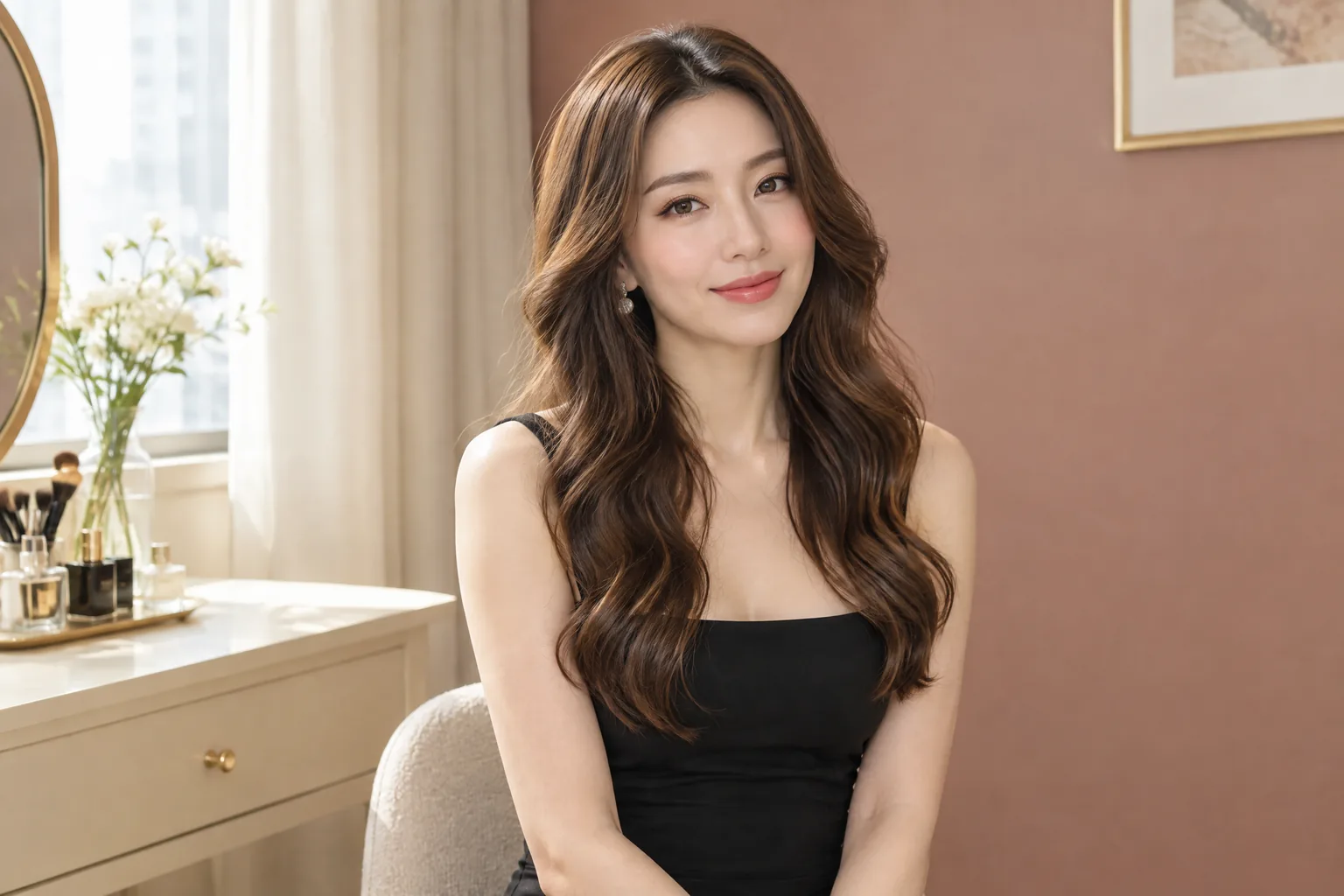
Slick can mean a clean side part, a close silhouette or a deliberately wet-looking finish. These are different visual requests, not a single standard of professional appearance. Name the feature you like in a reference photograph rather than describing your natural texture as a problem. A portrait can show curls, waves or straight lengths with intention. The useful question is what should feel recognisably yours when colleagues see the finished image.
For an office profile, the business headshot makeup page is a useful starting point for discussing the makeup brief. Explain whether the image will sit beside formal team portraits or represent your own personal brand. Share your proposed hair outline and ask which arrangements can be confirmed. The page does not settle every styling detail for your appointment. A familiar, tidy wave may fit your role better than an unfamiliar flattened shape.
Look at the outfit before deciding how close the hair should sit. A high collar may lead you to consider moving lengths away from the neckline. A simple open neckline leaves more room to discuss loose movement. Neither calls for a mandatory treatment. Take a front and side photograph with the actual clothing, then check which outline you prefer. Compare the proportions rather than judging individual strands against an edited reference image.
Write a brief with one priority and one boundary. For example, ask for an exposed forehead while retaining lift around the crown. That gives the conversation more direction than requesting completely smooth hair. Also say whether you normally wear your hair tucked behind your ears. A shape that feels natural in everyday conversation deserves consideration alongside a dramatic reference. You can choose a polished portrait without removing every sign of texture.
- Name the desired outline, not a supposed flaw.
- Identify the wave, lift or fringe you want to retain.
- Compare the reference with your actual outfit.
Separate a portrait finish from a lasting change
Would you still want this shape after the photograph?
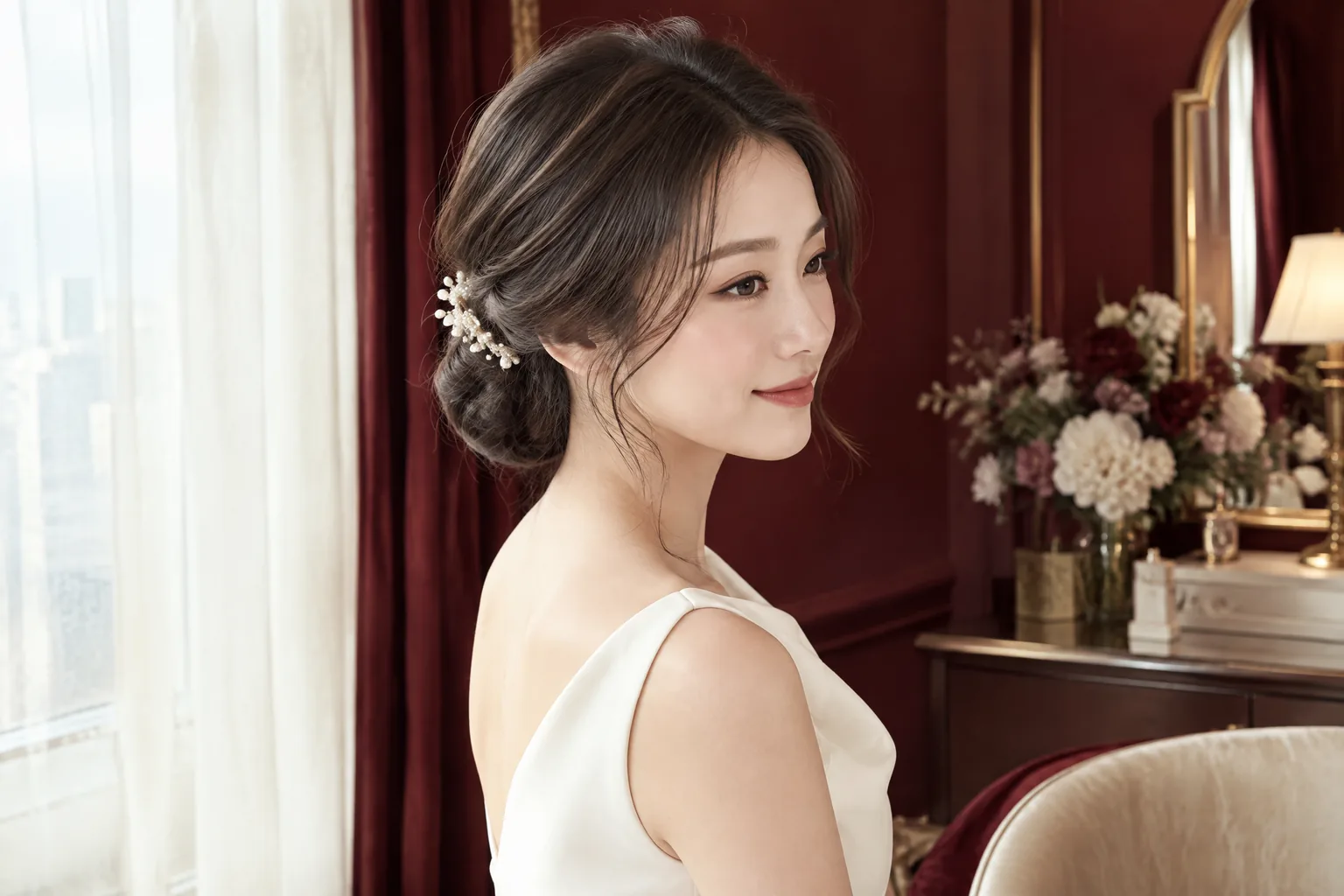
A temporary photographic finish and a lasting shape change answer different needs. If your only concern is tomorrow's portrait, begin by asking about occasion styling rather than selecting a chemical procedure. A blow-dry or flat-iron finish is temporary, unlike a lasting change to treated lengths. Ask the relevant provider what can realistically be arranged for your hair. Wanting a controlled outline for one image does not automatically mean wanting straighter everyday hair.
Vitso Hair's hair straightening resource explains why desired shape and processing history belong in a salon conversation. Use it to prepare questions about the lengths you want to change and the movement you hope to keep. It is related salon reading, not a BigDeal chemical service. Mention earlier colour, bleach, perms and straightening when enquiring. A portrait reference cannot determine which procedure is suitable or what result your hair can achieve.
Think beyond the image if you are genuinely considering a lasting change. Would straighter lengths still suit your usual ponytail, workday routine and preferred fringe? The Vitso comparison page explains that permanent straightening changes treated lengths, not future growth. That means the new root area deserves its own planning conversation. Ask how the salon would discuss upkeep and growing out the change. Do not infer an easy routine from a glossy finished photograph.
Keep the portrait date separate from any unconfirmed chemical appointment. Ask the salon about its proposed procedure and aftercare before choosing a timetable. Do not assume that a new treatment can be followed immediately by any styling request you have pictured. If those details remain unresolved, consider keeping your existing texture for this shoot. That option protects the portrait brief from depending on a hair change that has not been assessed or agreed.
| Your priority | Starting conversation | Main trade-off |
|---|---|---|
| Neat outline for one portrait | Ask about temporary occasion styling | The finish is not a lasting texture change |
| Keep waves, clarify smoothness | Describe feel and visible movement separately | A smoothing name does not establish the method |
| Straighter everyday lengths | Request a separate salon assessment | Consider upkeep and future natural growth |
| Keep your current appearance | Plan makeup around existing texture | The portrait need not match a flat-haired reference |
Describe smoothness and straightness separately
Are you asking about feel, shape or visible shine?
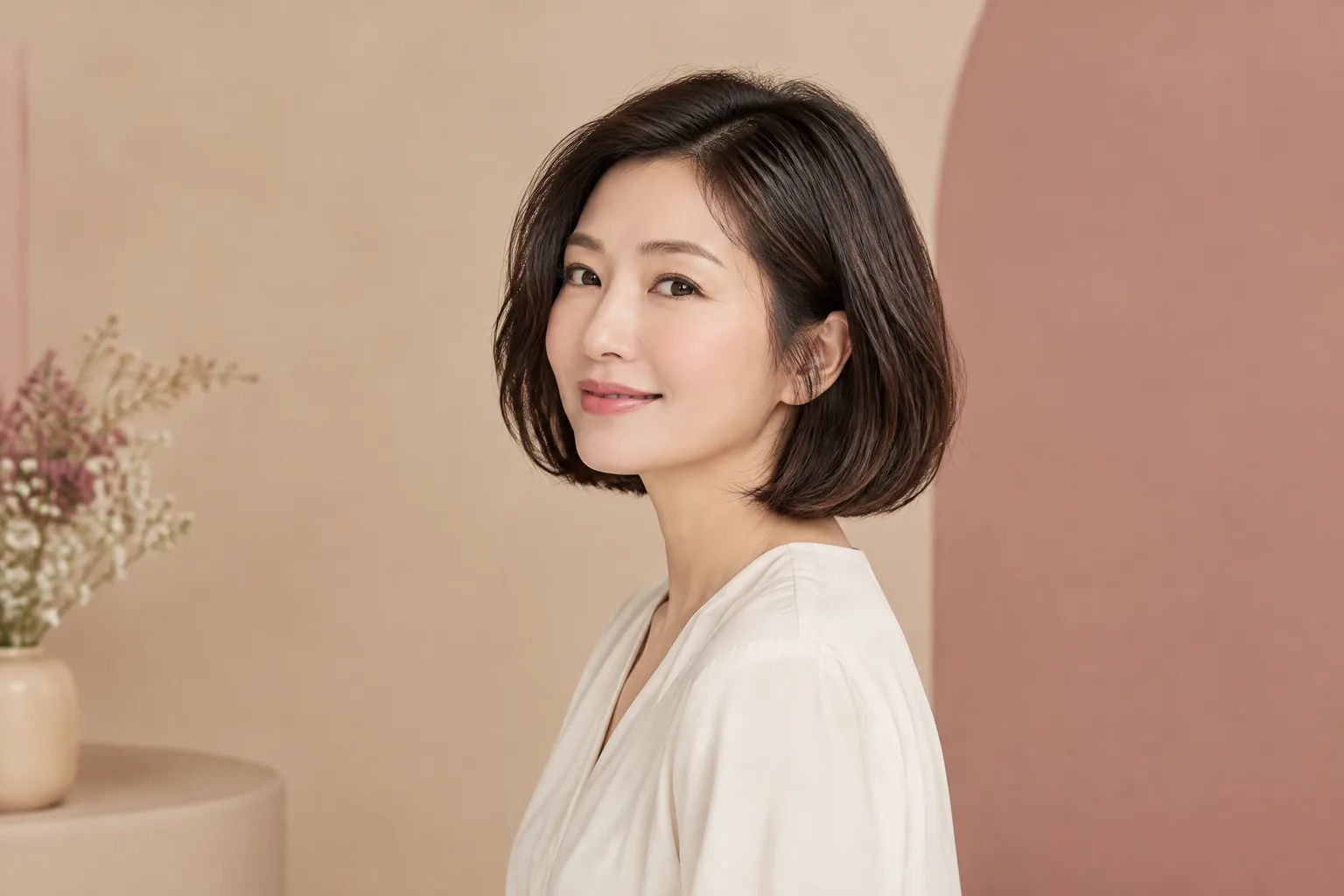
Smoothness is not another word for straightness. You might enjoy your waves while wanting the ends to feel easier to handle. Alternatively, you might want a narrower outline even though your lengths already feel soft. Visible shine is a third concern, especially in a portrait. Describe each priority separately. A photograph shows an appearance under particular lighting. It cannot establish how the hair feels or identify the process used to create that finish.
The hair smoothing vs hair straightening guide from Vitso separates feel, shape and upkeep for a more useful consultation. It also explains that smoothing can describe different procedures, including processes that affect movement. Read it before assuming a gentle-sounding name guarantees unchanged curls. Ask what your hair should look like after ordinary washing and drying. The answer needs the proposed product and your starting hair, not just the wording on a service menu.
The FDA advises asking about ingredients, a product's Safety Data Sheet and salon ventilation when considering smoothing products. It notes that not all such products contain formaldehyde. These are questions about the actual product, not assumptions about any salon's menu. Ask for information before committing to a procedure. A smoothing label or shiny photograph cannot answer those questions. This guidance does not identify what Vitso uses for an individual service. [1]
For your portrait brief, translate smooth into a visible request that can be discussed. Perhaps you want the parting defined but the ends curved, or the sides controlled with some crown lift. State whether you prefer a dry-looking finish rather than a wet effect. Leave chemical suitability to the salon. A useful reference describes the appearance you want. It should not dictate a product or turn shine into a promise of repaired hair.
Give glasses and facial shine their own brief
Which details should draw attention to your expression?
Glasses can be part of your recognisable portrait identity rather than something to remove automatically. Share the frames you intend to wear, especially if the reference photograph shows a different pair. Explain whether you want the hair behind both ears or prefer one side loose. These choices affect how the face is framed. They do not settle lens reflections or facial shine, so give the photographer and makeup provider their own relevant information.
The actor headshot makeup Hong Kong page is relevant for portraits that communicate your individual appearance for acting enquiries. Discuss the intended use rather than copying a corporate finish without thought. Send the glasses, hair reference and any requested portrait guidance with your makeup enquiry. Confirm the arrangements instead of assuming every finish is available. Your expression and recognisability can remain the priority even when the hair outline is deliberately sleek.
Westcott's portrait lighting tutorial explains that eyeglass glare can be addressed by changing the light, subject or camera position. It recommends adjusting one element at a time to identify the reflection. Tell your photographer that glasses are part of the planned look so they can assess the lighting. A lens reflection is not a reason to chemically straighten your hair. Nor should a makeup finish be expected to resolve a lighting issue in glass. [2]
Describe the balance between hair sheen and facial finish without asking for every surface to shine equally. If the hair is deliberately glossy, you may prefer to discuss a more restrained makeup finish. Send one clear reference and identify the feature that matters. For a Hong Kong shoot involving travel between preparation and the studio, share the arrival plan too. Ask what time should be allowed for a final appearance check before photography starts.
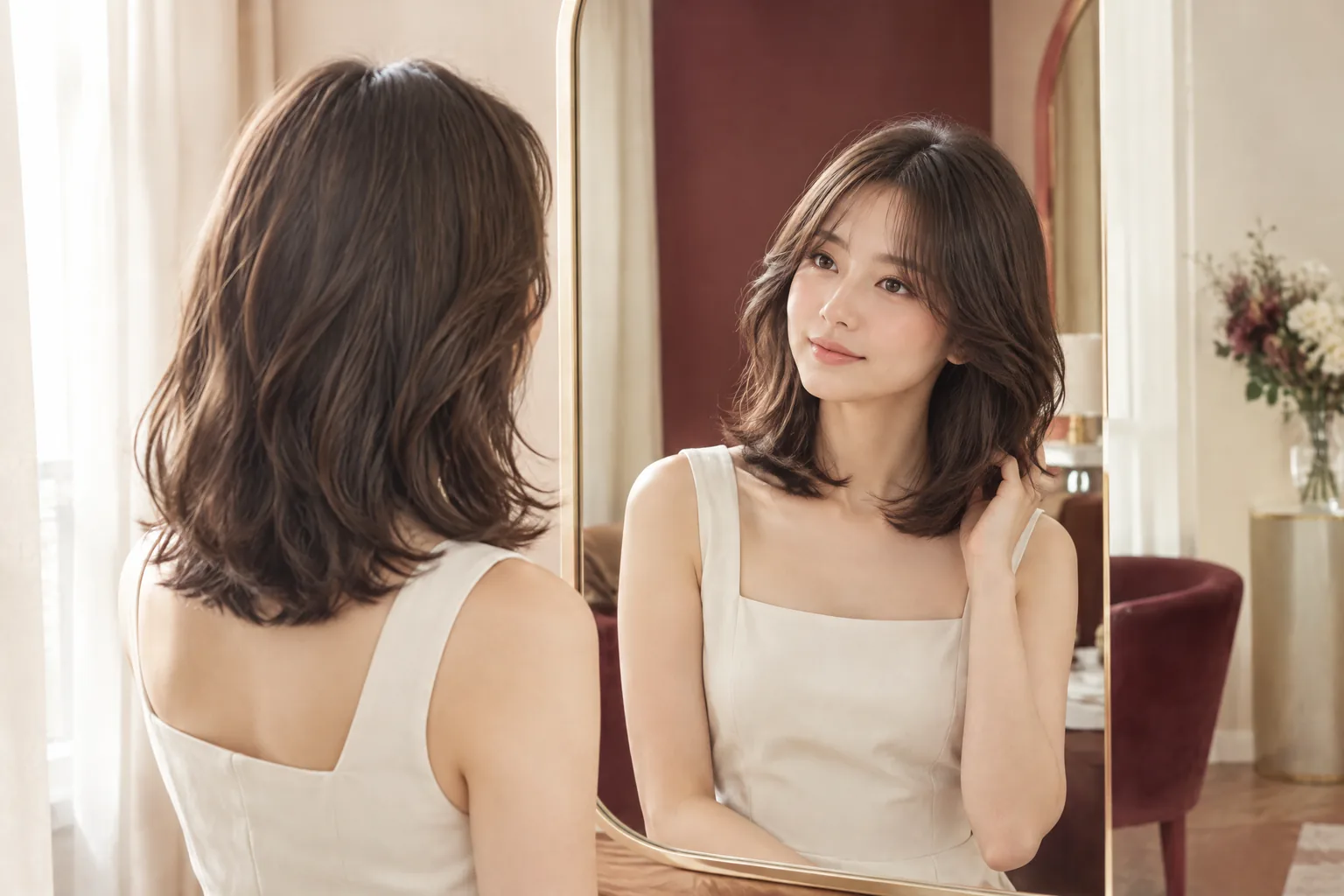
Ask about price only after defining the work
Which inclusions and decisions still need confirmation?
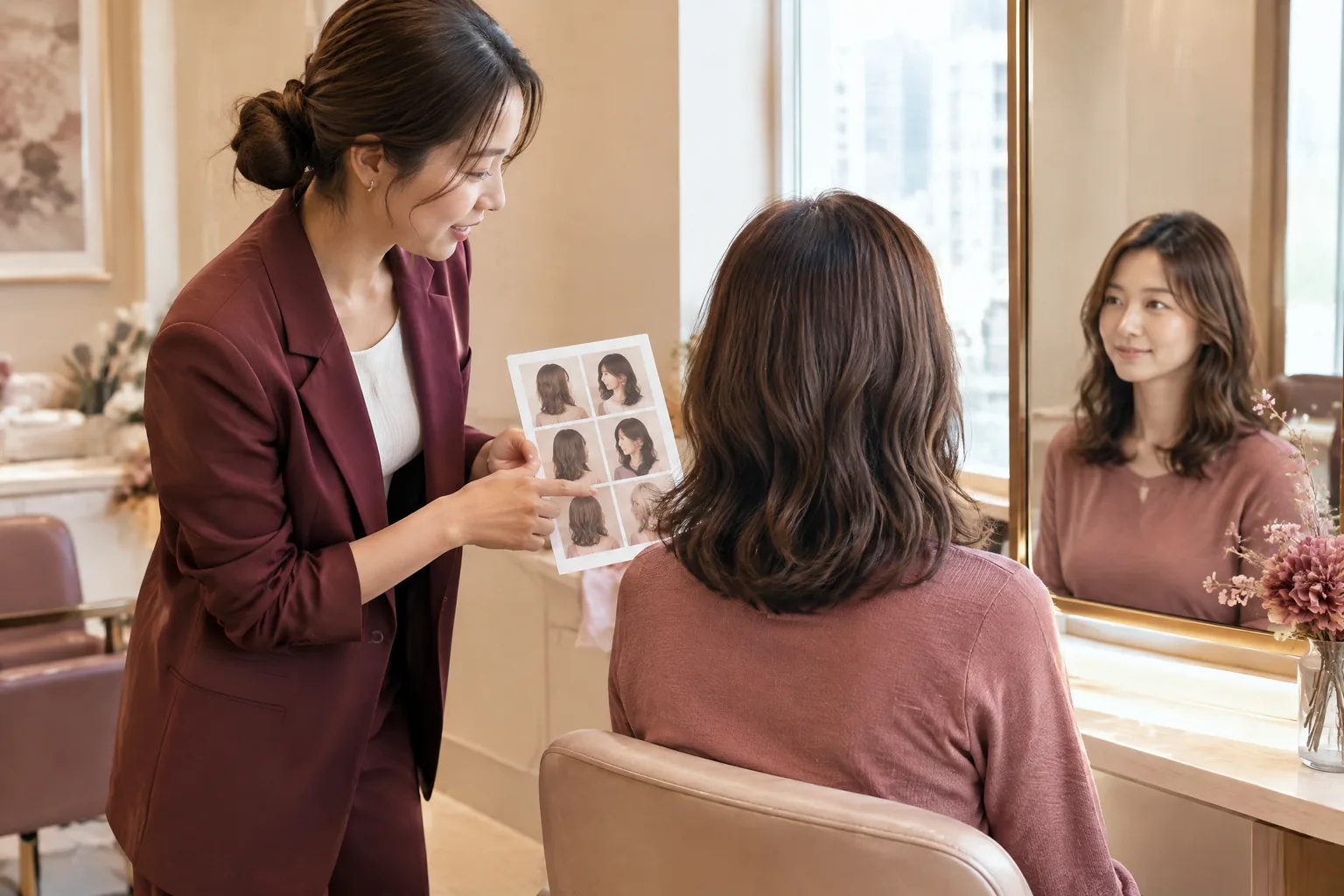
A useful quote begins with what you are asking the salon to do. Describe the current length, earlier processing and the areas you want changed. Say whether the aim is everyday straightness or simply a finished look for photographs. Those requests should not be treated as interchangeable. A reference image alone does not explain the work involved. Nor does a published menu establish that every preparatory step, cut or finishing request is included.
Use the hair straightening price resource at Vitso to check the named entries before making a specific enquiry. The price page distinguishes fixed charges, ranges and starting amounts, so a listed figure should not become your assumed total. Ask which entry applies and what any additional work covers. This is a separate hair-service conversation with Vitso. BigDeal's portrait makeup enquiry does not confirm the salon's quote, procedure or appointment availability for you.
When comparing possible plans, ask for the inclusions in plain language. Does the proposed quote include the agreed finish, or is that a separate request? How would any applicable length charge be handled? Ask whether the proposed work remains appropriate given your processing history. Do not divide a full-service amount to invent a fringe-only price. A narrower request still needs the salon to confirm whether focused work is suitable and available at all.
If the quote or scope is not settled, avoid building the portrait around a treatment you may not choose. Keep an alternative that uses your existing texture and an agreed occasion finish. This is not a lesser version of the portrait; it is another visual direction. Decide which feature matters most if you need to simplify the plan. A clear parting or visible forehead may matter more to you than perfectly straight lengths.
Confirm the makeup request around the agreed hair plan
What should each provider know before the portrait day?
Once the hair decision is made, share the confirmed outline rather than every option you considered. State whether you are keeping your natural texture, arranging occasion styling elsewhere or following a salon's agreed plan. Include the parting, exposed ear and fringe details that matter to the portrait. Give the makeup provider the photograph's intended use and outfit reference. This creates a practical brief without asking one provider to guarantee another provider's work or timing.
For the wider shoot brief, professional makeup for photoshoot Hong Kong is the relevant BigDeal resource to explore. Explain the studio or location plan, when you need to be ready and whether glasses will stay on. Share only confirmed hair arrangements, then ask which makeup details can be agreed. Do not treat the resource as confirmation of a combined hair package. The enquiry should establish the makeup scope rather than substitute for your separate salon consultation.
Prepare a small handover note if your Hong Kong schedule involves separate preparation and photography locations. Include the agreed ready time, travel plan and the person who will review your appearance before shooting. Ask about any specific instructions instead of adding unfamiliar products immediately before leaving. Bring your actual glasses and outfit details into that conversation. A simple, shared plan is more useful than multiple reference images showing incompatible textures, lighting and finishes.
Before approving the final look, check whether you still recognise your usual expression. Consider your preferred balance of hair around the face. Ask the photographer to assess the outline with the intended framing, rather than judging only a close mirror view. Keep expectations specific: a controlled side, retained wave or defined parting. No provider should be expected to guarantee a glossy result under every condition. The portrait choice should serve your identity, not demand a different one.
Key takeaway
A slick portrait is an appearance decision before it is a treatment decision. The strongest brief says what should look controlled and what should remain yours. If a temporary finish meets that brief, a lasting texture change is a separate choice, not a requirement.
Practical checklist
- Choose the movement you want to keep and the outline you want to change.
- Photograph the actual outfit and intended glasses with your current hair.
- For chemical enquiries, share processing history and ask about the proposed product.
- Confirm hair scope and quote separately from portrait makeup arrangements.
- Share the agreed hair plan, ready time and travel details with the makeup provider.
Frequently asked questions
Does slick portrait hair have to look wet?
No. Slick may describe a controlled silhouette or defined parting rather than a wet-looking surface. Name the feature you want and say whether visible sheen is part of it.
Should I straighten my hair just for a headshot?
Not automatically. First decide whether you want a one-day appearance or an everyday change. Ask about temporary styling for the portrait, and seek a separate salon assessment for chemical work.
Can smooth-looking hair still show waves?
Yes, smooth appearance and a straight outline are different goals. However, a named smoothing procedure may also affect movement. Ask the salon what the actual proposed process changes before choosing it.
Can changing my hair solve reflections in glasses?
Not as a general solution. Give the photographer your glasses plan so they can assess reflections through lighting and position. Keep that discussion separate from hair texture and makeup shine.
Can BigDeal confirm my Vitso treatment with the makeup enquiry?
No. Discuss hair suitability, scope and appointments directly with Vitso. BigDeal can receive your confirmed hair details when discussing the portrait makeup arrangements, without confirming the salon's services for you.
Sources
| Source | What it supports |
|---|---|
| Formaldehyde in Hair Smoothing Products: What You Should Know | The FDA advises asking about product ingredients, the Safety Data Sheet and ventilation, and states that not all smoothing products contain formaldehyde. |
| Portrait Lighting Tips to Avoiding Glare in Glasses | Westcott explains that changing light, subject or camera position can address eyeglass glare, with one element adjusted at a time. |
Discuss your own makeup plans
For portrait makeup arrangements, WhatsApp BigDeal Make Up on +852 6918 3153. Share your shoot date, intended look and confirmed hair plan. Hair-service suitability, quotes and appointments must be discussed separately with Vitso Hair.
Ask on WhatsApp +852 6918 3153