
At a glance
You do not need one hairstyle for every opportunity. You need photographs that distinguish your present appearance from a particular role, plus a realistic plan for repeating each agreed look. Start with the casting use, test your own item on camera, and record any meaningful change. This keeps a flattering headshot useful without turning a temporary production choice into an unexplained promise.
actor headshot role hair continuity starts with the right reference
Choose the appearance casting should expect
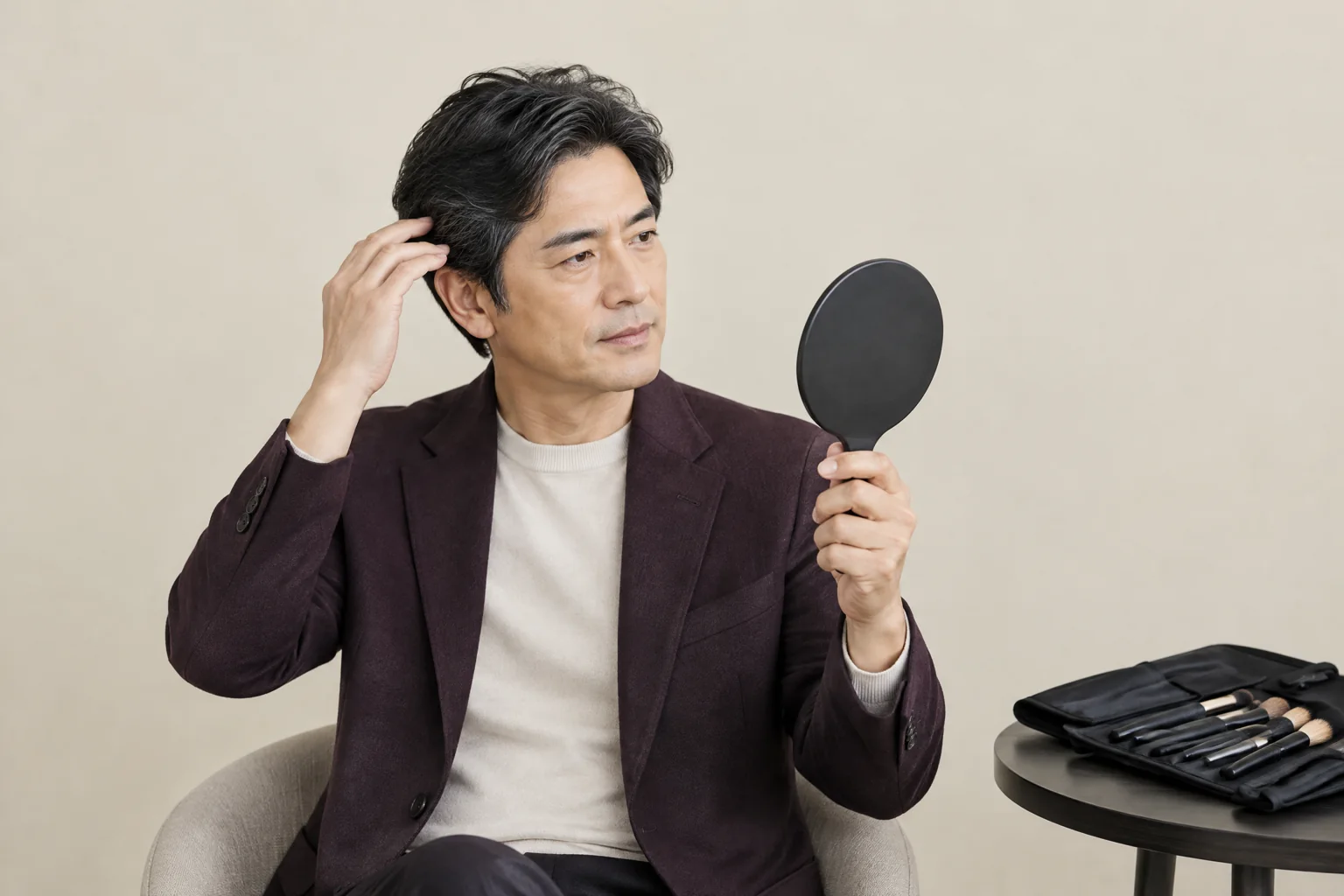
A casting headshot and a character reference answer different questions. The first shows the performer someone can meet now. The second records an appearance for a particular project. Spotlight's casting directors emphasise recognisable, current headshots rather than elaborate hair and makeup. Apply that distinction before choosing a favourite image. If temporary hair changes your outline substantially, keep a clearly identified current photograph alongside the role image. Neither photograph has to hide your choices. [1]
Ask what the recipient needs to decide from the photograph. An agent reviewing your profile may need your usual appearance. A production comparing character options may need a specific fringe or grey blend. Those requests deserve different files, even when taken during one session. Describe whether the pictured hair is your regular presentation, an existing role look, or a proposed option. A proposal shows a possibility, not a commitment to arrive that way.
OwnStrand shares BigDeal Make Up's owner. Its guide to custom vs ready-made wigs provides selection reading when a temporary look involves buying an item. Compare the specific fit and selection process, rather than treating custom as automatically more convincing. Ready-made also says nothing about local supply. For casting, ask whether the item supports an agreed, repeatable appearance within your preparation time.
When discussing actor headshot makeup Hong Kong, send the image you intend to use as your current reference. Add any temporary role image separately, with a short explanation of its purpose. This gives the makeup conversation a clear starting point. Ask for a finish that suits the agreed photograph, not one that disguises a major hair mismatch. Decide with your agent which appearance leads your profile before allocating session time to alternative looks.
Give each role look a name before testing it
A photograph needs enough context to be useful later
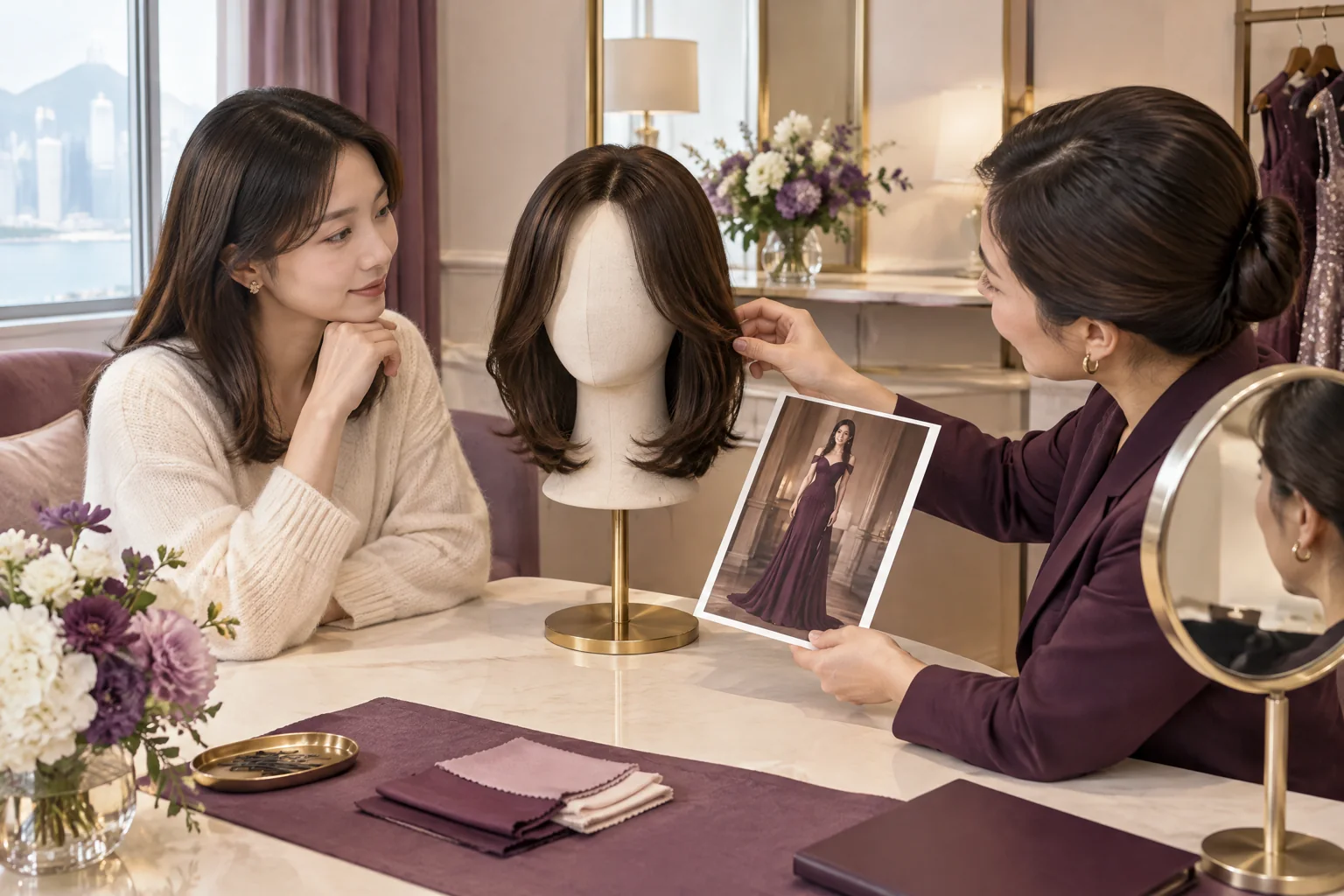
ScreenSkills describes updated notes and photographs as essential to character continuity during production. For your own preparation, borrow that practical habit without turning a headshot into a full production record. Give each look a short name, such as current presentation or rehearsal character. Add the capture date and whether the look is approved or still being tested. A recognisable label makes it easier to find the right reference when several similar photographs circulate. [2]
Bring the actual wig or hairpiece you intend to wear, rather than only a catalogue illustration. Test it with the clothing and neckline planned for the photograph. A collar can change which lengths remain visible around the face. Glasses may also affect how a fringe sits. Check those relationships before the final frame. If the item belongs to production, obtain permission for the test and agree who may handle or alter it.
Make your reference useful beyond a straight front view. Take a clear front photograph, then add side views where the outline matters. A back view can help when later filming includes turns. Keep these working pictures separate from your selected headshots. Note the parting direction and which strands sit behind an ear. Write left and right from the performer's perspective, so a mirrored preview does not reverse an instruction during a reset.
Try the movements you actually expect to make. For a self-tape, speak a short passage and turn towards the imagined scene partner. For a still session, try the head angles discussed with the photographer. Watch whether the fringe crosses an eye or the shape changes noticeably. Describe the visible result rather than declaring the item universally secure. If something shifts, pause and discuss the item with its supplier or the responsible production hair professional.
Check the current look without changing everything together
Separate the item from makeup and camera decisions
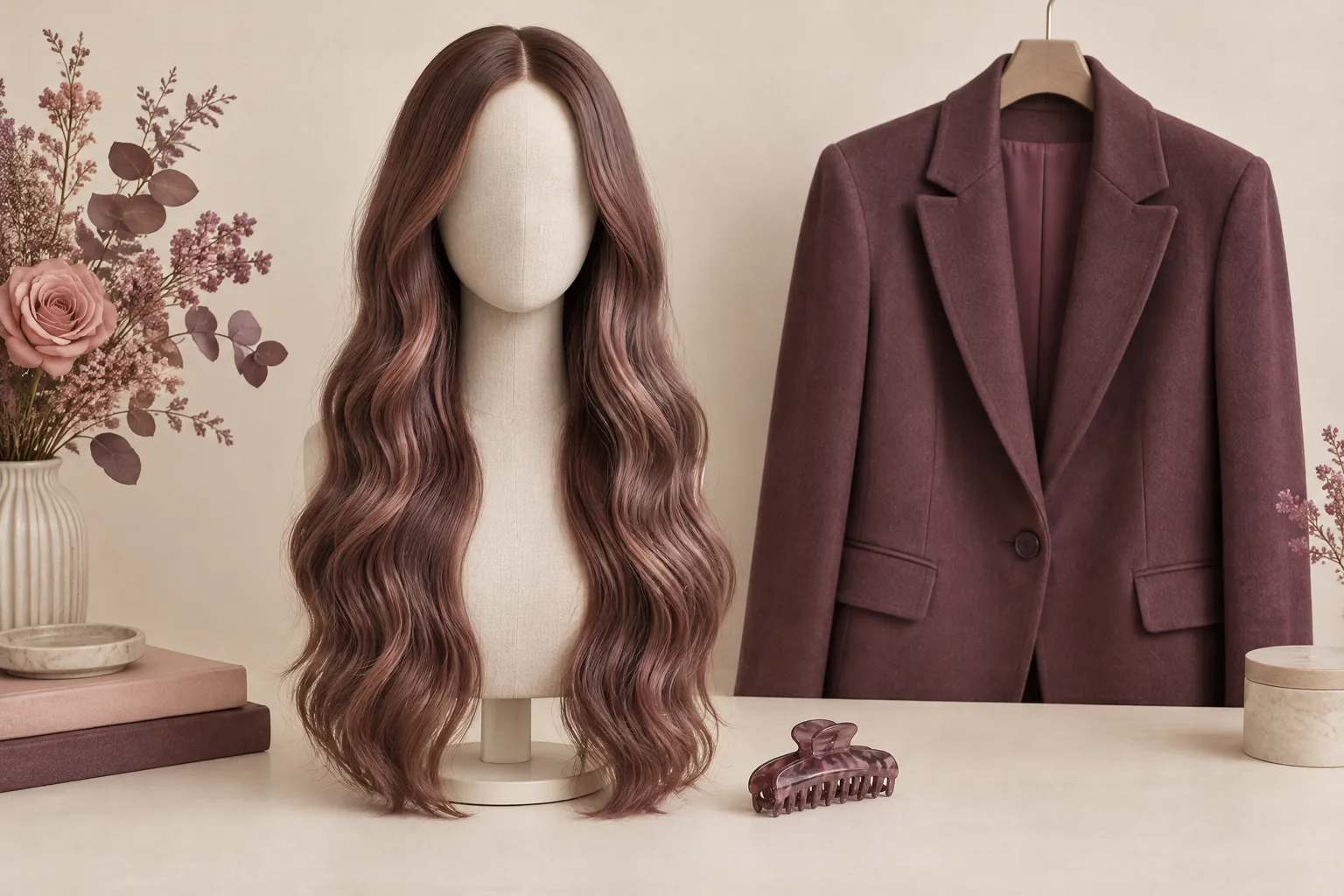
Choose one simple reference setup before comparing versions. Keep the camera position, background and lighting arrangement consistent for those comparison frames. First photograph the agreed hair placement with a restrained makeup finish. Then change only the detail under discussion. This helps you see whether a different impression comes from hair placement, face shine or the camera angle. It also avoids approving a new hairstyle merely because another photograph used more flattering light or a tighter crop.
Start with the features that distinguish the person in the frame. Check the overall width, fringe position and visible forehead, then review the colour impression. A closer crop can conceal the sides while making the front seem fuller. Ask to see a wider reference if that changes your decision. You are checking whether the image remains representative, not searching for a perfect hairline at unlimited magnification. Keep the intended casting viewing size in mind.
The custom human hair wig Hong Kong information from OwnStrand describes sample viewing, measurement and a return fitting. These stages matter when you want to discuss a specific shape or grey proportion. Its approximate three to five working days refers to handmade production, not the entire calendar before your shoot. Leave room for the fitting and your camera test. Agree the selected item and arrangements separately from the date reserved for makeup photography.
Retouching should not quietly replace the appearance casting expects. Discuss edits that change fringe length, apparent density or the position of a hairline before approving the final file. A cleaned background is different from adding a fuller hairstyle. If a character image includes a deliberate visual alteration, identify that purpose when sharing it. Keep an unaltered working reference for later preparation. Otherwise, the next team may try to reproduce a look that only exists in the edited photograph.
Choose between keeping, resetting and rescheduling
Use look dates to decide what still represents you
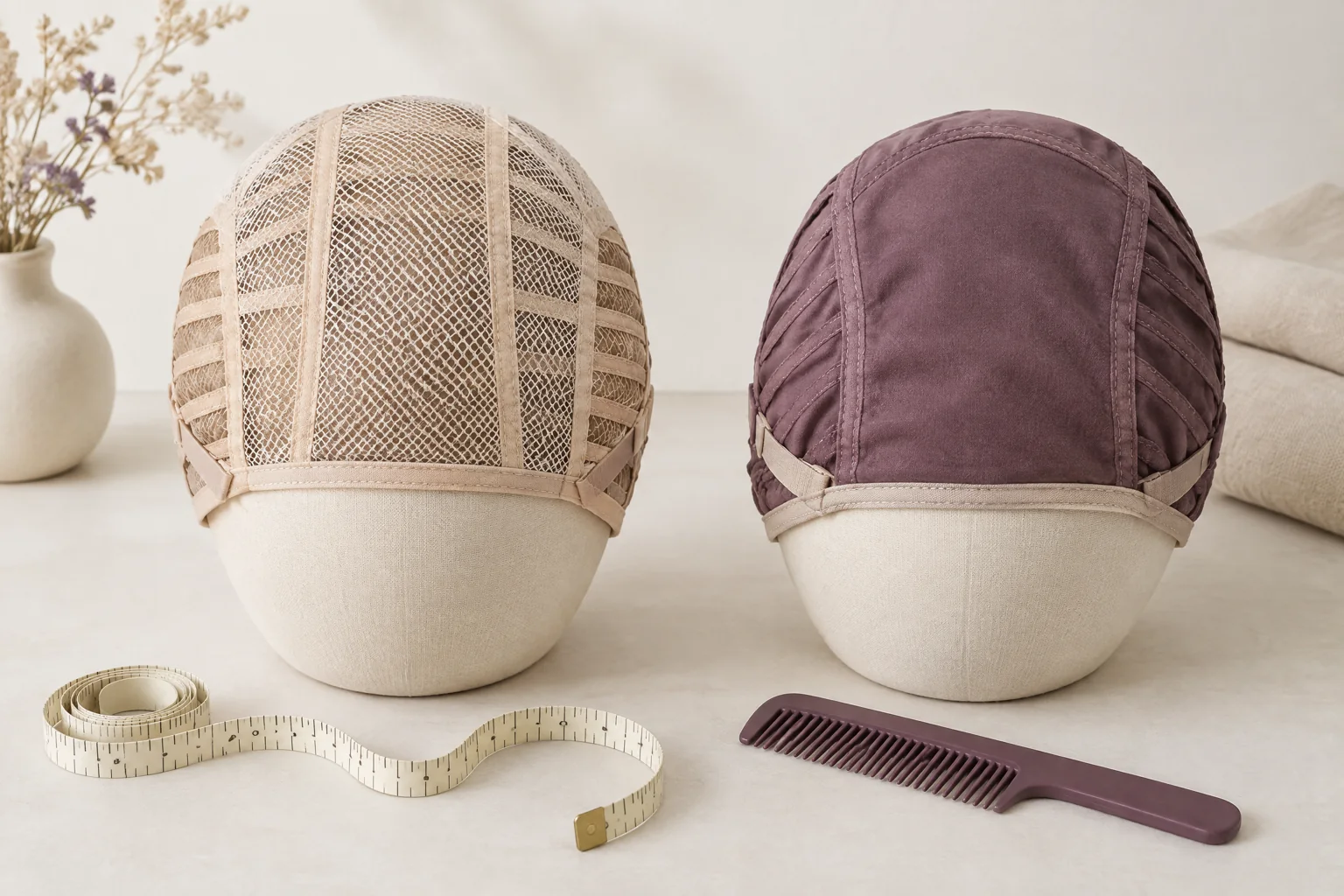
Keep the existing headshot when it still represents your usual appearance and the required look remains practical. A temporary role does not automatically make your portrait obsolete. A separate current reference may explain the difference during that job. Review it with your agent. Base replacement on what casting would expect when meeting you, rather than simply the age of the file.
A local reset suits a small, reversible difference, such as restoring the agreed parting or moving a loose strand. Compare it with the approved reference before continuing. A substantially different outline needs a fresh decision about the photograph's purpose. Rescheduling may be more sensible when the selected item is unavailable or a fitting remains unfinished. It gives you time to establish a repeatable look instead of paying for pictures of an unresolved choice.
A press photograph may deliberately show the character associated with a release. When arranging a makeup artist for press shoot, distinguish that publicity appearance from your current casting look. Include the reference date and any production approval needed. This prevents character hair becoming your default portrait by accident. Keep publicity selections separate when supplying an agent with current images for unrelated auditions.
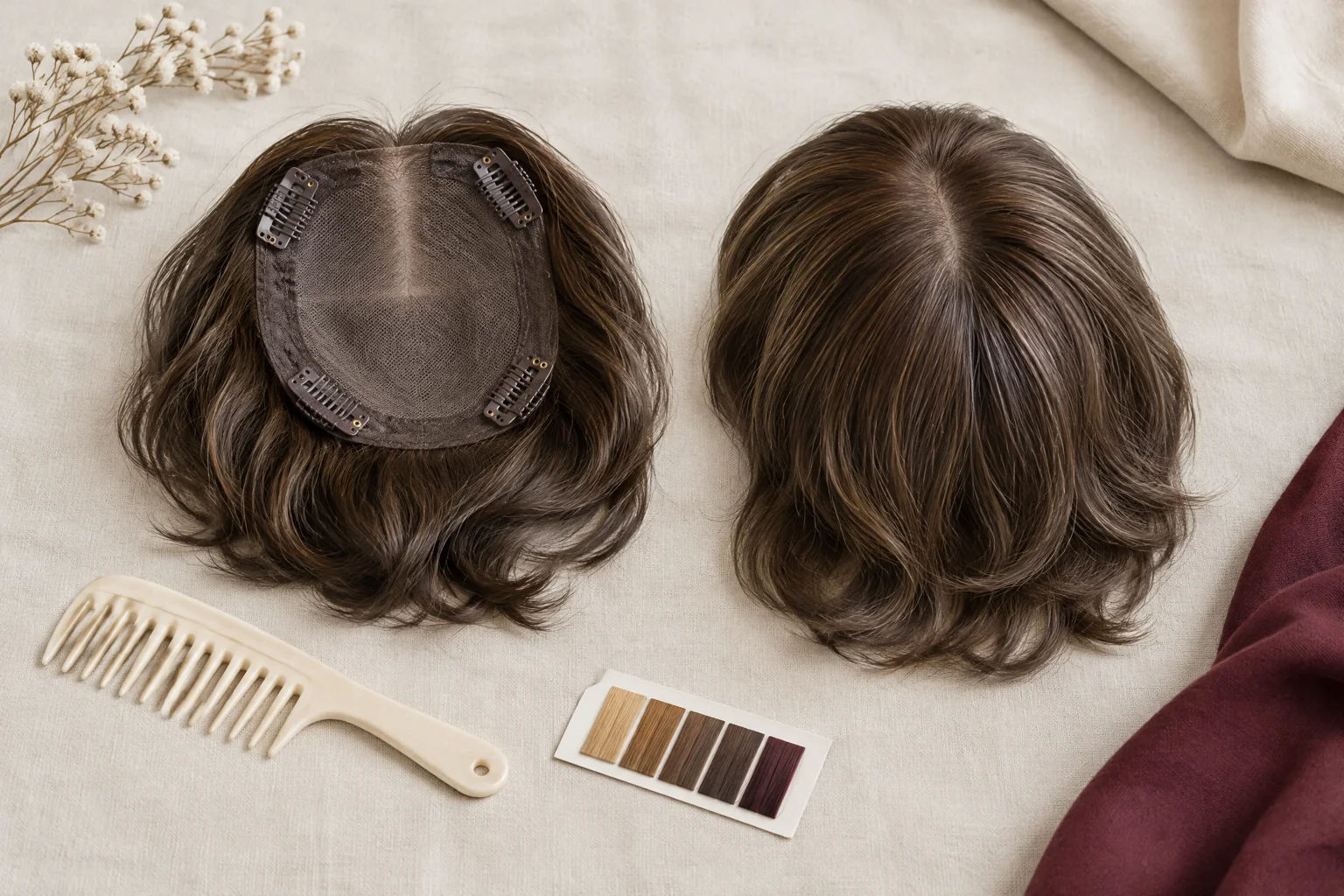
Use the table to sort files by purpose before sending them. The labels are suggested working language, not rules imposed by every casting platform. Adapt them to the recipient's instructions. Put a date in the filename and repeat the explanation in your message, where it survives a download. If your everyday presentation changes, mark the previous current file as archived. It can remain useful as history without appearing to describe how you look now.
| File purpose | What it shows | What to record |
|---|---|---|
| Current casting reference | The appearance you can present now | Capture date and chosen regular presentation |
| Temporary character reference | An agreed look for a particular role | Role label, date and approval status |
| Proposed character option | A tested possibility, not a confirmed look | Test date and unresolved decisions |
| Archived reference | An appearance no longer used as current | Original date and replacement filename |
Approve the appearance without giving up personal choice
Comfort, ownership and image use deserve separate agreement
Your regular presentation can include a wig. Calling a reference current does not require showing yourself without one. Explain the appearance you normally choose and can realistically bring to the audition. A performer may be comfortable sharing several looks, or prefer one consistent presentation. Discuss that choice privately with the agent or relevant production contact. The practical need is an accurate reference, not a demand to disclose personal reasons for wearing a particular item.
Confirm what you permit before anyone cuts, colours or otherwise changes your own item for a photograph. A small visual adjustment can still affect how you want to wear it afterwards. State who owns the item and which changes require another discussion. Production approval and performer consent are different decisions. An approved character design does not automatically authorise changes to personal property. When the proposed adjustment exceeds your agreement, stop and find another way to obtain the reference.
For a full-coverage character option, OwnStrand's men's wigs reading separates full wigs from toupees and other partial hairpieces. That distinction helps you describe what you want to discuss, rather than choosing a product category from one hairstyle photograph. Its physical shop is in Kwun Tong. You can begin by reviewing options online, or enquire about sample-viewing arrangements there. Confirm the specific style and supply details before building it into a dated production or headshot plan.
Image approval also needs a clear scope. Agree which pictures may go to your agent, which belong to a production discussion, and which may be published. Working side views do not automatically become portfolio photographs. Ask to review the selected casting image at a sensible size before release. If you are uncomfortable with its use, discuss a different selection. A useful reference respects your chosen presentation while giving its intended recipient enough information to understand the look.
Know when to pause and which file to replace
Review actor headshot role hair continuity before release
Pause when the item causes discomfort, repeatedly moves, or needs an alteration outside the agreed plan. A preferred camera angle cannot settle an unresolved fitting issue. Label any provisional photograph clearly. Contact the supplier or responsible production professional for item-specific guidance. Resume when the appearance and permitted handling are clear. Retouching should not become the answer to a practical problem.
For film and video makeup Hong Kong discussions, send the approved character reference with the relevant scene or look label. Add any newer photograph that shows a meaningful change since approval. Agree who receives revisions and who confirms the production look. Makeup planning can then respond to the correct appearance instead of a mixture of old headshots and rehearsal pictures. Bring questions about the item's fitting or alteration to the professional responsible for that work.
Before releasing files, check that the written label and visible appearance agree. A photograph marked current should show what you can present now. A temporary look should name its role or intended use without exposing confidential project details. Ask your agent which file should lead submissions and how alternatives should be described. Remove superseded current images from the package you are sending. Keeping a private archive is useful; making recipients sort that archive themselves is not.
After a meaningful appearance change, replace the current reference in the places where you actively submit it. Notify the person managing your profile and identify the replacement file clearly. Preserve a dated character reference when it still serves production continuity, even if it no longer represents everyday presentation. This is a selective update, not a demand for a new professional session after every adjustment. The aim is to keep each photograph honest about its purpose and date.
- Send the current reference first when the request is about your present appearance.
- Send a separately labelled character file when the request concerns that role.
Key takeaway
Keep a truthful current headshot and a useful character record, rather than forcing one image to do both jobs. A small reset may preserve the agreed look. An unfinished fitting may justify moving the shoot. Choose according to what you can reproduce and what the recipient needs, then label the photograph accordingly.
Practical checklist
- Choose which appearance casting should expect now.
- Label temporary and proposed looks with dates.
- Bring the actual item and its handling instructions.
- Test the outline with the intended clothing and camera setup.
- Agree personal changes, image use and the final selection.
Frequently asked questions
Can my main headshot show a wig I wear regularly?
Yes, a regular chosen presentation can include a wig. The photograph should accurately show the appearance you can bring to a casting. A temporary character item needs a different explanation if you would not normally arrive wearing it. Discuss the distinction with your agent. You do not need to turn a casting reference into a disclosure of personal reasons for your choice.
Must I replace my headshot during every temporary role?
Not necessarily. Compare your current appearance with the existing photograph and consider what the recipient needs. A separate dated reference may explain the temporary difference. If the old image no longer represents you, choose a replacement with your agent. Keep the character photograph for its specific purpose rather than automatically making it the leading image for every new submission.
What should I send when the new item is not fitted yet?
Send your current reference and describe the proposed role appearance as unfinished. A sample or test photograph can support the discussion, but label it as provisional. Explain which fitting or selection decision remains open. Agree whether the shoot should wait or capture only the current look. This avoids committing to an appearance that you have not yet approved or tested.
Who decides whether the photograph is a casting or character reference?
Start with the request from the intended recipient, then agree the selection with your agent or production contact. You approve your presentation and the permitted image use. Production may separately approve a character design. Tell the makeup team which decision governs the session. A clear purpose prevents a publicity image, rehearsal test and current headshot from being treated as interchangeable files.
Sources
| Source | What it supports |
|---|---|
| Top Headshot Tips from Casting Directors | Casting headshots should remain current and recognisable, rather than relying on elaborate hair and makeup. |
| Hair and make-up trainee | Updated notes and photographs are essential to maintaining character continuity during production. |
Discuss your own makeup plans
For BigDeal Make Up makeup enquiries, WhatsApp +852 6918 3153. Send your shoot date, current reference and any separately labelled role look. If you have selected a hair item, share your own photograph or bring the item for the makeup discussion. This number is for BigDeal makeup arrangements, not OwnStrand purchases or bookings.
Ask on WhatsApp +852 6918 3153