
At a glance
Create a dated portrait brief with your present identity, a comfortable setting, and one observable beauty goal. Keep private diary notes separate from public captions. Read course information independently, without placing every possible stage on your calendar.
Build a future-role beauty plan around today
Your future-role beauty plan starts with a dated brief
Begin with a sentence that would remain true if your ambition changed next month. For example, write that you are exploring teaching while keeping your current work and family commitments. You need not name a future job in the photograph itself. Date the diary entry and describe why this moment matters. Perhaps you finally have time to learn something for yourself. That reason gives the portrait meaning without requiring a dramatic transformation or a professional announcement.
Write a small portrait brief before choosing clothes or booking anyone. Include where the picture will live, how much preparation feels manageable, and what you want to recognise in it. A private diary might need only one relaxed photograph beside a window. A public profile may need a simpler background and clearer wording. If wedding planning already fills your weekends, keep this session separate and short. It should not become another elaborate occasion requiring several looks and locations.
Use the brief below as a set of decisions, rather than a script everyone must follow. Choose one answer in each row and leave unresolved items blank. Your present job can stay unnamed if you prefer privacy. The important distinction is between what the portrait records and what you hope to explore. Keep an editable copy beside the saved photograph. Later, you can revise your plans without rewriting the meaning of this first entry.
| Decision | Practical choice | Diary record |
|---|---|---|
| Present identity | Describe your life without a future title | Date and one truthful sentence |
| Portrait purpose | Private learning diary or carefully captioned public picture | Intended audience |
| Setting | Familiar indoor space or a shaded land option | Location and indoor alternative |
| Beauty goal | One repeatable base or brow detail | Chosen action and observation |
| Future interest | Independent reading without a booking sequence | One unresolved question on a separate page |
Choose one makeup detail you can repeat
Make the goal observable, not a complete makeover
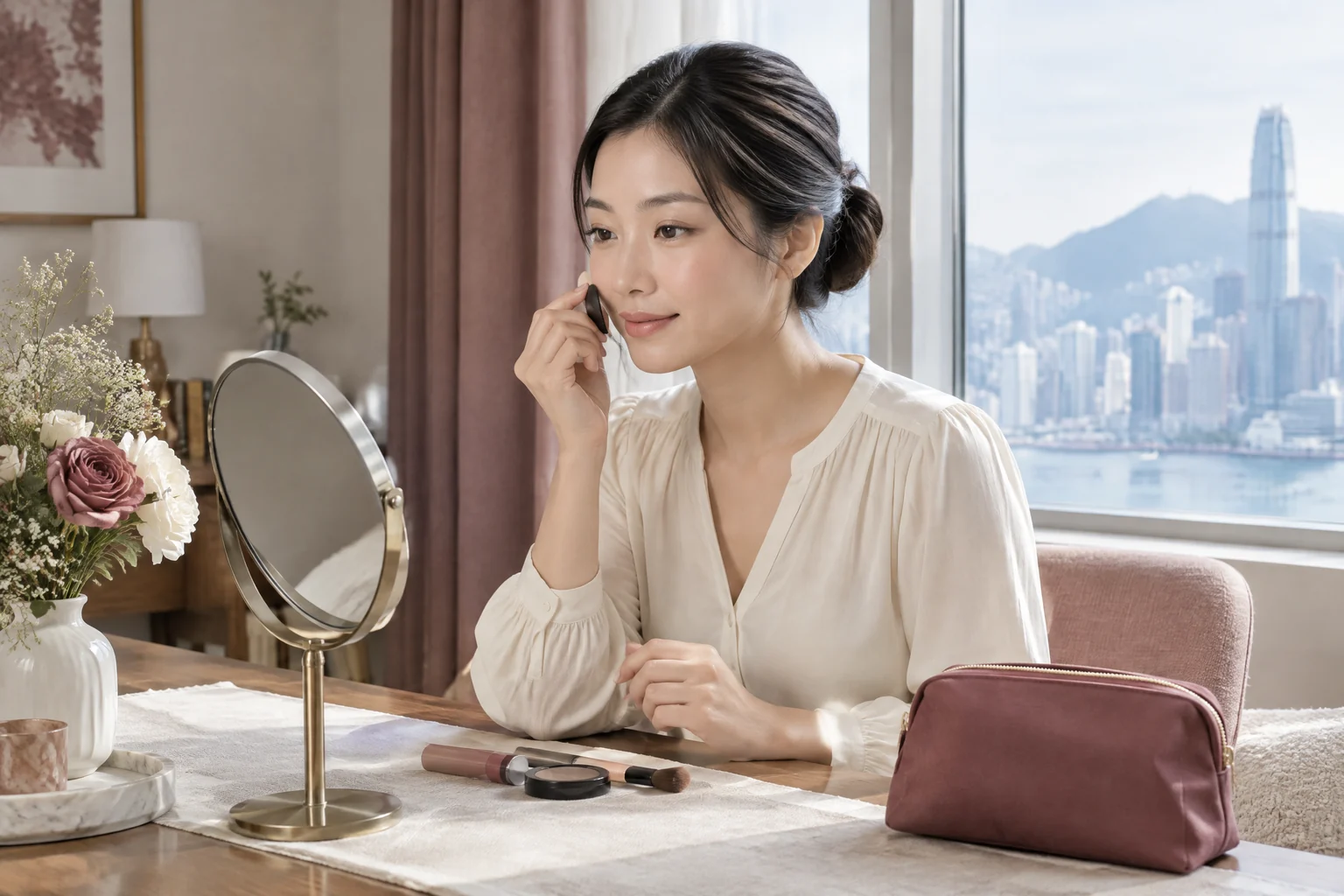
A useful beauty goal names one action you can practise with your existing routine. You might work on blending the edge of your base around the jaw. You might instead choose a softer brow finish, using products you already understand. Do not combine both into the first task. A self makeup lesson can focus your enquiry on that chosen difficulty. Bring a description of your routine and explain what feels inconsistent when you repeat it at home.
Choose individual guidance when the problem needs closer observation rather than more products. For example, you may like your base in the mirror but dislike its visible edge in photographs. A 1:1 makeup lesson is a relevant reading choice for that narrow concern. Describe the difference you notice without diagnosing your skin or demanding a guaranteed result. Ask what you would practise yourself afterwards. The purpose is a manageable learning task, not a promise of instant confidence or flawless photographs.
Set a success check you can describe without rating your whole face. Try: the base edge looks less obvious in the same window light. Or: I can repeat my chosen brow shape without starting again. Save the observation in plain language, including anything that remained difficult. Avoid changing the light, camera filter, and makeup goal together. Otherwise, you may not know which change affected the result. Your diary should help you decide what to practise next, not judge your attractiveness.
Give practice a calm place in your week
A workable routine has room for ordinary interruptions
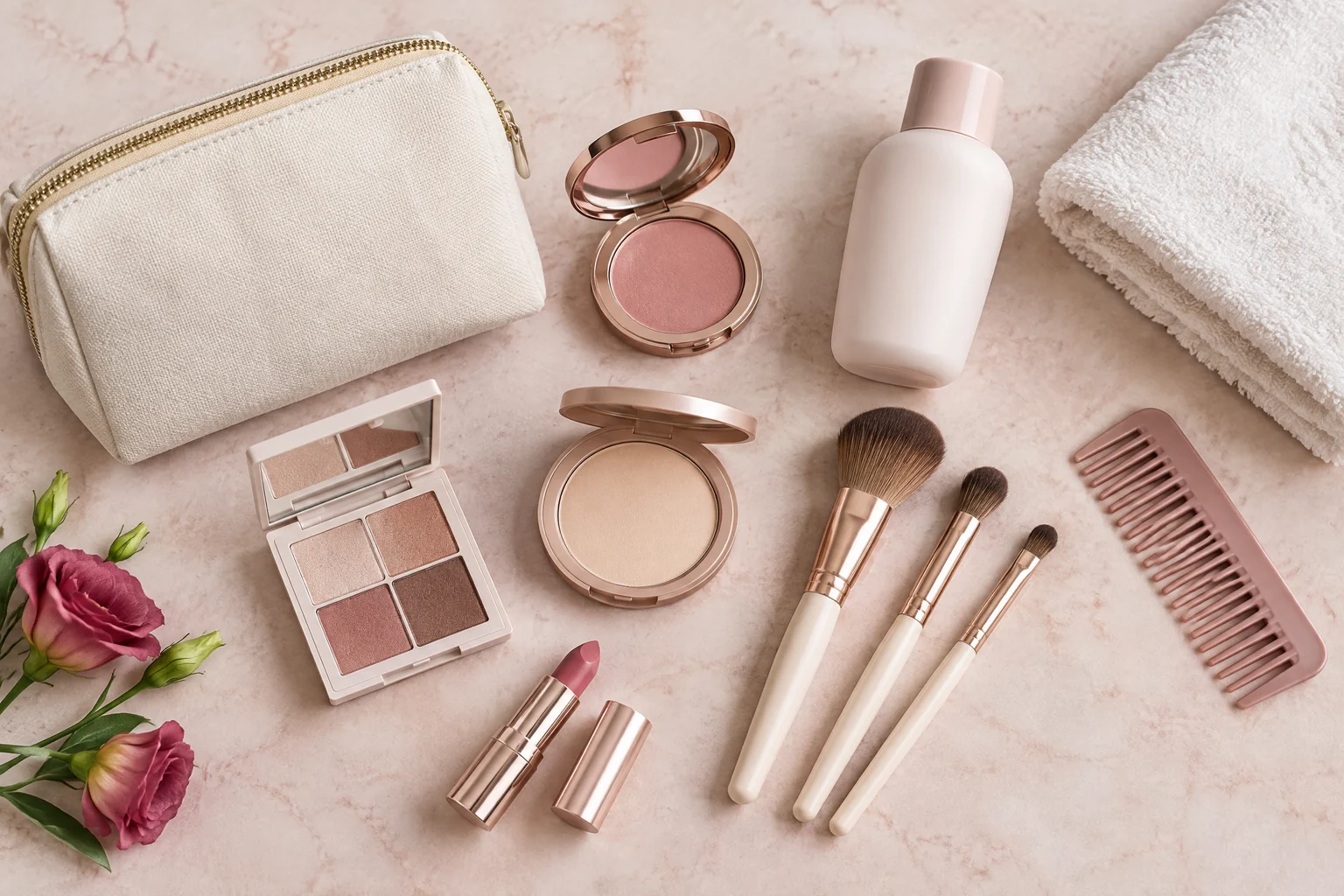
Put one short practice session into a week you can realistically manage. Choose a quiet period at home rather than squeezing preparation between several appointments. Leave your usual products together so you are not rebuilding the routine each time. If you share a home, agree when the mirror and window area will be available. A partner can help take the picture without becoming your evaluator. Ask for a steady frame, then make your own notes after looking at the result.
Keep eye makeup practice at a stable surface before leaving home. The FDA advises washing hands and keeping instruments used around the eyes clean. It also advises against sharing eye cosmetics. Never apply or remove eye cosmetics in a moving vehicle, including when you are a passenger. That makes a taxi journey the wrong place for a last adjustment. Put any necessary preparation into your home routine instead. This is everyday cosmetics handling, not a reason to rush a more complicated look. [2]
If an appointment, family errand, or wedding task displaces your practice, move the session rather than expanding it. You do not owe the diary a weekly reveal. Keep a short note saying why you skipped it and which goal remains unchanged. That preserves useful context when you return. Do not make up for a missed session by buying several new items. Begin again with the same small task, then decide whether it still suits your present needs and available time.

Keep course cost reading in separate notes
Different pages answer different questions
If introductory learning genuinely interests you, make a separate note for Open Water diving course Hong Kong cost. Use that page to identify questions about the named course and what a written quotation would cover. Do not copy a headline amount into your beauty budget. Leave a space for independently confirmed terms instead. This reading task can happen without reserving a date. Your portrait remains a record of personal interest, even if you decide not to pursue the course.
If you are comparing agency-specific information, open SSI scuba course price Hong Kong in a different note. Record which course level you mean and what you still need to understand. Keep this question separate from another course page rather than treating their labels as interchangeable offers. A reader can investigate more than one option without choosing either. Save your own questions, not an assumed package. The useful outcome is clarity about the comparison you want, not a completed booking sequence.
Use separate budget headings for personal makeup learning, land photography, and any independent activity enquiry. Under each heading, write its purpose before considering spending. You may decide that a home portrait needs no paid session at all. You may also postpone every course decision until after your wedding or honeymoon. Neither choice makes the diary less worthwhile. Keep unconfirmed spending out of shared household commitments. A future interest should not silently turn into a financial obligation for your partner.
Describe an ambition without borrowing a title
Keep diary language different from service claims
A possible teaching role belongs in your private planning notes before it belongs in a public biography. The scuba instructor course Hong Kong page is separate reading for that longer-term question. Use it to frame an enquiry about your actual background and the requirements relevant to you. Do not infer that introductory learning leads automatically to teaching. Your makeup practice and portrait prove neither training completion nor teaching ability. They simply record how you chose to present yourself at this point.
For a private caption, write: exploring whether teaching might suit my future. For a public caption, you might prefer: a personal portrait for my learning diary. Both leave room for uncertainty without sounding apologetic. Avoid adding an instructor title, badge, or service invitation that you have not earned. If someone mistakes the picture for a professional announcement, correct the wording directly. You can be pleased with the portrait while keeping its meaning modest and accurate for different audiences.
Choose your sharing boundary before asking anyone else to take photographs. A partner may enjoy helping but should not assume the pictures are ready for public posting. Decide whether your face, current workplace, or private plans should be identifiable. Save the diary version separately from anything intended for sharing. If you later use the picture publicly, review its caption again. Your ambitions may have changed, and an old planning note need not become a permanent description of your identity.

Choose a land portrait that feels familiar
Ordinary clothes and a simple setting are enough
Wear something you already feel comfortable wearing in your current life. A familiar shirt or simple knit can express more than clothing selected to imitate a professional role. Avoid borrowed uniforms or props that imply authority. Start with a plain indoor background where you have permission to photograph. A relaxed seated frame may feel easier than a formal standing pose. Leave room for natural expression rather than copying a recruitment photograph. The picture is for your diary, not an audition for your imagined future.
If you prefer an outdoor land portrait, make sun protection part of the location decision. The Hong Kong Observatory advises checking the latest UV reading and forecast, and seeking shade. Follow its protection guidance rather than treating a polished makeup finish as protection. Consider a shaded setting and retain an indoor alternative. Cloudy conditions do not automatically mean low UV. Check current information near the session, rather than relying on what you remember from choosing the date several weeks earlier. [1]
Keep the camera setup simple enough to use again. Place the camera at a comfortable height and keep its distance similar between diary entries. Turn off beauty filters if you want a clearer record of your practice. Choose one frame where your expression feels familiar, rather than collecting many near-identical options. If a friend helps, explain the brief before starting. You are looking for a recognisable present-day portrait, not a dramatic transformation or a collection of professional promotional images.
Leave next week with one clear action
Record a small change before adding another goal
If your routine is still unfamiliar, return to the basics before choosing a more demanding portrait look. A beginner makeup class Hong Kong is a relevant reading option when you need help organising those foundations. Tell the enquiry team which single step you want to understand first. You do not need a future professional identity to justify learning makeup for yourself. Equally, you can keep practising your familiar routine without arranging a lesson immediately. Choose the next step that matches your current difficulty.
End the diary entry with an observation and a next action. For example: I like the lighter finish, but the jaw edge still needs attention. Then write: repeat that detail in the same light next week. Keep the saved photograph beside those two sentences. If the result already feels suitable, maintain the routine rather than inventing another problem. A useful diary can show consistency as well as change. Its value comes from helping you remember decisions, not from producing endless improvements.
Review the portrait brief before any later public use, lesson, or change of direction. Ask whether its stated purpose still fits your life. You may now want a wedding guest look, a honeymoon portrait, or simply an easier weekday routine. Update the beauty goal for that occasion instead of forcing everything into the original ambition. Leave separate learning enquiries separate until you choose to act on them. You can keep a truthful photograph today while allowing your future role to remain undecided.
- Diary observation: name the one detail you noticed.
- Next practice: repeat that detail under similar conditions.
- Separate reading: keep unresolved course questions outside the portrait brief.
Key takeaway
Begin with one honest portrait and one manageable practice goal. Save a dated observation beside the photograph, then repeat only the detail you chose. Let future learning remain a separate decision. Your diary can document interest and progress without presenting an ambition as a qualification or making every possible next step compulsory.
Practical checklist
- Write a dated sentence about your current life, without a future title.
- Choose one makeup action and a simple way to observe it.
- Pick familiar clothes, a permitted setting, and an indoor alternative.
- Agree on private storage and public sharing before taking photographs.
- Keep course questions and unconfirmed costs outside your beauty appointment notes.
Frequently asked questions
Can I take the portrait before deciding on any course?
Yes. Date it as a personal learning entry rather than a course milestone. Keep the original file and a brief note. It can remain meaningful even if your plans change completely.
What if I cannot decide between two makeup goals?
Choose the detail that interrupts your ordinary routine most often. Write the other in a later list. That gives your first practice a clear purpose without losing the second idea.
Should my partner use the same diary goal?
No. You can share a photography session while keeping separate beauty choices and captions. Agree who can keep or post each image. Neither person needs to adopt the other's learning ambition.
Do I need retouching for a private learning picture?
You can choose an unretouched image when you want to compare your practice. If you also prefer an edited sharing version, label and save it separately. Compare like with like in the diary.
What should I bring to a makeup enquiry?
Share your portrait purpose, usual routine, and the single step you find difficult. Add your preferred timing and any product concerns. Ask what preparation is needed before carrying your whole makeup collection.
Sources
| Source | What it supports |
|---|---|
| Ultraviolet (UV) radiation information | For outdoor land portraits, check the latest UV Index reading and forecast, seek shade, and follow sun-protection guidance. A cosmetic finish should not replace that protection planning. |
| Eye Cosmetic Safety | Do not share eye cosmetics. Wash hands before applying them, keep eye-area instruments clean, and never apply or remove eye cosmetics in a moving vehicle. |
Discuss your own makeup plans
For BigDeal makeup enquiries only, contact +852 6918 3153. Share your current-life portrait purpose and the one makeup detail you want to practise.
Ask on WhatsApp +852 6918 3153