
At a glance
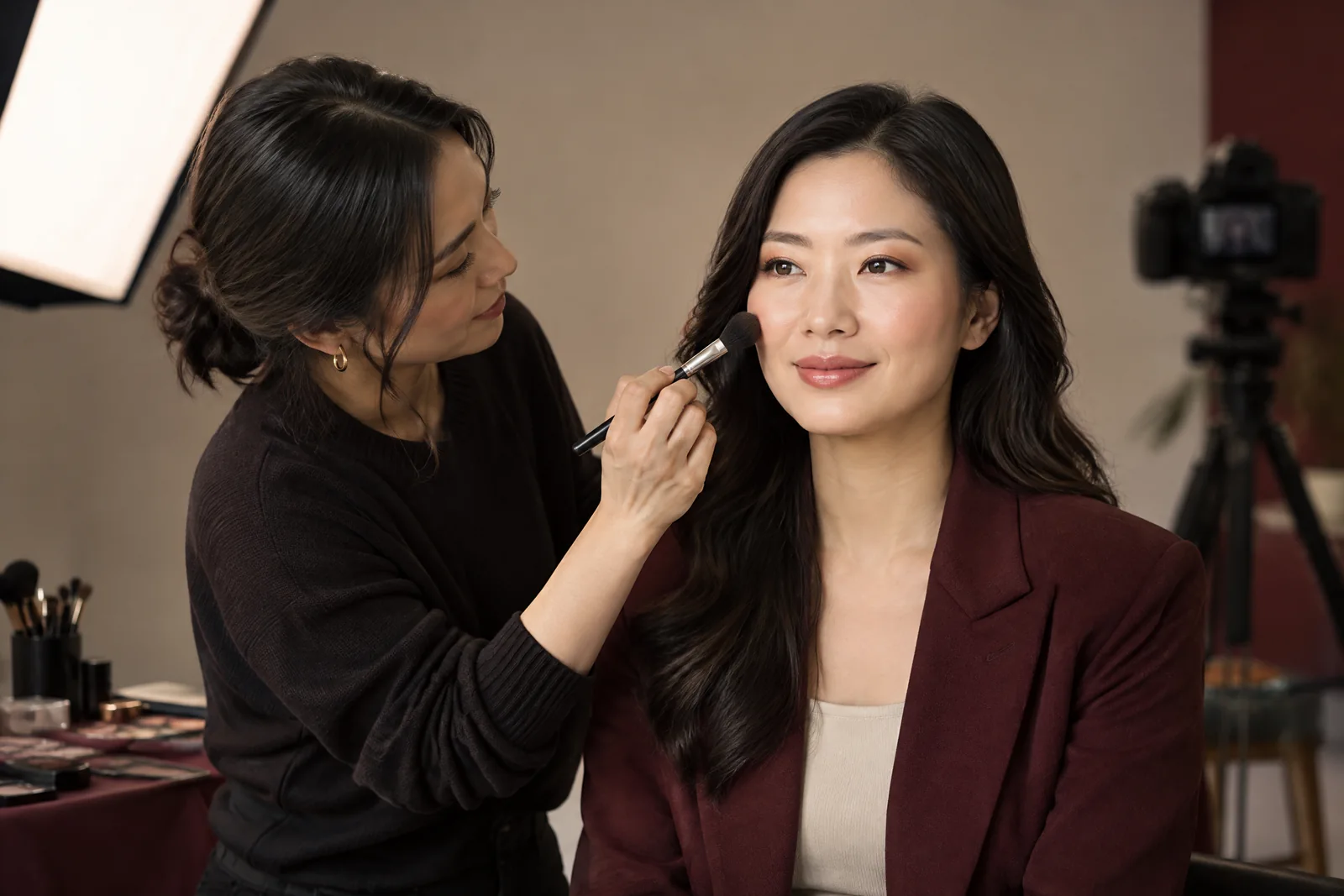
Treat the day as a sequence, not one appointment. A short interview may need preparation and a final camera check. A multi-scene film needs references, approved reset points and a handover plan. More coverage improves control, but it also needs clear access and downtime. Choose only the support your actual shot order needs, then confirm final timings and scope with the team.
Build a video production makeup workflow around scenes
Begin with the shoot sequence
Start by turning the shooting day into a simple makeup map. Mark arrival, preparation, camera rehearsal, breaks, wardrobe changes and final wrap. The plan should follow the real order of work, not the story order. An enquiry for film and video makeup Hong Kong is clearer when it names each filming block. It should also name every person requiring preparation. This lets the team discuss suitable support without assuming a standard full-day arrangement. It also shows which transitions might need a reset rather than a brief check.
Screen production often separates story order from shooting order. ScreenSkills describes a design role that breaks down scripts, records scene changes and tests looks with the camera department. [1] That logic helps even a compact corporate film. List the scene label, outfit, setting and expected condition of the look. This avoids treating a later close-up as though it follows the previous take. This method also gives wardrobe and camera teams a shared reference during later adjustments. [1]
Turn the brief into usable call times
Give every person one shared version
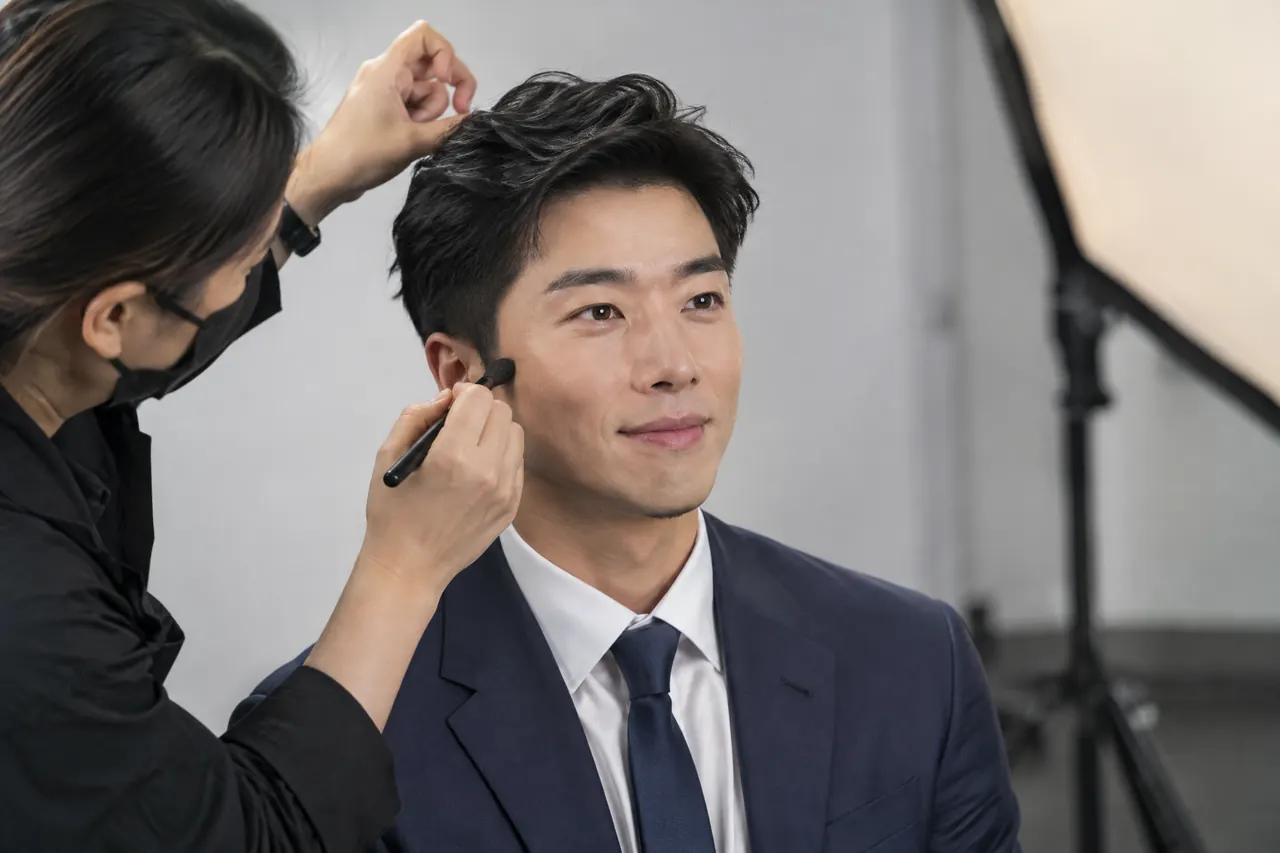
Send the producer’s working schedule before agreeing a call time. Include site access, the first frame needed, talent count, wardrobe order and the contact for changes. A media makeup artist Hong Kong brief is stronger when it separates preparation time from filming time. It should also state whether an artist needs access after the first setup. Those details prevent a vague arrival request from becoming an impractical day. Mention whether the same talent returns for pick-ups after another scene.
Name one person to confirm the makeup direction, particularly when brand, wardrobe and camera teams overlap. Share reference images alongside plain descriptions of finish, colour and feature emphasis. References show mood, while written notes identify what must remain stable. Ask whether glasses, facial hair, masks or close framing change the preparation needs. Clear choices before call time reduce last-minute debate in the chair. This gives each department a route for resolving uncertainty before cameras roll.
Call time should protect enough time for settling in, not merely application. Talent may arrive after traffic, fittings or equipment checks. Build in a modest buffer before the first planned camera look. Do not use the buffer to add an unapproved second direction. Use it for a calm review of comfort, wardrobe edges and the first lighting conditions. That distinction keeps preparation purposeful. It also protects time for a final approval before recording starts.
Prepare for the first camera look
Check the intended lighting before recording
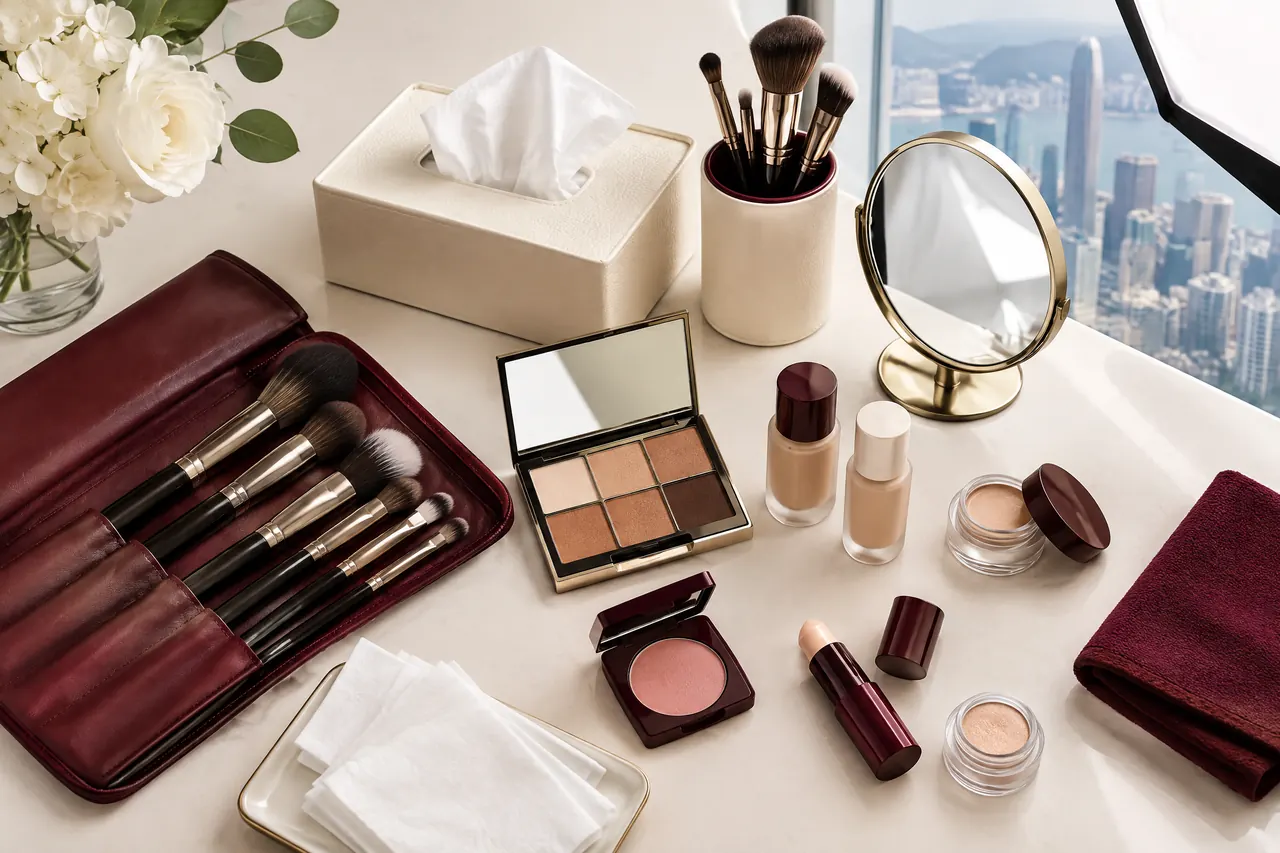
Makeup should be judged under the planned camera conditions when possible. Key West Video advises applying on-camera makeup in the shoot lighting, because different light can change how it appears. [2] Ask the camera team when a monitor check is possible. A monitor is more useful than guessing from a mirror alone. It can reveal shine, undertone shifts or texture that needs a small adjustment. Keep the check focused on the intended frame, rather than perfection in every light.
Arrange product preferences, sensitivities and removal needs before the day, rather than during a delay. Bring only information relevant to the performer and agreed look. For a media makeup booking, share the shoot format, dates, locations, talent numbers and expected refresh support. The booking discussion can then focus on scope. It should not promise products, staffing or availability until arrangements are confirmed. It also helps avoid unclear assumptions about transfers, waiting periods or extended access.
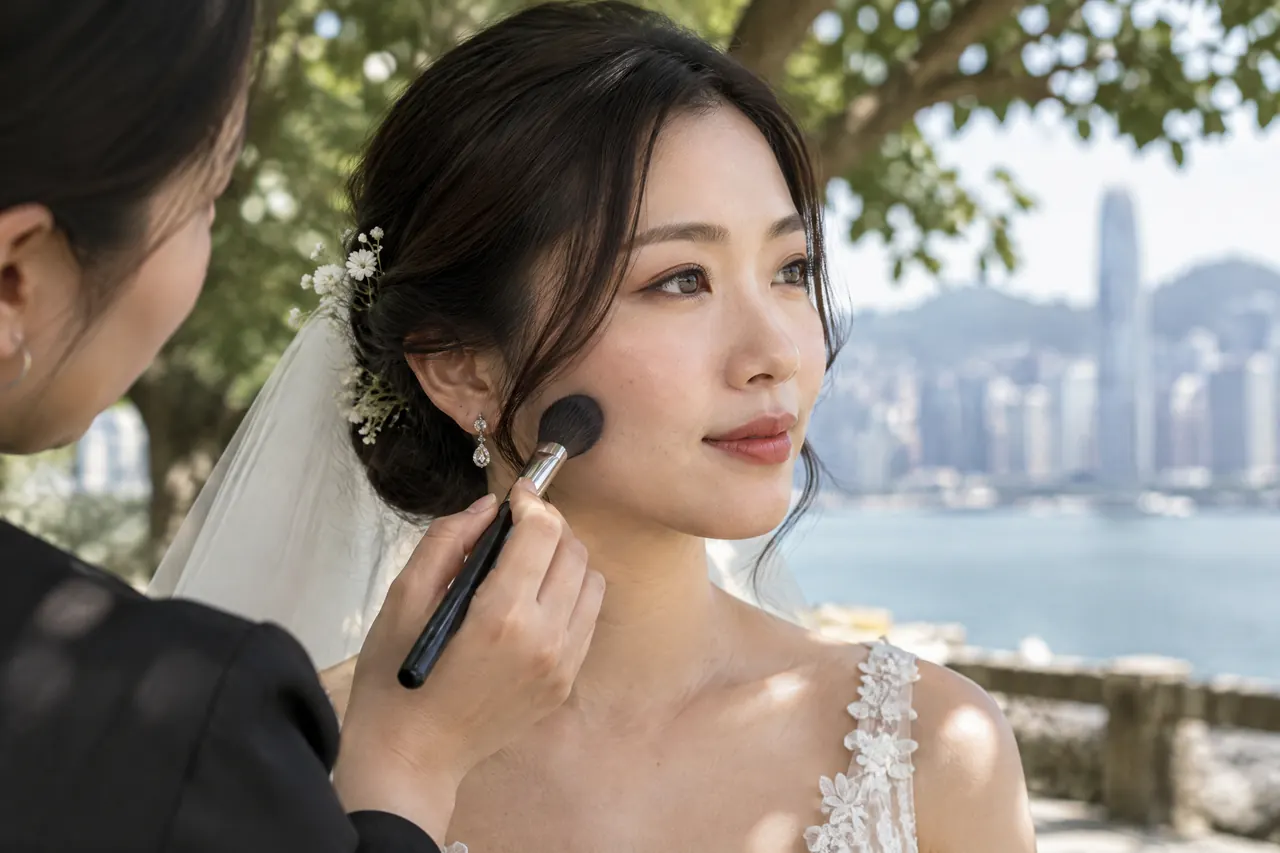
At the chair, confirm the approved reference before starting. Photographing a starting look may help the team review later scene resets. Keep permissions and file handling appropriate to the production. Note the finish, lip shade, brow balance and any deliberate details. Record wardrobe elements that touch the face or neck. These notes are practical prompts, rather than a substitute for an agreed creative direction. A simple front view and profile can make later comparison faster and calmer.
Record continuity without slowing the set
What a video production makeup workflow records
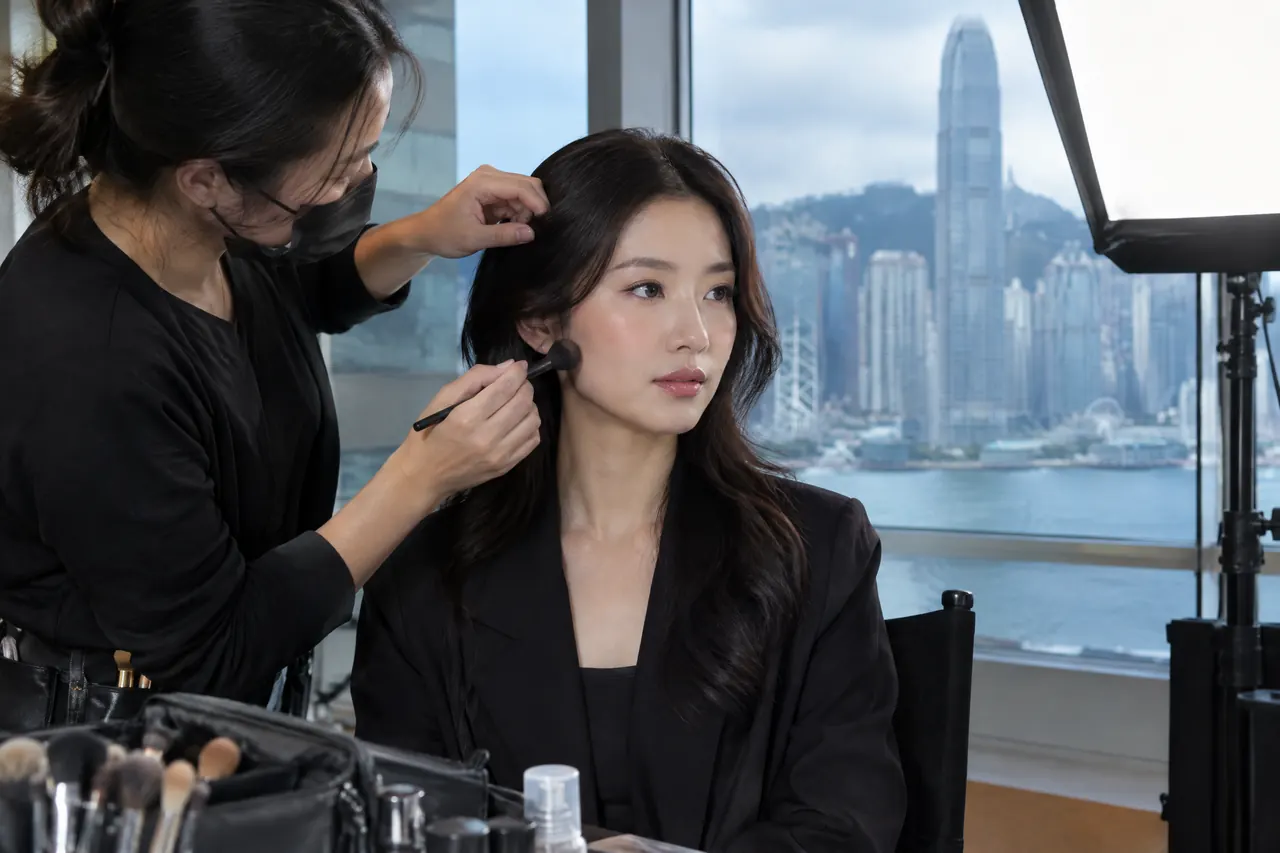
Continuity connects what the audience sees with what the schedule actually does. Scenes can be filmed out of narrative order, so the same moment may return after a break. Brushstroke Makeup Academy explains that reference photographs and written records help recreate a look across shots and later filming. [3] Use concise records that identify scene, outfit, camera setup and the approved appearance. This matters where separate takes later cut together as one uninterrupted moment. [3]
Keep the record easy to scan during a reset. A useful note states what changed, why it changed and who agreed it. Avoid collecting private details that do not affect the look. If the planned story calls for a deliberate change, mark the stage clearly. The aim is consistent intent, not an unnecessarily rigid face. A practical log lets the next scene begin with a specific visual reference. It also prevents intended changes from being mistaken for accidental inconsistencies.
Use the same headings for every scene, even on a short day. Consistent labels make handovers easier when people move between a studio floor and a nearby location. The table below shows a lightweight record. It is a planning example, not a fixed production form. Adapt it to the shot order, approvals and privacy arrangements already agreed by the production. Keep it available only to people who need it for the next action.
| Moment | Reference to keep | Check before filming | Handover note |
|---|---|---|---|
| First setup | Approved base, lips and brows | View on the intended monitor | Name the reference image |
| Wardrobe change | Face and neck edges | Check contact with clothing | Record any deliberate change |
| Return scene | Earlier scene appearance | Compare notes and reference | Confirm the correct stage |
| Location move | Current approved look | Plan the next check point | Identify the approval contact |

Plan shine checks and modest refreshes
Use pauses that already exist
Schedule quick checks at natural pauses, such as before a close-up, after a meal or after a location change. Bright, hot lights can increase sweat and oil, according to Key West Video. [2] That can show as shine on camera. Keep each check brief and specific. Blotting, selective powder and a lip review may be enough. Rebuilding the look without a reason can disturb continuity. This keeps attention on the frame that matters next. [2]
The best refresh plan respects the performer as well as the camera. Agree where checks can happen, who should be present and whether the performer needs a private space. Offer water and time to settle after heat or movement, when the production can allow it. Record any approved adjustment before the next scene. This supports a composed appearance without interrupting every take. Where conditions change, a brief reference can keep subsequent checks grounded.
Handover between scenes and locations
State the next action clearly
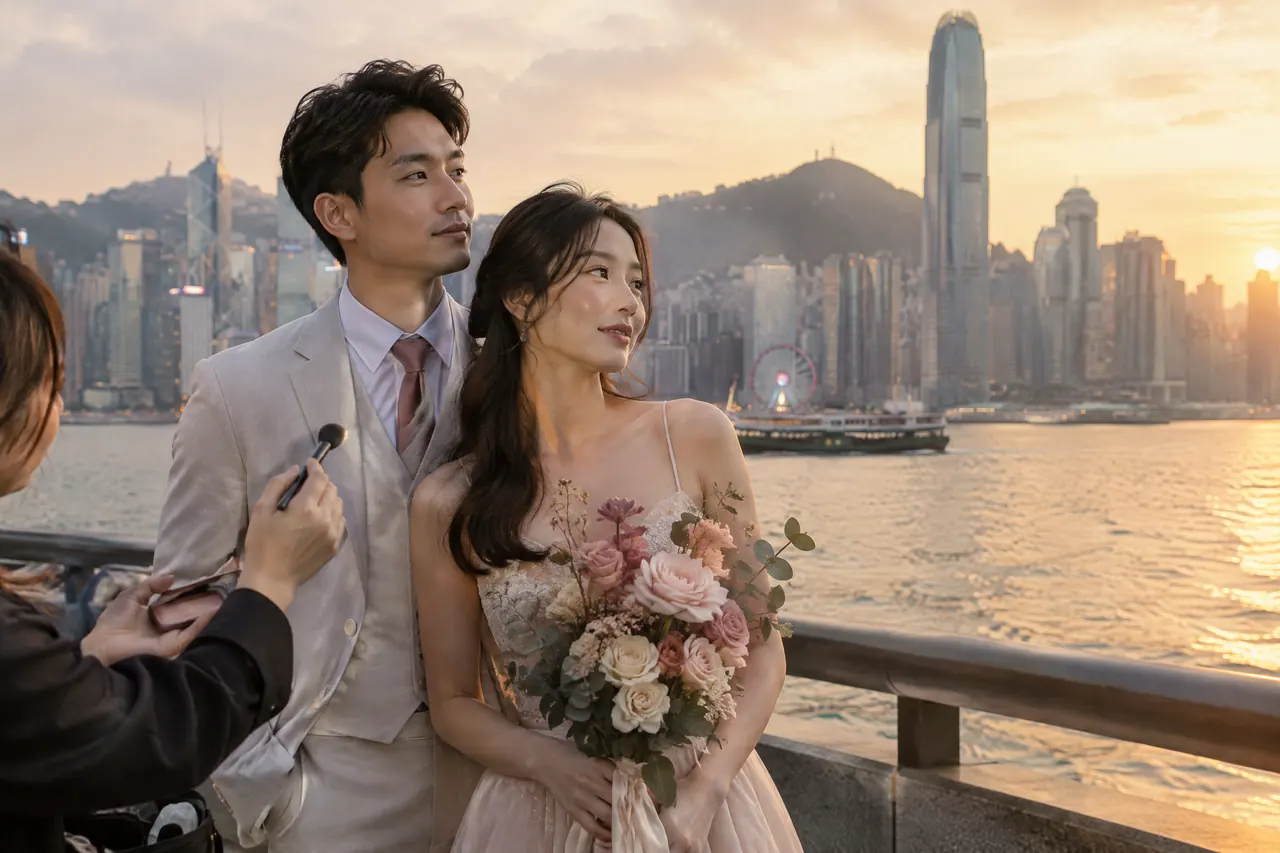
Handover becomes important when the next scene uses another setting, outfit or supporting team. State whether the next step is a touch-up, a reset or a fresh look. A fashion show makeup artist plan can offer a useful comparison. Backstage work also depends on sequence, clear references and quick communication when looks repeat. The same habits help a video day move cleanly between scenes. They help particularly when several talents follow one fast-moving sequence.
Confirm the coverage scope from the actual timetable rather than a label such as half day. A fashion makeup rates enquiry should include the call sheet, talent count, scene changes and expected on-set presence. Those factors help describe the work required. They do not set a price by themselves. Request a written confirmation of the agreed scope, timing and any changes before the shoot begins. It also makes later scope changes easier to identify and discuss.
Before a location move, complete a simple handover. Capture the current reference, note any planned change and identify the next check point. Pack only what is needed for the agreed coverage. The producer should know who holds the record and who can approve a variation. This avoids a situation where several people assume somebody else has the latest information. Use a labelled record instead of relying on recollection during a busy location transition.
Use a lean checklist before confirmation
Match support to the actual shot order
Before final confirmation, compare the call sheet with the makeup plan line by line. Check the ready-by time against the first camera setup, not the venue opening time. Confirm whether wardrobe changes create a new reference or just a small refresh. The following checklist gives producers and talent a practical starting point. Add only details that affect the agreed look, timing or on-set access. Remove superseded notes so the team can find the current decision quickly.
One compact interview might only need preparation, a camera check and a final review. A longer day may need scene records and planned refresh windows. The trade-off is simple. More ongoing coverage offers more chances to maintain the agreed appearance. Yet it also requires access, coordination and room in the shooting schedule. Choose the lighter option when the timeline genuinely supports it. Reserve the fuller plan for moments where visual continuity genuinely carries the story.
BigDeal Make Up can discuss practical makeup support for Hong Kong video enquiries. Send a concise run sheet, talent count, locations, first ready-by time and reference direction. Mention any planned scene changes or anticipated hot lighting. Customer service can then confirm normal arrangements for the proposed booking. This guide explains preparation questions only; it does not replace individual advice for skin conditions or product reactions. State any relevant preference early, so it can be considered within confirmed arrangements.
- First camera-ready time, not simply arrival time.
- Talent names, roles and individual preparation needs.
- Scene order, outfit changes and essential references.
- Lighting or monitor check arrangements before recording.
- Agreed refresh windows and a handover contact.
- Venue access, private preparation space and location moves.
Key takeaway
Choose ongoing support when the day contains multiple looks, long gaps, hot lighting or scene returns. Choose a shorter arrangement when one prepared look and limited checks match the shot order. The trade-off is not glamour against simplicity. It is control against time and access. A clear, modest plan is usually more useful than extensive coverage with no scheduled moments to use it.
Practical checklist
- Compare the first camera setup with every ready-by time.
- Share one approved reference direction before preparation begins.
- List scenes that return after breaks or location moves.
- Agree brief shine-check windows with the production contact.
- Record deliberate changes and the person approving them.
- Confirm access, private preparation needs and final handover details.
Frequently asked questions
How early should makeup be complete before filming?
Set the ready-by time before the first camera setup, allowing time for wardrobe and a monitor check. The amount of lead time depends on the brief. A simple interview and a multi-look campaign do not need identical planning. Confirm the actual sequence with the production team.
What should a continuity note include?
Include the scene label, outfit, current look, approved changes and a clear reference image where appropriate. Keep notes brief enough to use during a reset. Record only details that affect the visible result. The aim is a dependable prompt, not an exhaustive personal profile.
Are shine checks needed for every video?
Not every shoot needs repeated checks. Consider lighting, movement, shot length, heat and whether the talent returns to the same scene. One preparation session may suit a short controlled interview. A longer shoot can benefit from planned, brief check points.
When is a touch-up different from a look change?
A touch-up keeps the approved appearance consistent through blotting, powder, lip refreshment or small tidying. A look change deliberately alters the visual direction. Mention planned changes in the call sheet. They need separate timing, references and confirmation before they happen.
What information should a Hong Kong video enquiry contain?
Send the date, locations, talent count, first camera-ready time, shot sequence and reference direction. Mention wardrobe changes, expected lighting and any refresh support you may need. These details help customer service discuss a suitable arrangement. Final timing and availability require confirmation.
Sources
| Source | What it supports |
|---|---|
| Hair and make-up designer (Film and TV Drama) | ScreenSkills | ScreenSkills describes script breakdowns, scene-specific hair and makeup change notes, and camera test shots under different lighting conditions. |
| On-Camera Makeup Advice | Key West Video | Key West Video advises checking on-camera makeup through a shoot and notes that bright, hot lights can increase sweat and oil, causing shine. |
| Continuity in Film and TV Makeup: The Skill That Keeps You Booked | Brushstroke Makeup Academy | Brushstroke explains that screen scenes may be filmed out of order and that continuity photographs and written records help recreate looks across shots and later filming. |
Discuss your own makeup plans
For a Hong Kong video enquiry, WhatsApp +852 6918 3153 with your call sheet, talent count and first camera-ready time.
Ask on WhatsApp +852 6918 3153