
At a glance
A useful route begins with a clear brief, then develops camera awareness, styling judgement, and collaborative habits. Editorial practice tests concept and visual mood. Commercial practice tests clarity and consistency. Fashion shoots reveal small camera-facing choices, while runway exercises test pace across a shared direction. Select a course by the gap you need to close. Build a small sequence of practice briefs before expecting a broad portfolio.
Map your editorial fashion makeup pathway from the brief
Why an editorial fashion makeup pathway needs a purpose
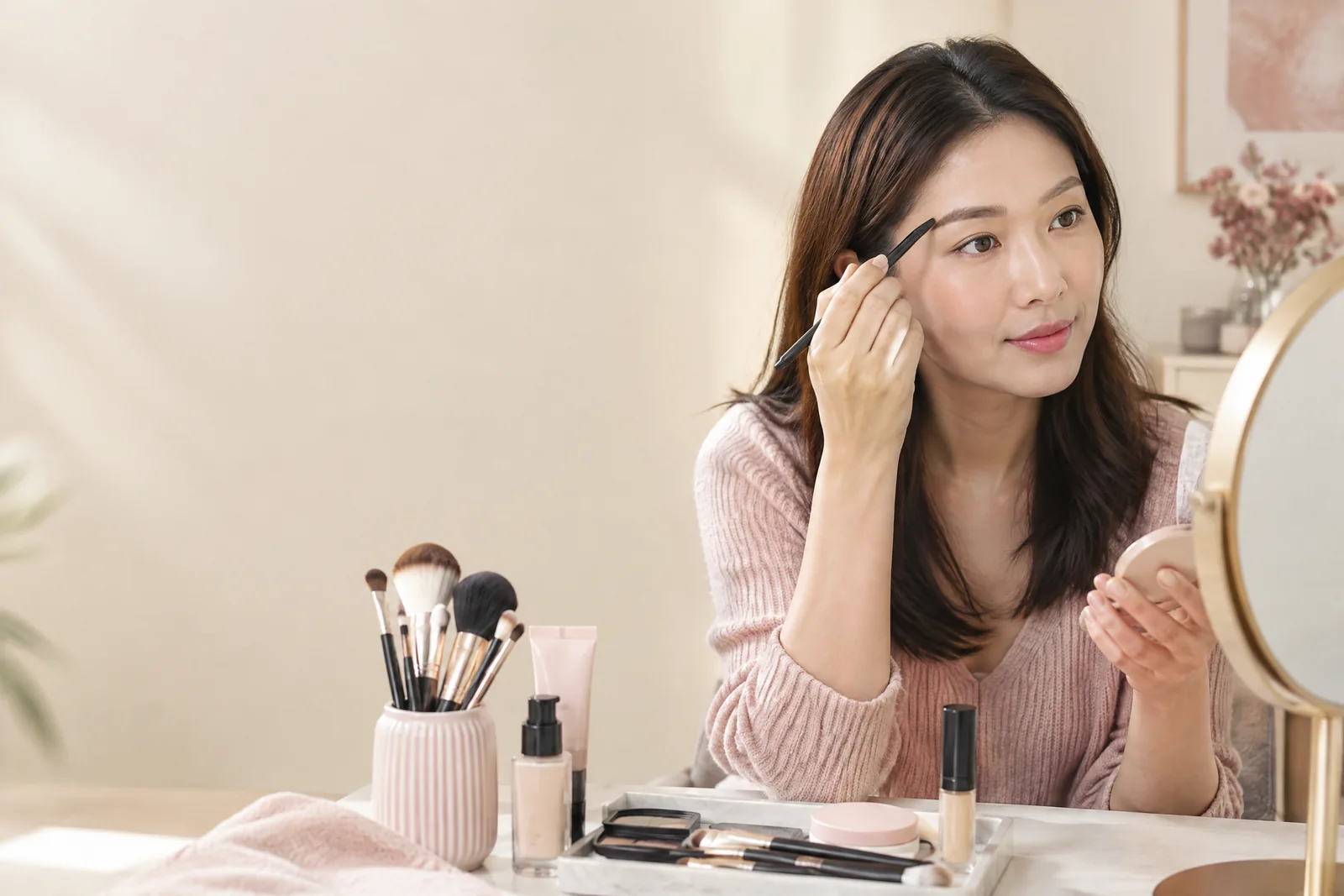
Begin by naming the image's job before collecting references. An editorial image usually develops a visual idea, mood, or story. A commercial image usually needs a product, brand, or service message to remain clear. The editorial versus commercial makeup course distinction helps prevent a vague creative aim. Choose the dominant purpose first, then judge which technical exercises will support it. AACM describes editorial makeup as conceptual work shaped for fashion narratives and photography. [2] [2]
That distinction does not make one direction more serious than another. It simply changes what success looks like during practice. Editorial work can prioritise an unexpected colour, texture, or silhouette. Commercial work often asks for recognisable skin, product visibility, and repeatable continuity. A learner may enjoy both, yet still benefit from choosing one brief for each practice session. Clear limits make feedback more useful and comparisons less confusing.
Write one sentence that explains the viewer, image purpose, and desired feeling. Add the intended framing, from beauty close-up to full-length fashion image. Then note whether wardrobe, jewellery, hair, or a prop should lead the visual idea. This short brief stops makeup from becoming a collection of unrelated techniques. It also gives collaborators a practical point for agreeing priorities before brushes and products appear.
- Name the image purpose before choosing colours.
- State the expected framing and viewing distance.
- Decide whether makeup supports clothing or leads the concept.
- Keep one visual priority for the first practice attempt.
| Brief type | Primary makeup focus | Useful team question | First practice aim |
|---|---|---|---|
| Editorial image | Concept and visual mood | What story should the face support? | Translate one mood into controlled colour and texture. |
| Commercial image | Clarity and continuity | What message must remain immediately clear? | Keep the product or brand emphasis legible. |
| Fashion shoot | Camera detail and styling balance | Which frame will be used most often? | Check decisions through the proposed camera view. |
| Runway presentation | Consistency and pace | What must remain consistent across the line-up? | Practise a repeatable sequence with planned checks. |
Build camera awareness through fashion-shoot practice
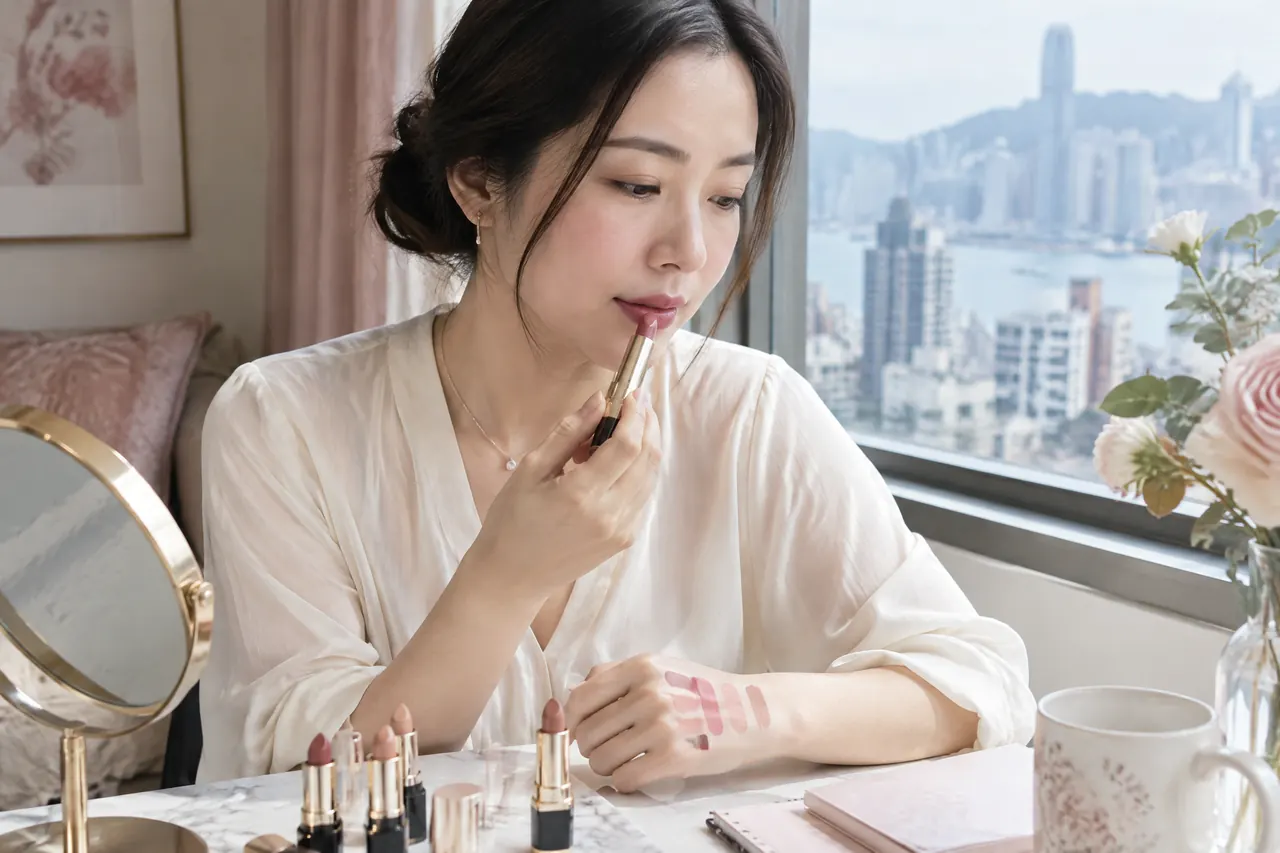
A makeup for fashion shoot class can be useful when you need feedback on close viewing and planned lighting. Start by asking how the final images will be used. A tight beauty frame notices skin texture, edges, and small colour shifts. A wider fashion frame may give wardrobe and posture more visual weight. Bring the proposed framing into practice, rather than judging every look only in a mirror.
Take reference photographs under the agreed light whenever possible. Compare the image with the brief, not with an unrelated online look. Check whether the base reads as intended and whether feature placement survives the angle. Notice where shine, powder, liner, or lip colour changes the visual balance. Keep concise notes after each attempt, because memory becomes unreliable once several variations look similar.
Photography practice is most useful when it includes a reasoned adjustment. Change one relevant factor, then photograph again from the same position. For example, refine the lip edge or alter the strength of cheek colour. Avoid changing every feature at once. That approach shows which decision affected the frame and helps you build repeatable judgement for later briefs. It also reveals useful visual patterns.

Separate shoot detail from runway pace
A fashion shoot makeup class is a sensible comparison point when you are deciding between image detail and live presentation. Fashion shoots can allow measured checks between frames. Runway work may require a shared direction across several faces within a limited preparation period. Neither setting should be treated as a shortcut. Each develops a different combination of observation, preparation, and calm decision-making.
For a shoot, practise translating a small reference detail without losing the overall mood. Consider how texture, symmetry, and colour placement appear from the camera position. For a runway exercise, practise a concise sequence that maintains the agreed direction. Build enough flexibility for a change in wardrobe or hair. The aim is not to rush. It is to make deliberate choices while the sequence remains organised.
Ask how the group will review the finished look. A photographer may focus on framing and reflected light. A stylist may assess the relationship with clothing and accessories. A show team may need consistency across models. Listening for these different concerns develops useful set awareness. It also keeps the makeup artist from assuming that one mirror view answers every question.

Use styling to strengthen the image direction
Connect face, wardrobe, and visual story
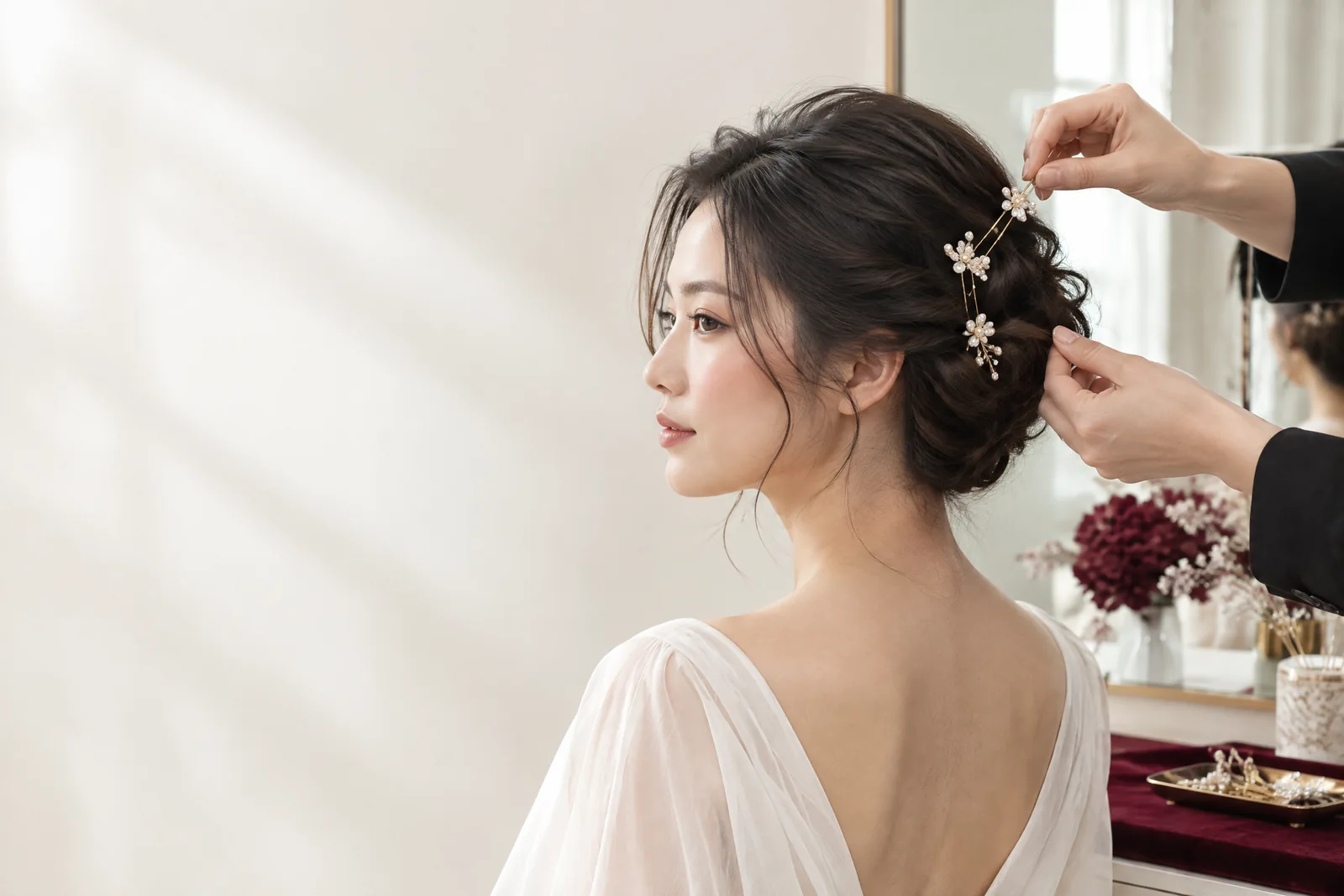
The phrase fashion image styling certificate Hong Kong may appear during course research. Treat it as a prompt to inspect actual content, not proof of any particular award. Styling awareness helps a learner read fabric, accessories, hair, and posture as parts of one image. A dramatic eye can compete with a strong neckline. A restrained lip can sometimes let an unusual garment take the lead.
Start each styling discussion with a small visual map. Include garment colours, fabric surface, jewellery scale, hair shape, and the setting. Then identify one element that makeup should echo or offset. A glossy lid might relate to a polished accessory. A muted cheek might preserve attention for patterned clothing. This is a creative judgement, so explain the choice in words before testing it on a face.
Do not assume styling means copying a finished inspiration image. References show atmosphere, proportion, and material relationships. They rarely reveal every practical decision behind the result. Ask what should remain familiar and what may become more experimental. This protects the concept from imitation and helps create a portfolio image with a clear point of view. It also avoids a merely decorative result.

Choose a learning format by the questions you need answered
Use fashion makeup course fees Hong Kong as a starting point for a scope comparison. Assess published scope against your immediate practice gap. Do not choose only by the total hours. Ask which briefs are examined, how feedback is given, and what preparation is expected. Confirm practical arrangements directly with customer service before enrolling. That conversation should clarify the current format, materials, and any proposed practice components.
A compact introduction may suit someone who needs a first camera-aware exercise. A longer specialist route may suit someone who wants repeated brief interpretation and a broader range of settings. Neither route automatically replaces independent practice. Match the format to the skill you need next, such as colour decisions, clean base work, speed, or collaboration. Then set aside time to repeat the relevant technique after the session.
Bring three questions to every course enquiry. First, ask what a learner can practise during the scheduled time. Next, ask how the course treats camera, runway, or styling differences. Finally, ask what you should prepare beforehand. Specific questions make it easier to decide whether the course advances your current route. They also avoid assumptions about dates, inclusions, or individual results.

Plan portfolio practice as a sequence of briefs
Use a fashion makeup or editorial course comparison to identify the images you want to practise. Do not decide only from a course label. Build a small sequence of self-directed briefs after foundational study. Start with a controlled beauty image, then try a wardrobe-led fashion idea. Later, introduce a tighter timetable or a more complex team discussion. Each brief should show one new judgement, rather than many disconnected effects.
Published editorial guidance recommends aligning references with photographers, stylists, and creative direction before a shoot. [1] Use that principle for practice collaborations as well. Share a concise mood board, the image purpose, and the decision that must remain consistent. Discuss consent, timing, and how images may be used before beginning. Good preparation supports clear communication without turning a practice session into a promise of paid work. [1]
When selecting images, favour clarity over quantity. Keep the frames that reveal a deliberate relationship between the face and the brief. Add a short private note about lighting, makeup choices, and changes made during the session. Those notes are for learning, not public claims. They make it easier to identify gaps and to choose the next practice brief with intention.
Use targeted refreshers to close a specific gap
A makeup refresher course price is meaningful only after you identify the precise skill that needs attention. You may need stronger colour placement, cleaner blending, a camera-aware base, or a better way to read a brief. A focused refresher can make sense when fundamentals exist but one decision repeatedly slows you down. Confirm the current theme and practical arrangements before you commit to a format.
Make a short review after each creative exercise. Note what matched the original aim and what did not translate. Separate technical issues from concept issues. A poorly placed highlight is different from a brief that lacked a clear focal point. This distinction guides the next step. You may need technique practice, a clearer reference process, or collaborator feedback. Use each review to choose one focused action.
Your pathway can move between editorial, commercial, fashion-shoot, and styling exercises over time. The useful trade-off is depth against variety. Repeating one type of brief builds control, while varied briefs test adaptability. Choose depth when one skill remains uncertain. Choose variety when your fundamentals are stable and you need to understand how creative decisions change with the image purpose. Allow the brief, rather than novelty, to set the next decision.
Key takeaway
Choose editorial practice when you need stronger concept and image storytelling. Choose commercial practice when clarity and continuity matter most. Fashion-shoot practice helps you judge small camera-facing details. Runway practice develops pace and consistency. The practical trade-off is between deep repetition of one brief type and wider exposure to several settings.
Practical checklist
- Write a one-sentence brief before choosing references.
- Name the intended image framing and lighting direction.
- Choose one feature that carries the visual idea.
- Photograph one controlled adjustment during practice.
- Ask course questions about feedback and practical arrangements.
- Review the next skill gap before choosing another format.
Frequently asked questions
Should I start with editorial or commercial practice?
Start with the image purpose that most interests you, then build a small controlled brief. Editorial practice develops concept decisions. Commercial practice develops clarity and continuity. Trying both is useful after you can explain why each brief needs different visual priorities.
What should I include in a first fashion-shoot brief?
Include the image purpose, intended framing, key wardrobe details, lighting notes, and one visual priority. Add a few references, rather than an overwhelming collection. State which element should lead the image. This gives every collaborator a practical basis for discussion.
Do I need styling knowledge for editorial makeup?
You need enough styling awareness to see how makeup relates to clothing, hair, accessories, and setting. That does not require doing every role yourself. It means asking useful questions and making choices that support the agreed image direction.
How can I judge whether a course suits my next step?
Identify one gap before you enquire. Ask how the format handles briefs, feedback, camera considerations, and independent preparation. Compare that information with your actual practice needs. Confirm current practical arrangements with customer service, rather than assuming listed details apply to every date.
Sources
| Source | What it supports |
|---|---|
| Editorial Makeup Workflow: From Concept to Runway | The source recommends aligning mood boards and expectations with photographers, stylists, and creative direction before shoots. |
| Fashion & Editorial Makeup: How to Break Into the Industry | The source distinguishes editorial makeup as conceptual work supporting fashion narratives and photography. |
Discuss your own makeup plans
For a focused pathway discussion, contact BigDeal Make Up on WhatsApp at +852 6918 3153. Share your current skills, intended images, and questions.
Ask on WhatsApp +852 6918 3153