
At a glance
Choose a familiar outline, rehearse your ordinary drying method and tell each provider what needs confirming. Glasses, the portrait slot and your journey deserve more attention than a dramatic reference photo. If your everyday style already works, keeping it unchanged may be the most practical option.
Build a conference headshot hair routine around you
How close should the portrait look to an ordinary workday?
Begin with a recent, unfiltered photograph taken after your usual morning routine. Pick one that shows your parting and the outline around your face. Add a short note about your role and where the portrait will appear. A speaker profile and an internal staff directory may have different framing needs. Neither automatically requires a fashionable new style. Your first decision is what should remain recognisable when colleagues meet you in person.
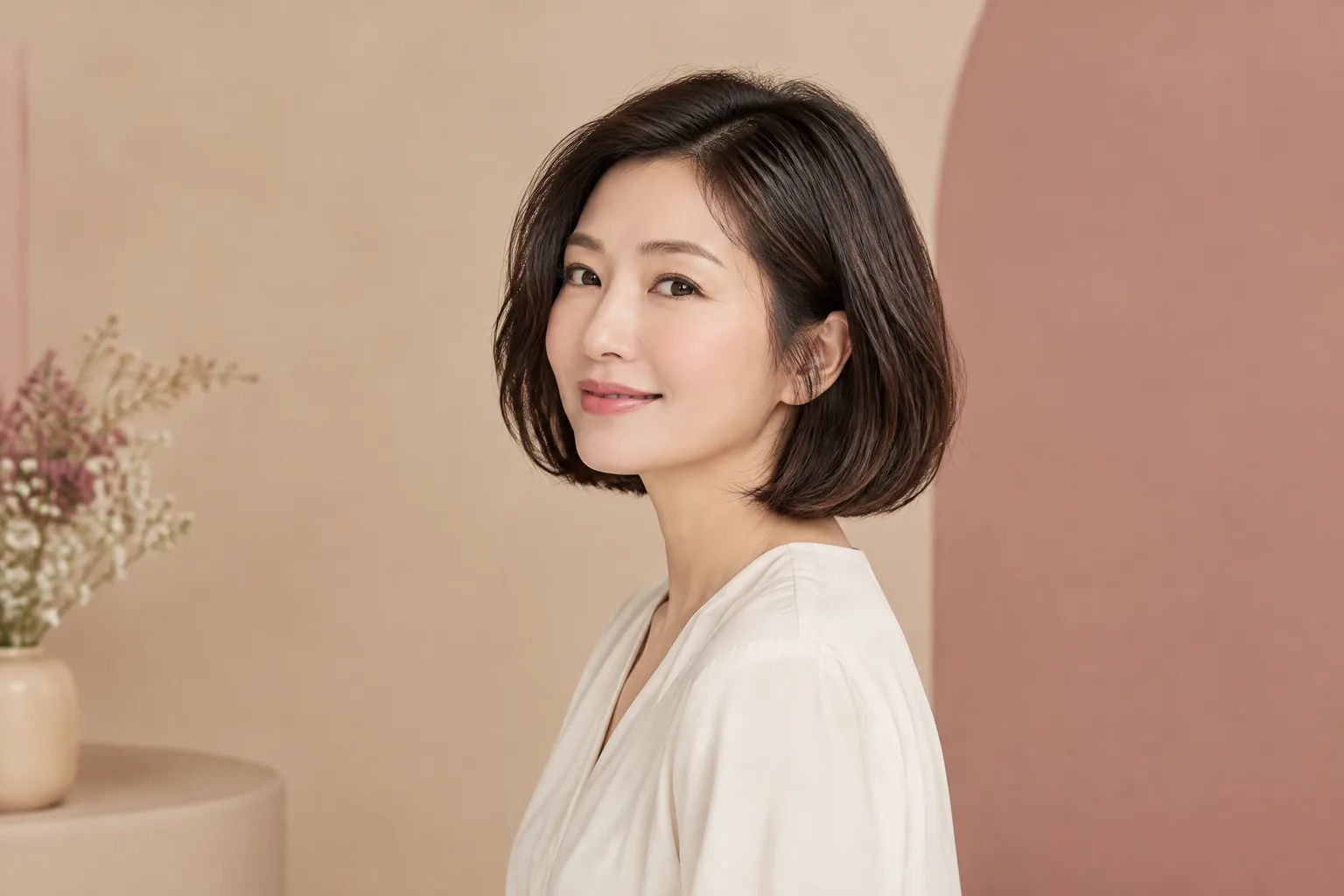
Separate familiarity from a perfectly controlled finish. You might keep your usual waves while moving one strand away from an eye. Alternatively, retain your side part rather than copying a centred reference that feels unfamiliar. Describe the change as a small adjustment, not a complete transformation. Consider whether you would willingly wear that shape to an ordinary meeting. If not, ask why it belongs in a portrait representing your working identity.
The business headshot makeup page is a relevant starting point for discussing the portrait makeup brief with BigDeal. Send your everyday reference alongside the event date and intended image use. Explain whether you want a restrained finish or more visible definition on camera. Ask which preparation or styling arrangements can be included in your enquiry. Reading a service page does not confirm an appointment, an event location or separate salon work.
Before deciding on a finish, ask the organiser how the portrait session fits into the conference. Establish whether it is an individual appointment or a queue between sessions. Check the required crop, background and delivery arrangements with the photographer. These answers help you choose what is worth preparing beforehand. A close crop may make the front outline especially relevant. It still does not mean every strand needs reshaping for the whole day.
- Keep: your familiar parting, preferred coverage and ordinary work identity.
- Adjust: only the details you can name and comfortably repeat.
Tell a stylist what your routine cannot accommodate
Which maintenance steps are unrealistic at home?
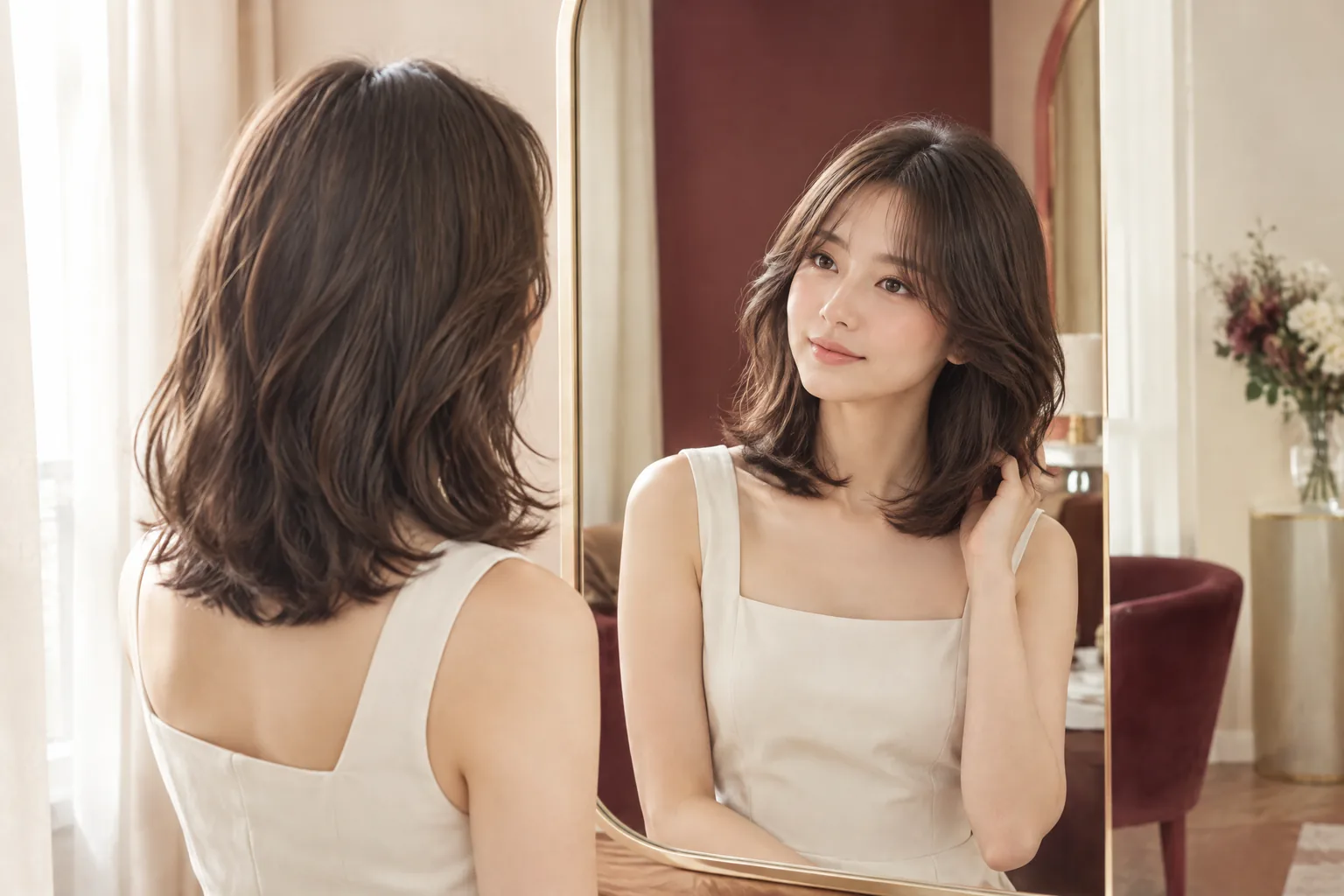
Write down what you actually do after washing, rather than what you could do with unlimited time. Distinguish drying your hair from shaping the front with a brush. Say which products you already use and which tools stay in a drawer. If you normally leave the back untouched, make that clear. An honest account makes a consultation more useful than promising to adopt a lengthy routine solely for one conference photograph.
Give practical boundaries alongside the reference image. Perhaps you need enough length to tie back during your commute or exercise. Perhaps hair tucked behind your ears is essential when wearing a headset. Show where your glasses meet the fringe and which loose pieces bother you. Ask what can be retained before asking what can be removed. For a lasting change, consider whether its upkeep remains manageable after the event has passed.
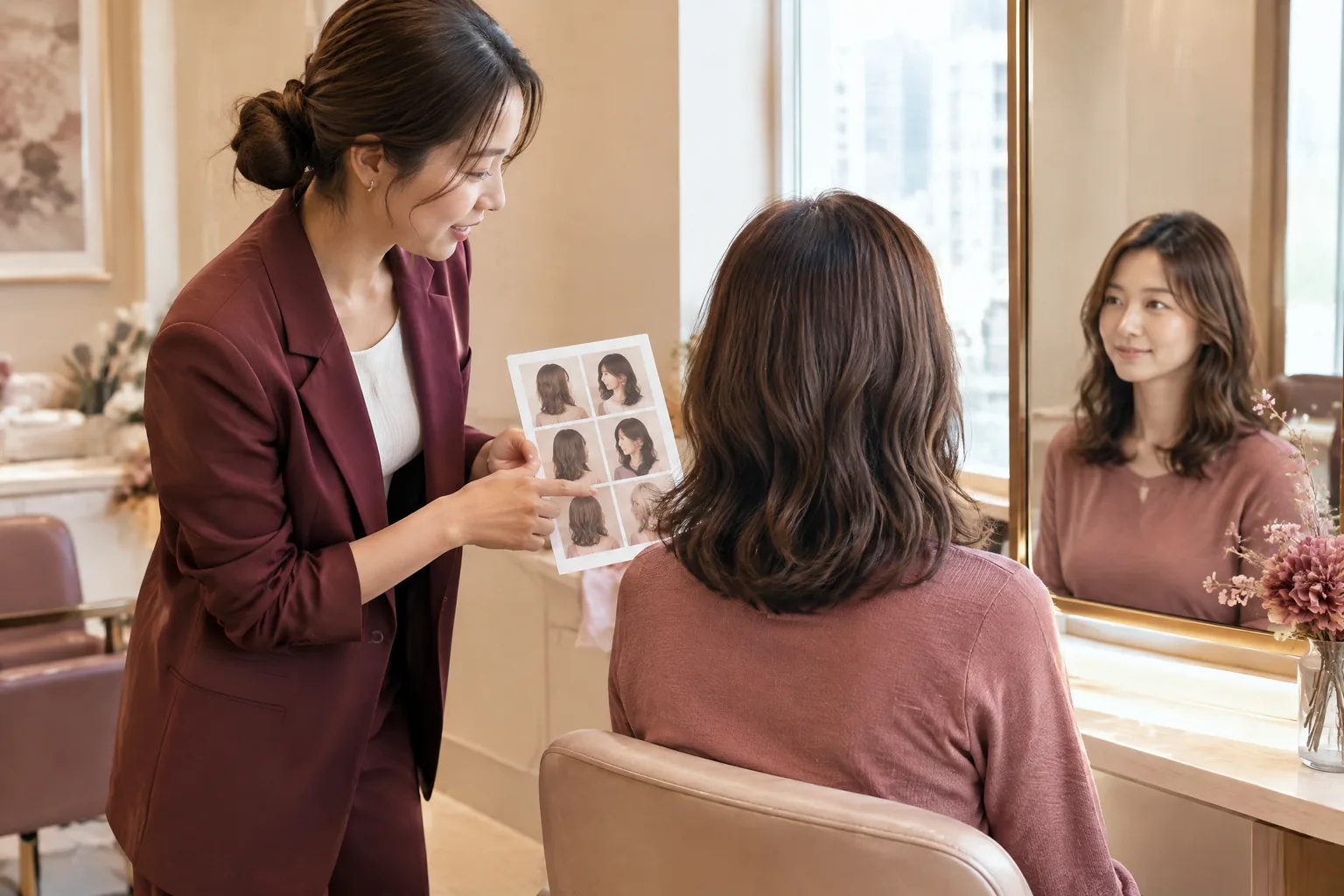
Vitso Hair's hair stylist information starts with your existing hair, priorities and everyday habits. Use it to prepare a separate salon enquiry if the outline genuinely needs changing. Bring photographs showing your normal drying method, not only a professionally finished reference. Ask about the proposed work and visit arrangements directly. This is relevant salon reading. It does not turn your BigDeal makeup enquiry into confirmation of a haircut or other hair service.
The American Academy of Dermatology recommends air-drying when possible and using the lowest heat setting when using heated tools. It also advises limiting contact with hot combs or curling irons. For this portrait plan, avoid treating repeated high-heat reshaping as an essential preparation step. If your usual finish needs extensive heat work, discuss a simpler temporary option. This general care advice cannot determine which haircut will suit your individual hair. [1]
Keep low-maintenance claims conditional
Does a reference cut still require styling time?
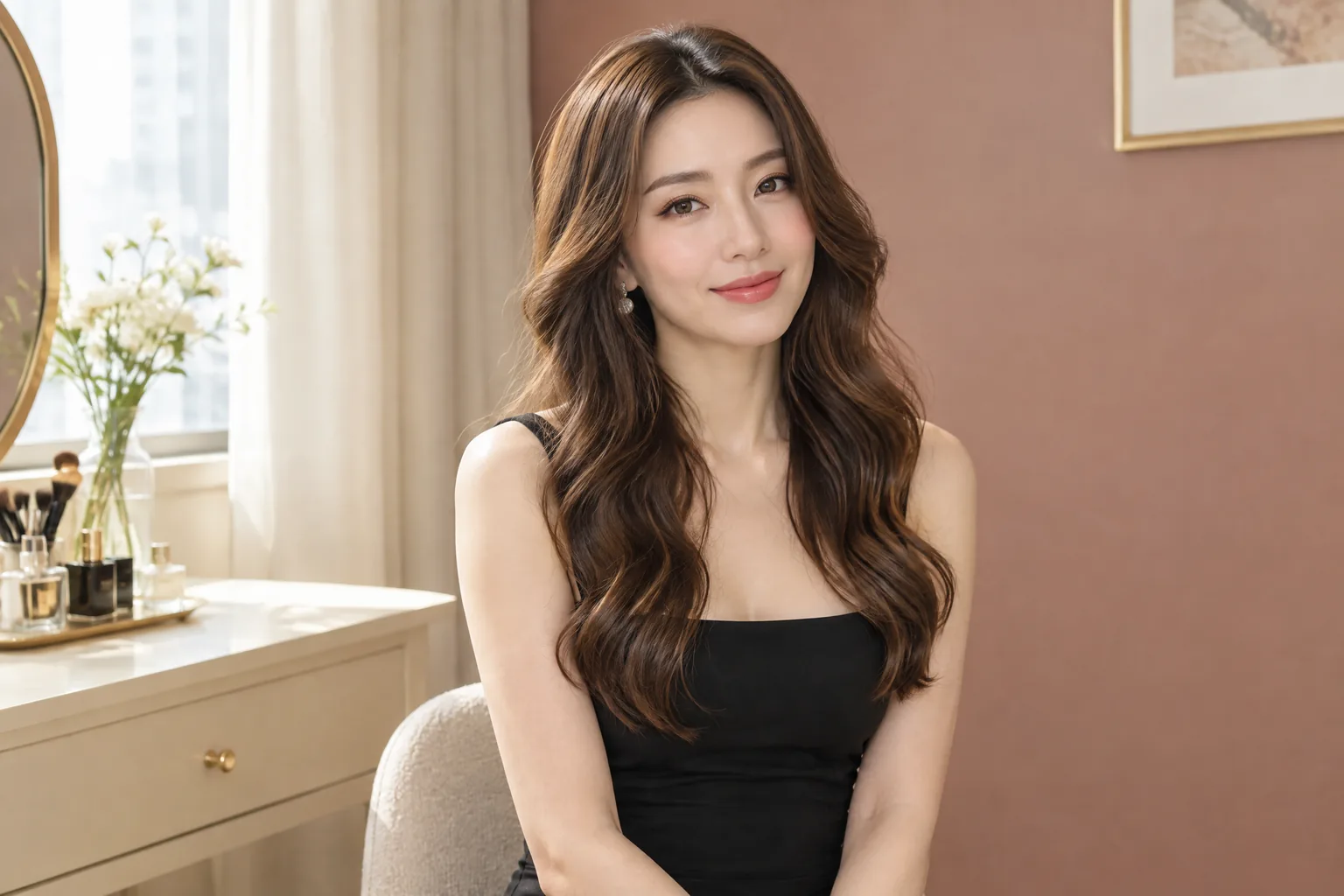
A shorter reference is not automatically easier to manage. Less length may leave less hair to dry, while a defined fringe still needs positioning. Ask how the photographed finish was created and which parts depend on tools or products. Compare that answer with the routine you described. The useful question is not whether the cut sounds convenient. It is which tasks would disappear, remain or be added in your own mornings.
Rehearse the familiar version before committing to a new one. Follow your ordinary washing and drying sequence, then wear the hair through a typical journey. Notice the front, crown and sides separately rather than judging the whole head as a failure. Record the single adjustment you wanted to make afterwards. This is a personal planning exercise. It does not prove that any product or haircut will perform throughout a conference day.
The haircut for a busy lifestyle guide separates drying effort, shaping effort and the frequency of trims. Use those distinctions when weighing a salon change against keeping your current outline. Ask what a manageable finish would involve without a straightener, if you do not normally use one. Also ask which growth changes would prompt another visit. The guide offers consultation questions, not a promise that every reference can become a wash-and-go result.
Make the trade-off explicit when a style suits the photograph but not your schedule. A carefully shaped fringe might be acceptable for one portrait if temporary styling can be arranged. The same fringe might be inconvenient as a lasting cut requiring regular attention. Keep these as separate decisions. You can choose a neater finish for the camera while declining a permanent change. Neither choice needs to be justified by chasing an ideal reference.
Plan for glasses and an individual portrait
Which photographic details change the makeup brief?
If you usually wear glasses at work, bring the pair you want represented in the portrait. Try them with your chosen parting and outfit neckline before the day. Check whether the fringe rests on the frame or moves when you turn your head. Tell the makeup provider how you intend to wear them. Removing your usual glasses simply to copy a reference can change the impression you wanted to preserve.
Digital Photography School's tutorial identifies the position of lights and reflectors as a key issue when managing spectacle reflections. Ask the photographer for a lighting check with your glasses on. Do not expect extra eye makeup to remove reflections from the lenses. The photographer may need to adjust the setup for your position. A brief check is a practical request, not a guarantee of glare-free pictures under every conference lighting arrangement. [2]
The actor headshot makeup Hong Kong page offers another portrait-related service enquiry route if its scope matches your individual brief. An attendee does not need an acting-style session merely because they wear glasses. Explain the actual image use and ask whether that page is appropriate for your needs. Keep the request grounded in your conference portrait. Confirm the relevant makeup arrangements rather than assuming a different service label includes additional photographic or hair work.
If there is time for more than one frame, ask whether a small variation is possible without rebuilding your appearance. You might compare hair tucked behind one ear with your usual loose outline. Let the photographer guide any position changes instead of forcing an unfamiliar pose. Avoid arriving with a long list of looks for a short portrait slot. One recognisable finish and one optional adjustment are often a more manageable brief to discuss.
Separate salon spending from conference photography
What can the salon price resource actually clarify?
Decide whether you are buying a lasting hair change, a temporary finish or no salon work at all. Those choices should not be hidden inside a general portrait preparation budget. Keep the hair enquiry separate from makeup and photography confirmations. Ask each provider what their quoted scope includes. Shared ownership between brands does not establish a combined package, coordinated appointment or single payment arrangement. Confirm anything you need rather than assuming it follows.
For salon work, describe the current length and the change you are considering before asking for an applicable quote. Distinguish a refresh of your existing outline from a restyle. Ask whether washing, drying and the requested finish are covered. If extra work is proposed, request its scope before deciding. You can decline a colour or chemical change when it does not serve your portrait goal. Suitability for those procedures needs an individual salon discussion.
Vitso Hair's hair salon price list distinguishes fixed entries, ranges, starting charges and separate options. Read the applicable entry and ask which inclusions and additional charges apply to your request. A package name alone does not establish that every desired step is covered. This resource can inform your salon questions without setting your final total. It does not quote BigDeal makeup or the conference photographer, and it cannot confirm appointments across the brands.
Compare proposed spending with the problem you first identified. If the main concern is a loose front section, an extensive change may not be necessary. If the current cut is difficult every morning, a salon consultation may be worthwhile beyond this event. Keep the no-change option in your comparison. Your decision should reflect daily usefulness as well as the photograph. The table below separates the confirmations that belong to each part of the plan.
| Decision | Who to ask | What to confirm |
|---|---|---|
| Keep everyday hair | Your makeup provider | Whether any temporary grooming is requested and within scope |
| Change the cut | The salon | Retained length, home routine and the applicable quote |
| Wear glasses | The photographer | A lighting check and any available portrait variations |
| Book preparation | Each relevant provider | Timing, location, inclusions and separate appointment confirmation |
Keep the on-camera plan within scope
Who confirms your conference headshot hair routine?
Prepare one short note containing the event date, portrait timing and your familiar reference photograph. Add the details that affect your appearance, including glasses and the outfit neckline. Share the relevant parts with each provider rather than expecting information to pass between them. Keep written confirmation of any agreed preparation. The organiser should confirm the conference schedule, while the photographer should confirm the portrait setup. Neither conversation replaces a makeup or salon service confirmation.
Build the morning around your normal routine before adding optional tasks. Allow time for your journey and any confirmed preparation appointment. If you want a moment to check your hair after arrival, ask where and when that is practical. Pack only familiar items you know how to use. Avoid relying on an unconfirmed touch-up station or a last-minute salon visit. The backup plan should work even if you keep your everyday hair completely unchanged.
The professional makeup for photoshoot Hong Kong page can help frame your BigDeal enquiry. Discuss the makeup and styling arrangements you need. Specify that this is a conference portrait, not a request for a new haircut. Ask which elements can be arranged and what preparation is required. Obtain separate confirmation from Vitso Hair if you want salon work. A portrait service description should not be read as permission to assume chemical procedures or lasting hair changes.
Finish by choosing a clear fallback rather than several competing looks. Your fallback might be the usual parting with the front secured in a familiar way. Tell the makeup provider and photographer which features you want to retain. If a suggested adjustment feels unlike you, say so before the portrait begins. The useful outcome is a photograph you are comfortable using after the conference. Avoid choosing an appearance you would dislike wearing at your next meeting.
Key takeaway
A conference portrait should connect the person in the programme with the person attending the room. Spend preparation effort on recognisability and workable logistics first. A temporary camera-ready finish and a lasting haircut answer different needs; you can choose the former without committing to the latter.
Practical checklist
- Choose a recent unfiltered photograph showing your normal workday hair.
- Name one adjustment and the features you do not want changed.
- Describe actual drying, tools, products and tie-back needs for any salon enquiry.
- Confirm glasses, crop and portrait timing with the photographer or organiser.
- Keep makeup, salon quotes and appointment confirmations separate.
- Choose an everyday no-change fallback you can manage yourself.
Frequently asked questions
Should I get a haircut just for the conference portrait?
Not automatically. Identify what is wrong with the current outline first. If you like your everyday hair, discuss temporary grooming instead. A lasting cut makes more sense when its maintenance also fits life after the event.
How far ahead should I change my usual style?
There is no universal interval. Ask the salon about the proposed work and allow a chance to practise its home routine. If your schedule leaves no room for that, retaining your familiar style is a reasonable option.
Can I keep my glasses on for the headshot?
Tell the photographer that glasses are part of your everyday appearance. Bring your intended pair and request a lighting check. Whether the available setup accommodates your preferred result must be confirmed; makeup cannot remove lens reflections.
Does a BigDeal makeup enquiry also reserve Vitso Hair?
No combined reservation should be assumed. Discuss makeup arrangements with BigDeal and obtain a separate salon confirmation for any hair service. Check the timing and inclusions of each before planning your conference morning.
What if the portrait is scheduled after several conference sessions?
Ask the organiser about timing and any practical preparation space. Choose a familiar finish you can check with your usual tools. Confirm any professional touch-up arrangement separately rather than relying on it being available at the event.
Sources
| Source | What it supports |
|---|---|
| 10 hair care habits that can damage your hair — American Academy of Dermatology | The AAD recommends air-drying when possible, the lowest heat setting and limited contact with hot styling tools. This supports avoiding repeated high-heat reshaping as a necessary portrait preparation step, not a claim about haircut suitability. |
| How to Eliminate Reflections in Glasses in Portraits — Digital Photography School | The tutorial identifies adjustments to lights and reflectors as important when addressing spectacle reflections. It supports asking the photographer for a lighting check rather than relying on makeup to remove lens glare, without guaranteeing a reflection-free result. |
Discuss your own makeup plans
For conference portrait makeup arrangements, WhatsApp BigDeal Make Up on +852 6918 3153 with your date, portrait timing and reference photograph. Ask about the relevant makeup scope and availability. Hair services require separate enquiry and confirmation with Vitso Hair.
Ask on WhatsApp +852 6918 3153