
At a glance
Start with the photograph the guest actually wants, then arrange the room and people around that choice. Keep wig decisions separate from makeup and camera adjustments. Agree who can help, what can be photographed and how the guest can leave quietly.
Make the chemo guest short portrait makeup plan genuinely optional
Choose the moment, not a full wedding schedule
Begin by asking which moment matters to the guest, rather than offering a complete beauty schedule. They might want a photograph with the couple, a sibling portrait or simply a private visit. A seated picture can be the whole plan. Write that preference beside the invitation, with permission to skip it later. Makeup should serve their chosen appearance. It should not persuade them into a longer stay or a look they would never normally wear.
Ask the guest privately how they would like arrangements discussed. One trusted person can handle room access and the photographer's arrival, if the guest wants that help. The couple needs the agreed portrait slot, not a detailed explanation of treatment. Separate practical information from personal information in the wedding notes. This keeps personal questions out of the preparation room. The guest can enjoy their own reflection without answering relatives during the appointment.
A wig is one possible appearance choice, alongside a scarf, a hat or no head covering. OwnStrand, which shares BigDeal's owner, offers related selection information through its chemotherapy wigs page. It describes appearance preferences and private enquiries in Kwun Tong, rather than medical guidance. Read it for coverage, shape and consultation questions if those matter to you. Choosing a wig remains separate from deciding whether to join the wedding photograph.
If the guest is a parent of the couple, avoid merging their wishes into the usual family preparation rota. The Hong Kong mother of the bride makeup service page can help frame a separate makeup enquiry. Discuss the preferred finish and whether a private start is possible for your arrangements. A mother of the bride can decline full makeup or group photographs. Her role does not require her to remain until the final picture.
Rehearse the portrait with the things you will actually wear
A short practice for your chemo guest short portrait makeup plan
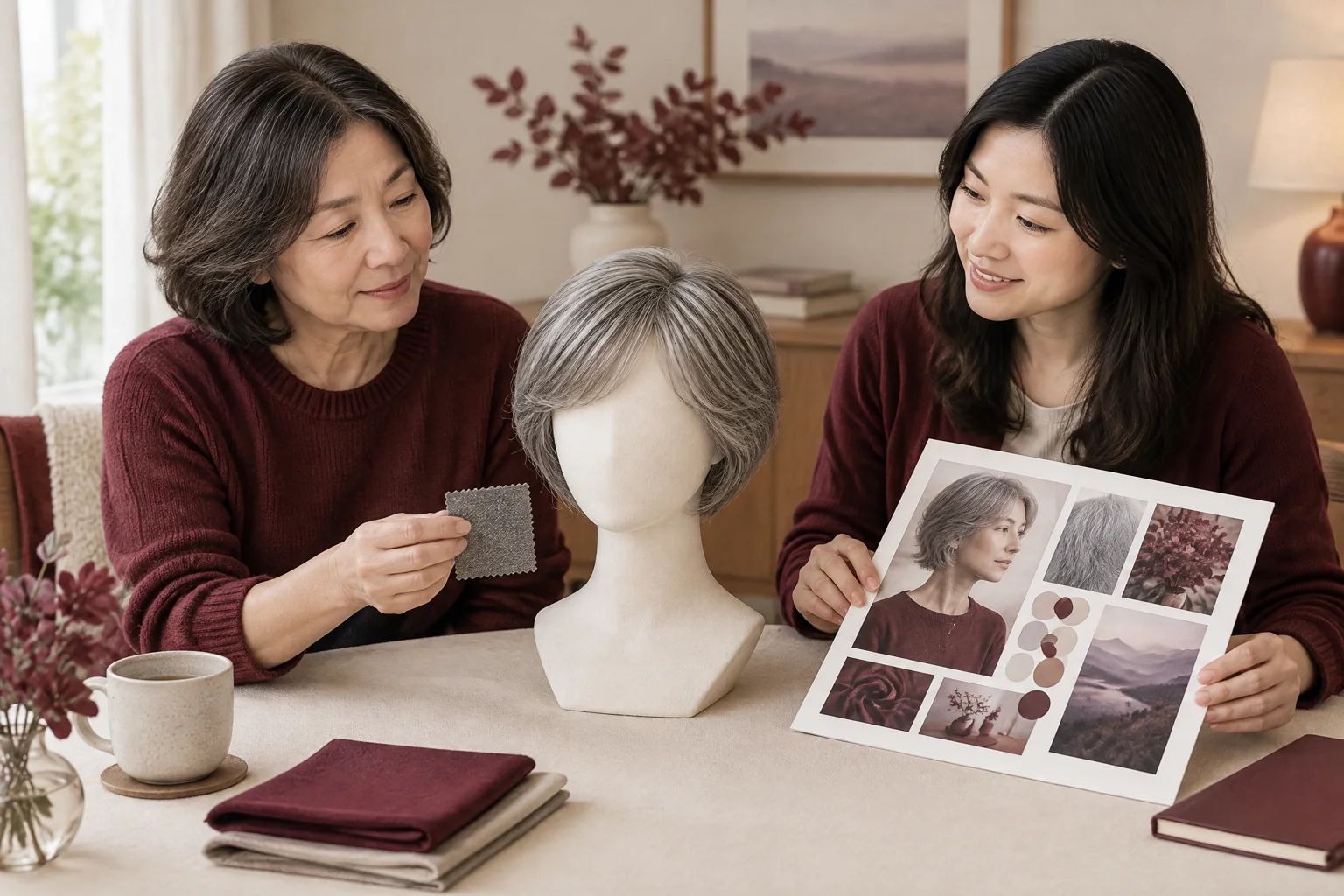
Try the chosen clothes, glasses and head covering together before the wedding, if you want a rehearsal. Sit in a chair resembling the planned portrait seat and look towards the camera. Check whether a collar catches the hair, glasses obscure the eyes or earrings compete with the neckline. These are styling observations, not tests of someone's ability to attend. A reference photo can record the arrangement you prefer without creating a requirement to reproduce it exactly.
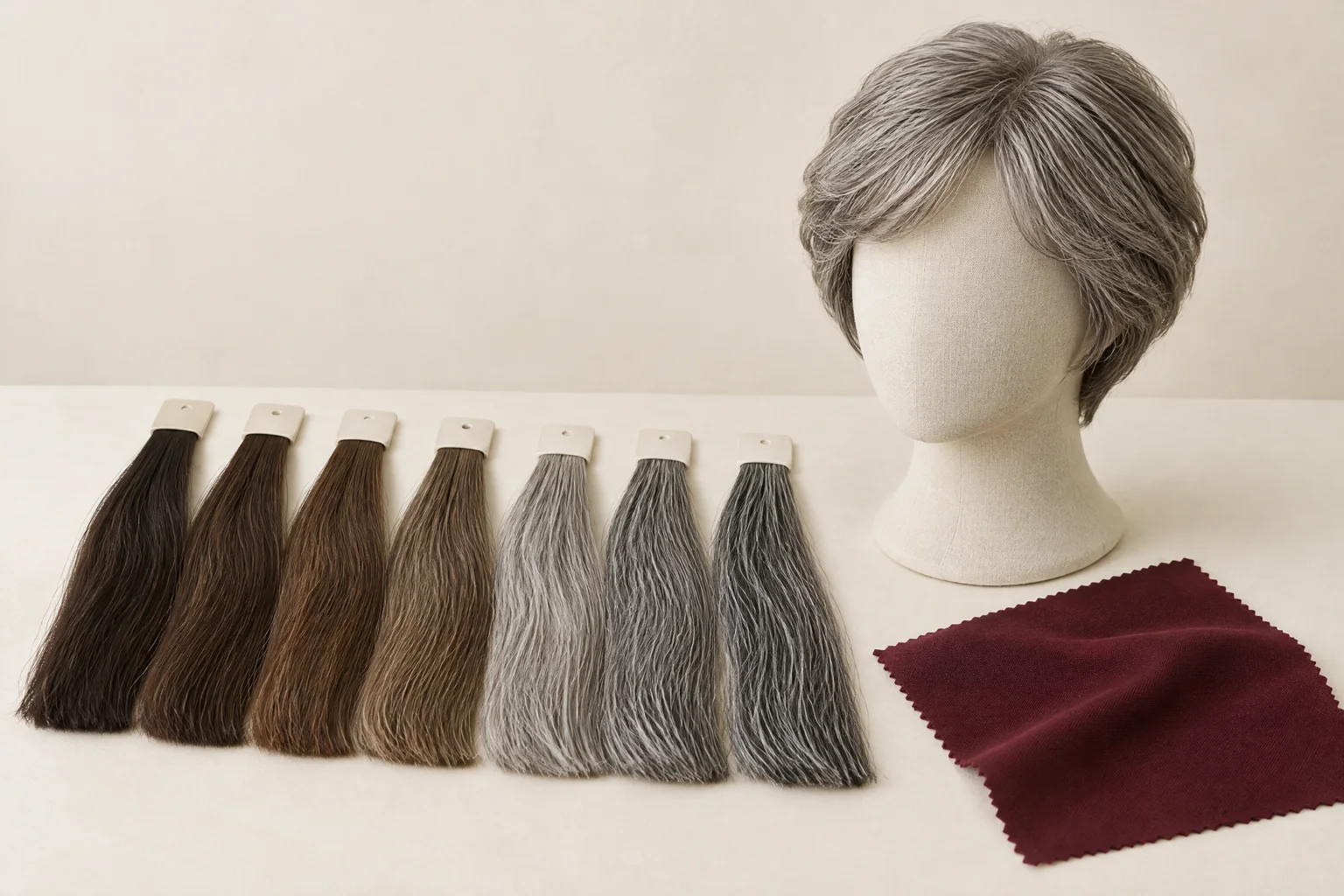
The American Cancer Society suggests hairstyle photos when someone wants a wig to resemble their existing hair. It also recommends natural light for comparing a wig with a hair colour reference. Use that comparison for your own preference, then notice how the same colour appears in the portrait room. A phone display cannot establish an exact match. The organisation also notes variation between brand size charts, so a familiar size label is not enough. [1]
Keep the shot list short enough to describe in one message. For example, request one seated picture with the couple and one with a chosen relative. Those are planning examples, not a medically recommended number of photographs. Ask the photographer to arrange the other people before inviting the guest into position. Avoid adding standing poses or another location halfway through. The guest can still request a different picture, but nobody should treat extra shots as automatic.
A shared preparation room often runs around several people's appointments. The Hong Kong bridal party makeup page is relevant when enquiring about that wider arrangement. Explain that this guest wants a separate portrait plan, even if other relatives use the same artist. Ask how timing and room access could work together. Put any overlap into the schedule before the day. This avoids an unexpected wait while another person's hairstyle or group photograph is completed.
Give the private seat one job at a time
Separate the makeup finish, head covering and camera view
Choose a preparation seat away from the doorway, with a mirror the guest can use without an audience. Ask the venue about light, access and whether the room can remain private during the agreed period. Keep bags and styling tools out of the route to the door. The guest should know who will enter and why. A closed room is useful only when the booking team respects it, rather than sending relatives inside for spontaneous greetings.
Cancer Research UK describes primer and concealer as one option for a natural day look. Its advice also directs people to their doctor or specialist nurse before skincare products during treatment or after specified concerns. That is not a product recommendation for this guest. Share any healthcare advice you want the artist to follow, and discuss familiar products before the appointment. The makeup conversation can focus on your preferred finish without asking the artist to assess treatment needs. [2]
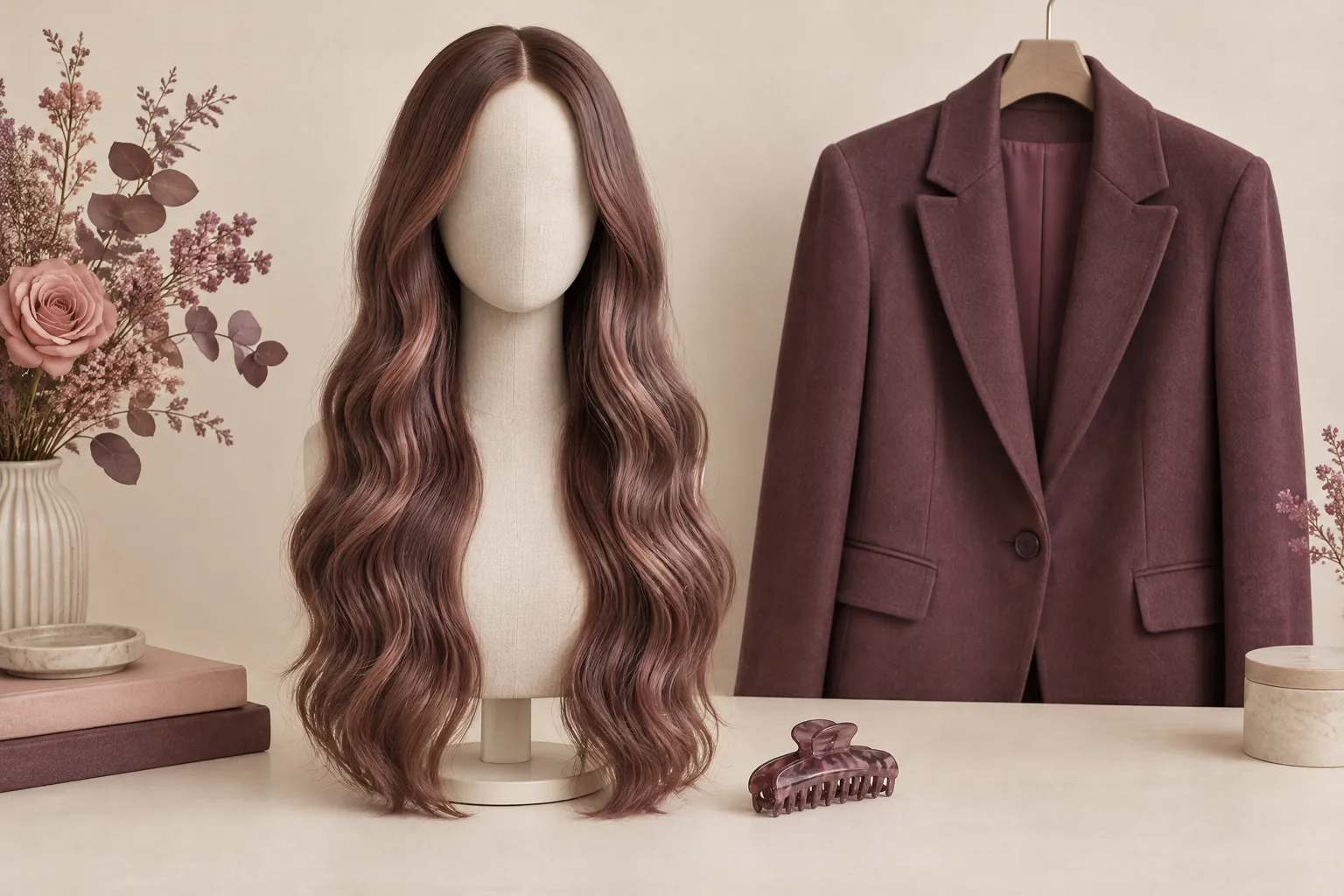
A construction term cannot settle how a particular piece looks or feels when worn. OwnStrand's hand tied wig guide explains that hand-knotting may cover stated areas rather than the entire cap. Use it to prepare questions about the top, sides and remaining construction. Keep those questions with the wig enquiry, not the makeup appointment. For planning, use the guest's own piece and its care instructions. These provide more detail than a category name or catalogue hairstyle alone.
When a test photograph looks unfamiliar, identify the visible issue before changing anything on the guest. A shadow across the eyes may call for another camera position. Hair covering the cheek may require a permitted adjustment to the piece. A lip colour the guest dislikes belongs in the makeup conversation. Ask for one change at a time and review it together. This avoids repeatedly adding makeup when the actual concern is the light, framing or hair position.
Write the exit note before the portrait starts
Keep the look, make one change or leave it there
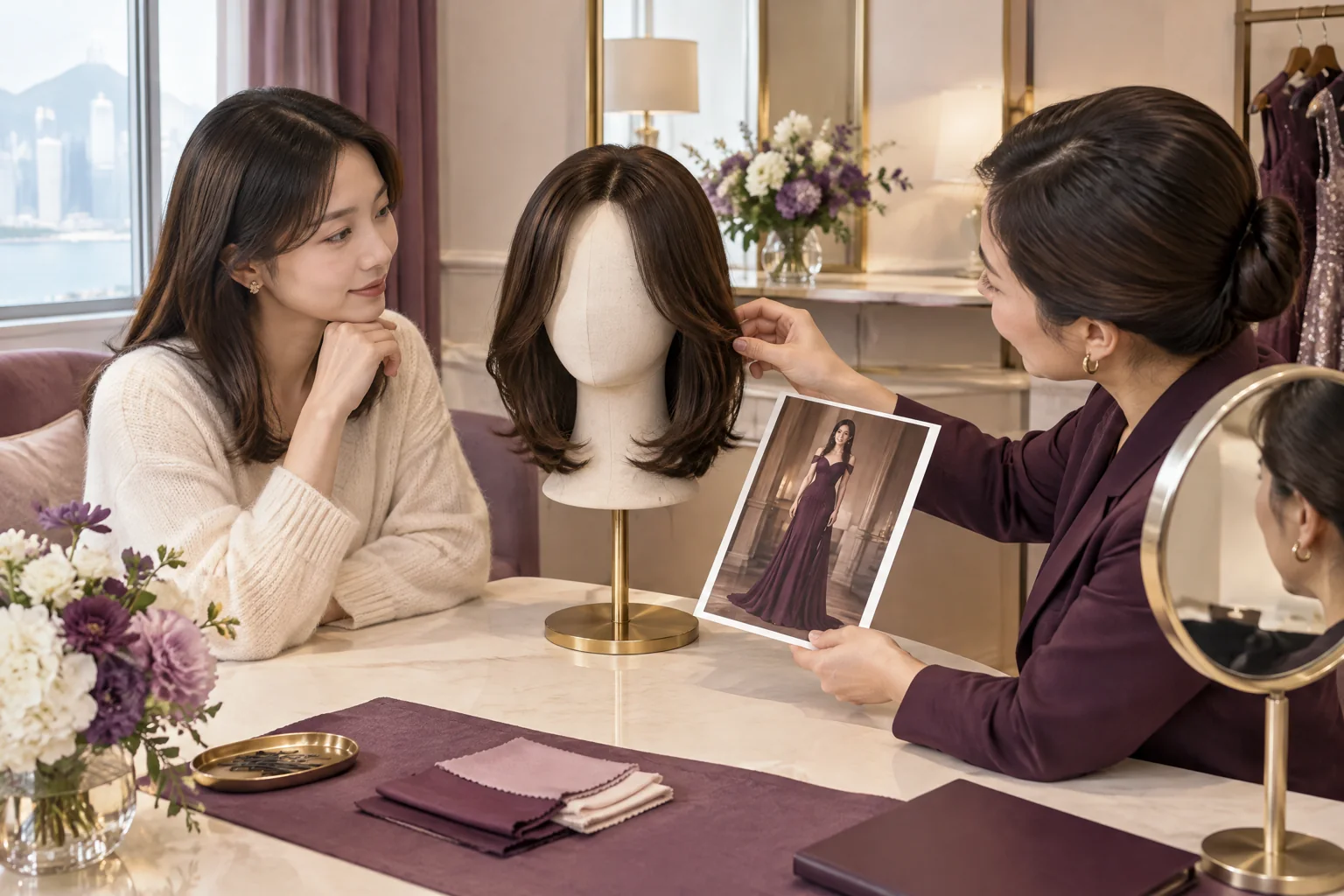
An exit note should name a person, a destination and a simple signal. The guest might prefer to say they are leaving, send a message or ask their companion to speak. Agree this privately instead of announcing it to the room. Check the actual route from the portrait seat to the lift or pickup point with the venue. Knowing the route matters more than promising that a wedding team can always arrange an immediate car.
Choose whether the finished look will stay as it is after the photograph. Keeping it avoids another preparation session. A small local change might mean removing a distracting accessory or adjusting lip colour, with permission. Changing headwear needs its own private space and personal instructions. None of these choices should delay departure simply to satisfy a photograph. Put the guest's preferred option into the note, and leave room for them to choose differently on the day.
Use the comparison below to decide what happens when the portrait is finished or the plan changes. It compares workflow, not how someone should feel during treatment. A small adjustment makes sense only when the guest wants it and there is time within the agreed arrangement. A new look can remain an idea for another day. Stopping after the first photograph, or before any photograph, is a complete option rather than an unfinished beauty appointment.
Give the companion a practical role rather than making them an audience manager for every relative. They can collect the guest's bag, contact the pickup person and pass the exit message to the couple. The photographer can finish with other groups without asking the guest to return. Keep the message ordinary: the agreed photographs are finished and the guest is leaving. A goodbye does not need a public explanation or a final picture at the venue entrance.
| Choice | Practical benefit | What to arrange | When to stop |
|---|---|---|---|
| Keep the look | No second preparation session | Bag and departure contact ready | After the chosen photographs |
| Make one small change | Addresses a specific appearance preference | Permission and an agreed adjustment | When the guest accepts or declines it |
| Change headwear privately | Allows another personal appearance choice | Private space and the item's instructions | If the guest no longer wants the change |
| Skip the portrait | Removes the photography commitment | Tell the photographer and companion | Before preparation or at any later point |
Keep appearance samples and permissions personal
The guest chooses what others may see or adjust
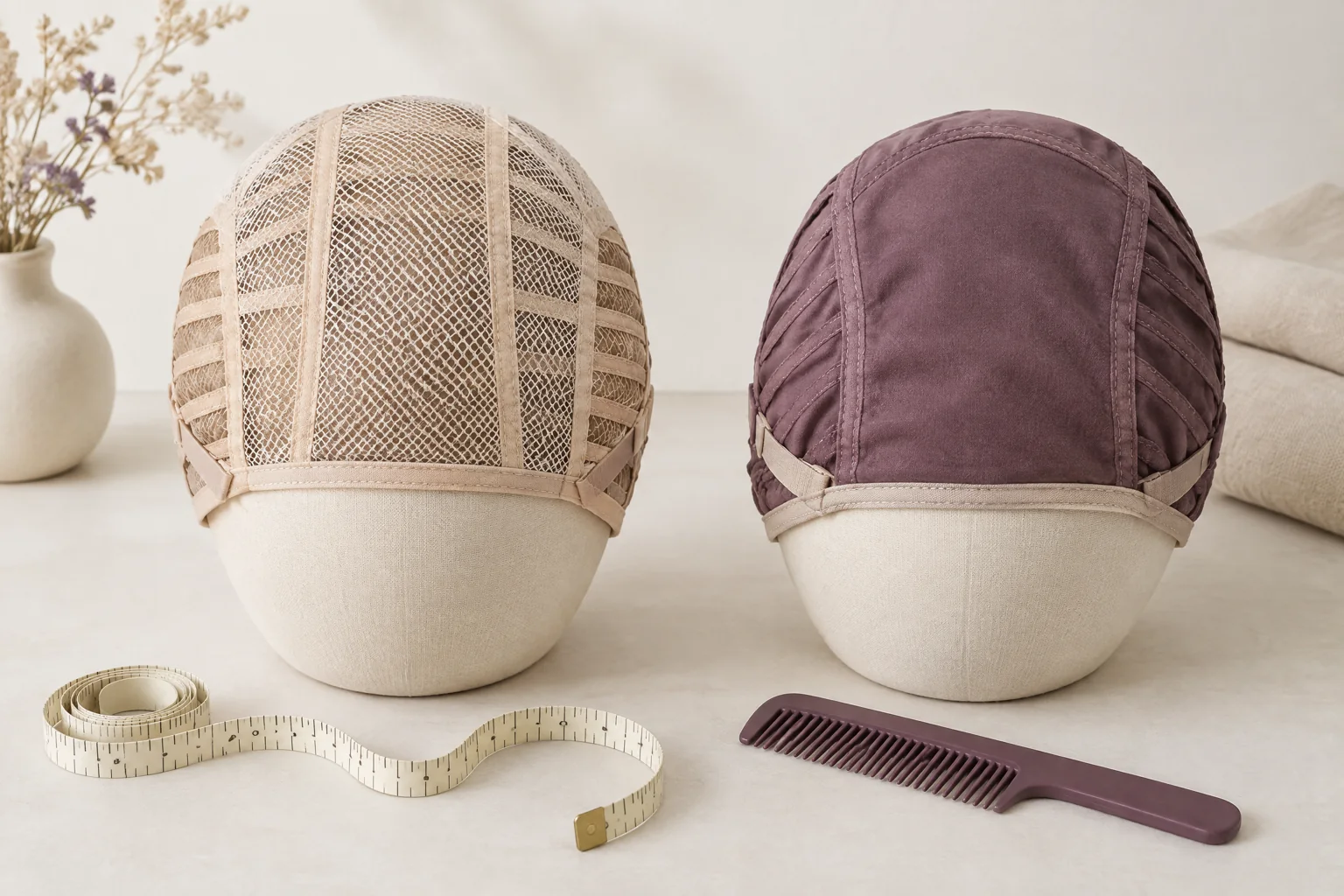
Bring a reference that communicates something specific, such as a familiar brow shape or a softer lip colour. A whole inspiration photograph may contain details you do not want, including lashes, contouring or a different hairstyle. Point to the relevant feature and describe what should stay unchanged. A scarf or uncovered head does not need to be replaced for a formal portrait. The chosen appearance belongs to the guest, even when the family has a dress code.
Hong Kong journeys can involve an outdoor walk followed by an air-conditioned room. If warmth influences your headwear choice, read OwnStrand's wig for hot humid weather guide. It offers questions about fibre, weight, fit and coverage, without promising that a particular cap will feel cool. You can browse options online or enquire about sample viewing at its sole Kwun Tong location. Keep the journey and your own wearing preferences in the discussion, rather than choosing from a label alone.
Ask separately about touching the head covering, taking preparation photos and sharing the final portrait. Saying yes to makeup is not permission for all three. The guest may allow the finished family picture but prefer no images of dressing or adjustments. Tell the photographer that boundary before they enter. If an item needs repositioning, describe the proposed change and wait for a reply. The person wearing it can choose to adjust it themselves or leave it alone.
Agree how the portrait may be described when it is sent to others. The guest might welcome a family caption but not a reference to treatment or attendance being exceptional. A private photograph can remain within a small group, subject to the sharing choices everyone agrees. Avoid comments about looking healthy or hiding what has happened. Comment on a chosen colour or favourite outfit instead. This keeps the conversation about appearance without turning it into a judgement.
Make the final handover easy to change
One current note for the artist, photographer and companion
Send one concise arrangement note to the people who need it, with the guest's agreement. Include the private preparation place, portrait companions and departure contact. Keep medical details out unless the guest specifically wants information shared for a relevant purpose. State that attendance and photography remain optional. This is a coordination note, not a declaration that someone is ready for an event. Questions about treatment or symptoms belong with their healthcare team, outside the makeup booking conversation.
For an enquiry about on-site preparation, read Hong Kong mobile wedding makeup artist. Discuss the actual venue and requested work with BigDeal. Ask about the appointment period, room requirements and scope for your chosen makeup arrangement. Tell the team whether the guest will bring a wig, scarf or appearance reference. A makeup enquiry does not book an OwnStrand consultation or confirm wig adjustment services. Keeping those requests separate helps each business answer the question it can actually handle.
Before the portrait, ask whether the guest still wants the agreed people and framing. Check that the chair and route remain as planned, rather than starting another appearance review by default. Afterward, explain how the selected photograph will be delivered and who receives it. Discuss any editing requests specifically; retouching should not silently change the guest's chosen head covering or features. The photographer can confirm what is possible without the family making promises on their behalf.
If the guest decides not to attend, remove their portrait from the running order without asking for a replacement commitment. A private visit or photograph on another occasion can be discussed only if they want it. Keep their reference images within the agreed sharing limits. The useful result is an arrangement that respects a changed decision, not a completed checklist. Makeup, headwear and photographs should remain choices the guest can make, rather than reasons they must appear.
- Confirm the named portrait companions.
- Share the departure signal only with agreed helpers.
- Remove cancelled shots from the photographer's list.
Key takeaway
A short portrait works best when fewer decisions remain on the day. Choose the appearance and photograph first, then make privacy and departure equally clear. Keeping the finished look can be simpler than arranging another change, but the guest's preference takes priority over completing the plan.
Practical checklist
- Name the portrait the guest wants, with permission to skip.
- Confirm the private seat and who may enter the room.
- Bring chosen items and their own care instructions.
- Agree touching, preparation photography and final image sharing separately.
- Name the departure helper, destination and simple exit signal.
Frequently asked questions
Does the guest need to wear a wig for the portrait?
No. A wig, scarf, hat or uncovered head can be the guest's chosen appearance. Discuss framing around that choice. Makeup does not require a particular head covering.
How many minutes should the portrait last?
There is no universal duration in this appearance plan. Agree a limited shot list and optional stopping point. The photographer can discuss the practical timing; healthcare questions are separate.
Can the family choose makeup on the guest's behalf?
Relatives can help organise an enquiry if invited. The guest still chooses the finish, touching permissions and photography. Share their actual preferences rather than asking for a transformation.
What if the private room becomes unavailable?
Ask the venue for an alternative that meets the agreed privacy and access needs. The guest can decline a public preparation area. Update the portrait arrangement rather than quietly changing it.
Can BigDeal arrange the wig through its makeup WhatsApp?
Use BigDeal's contact for makeup arrangements. Direct wig selection and sample-viewing questions to OwnStrand separately. Bringing your own item or photo helps explain the look you want.
Sources
| Source | What it supports |
|---|---|
| Wigs for Hair Loss — American Cancer Society | Hairstyle photos and natural light can support comparison with an existing hair colour reference. Brand size charts can vary; this is not an exact colour-match or fit promise. |
| Day make up to help you feel better — Cancer Research UK | Primer and concealer are presented as one natural day-look option. Healthcare advice should precede skincare products during treatment, after face or neck treatment, or following a skin reaction. |
Discuss your own makeup plans
WhatsApp BigDeal Make Up on +852 6918 3153 for makeup enquiries. Share your venue, preferred portrait arrangement and your own headwear or reference photo. This number is for BigDeal makeup arrangements, not OwnStrand wig bookings.
Ask on WhatsApp +852 6918 3153