

At a glance
A useful learner record names the intended look, describes the work and shows the limits of the observation. It keeps product information separate from the assessment result. This approach supports practical feedback without turning a neat finish into a health claim. You can discuss training or treatment information separately while leaving diagnosis and individual medical advice to qualified healthcare professionals.
Define the evening hair learner care claim boundary
Evening hair learner care claim boundary in practice
Begin with a visible task, such as building a low bun that leaves space for statement earrings. Name the planned parting, outline and accessory position before starting. Your assessment can then compare the finished arrangement with that brief. It does not need a claim about healthier hair to sound professional. For a dinner guest, matching the neckline may matter more than creating the smoothest possible surface.
Describe what you can actually observe at the end of practice. You might note that the front section looks smoother under the room lighting. You might also record that a pin remains visible from the side. Neither observation establishes internal hair repair or improved scalp health. Avoid upgrading a visual description into a biological conclusion. Specific language gives your tutor something useful to assess and correct next time.
When considering an evening hairstyling course Hong Kong, frame your enquiry around the looks you want to practise. Explain whether your priority is soft waves, a compact bun or accessory placement for an event outfit. Ask how practical work is assessed and what tools learners need. Those questions concern styling instruction. They do not ask the course provider to confirm that you can certify treatment suitability.
Use ordinary styling terms in your notes, rather than borrowing treatment promises from promotional descriptions. Write that the crown outline appears more balanced, not that the hair has recovered its strength. Write that the wearer reported no pulling at the check, not that their scalp is healthy. This wording makes the result readable without overstating it. It also leaves room for a later observation to differ.
- Describe the visible result before explaining the adjustment.
- Attribute comfort comments to the wearer, not your diagnosis.
Choose product questions before adding services
A service name cannot establish individual suitability
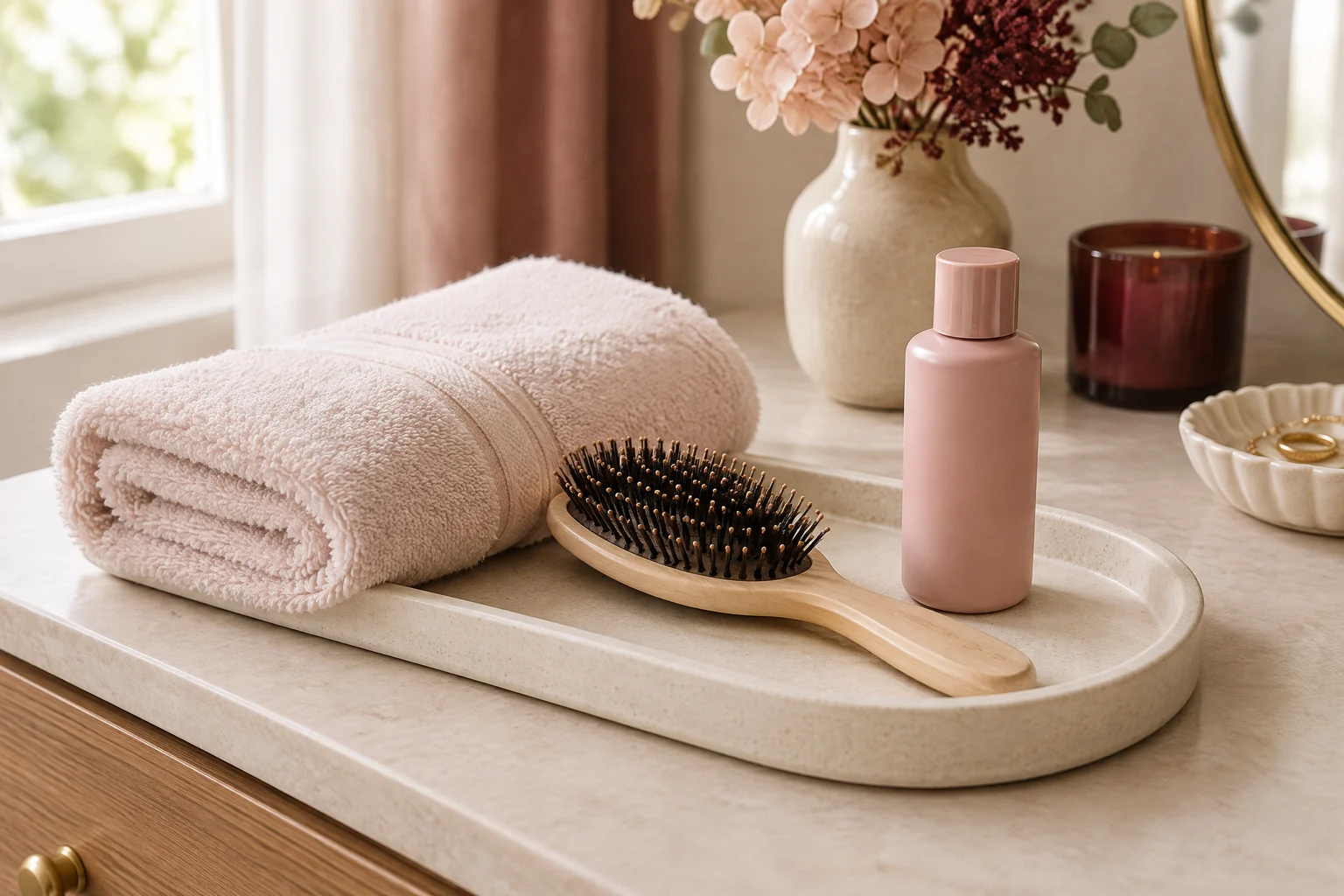
The US Food and Drug Administration explains that some smoothing products release formaldehyde when heated. It also states that not all smoothing products contain formaldehyde. Its guidance recommends reviewing ingredients and asking about safeguards. That supports checking the actual product rather than judging safety from a service name. The guidance does not identify products used by any provider here. It is not evidence of Hong Kong licensing requirements. [2]
For a practice session, establish which styling products the instructor expects you to use. Keep their packaging and directions available instead of relying on a handwritten nickname. If a proposed process goes beyond your training, discuss it with the responsible instructor before proceeding. A polished final photograph cannot answer whether a formulation suits one person. Nor does a familiar brand name replace the directions for that specific product.
The DT Hub page labelled keratin treatment hong kong can serve as a separate treatment information starting point. If you are considering that service, ask the provider which actual product and process they propose. Request ingredient information and relevant safeguards for discussion. Keep that enquiry outside your styling mark. The page title alone cannot establish a formulation, suitability for your model or a repair outcome you can certify.
A treatment suggestion should not become an automatic prerequisite for an evening look. First establish the style brief and the person's existing appointment plans. Where preparation is uncertain, discuss whether a simpler arrangement can meet the visual goal. Your record can explain that choice without recommending a chemical service. This keeps the practical decision attached to the event, rather than to an unsupported promise of healthier or restored hair.
Treat comfort as a separate assessment
Secure hold does not excuse reported pulling
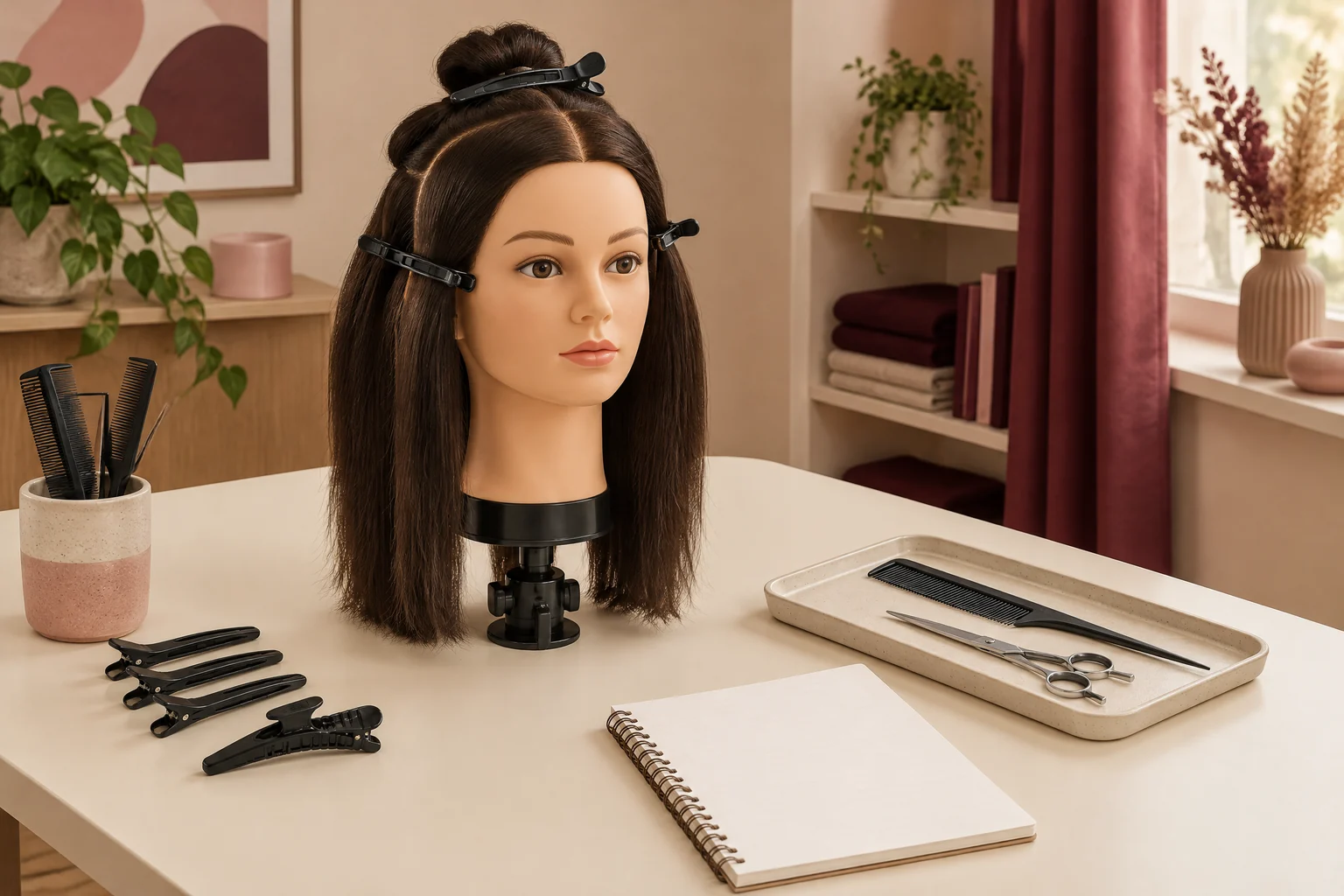
The American Academy of Dermatology warns that repeated pulling from tight hairstyles can cause hair loss. It says a painful hairstyle is too tight and advises changing styles when pulling pain or scalp stinging occurs. A learner should therefore not reward discomfort as proof of strong hold. Record the person's report and change the styling arrangement. That response addresses the immediate practice task without diagnosing the cause of any hair loss. [1]
Check comfort after placing the main supports, rather than waiting until every decorative element is attached. Ask where the person feels pulling or pressure. Their answer may point to a position that needs changing. Record the adjustment and ask again after it is made. Avoid treating a quiet model as confirmation of comfort. A direct question gives them a clear opportunity to describe what they are experiencing.
For an updo hairstyling course Hong Kong enquiry, ask how learners practise support placement and review the finished structure. Explain the accessory you intend to work with and the outline you want. A useful learning question concerns how to keep the arrangement balanced without relying on excessive pulling. Ask about the practice format rather than assuming every exercise uses a live model or includes your chosen accessory.
Movement checks should reflect the occasion, such as turning towards a camera or looking down at a dinner place setting. Agree on ordinary movements with the wearer and observe what changes. Check whether a support becomes noticeable or an accessory shifts. Stop treating the exercise as a hold test if discomfort appears. Persistent, sudden or symptomatic scalp changes belong with a qualified healthcare professional, not a learner's styling assessment.
Keep course scope outside medical authority
Learning a technique does not authorise diagnosis
Someone interested in broader training may consult DT Hub's scalp care course hong kong information separately. Check the stated syllabus, entry requirements and limits of the practical work with the provider. These are different questions from how your evening hairstyle is marked. A course page does not demonstrate that a styling learner can diagnose a scalp condition. It also does not prove what a particular learner can safely perform independently.
Keep attendance, completed exercises and permissions distinct in your learning record. Attending a session shows attendance, while completing an exercise shows work within that exercise. Neither fact automatically establishes clinical authority or suitability to perform an unfamiliar process on another person. If a course mentions a certificate, verify what it represents before describing it. Do not use a training label as shorthand for a medical qualification or diagnostic ability.
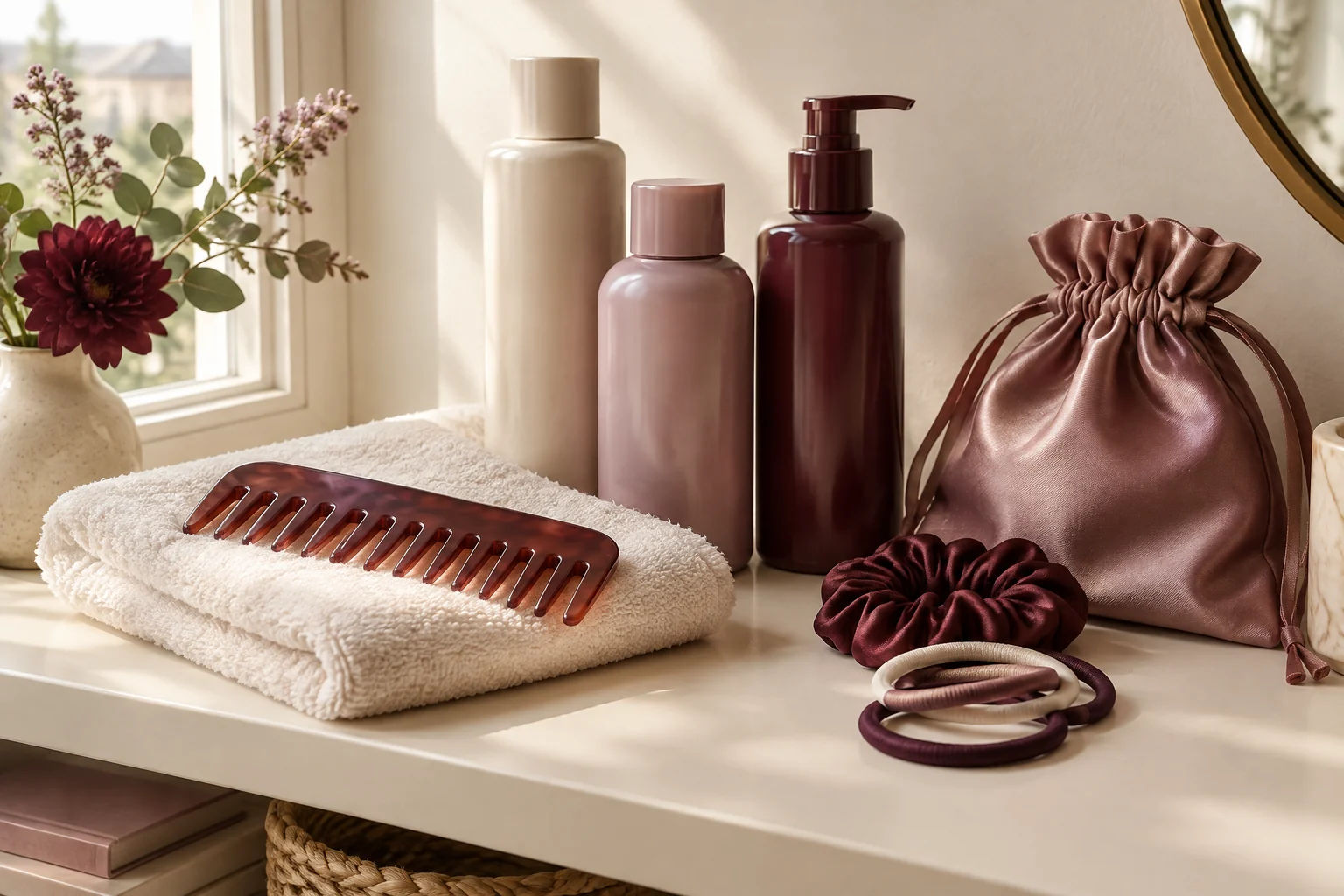
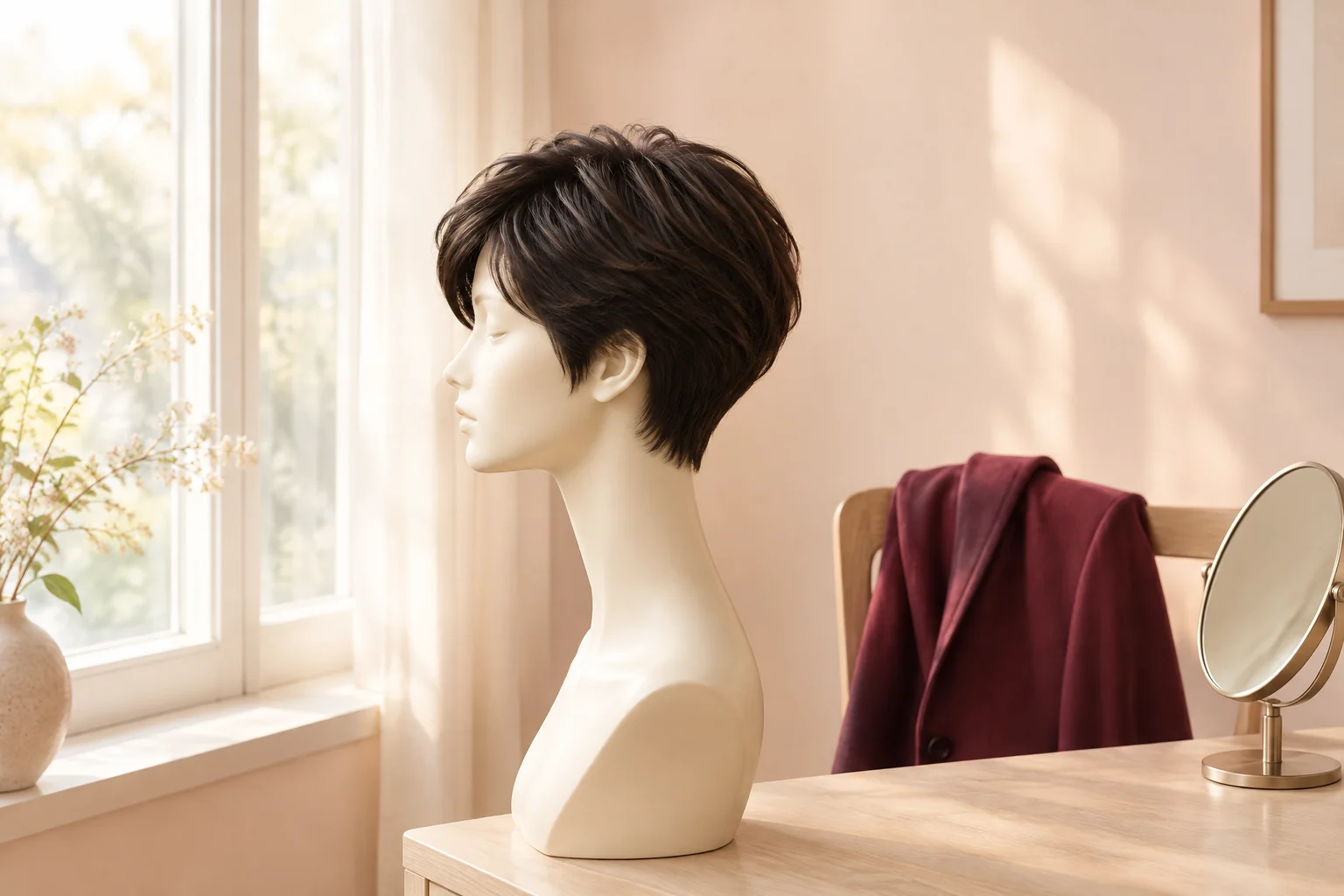
A mannequin can help you practise sectioning and see how an outline changes from several angles. It cannot report pulling, sensitivity or discomfort. Identify the practice surface in your record so the assessor knows which observations were possible. When moving to a person, agree on the planned activity and the information they wish to share. Do not copy a mannequin assessment into a statement about a person's scalp health.
A bridal hair course Hong Kong enquiry can focus on ceremony accessories and the practical demands of a wedding look. Explain whether you want to practise veil placement or a change between ceremony and dinner. Ask which elements the course covers and how they are demonstrated. Keep those learning goals separate from scalp care. A wedding styling brief does not require the learner to determine why someone has thinning hair.
Build a record another stylist can understand
Match each conclusion to the observation behind it
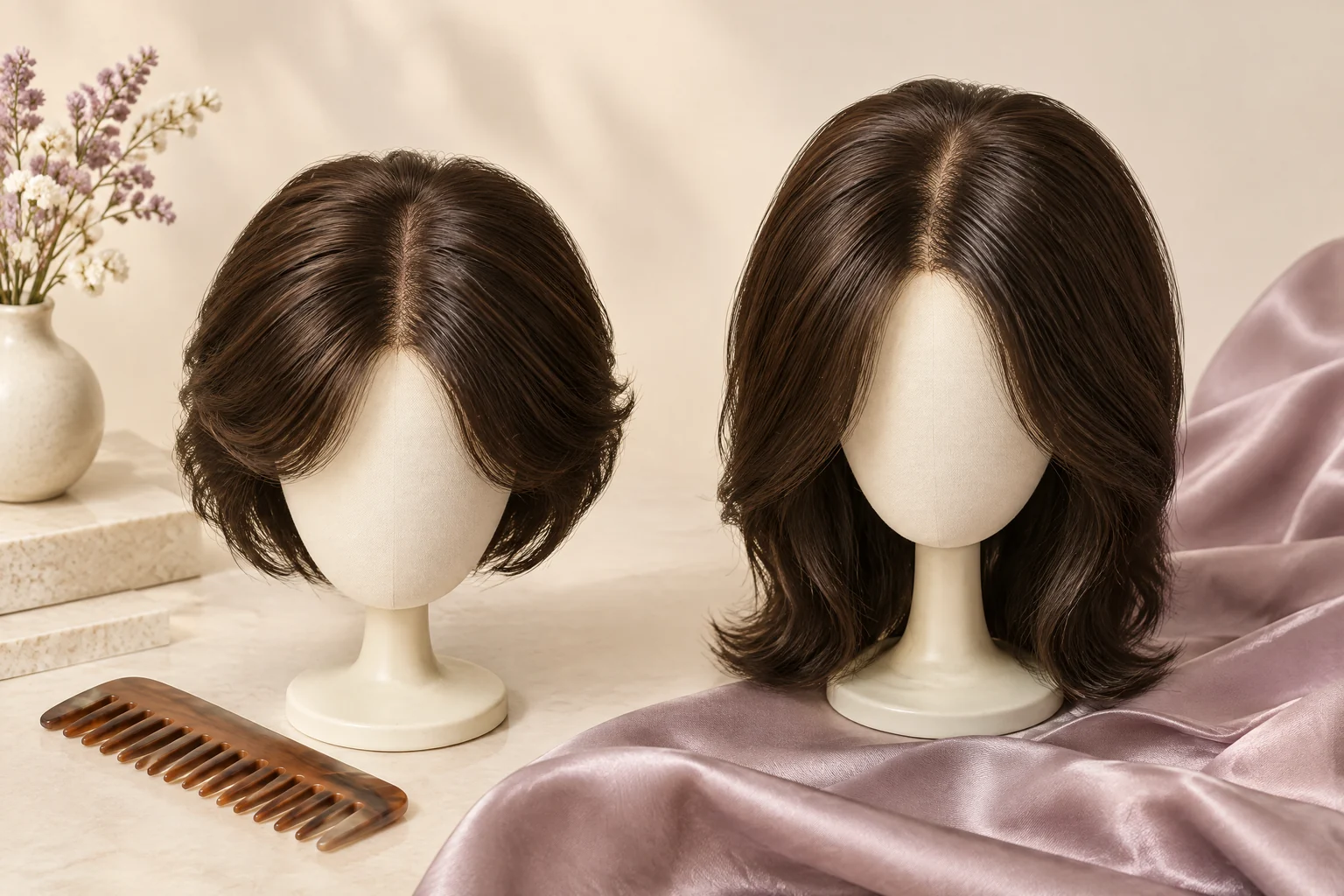
Take photographs with the person's permission and record the view each image shows. Keep the background, angle and lighting reasonably consistent when comparing an adjustment. A different lamp or camera position can change how shine appears in the picture. Treat these photographs as styling records, not proof that a treatment repaired hair. For a shoot, include the intended camera view so feedback addresses what the audience will actually see.
Separate your observation from the wearer's words and from information supplied by another provider. An observation might describe a loose side section after a movement check. A reported comment might describe pressure behind one ear. Product information might identify the name printed on a container. Giving each item a clear source prevents a tutor from mistaking hearsay for something you established during the exercise. Record only relevant personal information.
If a person is also reviewing deep hair treatment kwun tong, keep that service discussion in a separate note. The DT Hub page is a route to related treatment information, not evidence supporting your styling assessment. Record an existing treatment only when relevant and willingly disclosed. Ask about practical scheduling and preparation instructions with the responsible provider. Do not interpret attendance at that appointment as proof of restored hair or scalp improvement.
The comparison below shows how to turn broad praise into useful assessment language. Each entry names a result that could be checked within a styling session. It also identifies a conclusion the observation cannot support. Use this distinction when reviewing your own notes before submission. The aim is not to make every sentence cautious. It is to make the assessment precise enough for another person to act on.
| Observation | Useful record | Unsupported conclusion |
|---|---|---|
| Front outline after adjustment | Parting now follows the agreed brief | Hair has regained strength |
| Wearer's comfort comment | Pressure reported behind one ear | Scalp condition diagnosed |
| Movement check | Accessory shifted during a head turn | All evening wear guaranteed |
| Finish under room lighting | Surface appears smoother in this view | Treatment repaired internal damage |
Give feedback and a realistic event handover
Finish with a next action, not a treatment promise
Useful tutor feedback connects a visible issue to an adjustment the learner can practise. For example, a side section may need different placement to reveal an earring. Ask for feedback on that placement instead of asking whether the hair looks healthy now. Record what you will change in the next exercise. This gives the assessment a practical purpose and avoids repeating vague praise that cannot guide your next attempt.
At a final check, state what was reviewed and when it was reviewed. A bun observed after ordinary movement in a practice room has a limited observation period. It has not been tested through an entire wedding banquet or outdoor journey. Record that distinction without predicting failure. The wearer can then understand what the check covered. They can identify details needing attention when planning an actual event appointment.
For a ceremony followed by dinner, consider whether the intended accessory change affects the arrangement underneath. Discuss who will handle the change and what they need to know. A learner record should not quietly assign that job to an unprepared friend. If the plan depends on professional assistance, make that dependency explicit. The handover concerns styling responsibilities and timing, not a guarantee that treatment has made the hair resistant to damage.
Keep a short learning goal for the next session, such as clearer sectioning or more consistent side photographs. Review whether your previous change improved the intended outline under comparable conditions. This is a useful comparison of styling work, not a personal treatment trial. Over time, the notes can show which techniques you have practised. They should never imply that accumulated styling photographs qualify you to diagnose or certify someone else's hair health.

Key takeaway
The strongest assessment is not the one with the largest care promise. It is the one that lets another stylist understand the brief, the work and the next adjustment. A learner can document appearance and reported comfort without certifying health or product suitability. Keep course and treatment enquiries separate, then use your practice record to improve the hairstyle you actually set out to create.
Practical checklist
- Name the intended evening style and the views that matter for the event.
- Keep actual product directions available and refer unfamiliar processes to the responsible instructor.
- Ask about pulling after support placement and record adjustments with the wearer's feedback.
- Label photographs, reported comments and provider information so their sources remain clear.
- Confirm accessory changes and styling responsibilities without attaching repair or scalp health promises.
Frequently asked questions
Can I write that a treatment made the hair healthier?
Not on the basis of your styling exercise. Describe the finish you observed and the conditions of the observation. If the person mentions a treatment, attribute that information to them rather than claiming a verified effect. A visible improvement in an arrangement is not proof of improved scalp health. Keep the assessment focused on the planned style and the changes you made.
What should I do when a model reports pulling?
Pause and identify where they feel the pulling. Change the styling arrangement and check their comfort again before continuing. Record their report and your response without naming a medical condition. Do not ask them to tolerate pain so the hairstyle photographs better. If concerning symptoms or changes persist, encourage qualified healthcare assessment rather than trying to resolve them through a styling exercise.
Does reading a scalp course page expand my role?
Reading course information helps you identify questions about learning scope. It does not establish diagnostic authority, practical competence or a clinical qualification. Ask the provider what the training includes and what any completion document represents. Keep your current assessment within the skills you are actually practising. A separate interest in scalp care should not change the meaning of an evening hairstyle assessment.
How much personal information belongs in my assessment?
Include only information needed to understand the styling task and willingly shared for that purpose. Agree on photograph use before taking or sharing images. You can document an accessory preference or reported pressure without collecting a detailed medical history. Separate any relevant preparation information from your visual assessment. If a matter needs clinical attention, your learning record is not a substitute for that consultation.
Sources
| Source | What it supports |
|---|---|
| Hairstyles that pull can lead to hair loss | Repeated tight pulling can cause hair loss; reported pulling pain or stinging warrants a styling change, not a diagnosis by the learner. |
| Formaldehyde in Hair Smoothing Products: What You Should Know | Some smoothing products release formaldehyde when heated, but not all contain it. Actual ingredient information and safeguards matter; a service name cannot certify suitability. |
Discuss your own makeup plans
To discuss BigDeal Make Up evening styling or hair learning arrangements, WhatsApp +852 6918 3153 with your event or practice goal.
Ask on WhatsApp +852 6918 3153