
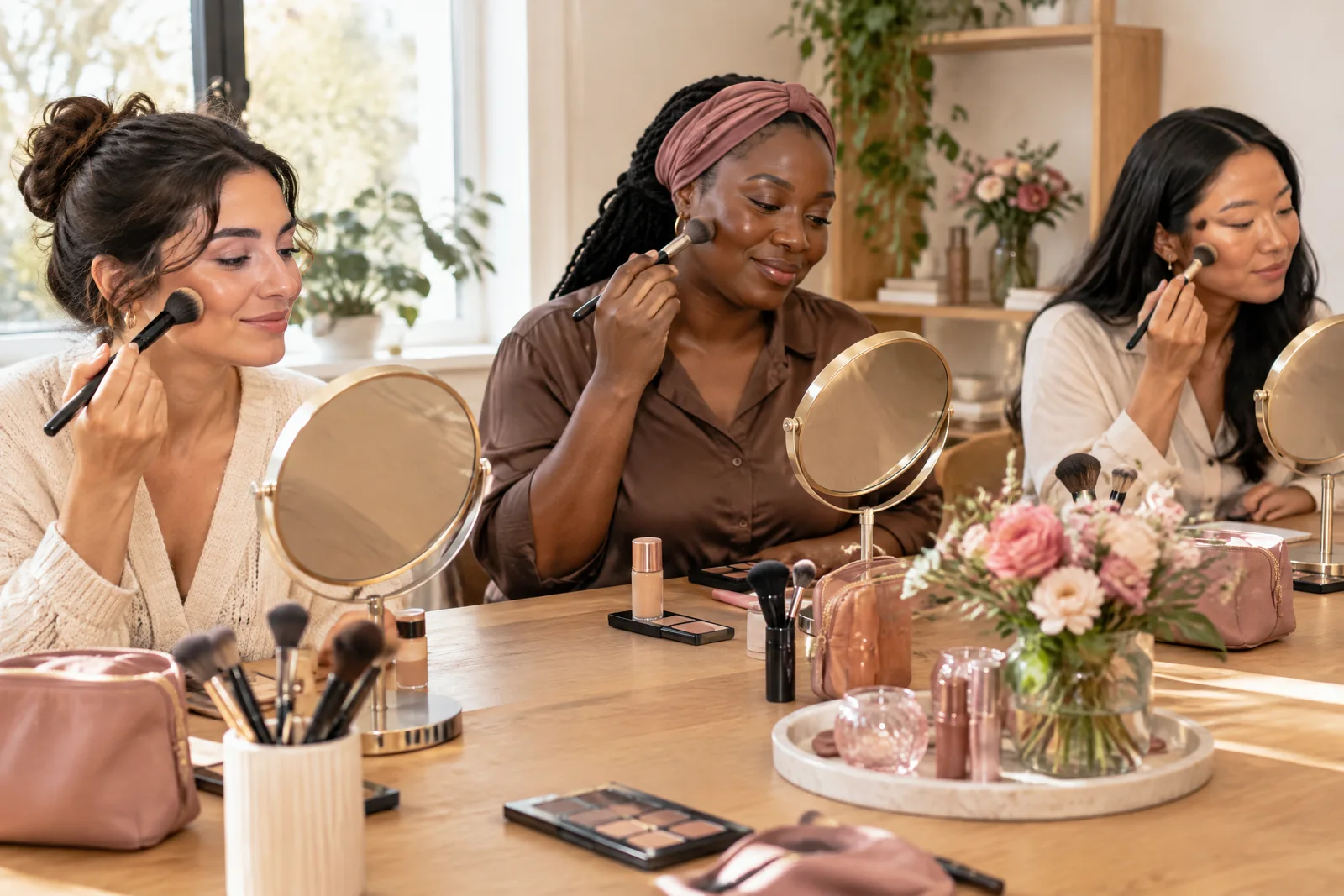
At a glance
The key balance is between creative exploration and a calm, age-aware setting. A shorter activity with individual products usually works better than a crowded, ambitious programme. Consent must include the young person as well as their responsible adult. Eye-area hygiene, accessible product information, and a non-contact alternative deserve attention. The organiser should confirm practical details before inviting participants or presenting a session as suitable.
Youth Makeup Workshop Safety: Set the Frame First
Youth makeup workshop safety begins with meaningful choice
Begin by defining the activity in plain language. State whether it covers an everyday look, one feature, face painting, or a creative idea. A beauty skills workshop can offer a useful foundation when practice stays focused. Young participants should know that cosmetics are temporary and optional. The aim is practical exploration, not correcting faces or meeting an adult beauty standard. That framing helps everyone make an informed choice.
A youth group needs a different conversation from an adult booking. The makeup lessons for teens page can help families consider daytime practice and product questions. However, every organiser should still explain the precise session plan. Include the age range, expected duration, supervising adults, and any materials participants may bring. Give families enough time to ask questions without pressure to join.
Build in a simple alternative from the start. A participant may prefer to watch, practise on a face chart, organise products, or leave earlier. None of these choices needs an explanation. Avoid language that suggests everybody should wear makeup, photograph themselves, or disclose personal concerns. When leaving is easy, young people can take part on terms that feel comfortable. This also makes the session more inclusive for varied confidence levels.
Agree Consent, Safeguarding, and School Roles
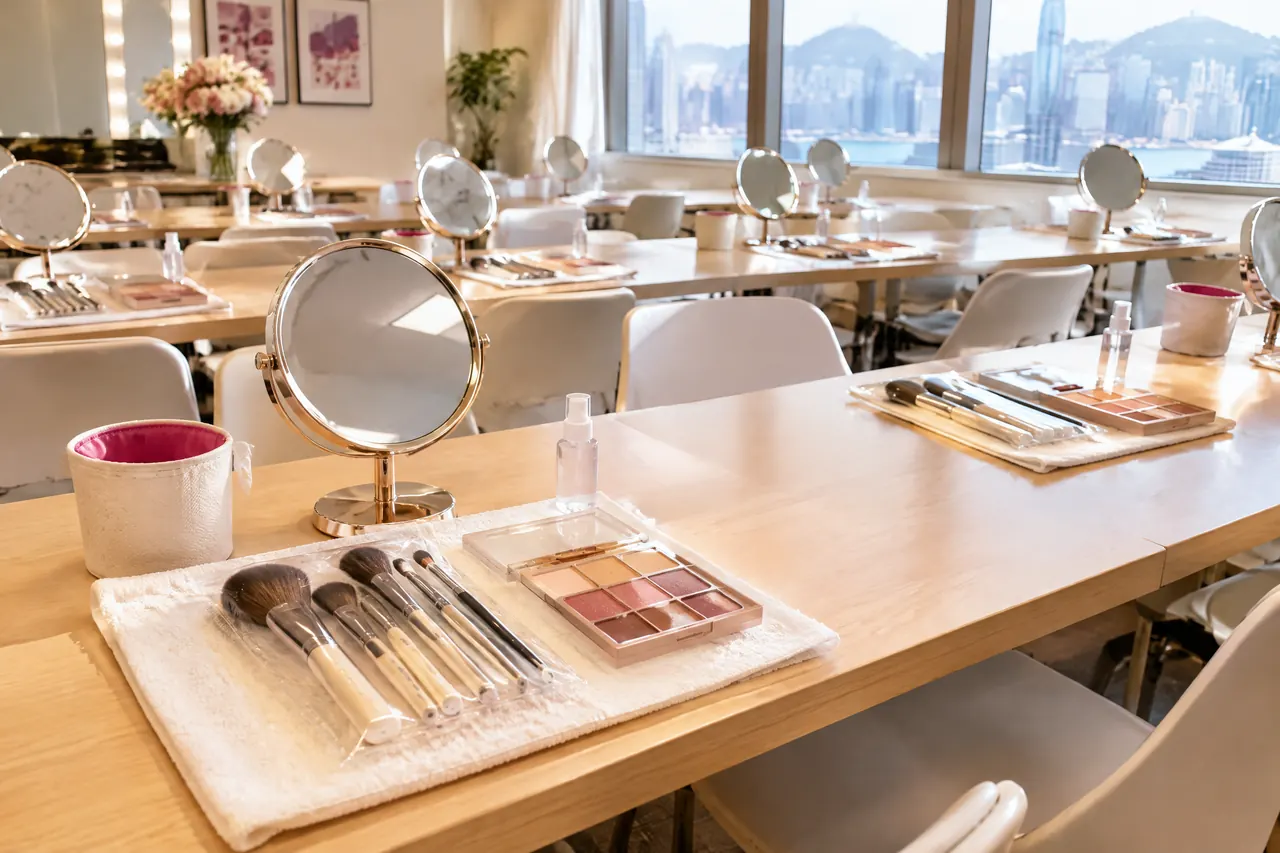
For a school makeup workshop Hong Kong, agree responsibilities before announcing a date. The school should identify its contact person, safeguarding expectations, room rules, and parent communication route. The activity provider should receive only the practical information needed to plan safely. Put the session purpose and boundaries in writing. That avoids assumptions about age groups, permitted looks, supervision, or product handling.
Responsible-adult permission matters, but it should not replace a young person’s own response. Explain what will happen in everyday words, then give time for a clear yes or no. A child or teenager may change their mind halfway through. Adults should accept that decision without teasing, bargaining, or public attention. The same principle applies to demonstrations, close-up observation, photographs, and any product placed near the face.
Set a clear adult-to-participant arrangement based on the venue’s own policies. Decide who welcomes the group, who remains in the room, and who handles a concern. Explain where personal bags, drinks, and mobile phones will stay. Do not ask participants to manage each other’s products or belongings. A visible route for asking to pause is more useful than a lengthy speech about confidence or behaviour.
Plan a Clean, Individual Practice Routine
Keeping youth makeup workshop safety around the eyes
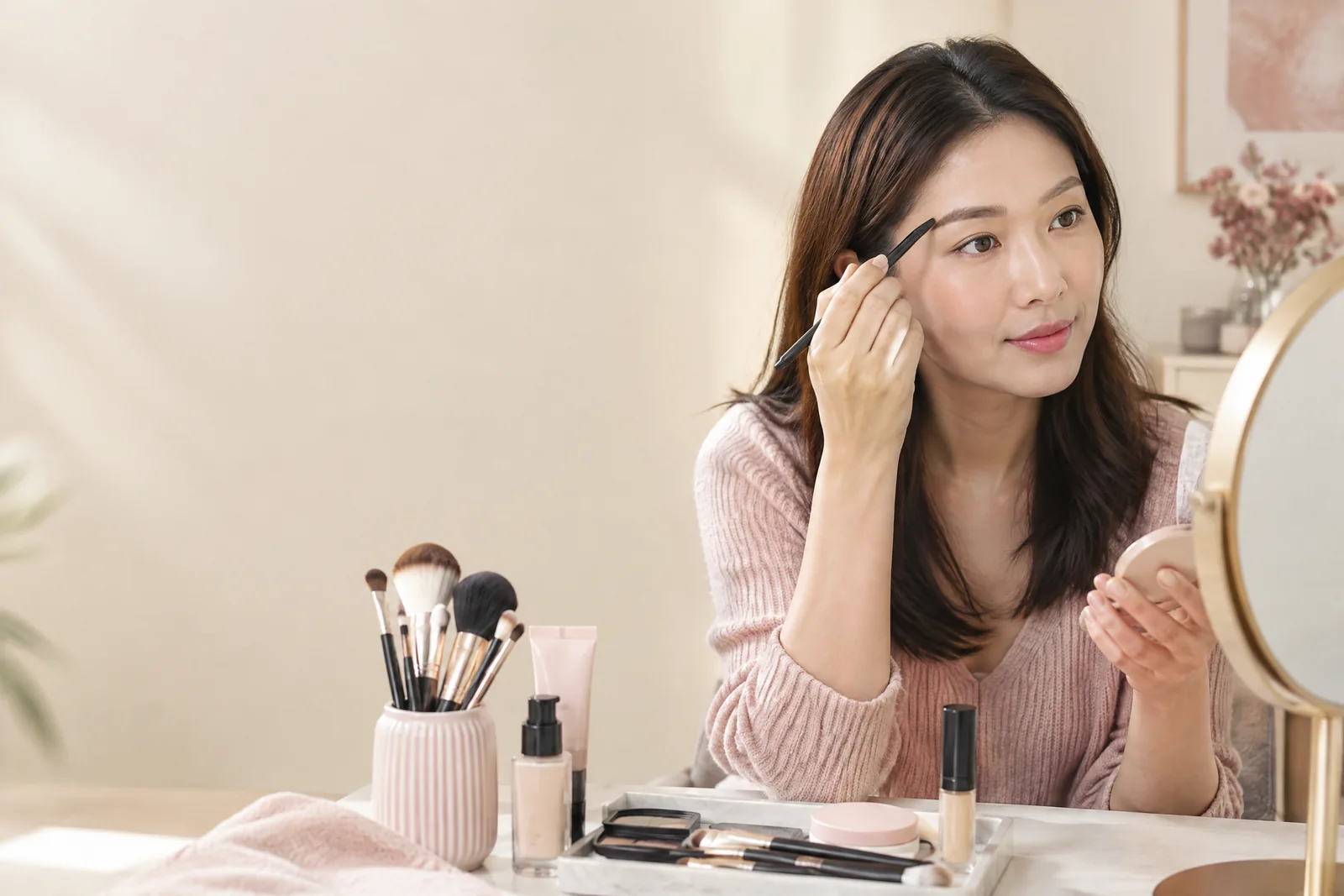
An eye makeup techniques workshop needs especially careful boundaries. The United States Food and Drug Administration advises against sharing eye cosmetics and advises clean eye-area instruments. [1] Give each participant separate applicators and avoid passing mascara, eyeliner, or contact tools around the table. Hand hygiene should happen before practice begins. A participant who feels uncomfortable working near the eyes should have another task. [1]
Arrange the station so that products, used items, and personal belongings do not become mixed. Label separate areas for unused disposables, personal kits, and waste. Reusable brushes need a clear cleaning arrangement before another person uses them. Keep lids closed when products are not in use. Simple organisation protects the session from avoidable confusion. It also helps young people learn that neat preparation supports a more comfortable practice space.
Ask families to raise relevant product concerns privately before the session. The organiser does not need a medical history. They need practical instructions about what should not be used. In Hong Kong, cosmetics fall within the Consumer Goods Safety Ordinance’s general safety requirement. [2] Where warnings or cautions appear, they must be legible and in English and Chinese. Bring products with readable labels, rather than unidentified decants. [2]
Separate Face Painting from Cosmetic Practice
Do not assume a face painting workshop Hong Kong follows an everyday makeup session plan. Face painting can involve different colours, placement, removal needs, and attention levels. Explain which areas of the face will be involved before anyone sits down. Keep a small design menu and an arm-design option. This makes consent more specific and prevents a young person feeling committed to a full-face result.
Choose a stable chair, good light, and enough space for the participant and a supervising adult. Avoid rushed painting close to the eyes, nostrils, lips, or irritated skin. Do not treat a quick product trial as a medical assessment. Instead, follow product directions and respect a family’s instruction not to use an item. A simple paper design or face chart keeps the creative activity open to those who prefer no skin contact.
Removal should be discussed before the first design is chosen. Tell families what the product instructions say, including whether water, cleanser, or a soft cloth is appropriate. Do not improvise with strong household products. Keep food and drinks away from the painting surface. At the end, direct each participant to wash their hands before touching snacks, phones, or shared equipment. A calm finish matters as much as the design itself.
Set Boundaries for Creative and Camera Ideas
Creative looks need an equally clear opt-out
A creative brief should name the technique, materials, practical limits, and intended audience. The avant garde makeup workshop overview may help organisers consider more expressive ideas. A youth session should still avoid surprise complexity. Ask whether the concept needs close eye work, adhesives, body paint, or a camera. If so, explain alternatives before participants arrive. It can focus on colour, texture, or shape.
Photography deserves a separate decision. Participation in makeup practice does not automatically mean permission for images. Confirm the school or organiser’s image policy and obtain the appropriate consent before cameras appear. Explain where images may be used, if they are used at all. Never make photographs a reward for compliance. A young person should be able to take part fully without posing, sharing an image, or explaining their choice.
Keep references constructive and broad. Ask participants what colour, texture, or theme interests them instead of comparing facial features. Avoid naming a look after a participant or commenting on perceived flaws. A face chart can carry a dramatic idea without placing it on skin. This approach keeps creative discussion lively while reducing pressure. It also helps a mixed-experience group work at different comfort levels.
Make the Timetable Calm and Age-Aware
Timing should reflect attention, setup, and cleanup rather than a wish to cover every technique. An adult makeup practice workshop differs because it assumes confidence and independent practice. Youth sessions benefit from fewer steps and clearer transitions. Schedule welcome, demonstration, individual practice, handwashing, and packing away. Leave room for questions and a participant who wants to stop early. This supports steadier choices.
Use small groups when space or supervision is limited. Participants can rotate through face charts, colour discussion, and individual mirror practice without crowding one table. Give a simple time cue before each change. Avoid hurrying young people through eye-area tasks to recover lost time. A shorter finished activity is better than a rushed final stage. It also gives adults a chance to check that supplies are packed safely.
If the activity sits within a school day or community programme, plan the handover too. Clarify when participants return to their next activity and whether they need access to water or a washroom. Keep removal information available for anyone leaving with makeup or face paint. Confirm transport, food, and sports arrangements separately. Cosmetic practice should not create avoidable difficulties for the rest of a young person’s day.
| Planning point | Decide before the session | Practical safeguard |
|---|---|---|
| Participation | Whether makeup is optional | Offer face charts and observation without explanation. |
| Supervision | Which adults remain present | Name one contact for pauses and family questions. |
| Products | Which items may be used | Use readable labels and separate individual applicators. |
| Images | Whether photographs are permitted | Use the organiser’s consent process before any camera use. |
| Handover | How removal and departure work | Share product directions and allow time to wash hands. |
Confirm Expectations with Families and Instructors
Send a short confirmation before the session. It should repeat the purpose, age range, timing, venue contact, clothing guidance, supervision, and product approach. Invite families to share practical restrictions privately. Do not promise that every participant will achieve the same look. Explain that results will vary with practice, preference, and comfort. Clear communication prevents a creative activity from being mistaken for a performance or appearance requirement.
The instructor should know the agreed boundaries before meeting the group. That includes which products are permitted, whether images are allowed, who oversees the room, and how a pause request works. Families should know whom to contact if their child decides not to participate. These arrangements need not be complicated. They simply make personal choice visible. A written brief is kinder than trying to settle important questions in a busy room.
Finish by inviting simple feedback from the participants and responsible adults. Ask which part felt clear, which activity was enjoyable, and what should change next time. Do not ask young people to rate their own appearance. The useful lesson is about choice, careful handling, and repeatable techniques. When an organiser values comfort over display, participants can explore makeup with greater ease and less social pressure.
- State the activity purpose, age range, timing, and supervision before invitations go out.
- Give each participant a genuine choice to join, watch, use a face chart, or leave.
- Keep eye cosmetics and applicators personal, clean, and clearly separated.
- Provide readable product labels and collect practical restrictions discreetly.
- Confirm photography rules and an easy opt-out before any camera is used.
- Share removal guidance and the venue contact before the final handover.
Key takeaway
A youth workshop works best when choice shapes every decision. More elaborate looks can be exciting, but they demand more time, product control, and consent checks. A focused activity leaves space for individual practice and clear supervision. Keep the creative ambition proportionate to the age range and setting. When a participant can pause without attention, safety and confidence support each other.
Practical checklist
- State the activity purpose, age range, timing, and supervision before invitations go out.
- Give each participant a genuine choice to join, watch, use a face chart, or leave.
- Keep eye cosmetics and applicators personal, clean, and clearly separated.
- Provide readable product labels and collect practical restrictions discreetly.
- Confirm photography rules and an easy opt-out before any camera is used.
- Share removal guidance and the venue contact before the final handover.
Frequently asked questions
Should a parent’s permission be enough for participation?
No. A responsible adult’s permission is important, yet the young participant should also understand the activity and choose freely. Explain the practical steps before beginning. If they decline or change their mind, offer a face chart or quiet role without attention.
Can participants share mascara or eye applicators?
Avoid sharing eye cosmetics and tools used near the eyes. The FDA advises against sharing eye cosmetics and says eye-area instruments should be clean. [1] Use separate applicators and keep personal items separate. A participant can still practise placement on a face chart if eye-area work feels unsuitable or equipment is limited.
What product information should families receive?
Share the session’s product approach, any item participants should bring, and relevant removal directions. Families should have a private route to flag ingredients they wish to avoid. Use products with readable labels. Where warnings or cautions are present, Hong Kong rules require legible English and Chinese wording. [2]
How should a school handle photography during practice?
Treat photography as a separate choice from workshop attendance. Follow the school’s existing image policy and secure the appropriate consent before taking photographs. Tell participants where images may appear, if anywhere. Provide a no-camera option without making the young person explain their preference to the group.
Sources
| Source | What it supports |
|---|---|
| Eye Cosmetic Safety | Supports guidance not to share eye cosmetics and to use clean instruments around the eyes. |
| LCQ14: Regulation of ingredients and labelling of personal care products and cosmetics | Supports Hong Kong’s general safety requirement for cosmetics and bilingual, legible warning requirements where warnings are marked. |
Discuss your own makeup plans
Planning a youth activity in Hong Kong? WhatsApp BigDeal Make Up on +852 6918 3153 with the age range, setting, and practical questions.
Ask on WhatsApp +852 6918 3153