

At a glance
This agreement is a shared planning note, not a promise that familiar products cannot cause problems. Record the allowed products, excluded contact areas, and a workable alternative look. Give changes a separate approval step after relevant professional advice. The useful outcome is a wedding plan that names who decides, what can change, and what happens when an agreed item becomes unavailable.
Your bridal trial no new product agreement: scope
Put the bridal trial no new product agreement in writing
Start with a plain sentence describing the session's purpose: compare wedding looks without adding unagreed products. Then define whether the boundary covers makeup, hair styling, or both. A scalp concern may affect hair preparation without changing every makeup choice. Keep those decisions specific rather than banning an entire appointment by habit. Ask the artist to confirm what can realistically be rehearsed within the proposed limits before accepting the session plan.
Define new by the exact item, not merely its brand. A different formula, shade, spray, or adhesive can be a separate decision. Record products by their full names and keep readable photographs of their labels. Write down where each agreed item may be applied. This makes a familiar foundation distinct from an unfamiliar root product. It also prevents a broad phrase such as usual kit from concealing a last minute substitution.
The boundary can include actions as well as bottles. Discuss washing, brushing near a sensitive area, accessory placement, and whether products may touch the scalp. An agreed hairstyle does not automatically approve every method used to create it. Ask for a simpler version if the preferred method falls outside your limits. The note should describe the allowed approach without claiming that a particular technique treats or resolves your scalp concern.
If you are considering a two-look bridal trial, choose comparisons that do not depend on extra product layers. You might compare lip colours already agreed, or accessory positions within the accepted hair plan. Ask whether the proposed looks fit the available time and boundaries. One complete look may be more useful than two compromised versions. The service information is a starting point for that discussion, not confirmation that every requested variation can be accommodated.
- Name each allowed item and its application area.
- Exclude unagreed substitutions, including products offered by other suppliers.
- Choose a simpler fallback look before the session.
Identify products without relying on reassuring labels
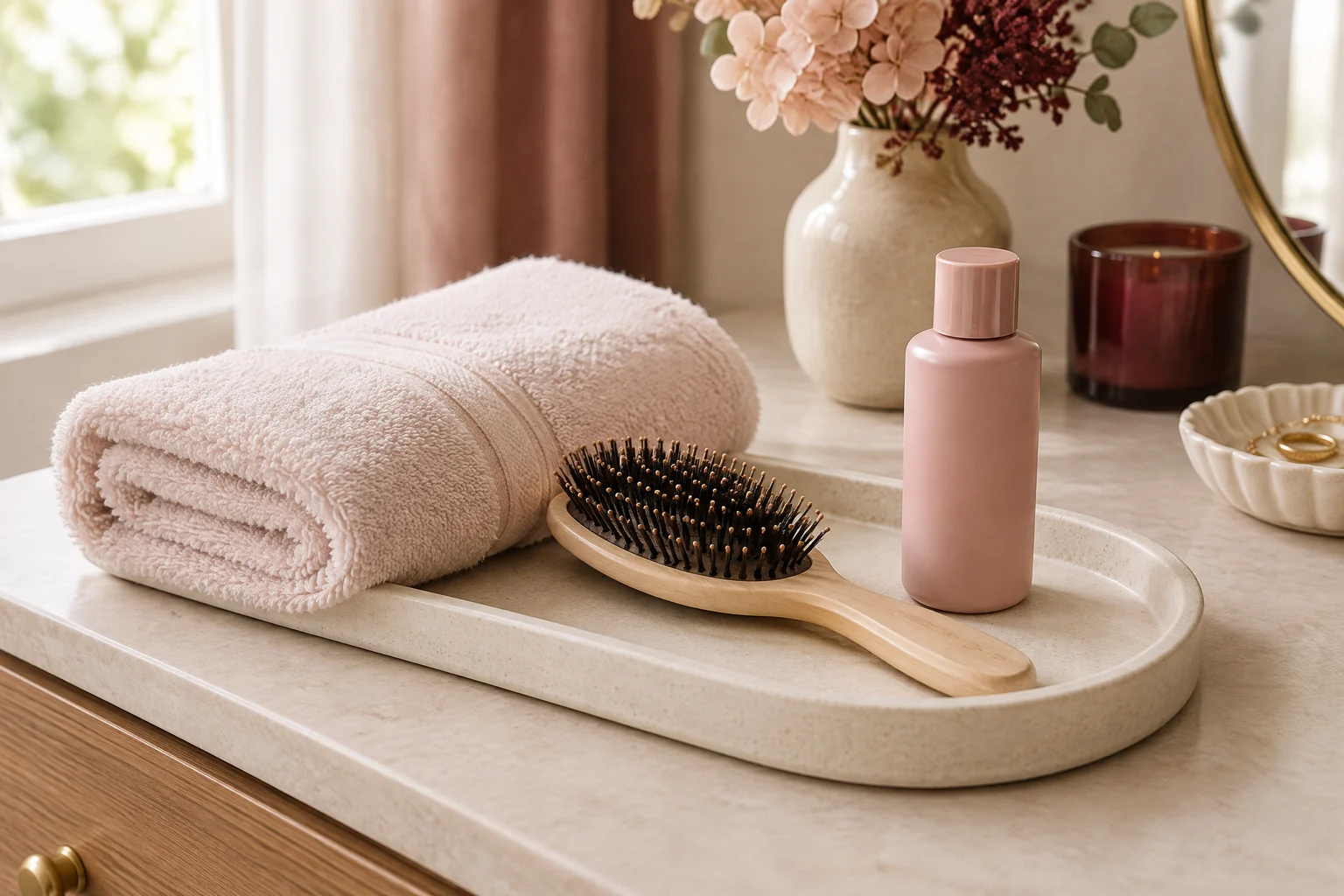
A product list needs more than a brand name
The U.S. Food and Drug Administration cautions against relying only on labels such as hypoallergenic or for sensitive skin. Its discussion concerns U.S. labelling rules, not Hong Kong law. The practical lesson is narrower: those words do not answer your individual reaction question. Photograph the ingredient panel where available and take unresolved ingredient questions to an appropriate healthcare professional. A reassuring label should not become permission for an unagreed trial substitution. [1]
For background reading, DT Hub's scalp care hong kong page offers a related information entrance alongside your wedding planning. Treat its scalp terms as enquiry subjects rather than explanations of your own symptoms. Your artist needs usable styling boundaries, not a diagnosis copied from a page. You can ask about appearance choices while keeping healthcare questions with the relevant professional. Reading service information does not expand the products permitted by your agreement.
Separate products you recognise from products you have actually used. A photograph from social media does not establish your experience with an item. Likewise, having worn a product previously does not guarantee that future use will be uneventful. Describe your history factually without labelling yourself safe or allergic. If you remember discomfort, record what happened and when. Share that information with a healthcare professional rather than asking the artist to identify its cause.
Discuss who supplies each item and whether the artist can use client supplied products. Keep the proposed list available before the appointment instead of arriving with unidentified containers. Original labels make identification easier, but they do not settle suitability. An artist may decline a product or method. In that situation, choose an accepted alternative plan or revise the appointment scope. The no addition boundary should not pressure anyone into using something they cannot reasonably accept.
Keep medical assessment outside the cosmetic rehearsal
A comfortable trial is not allergy clearance
The American Academy of Dermatology explains that skin allergic reactions can develop over hours or days. Dermatologist led patch testing can therefore involve later reviews, including an appointment after four to seven days. An uneventful bridal session cannot provide equivalent clearance. If clinical testing is recommended, schedule it separately and follow the clinician's instructions. Do not turn the trial into an improvised test by applying an excluded product to a small area. [2]
A useful healthcare question is whether your current scalp concern changes what should contact the area during styling. Bring the relevant product details if the professional requests them. Ask for practical restrictions and their review point, rather than a general approval of wedding makeup. The artist can then discuss appearance within those restrictions. There is no need to share your entire medical history when a concise boundary communicates the information required for planning.
The phrase scalp diagnosis hong kong identifies a DT Hub information page that you may use when preparing service enquiries. A page name does not establish a medical diagnosis or validate a cosmetic product for your skin. Ask what an offered assessment covers and who provides advice relevant to your concern. Keep that enquiry separate from permission to style your hair. Your wedding agreement should change only through the revision process you have chosen.
Persistent, sudden, or symptomatic scalp changes deserve assessment by a qualified healthcare professional rather than concealment alone. If discomfort begins during preparation, stop the affected cosmetic step and explain what you feel. New products should not be added to cover the problem. Seek appropriate medical advice, with urgent care for serious symptoms such as breathing difficulty. The agreement can support communication, but it cannot predict reactions or replace professional assessment of a changing condition.
Choose an achievable look and supplier handover
Protect the boundary beyond the trial chair
Separate the appearance you want from the product someone normally uses to achieve it. Describe the silhouette, finish, and accessory position using reference photographs. Then ask which details remain achievable under the agreement. For example, a different parting may answer an appearance concern without adding a root product. That is an option to discuss, not a guaranteed result. Keep the accepted version in your notes so later helpers understand the actual plan.
Hotel preparation can introduce products from several people, even when the main artist understands your boundary. A helper may bring fragrance, while another supplier offers a shine spray before photographs. Nominate one person to handle those offers and refer them to the approved list. That person should not approve changes on your behalf. Give them a simple response: the bridal preparation plan excludes additions. Any revision needs explicit agreement from you and the artist.
When considering half day bridal hair and makeup, identify who handles preparation after the booked service period. Ask about the actual schedule and handover arrangements for your wedding. A later helper needs the product boundary as well as the finished look photographs. Decide whether any touch ups are permitted and name the relevant items. A service duration alone does not tell another supplier what they may apply after the artist leaves.
The table separates three decisions that often get merged in wedding discussions. Product permission belongs to the agreed list. Appearance adjustments belong to the styling conversation. Health restrictions belong to the advice you receive from the relevant professional. Keep a copy accessible to the person coordinating the room. This allows a practical handover without broadcasting private details. It also makes an unavailable product a planning issue rather than an excuse for automatic substitution.
| Decision | Record before the trial | Response to a change |
|---|---|---|
| Product permission | Exact item and allowed contact area | Keep substitutes excluded pending agreement |
| Appearance plan | Accepted finish and fallback photographs | Discuss a simpler styling option |
| Health restriction | Relevant professional advice you choose to share | Return unresolved questions to the professional |
| Supplier handover | Coordinator and current dated list | Refer offers back to the agreed boundary |
Revise one decision after relevant professional advice
Record the change instead of reopening every boundary
Set a review point when writing the first agreement. This might follow a healthcare appointment or a discussion about an unavailable product. A review point is not an expiry date that allows unrestricted additions. Keep the original limits in place until the specific change is agreed. Record the product, contact area, reason, and person confirming the revision. If advice remains unclear, leave that decision unresolved and discuss an appearance plan that avoids it.
If you explore free scalp analysis, check the named items and conditions on that linked service page only. Ask which items are described as free, who is eligible, and whether other parts involve charges. The wording does not mean BigDeal offers a free assessment or trial. Nor does attending an enquiry automatically authorise a new styling product. Any useful advice still needs to be translated into the specific boundary relevant to your wedding preparation.
A revised note should show exactly what changed. For example, adding one named hair product would not approve every product from the same range. Equally, advice about one contact area should not be stretched to cover another. Ask the artist whether the proposed revision changes the achievable look or appointment needs. Agree those practical consequences before updating the list. Keep the earlier version for context, but clearly mark which dated version guides the next session.
There is also a valid outcome where the product list stays unchanged. You may prefer the simpler look despite receiving further information. Professional advice informs your decision; it does not require a cosmetic upgrade. If the original style now needs a different approach, ask whether a separate rehearsal is appropriate. Confirm any proposed appointment arrangements directly. Do not assume another trial, an additional service, or a particular item is included in an earlier booking.

Carry the current agreement into the wedding day
Make the approved version easy to find
Before the wedding, send the current note to the artist and your nominated room coordinator. Include the agreed look photographs and identify the fallback version. Check that both people are using the same dated list. Remove superseded copies from the preparation folder to reduce confusion. Keep private healthcare documents elsewhere unless you choose to share them. The working note should communicate product decisions and styling limits without exposing information unrelated to the day's arrangements.
If full day wedding hair and makeup fits your planned schedule, discuss each transition. Attendance does not imply continuous permission for changes. A ceremony look, portrait session, and evening look may involve different styling decisions. Ask how the agreed items and restrictions would carry between those stages. Confirm the actual service timing directly with BigDeal. Longer attendance does not override your product boundary or mean that every proposed look change has already been accepted.
Choose a response for missing or unavailable items before preparation starts. The first option can be the accepted fallback, not a hurried replacement from someone else's kit. Ask the artist how that affects the finish and whether the remaining plan is workable. If it is not, pause that part of the styling discussion. A wedding deadline is a reason to make decisions clear, not a reason to treat silence as consent to additions.
After the trial, record the appearance decisions that remain useful: accessory placement, agreed parting, and the accepted finish. Describe comfort observations without turning them into medical conclusions. Share any concerning symptoms with a healthcare professional rather than interpreting the photographs yourself. For future events or shoots, review the agreement instead of copying it unchanged. A different hairstyle or preparation team may need a new conversation even when you still prefer the same products.

Key takeaway
A useful agreement makes a smaller, workable promise: everyone understands the products and steps currently accepted for your bridal preparation. It does not promise a reaction free session or explain an unresolved scalp problem. Keep healthcare assessment separate, revise specific decisions deliberately, and carry one current note into the wedding room. That preserves your choices when timing, suppliers, and appearance requests begin to compete.
Practical checklist
- Photograph the exact product names and labels, then agree which items the artist can accept.
- Describe permitted contact areas and excluded preparation steps without using a self assigned diagnosis.
- Choose a fallback look that does not depend on an unagreed addition.
- Nominate a room coordinator to redirect supplier offers, not approve substitutions.
- Date the current agreement and record each accepted revision before sharing the wedding copy.
Frequently asked questions
Does no new product mean nothing can be applied?
Not necessarily. The agreement identifies the exact products and application areas you and the artist accept for the session. It can exclude additions while allowing a defined rehearsal. If the proposed list cannot support the intended look, discuss a simpler version before attending. This is a planning choice, not confirmation that any allowed product is medically suitable or incapable of causing a reaction.
Can the artist replace an item with the same brand?
Only through the revision process you have agreed. A brand name is broader than a specific product and formula. Ask which item would replace the original and how that changes the plan. If the replacement remains unresolved, use the accepted fallback where workable. The note should make that choice explicit so another supplier does not mistake a familiar brand for permission to substitute.
What if professional advice arrives after the trial?
Keep the current agreement until the relevant change is discussed. Share the practical restriction or information you wish the artist to use. Record any accepted revision with its date, exact item, and application area. Then ask whether the wedding look needs further rehearsal. Receiving advice does not automatically approve products, alter appointment arrangements, or require you to choose a more elaborate hairstyle.
Must the hotel coordinator receive my medical documents?
The coordinator usually needs your preparation boundary rather than detailed medical records. You can provide the current allowed list, excluded steps, and the person handling product offers. Decide separately what private information you wish to share. Ask the coordinator to direct any proposed additions back to you and the artist. This keeps the handover focused without asking hotel staff to interpret your scalp concern.
Sources
| Source | What it supports |
|---|---|
| Allergens in Cosmetics — U.S. Food and Drug Administration | Reassuring cosmetic label terms do not settle an individual's reaction question; the FDA discussion is explicitly about U.S. labelling. |
| Patch testing can find what's causing your rash — American Academy of Dermatology | Skin allergic reactions can be delayed, and dermatologist led patch testing can require later reviews. An uneventful bridal trial is not equivalent allergy clearance. |
Discuss your own makeup plans
For BigDeal bridal makeup arrangements, WhatsApp BigDeal Make Up on +852 6918 3153. Share your proposed trial scope and the product boundaries you want to discuss.
Ask on WhatsApp +852 6918 3153