
At a glance
Start with photographs of your own dry hair in your ceremony outfit. Choose what stays recognisable, compare small shape changes with longer-term movement, and give each participant a separate brief. A perm remains an individual salon question, not a necessary wedding preparation step.
Curly groom formalwear hair brief: start with your own curls
What belongs in a curly groom formalwear hair brief?
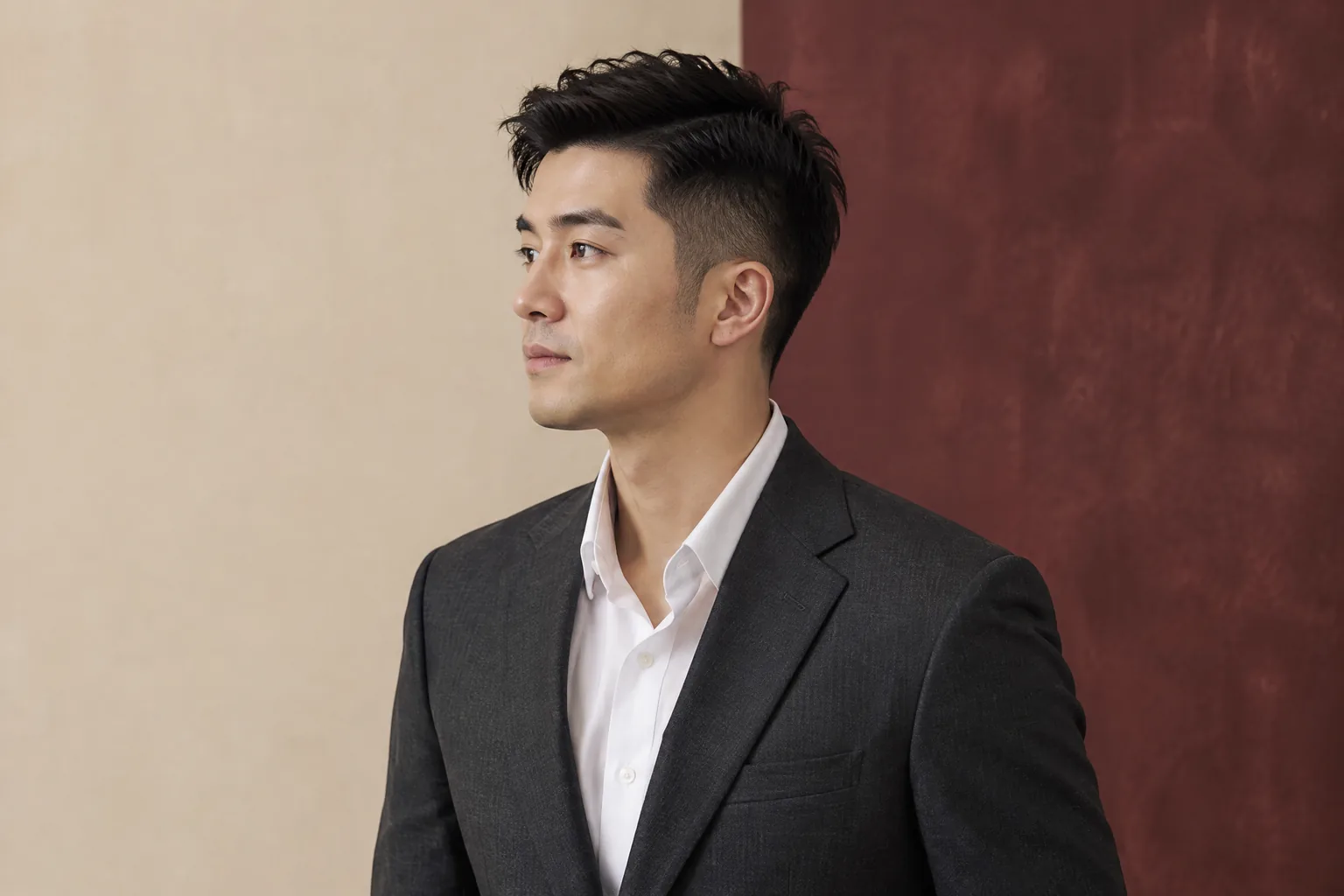
Begin with the hair you recognise in everyday photographs, rather than a model wearing an unfamiliar texture. Take front, side and back views after your usual routine, with the hair resting dry. Name one feature you want to preserve, such as forehead coverage or fullness above the ears. Then identify one practical concern. A curl touching your glasses is a clearer request than asking for a completely different formal personality.
Put on the actual shirt and jacket, or the closest available collar, before judging the nape. Turn your head and sit down, as you would during the ceremony. Note whether the ends rest above the collar or become caught against it. If you change into Chinese ceremonial clothing, include that neckline too. The aim is comfortable contact, not an automatic instruction to remove every curl near the neck.
The American Academy of Dermatology advises against brushing curly hair while dry to help prevent breakage and frizz. That matters when someone suggests brushing your finished curls flat simply to make them look formal. Discuss gentler handling with the person styling your hair, using your usual routine as context. This advice does not prescribe a wedding technique. It does support questioning a dry-brushing step that conflicts with the texture you want to keep. [1]
BigDeal's groom makeup page is the relevant starting point for discussing the groom's makeup or styling arrangements. Send your outfit photographs and explain whether you prefer a restrained finish or more visible definition. Ask which preparation tasks can be included, where they would happen and what information is needed. Keep a salon haircut outside that assumption. A makeup enquiry should not silently become a request for a chemical hair change on the wedding morning.
- Preserve: the curl feature you recognise.
- Adjust: one specific contact point or visibility concern.
- Confirm: the agreed makeup and styling scope.
Ask about cutting your existing texture
Which dry lengths affect collars and face visibility?
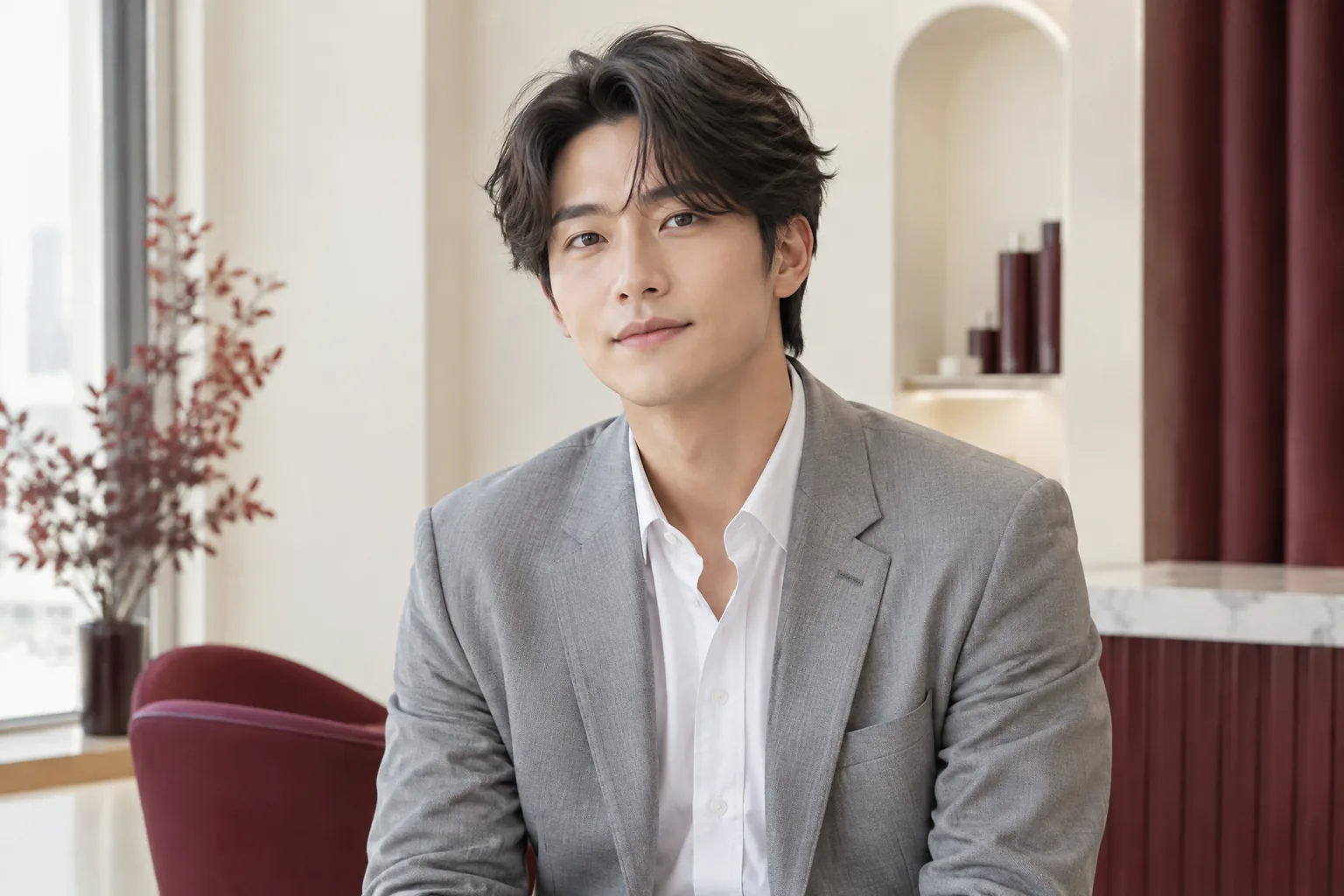
A cutting brief should describe where curls land when released, not only how long they look when stretched. Use visible boundaries: clear of the glasses, partly covering the ear, or sitting above the shirt collar. Compare those boundaries in your own photographs. Different areas may rest differently, so avoid one universal shortening instruction. Decide whether a wider side outline is a problem in itself or simply unfamiliar beside a fitted jacket.
Vitso Hair shares the same owner as BigDeal Make Up. Its curly haircuts for men guide discusses dry resting length, separate curl areas and the fullness you want to retain. Use it as related salon reading when preparing a haircut question, not an independent recommendation or a BigDeal haircut offer. Bring your natural-hair views and ask how the proposed approach would address them. The page does not establish which cutting method suits you.
Shorter sides can make the top look more prominent, while retained side coverage creates a more continuous outline. Neither choice is automatically more appropriate for a groom. Check how much ear exposure you like beside your jacket lapels and glasses. A tidy nape can address collar contact without requiring an equally short fringe. Keep these decisions separate so one practical concern does not remove a feature you value elsewhere on your head.
Explain what a successful cut would look like after your own drying routine, not only after salon styling. Ask how the agreed length will be checked and which areas would remain unchanged. If you are undecided about a major reduction, request a discussion rather than treating the reference as consent. There is no universal pre-wedding haircut interval here. Arrange timing with the salon according to the actual change and your wedding schedule.
| Option | Useful question | Trade-off |
|---|---|---|
| Keep the outline | Do curls clear the collar? | Familiar shape; contact may remain |
| Tidy the nape | Which dry ends touch fabric? | Less contact; retain other lengths |
| Shorten the sides | How much ear exposure suits you? | Narrower sides; stronger top contrast |
| Change movement | Do you want it after the wedding? | Longer-term choice; salon assessment needed |
Compare new waves with movement you already have
Is a chemical change needed for the desired outline?
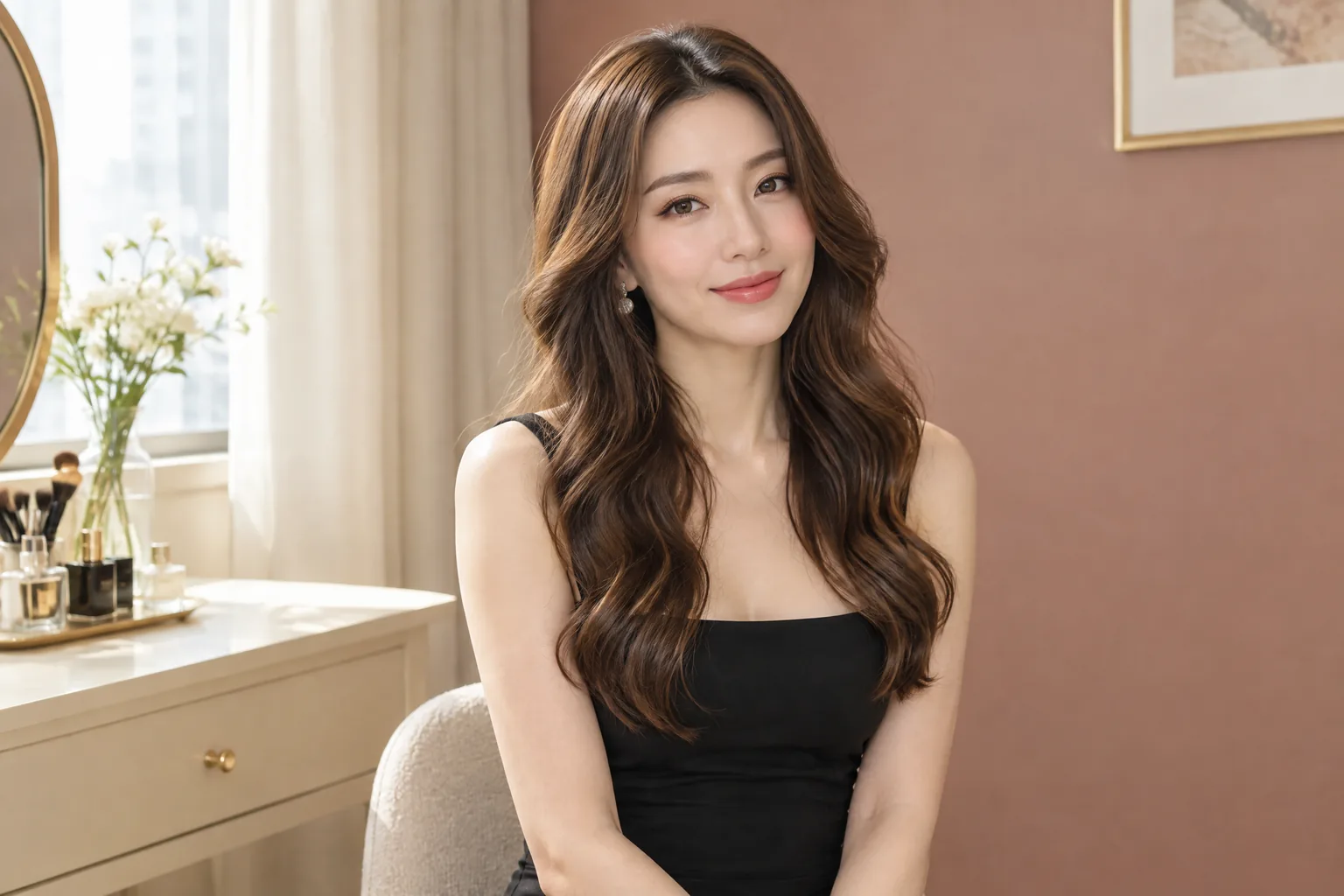
Read a wave reference by following a visible strand from the parting towards its end. Identify whether you like its direction, its repeated bends or simply the space around the forehead. Your natural curls may already provide movement, even if their outline differs. A cut or a one-day styling discussion might address the actual preference. Start by naming the missing feature instead of assuming a photograph requires a permanent texture change.
Vitso Hair's wavy perm for men resource compares subtle bends with a more visible wave rhythm. It also asks readers to consider retained length and their normal styling routine. For a naturally curly groom, use those descriptions to explain a visual preference, not to predict a transformation. Show your current texture beside the reference and ask whether the goal is realistic. A quieter-looking image does not establish a gentler chemical process or individual suitability.
Consider life after the wedding before choosing longer-term movement. Do you want the same outline at work, and are you willing to learn a different daily routine? A style that appeals beside a dinner jacket may not be your preferred everyday shape. Separate the event wish from the lasting wish. If only the ceremony photograph motivates the change, ask about retaining your texture. Assess any salon process before committing.
Prepare two labelled images rather than a large collection of conflicting references. One should show your own dry shape; the other should identify the feature you want to borrow. Write down anything you do not want, such as greater side width or less forehead coverage. Then leave the method open for discussion. This gives the salon a specific question. Your wedding makeup brief can proceed without depending on a new texture.
Coordinate the wedding party without matching curls
Which participants need their own preparation brief?
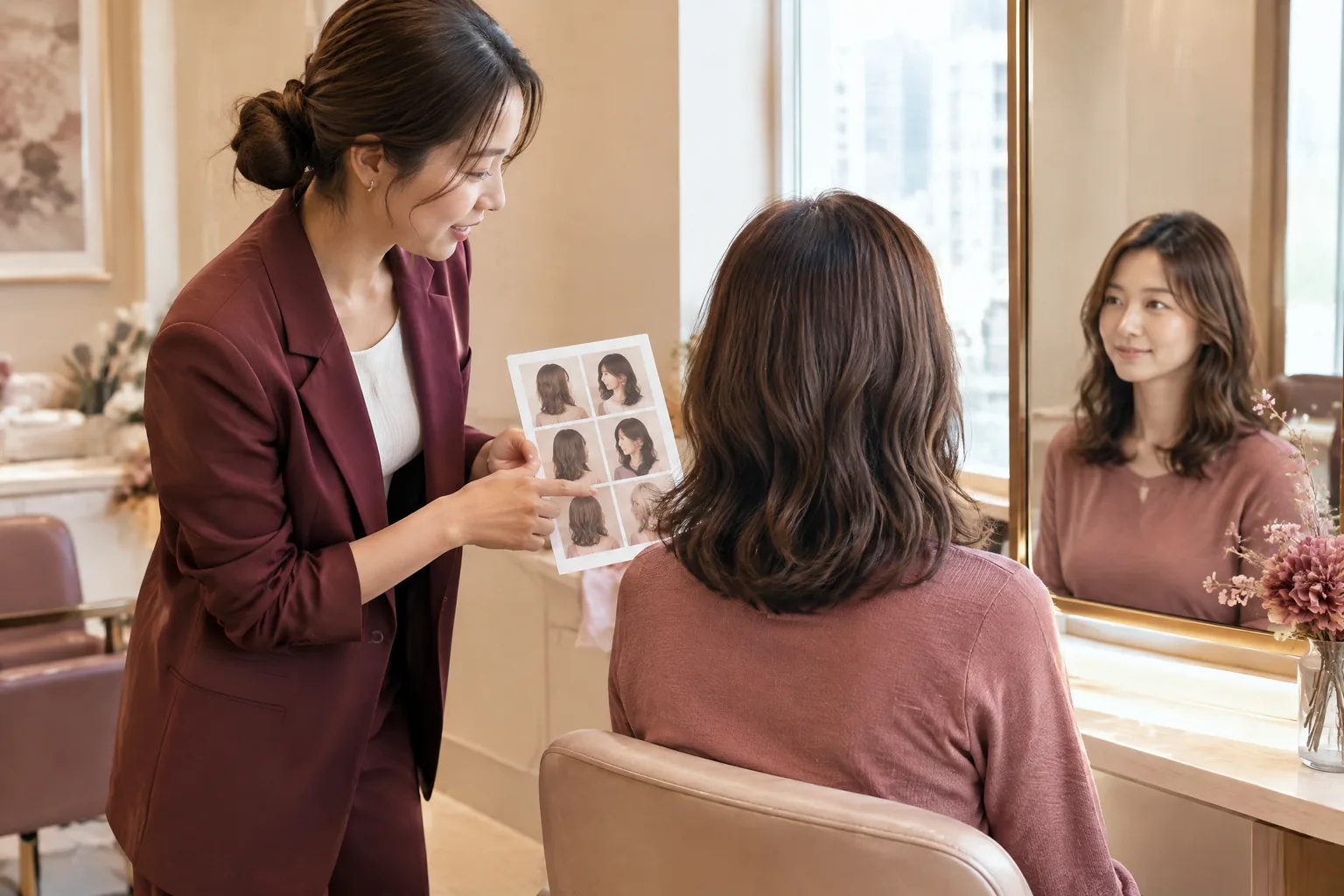
A coherent wedding party does not need identical hair texture. Coordinate a level of finish, such as tidy face visibility, rather than asking everyone to copy the groom's curl pattern. Start with the people who have actually requested preparation help. Record their ceremony role and the time they must be ready. A banquet guest may need different arrangements from someone appearing in the first family photographs or tea ceremony.
The Hong Kong bridal party makeup page provides a relevant route for discussing those participants' makeup and styling needs. Share a list of people and their requested scope, rather than treating attendance as consent to a service. Ask BigDeal to confirm what can be arranged and what details remain outstanding. Keep each person's hair preferences in their own notes. One enquiry does not guarantee identical services, simultaneous preparation or a shared salon appointment.
If your day includes a tea ceremony, registration and evening reception, map preparation around the actual transitions. Note outfit changes and any time spent travelling between locations. Decide who needs to be present for which photographs before assigning ready times. Do not place a new chemical hair procedure inside that schedule as an assumed task. The useful coordination question is who needs agreed makeup or styling support, not who should change their natural texture.
Choose one person to collect confirmed arrangements, but keep personal decisions with each participant. A shared schedule can show locations and departure times without circulating private scalp or treatment histories. Send those details only to the relevant provider when needed. If someone prefers to prepare independently, leave them off the service list and confirm their arrival time instead. Coordination works better when it organises real requests rather than expanding them into a compulsory group makeover.
| Person | Record individually | Confirm before scheduling |
|---|---|---|
| Groom | Natural curl boundary and collar | Makeup and styling scope |
| Wedding party participant | Requested finish and ceremony role | Preparation location and ready time |
| Guest requesting help | Personal preferences and arrival plan | Individual arrangement, not automatic inclusion |
Prepare records before a salon perm enquiry
What does a reference leave unanswered?
Collect the chemical history you know before asking about any change: previous colour, bleaching, straightening or perming. Include approximate dates and say when information is uncertain. Describe your current washing and styling routine, and note the areas you want left unchanged. These records help frame a conversation; they are not a self-assessment of suitability. Do not guess a product name or process simply because you remember the finished hairstyle from an earlier appointment.
For a separate salon discussion, Vitso Hair's men's perm page outlines questions about top movement, side control and daily styling. It also asks for previous chemical treatments and current length. Use that material to prepare an enquiry directly with the salon, while keeping BigDeal's makeup arrangements distinct. Ask whether a change is appropriate at all, which areas would be considered and what follow-up information is needed. Reading a service page does not confirm a booking or suitability.
The American Academy of Dermatology warns that appearance-enhancing hair treatments can cause dry, brittle hair, and urges caution with perming. A desired wave therefore needs more than an attractive reference or a reassuring style name. Discuss your history before any chemical decision and do not treat wedding timing as evidence of safety. This is a cosmetic planning conversation, not medical advice. Scalp pain or other health concerns should be discussed with a healthcare professional. [2]
Ask for the expected visit scope and any preparation instructions before fitting a salon appointment around wedding commitments. Clarify what remains undecided, rather than recording an enquiry as a confirmed treatment. If the salon needs further assessment, keep your existing curls as a valid event option. Avoid imposing an unsupported universal waiting period. The appropriate timing depends on the proposed work and individual assessment, not a rule copied from another groom's wedding checklist.
Extend coordination only to guests requesting it
Which guest preferences need separate confirmation?
Guests may want help for different reasons, and some may want none. Ask each interested person whether they need makeup, styling or simply information about preparation timing. Do not pass the groom's curl reference around as a default guest instruction. A parent's glasses, a friend's fringe and another guest's preferred coverage create different briefs. Keep those choices personal, even when everyone shares the family photographs or sits at the same banquet table.
BigDeal's wedding guest makeup and hair page is a relevant place to begin enquiries for guests who request those arrangements. Give the person's preferred finish, event time and preparation location, then ask for scope confirmation. Do not promise that a request can be added to the groom's appointment. Keep haircut and perm questions with the relevant salon. A guest can ask about makeup without agreeing to change their hair texture or join anyone else's preparation plan.
Before the day, write a short handover note for each confirmed participant. Include the agreed finish, relevant outfit contact points and the time they need to leave. For the groom, name the curl feature that should remain and the fringe boundary already discussed. Keep salon instructions separate from makeup notes so neither provider has to infer another service's agreement. This is particularly useful when your ceremony outfit differs from the one worn at the reception.
Finally, identify who will carry personal items and whether any refresh support has actually been arranged. Do not assume a provider stays through an outfit change or travels to another venue. Bring only familiar items you have discussed, rather than experimenting with several new products during a rushed departure. The finished plan should let you wear your curls comfortably and leave on time. It need not make every relative look alike to feel considered.
Key takeaway
The strongest formalwear brief protects something familiar before changing anything. Treat collar clearance, curl movement and makeup readiness as separate decisions. Your existing texture remains a complete wedding option while salon questions are assessed on their own terms.
Practical checklist
- Photograph natural dry curls from the front, sides and back.
- Check the nape against every ceremony and reception collar.
- Label one feature to retain and one concern to discuss.
- Prepare known chemical history for the salon, without guessing.
- Confirm each participant's requested scope, location and ready time.
Frequently asked questions
Do natural curls look formal enough for a groom?
Formality does not require a different texture. Judge your own dry outline with the actual collar, jacket and glasses. Clear face visibility or a tidier nape may answer your concern without changing the curls you recognise.
Should I copy the wave pattern in a reference?
First identify what attracts you: forehead clearance, strand direction or repeated bends. Bring your current-hair photograph alongside it. The salon must assess any chemical proposal; the photograph cannot show your suitability or establish how your hair will respond.
Can BigDeal confirm a Vitso perm through the makeup enquiry?
No. Keep salon suitability and appointment confirmation with Vitso Hair. Use the BigDeal enquiry to discuss makeup arrangements and any styling scope that BigDeal confirms. Shared ownership does not turn one enquiry into agreement for both services.
How should I plan around two wedding outfits?
Photograph your curls beside both necklines and note when the change happens. Ask whether any agreed styling support covers that transition. Collar contact and preparation timing matter more than making both outfits share an identical hair silhouette.
Must the wedding party and guests receive matching styling?
No. Collect requests only from people who want help, then confirm scope individually. Coordinate readiness and an agreed level of finish without imposing the groom's texture. Anyone preparing independently only needs a clear arrival and photograph schedule.
Sources
| Source | What it supports |
|---|---|
| 6 curly hair care tips from dermatologists | The American Academy of Dermatology advises avoiding dry brushing of curly hair to help prevent breakage and frizz. |
| Coloring and perming tips for healthier-looking hair | Appearance-enhancing treatments can cause dry, brittle hair; the American Academy of Dermatology urges caution with perming. |
Discuss your own makeup plans
Discuss your wedding makeup arrangements with BigDeal Make Up on WhatsApp +852 6918 3153. Share your event schedule, outfit changes and requested finish so the makeup scope can be clarified. Contact Vitso Hair separately for haircut or perm questions; BigDeal does not confirm those hair services through this enquiry.
Ask on WhatsApp +852 6918 3153