
At a glance
A calm bridal plan separates what is confirmed about a piece from what still needs a trial. Use the questions below to compare styling routines, confirm practical limits and create reference images that help your makeup artist and photographer work from the same brief.
Plan the human hair wig finish from the photograph first
Define the human hair wig finish you want to see on camera
A bridal image is a combined result. Fibre, cap placement, cut, accessories, makeup balance, lens choice and light all play a part. The American Cancer Society advises checking each brand’s size chart because sizing can vary. Treat that as a practical reminder for a photo plan. Measure, try the piece, and record where the front sits before deciding that a label will solve the image. [1]
Start with the visual priority rather than an assumed material ranking. You may want a soft side part or a clean hairline under a veil. You may also want lifted crown volume or movement in a walking shot. Name one priority for each outfit. Then note what must remain stable during outfit changes. Include a windy waterfront location, an indoor studio and close portraits. Set a priority for each planned photograph. This written priority gives every supplier the same visual direction.
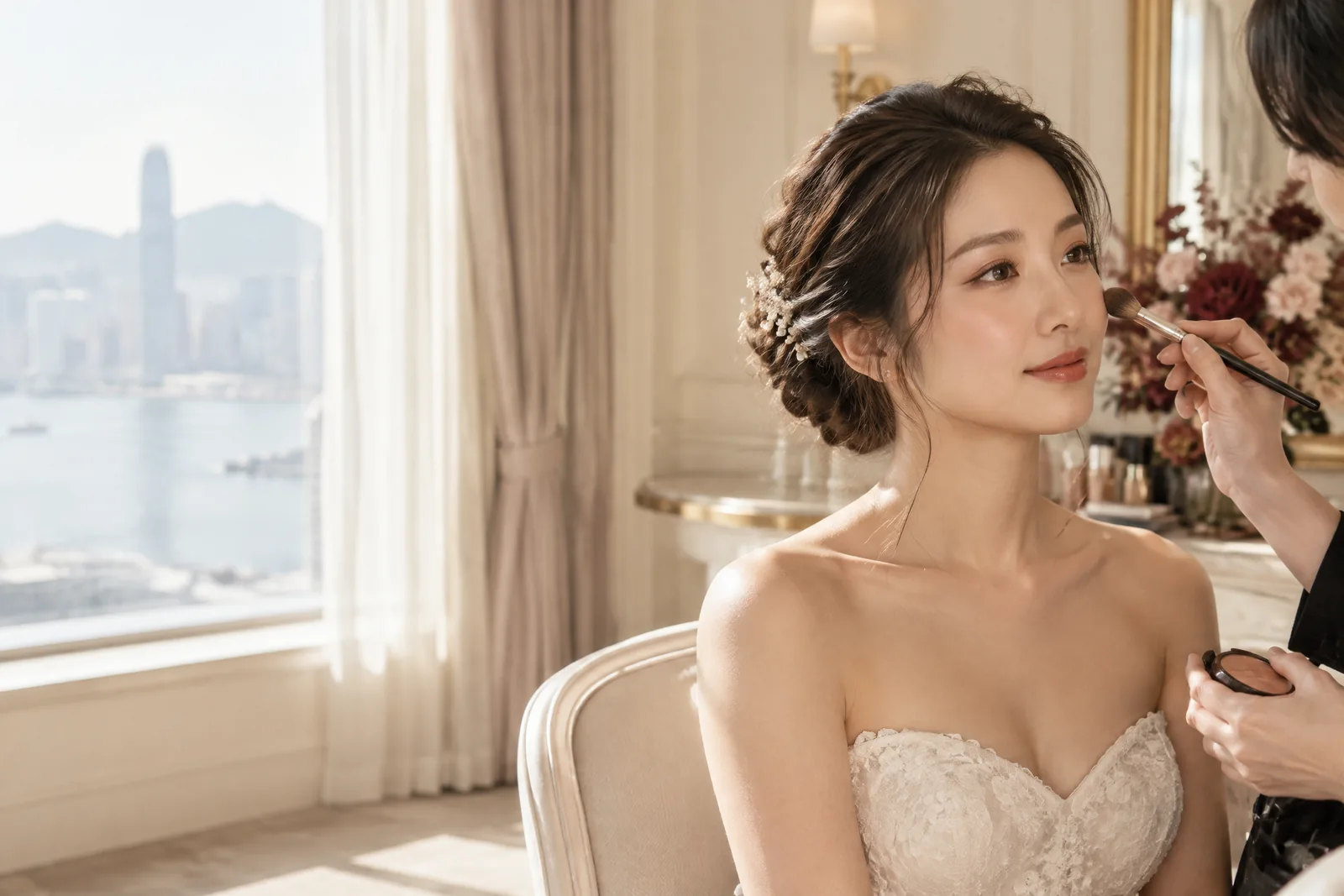
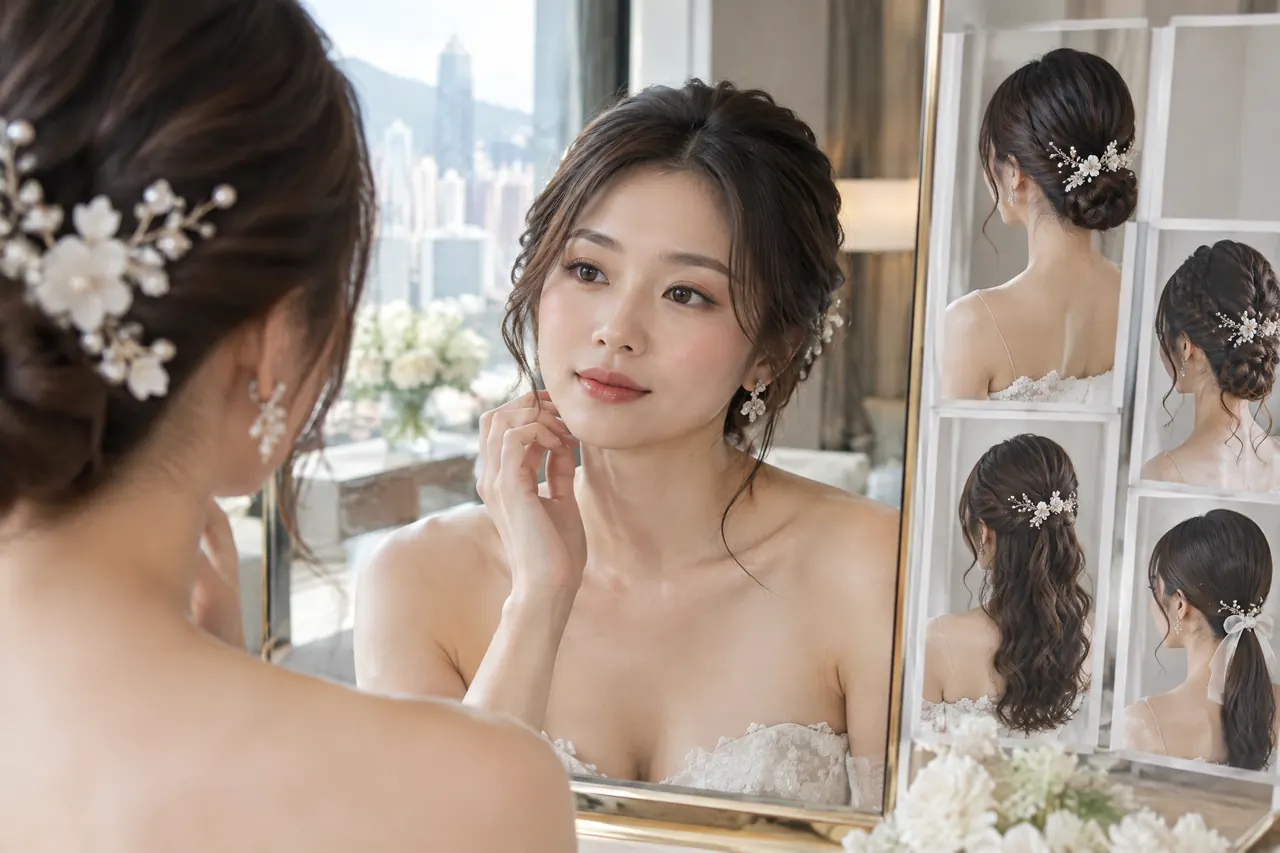
Bring three reference images to a bridal makeup pre-wedding shoot, but describe why each one works. Point to the parting, face framing, height, texture and accessory position. A reference is a conversation aid, not proof that an identical result suits every face or fibre. A concise brief leaves room for the artist to check proportion with your actual dress neckline and makeup direction.
Read hair descriptions as styling inputs
Separate human hair, Remy wording and fibre care from outcomes
The description human hair says something about the fibre category, not every detail of the finished piece. For a measured starting point, read the OwnStrand guide to human hair wigs. It explains why construction, fit, styling guidance and upkeep should be checked for the individual option. Use the page to prepare questions, rather than treating it as confirmation of a particular finish, supply or styling permission. Keep the description in your notes beside questions needing later confirmation.
Remy is useful terminology, but it should not replace questions about the actual piece. The OwnStrand comparison of Remy human hair wigs explains the common label concerns cuticle direction. It is not a universal quality grade, origin statement, or performance promise. Ask a seller what the term means for the exact style. Also ask which processing and care details are explicitly disclosed. A price tag cannot replace those specific disclosures.
Fibre names help you plan tools and time, but none predicts a photographic result by itself. The OwnStrand overview of wig hair types separates human hair, standard synthetic fibre and heat-friendly synthetic fibre. It also stresses product-specific guidance for heat, washing and storage. If a shoot needs an altered shape, confirm the allowed method for that item. Do this before a stylist uses a hot tool, colour product, or treatment. This avoids a last-minute tool decision.
Build a small camera test before the full trial
Check shine, parting and movement in the planned light
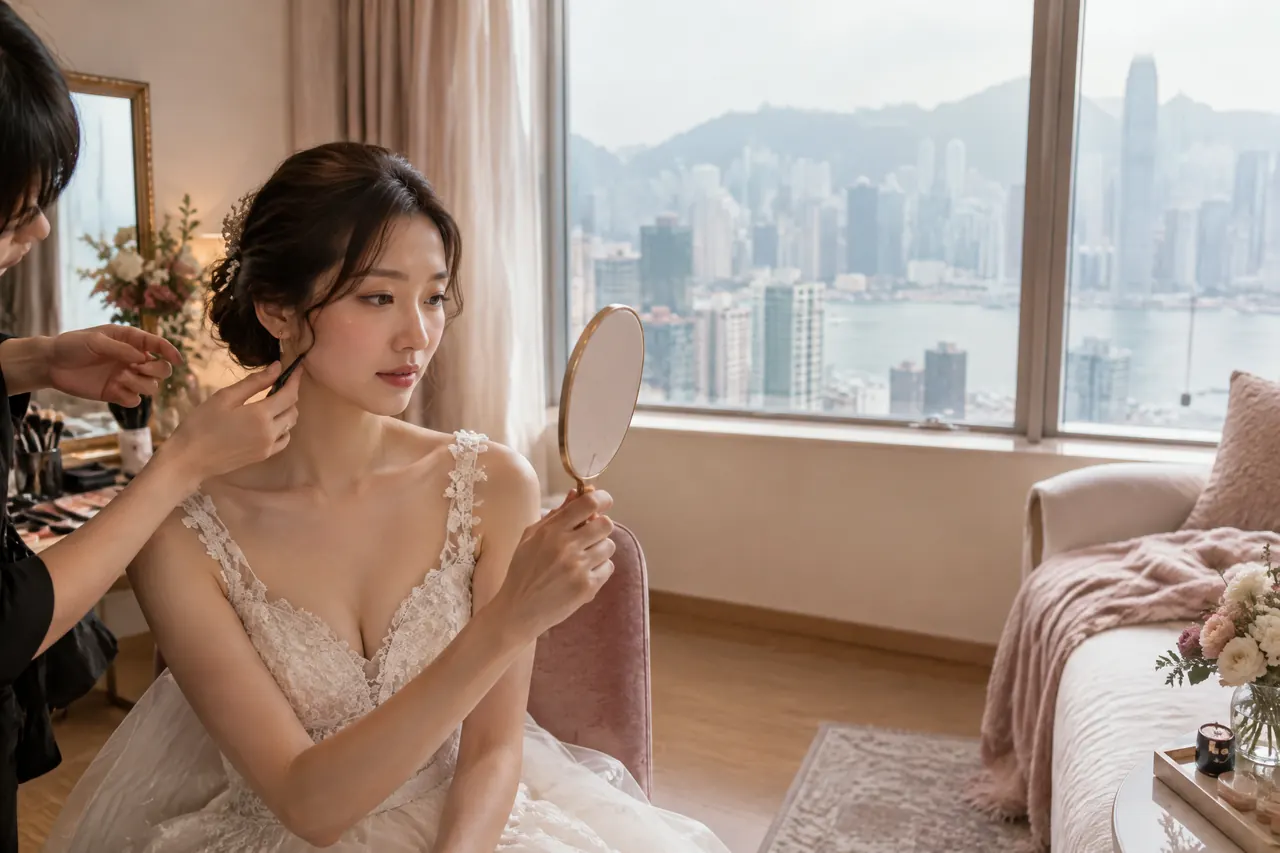
Light changes what a camera notices. Adobe’s portrait guidance explains that natural and artificial light have different effects, while light direction can alter shadow and contrast. Test the hair beside the lighting you expect to use. Take front, three-quarter and profile images. Include one close frame around the hairline. Review texture, shine, separation from the background and whether the part still looks intentional. Capture one image against both a light and dark background.
Use the same simple test for every candidate. Wear the neckline or a similarly coloured top. Set the intended part, veil, clip or earrings first. Ask someone to take still images and a short walking clip. Check the result at normal phone size and enlarged size. Repeat the test after the accessory is positioned. This shows whether the detail you love in a mirror becomes distracting, flattened, or simply less visible when photographed.
Do not chase a perfect screenshot. A useful trial reveals which adjustment matters most. It might be moving the part slightly, reducing height, changing the accessory angle, or choosing a calmer texture. Write that adjustment beside each reference image. The table below is an editorial planning tool, not a product rating, and it keeps confirmed facts separate from assumptions. Use it during the final decision.
| Question | What to observe | What to confirm |
|---|---|---|
| Front hairline | Edge position in close portraits | Fit method and permitted adjustment |
| Part and crown | Shape under daylight and room light | Styling limits for the exact fibre |
| Movement | Walking, turning and veil placement | Accessories or securing steps allowed |
| Care plan | What changes during the shoot | Item-specific brushing, heat and storage directions |
Fit and construction deserve their own rehearsal
Confirm stability before you plan a quiet hairline
Fit affects the finish before any makeup is applied. Check the circumference and the front-to-back position according to the item’s own instructions. Then look at the ears, nape and front edge in a mirror. Comfort is useful information, yet it does not replace a stability check. Turn your head, look down, lift a bouquet and practise the movements that your photo plan actually needs. Choose the final position before applying face-framing products.
Coordinate the base with complexion work instead of trying to conceal uncertainty with more product. Our guide to long-lasting makeup Hong Kong can help you plan a practical touch-up rhythm. Use it for heat, travel and camera time. Keep any wig or hairpiece discussion separate from skin preparation. The goal is a coherent overall look, not a claim that makeup can correct an untested fit or construction detail.
Ask the person handling hair to explain each adjustment before the session begins. Note which clips, bands, pins, tape, accessories or product steps are permitted for the specific piece. Do not copy a method from another style. Photograph the finished placement from both sides before you change outfits. That record makes a later reset more consistent, even when the day moves quickly between locations. Keep the record with the accessories and styling notes.
Plan for Hong Kong light, timing and movement
Rehearse a bridal look through the actual schedule
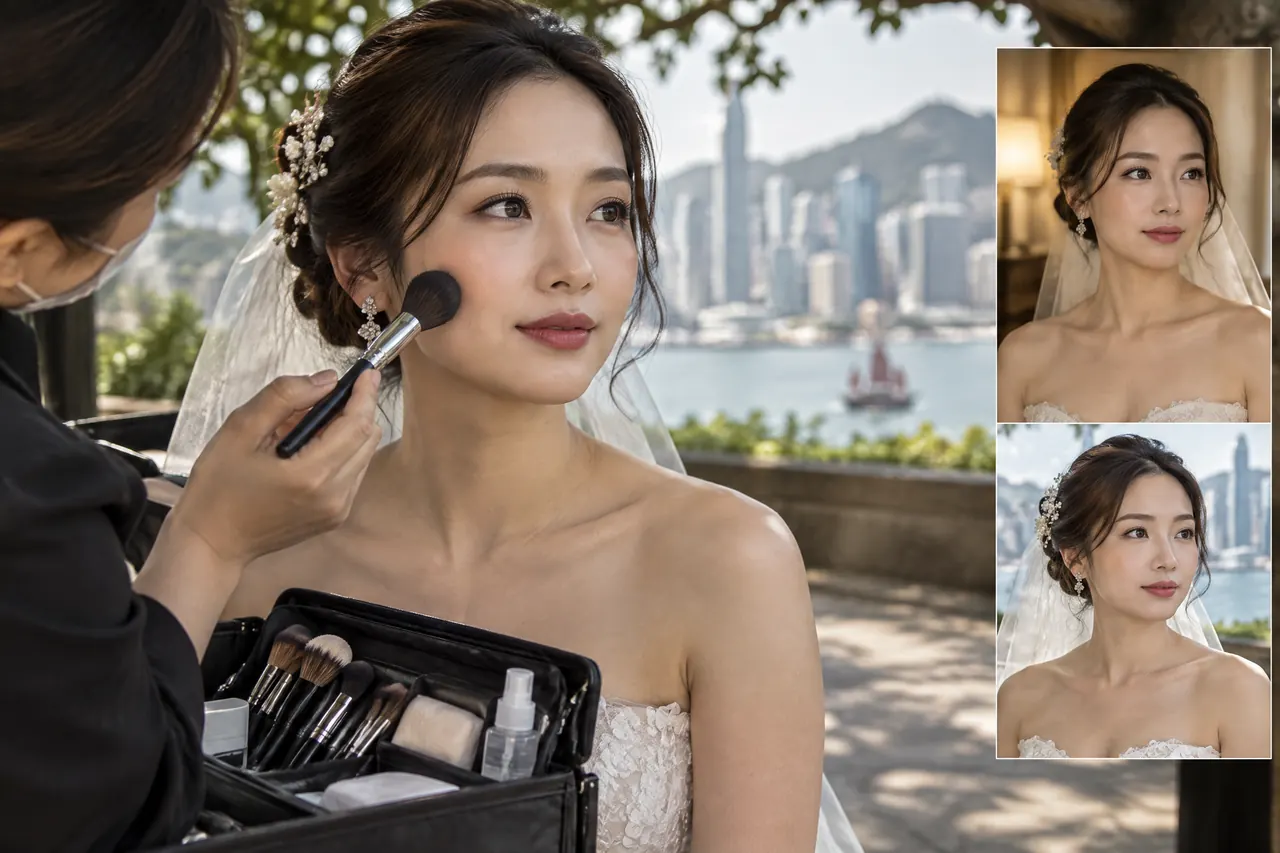
The schedule changes the conditions around a bridal portrait. Adobe’s wedding-photography guidance notes that bright midday light can create stronger shadows, while shade can create more even light. Share the time and location of key portraits before the trial. Ask the photographer which locations are likely for close portraits. If you expect both daylight and an evening room, capture a quick check in each setting. This is preparation for variation, not a guarantee of how every image will appear. [2]
Make an easy reset plan for wind, transport and outfit changes. Bring the item-specific brush or comb only if its instructions permit it. Keep accessories in labelled pouches. Decide who carries them. After a short walk, check the parting, crown and face-framing pieces rather than brushing the whole style automatically. Small, deliberate checks reduce last-minute decisions and protect the look you already tested. That focused habit is usually enough for a planned reset.
If preparation happens across home, hotel and venue, clarify the sequence early with a home makeup artist Hong Kong. Tell the team when the hair will be set. Then explain when the veil goes on and when the first close portraits occur. Share your preferred reference image and the questions still unanswered about the piece. Clear timing helps everyone protect the chosen finish without claiming that one material controls the entire result. This shares responsibility clearly.
Leave the trial with decisions you can repeat
Turn label questions into a simple bridal action list
End the trial by marking each decision as confirmed, to check, or unnecessary. Confirm the fibre wording, care instructions, fitting method and permitted styling for the exact piece. Mark any unanswered question for the seller, not for the wedding morning. A clear note prevents a label from becoming a vague instruction. It also helps the makeup and hair team understand which parts of the plan are settled.
Choose one reference photo as the reset image. It should show the part, front edge, crown height and accessory placement without filters that hide detail. Save a second image in the intended dress or veil. These two pictures are more useful than a folder of unrelated inspiration. They give the team a realistic visual target and show the tested relationship between hair, makeup tones and neckline.
Finally, plan the amount of attention the hair needs during the shoot. A calm style may need only a check at outfit changes. A more detailed style may need a designated moment after travel or wind. Decide the plan from the test, the product instructions and the day’s sequence. Do not make it from a label alone, or from another person’s photos taken in different conditions.
- Save the exact material wording and the item’s care directions in your phone notes.
- Photograph the tested hairline, parting, crown and accessories from both sides.
- Tell the team which tools or products are confirmed for the specific piece.
- Put touch-up moments into the schedule rather than assuming time will appear.
- Keep one clean reference image for a reset after outfit changes or travel.
Key takeaway
For a bridal-photo plan, the most useful label is the one that prompts a better question. Confirm what the fibre description actually covers, then test fit, styling boundaries and placement in the light you expect. The result is a calm, repeatable brief for makeup, hair and photography, rather than a promise attached to human hair or Remy wording.
Practical checklist
- Write the exact fibre description and separate it from any assumption about feel, shine or styling flexibility.
- Test the front edge, parting and crown in daylight, indoor light and a close phone photograph.
- Confirm the specific piece’s permitted tools, products, adjustment method and care routine before the trial.
- Take side-view reset photographs after placing the veil, jewellery or other hair accessories.
- Add touch-up checkpoints to the timeline for travel, wind, outfit changes and the first close portraits.
Frequently asked questions
Does a human hair label guarantee a natural bridal photograph?
No. It identifies a fibre category, not a guaranteed camera outcome. Hairline placement, cap fit, cut, density, accessory position, makeup balance, lens and light still shape the photograph. Ask for the exact item details and use a small camera test before the full trial.
What does Remy mean when planning a photo look?
Remy commonly refers to hair arranged with cuticles facing one direction. It does not, by itself, prove origin, donor count, processing history, a particular lifespan or a particular bridal result. Ask what the seller confirms for the precise style, then compare that information with fit, construction and care guidance.
Can every human-hair or synthetic piece be heat styled?
No. Human-hair status does not automatically permit every tool, colour treatment or temperature. Standard synthetic fibre should not be assumed heat-friendly. Follow the instructions for the exact piece, including approved methods and care, and ask before making a change during a bridal trial.
When should I test hair with my bridal makeup?
Test once you can bring the key accessories and a neckline similar to your dress. Photograph the look in the planned lighting where possible. The trial is most useful when it includes head movement, walking and an outfit change, because those reveal practical reset needs.
What should I share with my makeup and hair team?
Share the confirmed fibre description, care limits, fit instructions, your reset photo, the planned portrait times and any accessory sequence. Explain what remains unconfirmed. This creates a practical brief without asking the team to infer product specifications or promise a photographic result from a label.
Sources
| Source | What it supports |
|---|---|
| American Cancer Society — Wigs for Hair Loss | Supports the practical advice to verify brand-specific sizing and follow the exact wig’s care and heat directions; it does not assess a particular product or seller. |
| Adobe — Wedding photography tips on wedding shot lists, equipment recommendations, and more | Supports planning around changing lighting and using shade for more even wedding portraits; it does not predict the appearance of a particular hairpiece. |
Discuss your own makeup plans
Bring your reference images, schedule and item questions to your bridal makeup and hair planning conversation.
Ask on WhatsApp +852 6918 3153