
At a glance
Start with the photographer's proposed composition and your chosen hairstyle or hairpiece. Compare a normal-height reference with the planned high view. Review the whole portrait before any close detail. Change one thing at a time, then record the accepted frame and its conditions. Keep private testing separate from permission to publish.
Make prewedding top view photo approval about a real frame
Choose what you actually want to see from above
A top view might mean a gentle downward portrait or a camera directly above a seated couple. Those compositions show different parts of the head. Ask the photographer to demonstrate the proposed view before discussing changes to your hairstyle. Include your partner's position and the intended crop. A quick phone held overhead can start that conversation. It should not become the final standard for a different camera setup.
Decide what matters to you in that picture. You may want the parting visible, prefer less crown detail, or welcome an honest overhead view. None of these preferences needs an explanation about your hair history. Describe the area using neutral words, such as the back of the part or the outer edge. That gives the team something practical to inspect without turning an appearance preference into a problem to fix.
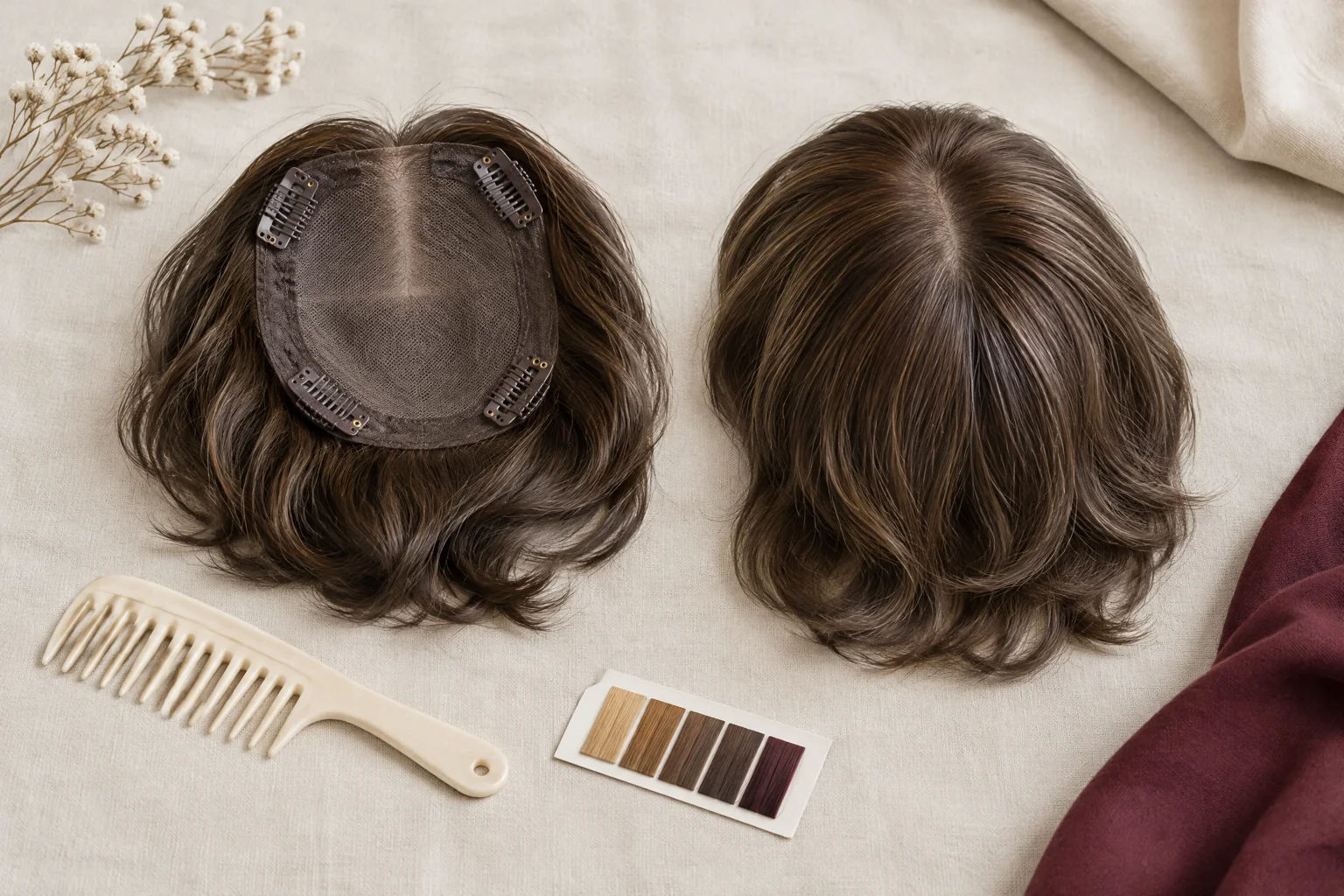
OwnStrand's selection reading comes from a business with the same owner as BigDeal Make Up. Its hair topper base size guide discusses the foundation's dimensions and the area you want covered. Those are product-selection questions, not camera-height settings. A pleasing test frame does not confirm that a base fits. Equally, an unwanted overhead picture does not prove that you need a larger piece for your everyday hairstyle.
Separate a private inspection picture from a portrait intended for your album. A close crown detail may help you discuss a visible edge. It need not be attractive, and it need not be delivered as a wedding photograph. Request only the detail you feel comfortable creating. If you would rather review the live screen without saving it, discuss that option before testing. The team can then explain what its workflow allows.
Rehearse the pose with your actual hair and accessories
Keep the reference and high frame comparable
Digital Photography School shows how camera viewpoint changes portraits, even with the same subjects, location, camera and lens. Its examples do not make high angles inherently better or worse. Use that principle when comparing your own proposed frames. Keep the hairstyle and pose steady while the photographer changes viewpoint. You can then judge the composition itself. This is more informative than comparing unrelated selfies with completely different lighting and expressions. [1]
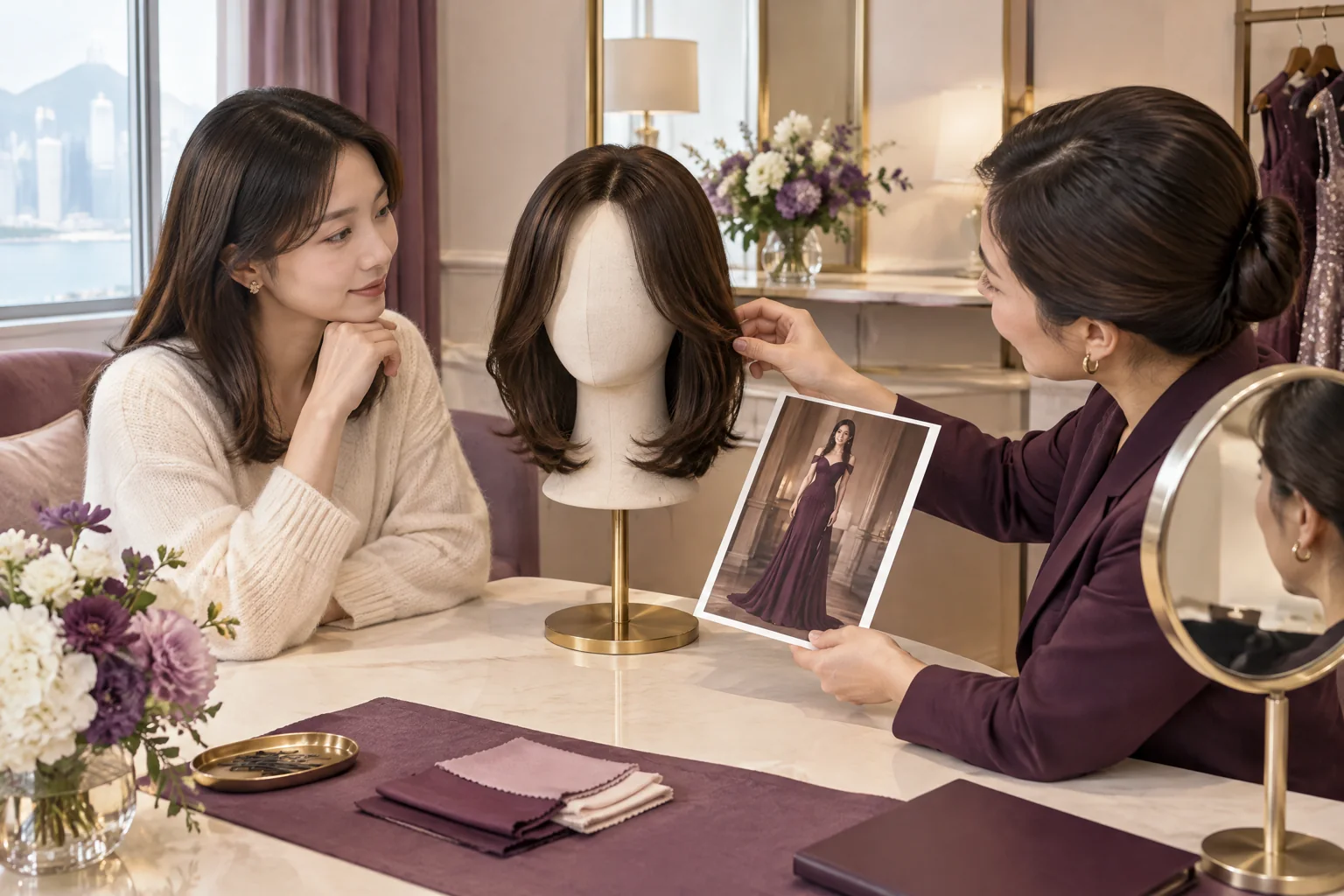
Bring the hairpiece you plan to wear if you already have one. Bring your intended veil or hair accessory where practical, too. A reference picture alone cannot show how your own items sit together. Rehearse the pose you expect to use, including a glance towards your partner or a lowered chin. Agree before anyone handles or repositions a personal item. Manufacturer instructions and your comfort still matter during a photographic test.
Take a normal-height reference first, followed by the proposed high frame under the same light. Ask to see the uncropped view as well as the intended composition. Review both at the same display size without a beauty filter. A tiny preview can hide a detail that concerns you. Extreme zoom can also make the review feel unlike the finished portrait. Begin at normal viewing size, then inspect any agreed detail.
If you are arranging bridal makeup pre-wedding shoot, explain which high-angle pose you want to rehearse during the makeup discussion. Share the photographer's reference rather than only saying you dislike top views. Mention whether a veil stays on throughout that scene. Ask how much preparation time can be allocated to the check. A focused request helps distinguish the main portrait from a separate private detail photograph you may not want saved.
Find out what changed before adjusting the hairstyle
Test camera, styling and item placement separately
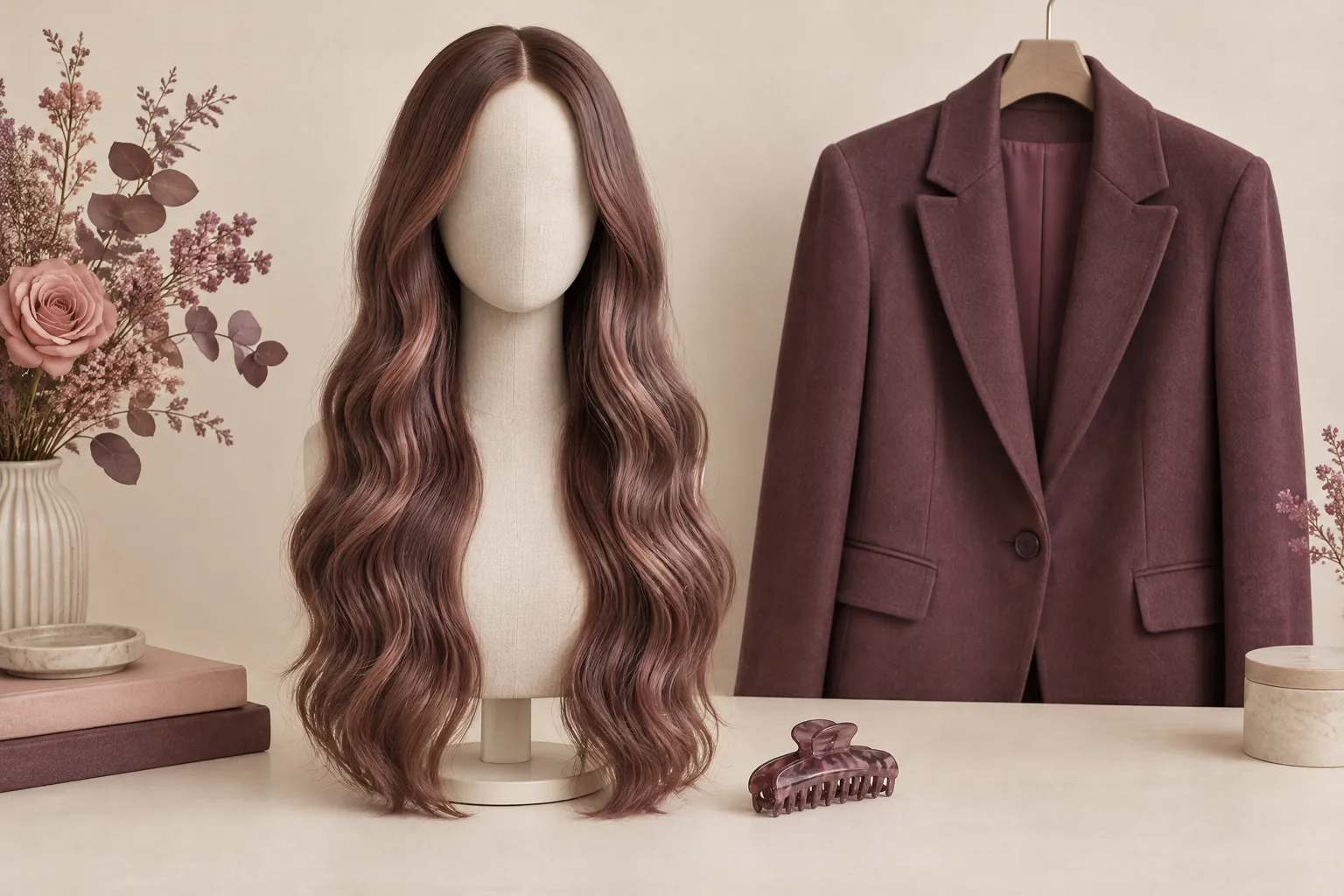
When the crown looks different between pictures, compare the setup before deciding what to alter. Check whether the camera moved higher, your chin dropped, or the veil changed position. Describe the difference you can see rather than its presumed cause. For example, say that more of the back parting appears in the second frame. The photographer and stylist can then review their own contributions without changing everything at once.
Choose one modest adjustment for the next test. The photographer might propose a different viewpoint or crop while the hair remains untouched. Alternatively, the stylist might suggest a small surface reset while the camera stays fixed. Ask what will change before agreeing. Keep the earlier frame available for comparison. If several adjustments happen together, you may like the result without knowing which element needs repeating on the actual shoot.
For a separate coverage question, OwnStrand's hair topper for widening part reading distinguishes a parting concern from low crown volume. It considers the footprint and surrounding hair used for blending. That discussion can help you describe a product enquiry outside the photo review. It does not turn every visible parting into a reason to buy something. First decide whether the disputed detail matters to you in the portrait you actually want.
When discussing professional makeup for photoshoot Hong Kong, identify your main concern. Is it facial shine, hair shape or the camera view? A makeup change cannot answer a question about a hairpiece's foundation. A camera crop cannot confirm its wearing comfort. Ask who will handle each proposed adjustment and whether your item can be touched. Clear responsibilities let you assess the next photograph without expecting one service to solve unrelated selection questions.
| Observed difference | First comparison | Next decision |
|---|---|---|
| More crown visible | Camera height and head direction | Retest viewpoint with hair unchanged |
| Veil covers a different area | Veil position in both frames | Discuss one agreed placement reset |
| Face appears shinier | Lighting and preview settings | Review makeup separately |
| Personal item has shifted | Wearing position and comfort | Pause before handling or another pose |
Decide whether to keep, reset or skip the overhead pose
A quieter workflow may suit the picture better
Keep the frame when you like the overall portrait and feel comfortable with the visible crown. You do not need to chase every small difference between images. Choose a local reset when one specific change could make the same composition acceptable. Skip the overhead pose when it still feels wrong or requires more handling than you want. An alternative viewpoint can preserve the scene without making this photograph a personal test.
Hong Kong's Community Legal Information Centre explains purpose, retention and security principles for personal data. It also describes consent for a new use beyond the original or directly related purpose. These principles support asking clear questions about identifiable test photographs. They do not mean every photograph automatically has the same legal status. For your session, agree the intended use and recipients in practical terms. Seek legal advice for a specific dispute. [2]
Before a saved test, ask who will receive the file and where it will be reviewed. A photographer's working gallery differs from a group chat involving friends and relatives. Request a limited review audience if that is your preference. Ask whether screenshots, downloads or automatic uploads are involved. Put the agreed arrangement in the session notes. These are requests to discuss with the provider, not assumptions about any existing storage policy.
You can also reduce the number of private detail photographs. A live review may be enough to decide whether to keep the pose. Where a saved reference is useful, agree which accepted frame will remain and when rejected tests should be removed. Ask how deletion works across working devices and backups. There may be practical limits, so discuss them before sharing. Avoid relying on a vague promise that every copy instantly disappears.
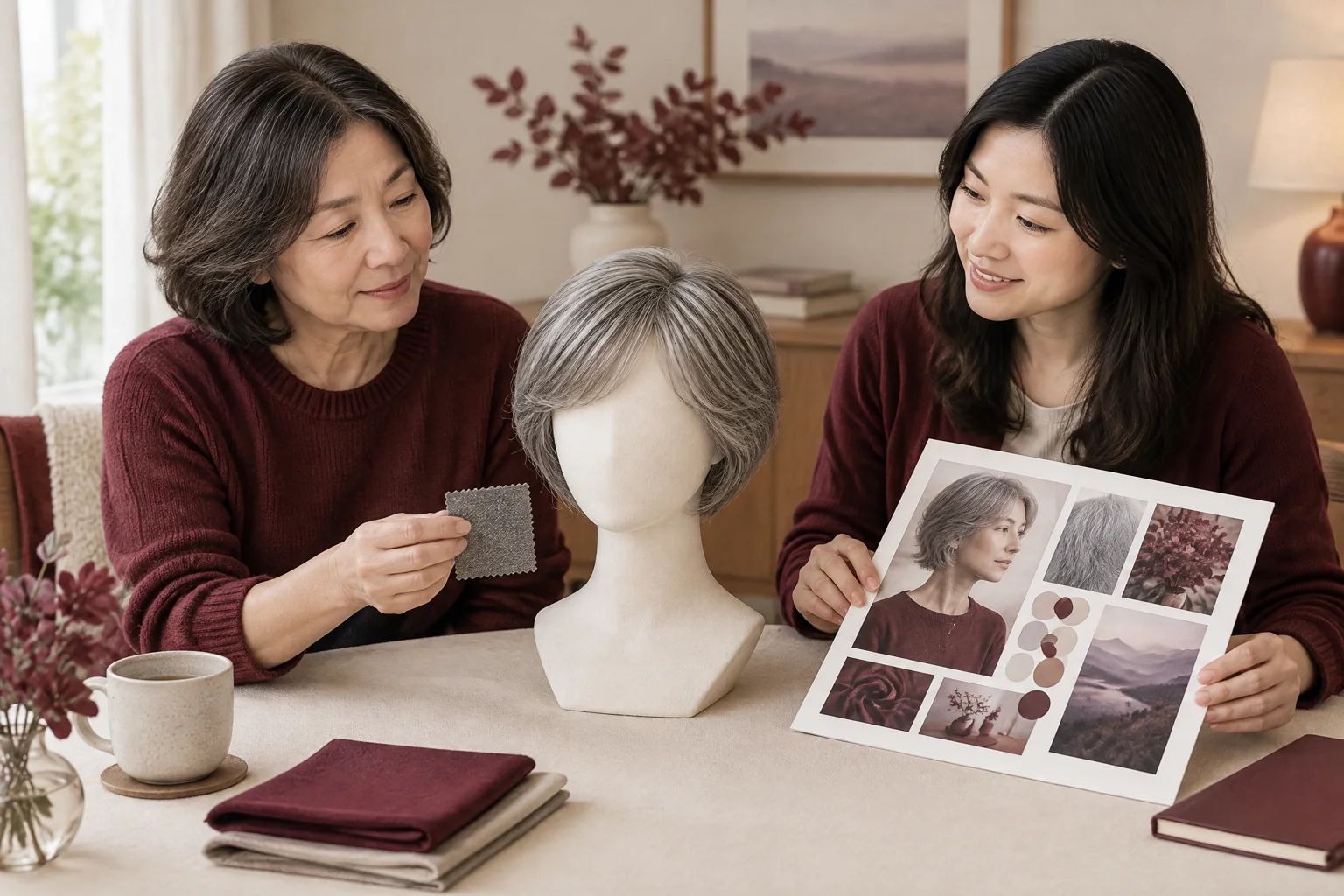
Record the accepted picture and its permitted uses
An approval card can be short and personal
Write a short approval note beside the selected frame's filename or gallery number. Describe the pose, camera viewpoint and whether the veil is present. Add the visible crown detail you accept, if that helps prevent confusion. You might approve the wider couple portrait but reject a separate crown close-up. A precise note is easier to follow than saying the hair looks fine. It also leaves room for your preferences to change.
Keep picture approval and publication permission as separate decisions. Accepting a frame for your private gallery need not mean wanting it on social media. If promotional use is proposed, ask which image, platform and caption are involved. Consider each person visible in the photograph. Your partner should make their own decision about their image. A private check should not become a surprise public post because somebody liked the styling result.
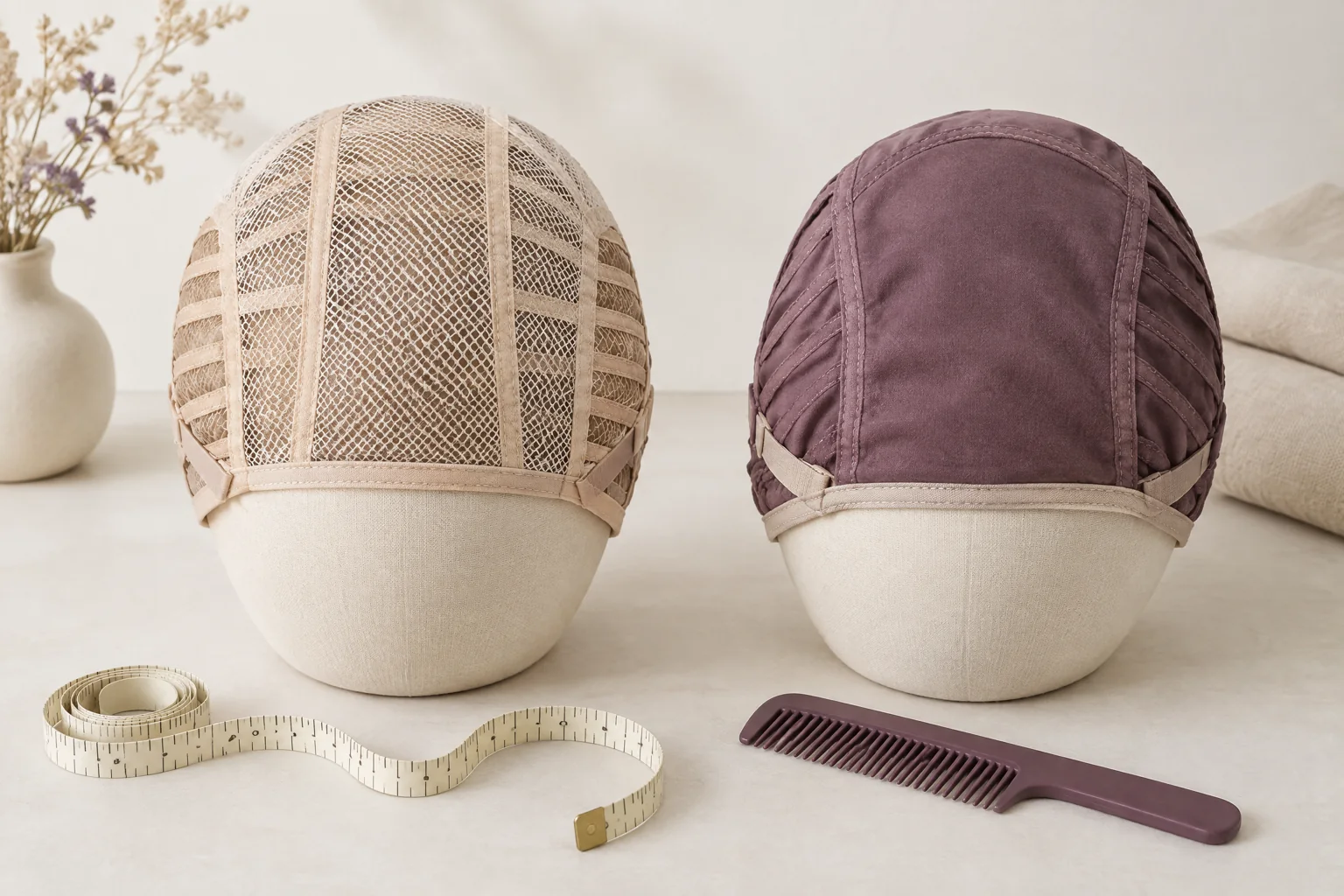
If the visible top construction raises a buying question, OwnStrand's silk top wig guide explains the limits of that label. It does not establish every model's layers, materials or parting options. Ask about the exact item rather than treating a flattering high-angle photograph as proof of construction. A full wig and a topper also cover different areas. Your approval note should describe the picture, not certify a product's specifications.
Record any editing you accept separately from the camera frame. A crop, colour correction and alteration to crown detail are different decisions. Ask whether the preview is unretouched and what the final editing proposal includes. If you approve only an edited version, say so beside that version. Avoid suggesting that a finished photograph demonstrates the item's untouched appearance. You can enjoy the picture while keeping your product expectations grounded in confirmed details.
| Decision | What to record | What remains separate |
|---|---|---|
| Accept the composition | Frame number, pose and veil | Approval of other camera angles |
| Accept private delivery | Chosen gallery image | Public promotion |
| Allow promotional use | Specific image, platform and caption | Other images or later uses |
| Accept crown editing | Named edited version | Untouched product appearance |
Use the approved frame on the day without overchecking
A final prewedding top view photo approval check
Show the accepted reference before the overhead scene begins. Ask the photographer to compare the actual setup with the note, including the veil and head direction. A different location may require a revised view, so treat the reference as guidance rather than a guaranteed match. Agree a brief review after the first usable frame. You can then proceed with confidence or request one specific change before the couple continues posing.
Pause if the item shifts, handling feels uncomfortable, or a new viewpoint reveals something you have not reviewed. Stop the pose before somebody starts making several quick adjustments. Say what you noticed and whether you want another picture at all. You can return to a lower viewpoint while deciding. Declining a further test is a valid choice. The aim is a portrait you welcome, not completing every frame on a mood board.
For a bridal trial Hong Kong enquiry, bring the accepted frame and the short note describing its conditions. Include your chosen hairpiece's photographs or the item itself when arrangements allow. Explain which parts of the plan still need discussion, such as veil placement or time for a private preview. Ask BigDeal about makeup preparation rather than treating the reference as a wig-fitting request. Product selection and model specifications remain separate enquiries.
After a revised test, name the new accepted frame clearly and mark the earlier one as replaced. Update only the details that changed. Check that the people who need the reference can access the current version. At the end of the session, revisit the agreed handling of private tests and publication choices. This small handover helps keep the final gallery clear. An old crown close-up should not be mistaken for your selected portrait.
- Use one clearly named current reference.
- Pause before an unapproved pose or item adjustment.
- Confirm private delivery and promotional use separately.
Key takeaway
An approved top view is a choice about one portrait, not a judgement about your hair or product suitability. Keep the scene when you enjoy it, reset one detail when useful, or choose another viewpoint. A named reference and clear private-photo agreement are more useful than repeatedly seeking a perfect crown close-up.
Practical checklist
- Identify the proposed overhead composition and intended crop.
- Bring your chosen hairpiece and relevant veil reference.
- Compare a normal-height frame with the planned high view.
- Agree the audience and handling of private test images.
- Record the accepted version and separate publication choices.
Frequently asked questions
Must I approve a photograph taken directly above my head?
No. You can decline that composition or request a gentler downward view. Ask to see the proposed frame before deciding. Approval of a normal-height portrait does not cover every overhead pose. Your preference can focus on the picture you want without explaining your hair history.
Is a phone selfie enough for the final approval?
It can show the area you want to discuss, but it may differ from the photographer's setup. Review the planned pose with the intended camera and lighting where practical. Compare equally sized previews. Use the phone image as a conversation starter, not a promise about the finished portrait.
Does an acceptable top view mean my topper base fits?
No. It tells you that you accept that photograph under those conditions. Fit, foundation dimensions and wearing comfort require separate consideration of the exact item. A camera crop can remove an area from view. It cannot establish whether the base suits your intended coverage during ordinary wear.
Can I request a private preview without saved crown close-ups?
Yes, you can discuss that preference before testing. Ask whether the team can offer a live review and what its workflow requires. If a reference must be saved, agree its audience and handling. Do not assume that a gallery setting also prevents screenshots or copies on working devices.
What should happen when the veil or camera angle changes?
Review the new frame before treating it as approved. The earlier choice may still guide the scene, but its conditions have changed. Name the accepted replacement clearly. If you dislike the revised view, return to an alternative pose rather than repeatedly changing a personal item you prefer untouched.
Sources
| Source | What it supports |
|---|---|
| How to Choose Your Camera Angle to Take Better Portraits | Camera viewpoint changes the appearance and emotional feel of portraits with the same subjects, location, camera and lens; a high angle is not inherently better or worse. |
| The meaning of personal data and the six data protection principles | For personal data, CLIC describes purpose notification, retention no longer than necessary, consent for use beyond the original or directly related purpose, and appropriate security. These support practical private test-photo questions, not a universal legal claim about every photograph. |
Discuss your own makeup plans
Planning makeup around your selected pre-wedding frame? WhatsApp BigDeal Make Up at +852 6918 3153 with your shoot plan and chosen hairpiece reference. This contact is for BigDeal makeup arrangements, not OwnStrand bookings or wig sales.
Ask on WhatsApp +852 6918 3153