
At a glance
A useful brief connects each item to its approved appearance, permitted handling and responsible person. It also identifies what remains undecided before filming. Terms such as medical, chemo and cranial prosthesis may appear in product information. They do not establish an individual's treatment stage or suitability. Build the working vocabulary around what the client selects, what the item instructions permit and what each department actually needs.
Start your production medical hairpiece brief with the item
What a production medical hairpiece brief needs to say
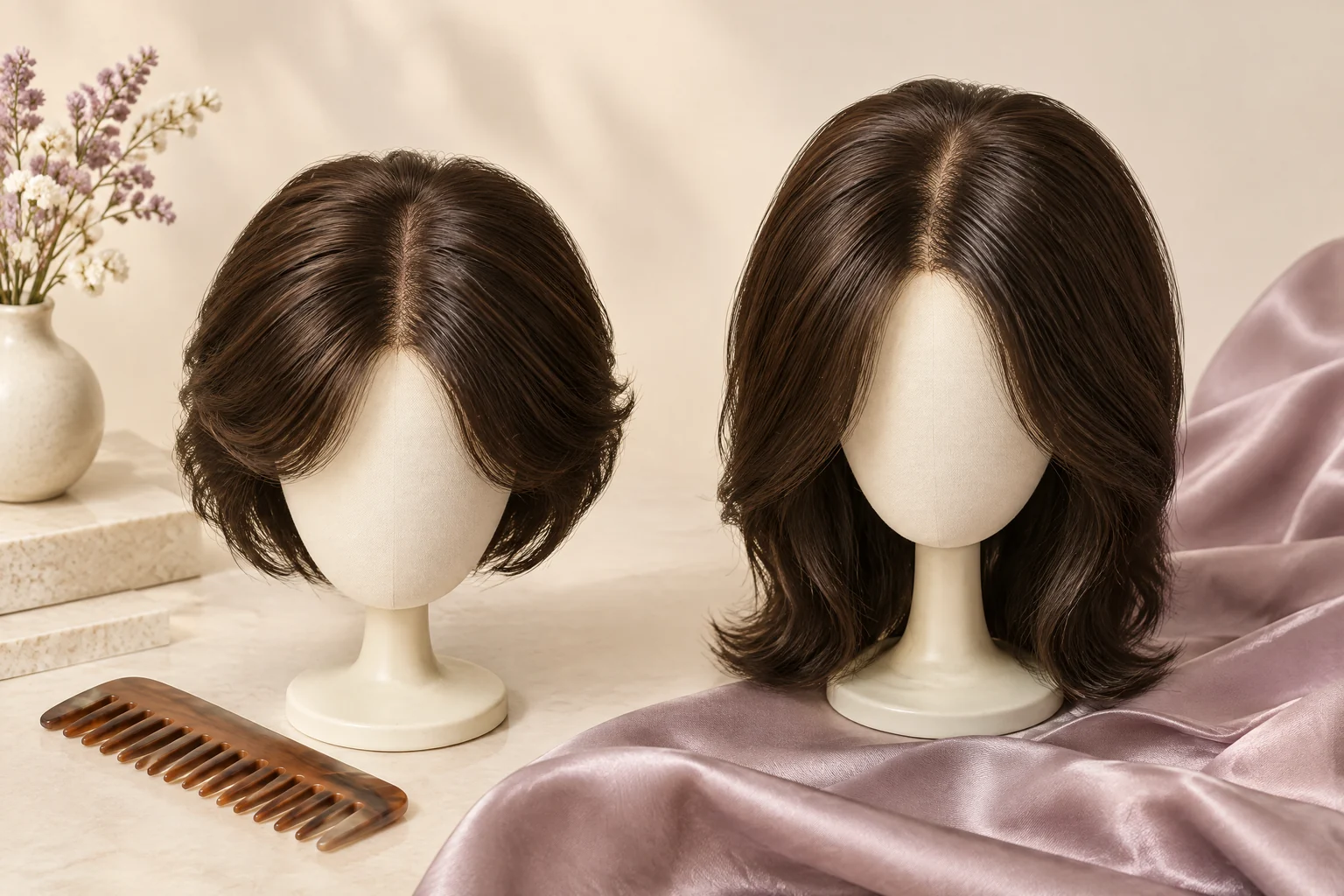
Begin with the item the client intends to wear, rather than a category suggested by its appearance. Record their preferred name beside a simple identifier, such as Hairpiece A. Add the intended colour, parting and silhouette for the agreed shot. These details let wardrobe and makeup discuss the same object. They also prevent a descriptive note from becoming an unsupported statement about the wearer's circumstances.
If the client wants product information, medical wig hong kong provides an entry to DT Hub's Medical Wigs page. DT Hub and BigDeal Make Up share ownership, so this is related service information rather than an independent recommendation. Bring questions about the selected item's construction and care instructions to that enquiry. The page name does not confirm which item a client owns or whether it suits their needs.
Ask whether the client prefers wig, hairpiece, their product name or simply their own name in shared notes. Their answer may differ between a private fitting conversation and a document circulated to crew. Preserve that distinction. A preferred term should not expand into a story about why they wear the item. If a supplier label must appear, identify it as a product description rather than a description of the person.
For a planned scene, film and video makeup Hong Kong is the relevant BigDeal service information route. An enquiry can describe the filming format, intended look and existing hairpiece handling restrictions. Include the number of looks and whether the person will wear their own item throughout. Those details support a practical conversation about makeup preparation. They do not require sharing a diagnosis or requesting medical approval from a makeup team.

Keep product labels separate from the client's story
Medical wording is not permission to infer treatment
The phrase chemo wig hong kong leads to the same DT Hub product information page through a different enquiry term. In a production document, retain that wording only when the client wants it used for the selected item. It cannot tell the crew whether treatment is current, past or relevant to filming. If the supplier uses the phrase, record its source privately instead of turning it into a public introduction.
Avoid changing the role description from presenter or guest to patient because a product name sounds clinical. The person's filming role remains the same unless the agreed programme genuinely requires another description. Even a voluntary disclosure does not automatically belong in a call sheet. Ask which practical adjustment follows from that disclosure. Often the useful note concerns privacy, who may touch the item or the timing of a break.
Someone may bring paperwork or product information using cranial prosthesis hong kong as their chosen enquiry wording. The linked DT Hub page can be consulted for related product information, without interpreting that phrase as a clinical clearance. For the shoot, ask which name should identify the item and which handling instructions accompany it. Insurance documentation, eligibility and clinical suitability remain separate questions for the relevant provider or qualified professional.
Distinguish four permissions that are easy to confuse: describing the item, touching it, photographing it and discussing personal circumstances. Agreement to one does not settle the others. A client might accept a continuity photograph while declining a photograph during removal. They might approve the word wig privately but prefer hairstyle in a shared note. Write each choice as an instruction with a named recipient, not as an explanation of their health.

Give each team only the preparation information it needs
Separate shared instructions from private details
Hong Kong's Privacy Commissioner explains that personal data collection should be necessary, adequate and not excessive for its purpose. The guidance also addresses secure handling and keeping information only as long as needed. Apply that discipline to production notes. Explain why a detail is requested and who will receive it. A product label is not a reason to collect speculative health history for a makeup appointment or filming schedule. [1]
For an interview or broadcast appearance, media makeup artist Hong Kong offers the relevant BigDeal information route. Describe the camera setting and the appearance the person wants maintained. Separate those requirements from any private conversation about their item. A shared note can state that only the wearer adjusts the hairpiece. The wider crew does not need the personal reason behind that boundary to respect it during preparation and filming.
Treat continuity images as a specific request rather than a routine entitlement. Discuss what the image will show, its purpose and who can access it. A finished hairstyle photograph may serve the task without showing the uncovered head or an identifying label. The client can help choose the least revealing useful angle. If another department wants those images later, return to the agreed purpose instead of casually forwarding the folder.
Make a shared version containing appearance and timing instructions, with restricted notes for genuinely necessary private details. Assign responsibility for access and corrections before sending either version. Set a retention plan appropriate to the project's purpose, rather than preserving every fitting image indefinitely. Avoid health-related folder names visible to unrelated crew. If the client changes their preferred wording, update the active brief and tell its recipients which version replaces it.
- Shared note: approved item name, finished appearance and agreed handling boundary.
- Restricted note: necessary private instructions and the people authorised to receive them.
Confirm handling from the actual item and its instructions
Materials and permissions matter more than a medical label
Cancer Research UK advises checking manufacturer information before exposing a synthetic wig to direct heat. It explains that dryers and electric styling tools can melt fibres or make them frizz. The organisation also advises following the supplier's wearing and care instructions. Therefore, a production brief should record item-specific restrictions before planning heat styling. A medical label alone provides no working temperature or permission to change the piece for a scene. [2]
Request the care sheet for the exact item, not instructions for a similar-looking product found elsewhere. Record confirmed fibre information only when the owner or documentation can identify it. Note who may brush, restyle, remove or refit the piece. If an instruction is missing, mark the proposed action as pending confirmation. Plan a look that leaves the item unchanged until its owner and the appropriate supplier resolve that particular question.
Handling permission is different from clinical suitability. A client authorising a finished hairstyle does not make a product suitable for sensitive skin or treatment-related concerns. Those questions belong with the relevant qualified healthcare professional and item provider. If preparation causes pain or a concerning reaction, pause the appearance work rather than concealing the problem. The brief should identify a practical contact and pause arrangement, without asking crew to diagnose the cause.
Keep alterations visible as separate decisions. Trimming a fringe, adding an attachment or changing a part may affect the owner's intended use beyond this shoot. Do not treat those changes as ordinary continuity adjustments. Record the proposed change, the approving person and the applicable item instructions. The table below separates useful working information from unnecessary interpretation. Its purpose is clearer preparation, not a universal rule about how every hairpiece should be worn.
| Information received | Useful working note | What it does not establish |
|---|---|---|
| Client's preferred product name | Use the approved name and item identifier | Diagnosis or treatment stage |
| Exact-item care sheet | Record permitted handling and unresolved actions | Suitability for every wearer |
| Permission for a finished-look photo | State its purpose and authorised viewers | Permission to photograph removal |
| Wearer requests private adjustment time | Schedule access and identify the contact | A need to tell crew why |
Judge the camera appearance without rewriting the person
Frame checks should answer visual questions
Check the finished look in the intended framing before deciding that the hairpiece needs alteration. A wide interview shot and a close facial shot may reveal different appearance details. Review the parting, fringe position and relationship with collars or accessories. Ask the wearer whether the result matches their agreed look. A visible edge is a visual discussion, not evidence about the person's condition or a reason to demand disclosure.
Makeup near the hairline should follow the agreed boundaries for both the person and the item. A camera concern does not authorise applying products to a base or touching an uncovered scalp. Discuss a framing or wardrobe adjustment when the preferred solution conflicts with handling restrictions. Record the chosen compromise in ordinary visual language. For example, specify the approved fringe position rather than describing an area through an assumed medical cause.
For a staff interview or branded message, makeup artist for corporate video is the relevant BigDeal service information route. Share the planned visual tone and whether the same appearance must continue into still photographs. Keep the speaker's role central in the enquiry. A polished workplace presentation does not require a personal recovery narrative. Any discussion of health in the script should come from the agreed editorial purpose and the participant's explicit choices.
Consider two illustrative notes: Hairpiece A remains in its existing style, and the wearer adjusts its position between takes. Both provide actionable information without claiming anything about diagnosis. A note describing a person as undergoing treatment would introduce a different kind of information. It needs a real reason and the person's informed agreement. Keep comments about looking healthy, normal or recovered out of routine visual feedback; describe the appearance change being discussed instead.

Hand over approved decisions before the filming day
Name the decision owner and the next practical action
Build the schedule around the preparation steps actually agreed, rather than assumptions about a medical product category. Confirm whether the person arrives wearing the item or needs private time beforehand. Record which person handles any adjustment and how wardrobe follows without disturbing the finished look. For a wedding film, protect the same boundary during veil or accessory changes. The organiser can arrange access and timing without receiving an explanation of the wearer's circumstances.
Discuss movement through the actual scene: sitting, turning towards another speaker, walking or changing an outer garment. These actions help identify possible interruptions to the approved appearance. They do not establish that the item will remain secure under every condition. If a planned action needs different handling, agree the revised shot or seek item-specific advice before filming. Keep the decision with the wearer and the person responsible for the relevant preparation task.
Use continuity notes to record the approved result, not a history of every private preparation conversation. Identify the look, its reference image where permitted and who can reset it. A replacement crew member should be able to follow the same boundary without hearing personal information. If the item changes during filming, update its identifier and restrictions. Never transfer instructions from the original piece simply because the replacement has the same colour or product category.
Before circulating the final brief, let the client check the item wording and each handling instruction that concerns them. Confirm unresolved actions with the responsible department, then distinguish approvals from outstanding questions. Leave space for the person to revise a preference on the day. The strongest handover explains the desired appearance, permitted actions and communication route. It gives the crew enough information to work respectfully without asking them to invent the missing story.
Key takeaway
The most useful glossary pairs an approved name with an observable appearance and a permitted action. It does not explain why someone wears the item. Let the client decide their wording, use exact-item instructions for handling, and restrict private information to its genuine purpose. This produces a clearer filming handover while keeping makeup preparation within its role. Unanswered product or clinical questions remain with the appropriate provider, not the crew's assumptions.
Practical checklist
- Approve one shared item name and identify the actual piece being brought.
- Obtain the exact item's care instructions and identify any unresolved handling action.
- Name who may adjust the item and who communicates a requested pause.
- Agree continuity-image purpose, framing, recipients and appropriate retention.
- Confirm preparation timing and any private access arrangement before circulating the brief.
Frequently asked questions
Should the shared brief use the word medical?
Use it only when it serves the production task and matches the client's approved wording. A neutral item identifier may suffice. Identify supplier terminology as product information, without attaching an inferred health description to the wearer.
Does a chemo product name mean treatment is current?
No. A product name does not establish an individual's circumstances. Record the selected item and practical restrictions. If health information matters to the agreed programme, handle that separate conversation through the participant's informed choices.
Can the makeup team restyle a supplied hairpiece?
That depends on the exact item's instructions, the proposed change and the owner's permission. Record those decisions before planning restyling. An attractive reference photograph or a medical label does not provide handling approval.
Must everyone receive the private preparation notes?
No. Give each recipient information needed for their task. Explain the purpose of collecting personal details and manage access. A call sheet can communicate timing and boundaries without circulating the private reason behind them.
What should accompany a BigDeal filming makeup enquiry?
Provide the filming format, desired look, number of appearance changes and confirmed handling restrictions. Include the client's approved item wording where relevant. Personal medical history is not a substitute for these practical preparation details.
Sources
| Source | What it supports |
|---|---|
| The Ordinance at a Glance | Privacy Commissioner for Personal Data, Hong Kong | Collect only necessary production information for its explained purpose, protect access and keep it only as long as needed. |
| Wigs, hats and scarves | Cancer Research UK | Check manufacturer information before direct heat on a synthetic wig, and follow item-specific supplier wearing and care instructions. |
Discuss your own makeup plans
For your BigDeal makeup arrangement, WhatsApp +852 6918 3153 with the filming format, desired look and confirmed hairpiece handling restrictions.
Ask on WhatsApp +852 6918 3153