
At a glance
Start with the products and tools that will touch your face, especially around eyes and lips. Then share sensitivities, contact-lens use, and familiar products early. A practical answer explains the method for your booking, rather than promising a universal outcome. The trade-off is simple: more specific information can improve planning, while symptoms still need professional assessment instead of cosmetic advice.
Makeup Hygiene Appointment Questions Before Booking
Start with a compact list before you confirm an appointment. Ask how brushes, sponges, palettes, and eye products are prepared between faces. Ask which items use single-use applicators and whether your own products may be used. The aim is a clear arrangement, rather than a test of the artist. This overview of makeup artist hygiene Hong Kong helps make the discussion specific and courteous. FDA guidance advises clean instruments and warns against sharing eye cosmetics. [1] [1]
Give the practical context with your questions. Say whether the appointment is for one person, a shared booking, a lesson, or a long event. Mention the ready-by time, venue conditions, and any concern about eyes, lips, or recent irritation. The artist can then explain what is possible for that arrangement. Short, relevant questions are more useful than demanding a universal routine without understanding the booking.
Ask when products are opened, decanted, or applied directly from packaging. You can also ask how used items are kept separate from fresh items. These questions invite a practical explanation of the working setup. They do not require you to know technical product terms. Write down important answers alongside your appointment details. That record helps you compare arrangements fairly if your plans later change.
Prepare one written note before you send an enquiry. Separate confirmed facts from preferences you are still considering. For example, state that you wear lenses, then ask how they fit the planned eye routine. State a previous product reaction without guessing its cause. Add one question about the application method for shared products. This approach gives the artist information they can use and makes it easier for you to remember the response later.
Clean tools, decanted products and shared items
Ask about application, not brand prestige
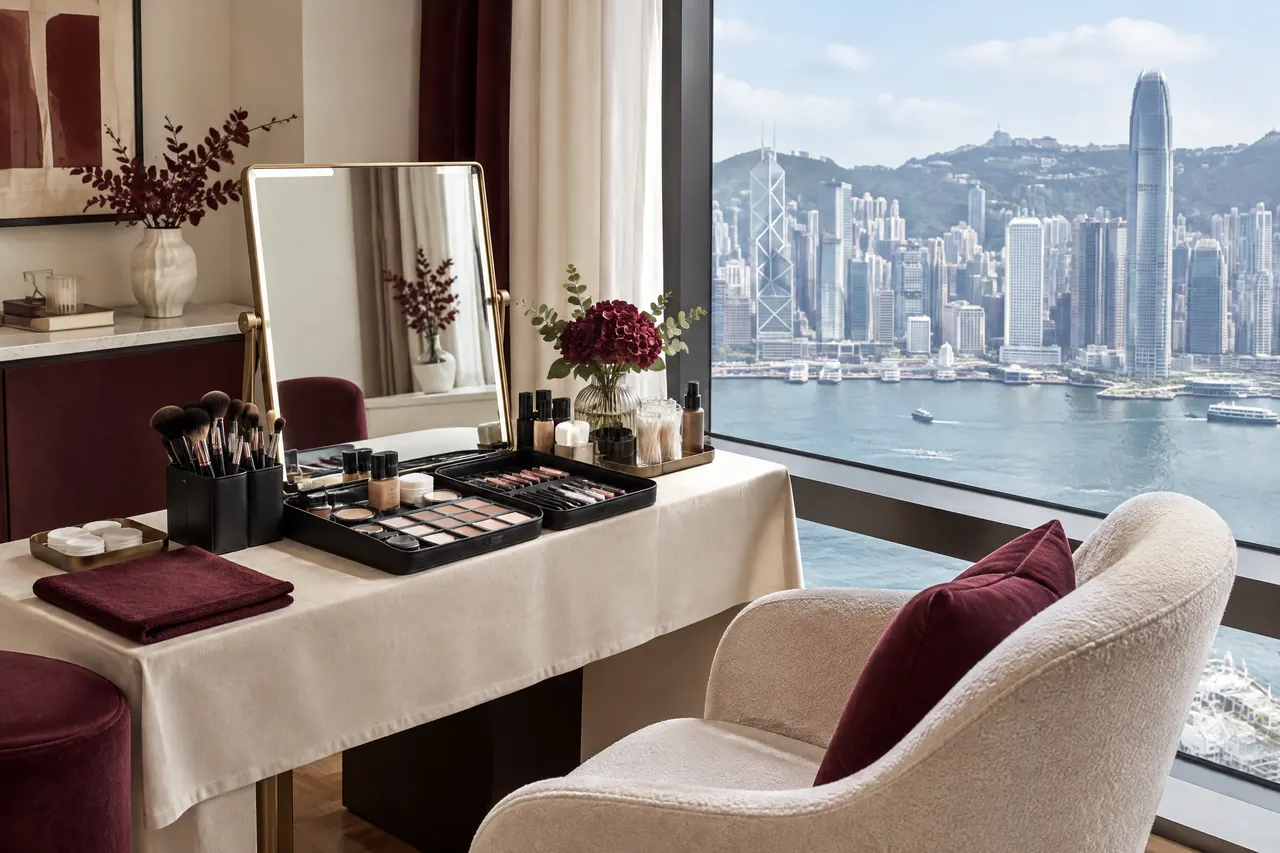
A clean tool question works best when it names the job. Ask whether eye products use a fresh wand or disposable applicator for each person. Ask how cream products are removed from a palette before application. Clean hands and clean instruments matter around the eye area. FDA guidance says eye cosmetics should not be shared, and recommends clean instruments for the eye area. [1]
Shared products need not mean a vague conversation about every item in a kit. Ask which products might touch more than one person and how they are dispensed. A pump, a palette, or a single-use applicator answers a different practical question. The useful detail is the application method. It is reasonable to ask this before a group booking, when several faces may be styled consecutively.
Do not assume sealed packaging alone answers every hygiene question. A fresh product can still be applied with an unsuitable tool or handled carelessly. Equally, a professional kit may include established methods for separating product from application. Ask what will touch your skin, lips, or lashes. Then decide whether the explanation suits your comfort level. A respectful conversation leaves room for reasonable preferences without promising identical arrangements for every occasion.
Hygiene questions can also cover the makeup surface and the space around it. Ask whether there is a clean area for your personal products and lenses. Mention if the venue is crowded, outdoors, or shared with other preparations. These details may affect what can be arranged comfortably. They do not require a dramatic change of plan. They simply help everyone avoid last-minute handling decisions when the appointment begins.
Sensitivity history and a practical product record
Makeup hygiene appointment questions for sensitive skin
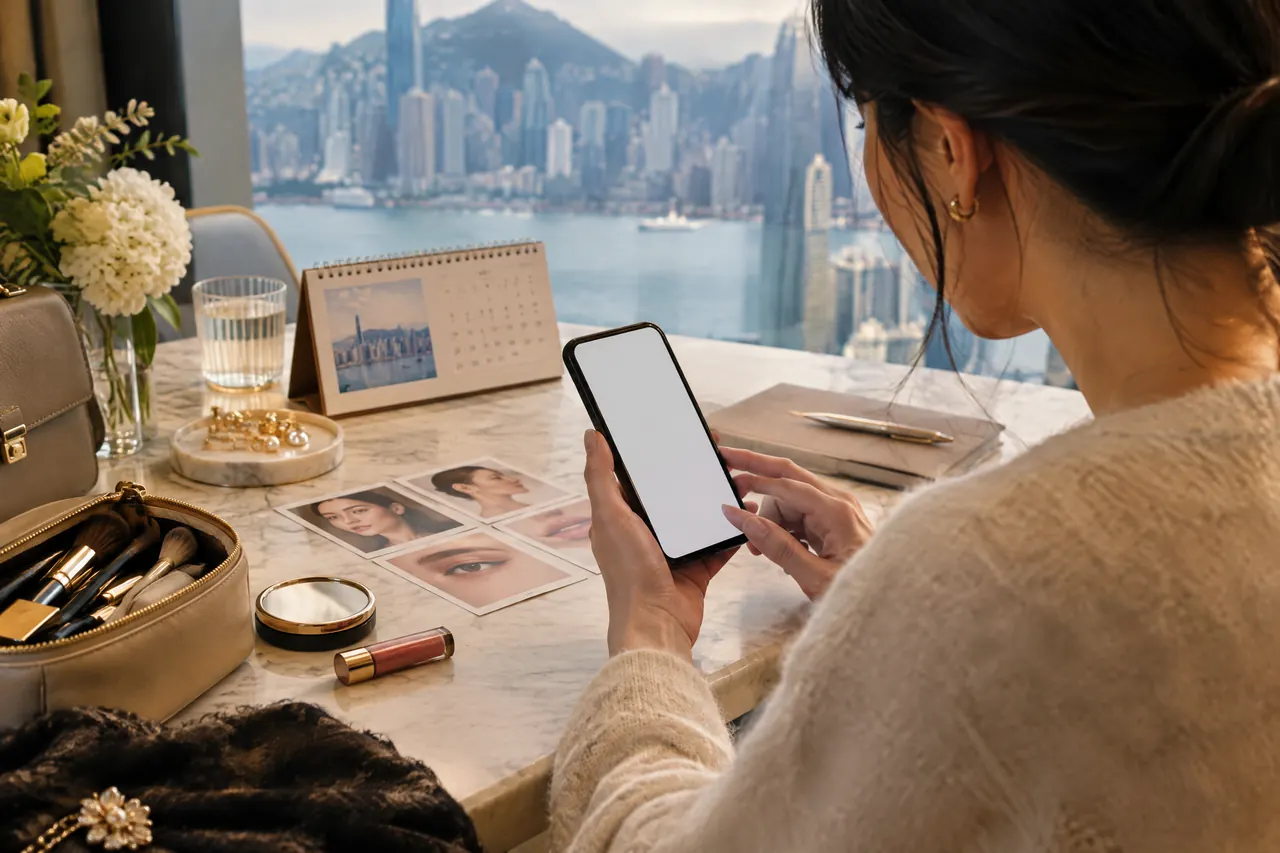
Tell the artist about a past reaction before the appointment, especially near the eyes or lips. Describe what happened, when it appeared, and which product you suspect. Bring clear photographs or ingredient lists if available. The British Association of Dermatologists describes patch testing as a specialist dermatology procedure for investigating contact allergy. A cosmetic appointment cannot diagnose the cause of a reaction. [2] [2]
Ask whether you may bring familiar products and whether they fit the planned look. A simple list of tolerated and avoided items helps more than a long, uncertain description. If you want to practise hygienic application for personal use, Makeup Courses can help. They can help you identify questions about your own tools. Discuss the actual lesson scope and materials before arranging anything. Keep any health history private unless it affects product choices.
A small test of a proposed cosmetic may sometimes be discussed as a practical booking option. It does not replace clinical assessment or prove that every product will suit you. Do not schedule a new eye product immediately before an important event. Allow time to stop using anything that feels uncomfortable. Persistent or severe symptoms need advice from an appropriate healthcare professional, not further makeup experimentation.
Eye area, false lashes and contact lenses
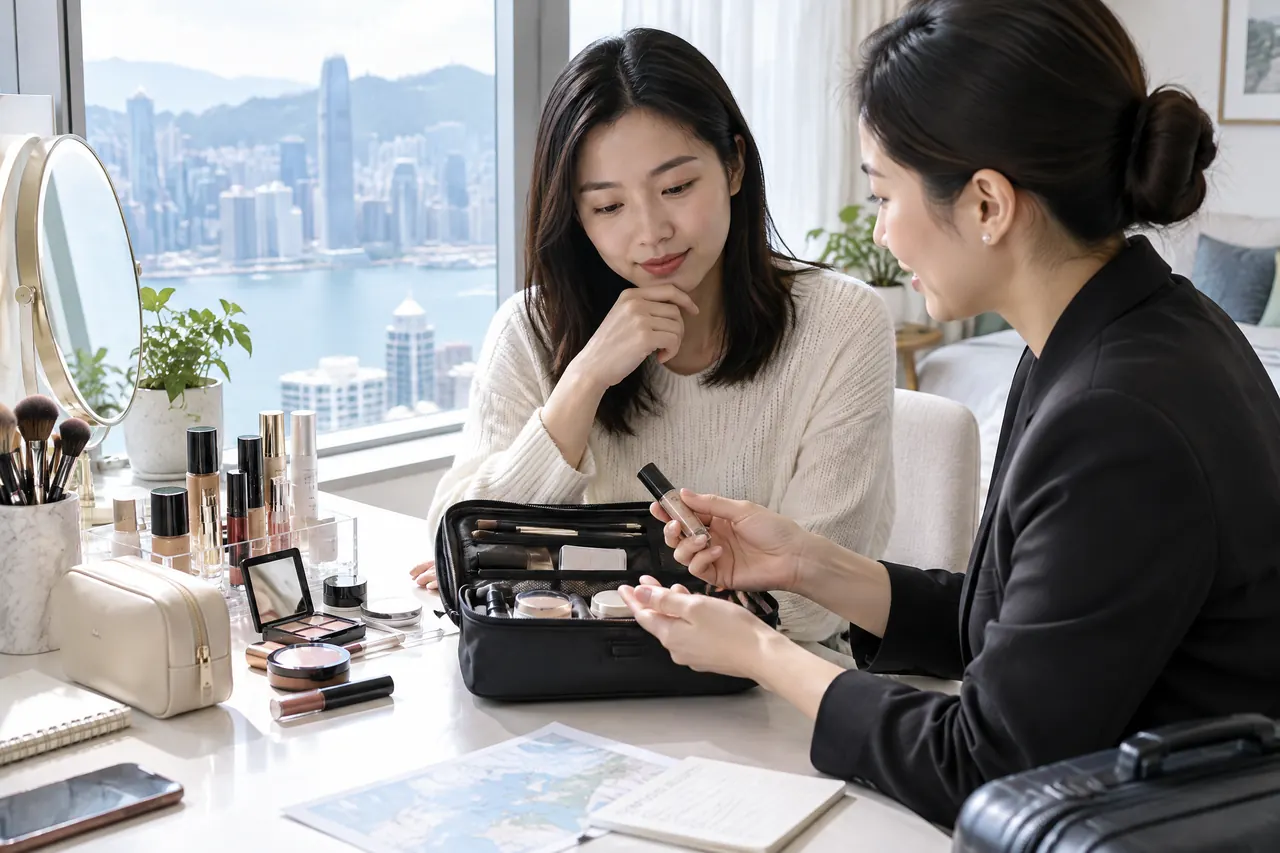
Contact-lens wearers should mention lenses while discussing eye makeup and lash products. Ask whether it is preferable to arrive wearing lenses or insert them afterwards. Confirm the order for eye products, lashes, and removal. FDA notes that irritation from eye cosmetics should prompt stopping use. It also advises avoiding eye cosmetics during an eye infection or inflamed eye-area skin. [1]
Use the questions below as a calm prompt, rather than a checklist for policing every movement. The most useful answer is specific to your appointment and chosen products. A person wearing lenses may prioritise lash adhesive and removal order. Someone without lenses may focus on mascara application. Either way, agree the plan before the eye area is started. Stop and speak up if anything stings, scratches, or feels unexpectedly uncomfortable.
False lashes and their adhesives deserve their own question because they sit close to delicate skin. Ask what adhesive is planned and whether you should report previous reactions. Ask how removal will be handled if you need to leave quickly. Avoid changing an eye-area plan because of a trend or a hurried request. Comfort and clear communication matter more than copying a reference image precisely.
| Question | Useful answer to request | Decision it supports |
|---|---|---|
| How are eye products applied? | Fresh applicator or clear dispensing method. | Whether the eye plan feels comfortable. |
| What should I share about sensitivities? | Product information and any practical limits. | Whether to bring familiar products. |
| How do lenses fit the order? | Agreed timing for lenses, makeup, and lashes. | A calmer eye-area routine. |
| What happens if discomfort starts? | Pause, remove the product if appropriate, and seek advice when needed. | Whether to stop the cosmetic step. |
Scope, timing and a respectful booking message
Hygiene questions should sit beside the ordinary booking questions. Confirm the date, ready-by time, location, number of people, and requested service. If an offer is described as complimentary, clarify its duration, included products, and any purchase or booking conditions. The complimentary makeup service Hong Kong guide explains why the word can describe different arrangements. That comparison prevents assumptions about what a short demonstration includes.
Send your final questions in one short message, rather than across several changing chats. Include your sensitivities, contact-lens use, preferred products, and anything you will bring. Contact and Enquiry Information sets out the details that help customer service respond to an appointment request. Ask for the agreed practical points to be confirmed before treating a reply as a booking confirmation. This is especially helpful when several people share one timetable.
Consider whether your concern is about hygiene, product preference, timing, or a current symptom. Those issues need different answers. A clean brush question belongs with practical arrangement. A known fragrance sensitivity belongs with product information. Ongoing redness, pain, swelling, discharge, or vision changes should not be managed through a cosmetic booking. Seek timely professional advice instead, then revisit makeup plans when appropriate.
For lip products, ask whether colour is taken from the tube with a separate applicator or prepared on a palette. This is a clear practical question where several people are booked together. If redness, itching, swelling, dryness, or peeling follows a lip cosmetic, stop using it. Seek suitable advice. The Hong Kong Consumer Council gives similar stop-use advice for these symptoms. [3] [3]
- Name the service, date, location, and ready-by time.
- State contact-lens use and any eye-area restrictions.
- List known product sensitivities and familiar products.
- Ask how shared items are dispensed and applied.
- Request written confirmation of agreed arrangements.
Use the answers to make a sensible decision
After you receive answers, look for clarity rather than a perfect script. A suitable response explains the approach for your booking and acknowledges practical limits. It should not dismiss a reasonable concern or promise that no reaction is possible. Compare what you need most: a familiar product, extra time for lenses, separate applicators, or a simpler eye look. The best choice is the arrangement you understand and feel comfortable accepting.
Keep the final plan proportionate to the occasion. A short appointment may need only a few focused questions. A group arrangement, lesson, or extended event can justify a fuller note about tools and product handling. Bring your own products only when agreed in advance. Pack them cleanly and label anything that must not be shared. This avoids confusion and supports a calmer start when time is limited.
If answers remain vague, ask one follow-up question that identifies the decision you need to make. You might ask whether a particular product can be avoided or whether a fresh applicator is planned. If the response still does not meet your comfort level, choose another arrangement. You do not need to argue. Informed consent means you can decline a cosmetic step without embarrassment.
Keep a simple record after the appointment if you have ongoing product concerns. Note the products you supplied, any product names shared with you, and the steps that felt comfortable. Do not treat this note as a diagnosis. It can, however, make a future discussion more precise. If you had a reaction, stop using the suspected cosmetic and seek suitable professional advice. Bring the packaging or ingredient list if a clinician asks for it.
Key takeaway
Specific questions create a usable appointment plan, but they cannot guarantee skin compatibility. Share what matters before booking and choose an approach you understand. If you need a different product or more time, say so early. If symptoms are current or persistent, pause the cosmetic plan and seek professional advice.
Practical checklist
- Write your service, date, location, and ready-by time.
- Note contact lenses, lash preferences, and eye-area concerns.
- List past reactions and familiar products accurately.
- Ask how shared products and applicators are used.
- Keep written confirmation with your appointment details.
Frequently asked questions
Can I ask about brush cleaning without sounding rude?
Yes. Frame the question around your booking rather than an accusation. Ask how tools and shared products will be prepared for your appointment. A concise question helps the artist explain the relevant arrangement. It also lets you state any personal comfort preference calmly.
Should I bring my own makeup if I have sensitive skin?
Bring it only after discussing the plan. Familiar products may be useful, but they still need to suit the chosen look and appointment timing. Share ingredient information and your past reactions. A personal product cannot confirm the cause of a previous skin problem.
What should contact-lens wearers ask before eye makeup?
Tell the artist that you wear lenses and ask about the order for lenses, eye makeup, lashes, and removal. Mention any current irritation. Stop using a product if it causes discomfort. Seek professional advice for persistent eye symptoms rather than trying another cosmetic product.
Is a cosmetic patch check the same as clinical patch testing?
No. A booking-level check can only support a practical product discussion. The British Association of Dermatologists describes patch testing as a specialist dermatology procedure for contact allergy. It cannot be replaced by a cosmetic appointment or a quick application before an event.
When should I postpone makeup and seek medical help?
Postpone eye-area cosmetics if you have an eye infection or inflamed surrounding skin. Seek prompt professional advice for pain, discharge, vision changes, or persistent irritation. A makeup artist can adjust a cosmetic plan, but cannot diagnose or treat an eye or skin condition.
Sources
| Source | What it supports |
|---|---|
| Eye Cosmetic Safety | FDA guidance advises clean eye-area instruments, warns against sharing eye cosmetics, and says to stop eye cosmetics if irritation occurs. |
| Patch Testing | The British Association of Dermatologists describes patch testing as a specialist dermatology procedure for investigating contact allergy. |
| Lipstick safety and labelling findings | The Hong Kong Consumer Council advises stopping use when redness, itching, swelling, dryness, or peeling follows lip cosmetics. |
Discuss your own makeup plans
For a makeup appointment, WhatsApp BigDeal Make Up at +852 6918 3153 with your date and product concerns.
Ask on WhatsApp +852 6918 3153