
At a glance
Choose advanced study when your basic sequence is repeatable and your questions concern refinement. Choose a refresher when one unstable step disrupts every look. Compare the actual focus, practice structure, kit expectations and arrangements before committing. In Hong Kong, a clear goal and realistic home practice plan matter more than rushing towards a label. Sensitive-skin questions require product information and, when necessary, healthcare guidance.
Start with an advanced Korean course decision
An advanced Korean course decision starts with repetition
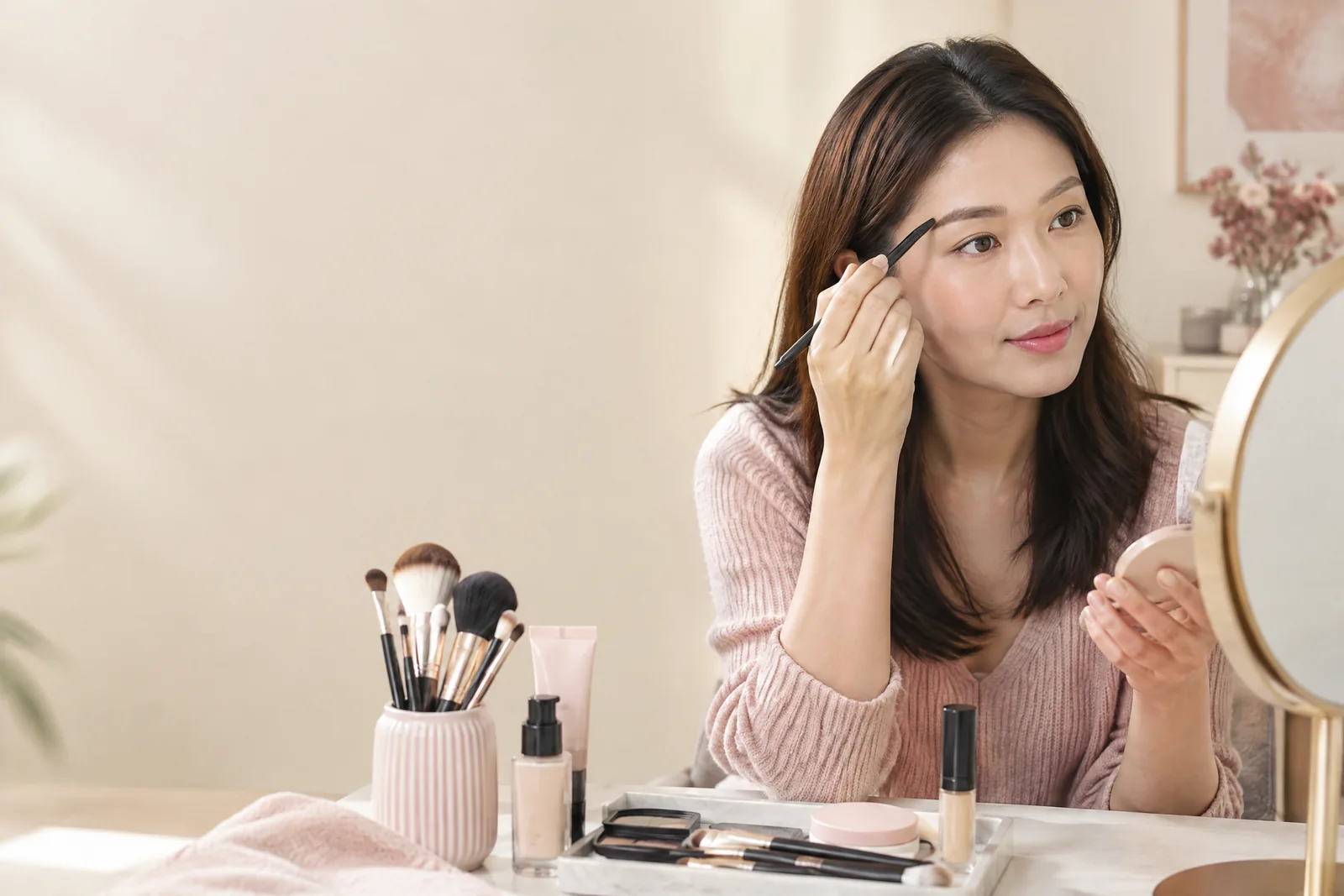
Readiness is less about how many looks you have saved online. It is about what your hands can repeat without losing control. You may be ready when base layers stay light, brow placement stays deliberate, and eye work remains balanced. You should also notice why a result changes. That awareness lets feedback become useful adjustment rather than another set of steps to copy at home.
A specialist option makes sense when your goal is refinement, not rescue. The linked [advanced Korean makeup course](/makeup/en/specialist-makeup-courses/advanced-korean-makeup/) suits learners seeking supervised practice. It centres on a recognisably Korean direction. Before choosing it, name one practical result you want to improve. Examples include softer transitions, more deliberate texture, or better control of brow and eye balance. A precise goal makes a later comparison much clearer.
Do not confuse familiarity with readiness. A learner may know the product names yet still struggle to judge pressure, placement, or when to stop layering. Record one ordinary practice look under steady light. Then note which step needed repeated correction. If the same basic issue appears several times, targeted practice may offer more value than a broader advanced session. The next lesson should solve a visible pattern, not merely satisfy curiosity.
Separate foundation gaps from specialist goals
Use a simple decision test before you enrol
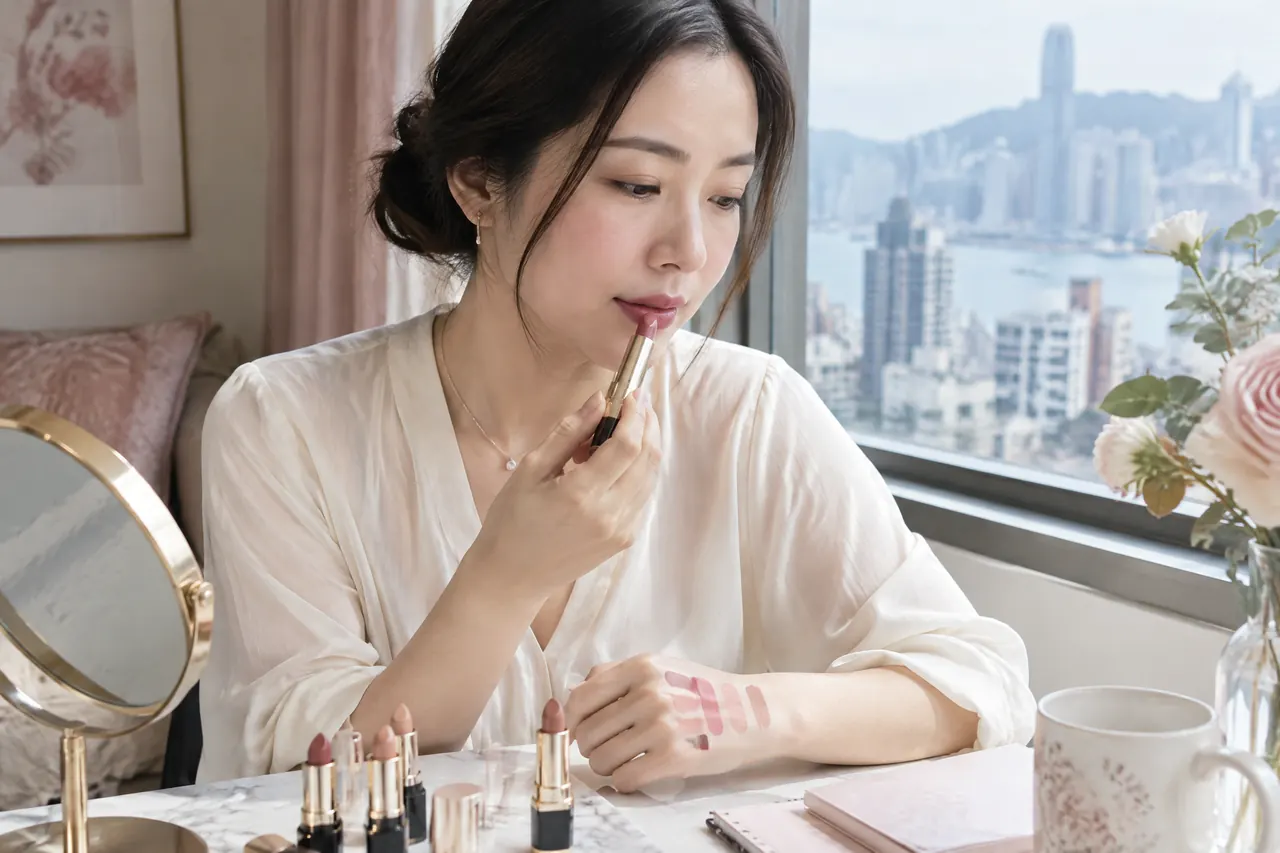
Foundation work and advanced work can overlap, but they solve different problems. Foundation work makes a sequence dependable across ordinary conditions. Advanced work asks you to vary that sequence with intention. It may explore texture, proportion, colour balance, or the way a look reads in photographs. The distinction matters because an impressive reference image cannot reveal which underlying skill needs attention. Your own repeated practice can reveal it.
Try a [base makeup refresher class](/makeup/en/specialist-makeup-courses/makeup-technique-refresher/) first. Consider a broader specialism afterwards. A focused refresh can isolate one weak step without adding several new variables. That choice is not a retreat. It creates a steadier platform for later refinements. Bring the products you already use, then ask which techniques can transfer to your own routine between sessions.
Use the table as a prompt, not a scorecard. A single “not yet” does not rule out advanced learning. It simply suggests the first question to ask. Someone with reliable base work may still need extra repetition around eyes. Another learner may have strong placement but unclear colour choices. Choose the route matching your immediate practice problem. It should leave enough time to repeat the solution afterwards.
| What you notice | Useful next focus | Question to ask |
|---|---|---|
| Base, brows and simple eyes vary each attempt | Repeat one core technique | Which step should I practise first? |
| Basic steps are stable, but the finish lacks control | Refine texture or proportion | What advanced focus matches this goal? |
| One area interrupts an otherwise sound routine | Targeted refresher practice | Can the session centre on that technique? |
| You admire a reference but cannot explain why | Break down the visual choices | Which elements are practical for me? |

Compare depth, feedback and everyday application
Look beyond a fashionable finish
An advanced class should be compared through its learning decisions, not only its final look. Ask whether the focus is base texture, brow structure, eye placement, colour harmony, or adapting a direction to individual features. Then decide whether that focus matches your goal. A narrow subject can be valuable when it gives enough time for correction. A wide subject can help when you need to understand how several choices connect.
Feedback matters when you can use it again after the session. Good questions are concrete: where should this edge soften, which layer looks heavy, and what changes under indoor light? Ask whether you will practise on your own face, use demonstration observation, or work through a guided sequence. Do not assume every format gives the same amount of individual correction. Confirm the practical structure before you make a commitment.
Everyday application is the final test. A polished Korean-inspired look should still make sense with your timetable, preferred products, glasses, or usual lighting. Decide which element you want to carry into daily practice. It might be a lighter base, a softer brow, or controlled eye emphasis. This prevents a lesson from becoming a one-off imitation. It turns a visual preference into a repeatable personal decision.

Include skin comfort in your learning plan
Safety questions for an advanced Korean course decision
Makeup products can cause allergic reactions in some people. The FDA lists natural rubber, fragrances, preservatives, dyes and metals among common allergen classes [1]. Share known sensitivities before using unfamiliar items. Keep packaging or ingredient lists for products that have caused concern. “Sensitive” marketing language is not a substitute for reading product information. Pause use if a product causes a reaction and seek appropriate healthcare advice when needed. [1]
Patch testing is a specialist dermatology procedure for investigating contact allergy. It is not a quick classroom test for selecting a new cosmetic [2]. If you have recurring or significant reactions, a healthcare professional can advise the appropriate next step. In a learning setting, the practical task is simpler. Tell the team about relevant sensitivities, avoid products you already know cause trouble, and confirm what you should bring. [2]
Comfort also affects technique decisions. Heavy layers may feel unpleasant, while a product texture can make careful blending harder. These are useful observations, not failures. Note how your skin feels during a normal day and what changes after removal. Bring concise notes rather than making broad assumptions about every product. This gives the instructor a practical starting point while keeping health concerns with the appropriate professional.

Ask questions that clarify practical scope
Turn a vague interest into a useful enquiry
A sensible enquiry turns enthusiasm into information you can compare. The [advanced Korean makeup course price](/makeup/en/specialist-makeup-courses/advanced-korean-course-price/) page is a useful practical starting point. Ask about the current course focus, dates, format, materials, and payment arrangements. Also ask what prior experience helps most. Do not choose only from a headline. The best fit depends on what you can already perform and what you genuinely need to practise.
Write a short brief before contacting a provider. State your current routine, one technique that feels unstable, and one Korean-inspired finish you admire. Add any product sensitivities and whether you have items you want to understand better. This brief keeps the conversation practical. It also makes it easier to distinguish a specialist session from a targeted refresher. Clear information supports a clearer answer without assuming a particular format will suit everyone.
Useful questions often uncover hidden differences between two apparently similar options. Ask how demonstration and practice are balanced. Ask whether you will receive correction on the specific technique you named. Ask what materials you should prepare. Ask which arrangements need confirmation before payment. These questions protect your time and make the decision evidence-led. They are more informative than asking whether a course is simply “advanced”.
- Which technique should I be able to repeat before joining?
- What is the current practical focus of this session?
- Which materials are provided, and which should I prepare?
- How is guided practice arranged during the session?
- Which booking details require written confirmation?

Plan for a Hong Kong routine after learning
Make repetition realistic
A course decision should include the week after the lesson. Choose one familiar occasion for practice, such as work, dinner, or a family gathering. Use your usual mirror and ordinary timing. That setting exposes which refined choices remain practical. Take one reference photograph in the same light each time. You are looking for consistency, not perfection. Small notes about texture, brow balance, and eye placement can guide the next attempt.
The [Korean makeup advanced class Central](/makeup/en/specialist-makeup-courses/advanced-korean-class-planning/) guide highlights practical details. Check those details before you pay. Confirm the current venue, timing, tutor arrangements, materials, and course focus directly with customer service. Make room for travel and preparation without assuming any particular schedule. If the logistics make home repetition impossible, a more compact option may be wiser. Learning value depends on what fits your routine afterwards.
Keep your practice kit restrained at first. One dependable base product, brow product, eye option, cheek colour, and lip choice can show whether technique has improved. Buying many new items too quickly makes it difficult to identify what changed. Once a method feels stable, introduce one new texture or colour at a time. This measured approach respects your budget and makes any future question more specific.
Decide, defer or refresh first
Choose the next useful action
Choose advanced study when your basic routine is repeatable and you can describe the refinement you need. Defer it when you lack practice time or cannot name a stable foundation. Choose a focused refresh when one recurring issue prevents you from judging the rest of the look. These choices can all be sensible. The aim is not to move quickly through labels. It is to build skill that remains useful in your own hands.
Set a decision date after two or three ordinary practice attempts. Review the notes, photographs, and product comfort observations from each attempt. If the same question remains, it is a strong topic for an enquiry. If several basics still shift, keep the next step narrow. Progress becomes easier when you can recognise the precise change you need. It does not require a dramatic new look every time.
An example may help. A learner who applies a consistent base but overworks eye detail could choose advanced feedback on soft definition. Another learner who changes foundation shade each attempt may gain more from a base-focused refresh. Neither route is superior in general. The better choice follows the actual evidence from practice. Give yourself permission to choose the smaller step when it solves the clearer problem.
Key takeaway
The central trade-off is breadth versus repeatable improvement. An advanced course can open useful refinements when your foundation is stable. A focused refresher can be better when one basic step still dominates your attention. Choose the option that gives you a clear technique to practise afterwards. That decision protects your time, keeps product choices purposeful, and makes later advanced study more rewarding.
Practical checklist
- Repeat one normal makeup look twice before deciding.
- Name one refinement you want to practise.
- Save two reference images with different strengths.
- List products or ingredients that have caused concern.
- Ask about the current focus, materials, and arrangements.
- Reserve time for two home practice attempts afterwards.
Frequently asked questions
Do I need professional experience before choosing advanced study?
No. The more useful test is whether you can repeat core steps and explain your next goal. Some learners want personal refinement rather than a professional pathway. Ask about the current focus and expected preparation. If your basic technique still changes widely, a focused refresher may make the later specialist session more useful.
What should I bring to an advanced makeup learning session?
Bring concise reference images, your usual products, and notes about any sensitive ingredients or past reactions. Ask beforehand which materials are needed. Your regular items reveal what you can repeat at home. Avoid buying a large new collection before you understand the technique you want to practise.
Can I learn a Korean-inspired finish if I prefer natural makeup?
Yes, if you identify the specific element you want to explore. You may prefer lighter layers, softened colour transitions, or a more measured brow. A reference direction does not require a dramatic result. Discuss your comfort level and ordinary routine, then ask how the session can relate to those preferences.
How do I know whether to refresh base skills first?
Look for a repeating problem across several ordinary attempts. If shade choice, blending, or product layering changes every time, start there. If those steps feel stable and you need finer control, advanced practice may be timely. A small practice record gives a more reliable answer than a single good or difficult day.
Sources
| Source | What it supports |
|---|---|
| Allergens in Cosmetics | Cosmetics can provoke allergic reactions, and the FDA lists natural rubber, fragrances, preservatives, dyes and metals as common allergen classes. |
| Patch Testing | Patch testing is a specialist dermatology procedure used to investigate contact allergy. |
Discuss your own makeup plans
For a practical course discussion, WhatsApp BigDeal Make Up on +852 6918 3153 with your routine, goal and preferred timing.
Ask on WhatsApp +852 6918 3153