
At a glance
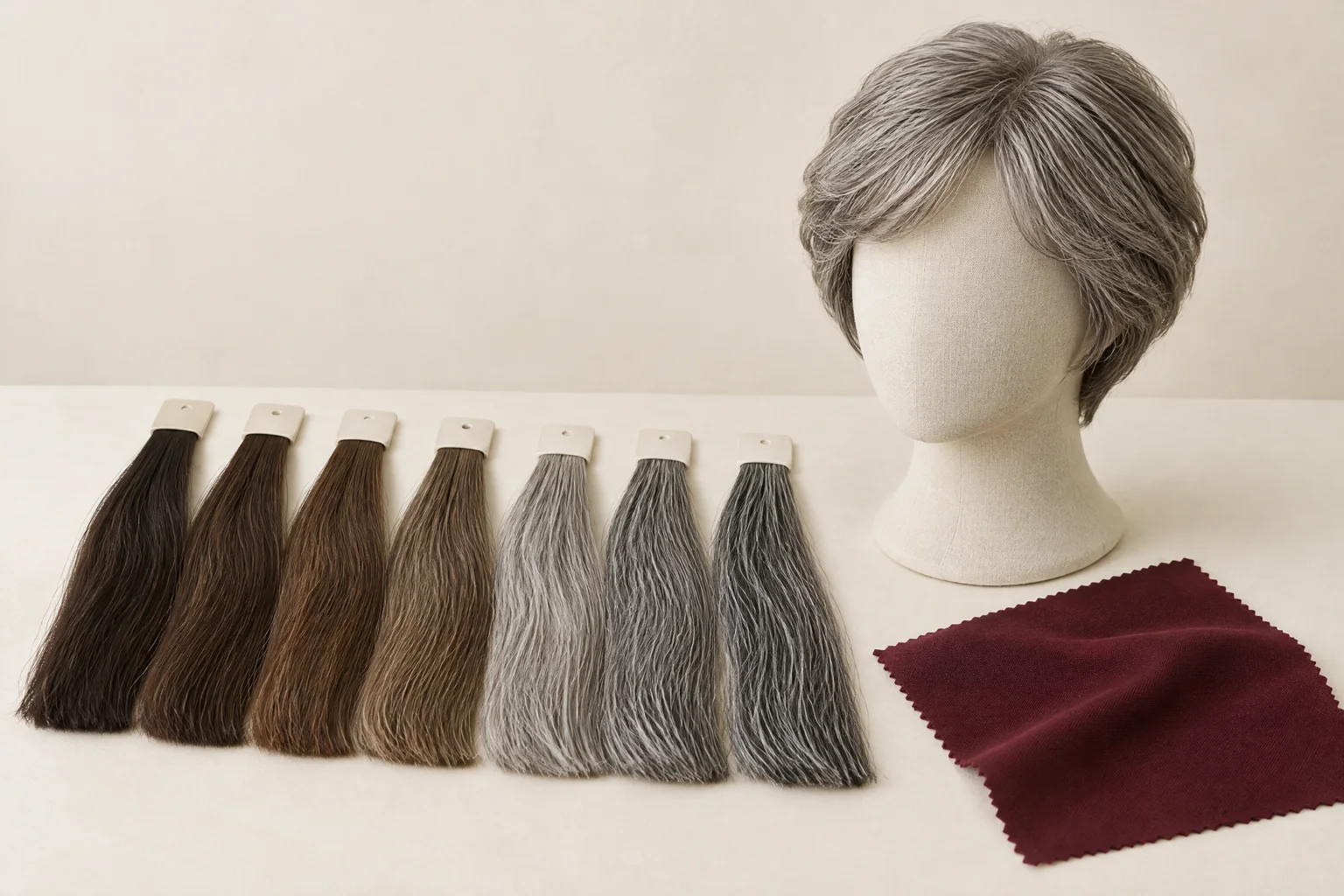
Keep a plain colour reference alongside your favourite finished portrait, not instead of it. The reference helps you compare the item. The portrait shows the mood you liked. Together, they make a more useful reshoot brief than a cropped screenshot with no date or lighting notes.
reshoot wig shade record without filters: save the actual piece
A shade name is only the starting point
A second shoot often begins with a favourite image from the first date. That image might show warm highlights beautifully, yet tell you little about the wig itself. Start by finding the exact piece worn for that frame. Check its label and your own storage notes before discussing a replacement. This avoids comparing today's physical wig with a colour remembered from an edited portrait, where several choices shaped its appearance.
Give the piece a simple personal identifier, such as Wig A, and photograph its existing label separately. Record the brand, style and colour code exactly where available. Add the date and whether the reference shows the piece before or after styling. If two similar wigs share a colour description, keep separate identifiers. Your identifier tracks the physical item; the manufacturer's code describes an option. Neither should stand in for the other.
OwnStrand, which shares BigDeal Make Up's owner, provides relevant reading on Remy human hair wigs. Remy commonly describes aligned cuticle direction, rather than a complete quality grade. It does not guarantee a particular photographic finish or confirm availability. For your reshoot record, retain the exact item details regardless of that label. A material description cannot replace a dated image showing the roots, lengths and ends of the piece you actually selected.
Write a short description of what you want to preserve from the earlier shoot. You might prefer visible darker roots, gentle warmth through the lengths, or a less shiny outline near the face. These are appearance preferences, not instructions to alter the fibre. Keep that description beside the original reference and the finished portrait. It gives the team a specific question to answer, without treating every difference as a colour fault.
Make a dated reference before the styling starts
One plain setup, then the intended shoot setup
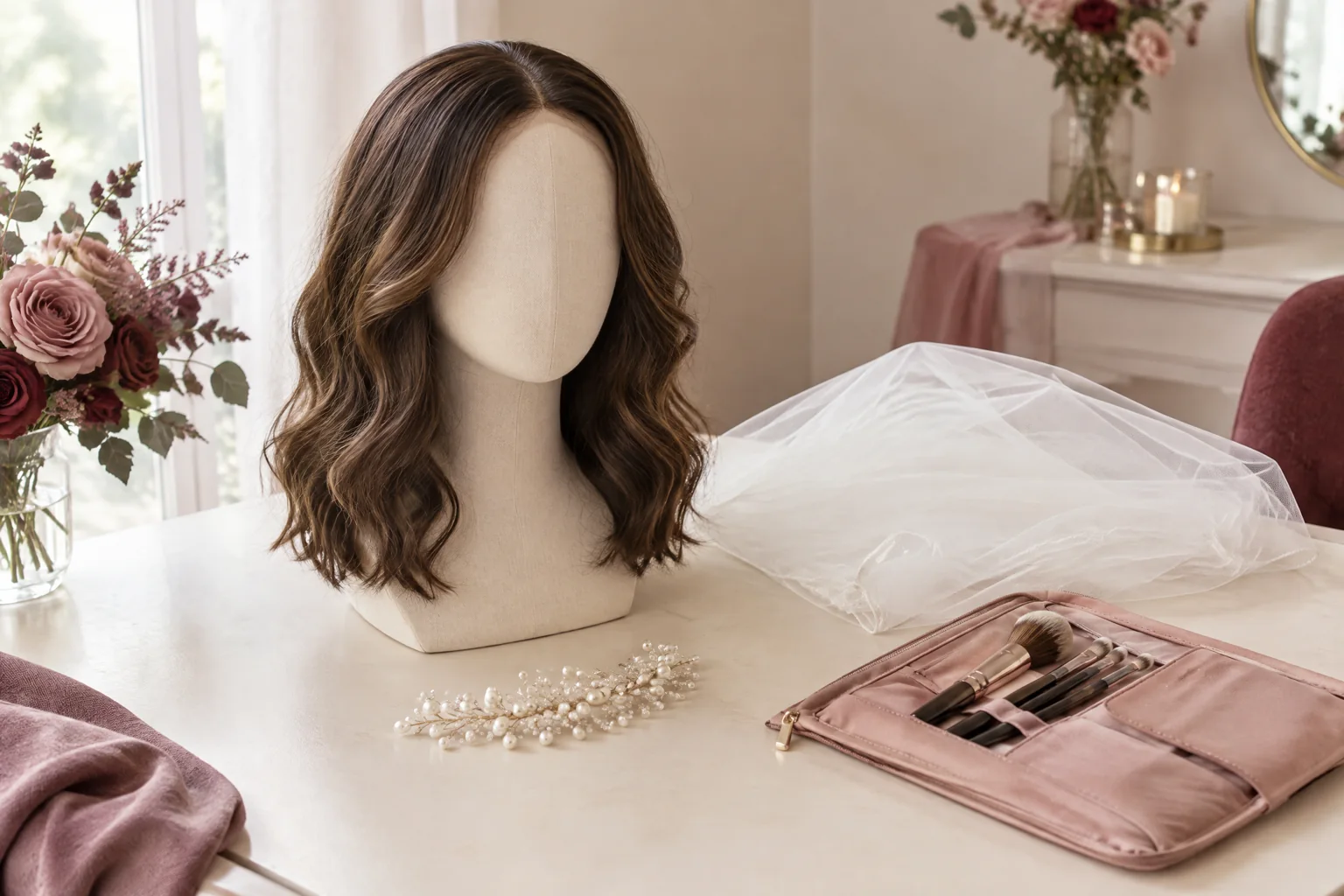
Choose a plain reference position that you can reasonably repeat on another day. Use an uncluttered background and keep coloured objects away from the hair. Photograph the front, both sides and the back, leaving the full outline visible. Add a closer view of the roots and ends without replacing the wider views. Record the room, light source and approximate time. These notes help you recognise a changed setup rather than silently comparing unlike photographs.
Adobe explains that white balance affects all colours, and mixed light sources make correction more difficult. Its guidance also describes using a grey card as a neutral reference. Ask the photographer to capture that reference under the same light as the wig. Keep the card frame with the hair photographs. It helps assess the capture. It cannot make a phone photograph a guaranteed colour match for every screen. [1]
After the plain reference, take a second set in the lighting planned for the actual shoot. Keep the clothing neckline, jewellery and intended hair arrangement visible in this set. If the schedule includes indoor and outdoor portraits, label those setups separately. You are not trying to make every scene look identical. Check whether the piece creates your preferred appearance in each scene. Do this before committing to the rest of the styling.
For bridal makeup pre-wedding shoot planning, bring both sets rather than only the most flattering frame. Explain which images are plain references and which show the intended mood. Include the first shoot date and the planned reshoot date in your message. The makeup discussion can then focus on the face beside your chosen hair. An early comparison also leaves room to discuss a different light position before anyone treats the wig as the problem.
| Record | What to include | What it helps answer |
|---|---|---|
| Item label | Identifier and stated colour code | Which physical piece is this? |
| Plain reference | Date, full outline and light notes | How did this item look before styling? |
| Light reference | Grey card under the same illumination | Could the capture explain the colour cast? |
| Finished portrait | Separate mood label and shoot date | Which overall impression do you want to preserve? |
Find out what changed before changing the shade
Unfiltered does not mean untouched by camera settings
Nikon explains that automatic white balance responds to the scene, while manual settings can also change colour rendering. A photograph can therefore look warmer without any creative filter being added. Record the white balance mode where your camera provides it. Ask the photographer to note any intentional colour setting for the comparison frames. Matching a previous number is not enough when the light changes; the reference must still suit the current scene. [2]
Keep the original capture, not only a screenshot downloaded from a message thread. Turn off selectable beauty effects and creative filters for the reference. Note the camera or phone used and any settings you can identify. If the photographer captures RAW files, retain those alongside a viewable preview. Label corrected or graded versions as separate copies. This preserves a clear starting point, even when the final portrait deliberately uses a warmer or cooler finish.
When checking human hair vs synthetic wigs, OwnStrand's comparison separates fibre descriptions from individual care and styling instructions. Apply that distinction to your record. Use your care notes to record washing, restyling or treatment since the first reference. A different surface finish deserves a new photograph. It does not justify transferring heat or colouring methods from another wig, even when both share a broad material label.
Compare one change at a time so you can identify which choice matters. Photograph the selected piece before adjusting the face makeup, then repeat the frame after the proposed makeup change. Keep the lighting and camera position steady during that comparison. If the hair appears different before any makeup adjustment, investigate the capture and item history first. If only the overall portrait feels different, discuss complexion, blush or lip tone without assuming the hair needs recolouring.
Choose between keeping the piece and starting again
A useful comparison does not always require a new wig
Keep the piece when the repeated plain reference still suits you and the main difference belongs to the scene. A camera or lighting adjustment may be the more relevant discussion. That choice protects a familiar item from an unnecessary change. It also respects the first portrait as a creative image, rather than treating its colour as a literal specification. Decide what needs matching: the physical hair, the portrait's mood, or both.
A local reset can mean returning to the preferred parting or rearranging the lengths, provided the item's instructions allow it. Capture the starting view before making that adjustment. Then photograph the result from the same angle. This makes the decision visible instead of relying on a verbal impression. Keep permanent cutting, colouring and unfamiliar treatments out of a hurried camera test. Those changes deserve a separate discussion with the person responsible for the wig.
If a different piece genuinely suits your preference better, give it a new identifier and build its own reference set. Do not rename it Wig A merely because it replaces the first one. Save a side by side view under the same lighting before selecting it. A new item may change the outline as well as the apparent tone. Recheck how that outline sits beside your clothing and makeup, rather than copying the earlier face colours automatically.
For professional makeup for photoshoot Hong Kong enquiries, explain whether you are retaining the original piece or considering another one. Send the labelled comparison rather than a mixed folder of unnamed images. State which difference bothers you: root depth, warmth at the ends, shine, or the portrait's overall balance. This makes the makeup question manageable. BigDeal can discuss the makeup arrangement without being asked to establish an unknown wig specification from photographs alone.
| What you find | Useful next step | Record to keep |
|---|---|---|
| Plain reference still suits you | Discuss lighting or camera rendering | Same item, new scene notes |
| Arrangement differs | Consider an allowed styling reset | Before and after views |
| Another piece suits you better | Compare both in the same setup | Separate identifiers and references |
| Earlier capture is unclear | Create a fresh reference baseline | Original files with today's date |
Make a version card you are comfortable sharing
Share the appearance brief, not your personal history
Keep a compact version card in the same folder as your originals. Include the piece identifier, reference date, image filenames and the approved appearance preference. Add one line describing changes since the previous shoot, such as a new parting or different room lighting. Avoid vague labels like latest or final on their own. A dated approval identifies the choice you accepted. Keep earlier versions available in case you change your mind.
Decide whether you are comfortable sharing face photographs or prefer cropped hair references for the initial conversation. A full portrait is useful for makeup balance, but you can discuss that choice before sending it. Identify who needs the files and agree before forwarding them to another provider. Personal reasons for wearing a wig can stay private. The brief only needs the appearance you want, the item you have and your preferred way of arranging the shoot.
For a custom human hair wig Hong Kong enquiry, OwnStrand describes sample viewing, measurements and a return fitting. Use that process to discuss the physical piece separately from the makeup brief. Online reading can help prepare your questions, while sample viewing is at its Kwun Tong location. A sample photograph is not the completed item's reshoot reference. Once you choose your own piece, create a dated record showing that specific item.
Keep the approved version separate from an idea you are still considering. Write whether a reference means keep this look or explore this direction. The distinction matters when different people receive your images on different days. Ask each provider about the task they are handling, including any proposed wig adjustment. BigDeal's makeup conversation does not establish material compatibility, installation arrangements or a supply date. Confirm those item details with the provider responsible for them.
- Use a dated folder name such as 2026-11-06_Wig-A_reference.
- Keep camera filenames and list them on the version card.
- Label the preferred portrait as a mood reference, not an original capture.
Use a quick check before the reshoot proceeds
Your reshoot wig shade record without filters on the day
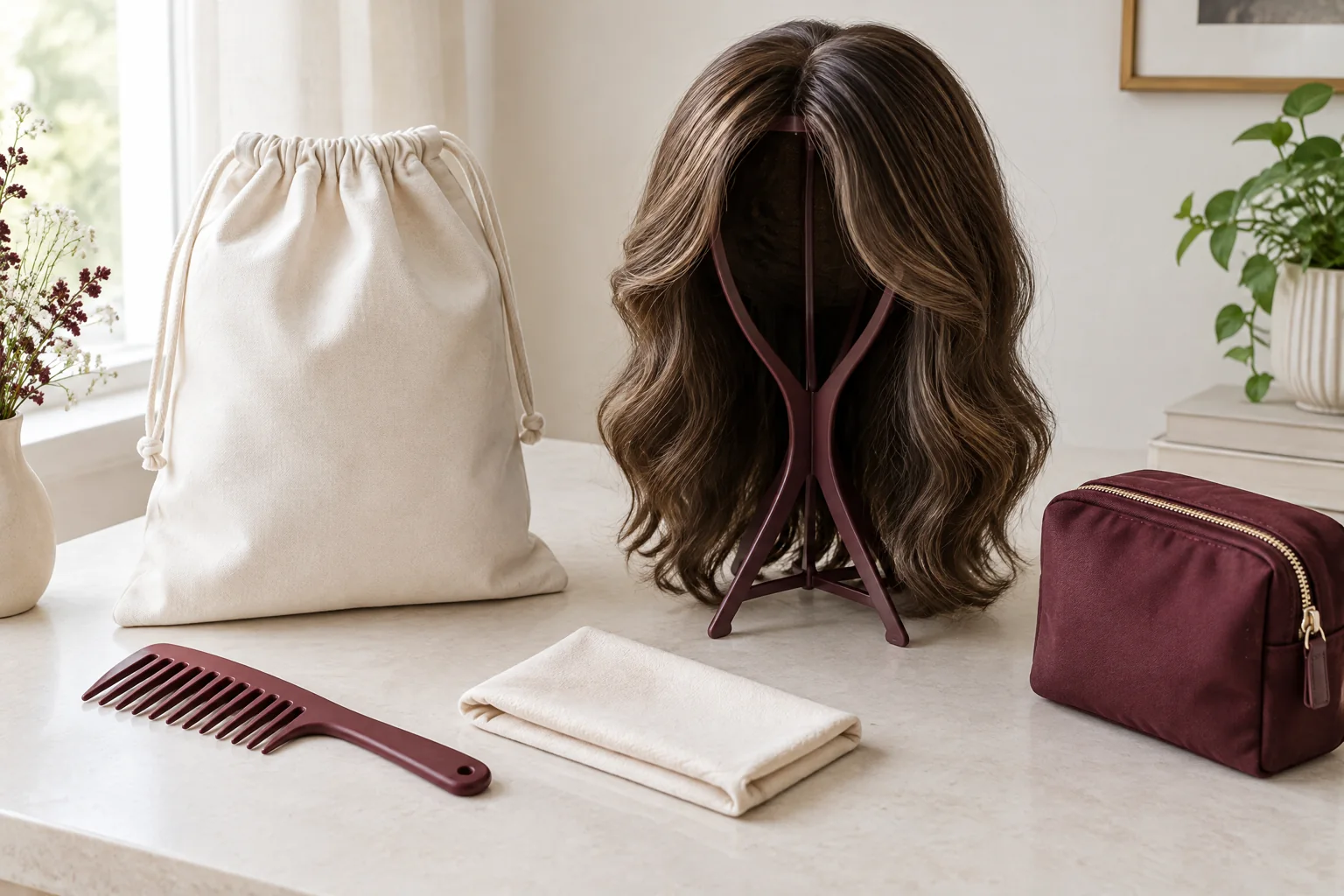
Open the approved reference before unpacking the rest of the shoot items. Check that the physical piece and its identifier agree, then repeat a front and side reference in the planned light. Compare them with the earlier plain frames on the same display where practical. Look at roots, lengths and ends separately. Inspect a brighter highlight before deciding that the entire wig has changed colour.
Pause the comparison if the only earlier image is heavily styled, cropped or missing its capture details. Take a fresh plain reference and treat it as a new starting point. Also pause if the wrong item has arrived or someone proposes an irreversible adjustment to chase a screenshot. The useful next action is specific: retrieve the correct piece, obtain the original image, or discuss the planned adjustment separately. More makeup cannot solve an unidentified reference.
Once you approve the on-day appearance, save a new dated version instead of overwriting the first shoot's files. Record the piece used and any accepted difference from the earlier portrait. Keep a plain frame before the creative finish is applied. If the afternoon setup changes, add a labelled reference for that scene too. The record explains that day's decision. One photograph cannot prove a permanent colour under every possible light.
If you want a trial before confirming the face colours, bridal trial Hong Kong is relevant reading for preparation. Bring your selected piece and the dated references you are comfortable sharing. Describe the look you want to keep and any differences you are happy to accept. A reshoot can preserve a familiar impression without reproducing every highlight exactly. That is a clearer goal than changing the wig until two differently lit photographs happen to resemble each other.
Key takeaway
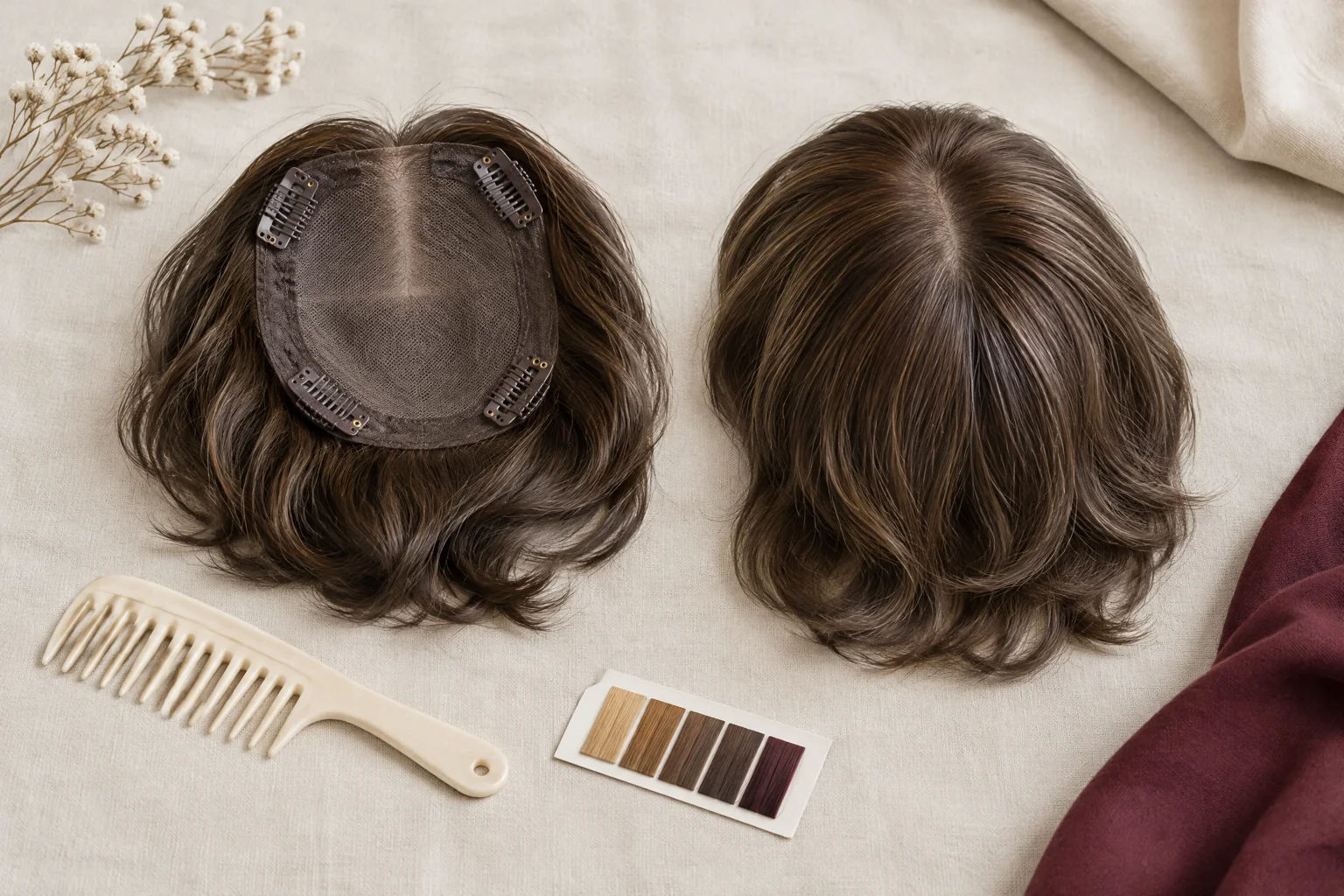
Preserve the item record before trying to preserve the portrait. A dated original helps identify what changed. A separate mood reference explains what you liked. Use both to choose a relevant adjustment, rather than changing the wig because one photograph looks warmer.
Practical checklist
- Identify the physical piece and retain its stated style and colour details.
- Save dated originals showing the full outline, roots, lengths and ends.
- Record lighting and camera settings you can actually identify.
- Separate plain references from corrected previews and finished portraits.
- Confirm your preferred version before sharing the reshoot makeup brief.
Frequently asked questions
Is an unfiltered phone photograph enough to match the shade?
It is a useful record, but not a colour guarantee. Camera processing and white balance still affect the image. Keep the original file and lighting notes, then compare the actual piece under the planned shoot light.
Should I match the manufacturer's colour code or the finished portrait?
Save both because they answer different questions. The code identifies the stated option, while the portrait shows a chosen mood. Your dated physical-item reference connects them without assuming that a finished image displays the shade literally.
Can a Remy label replace the reference photographs?
No. That label concerns hair handling, not your camera settings or preferred finish. Record the actual piece, its care history and the shoot date. Confirm product details separately rather than treating Remy as a promise about appearance.
What if I have replaced the wig since the first shoot?
Create a new identifier and reference set for the replacement. Keep the earlier files rather than relabelling them. Compare the two pieces under the same light where possible, then reassess the makeup beside the selected item.
Do I need to explain why I wear a wig?
No personal history is needed for an appearance brief. Share the look you prefer and the photographs you are comfortable providing. You can discuss the framing of any face reference before sending it to another provider.
Sources
| Source | What it supports |
|---|---|
| Adjusting white balance settings to improve photos. | White balance affects all photograph colours, mixed lighting complicates correction, and a grey-card reference can support white-balance assessment. |
| Setting White Balance | Automatic white balance responds to scene lighting, and manual white-balance choices can also change colour rendering without adding a creative filter. |
Discuss your own makeup plans
Ready to discuss the makeup for your reshoot? Send your selected piece's dated references and preferred portrait to BigDeal Make Up on WhatsApp +852 6918 3153. This number is for BigDeal makeup enquiries, not wig sales or OwnStrand appointments.
Ask on WhatsApp +852 6918 3153