

At a glance
Treat the portfolio as a sequence of decisions. First define the viewer and the technique you want to demonstrate. Then match a look, model, photographer, setting and shared usage terms to that aim. On the day, keep records of products, lighting and approved images. Afterwards, reject repetitions and publish only work that remains accurate. This approach takes longer than collecting every attractive photograph, but it produces a clearer professional record.
Build Your Makeup Portfolio Project Plan Around One Brief
A makeup portfolio project plan needs one clear outcome
Begin with a one-sentence outcome that describes what a viewer should notice. It might be clean skin work, an editorial colour story, or controlled texture under flash. The build a makeup portfolio from scratch guide is useful after that first decision. It explains why repeatable practice briefs make progress visible. Avoid starting with ten vague concepts. One well-defined project reveals what you can prepare, apply, photograph and explain.
Next, write a compact brief with five fields: audience, look, face, setting and finish. Describe the visible result, rather than fashionable labels alone. Add references only when they clarify colour, placement or mood. State what must remain recognisably yours. A brief prevents a shoot from becoming a test of every product. It also makes feedback specific because collaborators can compare the result with an agreed intention.
Fix a modest finish line before approaching collaborators. A first project could require three approved frames, one face chart and a short reflection. That limit protects attention during preparation and selection. It also helps you judge whether the idea matched your current skills. Leave room for one adjustment if the original plan proves impractical. Do not add new looks merely because the day has spare time.

Choose Looks That Demonstrate Deliberate Range
Range does not require a different face for every photograph. Instead, choose contrasts that make your decisions understandable. Pair a soft, polished finish with one more structured direction, if both suit your ability. Consider how brow shape, complexion texture and eye placement change the overall result. Keep the wardrobe and background quiet when makeup is the subject. A viewer should see intention, rather than a catalogue of unrelated trends.
Choose looks from skills that you can repeat calmly. The makeup artist portfolio looks guide can help you group directions by technique and visual purpose. Select one look that proves precise base work. Add another only when it shows a different, controlled decision. Avoid copying a reference exactly. Translate its useful idea into your own colour choices, proportions and finish. That approach creates images you can discuss honestly later.
Match each idea to the person wearing it. Skin tone, features, comfort and personal style affect whether a concept can be realised respectfully. Ask for a short preference conversation before finalising the direction. A dramatic reference may suit the concept but not the participant. Adjust colour intensity, lashes or placement instead of forcing a resemblance. Respectful adaptation produces better collaboration and more credible photographs than a rigid imitation.

Agree Collaboration, Consent and Image Use
Keep permissions as clear as the creative brief
Collaboration becomes easier when everyone sees the same short brief. The how to curate a makeup portfolio guide offers a useful starting point for roles, feedback and selection. Name the makeup artist, model, photographer and any hair or wardrobe contributor. Then agree who will make final image choices. Discuss credits and where approved photographs may appear. A clear conversation prevents a creative project from relying on assumptions after the shoot.
A recognisable portfolio photograph can involve personal-data considerations. Hong Kong legal guidance says a photograph can collect personal data about an identified person. [1] Not every photograph is personal data. Treat that distinction as a prompt for care, not a substitute for advice. Explain proposed uses before the shoot, including a website, social channels or printed work. Record any limits that a collaborator communicates, and respect them when selecting images. [1]
Use a written record for the photographer's images and other creative contributions. Hong Kong's Intellectual Property Department says copyright arises automatically. It also says commissioned-work ownership depends on the agreement. [2] Discuss credits, selection rights, editing boundaries and permitted platforms before sharing files. Keep the record with the image folder. If a proposed use changes later, return to the relevant contributor before publication. Seek qualified advice for specific contractual or legal questions. [2]

Prepare a Shoot Day That Protects the Brief
Treat preparation as part of the visual result, not a separate chore. A makeup artist portfolio course Hong Kong discussion can help you identify what practical support or feedback you need. Confirm the brief, roles and expected outputs before making arrangements. Then list what each participant brings, including wardrobe, tools and references. Keep the plan realistic for a first collaboration. A calm, prepared team is more useful than an ambitious schedule with unclear responsibilities.
Create a simple call sheet for the day. Include arrival windows, makeup order, wardrobe changes, light checks and a final review. Leave time for skin preparation, set-up and small corrections. Identify one person who can confirm the brief when opinions differ. That avoids repeated changes during the application. Bring clean tools, disposables and a product list that supports the chosen finish. Pack only what the look requires, plus sensible backups.
Use the same reference version across the group. Mark which features are essential and which details remain flexible. A photographer may need a different angle from the original board. A model may prefer a softer lip or lighter lash. These are ordinary decisions, not failures. Record the agreed change in the notes. Later, your portfolio description will remain accurate because it reflects the look that was actually created.
- Confirm the look's visible priority and reference limit.
- Write every participant's role and contact details.
- Check the model's comfort, outfit and arrival plan.
- Pack clean tools, disposables, products and a face chart.
- Record proposed publishing destinations before the camera starts.
Document the Process Without Chasing Perfection
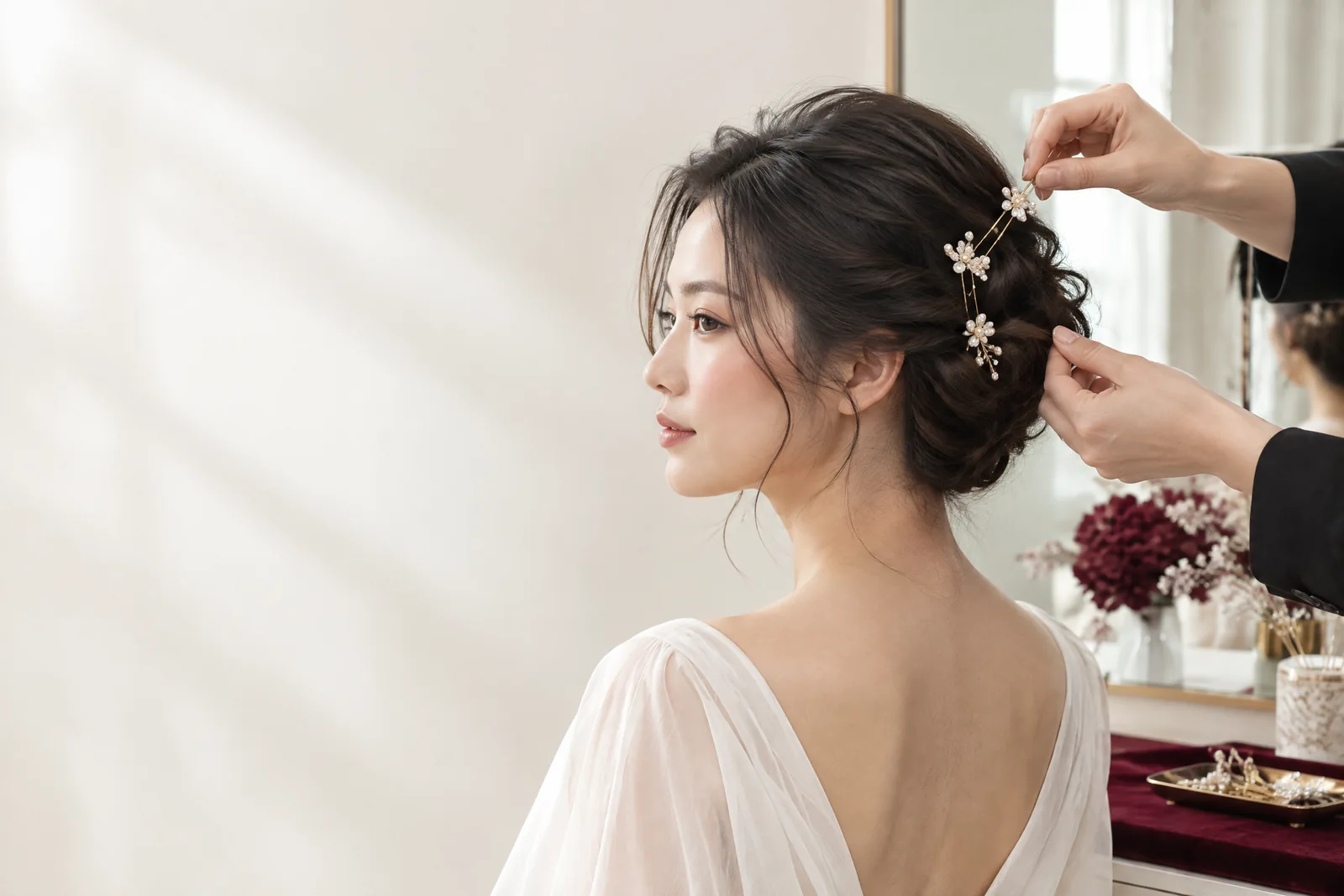
On the day, document decisions as well as finished frames. Take a simple face chart or written note before the camera starts. Record key products, shade families, placement choices and changes from the original brief. These notes are not a performance for anyone else. They help you reproduce a useful technique and explain your choices. Keep photographs of the working area separate from approved portfolio images unless every visible person has agreed.
Create an image log while files are still easy to identify. Mark the project name, date, look, contributor credits and any publishing limit. Add a short description of the lighting or background. This record makes later curation faster and reduces mistaken captions. It also helps you avoid posting an unapproved frame. A consistent naming habit is more valuable than an elaborate folder system that nobody maintains.
Review frames for makeup clarity before judging them as flattering photographs. Check whether the intended texture, edge work and colour balance remain visible. Compare close views with a wider composition. A strong close view may show technique well, while a wider image explains the overall concept. Keep both only when they add different evidence. Reject images with distractions, confusing colour or unfinished details, even when the pose is attractive.
| Project moment | What to record | Why it helps |
|---|---|---|
| Before makeup | Brief, reference version and agreed roles | Keeps the intended direction visible |
| During application | Face chart, product families and changes | Supports accurate reflection later |
| After photography | File names, credits and use limits | Prevents confused selection or captions |
| Final edit | Chosen frames and one learning point | Guides the next focused project |
Edit for Clarity Before You Publish
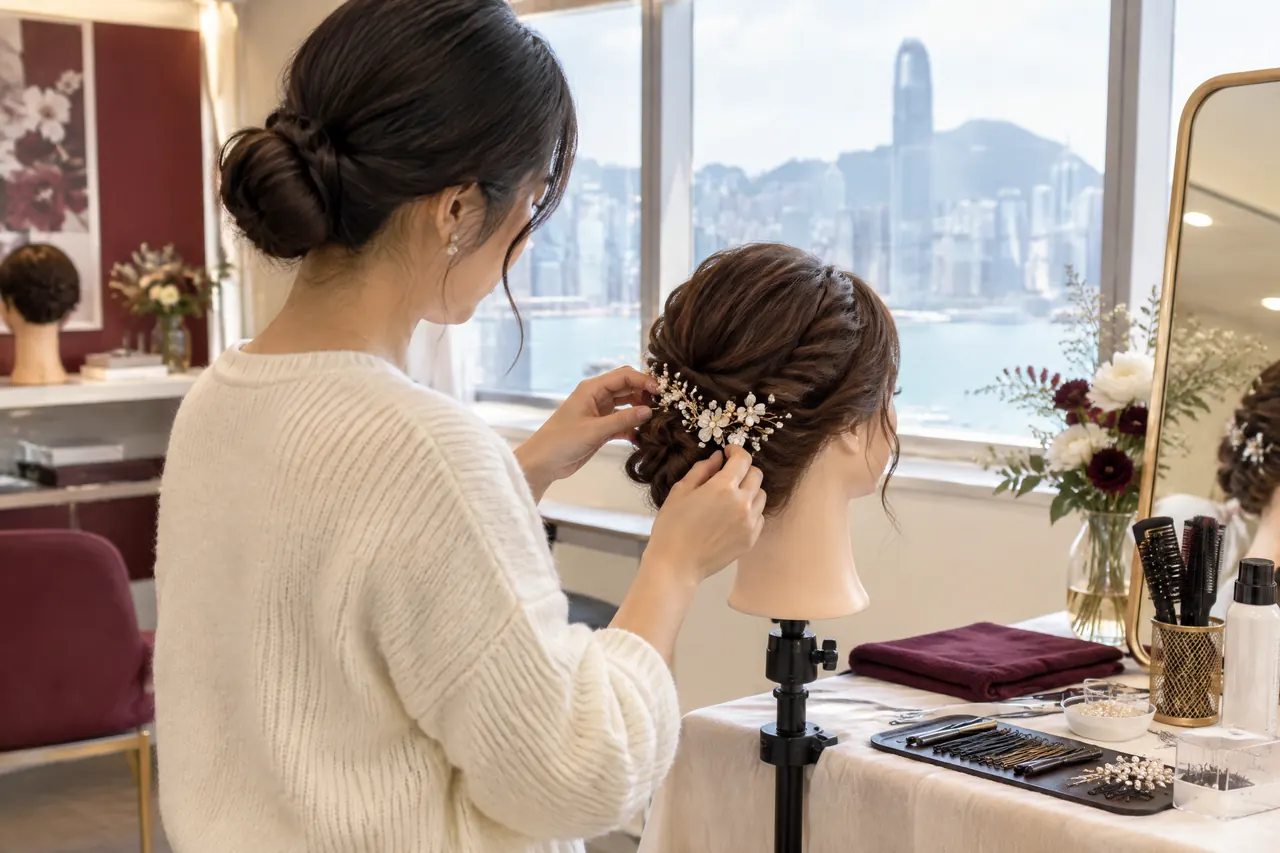
Publishing is a second editorial task, not an automatic reward for finishing a shoot. The makeup portfolio website guide can help you organise images so visitors find the work quickly. Start with a small sequence that has a clear opening and ending. Put the strongest image first, then use supporting frames to explain detail or range. Keep captions factual. Name the look, your role and collaborators where agreed. Do not imply a larger project than occurred.
Use a thumbnail grid before uploading anything. Place similar frames together and ask which image adds new information. If two photographs communicate the same technique, keep the clearer one. Remove an image that needs a long excuse. Be cautious with heavy retouching or colour changes that alter the makeup result. The portfolio should represent your current application decisions, not a version created later by unrecorded edits. Accuracy is a practical form of professional respect.
Build each caption from verified details. Mention the creative direction, key technique and named collaborators only when those credits are agreed. Avoid guessing product shades or promising a result on every face. Check links, image order and mobile viewing before sharing. If someone requests a limit on use, apply it promptly. A concise portfolio earns trust because viewers can understand what they are seeing without inflated claims.
Review, Learn and Plan the Next Project
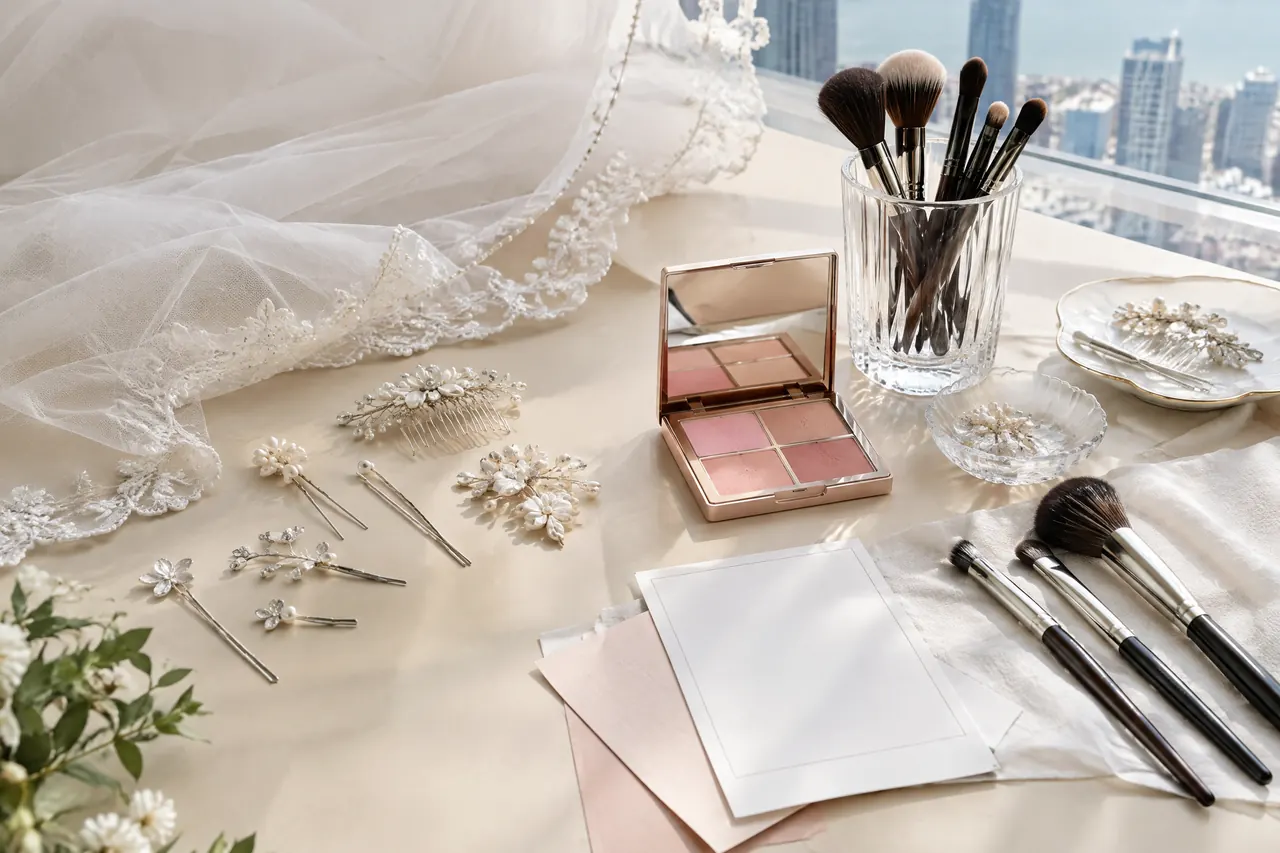
Finish the project with a short review while decisions remain fresh. Compare the original brief with the selected frames. Note what translated well from reference to face and camera. Then identify one technical improvement for the next project. It could involve blending, colour balance, timing or cleaner documentation. Keep the review specific and kind. The purpose is to improve repeatability, not to make a single shoot prove your future career.
Ask collaborators for focused feedback, rather than a general verdict. Invite comments on one or two questions from the brief. For example, ask whether the texture read clearly or whether the image sequence explained the look. Accept different observations without surrendering every decision. You remain responsible for the portfolio's accuracy. Thank contributors, share only the agreed images, and keep the project file organised for later reference.
Plan the next project only after selecting the current one. Repeatedly changing direction can hide useful progress. A second brief should add one genuine skill or visual problem. It might test a different lighting condition, a new colour relationship or a more detailed eye design. Maintain the same consent and file habits each time. Over several carefully planned projects, the portfolio becomes clearer without needing exaggerated claims or unnecessary volume.
Key takeaway
Choose depth over quantity. One brief, one well-prepared collaboration and a selective edit can show more judgement than many unrelated images. The trade-off is time spent on permissions, notes and review. That time protects accuracy, makes later updates easier and gives each project a clear purpose.
Practical checklist
- Write one audience and technique goal.
- Limit references to the decisions that matter.
- Confirm collaborators, roles and proposed image uses.
- Prepare a call sheet, face chart and clean tools.
- Name files with credits and agreed restrictions.
- Select only approved frames that add new evidence.
Frequently asked questions
How many looks should a first portfolio project include?
Start with one well-developed look or two clearly contrasting directions. More looks create extra styling, timing and selection work. Choose a scale that lets you record decisions carefully. A compact project is easier to review honestly, especially when you are still building reliable collaboration and image-management habits.
Do I need a professional photographer for every project?
Not every practice project needs the same photographic arrangement. Decide what evidence the brief requires before confirming roles. If you work with a photographer, agree credits and use of images early. Whatever the arrangement, prioritise clear lighting, accurate colour and permission to use the selected frames.
What should a model agreement cover?
Keep the discussion plain and specific. Confirm the look, shoot date, proposed platforms, credit approach and any limits on use. Record changes that are agreed later. The legal position depends on circumstances. Seek qualified advice for contracts, privacy questions or commercial uses.
Should I publish every successful photograph?
No. Publish images that add clear evidence of your technique or creative judgement. Similar frames can make a small portfolio feel unfocused. Retain the strongest approved version of each useful idea. Keep unselected files organised, because they may still help you compare progress or prepare a later project.
Sources
| Source | What it supports |
|---|---|
| CLIC: When a photograph may be personal data | A photograph can constitute collection of personal data when it concerns an identified person, but not every photograph is personal data. |
| Hong Kong Intellectual Property Department: What is Copyright | Copyright arises automatically and ownership in commissioned works depends on the parties' agreement. |
Discuss your own makeup plans
Planning a first portfolio project in Hong Kong? Share your intended look, timing and practical questions with BigDeal Make Up on WhatsApp +852 6918 3153.
Ask on WhatsApp +852 6918 3153