

At a glance
Build an updo from a stable anchor, then add visible texture with intention. A braid, ponytail, bun, or twist can solve different structural problems. Practise sectioning and pin direction before chasing decorative detail. Use photographs and specific feedback to identify one change per attempt. For a formal style, balance and comfort matter alongside the outline. A clear learning goal makes it easier to decide which guidance or practice setting fits next.
What an updo technique learning path should build
Start your updo technique learning path with control
Start with a simple diagnosis instead of copying a complicated reference. Can you part evenly, hold the intended direction, and place a pin without shifting the section? Those actions shape every later design. An updo hairstyling course Hong Kong shows how foundations fit together. For personal practice, choose one clean low shape first. Repeat the preparation until your hands stop searching for the next move. That control makes later creativity easier to judge.
Keep early sessions brief enough to inspect each movement. Divide the work into preparation, base, shape, and finish. Photograph the same angle after every attempt. You will notice whether a part drifts, a base sits too high, or one side becomes heavier. Do not correct everything at once. Select one visible issue and repeat the style with that single correction. This approach gives a beginner a useful record without pretending that every practice attempt must look polished.
A learning path also needs clear boundaries between skills. Sectioning is not decoration, and pinning is not simply the last step. Braiding, twisting, and finishing each solve different construction problems. Learn the simplest version before changing texture, height, or accessories. That order prevents a learner from blaming hair type for a problem caused by weak structure. It also makes feedback more specific, because the practice goal is visible before the finished silhouette appears.

Build a reliable base before decorative detail
A stable updo needs an anchor that suits the planned shape. Professional upstyle guidance describes braids, ponytails, buns, and twists as useful foundations. It presents a braid as the strongest option, while a twist offers a softer base. That does not make one foundation universally better. A low, textured shape may benefit from a hidden twist. A more structured design may need a braid or ponytail base. Decide the anchor before adding loose pieces.
Practise an anchor until it remains tidy while you work around it. A bridal braiding course may help you compare how a plait supports a softer outer layer. At home, make one narrow braid, one compact ponytail, and one small bun on separate sessions. Then pin short sections into each base. Notice where the pins grip and where they merely press hair flat. The aim is not to use many pins. The aim is to give each pin a useful job.

Practise braids and twists as purposeful structures
Pinning is a construction decision
Braids and twists become more useful when you know their role. A braid can direct the eye, join two areas, or give another section a place to attach. A twist can soften a line, hide an anchor, or create a gentle route towards the nape. A French twist hair course can be relevant when you want to understand vertical direction and controlled tension. Begin with plain sections. Add texture only after the route and balance are consistent.
Pinning deserves separate practice because secure placement should not distort the surface. Hold the section where it should sit, then identify the hidden base beneath it. Insert one pin and test the connection with a gentle movement. If the section slides, change the anchor or direction before adding another pin. Avoid building a dense cluster to hide uncertainty. A clean construction can usually be adjusted more easily than an over-pinned shape. Comfort also matters when a style must be worn for an occasion.
| Skill block | Practise first | Ready to add |
|---|---|---|
| Sectioning | Clean parting and direction | More complex placement |
| Anchors | One braid, ponytail, bun, or twist | Soft surface layers |
| Pinning | Hidden grip and gentle movement test | Loosened detail |
| Silhouette | Balanced low or vertical shape | Accessories and finish |

Move from component skills to evening silhouettes
When an evening updo needs more than a checklist
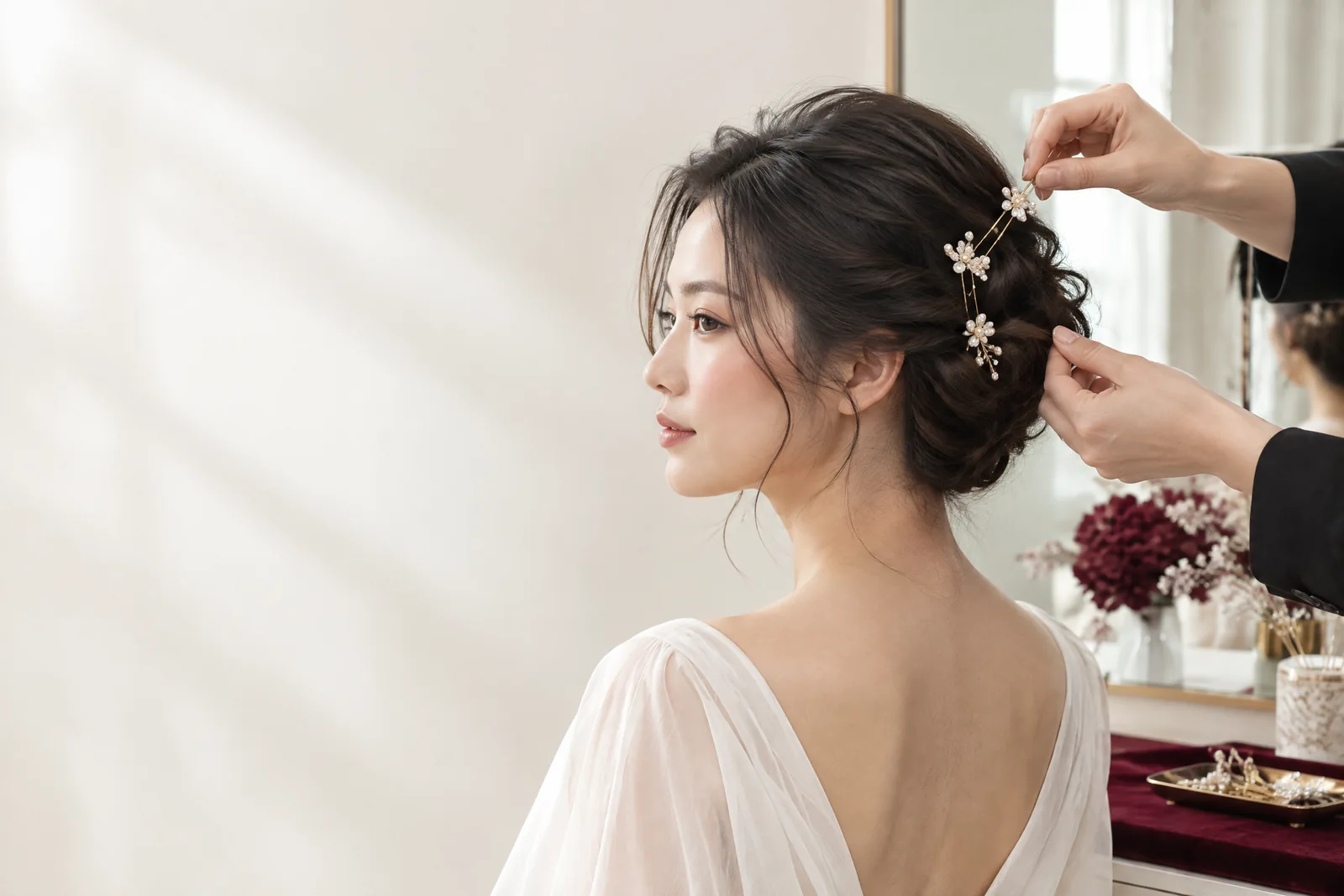
Once your base is dependable, combine only two new ideas in one practice style. For example, pair a low bun with a side twist. Or place a small braid beneath a softly folded section. An evening updo training Hong Kong option may offer guided comparisons of formal shapes. Still, choose references by construction rather than glamour. Ask what holds the volume. Then consider visual weight and whether the finish needs movement or photographic balance.
A professional tutorial demonstrates a three-ponytail foundation arranged in horizontal subsections. It calls the diagonal placement a blueprint for the updo. This is a useful learning example because the base is visible before styling begins. Try a similar exercise with fewer variables. Mark your intended sections, build the foundation, and pause. Only then wrap, twist, or soften the ends. If the blueprint already feels uneven, the finished style will not solve that problem. [1]
Move to full evening shapes after you can diagnose a failure calmly. A low chignon tests direction and weight. A French twist tests tension and a clean vertical line. A textured bun tests how you support loosened pieces. Rotate these designs rather than chasing new trends each session. The same few shapes reveal whether your sectioning and anchors transfer across different silhouettes. They also show where you need more practice before adding decorative pins or accessories.
Use feedback to make practice deliberate
Useful feedback names an observable change, not a vague impression. Motor-learning research describes deliberate practice as clear, repeatable tasks supported by informative, actionable, and individualised feedback. Apply that idea modestly to hairstyling practice. Instead of hearing that a bun looks untidy, locate the weaker point. Ask whether the left anchor sits lower. Then check whether a twist loses tension near the nape. A specific observation gives you something to test on the next attempt. A general judgement rarely does. [2]
Choose one feedback source that matches your current gap. A mirror helps with symmetry, while photographs reveal overall proportion. A trusted observer can notice a loose anchor during movement. An evening hairstyling course Hong Kong can be useful if you need demonstrations and live corrections on formal construction. Bring one reference and one question. For example, ask how the visible surface can stay soft while the hidden base becomes stronger. This keeps a feedback conversation practical and focused.
Use a short review after each style. Write the reference, the anchor, the change you tested, and the result. Avoid rating the whole attempt as good or bad. A style may have a clean outline but weak pin direction. Another may hold well but feel too heavy on one side. Recording those distinctions helps you choose the next practice task. It also reduces the temptation to buy more accessories before your current technique has become consistent.
- Name one construction goal before you begin.
- Photograph the front, sides, and back in similar light.
- Test the anchor before loosening decorative sections.
- Ask for one actionable correction after each attempt.
- Repeat the same shape before changing the reference.
Choose practice goals that match your setting
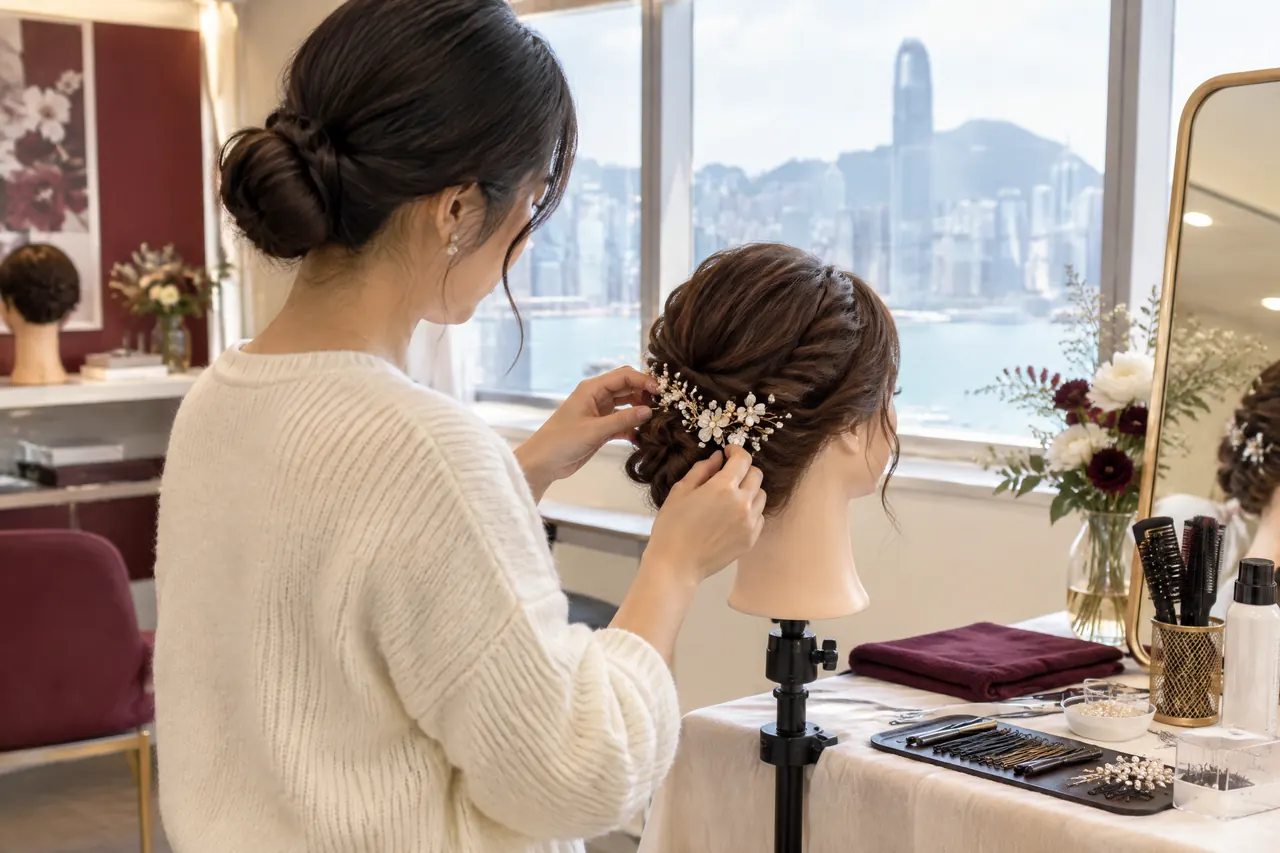
Your practice goal should reflect the setting you have in mind. A formal dinner style may need controlled shine and a balanced profile. A bridal-inspired design may need space for a veil or headwear. A portfolio-style exercise may prioritise a clear silhouette for photographs. These are different design questions, even when the finished hair appears similar. Write the setting beside each reference. It will guide your choice of height, texture, and accessory position without forcing every updo into the same formula.
Hair length, density, and texture affect the route, but they do not remove the need for structure. Use a mannequin, a willing practice partner, or your own hair according to the technique you are testing. Keep the purpose honest. A mannequin can help with hand position and sectioning. It cannot fully represent personal comfort or movement. A practice partner can reveal those points, but only with clear consent and enough time. Adapt the exercise instead of expecting one method to answer every question.
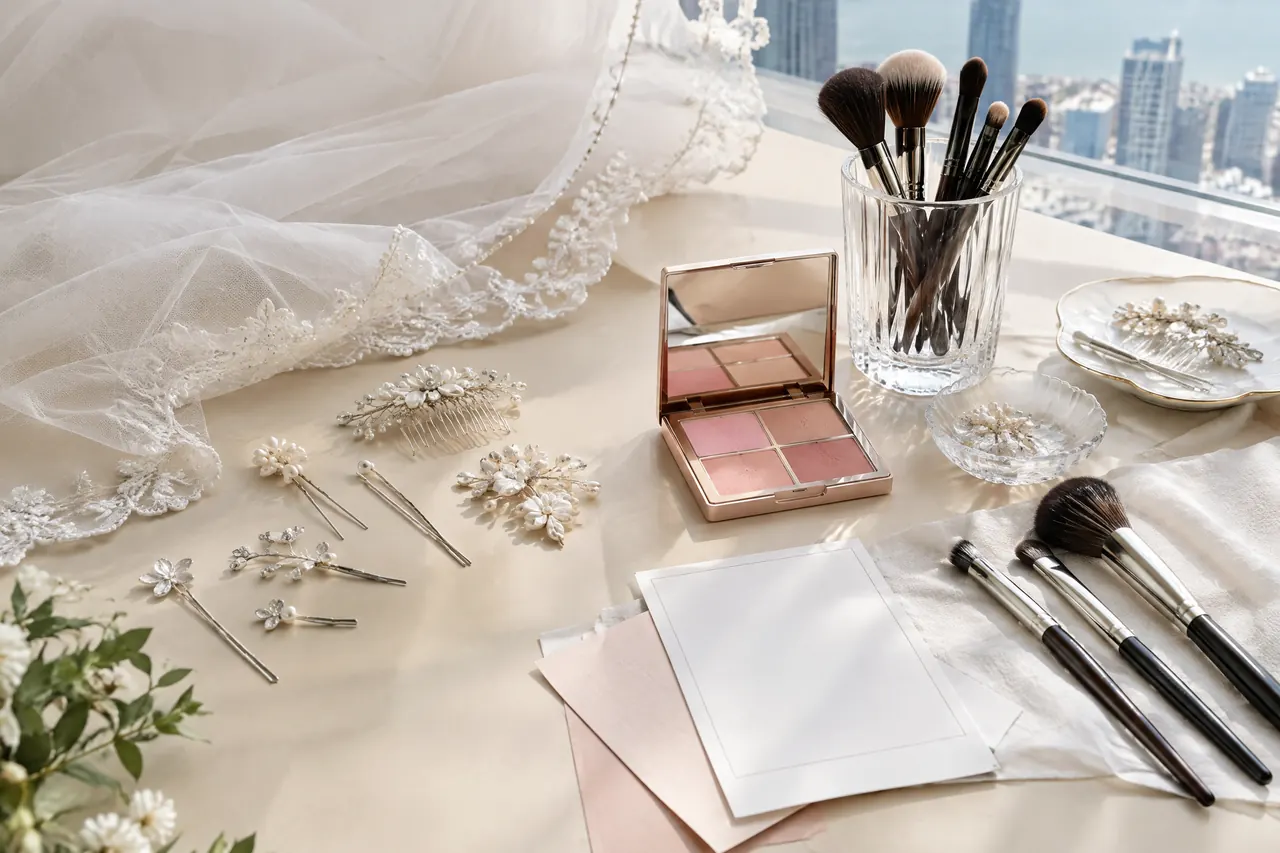
When a reference includes an accessory, construct the updo before deciding its exact position. The accessory should support the finished direction rather than conceal an unstable area. Check its weight and any edges before placing it. If hair or scalp discomfort occurs, stop and adjust the styling approach. This guide covers cosmetic styling choices only. It does not replace advice from a suitable health professional for scalp concerns, pain, or an allergic reaction.
Plan the next conversation with clear questions
Before you ask about a learning option, describe the point where your practice stops. Perhaps your sections are clean, but the bun loses balance. Perhaps you can twist confidently, but cannot hide the anchor. These details make an enquiry more useful than simply requesting an advanced style. They also help you compare the focus of different sessions. Bring two references that use similar construction, then explain what you want to understand from each one.
If costs are part of your decision, review the updo hair course price Hong Kong information alongside the stated scope. Compare the listed focus with your actual gap, rather than assuming a longer arrangement automatically suits you. Confirm dates, materials, format, and the practical techniques you hope to cover with customer service. That conversation should clarify arrangements before you commit. It should not be treated as a promise about a particular result or future opportunity.
Key takeaway
The practical trade-off is between a style that looks loose and a structure that stays dependable. Build the anchor first, then release only the sections your base can support. That order may feel slower at first, but it makes feedback clearer and later styling choices more flexible.
Practical checklist
- Choose one low, vertical, or textured shape to practise.
- Write the anchor and visible goal before starting.
- Keep parting lines clean before adding decorative texture.
- Test each pinned section with a gentle movement.
- Photograph matching angles after every attempt.
- Record one correction for the next practice session.
Frequently asked questions
Should I learn braids before formal updos?
Learning a basic braid first is helpful because it teaches section control and tension. It is not the only route. Begin with a ponytail or bun foundation if that better matches your chosen shape. Return to braiding when you need a travelling anchor or a visible detail. The key is understanding what the braid contributes to the construction.
How do I know whether my pins are secure?
Test the connected section before you soften the surface. It should stay in position during a gentle movement without pulling or poking. If it slips, inspect the anchor and pin direction. Adding more pins may not solve the issue. Rebuild the connection when the base is weak, then retest the same small section.
Can I practise updos on my own hair?
Yes, self-practice can improve parting, hand position, and visible balance. It may be harder to assess the back or personal comfort. Use mirrors and photographs from several angles. For styles intended for another person, practise the same sequence on an appropriate model only with their agreement. Treat each result as practice, not a guarantee of event readiness.
When should I add accessories to an updo?
Add accessories after the main shape is secure and balanced. First decide where the eye should travel through the style. Then check that the accessory does not pull on hair or cover an unstable point. A smaller piece often needs less adjustment. Bring an accessory to a practical discussion if its size, weight, or placement affects the intended construction.
What feedback should I ask for after practice?
Ask for one visible, actionable observation. Good examples include uneven height, a loose anchor, exposed pins, or a heavy side. Avoid asking whether the whole updo is good. That question produces vague answers. A focused observation lets you repeat the design with one deliberate change. Record the change and compare the next attempt with the previous one.
Sources
| Source | What it supports |
|---|---|
| Upstyles and Braids Tutorials: 35 Pro Videos | Supports the distinction between braid, ponytail, bun, and twist foundations and the three-ponytail upstyle blueprint. |
| Deliberate Practice and Motor Learning Principles to Underpin Training Design | Supports the use of clear, repeatable tasks with informative, actionable, individualised feedback as deliberate-practice conditions. |
Discuss your own makeup plans
For Hong Kong makeup services or makeup lessons, WhatsApp BigDeal Make Up at +852 6918 3153. Share your current updo goal and two reference images.
Ask on WhatsApp +852 6918 3153