
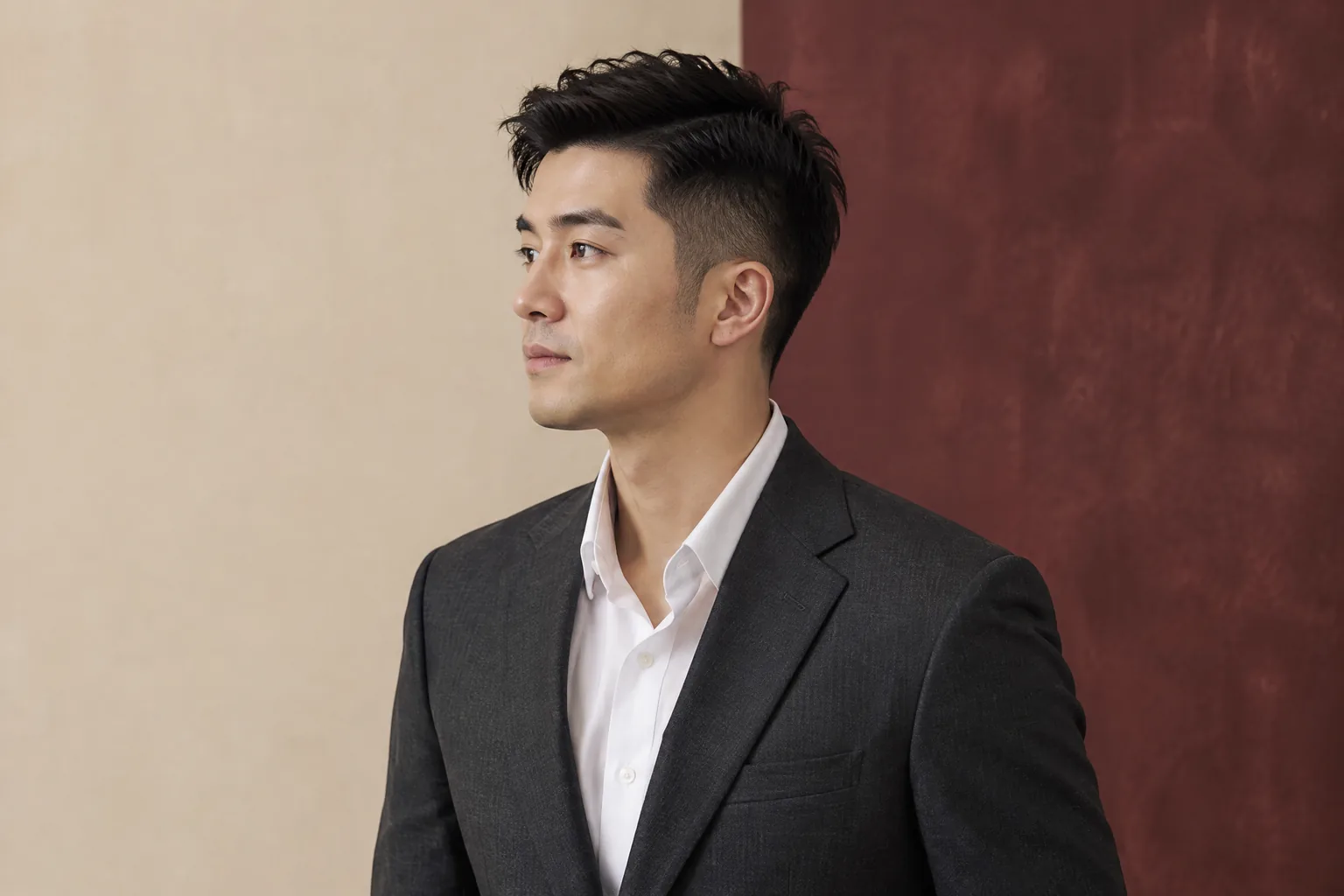
At a glance
For a quiet formal look, start with the hair and suit you already intend to wear. For a visible change, compare references at similar lengths and describe the dark areas you want to retain. If you will speak on stage, add a separate makeup brief rather than assuming a guest appointment covers that role.
Male gala colour method choice starts with the invitation
Should your hair make a statement or support the outfit?
Read the invitation before collecting colour photographs. A black-tie dinner, company spring banquet and creative fundraising evening can carry different expectations. Ask the organiser when the dress code is unclear, rather than treating a social-media look as permission. Decide whether you want attention on your face, the suit or a deliberate hair detail. There is no requirement to change your colour simply because the event is formal.
Put your jacket, shirt and tie beside a current photograph of your hair. Consider the whole picture, including glasses and facial hair if you wear them. A pale shirt beside dark hair creates a different balance from a dark shirt and dark jacket. This is a comparison exercise, not a rule about which colours men should wear. Identify one feature you want to emphasise and one you want left understated.
For an employer's dinner, the corporate gala makeup Hong Kong page is a relevant starting point for makeup enquiries. Explain whether you are attending privately, hosting colleagues or appearing in official photographs. Include your outfit reference and preferred level of visible makeup. Ask BigDeal about the requested scope and arrangements. Do not assume hair colouring belongs to the same booking or preparation schedule.
Clarify the photographs that matter to you. A seated table picture may be your priority, while another guest wants a formal portrait with a partner. Consider whether your usual parting exposes the front, crown or sides in those views. Keep a photograph of the current look as a genuine option. It gives the conversation a baseline and makes the decision to change something more deliberate, rather than compulsory.
- Choose one visual priority: discreet finish, visible hair detail or a stronger overall change.
- Keep the current colour on the shortlist when the outfit already feels complete.

A technique label cannot define the desired picture
Which placement and contrast does your reference actually show?
Read an inspiration picture by areas instead of copying its caption. Notice where the brighter strands start, how wide they appear and how much dark hair remains between them. On a short top, there may be little length for a gradual transition. A photograph of shoulder-length waves can still communicate a colour preference. It cannot specify the same placement on a cropped cut. Choose another reference nearer your length.
Wella describes balayage as a hand-painted highlighting technique and discusses colours beyond blonde. That definition helps separate the application approach from the shade you prefer. It does not establish that every reference can be recreated on your hair. Ask what part of the image reflects placement and what part reflects its starting colour. Keep that question separate from whether your hair can undergo the proposed processing before the gala. [1]
Vitso Hair's balayage page offers further reading on where lightness begins and how much darker depth remains. Use it to prepare a placement enquiry, not to order a result from a photograph. Point out whether the interest is a brighter front, scattered light areas or lighter ends. The salon discussion must account for existing colour and hair condition. BigDeal's makeup enquiry does not confirm that chemical work or its timing.
Describe what you want to avoid as clearly as what you like. Perhaps broad bright sections feel too noticeable, while a small front detail interests you. Or you want the top to remain predominantly dark when worn flat. Show the ordinary hairstyle alongside the reference, without changing the cut just to match it. This makes the visual request specific while leaving the application decision open for the salon assessment.
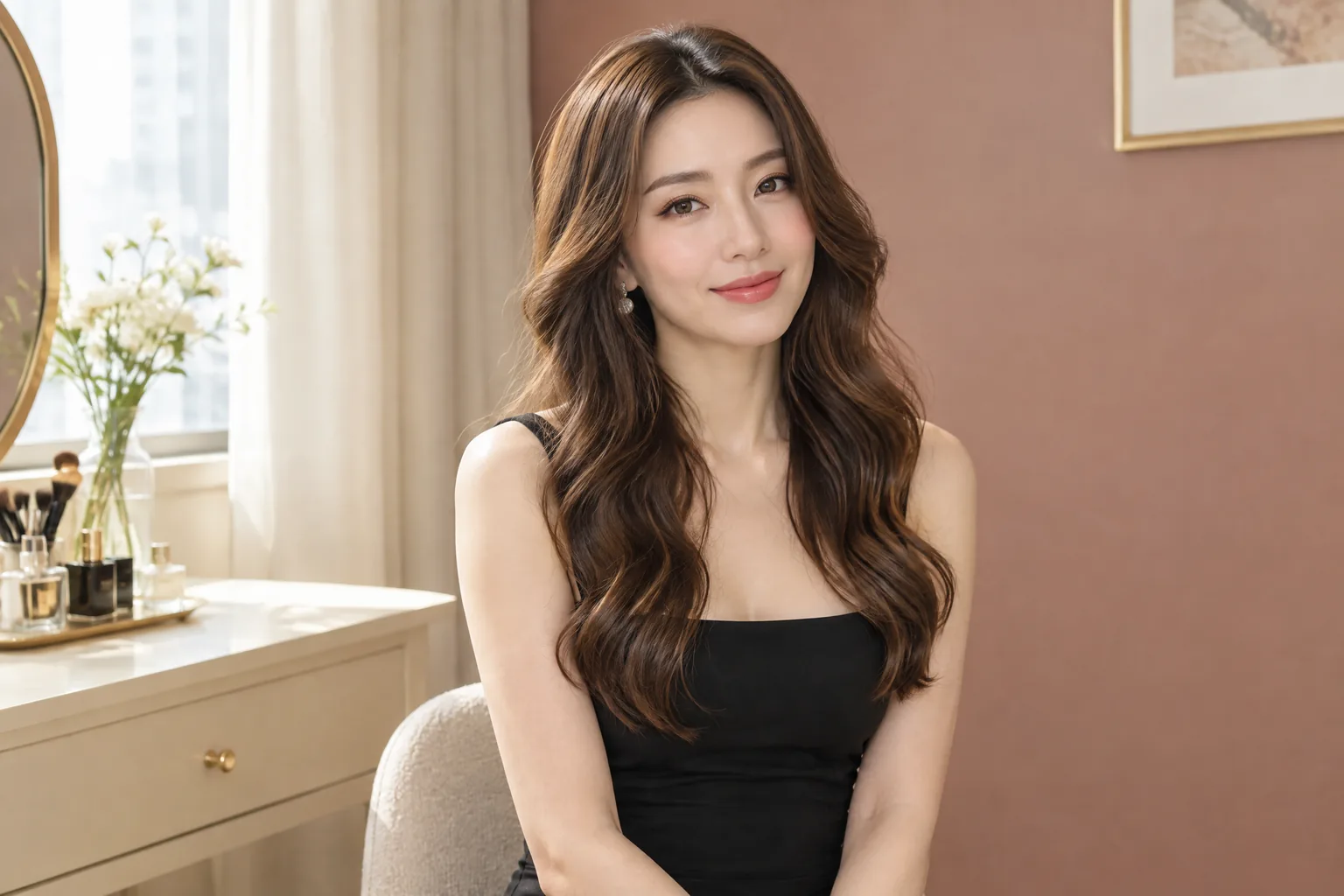
Compare methods against the same visual intention
Use one male gala colour method choice brief for both options
A fair comparison starts with the same goal for both options. Asking for subtle brown in one conversation and pale ribbons in another compares different outcomes, not simply techniques. Write down the preferred overall depth, location of brightness and amount of dark space. Keep the haircut and usual styling constant as well. Otherwise, a longer top or different parting may explain more of the visual difference than the technique name.
Separate two questions that often get mixed together: how noticeable should the pattern be, and how light should it look? Narrow strands can still create a visible change when many are selected. A small bright area can also stand out against a deep base. Use the reference to discuss both distribution and contrast. Do not infer a gentle chemical process from a soft-looking photograph, since appearance alone cannot establish processing requirements.
The balayage vs highlights guide from Vitso Hair compares strand patterns, retained depth and transition height. It is useful when two appealing pictures carry different labels but share a similar intention. Read the design questions first, then ask the salon to explain its proposed approach. A label alone cannot settle suitability or upkeep. Choose the appearance you want to discuss rather than declaring one method the winner for every male gala guest.
Think beyond the evening when judging the options. If you regularly shorten the sides but keep the top, ask how trimming changes the remaining colour. If your workplace expects understated grooming, show the proposed look in your everyday style too. Neither concern automatically rules out a change. They help you compare a limited detail with a broader change. Keeping your present colour is another option while you consider your long-term preference.
| Goal | Show in the reference | Main trade-off |
|---|---|---|
| Retain a dark impression | Dark spaces and limited brightness | Less obvious change in some views |
| Emphasise the front | Exact bright area near the parting | Placement depends on everyday styling |
| Show separate light strands | Strand width and spacing | Contrast may feel stronger than expected |
| Keep the current colour | Present hair with the final outfit | No new colour detail for the occasion |
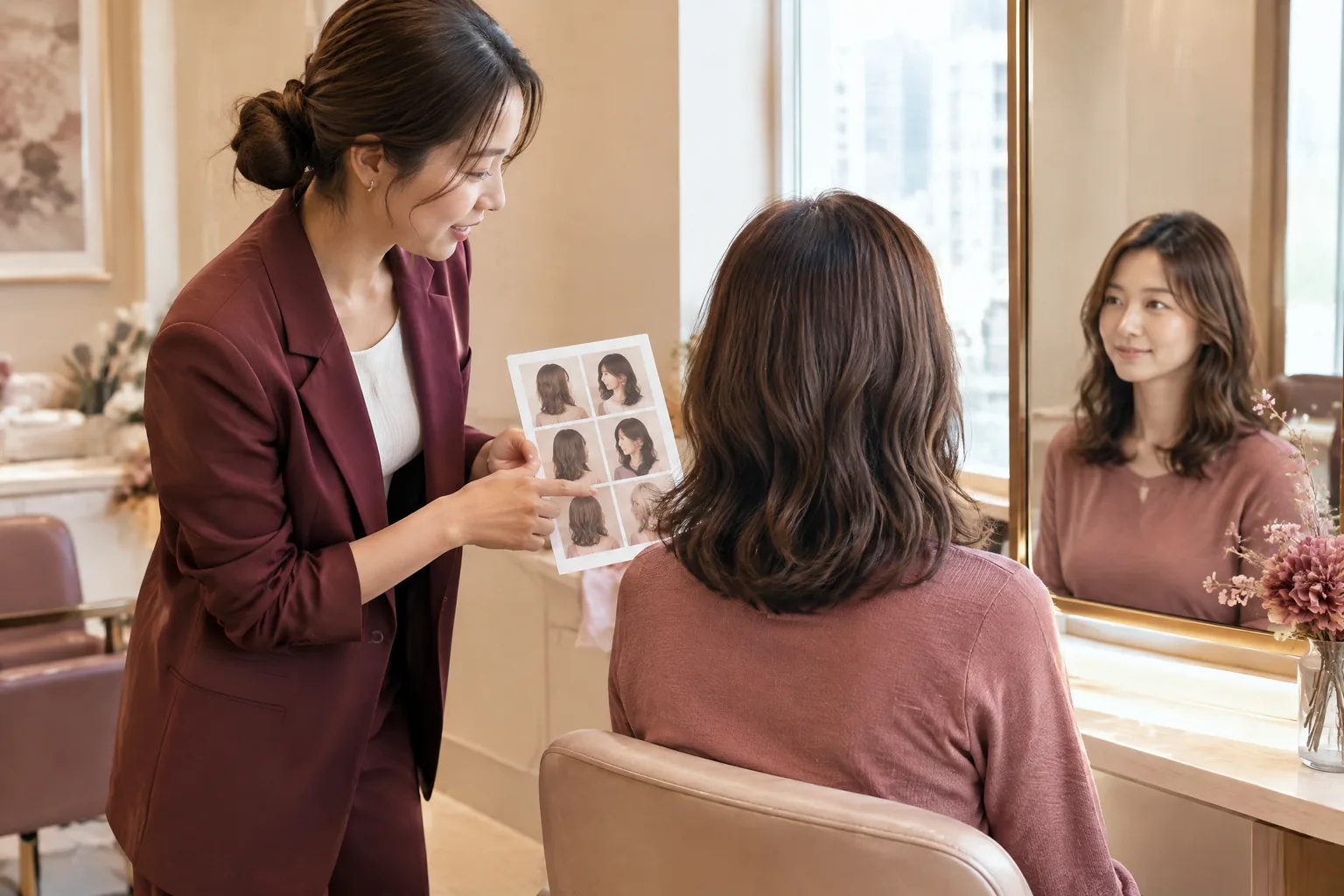
Keep a party request distinct from a work-event request
What changes between an evening guest and an event speaker?
A gala can be social, professional or both, but your actual role matters more than its name. A guest may want a discreet finish for dinner and photographs. An award presenter may also need preparation for a scheduled appearance. Say whether you are comfortable with visible makeup, rather than letting gender decide the brief. Hair colour and makeup intensity need not rise together; you can change one while keeping the other restrained.
Bring the final colour reference to the makeup discussion if you decide to proceed with salon work. Explain whether the photograph shows a confirmed result or only an idea still under consideration. This avoids planning around a shade that might not be achievable. Discuss complexion coverage and the finish you prefer independently. Makeup need not copy the warmth of your hair or the colour of your tie to look considered together.
For a genuinely social evening, the party makeup Hong Kong page provides the relevant enquiry route. Tell BigDeal the setting, arrival time and whether your priority is close-up portraits or simply feeling comfortable at dinner. Ask about the makeup scope that fits those preferences. If the event also includes speaking duties, describe them separately. A party enquiry should not be treated as automatic confirmation of a stage brief or additional arrangements.
Prepare for the transition into the venue, not just the moment you sit down. For a Hong Kong hotel dinner, identify where you will get ready and change into formalwear. Allow practical time for transport and finding the meeting point. Avoid pulling a tight neckline over freshly arranged hair or makeup when you can dress first. These small logistics support the intended look without requiring stronger colour or heavier coverage.
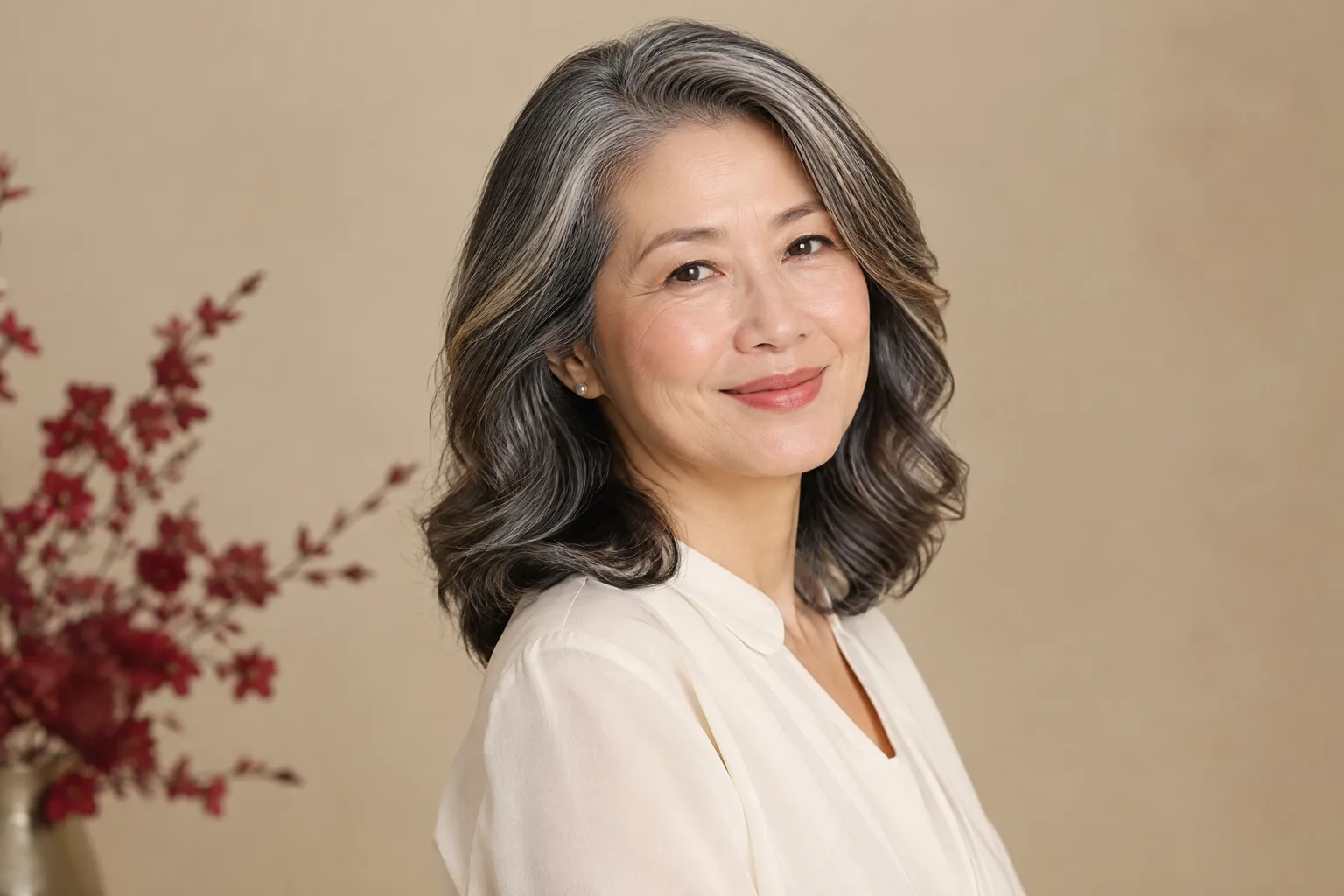
Men's colour enquiries need a processing history
What must be discussed before committing to a change?
Give the salon your colour history before asking whether a reference is achievable. Include previous bleaching, permanent colour and any straightening or perming you remember. Explain roughly when they happened and which lengths remain, without guessing product details you do not know. Bring packaging or records if available. Also describe your normal haircut pattern. The hair you retain after trimming is what matters to the colour plan.
FDA advises following hair dye directions and doing the skin test before every use. It notes that a negative test does not rule out a later reaction. Its guidance also says not to dye an irritated, sunburned or damaged scalp. Discuss product-specific testing and any previous reactions with the salon before arranging colour. If you have a scalp problem or reaction, seek healthcare advice rather than using an event deadline to justify proceeding. [2]
Vitso Hair's men's hair colour page considers the relationship between the top, sides and intended haircut. Use it to distinguish an overall tint enquiry from selected lighter areas or a separate grey-coverage goal. Explain which hair you plan to keep and how noticeable the change should be. Do not assume the public tinting information confirms a men's cut-and-colour package. Ask Vitso directly about scope and suitability; BigDeal handles the makeup arrangements separately.
When time is tight, keep an unchanged-colour plan available. Ask the salon what consultation, testing and processing steps your request needs before promising yourself a new shade. There is no single preparation interval that fits every product and hair history. If the necessary steps cannot be arranged, retaining your current hair is a considered choice. You can still make the gala look intentional through formalwear, familiar styling and a clearly scoped makeup request.
If speaking at the gala, prepare a separate stage brief
Which camera and event details need confirmation?
A speaking role introduces information that a dinner invitation may not contain. Ask the organiser about your stage time, rehearsal and whether live video or official portraits are planned. Note whether you will stand at a lectern or move around. These details help describe the makeup request without assuming a camera specification or lighting setup. Share confirmed information, and clearly mark anything still unknown instead of turning guesses into instructions for the artist.
Check accessories that affect the practical arrangement. If a headset microphone is expected, ask where it will sit rather than changing the hair around an imagined fitting. Mention glasses and whether you intend to remove them during the speech. Consider the hairstyle you can comfortably maintain through dinner and the presentation. A colour detail hidden by your usual parting may not serve your priority. It might still look appealing in another person's portrait.
The corporate event makeup artist page is relevant when you have an actual work-event or speaking requirement. Send BigDeal the running order, preparation location and desired makeup finish, together with your outfit reference. Ask what arrangements can be confirmed for that role. This is different from requesting hair colouring or assuming touch-ups throughout the evening. Keep each requested service explicit so the makeup conversation reflects what you will actually be doing.
Finish with two short briefs rather than one vague makeover request. The salon brief describes retained length, colour history and desired placement. The makeup brief describes the occasion, photo or stage role and preferred coverage. Keep a shared outfit photograph so both conversations reference the same overall intention. You do not need matching technique names or a dramatic change to achieve a coherent plan. You need decisions that fit the evening and your comfort.
| Detail | Salon discussion | BigDeal makeup discussion |
|---|---|---|
| Appearance | Retained depth and light placement | Coverage and preferred visible finish |
| History | Colour, bleaching and other processing | Relevant cosmetic sensitivities |
| Event role | How hair will be worn | Guest, presenter or speaker |
| Timing | Required assessment and product steps | Preparation location and event schedule |
Key takeaway
The useful choice is not a fashionable method in isolation. It is how much change you want to see with your actual suit, haircut and gala role. Set that intention first, keep an unchanged-colour option, and let separate salon and makeup conversations establish the appropriate arrangements.
Practical checklist
- Confirm the invitation's dress code and your actual guest or speaking role.
- Photograph the final outfit beside your current hair before choosing a change.
- Mark brightness, dark spaces and unwanted contrast on suitable-length references.
- Prepare colour history and ask the salon about product-specific preparation steps.
- Send BigDeal the makeup preference, location and relevant event schedule.
Frequently asked questions
Do I need to colour my hair for a formal gala?
No. Start with the dress code and your preferred appearance. Keeping the current colour can be the strongest option when you like its balance with the outfit.
Can a long-hair reference guide a short cut?
It can communicate a shade or contrast preference, but not identical placement. Add a reference near your own length and show your usual parting before discussing the method.
Should makeup match the new hair colour?
It does not need to repeat the shade. Discuss complexion coverage and finish alongside the whole outfit. Say whether the proposed hair colour is confirmed or still being considered.
Can I assume previous trouble-free dye use means no testing is needed?
No. FDA advises the skin test before each use according to product directions. A negative result cannot guarantee no reaction; discuss previous reactions and testing with the salon.
Does a BigDeal enquiry also confirm Vitso hair services?
No. BigDeal handles its makeup arrangements. Ask Vitso directly about colour assessment, service scope and timing. Shared ownership does not make separate service enquiries one confirmed appointment.
Sources
| Source | What it supports |
|---|---|
| What is Balayage? Your Complete Guide | Wella defines balayage as hand-painted highlighting and discusses shade families beyond blonde; the term identifies an application approach, not a fixed shade. |
| Hair Dyes | U.S. Food and Drug Administration | FDA advises following directions and performing the skin test before each use; a negative test does not rule out a reaction. Its guidance says not to dye an irritated, sunburned or damaged scalp. |
Discuss your own makeup plans
Planning your gala makeup? WhatsApp BigDeal Make Up at +852 6918 3153 with your event date, preparation location, outfit reference and guest or speaking role. Ask about makeup scope and arrangements. For hair colour assessment or bookings, contact Vitso Hair directly.
Ask on WhatsApp +852 6918 3153