
BigDeal Make Up · Hong Kong
Makeup Brush Lesson And Makeup Product Consultation Class
Products work best when linked to your routine, not treated as a universal shopping list. This guide helps you ask focused questions about the brushes and cosmetics already in your bag, explains what a makeup brush lesson and a makeup product consultation class each cover, and lists the exact tools or materials you should confirm before you enrol. Always get any promises about supplied products or extra material charges in writing before you arrive.
At a glance
makeup brush lesson
A makeup brush lesson focuses on technique: choice of brush, how to hold it, blending and maintenance. A makeup product consultation class concentrates on product selection, skin preparation and how your existing items work together. Neither type of session automatically includes a kit, false lashes, practice model or remover — always check what is provided. Use the checklists here to plan your session, avoid unnecessary purchases and ensure your tutor demonstrates with the items that matter to you.
01
Makeup brush lesson: match the session to your learning goal
Starting points for a focused makeup brush lesson
Begin by deciding what you actually want to learn in a makeup brush lesson: is it achieving smoother foundation application, softening harsh edges on contour, blending eyeshadow into a crease, or mastering removable eyelid techniques for asymmetrical eyes? A clear outcome helps the tutor select the right brush shapes and fibres to demonstrate. Bring the handful of brushes you use most so the lesson can address grip, angle and where each tool is best applied.
If you only own a crowded collection of multi-use brushes, a short inventory done before the class will save time. Note each brush’s head (flat, tapered, domed, angled), handle length and whether the bristles feel natural or synthetic. A tutor can then show how a single good-quality brush can replace several inefficient ones, plus how to hold and pivot brushes to contour and blend with temporary cosmetic balancing for asymmetrical eyes or brows.
Technique takes priority over buying: in a makeup brush lesson the immediate returns are cleaner blends, less product waste and better hygiene. The instructor will demonstrate how much product to pick up and how to move a brush across skin without stretching it. Expect exercises using a small palette of textures—powders, creams and liquids—so you learn handling differences; bring the product types you already wear rather than an entire vanity.
For a closer comparison, consider Set頭 course Hong Kong
02
Makeup product consultation class: how it fits into a practical plan
Key questions to prepare for a makeup product consultation class
A makeup product consultation class helps you understand what in your makeup bag works for your skin and what doesn’t. Rather than replacing everything, the tutor will look at your complexion, discuss skin preparation and advise on product substitutions that meet your goals—daywear versus evening, longevity requirements, or sensitivity concerns. Remember this is cosmetic advice, not a medical or dermatological assessment; disclose allergies or reactions when you enquire.
You should prepare short notes on your usual routine: cleanser, sunscreen, moisturiser, serums, primers and which foundations or concealers you reach for. The class can then recommend where to alter steps rather than add layers. For instance, simple skin preparation techniques often make a foundation look better without changing shades; the tutor can advise which products in your bag to keep and which textures to avoid for your skin type.
Consultations commonly include product-swapping demonstrations and small comparative tests, using a selection of the team’s NARS, Dior, Giorgio Armani Beauty, Estée Lauder, Laura Mercier, Clé de Peau Beauté, Bobbi Brown and M·A·C items where appropriate. This is illustrative—confirm specific brands and shades beforehand. The goal is practical: reduce duplication, stop impulse buys and create a concise plan you can follow at home.
Match your plans with beginner to advanced makeup course
03
Before you book: confirm what each makeup brush lesson and makeup product consultation class includes
Plan your makeup brush lesson and makeup product consultation class with confidence
Before you enrol, ask three clear questions: what products and tools are supplied, what you must bring, and what optional items would improve the session. No kit, false lashes, remover or model is automatically included in tuition. If a course requires a practice model, notes or an assessment, these should be confirmed in writing; any material charge should also be specified. This avoids assumptions that lead to wasted time or unmet expectations on the day.
If you plan to use your own skin-care or treatment products during the lesson, discuss comfort and compatibility in advance. Tutors will check labels and advise caution around active treatments or prescription products. For hygiene reasons, tutors follow strict protocols: clean brushes, single-use applicators for lips and eyes where necessary, and no sharing of eye-area products. The FDA’s guidance on handwashing and avoiding shared makeup is a useful hygiene reference, not a class policy document.
Ask whether lesson notes, a products list, or brief follow-up recommendations are included. Some clients prefer a written shopping list for substitutions; others want step-by-step images or a short practice assignment. Clarify whether the course includes a practical assessment or a light assignment; if it does, understand whether that is formative feedback only and not a formal qualification. Final confirmations should be clear: what is confirmed to be provided, and what you bring yourself.
You may also find it useful to compare beginner makeup class Hong Kong
04
Inventory the products and brushes you already use
Practical prep for a successful makeup brush lesson
Create a simple inventory sheet before attending: list foundation type and shade, concealer, powder, blush, bronzer, primary eyeshadows, liners, mascara, lip colours, removers and skincare steps. Add a quick note on how each product performs—dewy, matte, patchy, longwear, migrates. This helps the tutor see patterns instantly: for example, if your foundation separates in the t-zone, the problem may be skin prep or a mismatched primer rather than the foundation itself.
For brushes, name at least five you use most: face foundation brush, stippling or beauty sponge, powder brush, tapered contour/bronzer, flat shader, crease/blending brush, angled liner brush and spoolie. If you lack variety, note that too. A single good blending brush can revolutionise eyeshadow application; conversely, an old, splayed brush will always give scrubby results no matter how expert the technique. Tutors can recommend targeted swaps rather than a full replacement.
Photograph your makeup bag and brushes in natural daylight and send the images with your enquiry if possible. Tutors at BigDeal Make Up can then pre-plan demonstrations around your actual items. When you arrive, the session will move faster because the instructor already knows whether they need to show alternative brushes, demonstrate removable eyelid tape for asymmetry, or compare how different brush fibres deliver cream versus powder products.
For another approach, explore complete makeup artist course
05
Organise product questions by step: complexion, eyes, lips and removal
Keep your makeup product consultation class focused and efficient
Organising questions by step keeps the class focused: for complexion, ask about primers, hydration, shade matching and how to prevent patchiness. For eyes, specify whether you want instruction on blending, removable eyelid techniques, false-lash application, or brow shaping. For lips, discuss liners, transfer-proof finishes or conditioning balms. For removal, ask about effective removers suitable for your makeup level and sensitivities—don’t assume the class supplies a particular product.
Ask how certain products react together. For example, some longwear foundations will not sit well under heavy sunscreen or certain silicones; a tutor can suggest layering changes that preserve longevity and skin health. Similarly, creams require different brushes and application pressure to powders; a makeup brush lesson will show you which tool to pick up at each step, and when a sponge or fingers might give a better finish.
If false eyelashes or lash strips are of interest, confirm whether these are supplied and whether the instructor will demonstrate application on you or on a model. False eyelashes and children's face paints/prosthetics follow different hygiene rules from standard cosmetics; they are not treated as routine class supplies. If a practice model is required for assessments or practical exercises, clarify whether arrangements are included or if you must bring a volunteer.
Before deciding, take a look at Makeup Courses
06
Ask precisely what is supplied, what you must bring and what is optional
Checklist for items to bring to a makeup brush lesson or makeup product consultation class
Directly confirm the list of supplied items: which brushes, single-use applicators, demonstration products and removers will be available. If a fee covers materials, ask for a written list or an itemised receipt. If the class will use brand items for demonstration—examples from NARS, Dior or M·A·C—ask which textures and shades will be on hand so you can judge relevance to your skin tone and finish preference before you arrive.
Find out what you should bring: your regular skincare routine, the foundation and concealer you use most, the brushes you frequently reach for, and any specialised items like removable eyelid tape if you already use it. Optional items might include a recent close-up photograph of your face, any problematic areas you want to address, or a small mirror for practice at home. Bringing a tidy, labelled bag speeds up the practical portion of a lesson.
If you prefer notes or a digital shopping list after the class, request these when booking. Some clients ask for a short follow-up email with product recommendations and brush lists; others prefer printed step-by-step reminders to practise at home. Confirm whether lesson notes, photos or video snippets are permitted and whether extra charges apply for materials or follow-up documentation.
07
Brush handling, storage and reading product labels
Hygiene, maintenance and product‑label awareness for your lessons
Brush hygiene is central to both lessons and consultations. Expect practical training on daily brush maintenance, when to deep-clean, and how to store tools to avoid splaying or mildew. Instructors will show quick at-home cleans between uses and explain how to reshape synthetic and natural bristles. Clean tools reduce breakouts and allow truer colour payoff from powders and creams alike.
Learn to read product labels with confidence. Tutors will point out useful information—active ingredients, preservative types, and expiry signs like PAO symbols or changes in scent and texture. This isn’t a substitute for medical advice, but it helps you avoid incompatible pairings (for example, aggressive exfoliants used with certain acids under heavy makeup) and supports safer at-home practice of any techniques learned, including temporary cosmetic balancing.
Ask about storage for shared tools if the lesson involves models or shared stations. Single-use items for eyelashes and lip brushes are recommended when working across clients. The FDA’s consumer guidance on cosmetics safety is a helpful independent resource about handwashing, label checking and not sharing makeup; it’s offered for general hygiene context and not as an endorsement of class practices.
08
Clarify notes, false lashes, models and any assessments
What to confirm about practical exercises and follow‑up
If the class mentions an assignment or practical assessment, ask its purpose: formative feedback to improve at-home practice, or a recorded set of skills for internal tracking. Neither implies a formal certification. If you expect a practice model or peer work, confirm whether the school provides one or if you should bring a friend. Similarly, if false lashes are part of the lesson, check whether they’re included or charged separately and what hygiene precautions are in place.
Notes and lesson summaries are often optional. Some students prefer printed step sheets or concise product lists; others favour brief video references. Request what helps you best to practise afterwards. If the instructor offers follow-up critique on a submitted practice look, clarify the timeframe and whether that is included in the tuition fee or supplied for an extra cost.
Recording policy is important: ask whether photography or short video clips for personal study are permitted. Many tutors allow still photos of the finished look and step-by-step pictures, but rules vary around recording live instruction. Confirm this in advance so you can capture the parts of the lesson that will matter most to your at-home practice.
09
Record the agreed tools and materials before you enrol
Secure written confirmation for your makeup brush lesson or makeup product consultation class
Before paying, ask for a short written confirmation summarising what will be provided, what you must bring, and any additional charges for materials or disposable items. This written agreement prevents misunderstandings and ensures a smooth session. If a class requires a practice model or a kit, make sure the cost and who supplies it are clear and acknowledged in the booking email.
If you need the class in English, specify this when enquiring; language and the exact date require confirmation. If any brand items are promised for demonstration—NARS, Estée Lauder or others—request a short list of those demonstration products and shades ahead of time so you can assess suitability. Where fee facts aren’t supplied, the instructor will confirm material charges at enquiry rather than relying on assumptions.
Finally, bring a small clear bag for any single-use or trial products you take home and make a note of the tutor’s hygiene measures for brushes and false lashes. Keep the contact details to ask follow-up questions about your inventory or to request a concise shopping list after the lesson. Clear confirmations make your learning time efficient and prevent last-minute surprises on the day.
10
What to check about supplies, kits and tools before booking
A practical checklist to avoid last‑minute surprises
When you enquire, ask explicitly which items are included and which you must bring so there’s no ambiguity on arrival. Phrase questions like “are makeup class products provided Hong Kong?” or “are makeup class tools provided Hong Kong?” in your message so the booking team can respond clearly. We recommend you also ask whether a “makeup course kit included” or “makeup course tools provided” fee is part of the advertised tuition; if a kit is optional, request an itemised list and price before you pay. Written confirmation of what is supplied prevents last‑minute misunderstandings.
If you plan to “bring your own makeup bag lesson” items, list them in your enquiry. Tutors can tailor demonstrations to what you actually own — this is especially helpful when you ask for a “makeup class for products I own”. Photographs of your bag and brushes are useful and speed up planning. Confirm whether single‑use applicators, extra demonstration brushes or small product samples will be available, and whether the class provides removers or similar disposables, since “makeup remover provided makeup course Hong Kong” is not automatic and must be checked.
Some students ask about practice arrangements. If a session requires a volunteer, ask whether a “makeup class practice model Hong Kong” is supplied or whether you should bring someone. Also verify if the tutor permits photography or short video for personal study and whether lesson notes will be given; asking about “makeup class lesson notes Hong Kong” lets the organiser confirm whether written summaries or follow‑up emails are included or offered for an extra fee.
11
How practical training, hygiene and assessment work in lessons
What to expect from technique demonstrations, safety guidance and feedback
Practical technique and safety are core to lessons. Confirm in advance whether “makeup hygiene training” and demonstrations of brush cleaning are included, since good hygiene affects tool longevity and skin health. If you want a class focused specifically on skin concerns, state that you are looking for a “makeup class for my skin type” or the tutor will not pre‑plan products and textures to match sensitivity or oiliness. For clearer outcomes, ask for any “makeup lesson skincare recommendations” to be provided in writing so you can follow the preparation steps at home.
Many clients want clear product and tool guidance. If you need tutors to recommend items during the session, specify you want “makeup lesson product recommendations” and ask whether those will be shown on the day. For course planning, also ask about “makeup tools required for course” so you can bring necessary implements rather than buying extras. If your interest is in overall skin prep ahead of application, request confirmation that a “skin preparation makeup course” component will be covered and whether that includes practical demonstrations using the team’s illustrative brands.
Some classes include practical feedback or light assignments. If an assessment component is mentioned, clarify whether it is simply feedback or a formal assessment by asking about a “makeup course practical assessment” and a “makeup artist course assignment”. Tutors will explain the aim of any assignment: usually formative critique to help your practice rather than a formal qualification. Always request details about timing, submission format and whether written comments will be supplied so you know what to expect after the lesson.
Style references
Related makeup style illustrations
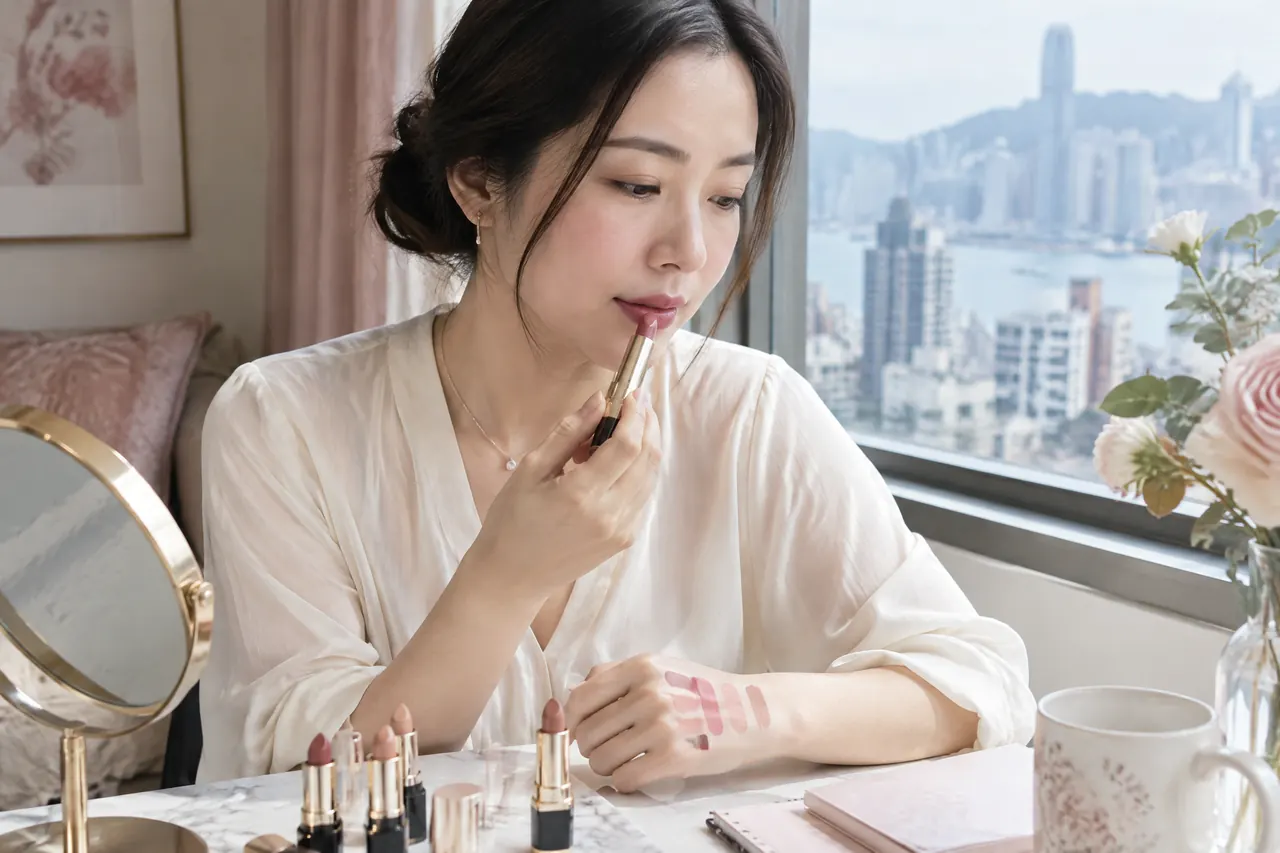




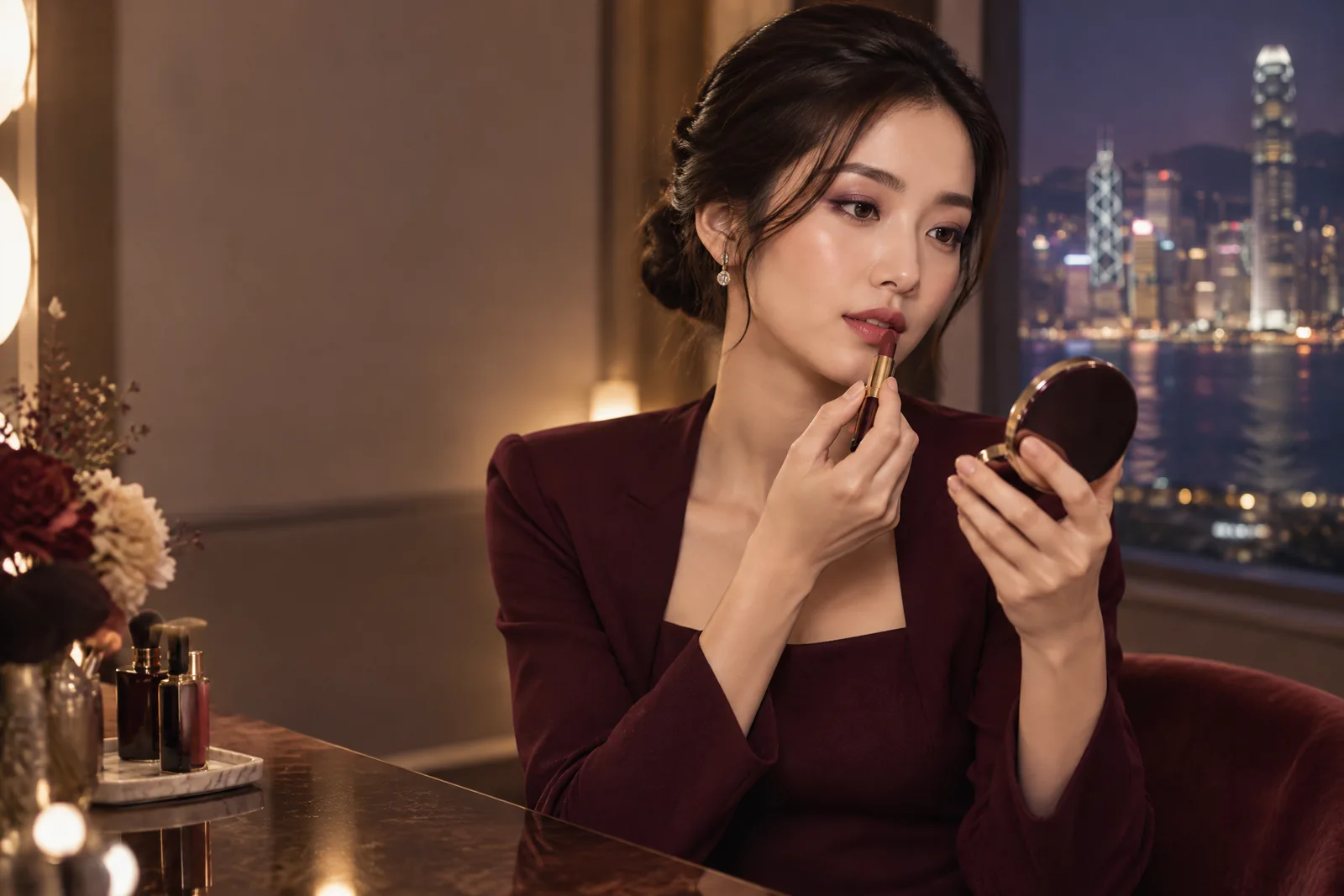
Examples of items often discussed in a makeup brush lesson or makeup product consultation class
| Category | Typical items to bring | What the tutor might supply |
|---|---|---|
| Complexion | Current foundation, concealer, primer, moisturiser | Comparative samples, shade-matching lamp, small tester swatches |
| Eyes | Primary eyeshadow palette, eyelash glue if owned, spoolie | Demonstration palettes, single-use applicators, illustrative false lashes (confirm beforehand) |
| Brushes & Tools | Your everyday brushes, beauty sponge, brush roll | Extra clean brushes for demonstration, brush-cleaning demo station |
| Removal & Hygiene | Makeup remover you normally use, cotton pads | Single-use wipes for demo, small remover samples (check supply beforehand) |
| Notes & Follow-up | Photos of your routine, written questions | Printed step sheets on request, short follow-up email if agreed |
Helpful answers
Frequently asked questions
Do I have to bring my own brushes to a makeup brush lesson?
Bringing your own brushes is strongly recommended: it lets the instructor give targeted advice on grip, wear and technique. If you don’t have certain types, the tutor can demonstrate with their clean tools. Remember: no brush kit is automatically included in tuition, so confirm whether any demonstration brushes will be available on the day.
Will the makeup product consultation class tell me exactly what to buy?
The class provides tailored recommendations based on your routine and skin type, showing practical swaps and why they work. Tutors can suggest specific products or ingredient types but won’t pressure you to purchase. If you want a written shopping list or product notes after the session, request that when booking so you know whether any extra charge applies.
Are false eyelashes and removers provided in makeup classes in Hong Kong?
False lashes, lash glue and removers are sometimes available for demonstration, but they are not a guaranteed inclusion. Children’s face paints/prosthetics and similar items follow different hygiene rules and are treated separately. Always ask which lash items and removers will be supplied and whether there’s an additional materials fee before enrolment.
Does a makeup lesson include hygiene training and brush cleaning demonstrations?
Yes — practical hygiene training is a standard part of both brush lessons and product consultations. Expect demonstrations of daily quick cleans and deeper weekly washes, plus advice on storing brushes to avoid damage. The FDA’s guidance on avoiding shared cosmetics and handwashing is a recommended independent reference for general safety practices.
Will I be assessed or receive a certificate after a makeup course?
If a course includes a practical assessment or assignment, it will be described as formative feedback to improve your technique rather than a formal qualification. No claim of accredited certification should be assumed; ask the tutor to explain the assessment’s purpose and whether any record of completion is provided for personal use.
Is “makeup class products and tools provided Hong Kong” automatically included when I book?
No. The default position is that demonstration products and tools may be available but are not automatically guaranteed. Ask the organiser to itemise which items are covered under your fee and whether any extra material charges apply; request that list in writing so you know exactly what to expect on the day.
Can I request a “makeup class for products I own” so the tutor uses my items?
Yes — that is a sensible option. Send photos and a short inventory with your booking request and use the phrase “makeup class for products I own” so the tutor can plan demonstrations and bring suitable comparison items. Confirm whether any additional disposables (single‑use applicators, removers) will be supplied or charged separately.
Will the lesson include “false eyelashes included makeup class Hong Kong” and removers?
False lashes and removers are sometimes available for demonstration but are not automatically included. If you need lashes and a remover during the session, ask specifically whether “false eyelashes included makeup class Hong Kong” and “makeup remover provided makeup course Hong Kong” apply to your booking so the organiser can confirm availability and any material fee.
Ready to discuss it?
Request a written list of supplied items and any material fees before you book
Tell us what you are planning, and we will help clarify the service or lesson details that matter for your enquiry.
From the makeup blog