

At a glance
This guide separates a narrow correction from a wider reset. It shows how to test whether the gap concerns placement, product handling, camera interpretation, personal presentation, or core structure. Use the comparison table and checklist to identify your next practice need. Then send a concise brief instead of requesting a vague advanced course. That approach protects your time and keeps expectations practical.
Start with the work you can already repeat
Makeup refresher course choice begins with evidence
Begin with the work you can complete without prompts. Review three recent looks under comparable lighting and record where decisions changed. A repeated problem matters more than an occasional awkward finish. Note whether base texture, brow balance, eye placement, blending, colour restraint, or timing breaks down first. When one issue recurs, focused practice may fit better than a complete restart. A makeup refresher class can give that narrow problem proper attention.
Product hygiene belongs in the diagnosis because poor habits can disguise a technical weakness. If brushes, palettes, or applicators are handled inconsistently, practice becomes harder to compare. The FDA advises users to wash hands, avoid sharing makeup, and keep containers clean and closed [2]. Treat that guidance as a baseline for your own kit. Then decide whether the difficulty is sanitation, organisation, product familiarity, or actual application control. [2]
Next, write a one-line description of the desired improvement. Uneven eye work is too broad for a useful choice. Losing outer-corner balance after blending gives you a visible test. Include the face type, usual lighting, time pressure, and products involved. This record separates a technique issue from a kit issue. It also stops a fashionable look from becoming the only reason for study.

Makeup refresher course choice: narrow or broad?
Some gaps are narrow because the underlying sequence still works. A learner may understand complexion preparation but lose control of blush placement. Another may create clean eyes but fail to judge tone combinations. Those examples call for repeated correction, observation, and feedback around one decision. They do not automatically require a longer route covering every basic step. Start with the smallest learning aim that explains the visible problem.
Broader study becomes sensible when several decisions collapse together. Hong Kong's Qualifications Register is a public database for qualifications, programmes, and training providers [1]. That resource can help readers distinguish published programme information from a course label alone. It cannot decide whether a course suits a present gap. Use it alongside a close reading of the stated scope, then ask how much guided practice addresses missing foundations. [1]
Style-specific study works best after you can name the missing element. A professional Korean makeup course may be relevant when you need to examine a recognisable visual direction. It is less useful if base control, colour judgement, and eye balance remain uncertain across every style. Compare the stated focus with your own test photographs. Choose it when style language is the gap, rather than a substitute for basic repeatability.
| Observed pattern | Likely focus | Useful first question |
|---|---|---|
| One repeatable fault | Targeted technique update | Which step must become reliable? |
| Different results under camera lighting | Editorial practice | What should the image communicate? |
| Personal presentation feels inconsistent | Image-focused workshop | Which setting matters most? |
| Several basics fail together | Broader study | Which foundations need rebuilding? |

Choose the practice setting before the course name
When editorial practice changes the question
Editorial practice is not simply an opportunity to make a stronger look. It asks you to respond to an idea, a camera, styling, and a chosen visual mood. This setting is helpful when usual work looks competent in person but loses purpose in photographs. It is less useful when the core issue is brush pressure, symmetry, or base preparation. Identify whether interpretation, rather than execution, is holding you back.
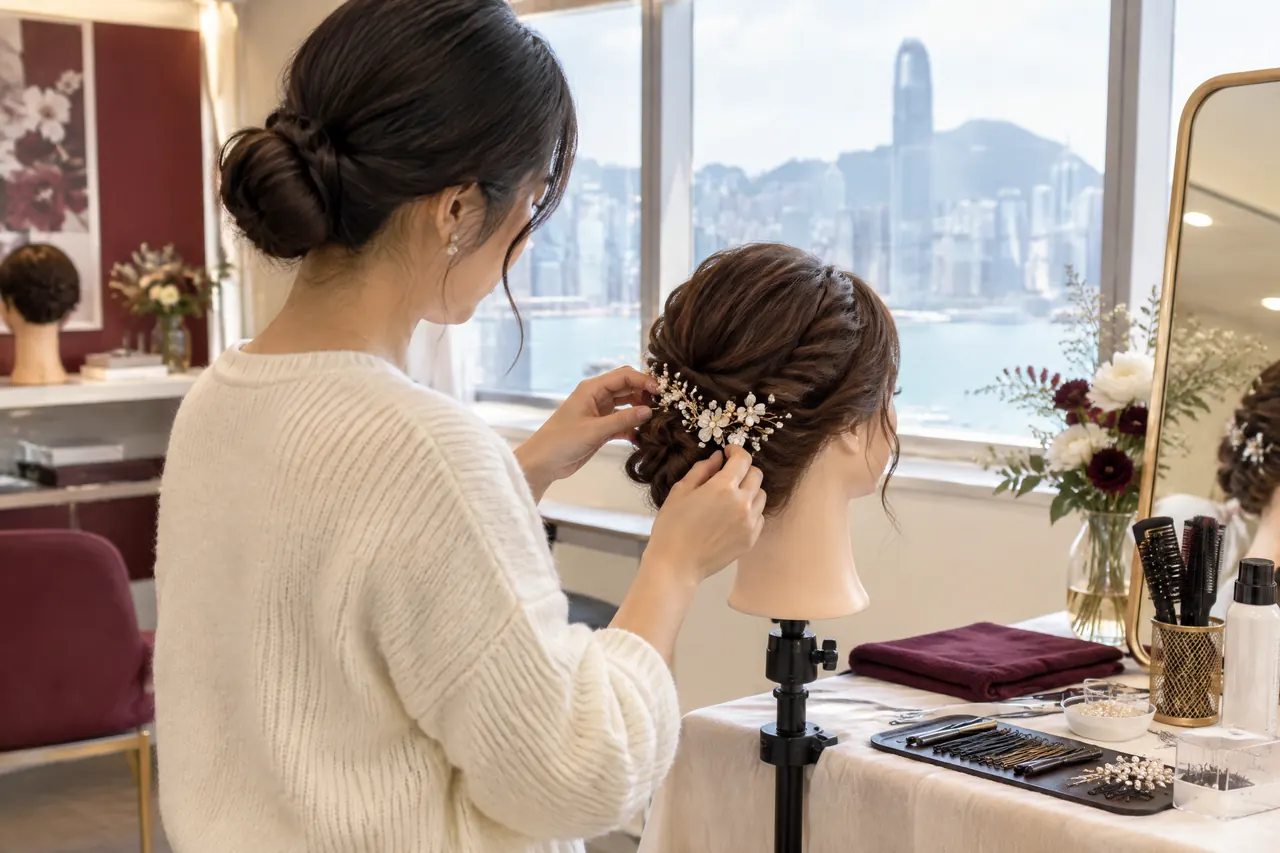
An editorial makeup course Hong Kong can suit learners who need structured practice with concepts and image-led decisions. Before choosing it, collect two contrasting references and describe what changes between them. Look beyond colour and ask about finish, placement, texture, and the viewer attention. A useful aim may concern how a face reads within a whole image. That aim gives the course format a practical reason.
Test the decision with a simple rehearsal. Recreate one look under ordinary mirror lighting, then photograph it in planned lighting. Compare what disappears, becomes harsh, or competes with clothing. Keep notes on the adjustment that improved the result. This process does not replace feedback, but it makes feedback more precise. It also reveals whether you need camera interpretation or a closer technical correction.

Check whether presentation is part of the gap
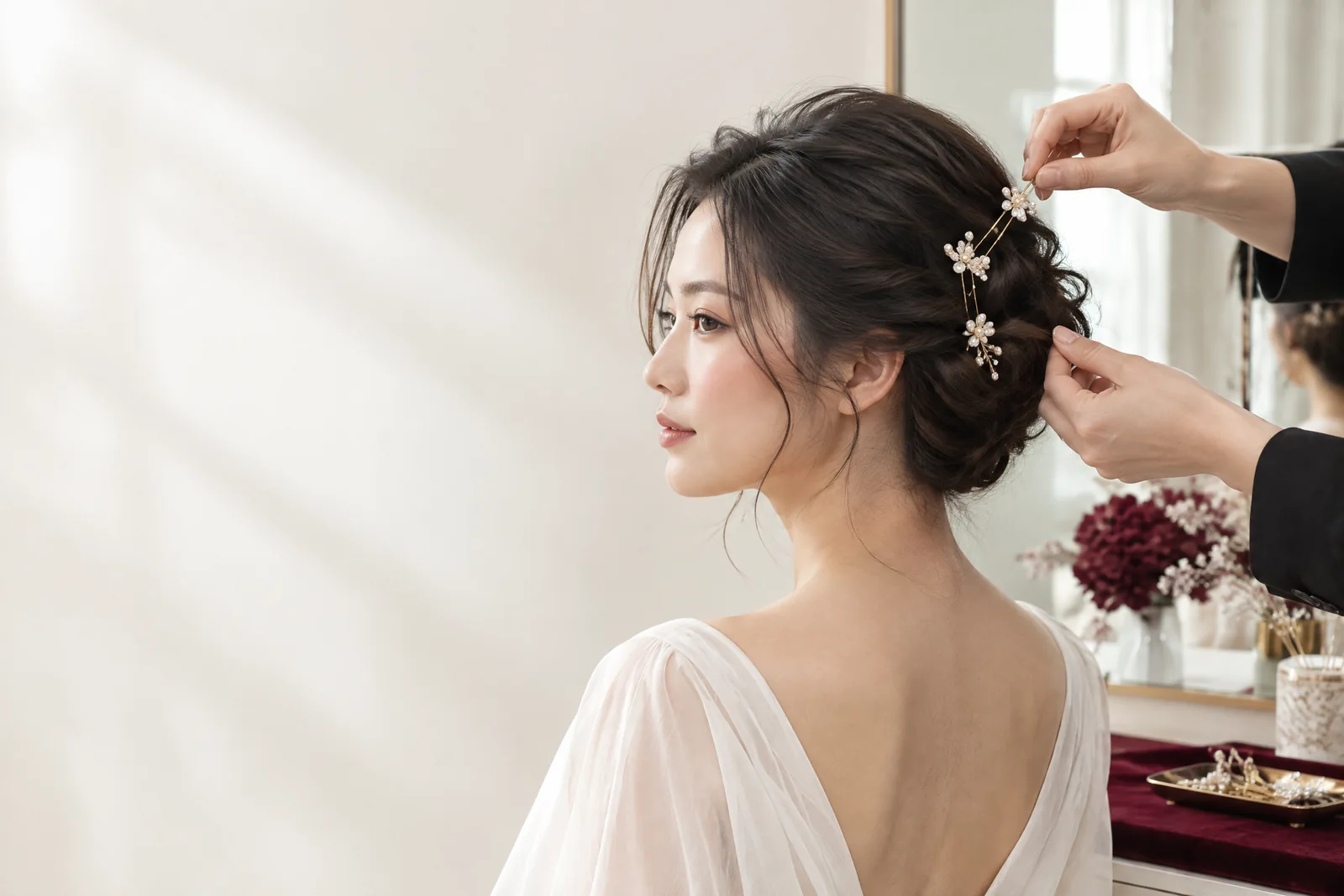
An image-focused workshop serves a different question. It can help when technique is adequate, yet overall presentation feels inconsistent. The gap may involve choosing a finish that suits clothing. It may involve adjusting intensity for a professional setting. It may also involve explaining a look clearly. Those are decisions about coherence, not merely application. Be specific about the audience and setting before comparing options. A vague wish to look more polished rarely identifies a usable practice target.
A professional image makeup workshop may be relevant when personal presentation sits at the centre of the goal. Bring notes about typical work clothing, photographs, lighting, and time available before an important appearance. Ask whether the practical focus matches those real conditions. Do not choose it simply because a dramatic demonstration looks impressive. The right format should make routine decisions clearer and easier to repeat.
Separate this aim from commercial or editorial ambition. An image workshop usually concentrates on a consistent personal impression. Editorial practice often prioritises a concept or image narrative. A targeted technique update remains better for one stubborn movement or placement decision. One learner may eventually use all three routes, but not at once. Sequence them according to the issue that currently wastes the most practice time.
Ask questions that reveal usable practice
Good questions prevent a course title from doing too much work. Ask what learners practise, what level of existing control is assumed, and how feedback relates to the stated theme. Ask whether you will repeat a complete look or isolate several stages. These questions reveal the actual learning rhythm. They also help you decide whether an ambitious course name matches an immediate practice need.
Bring evidence, not only inspiration. Choose two recent photographs that show the same uncertainty. Add one reference that illustrates the direction you want to understand. Mark the exact area that you would change first. This creates a useful conversation without pretending that one image supplies every answer. It also makes it easier to tell whether a narrow update has solved the original issue.
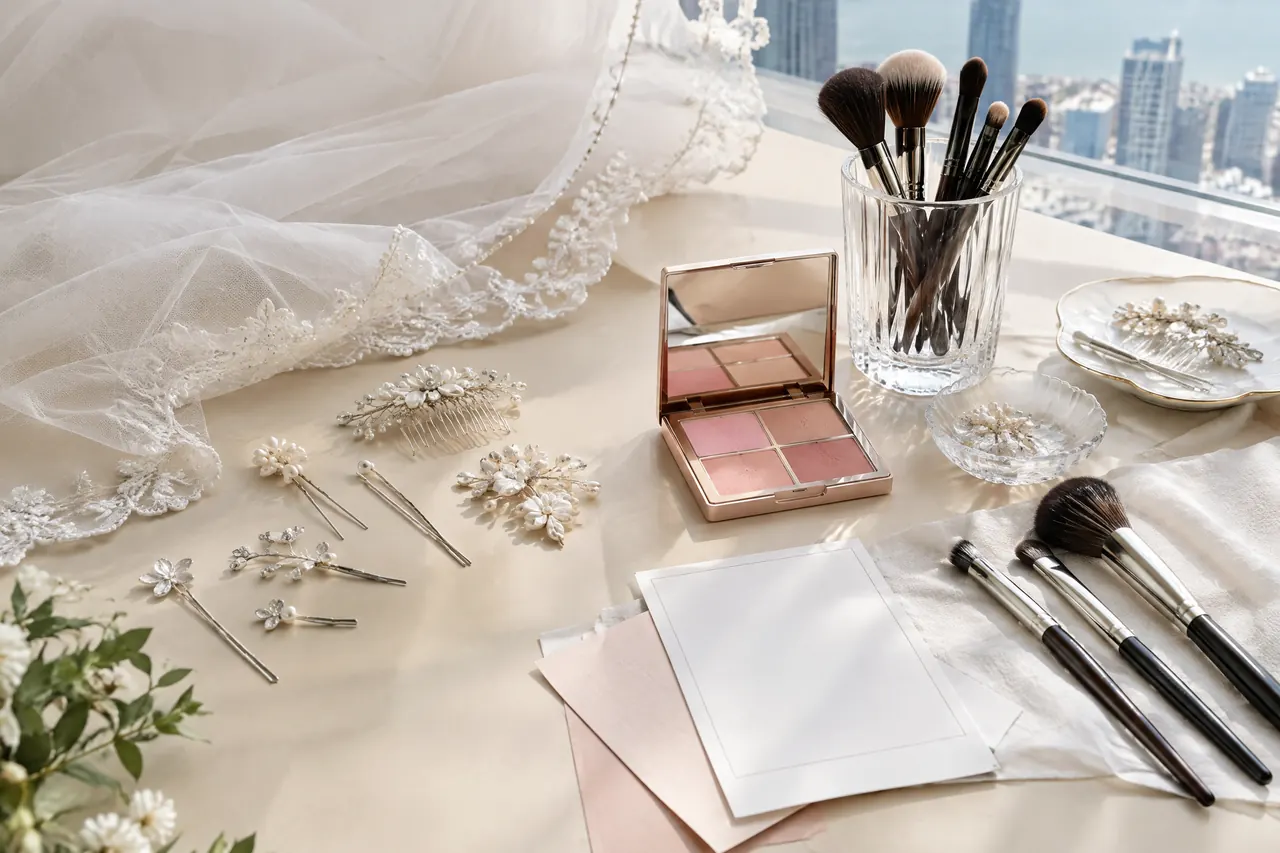
Keep kit questions practical. Ask what items you should bring, what categories may be used, and how you can repeat the technique afterwards. Keep containers clean, close them when unused, and avoid sharing makeup. These habits make your tools easier to organise and compare. They also keep attention on technique instead of preventable kit confusion. Put your main question before a product wish list.
- What precise decision should become more reliable?
- Which lighting or setting exposes the problem?
- What must be repeated after the session?
- Which references show the intended difference?
Build a compact comparison before you enquire
Use a brief comparison before you contact a provider. The purpose is not to rank every option. It is to match present evidence with the smallest useful format. A table can show where a narrow update ends and a wider exploration begins. Read it beside your own notes rather than treating it as a fixed rule. Your actual difficulty should decide the next question.
Do not let a single unsuccessful attempt dictate the decision. Repeat the same step on another day with similar preparation. If the fault returns, it deserves attention. If it disappears after better lighting or a cleaner brush, the cause may be different. This small test protects you from choosing a wide course for a temporary problem. It also makes a targeted request more credible.
Timing matters because practice needs a clear purpose. Choose a focused update before a defined project only when you can rehearse afterwards. Choose broader study when you can absorb several connected ideas between sessions. Avoid treating any session as a shortcut to a fixed identity or guaranteed result. Instead, judge value by the decisions you can explain, reproduce, and adapt in ordinary work.
Use the first session to test your decision
A good first session should sharpen the diagnosis, not end it. Notice which correction changes the outcome fastest. Then record the order, tool choice, pressure, and visual cue involved. If the difference remains unclear, ask for a smaller practice task. That is more useful than moving immediately to another style. Progress comes from seeing why a choice works, not from collecting unrelated looks.
Afterwards, repeat the revised step under the conditions that exposed the issue. Use the same mirror position, photograph angle, and product category where possible. Compare the result with earlier notes. If one correction holds across several attempts, it is becoming a skill. If several stages still fail together, the next choice may need broader foundations. Let evidence rather than enthusiasm guide that escalation.
Keep the enquiry concise and honest. State current comfort, one technical aim, the practice setting, and two references. Mention product sensitivities or prior unexpected reactions so practical arrangements can be considered. BigDeal Make Up can discuss Hong Kong makeup lessons and service enquiries. Current themes, formats, dates, and supplied items should be confirmed with customer service. Confirm the exact arrangement in writing before enrolment when the detail matters.
Key takeaway
A narrow update sacrifices breadth, but it creates more repetitions around one visible fault. A broader route offers connections between skills, yet it can dilute immediate correction time. Choose the smallest scope that lets you practise the real decision repeatedly. Move to deeper study when the same difficulty appears across base, colour, placement, tool handling, and interpretation. The practical trade-off is focus now against wider rebuilding later.
Practical checklist
- Photograph two recent looks in similar lighting.
- Name one step that breaks down repeatedly.
- List products or tools that reduce control.
- Write the setting in which the skill matters.
- Prepare two references and one practical aim.
- Ask customer service to confirm current arrangements.
Frequently asked questions
Should I choose a refresher after stopping practice?
Possibly, if you can identify one skill that has become unreliable. Start by repeating that skill twice under similar conditions. If the same fault returns, a focused update may offer better value than rebuilding every part of a routine.
When does editorial practice make more sense?
Choose editorial practice when the main uncertainty concerns interpretation for images. You may need to connect makeup with styling, mood, and camera response. If blending or placement remains unreliable, solve that technical issue before adding a broader visual brief.
Can an image workshop replace technical practice?
Not always. An image-focused workshop can clarify presentation choices and consistent personal direction. It may not provide enough repetition for a stubborn placement or brush-control problem. Match the format to the decision you most need to repeat afterwards.
Should one difficult look trigger broader study?
No. Test the difficult look again with similar products, lighting, and preparation. One poor attempt may reflect a temporary condition. Broader study becomes more reasonable when several connected basics repeatedly fail across different looks and practice settings.
What should I prepare before making an enquiry?
Prepare one clear technical aim, two references, and a note about the setting where the issue appears. Include products or tools that affect your control. Ask customer service to confirm the current theme, format, dates, and supplied items.
Sources
| Source | What it supports |
|---|---|
| Qualifications Framework | GovHK describes the Qualifications Register as a centralised online database for public reference on qualifications, learning programmes, and training providers. |
| Using Cosmetics Safely | FDA consumer guidance advises washing hands, not sharing makeup, and keeping containers clean and tightly closed. |
Discuss your own makeup plans
For a practical makeup refresher course choice, WhatsApp BigDeal Make Up on +852 6918 3153. Include your current skill, references, and practice goal.
Ask on WhatsApp +852 6918 3153