
At a glance
Begin with the event format, ready-by time and any camera use. Then match the finish to the room, rather than applying one standard look. Glasses, lenses, microphones and wardrobe need early mention because they affect comfort and timing. A practical plan also names one schedule contact and separates an initial preparation from any agreed later checks. This makes a corporate speaker’s appearance easier to coordinate alongside the presentation itself.
Build a Corporate Speaker Makeup Plan Around the Format
A corporate speaker makeup plan starts with the brief
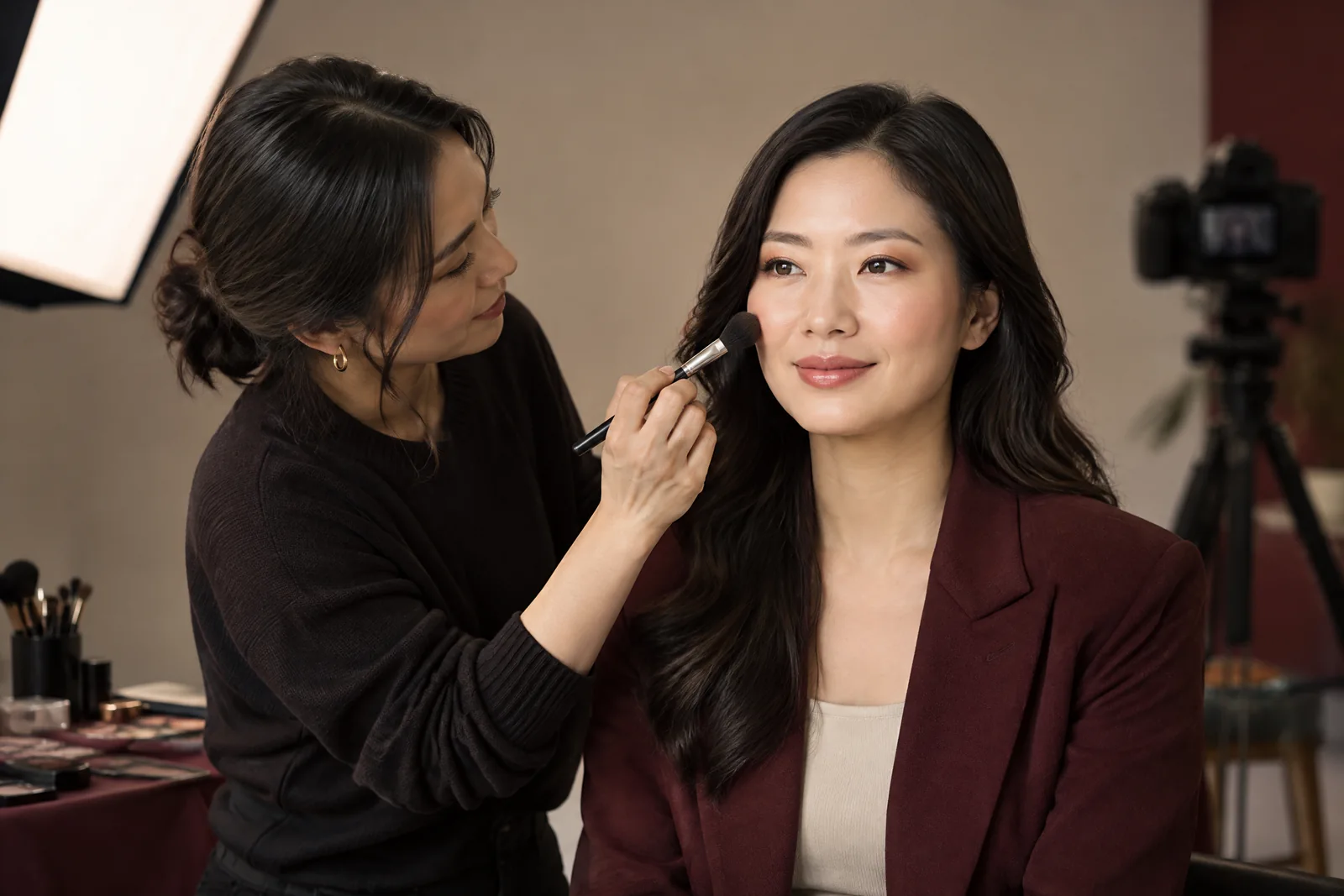
A corporate speaker makeup plan should make preparation feel settled, not overdone. Start with the event format, the speaker’s role and the first ready-by time. Then note whether the appearance is a keynote, panel, interview or recorded talk. A useful plan leaves room for normal pauses, wardrobe changes and venue access. It also keeps the speaker’s usual appearance central, rather than chasing an unfamiliar finish.
The most useful brief is short and specific. It states the venue, programme order, expected lighting and camera use. It also names the person who can confirm last-minute timing. A [corporate event makeup artist](https://bigdealhk.com/makeup/en/commercial-makeup/corporate-events/) can discuss a suitable arrangement. That discussion follows the actual speaker schedule. It differs from choosing a look from a photograph alone. The event setting shapes practical priorities.
Share two or three reference images only when they explain a preference clearly. Include photographs of the outfit, glasses, headset and any lapel microphone position. Mention usual skin preparation, preferred coverage and products to avoid. These details support a comfortable conversation before the event. They also prevent small questions from competing with the speaker’s presentation preparation on the day. Keep the brief about appearance, timing and comfort, rather than imagined perfection.
Treat the plan as a conversation about the speaker’s working day. Confirm when the speaker must leave the preparation area and who controls the programme. Note security procedures, lift access and the distance to the stage. These factors can affect the calm available before the talk. They do not dictate a makeup style. However, they help place preparation realistically within a busy Hong Kong event schedule.
Match the Finish to the Room, Stage and Camera
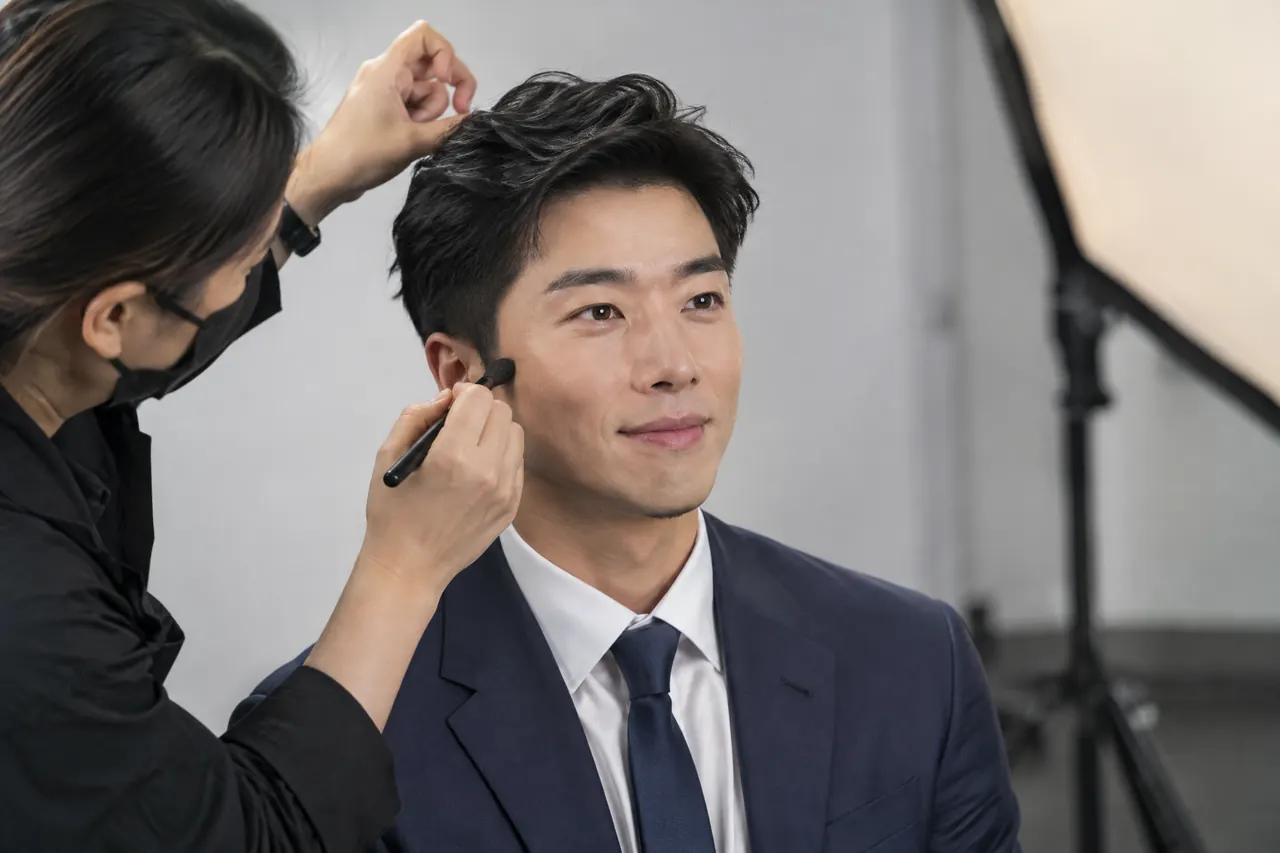
Different settings call for different checks, even when the speaker wears similar clothes. A bright stage can make a very dewy finish appear more reflective. A meeting room may place the audience close to the speaker. A recorded discussion may include long seated periods and close camera framing. Ask whether lighting will be tested before the programme. If no test is possible, describe the room and share one venue photograph.
Think of the finish as a balance between natural skin character and visible polish. The aim is not to erase every line or texture. It is to choose a considered level of sheen, coverage and definition. The following comparison helps a speaker describe the setting without using technical language. It also helps the organiser decide which details should be confirmed before the appointment.
For a single speaker, scope matters more than a generic label. State the exact start, the number of appearances and whether hair tidying is useful. See the [corporate makeup artist Hong Kong](https://bigdealhk.com/makeup/en/commercial-makeup/corporate-makeup-pricing/) page when reviewing tailored arrangements. Ask for written confirmation of the agreed scope. Do not assume that every event needs the same level of attendance.
Colour choices should sit comfortably with the outfit and the event’s visual tone. A neutral meeting may call for understated definition. A branded conference may have a bright screen or coloured backdrop. Share these details before preparation, not as a last-minute request. The artist can then discuss a direction that respects the speaker’s own preferences and the setting’s visual demands.
| Setting | What to confirm | Useful preparation focus |
|---|---|---|
| Stage keynote | Lighting direction and podium position | Balanced sheen and a quick final check |
| Panel discussion | Seating, microphones and audience distance | Comfort, glasses and natural definition |
| Recorded interview | Camera framing and recording length | Texture, hair placement and continuity notes |
| Hybrid event | Live timing and filmed segments | One clear plan for both formats |
Plan Personal Comfort Before the Appointment
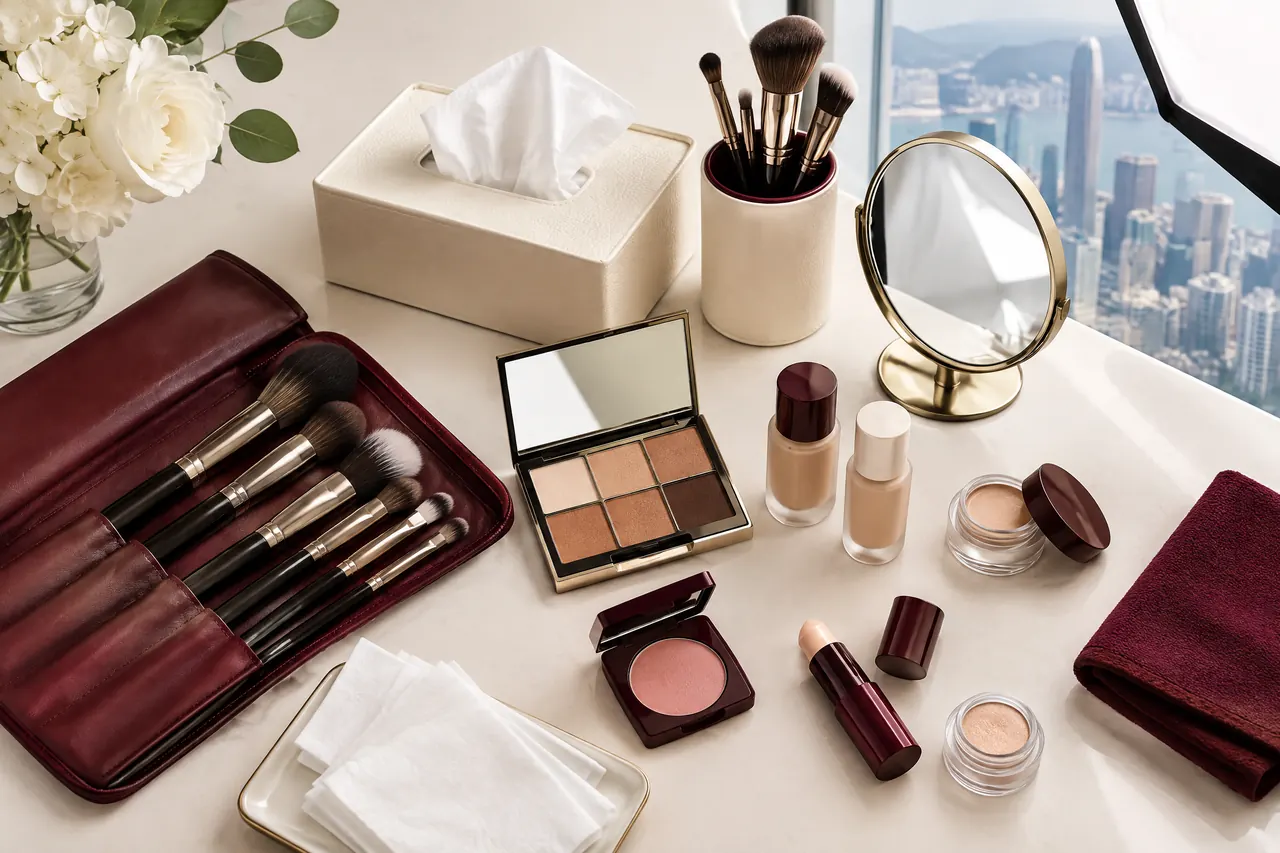
Personal comfort should guide every choice in the plan. Tell the artist about glasses, contact lenses, facial hair, skin sensitivities or a strong preference for light coverage. Bring the usual glasses if they will be worn on stage. Bring the planned shirt or jacket when possible. A collar, neckline and frame can change how a polished face reads. Never wait until the final minutes to mention a product concern or time limit.
Contact-lens wearers need a simple order of preparation. The FDA advises inserting lenses before cosmetics and removing lenses before makeup removal. The AOA gives additional guidance that differs between soft and rigid gas-permeable lenses. It also advises avoiding eyeliner on the eyelid waterline. Follow the instructions from your eye-care professional for your own lenses. [1] [2] Mention dry-eye symptoms or a need to blink during screen reading. [1] [2]
Keep a small personal touch-up pouch separate from the artist’s kit. It might contain blotting papers, the speaker’s lip product and tissues. Ask before adding powder or colour during the day. A new product immediately before speaking can feel distracting. A simple shared plan is more useful than a crowded pouch. The speaker should know who will hold it and when it may be needed.
Eye comfort deserves an early mention when a programme lasts several hours. Tell the team if you use prescribed drops or need a short break before speaking. Do not share lenses or use unfamiliar eye products for appearance. The speaker’s normal care routine takes priority. This is sensible preparation, especially when a person will read from notes or screens under bright lighting.
Prepare Differently for a Talk That Will Be Recorded
Video needs a different timing conversation
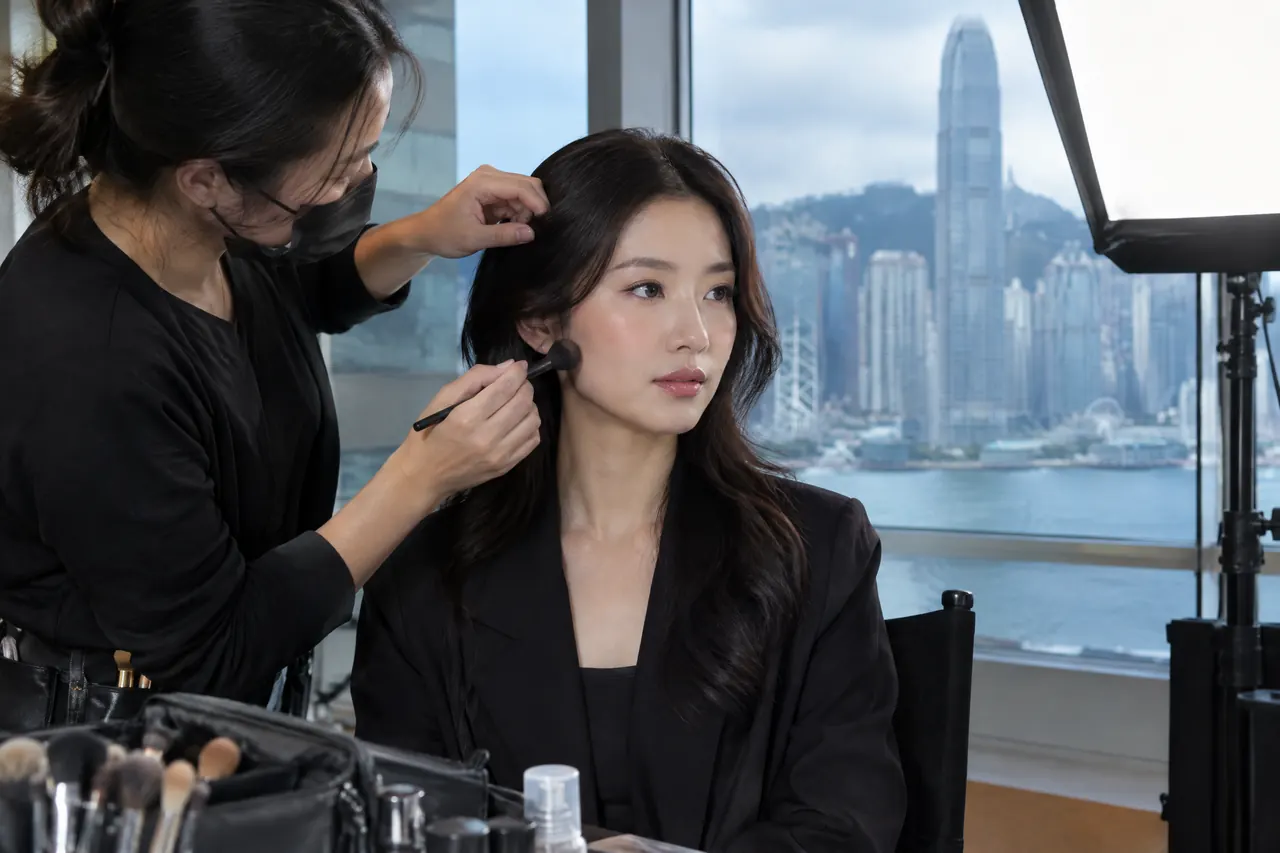
A room presentation and a recorded talk can occur on the same day. Yet they may need different reminders. For video, confirm framing, recording length and whether the speaker remains seated. Mention visible headphones, a headset or a handheld microphone. These items can affect hair placement and how often the face is touched. Share whether the content includes close introductions, audience questions or a short social clip afterwards.
For interviews and social content, keep the request focused on the speaker and filming conditions. A [makeup artist for corporate video](https://bigdealhk.com/makeup/en/commercial-makeup/corporate-social-video/) can discuss suitable preparation. Do not assume a still portrait plan suits moving footage. The useful distinction is between initial preparation and agreed support across recorded moments. It also prevents a last-minute choice that does not suit the camera.
Continuity means agreeing what must stay consistent between segments. It may include lip colour, hair position and the overall level of shine. A simple note or reference photograph can support that conversation. It does not require an elaborate record. The priority is knowing when a check is useful and when the speaker needs uninterrupted time to prepare for content. This gives the organiser an agreed point of contact.

Use a Calm Event-Day Check Rather Than Constant Fixing
On the day, protect the speaker’s focus. Arrange the preparation before clothing is fully in place, when practical. Allow a quiet moment for glasses, microphone fitting and a final mirror check. The event organiser should avoid adding new appearance requests at this stage. Instead, use the agreed direction and reserve time for normal adjustments. This keeps attention on notes, breathing, introductions and the programme sequence.
Choose one person to coordinate any touch-up request. That person can check the schedule and guide the speaker when needed. The speaker should not feel watched throughout the event. Short, discreet checks work better than repeated interventions. If there is a second filmed segment, note its time in advance. This avoids rushing after a panel or trying to change an agreed look beside the stage.
Plan refreshes around natural breaks, such as before introductions or after a meal. Keep them brief and pre-agreed. A speaker should have time to use the washroom, review notes and drink water. Those normal needs can be more important than another cosmetic adjustment. Good coordination makes space for both without drawing attention away from the event. The organiser can protect those minutes in the run sheet.
- Confirm the ready-by time and the speaker’s first appearance.
- Bring the planned glasses, outfit notes and reference images.
- State contact-lens, sensitivity and product-preference information early.
- Name one organiser who can confirm timing changes.
- Keep a small, agreed touch-up pouch nearby.

Make the Enquiry Specific Enough for a Useful Reply
A clear enquiry lets the team understand the event without guesswork. Include the date, area, speaker count, earliest ready-by time and programme type. Add whether the speaker appears live, on camera or both. Explain any access rules that affect arrival. Include a contact person for schedule updates. This information lets customer service confirm practical arrangements rather than relying on a broad description such as corporate event makeup.
If the event includes filming, explain whether there is one location or several. Share the number of recorded segments and the final finish time. The [video makeup booking](https://bigdealhk.com/makeup/en/commercial-makeup/video-makeup-pricing/) guide helps clarify a video request. A precise enquiry supports a relevant reply. The final arrangement remains subject to confirmation with customer service. It also lets the speaker keep the day’s preparation orderly.
Ask the organiser to share changes as soon as they are known. A revised call time or an added interview can change the practical order. It may also affect whether there is a suitable waiting area. Customer service can consider the updated information when confirming arrangements. Clear communication is more helpful than assuming the original outline still applies. That keeps the preparation sequence realistic for everyone.
Key takeaway
The central trade-off is polish versus distraction. More coverage or stronger definition is not automatically more suitable for a speaker. A well-planned, comfortable finish can support stage lights and cameras while still feeling familiar. Put the event format first, then consider the speaker’s usual style and practical needs. That order produces a clearer brief and avoids asking for major changes when attention should be on the presentation.
Practical checklist
- Write the speaker’s first ready-by time beside the programme schedule.
- Send one venue photograph and a concise lighting description.
- Bring the exact glasses, headset details and planned outfit notes.
- Share lens use, sensitivities and product preferences before the event day.
- Choose one organiser to confirm timing changes and touch-up requests.
- Separate an initial preparation from any later support in the enquiry.
Frequently asked questions
Should a speaker wear more makeup for a stage?
Not automatically. The room, lighting and audience distance matter more than a stage label. Begin with the speaker’s normal professional appearance. Then discuss sheen, coverage and definition in relation to the venue. A very heavy finish can feel unfamiliar during a long presentation. A balanced finish is usually easier to wear and explain.
What should an organiser send before enquiring?
Send the date, location area, speaker count, earliest ready-by time and programme type. Add camera use, venue access and a contact person. Include clear outfit or reference images only when they aid a decision. These details help customer service understand the request. They also reduce late changes that could distract speakers before their appearance.
Can glasses and a headset be included in the plan?
Yes, mention both before the appointment. Bring the glasses that will be worn during the event. Describe the headset type or share a clear photograph. This gives the artist and organiser time to consider hair placement and comfort. It also makes the final check more realistic. Do not substitute different frames at the final minute.
How should contact-lens wearers prepare?
Tell the artist that you wear lenses and follow your eye-care professional’s advice. The FDA advises inserting lenses before cosmetics and removing them before makeup removal. The AOA also offers lens-type-specific cosmetic guidance. Bring any usual lens supplies yourself. If your eyes feel uncomfortable, give priority to your normal eye-care directions rather than an event schedule. [1] [2]
When is on-site support worth discussing?
Discuss it when a speaker has several scheduled appearances, extended filming or a meaningful gap between programme segments. Share the full event timetable when you enquire. That allows customer service to consider the practical scope. A single initial preparation may suit one short talk. Multiple camera segments may require a different arrangement, confirmed in writing.
Sources
| Source | What it supports |
|---|---|
| Everyday Eye Care | The FDA advises applying cosmetics after inserting contact lenses and removing lenses before removing makeup. |
| Contact Lens Care | The AOA distinguishes cosmetic guidance for soft and rigid gas-permeable lenses and advises avoiding eyeliner on the eyelid waterline. |
Discuss your own makeup plans
Planning a Hong Kong presentation, panel or recorded talk? WhatsApp BigDeal Make Up on +852 6918 3153 with your date, schedule and speaker brief for practical arrangement guidance.
Ask on WhatsApp +852 6918 3153