
Flowers & thoughtful arrangements
Content updated
On this page
- Ask whether attendants want a DIY role
- Distinguish bouquets from wearable flowers
- Confirm the private workshop's actual scope
- Practise the required task before committing
- Check fastening and clothing permissions
- Assign the wedding-day handoff
- Keep a professionally supplied fallback
- Questions & answers
- Sources & supported claims
Planning wedding party DIY flowers: practise before promising
A bouquet class alone is not enough evidence that your attendants can make secure buttonholes for the wedding. Treat wedding party DIY flowers as an optional project until the willing makers have rehearsed the actual wearable design, including its attachment and handover. Commit only when that trial fits the available time and the wearers' clothing permissions. Otherwise, enjoy the workshop as a celebration and arrange finished personal flowers separately.
The deciding question is not whether the practice flowers look attractive on a table. It is whether the named people can repeat the agreed design, pack it, transport it and help willing recipients wear it without rushing. Keep those responsibilities separate from attending a class, and set a decision date early enough to secure an alternative.
Ask whether attendants want a DIY role
An invitation to celebrate is not an agreement to supply flowers.
Ask people individually before announcing a group flower-making plan. Someone may be happy to attend a social class but unwilling to produce anything that the ceremony depends on. Another person may want to arrange flowers but not use cutters or handle the fastening. Offer a genuine choice between learning for pleasure, helping with a limited task and taking no production role. Do not make opting out sound like letting the couple down.
Explain the work beyond the enjoyable session. Makers may need another practice date, a place to prepare materials and time for clearing up. On the wedding morning, attendants may already be dressing, helping relatives or travelling between locations. An enthusiastic yes to a Saturday workshop does not reserve their time before the ceremony. Ask about each separate commitment rather than assuming one answer covers everything.
Keep responsibility small enough to describe plainly: for example, two willing adults making a few matching buttonholes for people who have agreed to wear them. If only one person volunteers, reduce the quantity or keep the activity recreational. It is kinder to change the flower plan now than to make friendship depend on an untested craft deadline. Agree that anyone can raise a problem before the final supply decision.
Distinguish bouquets from wearable flowers
A smaller arrangement is not automatically an easier version.
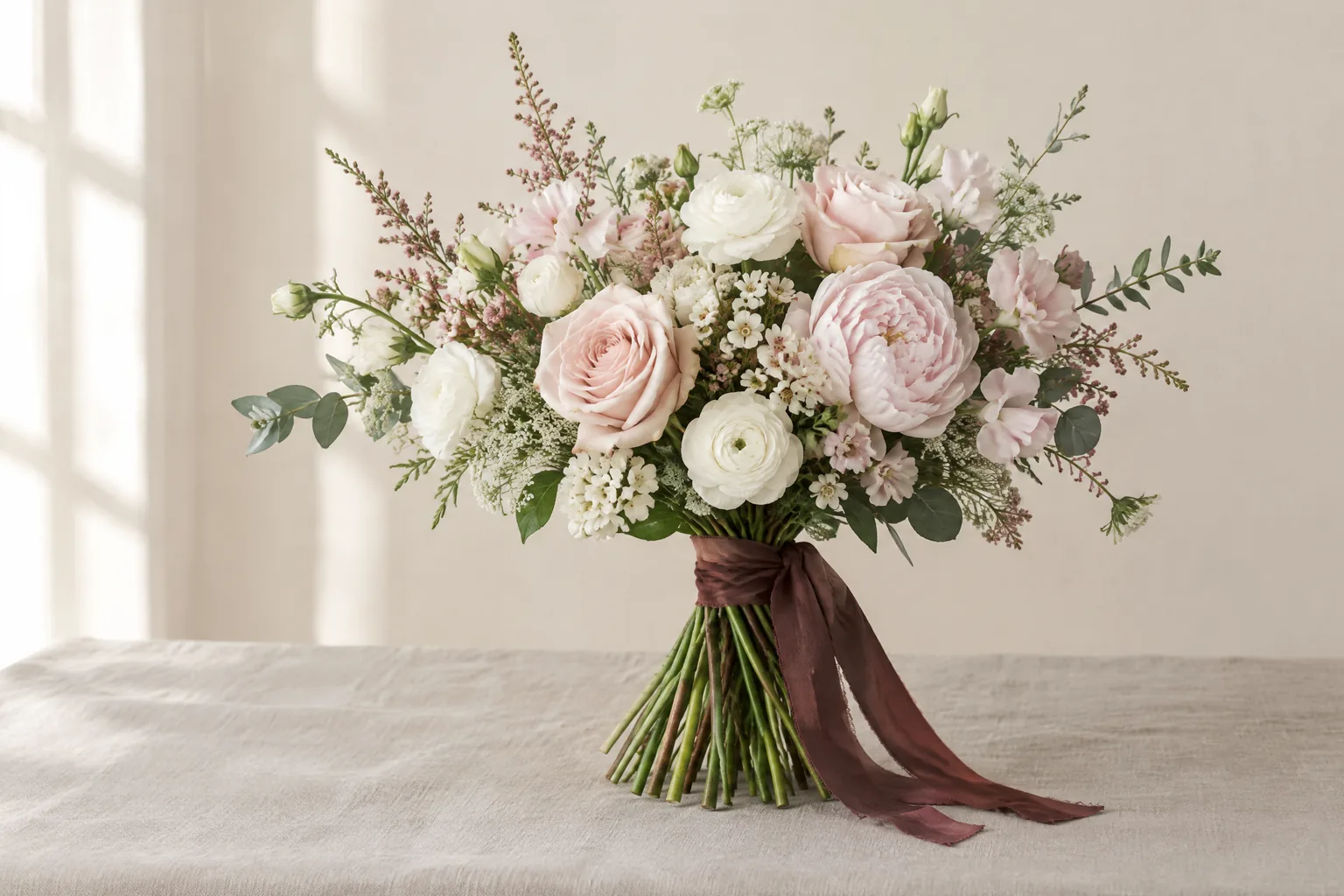
Use the bouquet making workshop page as a starting point for asking what will actually be taught, not as confirmation that buttonholes are included. A hand-held arrangement and a flower attached to clothing have different jobs. A bouquet can look balanced in the hand while its maker has never dealt with a lapel that moves, a short wrapped stem or a concealed fastening. Ask to learn the wedding task by name.
OASIS Floral Products explains that wire can replace or support a flower stem, while floral tape covers the mechanics, secures the wire and helps combine individual flowers. These are construction decisions, not simply a smaller ribbon finish. The practical implication is to ask an instructor which method suits your chosen design and to practise that method under guidance. Do not improvise wire thickness or assume every bloom needs identical treatment.[1]
Choose an attainable practice design before choosing elaborate details. A compact example with a clear front and back gives the group something specific to reproduce. Compare its size against the intended lapel and check whether it sits upright without constant adjustment. Changing to a different flower head or adding a trailing ribbon later can change the balance. A successful trial only supports the design that was actually tested.
Confirm the private workshop's actual scope
Book a learning outcome, not a promise of wedding readiness.
When enquiring about a private floral workshop, send the proposed wearable design and explain that the group is deciding whether to make a small wedding batch. Ask whether instruction on that exact item is available, who will demonstrate the fastening and whether every intended maker can practise independently. Availability and arrangements need direct confirmation; a private booking does not by itself establish a particular syllabus or level of individual supervision.
Separate the class materials from the wedding materials in your questions. Will the practice flowers resemble the intended wedding flowers closely enough to test the method? Can the group take its practice pieces home, and what packaging is included? Who supplies any materials needed for another trial? Ask about substitutions before relying on a specific flower. A practice session using something quite different may still be enjoyable, but it answers a different question.
Confirm the practical conditions that affect participation: teaching language, session length, seated working space and how shared tools will be used. Explain any assistance people would like without asking them to disclose private information to the group. Request a simpler alternative if the proposed task does not suit everyone. Attendance is not a professional qualification, and completing one coached item does not prove that a person can supply a wedding batch alone.
Practise the required task before committing
Test repetition and elapsed time, not just the best sample.
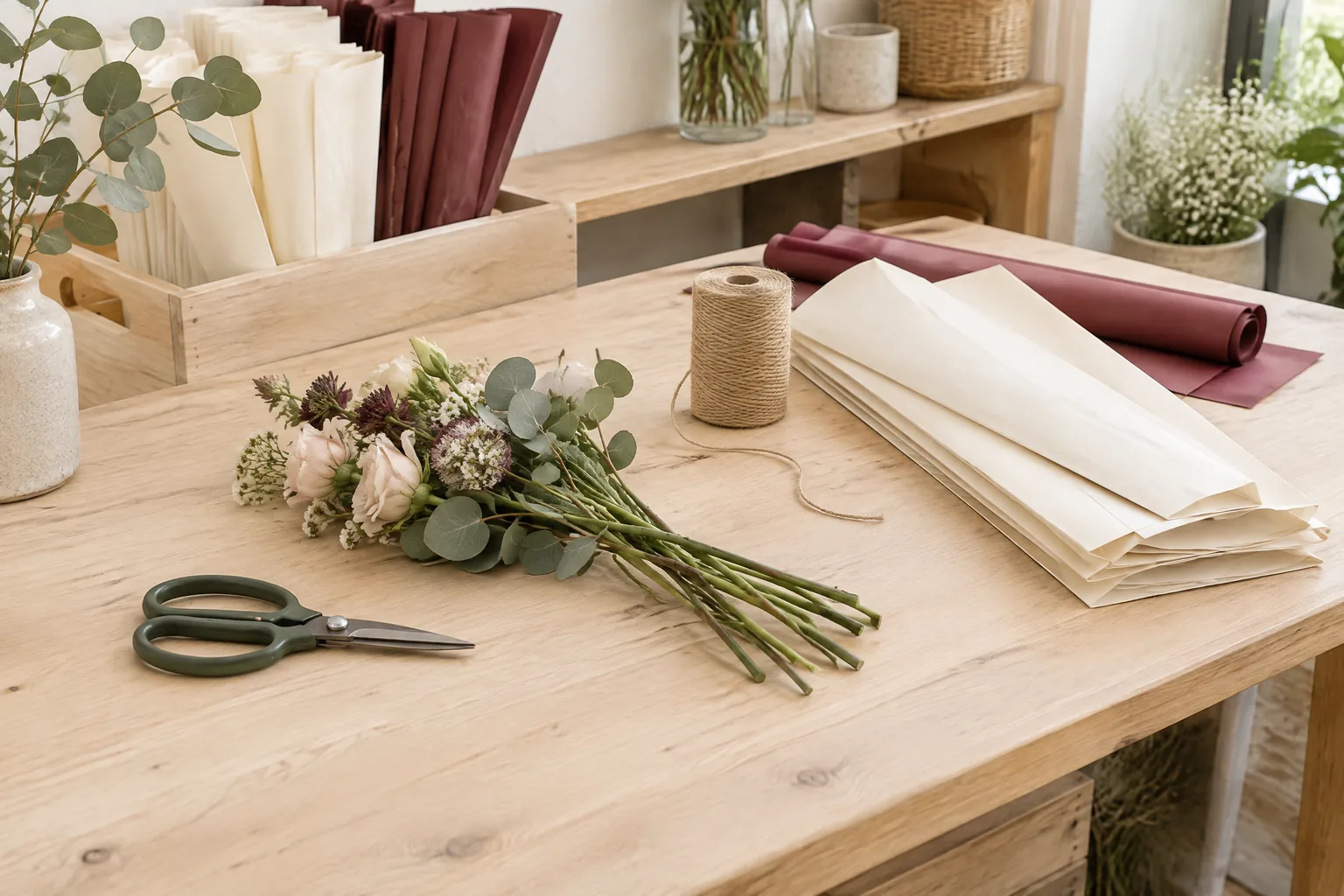
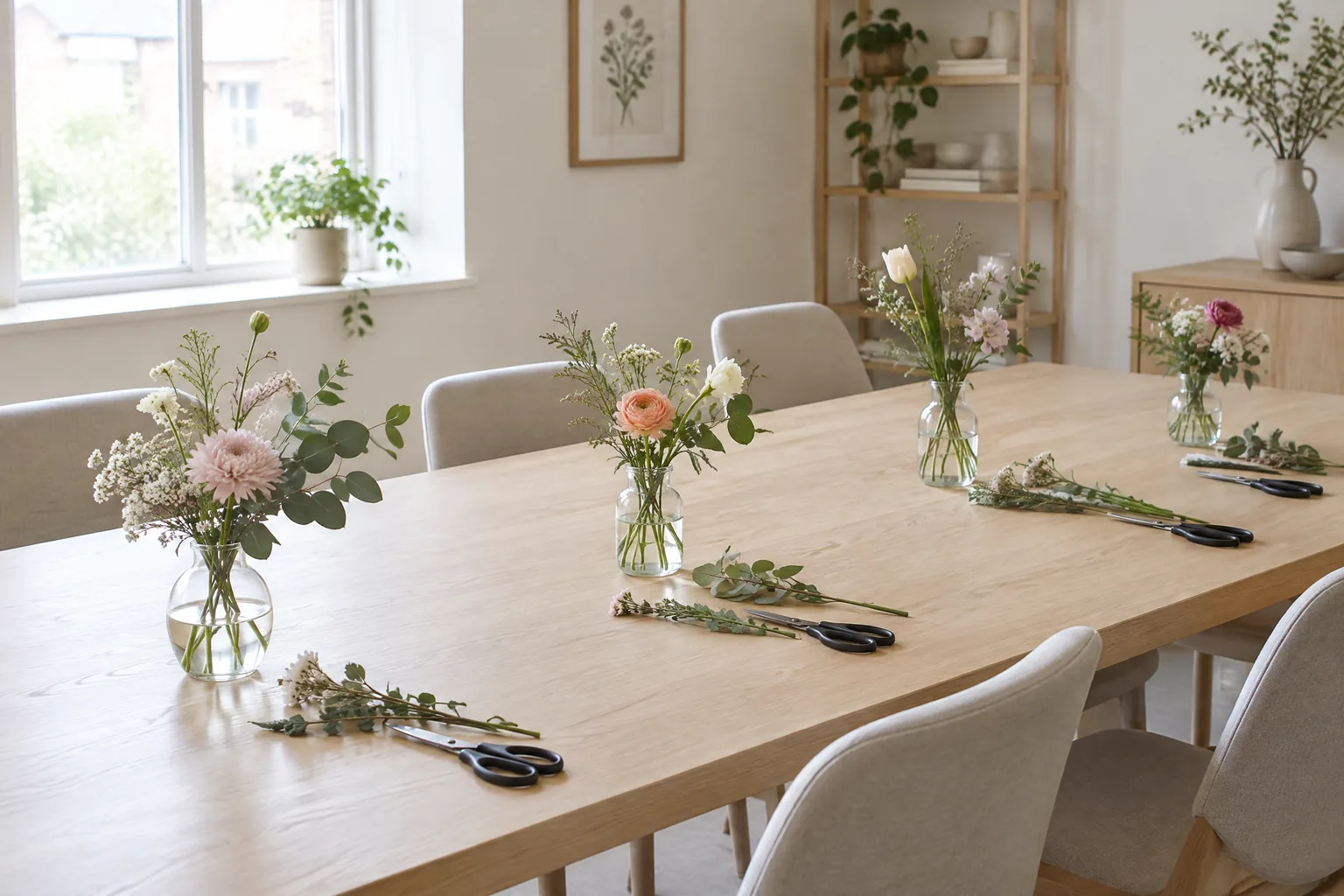
Run the rehearsal well before the florist's agreed ordering deadline. Use the planned tools, wrapping and packaging, and have each proposed maker complete more than one example without someone quietly finishing the difficult parts. Time the whole session from preparing the workspace to closing the boxes. Record where help was needed. If the second piece takes much longer or looks markedly different, simplify the design before promising a quantity.
Include a wear test with a consenting adult and suitable practice clothing. Have the instructor show the agreed attachment method first. Check the piece while the wearer stands, sits and moves normally, then inspect the back as well as the front. Look for slipping, exposed sharp ends, snagging and uncomfortable pressure. A test is a chance to discover problems; it is not a guarantee against injury or garment damage.
RHS guidance recommends putting prepared cut stems in clean water in a cool place before arranging. This means your rehearsal should include flower preparation rather than begin with every stem conveniently ready. Ask the florist for care instructions for the actual materials and the finished wearable pieces. Guidance for stems standing in water is not a storage recipe for a taped buttonhole, so do not transfer it automatically to the completed work.[2]
Let the packed trial wait for a period resembling the planned journey and delay before use, following the florist's handling advice. Reopen it and compare it with the original photograph. Check whether petals have rubbed against the lid or ribbon has shifted. Reject a method that only works when a freshly made piece goes straight from the table onto a jacket. Leave time to repeat a changed design or choose professional supply.
| What happened | What remains unproven | Sensible next decision |
|---|---|---|
| Everyone finished a hand-held bouquet | Wearable construction and attachment | Request instruction on the actual buttonhole design |
| One buttonhole worked with the instructor's help | Independent repetition by each maker | Rehearse another piece without finishing help |
| Several pieces looked good on the table | Transport, waiting time and fit on clothing | Run a packed waiting trial and consented wear test |
| The agreed batch survived the full trial | Wedding-date materials and handoff availability | Confirm supplies, permissions and named handlers |
| A deadline or essential permission cannot be met | A viable DIY supply plan | Keep the class recreational and confirm finished flowers |
Check fastening and clothing permissions
The wearer and garment owner both have a say.
Ask each recipient whether they want a wearable flower at all, then check how it may be attached. A rented jacket, borrowed garment or delicate fabric needs permission from the relevant owner or supplier before any trial on the actual outfit. Do not assume a lapel buttonhole is functional or that a clip will suit every edge. Show the proposed method to the clothing supplier and florist rather than asking a friend to guess.
Practise on an appropriate sample or spare garment first, with permission. Keep loose pins and cut wire contained at the worktable, and leave fastening to a willing adult who has been shown the method. Do not use the wearer as a surface for cutting or last-minute construction. If a piece has a projecting wire end, remove it from use and have the problem corrected away from the person; covering a fault hurriedly is not a reliable plan.
Offer an uncomplicated alternative when someone dislikes the weight, scent or feel of the finished piece. They can appear without a flower; visual uniformity is not a reason to override discomfort. Ask about relevant sensitivities privately before selecting materials, but do not promise that any flower or tape is allergy-free. For children, agree the option with their responsible adult and keep sharp-tool work out of their role.
Assign the wedding-day handoff
Making, carrying and attaching are separate responsibilities.
Give the finished pieces a named receiver, not just a destination. Record how many boxes there are, who each piece is intended for and where they should wait before use. Agree the packaging and storage with the florist or instructor for the actual flowers. Keep heavy bags off the boxes and avoid an unnecessary display on the preparation table. The person carrying them should know whom to call if the contents arrive damaged.
Place the handoff before the first photographs requiring personal flowers, with room for inspection and unhurried attachment. BigDeal's 婚禮流程 guide is in Chinese and can help place that task within the wider wedding rundown. Add the named receiver and the person helping wearers to your own version. Do not put both jobs against someone who is scheduled to be elsewhere, or assume the photographer will stop preparations to organise the flowers.
This BigDeal guide covers 婚禮流程; the linked page is in Chinese. (Chinese page)
Pack only the agreed handling supplies with clear instructions; a large repair kit can encourage inexperienced helpers to attempt a rebuild. Keep attachment hardware contained and out of children's reach. Decide who removes and stores the pieces during an outfit change, and where any damaged item should go. If nobody can own these small jobs, professionally made flowers still need a handoff, but the DIY production task should not be added.
Keep a professionally supplied fallback
A fallback needs agreement before the rehearsal fails.
Before committing the wedding party, use the boutonnieres for weddings page to begin an enquiry about finished pieces as an alternative. Share the required quantity, wearers, proposed clothing and first-use time. Ask for current availability, the ordering deadline and what attachment guidance can be provided. A page listing a service does not reserve flowers or create an emergency supply arrangement; only rely on what the florist confirms for your request.
Set the go-or-no-go date around that confirmed deadline, allowing the group time to discuss its trial. Choose professional supply if the construction remains inconsistent, an essential maker withdraws, or suitable garment permission cannot be obtained. These are reasons to change the plan, not reasons to hold another rushed session on the wedding morning. Tell everyone who makes the decision so that no attendant feels responsible for rescuing the project alone.
A mixed approach can preserve the social occasion without making it a supply test. Enjoy making bouquets at the workshop, then order the small wearable flowers separately. Alternatively, keep a modest DIY batch only for willing adults whose pieces and clothing have been tested, while ordering other recipients' flowers. Include class costs, repeat materials, tools and transport when comparing options. The aim is a dependable arrangement of responsibilities, not proving that DIY must be cheaper.
- Ask attendants separately whether they want to learn, make, help with a limited task or opt out.
- Get written confirmation of whether the workshop can teach the exact wearable design and fastening.
- Rehearse repeat pieces, full preparation time, packaging and the intended waiting period.
- Obtain wearer consent and garment-owner permission before testing any attachment on the outfit.
- Name the receiver, carrier and adult helping with attachment in the wedding rundown.
- Set the final DIY decision before the confirmed deadline for ordering finished flowers.
A private class can be a lovely shared experience without becoming a wedding supply commitment. Let the rehearsal decide the production role: willing makers, repeatable construction, permitted attachment and a workable handoff must all be present. If one remains unresolved at the decision deadline, keep the enjoyment of learning and choose a simpler flower plan.
Can we decide after seeing what everyone makes at the workshop?
Yes, provided that decision still falls before the florist's confirmed ordering deadline. Tell participants in advance that the session is exploratory. Do not announce them as the wedding flower team first and then ask whether they feel ready; that makes an honest no much harder.
Does every attendant need to learn the same technique?
No. Only people who freely accept a making role need to demonstrate that task. Others may enjoy the class without supplying anything. Keep wedding production with a small, clearly named group rather than spreading an unfamiliar construction task across people who have not rehearsed it.
What if the wedding flowers differ from our practice materials?
Ask the instructor whether the change affects the method, weight or expected handling. Repeat the relevant part of the trial if needed. Matching colour alone is not enough: a different stem or flower head may behave differently. If there is no time to test it, simplify or arrange professional supply.
Can we make the buttonholes the night before?
Do not choose a schedule by copying advice for another flower design. Ask the florist about the actual materials, finished construction, packaging and available storage. Then include that waiting period in the trial. If you cannot provide the recommended conditions, change the production plan rather than assuming overnight storage will work.
What should we do if one piece fails on the morning?
Remove it from use if it is unstable, uncomfortable or has exposed hardware. Use a replacement only if one has genuinely been arranged and checked. Otherwise, let that person go without the flower and tell the couple calmly. Do not make an unwilling attendant attempt unfamiliar repairs against the photography deadline.
Send the proposed design and quantity to the workshop provider, ask exactly what can be taught, and request the deadline for ordering finished flowers separately. Decide after a realistic trial, not after promising the result to the wedding party.
Sources & supported claims
- Why and How to Wire and Tape Flowers — OASIS Floral Products
Wire can replace or support stems; floral tape covers mechanics, secures wire and helps join individual flowers into a composition.
- Cut flowers: cutting and conditioning — Royal Horticultural Society
RHS recommends placing prepared cut stems in clean water in a cool place before arranging; the article does not treat this as storage advice for finished wearables.