
Flowers & thoughtful arrangements
Content updated
On this page
- List each location and every physical transfer
- Give the main bouquet a custodian, not a vague instruction
- Test ceremony pieces against their reception positions
- Read the package as a scope of work
- Keep car attachment and table reuse as separate decisions
- Let photography release the flowers at an agreed moment
- Agree a no-reuse version that still looks intentional
- Questions & answers
- Sources & supported claims
Your wedding flower transfer plan: what can actually move?
Some wedding flowers can serve more than one setting, but only when their construction, release time and next position have been agreed. A wedding flower transfer plan should treat every move as a small job with a named handler, suitable transport and a receiving person. A matching colour palette does not make pieces interchangeable. Keep personal flowers with their users, assess ceremony displays individually, and leave vehicle-mounted flowers assigned to the car unless removal and reuse have been specifically designed. Reception essentials should not depend on a transfer that nobody has accepted responsibility for.
Start with the moment the reception must look ready, then work backwards through placement, unloading, travel and release from the ceremony. Compare that available time with the florist's estimate for the actual work. Where access, construction or labour remains uncertain, choose a separate reception piece or a simpler confirmed display. Reuse is worthwhile only if it saves resources without creating a second setup problem.
List each location and every physical transfer
A second address is not the whole journey
Write down where each arrangement begins and where it should finish. Include intermediate stops such as a family home, portrait location or holding room, rather than drawing a single arrow from ceremony to reception. Give pieces simple identifiers, such as A1 for the signing-table display. A photograph beside that identifier helps a helper distinguish it from a similar arrangement. Record whether the vessel, stand and protective packaging travel with it; flowers without their supporting components may not be usable at the next venue.
Build the available window from both ends. The first venue must say when dismantling can begin, while the second must say when flowers need to be in position, not merely delivered outside. As an illustration, a ceremony ending at 3pm and a reception opening at 5pm does not provide two hours of driving time. Portraits, release approval, packing, loading and installation all occupy that interval. Ask the people doing the work to estimate each part before accepting the move.
Nominate one person to approve changes across the day. That person needs authority to cancel a transfer rather than simply chase missing flowers. BigDeal's 婚禮統籌 page, in Chinese, is a relevant starting point for a wedding coordination enquiry when several suppliers need one agreed handover. Coordination does not mean the coordinator automatically supplies a van or dismantles an installation. Put the assigned tasks and the people who have accepted them on the same working sheet.
This BigDeal guide covers 婚禮統籌; the linked page is in Chinese. (Chinese page)
| Piece and first position | Possible next position | Permission or condition needed | Named role to assign |
|---|---|---|---|
| Main handheld flowers | Later portraits; optional dinner display | User has finished; florist's holding instructions | Bouquet custodian |
| Signing-table arrangement | Reception welcome table | Fits the surface; vessel can travel | Transfer handler and reception receiver |
| Removable aisle unit | Secondary reception accent | Florist confirms detachable construction and finished sides | Floral installer |
| Arch flowers and frame | Second backdrop, only if assessed | Dismantling, transport, rebuild and venue approvals | Contracted installation crew |
| Vehicle-mounted flowers | Stay with vehicle by default | Separate permission and designed removal before any reuse | Car operator and floral installer |
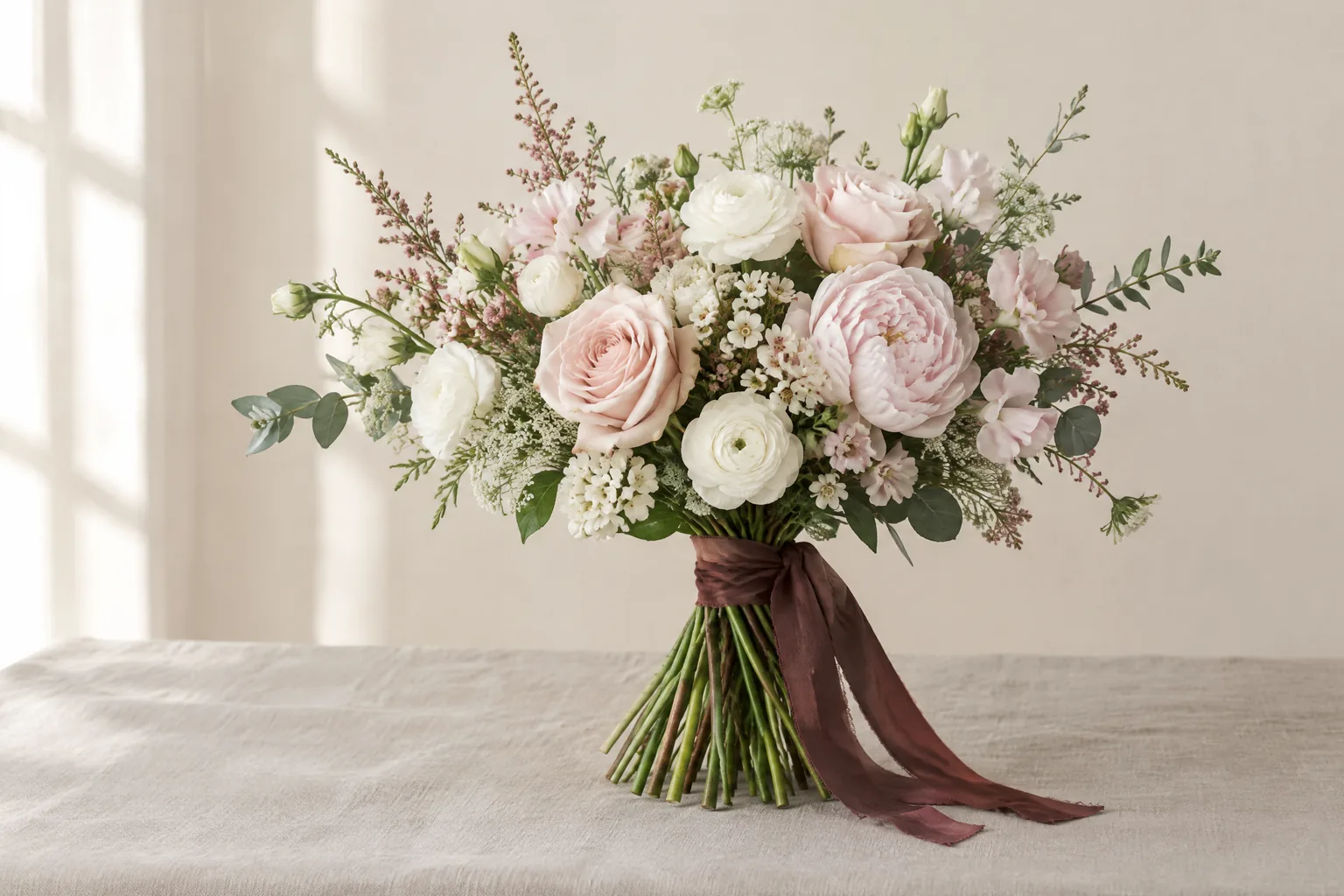
Give the main bouquet a custodian, not a vague instruction
Its next photograph may be more important than another display
Choose a bridal bouquet with its whole journey in mind, and explain the planned gaps between ceremonies and portraits when enquiring. Name a custodian who can remain near the person carrying it, with a backup for moments when that helper joins photographs. Agree where the arrangement rests during signing, tea ceremonies or meals. A labelled container in an agreed room is more useful than an instruction to keep it somewhere safe. The driver should know whether it travels with the couple or in another vehicle.
The Royal Horticultural Society advises using clean vases and positioning cut flowers in a cooler place away from heat. Translate that general care advice into a question for your florist: what holding method suits this finished arrangement? A tied design, wrapped handle or concealed water supply may need specific treatment. Ask what can be placed in water and what must stay dry. Do not let an enthusiastic helper soak decorative wrapping, add household mixtures or undo bindings without instructions.[1]
Keep a small handover record: who has it now, where it is going and when it is needed again. Before leaving a room, the custodian checks the container rather than assuming another bridesmaid has collected it. If you want the same flowers displayed at dinner, reserve that possibility until the final handheld photographs are complete. Decide separately whether there will be a toss and which arrangement it uses. A sentimental keepsake should not accidentally become a disposable party prop.
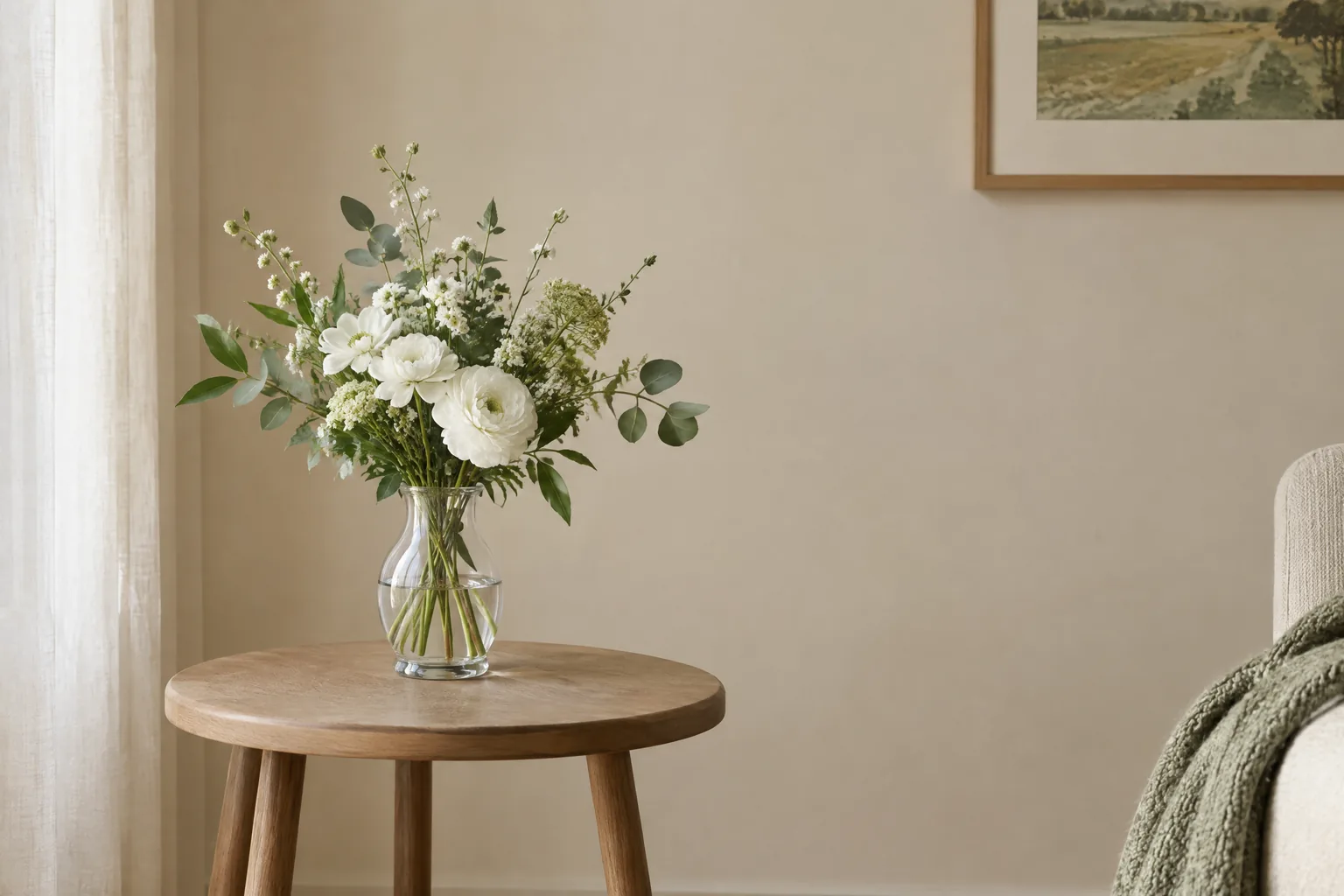
Test ceremony pieces against their reception positions
Matching flowers can have incompatible structures
When discussing wedding flower decor, mark each proposed second position on the reception floor plan. A low ceremony arrangement might suit a welcome table, but its width could conflict with the guest book or seating display. An aisle piece designed to be viewed from the front may show an unfinished back when placed in the centre of a dining table. Ask for dimensions and a view from all exposed sides before deciding that an existing piece replaces a reception requirement.
Find out what actually detaches. Flowers fixed into an arch are not necessarily independent clusters waiting to be lifted off. Removing them may mean cutting ties, exposing mechanics or taking apart the support. Ask the florist which units are intentionally removable and who can handle them. Large structures need their own assessment, including the route through doors and lifts. If the answer is that the design must be rebuilt, evaluate it as a second installation rather than a simple carry between rooms.
Check the receiving space with the same care as the original one. Confirm the surface, permitted fixing method and clearance for guests and service staff. BigDeal's 婚禮佈置 page is in Chinese and can support a wedding decoration enquiry about the overall layout; it is not confirmation that a particular floral transfer is supplied. Obtain the floral contractor's agreement separately. Photograph the intended position and share it with whoever will receive the piece, so a late arrival does not become a guessing exercise.
This BigDeal guide covers 婚禮佈置; the linked page is in Chinese. (Chinese page)
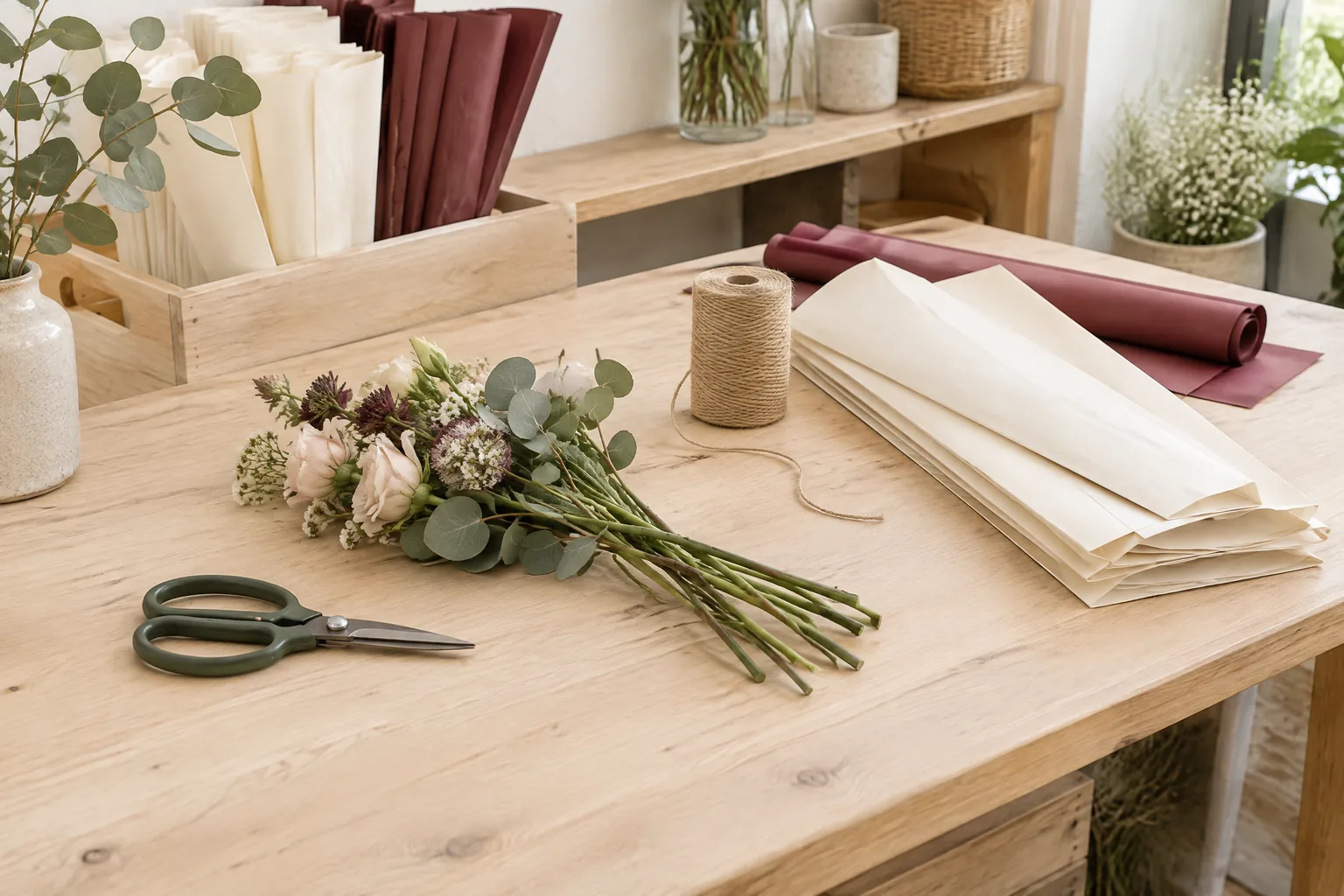
Read the package as a scope of work
Delivery, relocation and collection are different jobs
A wedding floral decoration package can help organise a coordinated design, but its name does not settle who moves anything after the ceremony. Ask for an itemised scope showing the first delivery, initial installation, any relocation and final removal. Check whether a picture represents one arrangement or the whole proposed setting. Keep labour and transport questions separate from the flower quantities, so agreement on the appearance is not mistaken for agreement on a second crew visit.
Establish whether the crew stays on site, returns later or leaves after the first setup. A return visit needs a time window and a contact who can grant access. Ask who provides protective containers and a vehicle with sufficient usable space, especially if the couple's car is already carrying people and luggage. Clarify what happens if the ceremony overruns: who can authorise waiting, whether extra charges need approval, and the point at which the second setup will no longer be attempted.
Separate ownership from permission to move. A stand or vase may be hired even when the flowers are yours to keep. Ask which components must return, who counts them, and whether guests may take flowers home at the end. Photograph hired items with their labels before they leave the first location. The final collection instruction should identify the remaining venue and responsible contact. Otherwise a successful daytime transfer can still leave a supplier looking for its equipment at the wrong address.
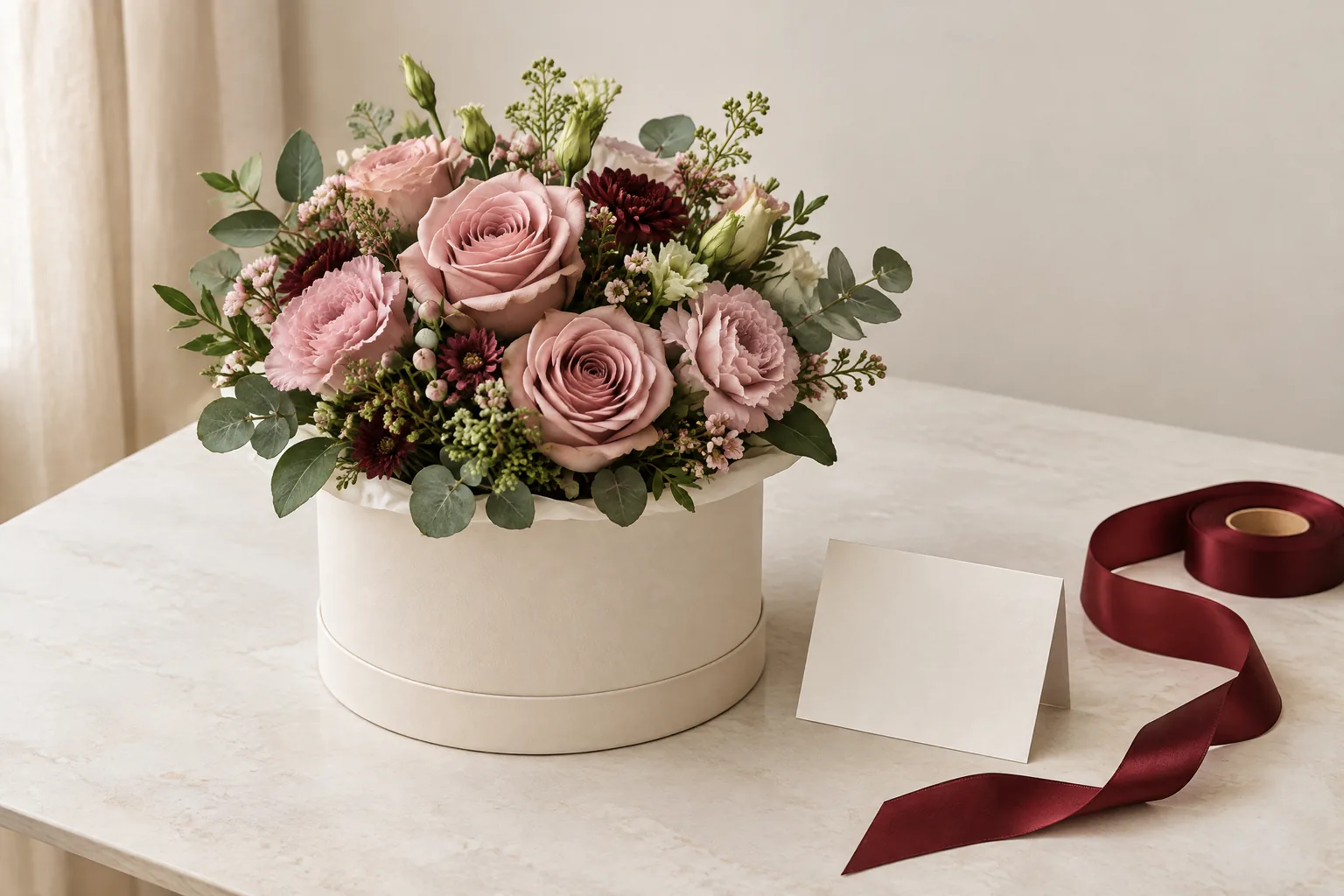
Keep car attachment and table reuse as separate decisions
The vehicle owner and driver both need a say
Treat wedding flower car decoration as a vehicle-specific arrangement, not a spare centrepiece. Give the florist the actual vehicle details, planned journey and operator's decoration rules. Obtain permission for the proposed contact points and removal method; do not assume that permission for ribbons covers suction fittings, adhesives or other mounts. Ask whether installation is available for your location and timing. If a hired car is substituted, seek a fresh assessment rather than transferring fittings to a different surface without approval.
Hong Kong Transport Department's Road Users' Code says loads must be secure and must not obstruct the driver's view. This applies to the transfer plan as well as the decorated exterior: a large arrangement packed inside must not become a loose obstruction. Have the driver review the proposed position before departure. This official guidance does not certify any particular floral attachment. If the driver or vehicle operator rejects the setup, use the agreed alternative rather than improvising a different fixing at the kerb.[2]
Only consider a later tabletop use if the florist has explained how the flowers detach from the vehicle base, what condition to expect, and which vessel will receive them. Plan removal in an authorised stationary location with the right person present. Never schedule it as a quick favour while the driver is waiting to depart. For an uncertain or weather-exposed piece, make the second use optional. The reception should already have a complete arrangement for any position that must look finished when guests arrive.
Let photography release the flowers at an agreed moment
Avoid dismantling the background before its last photograph
Ask the photographer which floral settings are needed after the ceremony itself. Family portraits may still use the arch, and a car departure photograph may require the bonnet arrangement to remain fitted. Mark the final required image against each relevant item, then agree a release time with the person managing the shoot. The florist should not have to decide whether a waiting family has finished. Equally, the photographer needs to know when retaining a display would put the reception setup at risk.
Use a clear release message naming the piece and destination. For example, a coordinator might confirm that A1 is finished at the signing table and may move to the reception entrance. A general announcement that the ceremony is over can cause the wrong items to disappear. If portraits run late, the authorised decision-maker should choose between keeping the scene and cancelling the move. Do not ask a florist to recover lost time by shortening the packing or installation work they have said is necessary.
On arrival, give the receiving person the placement image and let the installer finish before requesting detail photographs. A piece photographed in a corridor while waiting for access is not proof that the room is ready. Confirm completion at its final position and report any change to the coordinator. If a display has been simplified, tell the photographer where the remaining focal flowers are, rather than repeatedly moving them around to recreate an earlier arrangement.
Agree a no-reuse version that still looks intentional
Set a cut-off before the wedding day
Choose the reception positions that must be ready independently: perhaps the entrance, signing display or couple's table. Give those positions their own confirmed provision. Transferred flowers can then enhance a secondary area rather than determine whether the room looks unfinished. If the budget cannot support duplicate statement pieces, reduce the number of decorated areas or choose a smaller reception design. That is a clearer choice than promising the same fragile display in several places and hoping the timetable holds.
Agree who can reject a piece that arrives damaged, leaking or unstable, and where it can wait without blocking access. Do not tell helpers to repair hidden mechanics unless the florist has specifically equipped and briefed them. A reduced display may be preferable to a hurried reconstruction. Set a latest arrival or release time with the actual crew, then write down the fallback that takes effect after it. This prevents relatives from negotiating a new plan while guests are entering.
Close the day with the same clarity used at the first handover. Decide which flowers remain with the couple, which may be offered to guests with permission, and which components must stay for collection. Tell the venue when remaining material will be removed and who can be contacted if something is missing. Successful reuse means the flowers have a purposeful second position and a clear ending; it does not require every stem to travel, or every arrangement to perform a second job.
| What changes | Decision to pre-agree | Reception provision |
|---|---|---|
| Portraits need the ceremony display longer | Cancel its move at the agreed release cut-off | Independent focal piece remains in place |
| Vehicle or fixing method is not approved | Do not install or transfer the rejected fitting | No reception position depends on car flowers |
| A moved piece arrives damaged or unstable | Receiver refers it to the florist; no improvised rebuild | Use the approved smaller display |
| Receiving access is unavailable | Call the access contact; apply the crew's time limit | Keep the entrance and required tables independently ready |
- Give every travelling piece an identifier, first location, next location and placement photograph.
- Record release time, reception ready-by time and the crew's estimated work between them.
- Name the bouquet custodian, transfer handler, receiver and person authorised to cancel a move.
- Confirm detachable construction, vessel ownership, packing, transport and relocation labour in writing.
- Obtain vehicle operator approval for the actual car, fittings and removal arrangements.
- Agree independent reception essentials, the no-reuse cut-off and final equipment collection.
Approve a move only when the piece, people, permissions and timing all work together. Keep the main bouquet's custody continuous, assess venue pieces by their construction, and treat car flowers as a separate vehicle job. A smaller reception display that is ready on time is a better plan than an ambitious reuse promise with no responsible handler. Leave optional second uses genuinely optional.
Can we reuse ceremony flowers if both events are in the same hotel?
Possibly, but a shared address does not remove the need for permission and labour. Check the exact route between rooms, lift access if relevant, and when each space is available. Ask whether the arrangements can move intact and who will place them. A short walk can still be unsuitable if dismantling overlaps with guest entry or the ceremony room must remain dressed for photographs.
Could our wedding party move small arrangements instead of booking a crew?
Only give helpers pieces the florist has agreed are suitable for that handling. They need a container, a demonstrated lifting method and an available receiving person. Check that they are not also required in portraits or transporting guests. Anything requiring tools, disassembly or reconstruction should stay with the agreed installer; willingness to help is not a substitute for knowing how the piece is supported.
Does paying for delivery include a second venue transfer?
Do not assume so. Ask the supplier to identify each journey and the work at both ends in writing. First delivery, waiting, relocation, reinstallation and final collection are separate questions even if a supplier offers them together. Confirm the quoted scope and any change approval process directly with that supplier before reserving reception positions for transferred pieces.
Can flowers from the bonnet go straight onto our dinner table?
Not without an agreed conversion. Ask how the floral unit comes off its mount, whether a suitable vessel is needed and whether its condition and exposed mechanics suit the table. The vehicle operator must accept the removal arrangements. If the florist cannot confirm a practical second use, keep those flowers out of the essential reception plan.
Who decides to abandon a move when the schedule slips?
Appoint one authorised coordinator or trusted contact, and give them the crew's cut-off and the agreed fallback. They should consult the affected supplier and venue, not ask relatives to vote during the delay. Tell the photographer and receiver about the decision so nobody keeps waiting for an arrangement that will remain at the ceremony.
Share your item register and timed route with the florist, venues, car operator and coordinator. Ask each to confirm their own responsibilities, then circulate one agreed version with a no-reuse fallback.
Sources & supported claims
- Royal Horticultural Society: Cut flowers — cutting and conditioning
RHS advises clean vases and placing cut flowers in a cooler spot away from sources of heat; specific care for a completed wedding design should be confirmed with its florist.
- Hong Kong Transport Department: Road Users' Code — Safety Checks
Any loads carried or towed must be secure and must not obstruct the driver's view. The code also warns against objects inside the vehicle obscuring the view.