
Gatherings & catering
Content updated
On this page
- Locate the interval in the rundown
- Decide whether dessert replaces cake service
- Plan an accessible dessert table
- Include non-alcoholic drink choices
- Keep service outside speech sightlines
- Coordinate photographs and glass clearing
- Provide an option if speeches overrun
- Questions & answers
- Sources & supported claims
A wedding dessert interval that flows from speeches to dancing
For a small reception, the simplest wedding dessert interval begins after the final speech and ends with a clear invitation to the first dance. Let the photographer finish the applause and reactions before guests queue, then open dessert and non-alcoholic drinks away from the route to the dance floor. The pause feels intentional when guests know what they may do next. It becomes awkward when an unopened table, unfinished cake cutting and a silent MC leave everyone waiting for someone else to move.
Choose one purpose for this part of the evening: a relaxed refreshment break, cake service, or a short changeover while the dance area is prepared. Agree who opens the table, who serves seated guests and who removes used glassware. Keep chilled desserts under the caterer's planned temperature control until service, and give the photographer a brief uninterrupted window. If speeches overrun, shorten the optional break rather than silently abandoning dessert or sending guests into a queue during a meaningful toast.
Locate the interval in the rundown
Give the pause a beginning and an ending
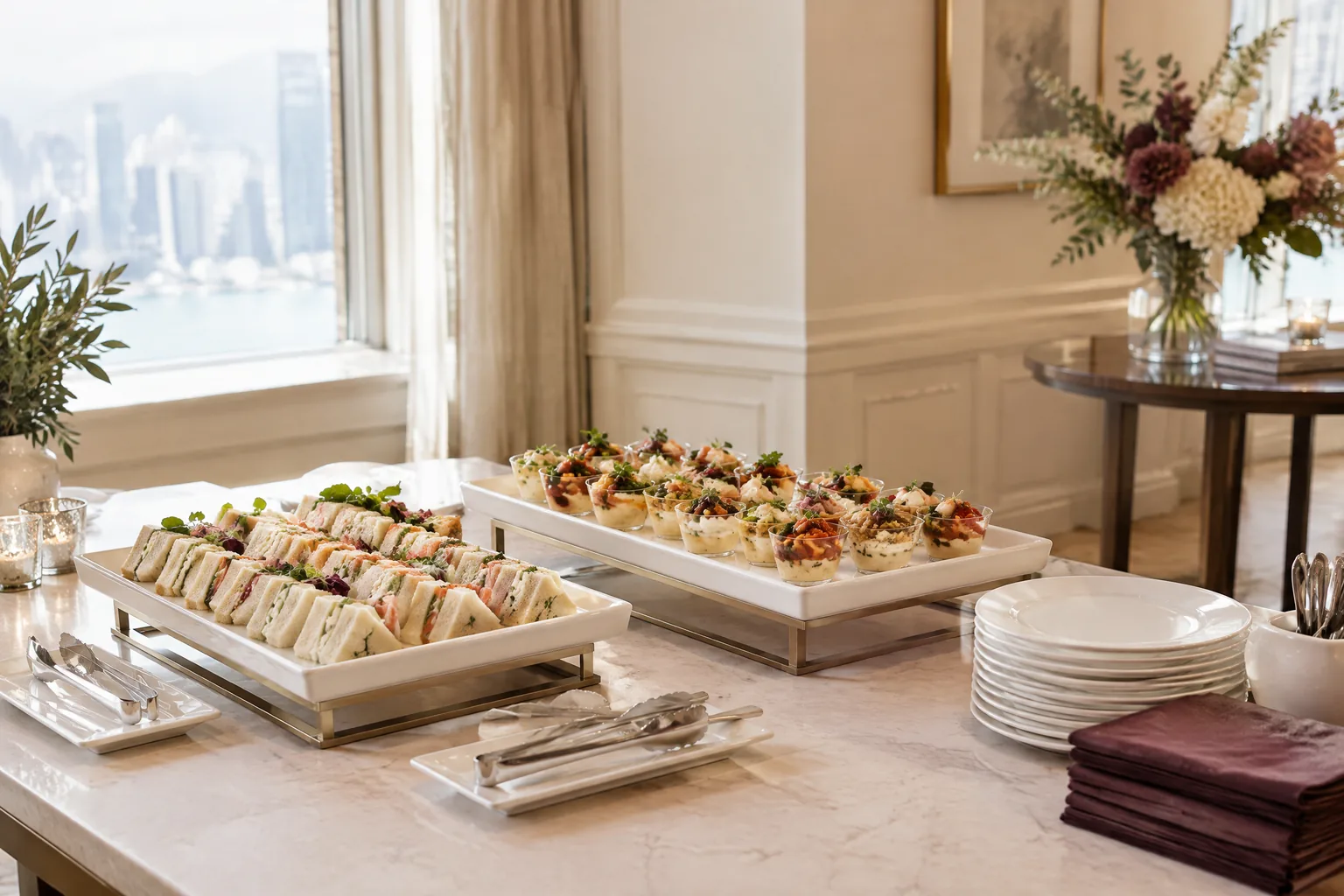
Place the dessert opening between two recognisable moments, not beside a vague instruction such as 'evening refreshments'. For example, the final speaker finishes, the couple thank everyone, the MC invites guests to dessert, and the next announcement calls them towards dancing. The time available should reflect the room and the meal already served. A compact reception may need only a modest breathing space; a longer break makes sense if furniture genuinely has to be moved before the first dance.
Write a cue as well as an estimated time. 'Open after the photographer confirms the final toast is complete' is more useful than a clock time that becomes wrong when a speaker starts late. Choose one coordinator to pass that cue to the catering lead and MC. For help placing the pause within the wider evening, BigDeal's 婚禮流程 guide is a Chinese-language destination about the wedding rundown. Use it to review the sequence, then confirm the actual timing with your own venue and suppliers.
This BigDeal guide covers 婚禮流程; the linked page is in Chinese. (Chinese page)
Keep the couple out of routine permission requests. Their agreed representative should know whether the table can open while they greet an elderly relative or change for dancing. Give that person a simple boundary: no release before the final toast, and no extension beyond the agreed dance cue without checking the venue lead. The MC can tell guests where refreshments are and that seating remains available. This avoids making standing, queuing or dancing seem compulsory for everyone at a small family celebration.
| Opening point | When it can work | Trade-off to resolve |
|---|---|---|
| Before speeches | Guests have a genuine eating period before being called to listen | Allow collection to finish; check holding arrangements and used plates |
| During speeches | Only with an agreed quiet service format that preserves views | Self-service movement may distract; a compact room may not support it |
| After the final speech | You want one clear transition into refreshments | Keep a brief photography window and an announced dance cue |
| After the first dance | The dance time is fixed and dessert can remain properly held | Tell guests the revised order instead of leaving them at a closed table |
Decide whether dessert replaces cake service
Separate the photograph from the food guests receive
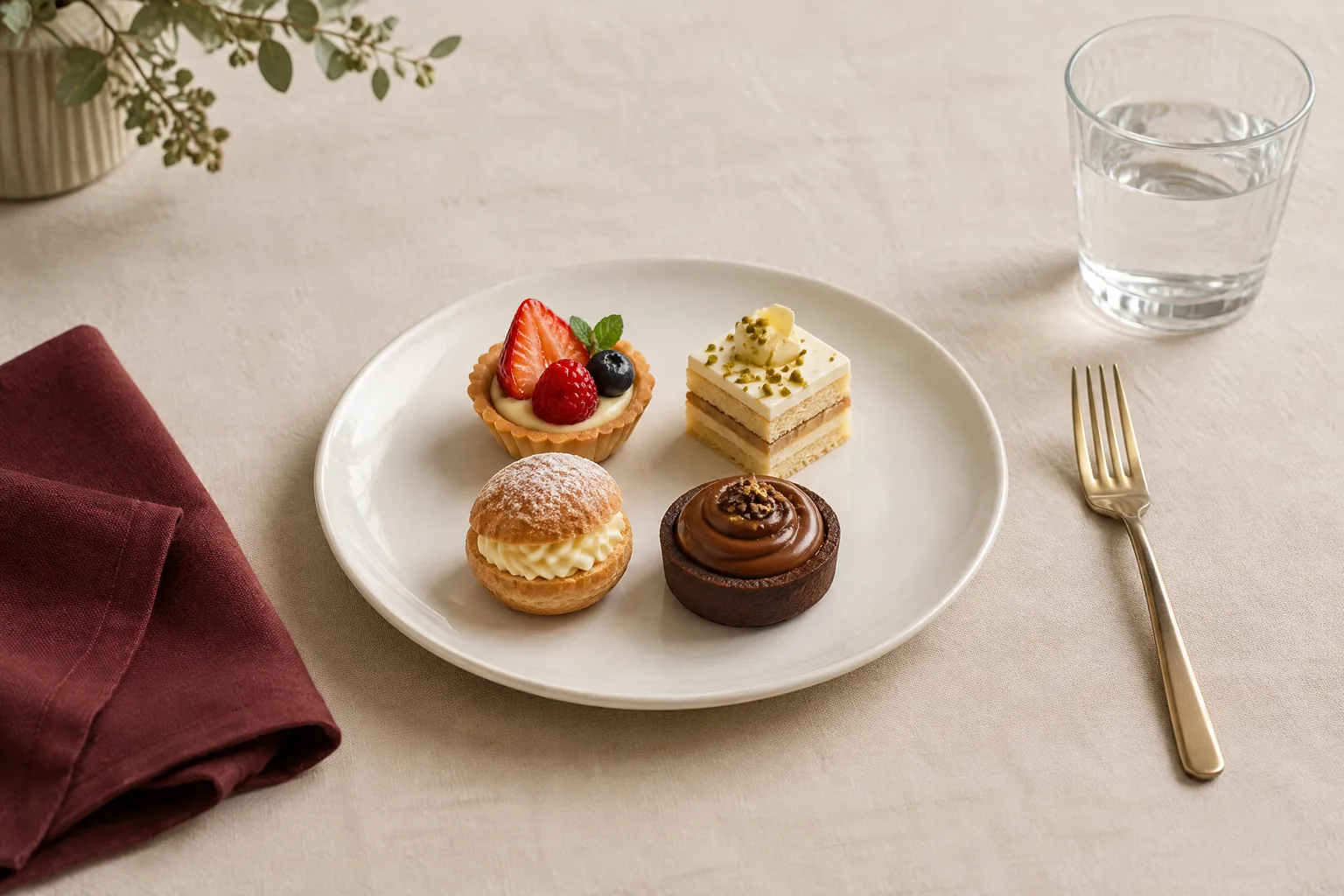
A cake-cutting photograph and a dessert course are different tasks. If the cake will be portioned for guests, establish where cutting happens after the photograph and who brings the portions out. Opening a sweet table first may leave people holding another dessert when cake arrives. Alternatively, the cake may be ceremonial while small desserts provide the actual sweet course. Tell guests what to expect so nobody saves room for cake that was never intended to be served that evening.
When considering Dessert Table Catering, explain whether the display is the main dessert, an accompaniment to served cake, or a later snack. YumYum's page discusses sweet-table presentations, but your enquiry should settle the specific portions, opening arrangement and replenishment responsibilities. Ask how the requested desserts will be eaten: with a spoon at a seat, from a small plate while standing, or as a single handheld piece. Those differences affect guest movement more than matching every sweet to the wedding colour scheme.
Use the existing meal to judge quantity and format rather than treating the interval as a second full buffet. After a substantial banquet, a choice of smaller portions may be more practical than several large desserts. If guests have only had light reception food, do not assume sweets will replace the missing meal. Consider whether the same plates or forks are needed for cake and other desserts, and keep a portion aside for the couple if their photographs will take them away from service.
Plan an accessible dessert table
Allow people to collect food without forming a barrier
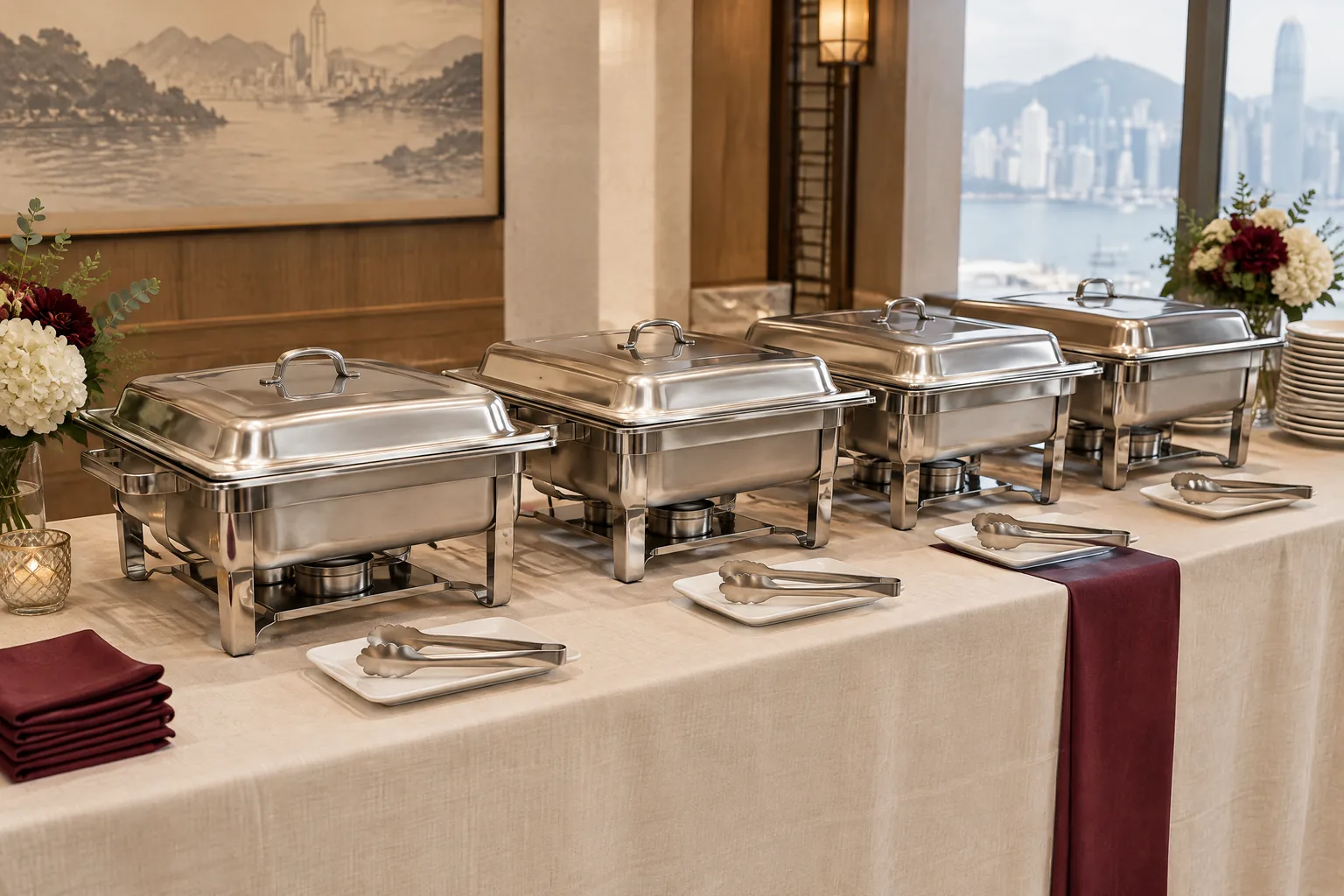
Walk the proposed route with chairs in their dining positions, not with an empty room. A table that looks convenient on a floor plan can be difficult to reach behind occupied seats. Guests should be able to collect a plate, choose food and leave without turning back through the queue. Put napkins where they can be picked up easily and keep the return point elsewhere. Ask the venue to check that the arrangement preserves its approved access routes and does not obstruct an exit.
Offer table service for anyone who would prefer to remain seated, with their consent. This can include a guest using a mobility aid, a parent holding a sleeping child or someone who finds carrying a plate and drink difficult. Agree which staff member can help and how they will learn the guest's choice without announcing personal needs over the microphone. Keep a reachable selection rather than making the only option a high tier at the back. Decorative height should not determine who gets to choose dessert.
The Centre for Food Safety's sweet-food trade guidelines advise keeping cold-served sweet food at 4°C or below. They distinguish certain products suitable for room-temperature storage, such as cookies and muffins, so do not assume every small dessert can sit out in the same way. Ask the caterer which items need cold holding and how they will be brought into service. Photograph the display within that agreed arrangement, rather than requesting an early room-temperature setup merely because the guests have not arrived yet.[1]
Include non-alcoholic drink choices
Make refreshments easy to identify and collect
Give non-alcoholic drinks an ordinary, visible place in the interval, not a separate request that sends guests searching for staff. Plain water should be easy to locate alongside whichever other choices you agree. In a small room, a limited selection can be easier to serve than a made-to-order drink with several garnishes. Think about the drink's handling as well as its appearance: a seated coffee service has different needs from a bottle that guests can take back to their table.
The Drinks Catering page lets you explore beverage formats, including tea and individual drinks, before asking YumYum about your reception. Specify that this is a short non-alcoholic service window and ask which requested drinks can be prepared and served within it. Confirm cups or glasses, any ice requirements and who will refill the station. Do not assume the venue's earlier welcome drinks cover this later period, or that ordering beverages automatically provides someone to collect the used glassware afterwards.
Ingredient information matters for drinks as well as desserts. CFS lists eggs in cakes and mousses, milk in cream and butter, and tree nuts or soy in some plant-based milk. In its school-catering advice, it recommends that catering personnel know the ingredients they serve and take precautions against allergen cross-contamination. For your wedding, ask the supplier how it will communicate ingredients and handle an individual request. A plant-based or special-diet name is not an allergen-free guarantee or a certification; the guest should confirm suitability directly.[2]
Keep service outside speech sightlines
Protect the speaker's audience and the camera's view
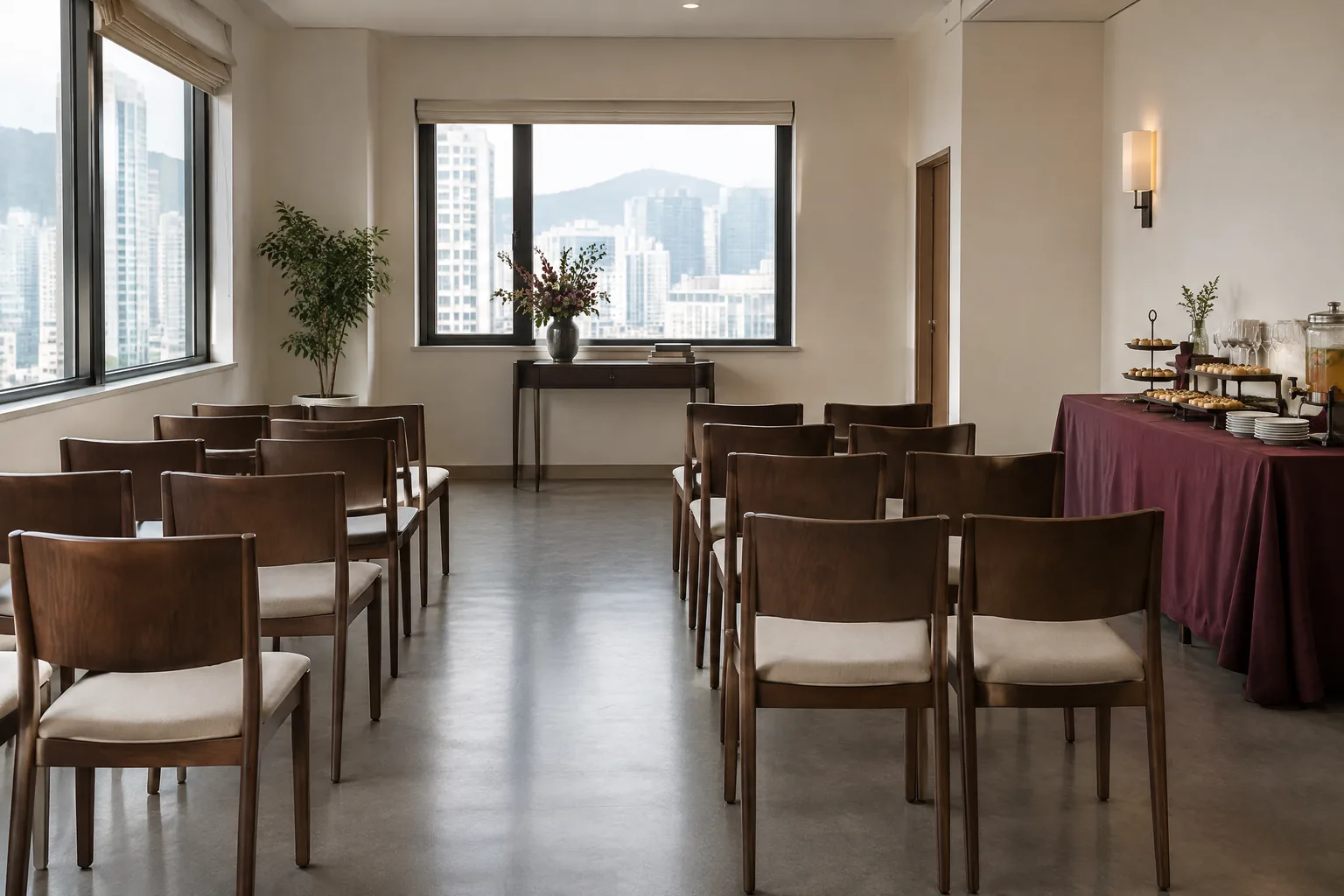
Look from the speaker's position towards the couple, then look from the photographer's likely position back towards the speaker. The line between them should not become the path to refreshments. If the only possible table location crosses that line, keep it closed during speeches and release guests afterwards. A visible table does not have to be an active table. Avoid quietly encouraging self-service during a toast while the MC is asking everyone else to listen; the two messages work against each other.
Place the drinks collection point so its queue cannot merge with the dessert queue across the front of the room. A second point is useful only if the venue can service it and guests can understand it; duplicating displays without enough help creates two unfinished stations. Ask for replenishment from the side or rear where feasible. If serving equipment or clearing produces noise close to the microphone, agree a pause during speeches rather than expecting the sound operator to hide it.
If you are enquiring about Wedding Catering, describe the speech position, dessert opening cue and permitted service route as part of the reception brief. YumYum's destination covers wedding dining formats; it does not establish the layout or staffing of your particular venue. Include a marked plan or a few clear room photographs so the supplier can identify constraints before agreeing the work. Separately ask the venue which tables may be moved and whether outside suppliers can use the proposed preparation area.
Coordinate photographs and glass clearing
Agree a short quiet window before the room changes
Tell the photographer which moments matter during the handover: the final speaker's reaction, the couple's thanks, the untouched dessert display, or a cake-cutting photograph. They should not all be scheduled for the same instant. A sensible sequence is to photograph any agreed food display before guests collect from it, cover the final speech, then let service begin. BigDeal's 婚禮攝影 page is a Chinese-language destination for wedding photography enquiries. Share the service cue with your chosen photographer rather than assuming catering staff know the required shots.
This BigDeal guide covers 婚禮攝影; the linked page is in Chinese. (Chinese page)
Agree where used glasses and dessert plates go before the dance area opens. The clearing team needs a collection point that guests can find and a route that does not pass through the couple's entrance. Clear obvious empties before the first-dance announcement, but leave drinks that guests are still using unless they consent to removal. Do not turn this into a total room reset if dining tables will remain occupied. A calmer partial clear can preserve conversation while removing the objects most likely to obstruct movement.
Keep responsibility for clearing separate from responsibility for photography. The photographer may flag that a shot is finished, but should not be expected to organise trays, move dirty dishes or find replacement cups. Likewise, a catering worker should not be asked to carry a cake into position without an agreed handling role. Write down who returns borrowed tableware and who handles spills. If the venue and food supplier divide these tasks, make that division explicit before the reception rather than discovering it beside a full collection table.
| Task | Question to settle | Record in the brief |
|---|---|---|
| Provide fresh drink vessels | Venue stock or supplier order? | Confirmed quantities and collection point |
| Clear used vessels | Who collects, and when does quiet clearing pause? | Responsible lead and approved route |
| Return hired items | Who sorts and returns them? | Return location and agreed deadline |
| Respond to a spill | Who can stop service and arrange cleaning? | Named venue or service contact |
Provide an option if speeches overrun
Change the cue without confusing the guests
Choose the fallback before the evening begins. If speeches run late but the first dance can move, keep the original sequence and announce a shorter refreshment break. If the dance cue is fixed, ask whether agreed desserts can be served at dining tables while the dance area opens. This alternative only works when the venue and caterer have confirmed the staff and space for it. Do not create a new service format on the night simply because it looks like a quick solution.
If the table has already opened, avoid calling everyone to the dance floor halfway through collecting food. Let the queue finish, invite guests to put plates on their own tables, and then introduce the dance. Guests who remain seated should still have a view where possible. A long speech may also delay chilled items leaving storage; keep that decision with the food-service lead. Extending an interval is not a reason to extend a dessert's display beyond the supplier's agreed holding arrangement.
Use one brief announcement that gives the revised plan without blaming a speaker: 'Dessert is now available beside the dining area; we will invite you to the first dance shortly.' If dessert must follow the dance instead, say so before people begin waiting at the station. Record the revised release cue with the MC, catering lead and photographer, then stop circulating competing instructions. The aim is not to fill every second. A short pause is comfortable when guests understand it and nobody has to guess what happens next.

- Choose whether the interval serves cake, other desserts or both.
- Name the person who sends the opening cue to the MC and service lead.
- Check queues and photography views with dining chairs occupied.
- Confirm cold holding and product-specific service instructions with the caterer.
- Make non-alcoholic choices and ingredient information easy to request.
- Assign used-glass collection, spill response and tableware returns separately.
- Agree the shortened or postponed dessert option if speeches run late.
A comfortable interval needs a clear sequence more than an elaborate display. Protect the last speech and its photographs, release guests towards refreshments on an agreed cue, and keep their return route clear for dancing. Decide what happens to cake portions and used glassware before the evening starts. With a confirmed delay option and help for guests who remain seated, dessert can provide a pleasant pause without becoming a second event that holds the reception up.
Should we invite guests to dessert between individual speeches?
Only if that break is deliberate and the next speaker will wait until guests are settled. Otherwise, use one opening after the final speech. In a small room, repeated releases mean more chair movement, queues and competing announcements. If someone needs refreshments sooner, arrange discreet assistance rather than reopening the whole station.
Can the cake-cutting photograph happen during the dessert interval?
Yes, if the cake has a clear position and guests know when collection begins. Photograph the cut before opening a nearby queue that could block the view. Confirm what happens to the cake afterwards: portioning, storage or removal. The photograph alone does not establish that cake will be served to everyone.
What if the room has space for only one refreshment table?
Avoid making guests carry food while they wait for a freshly prepared drink. Ask whether drinks can be served at seats or collected from a separate existing venue point. If both must share the table, choose a simple collection arrangement and test the departure route with occupied chairs in place.
Does every guest need a glass for a non-alcoholic toast?
Decide whether a toast actually falls in this interval. If it does, let guests know which suitable drinks are available and confirm the vessels required with the service team. If the final toast happens before dessert opens, do not delay it while guests queue for a decorative drink they were never told to collect.
How do we avoid rushing guests who are not dancing?
Keep seating and an agreed refreshment option available when the first dance begins. The MC can invite attention to the couple without requiring everyone to stand in the same place. Confirm that seated guests can see, and arrange willing assistance for anyone who would otherwise miss dessert when the room changes.
Send your venue, caterer and photographer the same short interval brief: opening cue, food and drink format, guest route, clearing responsibilities and fallback. Ask each party to confirm its own role before finalising orders or bookings.
Sources & supported claims
- Centre for Food Safety: Trade Guidelines on Safe Production of Sweet Food
Cold-served sweet food should be held at 4°C or below; the guidelines distinguish certain room-temperature-suitable products such as cookies and muffins.
- Centre for Food Safety: Food allergy
Examples include eggs in cakes and mousses, milk in cream and butter, and tree nuts or soy in some plant-based milk; school-catering advice calls for ingredient-informed staff and precautions against allergen cross-contamination.