
Baking & procurement
Content updated
On this page
- Audit the office storage while lunches are inside
- Ask for instructions for the exact product
- Give snow-skin mooncakes a reserved cold destination
- Confirm lava mooncake specifications separately
- Check the actual Christmas cake, including its box
- Order for a realistic service window
- Change the format when suitable storage is unavailable
- Questions & answers
- Sources & supported claims
Seasonal dessert fridge space: confirm storage before ordering
Plan seasonal dessert fridge space before choosing quantities or collecting staff payments. In a small Hong Kong office, the useful limit is not the fridge's advertised capacity: it is the suitable shelf space genuinely available while colleagues' lunches are inside. Get the chosen dessert's storage instructions and finished box dimensions, then reserve the right compartment for the entire holding period. If that cannot be done, reduce the order, change the timing or choose a product whose confirmed handling requirements fit the office. A festive name alone does not answer the storage question.
Treat Christmas and Mid-Autumn orders as separate storage decisions, even when the same team organises both. Snow-skin products need prompt refrigeration, while a lava filling or Christmas decoration does not establish a universal storage method. One named receiver, a measured space and a realistic serving time are more useful than a vague promise to clear the fridge later.
Audit the office storage while lunches are inside
Measure the space you can actually reserve, not the empty appliance.
Open the fridge at the time your desserts would normally arrive. A shelf that looks free before staff reach work may be full by lunchtime. Measure the usable width, depth and height, including the route through the door. Note fixed shelves, drawers and anything that stops a tall box sliding straight in. Ask the office administrator which items can legitimately move. Staff lunches should not be left unrefrigerated to make room for a celebration, and nobody should have to surrender food without notice.
Check temperature as well as geometry. The Centre for Food Safety advises keeping a refrigerator compartment at 4°C or below and a freezer compartment at -18°C or colder, and recommends appliance thermometers. A control dial marked with numbers does not itself tell the organiser the temperature. Confirm that the intended compartment can maintain the required conditions. Keep the clearance required by the appliance instructions rather than filling every visible gap. A box fitting physically is only one part of the decision.[1]
Reserve a specific shelf area with the person responsible for the pantry. State when the reservation starts and ends, including any overnight holding. If the office shares a fridge with another tenant or department, obtain their agreement rather than relying on an informal message within your own team. Recheck availability shortly before the order is finalised. A labelled reservation helps colleagues plan their lunches, but it is not permission to rearrange or discard their belongings.
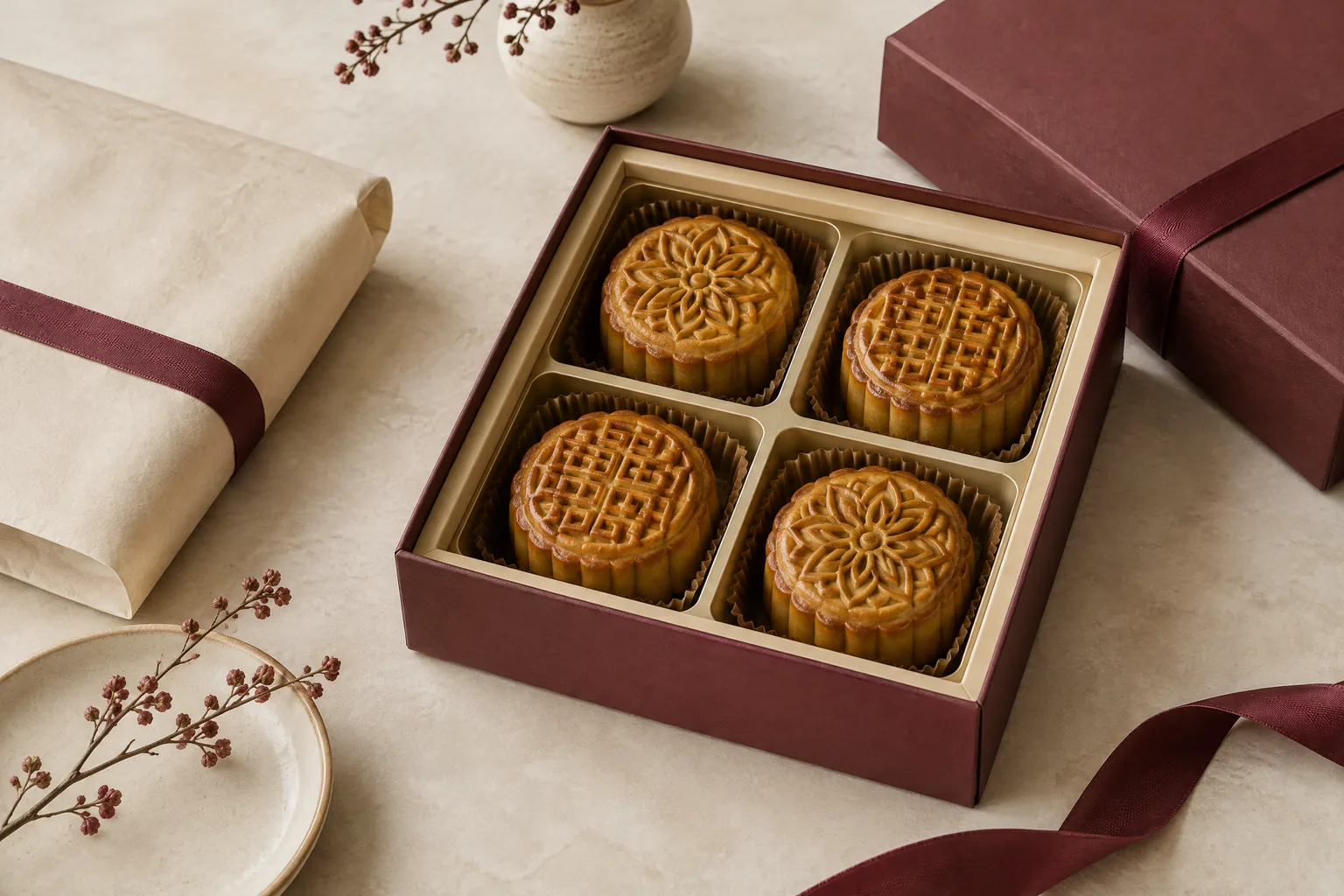
Ask for instructions for the exact product
A photograph and a flavour name are not a handling schedule.
Before confirming an order, request the storage condition for the exact item and packaging you intend to buy. Ask whether it arrives chilled, frozen or suitable for the stated ambient conditions, and how it should be held before serving. Request the date information that will accompany the food and any different instruction after opening. Keep the reply with the order record so the colleague receiving the boxes has the same information as the organiser, rather than a verbal summary passed through several people.
Get external box dimensions, not just a cake diameter or the number of mooncakes. Include the board, handles and any protective structure that must remain in place. Ask whether boxes may be stacked and whether a removable outer sleeve can come off without compromising the inner packaging. Do not plan to transfer exposed desserts into lunch containers simply because the original boxes are awkward. If compact packaging is important, discuss an acceptable arrangement before production or packing is agreed.
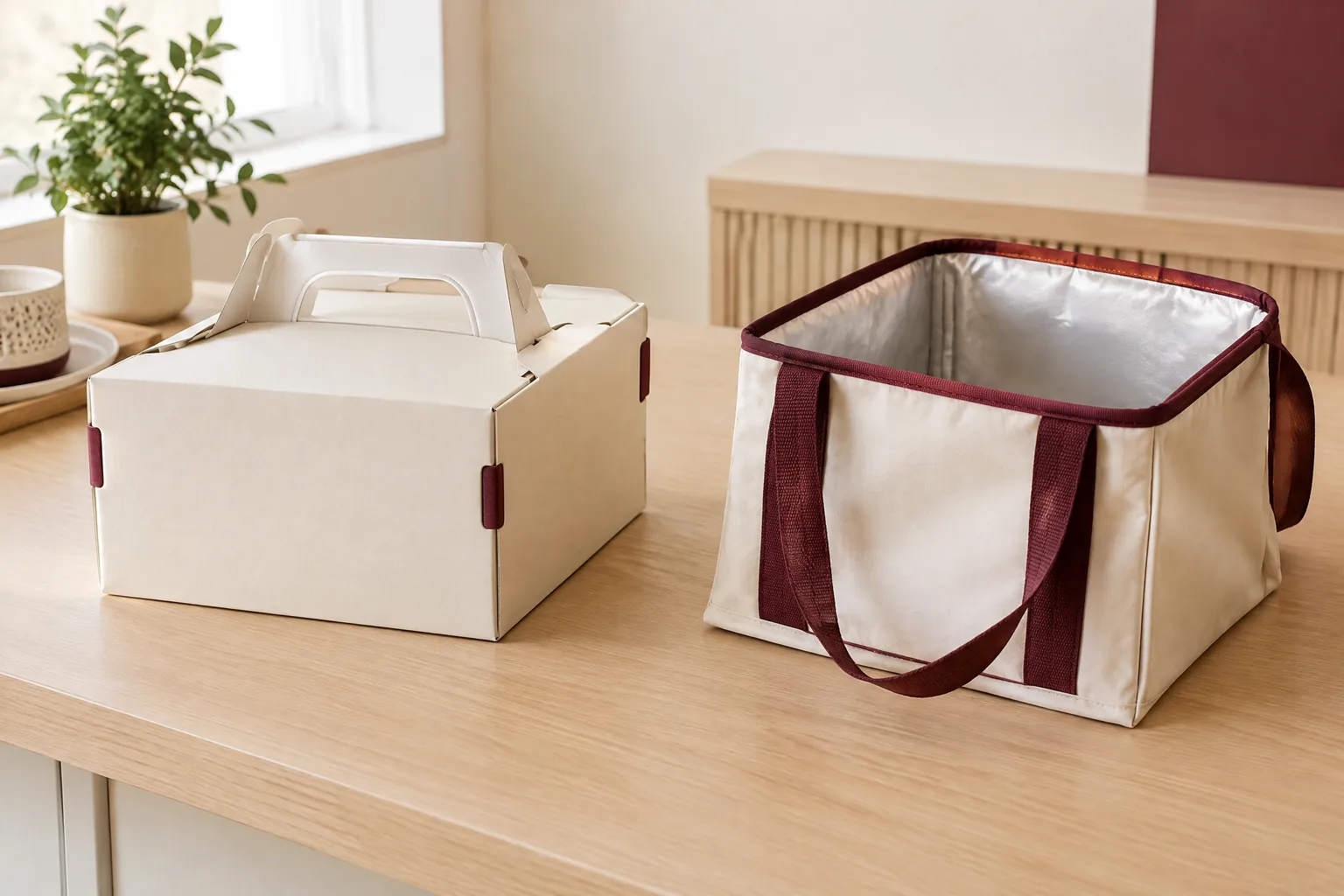
Separate the transport question from the office storage question. Ask what handling arrangements are suitable for the journey and what needs to happen on arrival; do not assume a carrying bag provides refrigeration for an unspecified duration. Include reception queues and the walk from the building entrance to the pantry in the plan. If the instructions are unclear or appear inconsistent, ask for clarification before payment. An unanswered storage question is a reason to pause, not a detail to settle after delivery.
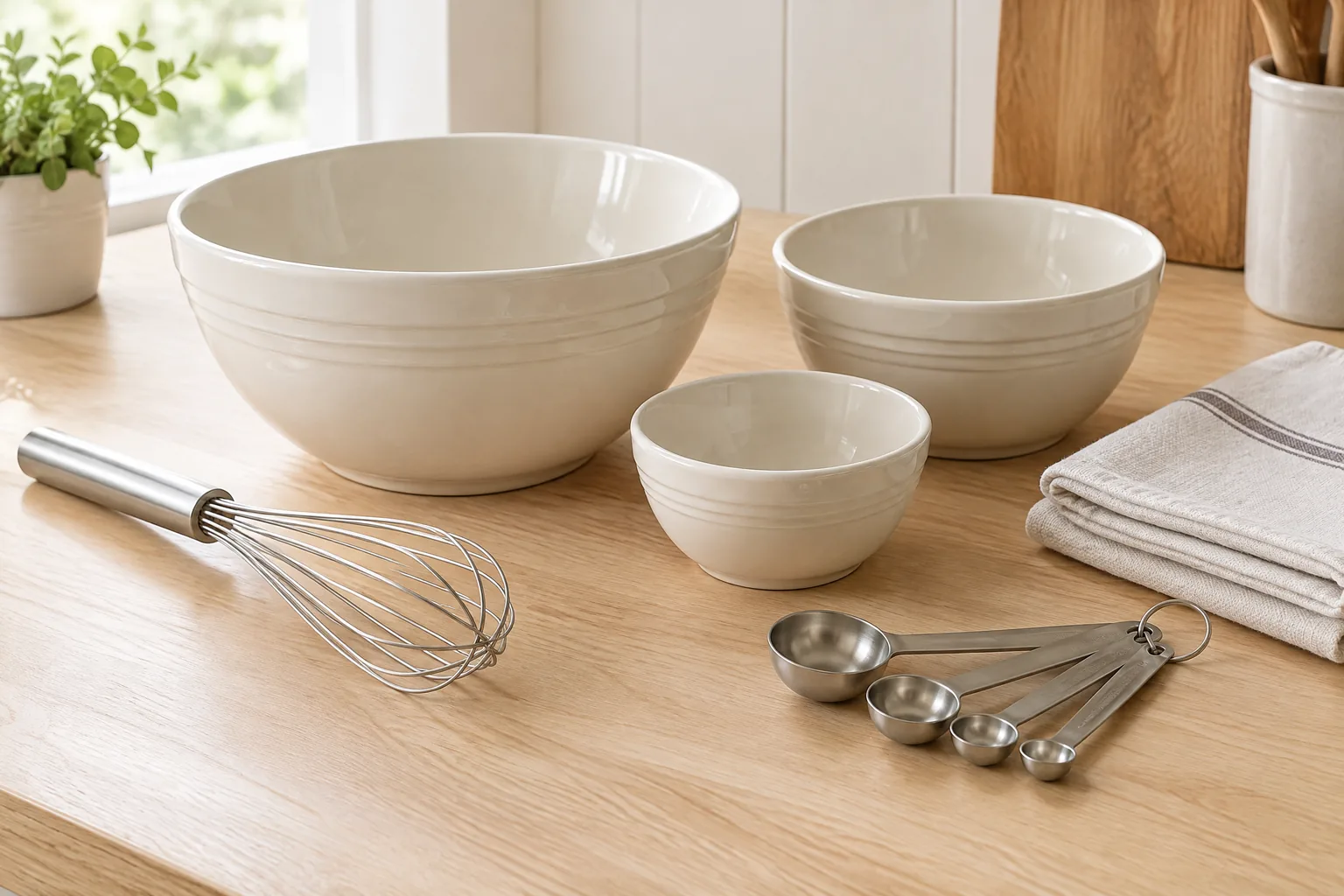
Give snow-skin mooncakes a reserved cold destination
The recipient should know where the boxes go before they arrive.
The Snow Skin Mooncake page can help you begin an enquiry about this style, but confirm the chosen assortment's actual storage instructions before allocating office space. Count finished boxes rather than individual pieces. A presentation box may occupy much more shelf area than its contents suggest. For mixed assortments, ask whether all components share the same requirements. Keep the packaging and instructions together, especially if someone other than the purchaser will organise the afternoon sharing session.
Singapore Food Agency advises refrigerating snowskin mooncakes as soon as possible after purchase. That makes an unattended reception desk a poor holding plan while the organiser finishes a meeting. Arrange for the receiver to take the boxes directly to the agreed storage location. The agency distinguishes ice-cream mooncakes, which require freezer storage, from snowskin products. Do not use the fridge and freezer as interchangeable overflow areas, or freeze an item merely because the chilled shelf is full.[2]
If some boxes are staff gifts and others are for sharing, keep those allocations separate from the outset. Gift recipients may not collect them at the same time, so their boxes could occupy the fridge well after the celebration. Tell colleagues the collection window before ordering and pass on the actual storage instructions with each gift. Someone heading to an evening appointment needs the chance to decline or choose another arrangement rather than discover an unexpected cold-storage responsibility at the end of work.
Confirm lava mooncake specifications separately
A flowing centre does not tell you where to store the box.
Use the Lava Mooncake page to enquire about the intended filling and format, then ask for that product's handling details. The word lava describes a filling effect; it does not establish a common storage temperature, shelf life or heating method across different recipes. Do not copy instructions from another brand's box or an earlier office order. Even when two products look alike in photographs, the appropriate decision depends on the item actually supplied and the information accompanying it.
Singapore Food Agency's mooncake advice is to follow package storage instructions and consume the products by the indicated expiry dates. For office planning, request those instructions early enough to decide whether the order is practical. If a supplier confirms ambient storage for the selected product, identify a suitable location matching the stated conditions rather than treating any spare cupboard as acceptable. If refrigeration is required, allocate measured fridge space just as you would for other chilled desserts. Leave the order unresolved until the requirement is clear.[3]
Ask about serving preparation independently of storage. If warming is recommended for the selected item, confirm the method and whether the office equipment is suitable. Check whether that creates a queue at the shared microwave or requires packaging to be removed. Do not interpret a warming suggestion as permission to leave the full order on a table all morning. If the team cannot manage preparation during the planned break, choose an agreed serving format that does not depend on improvised equipment or an available volunteer.

Check the actual Christmas cake, including its box
Festive decoration does not make a cake shelf-stable.
The Christmas Cake page is a starting point for discussing the chosen cake, not proof of one storage rule for every seasonal design. Ask about the actual filling and finish, then obtain instructions for the complete product. Do not borrow assumptions from a traditional fruit cake when ordering a differently constructed dessert. Confirm the height of decorations and whether they remain attached during storage. A cake that fits between shelves before decoration may not fit once it is ready for the celebration.
For food premises, the Food and Environmental Hygiene Department's Food Hygiene Code says potentially hazardous food should be stored at or below 4°C, or kept frozen when intended for frozen storage. Apply the relevant confirmed requirement if the selected cake falls into that category; its festive name does not decide this. The code also places refrigerated ready-to-eat food above raw meat and fish. In a shared office fridge, keep the cake protected and choose its position with the other contents in mind.[4]
Whole cakes need access as well as shelf area. Check that someone can lift the boxed cake out without tilting it around bottles or balancing it on the door. Confirm that the serving table has room for the box, plates and cutting work. If the whole cake cannot be stored intact, ask about a different size or format before ordering. Cutting it early solely to force it into the fridge creates a new handling arrangement that should not be improvised on arrival.
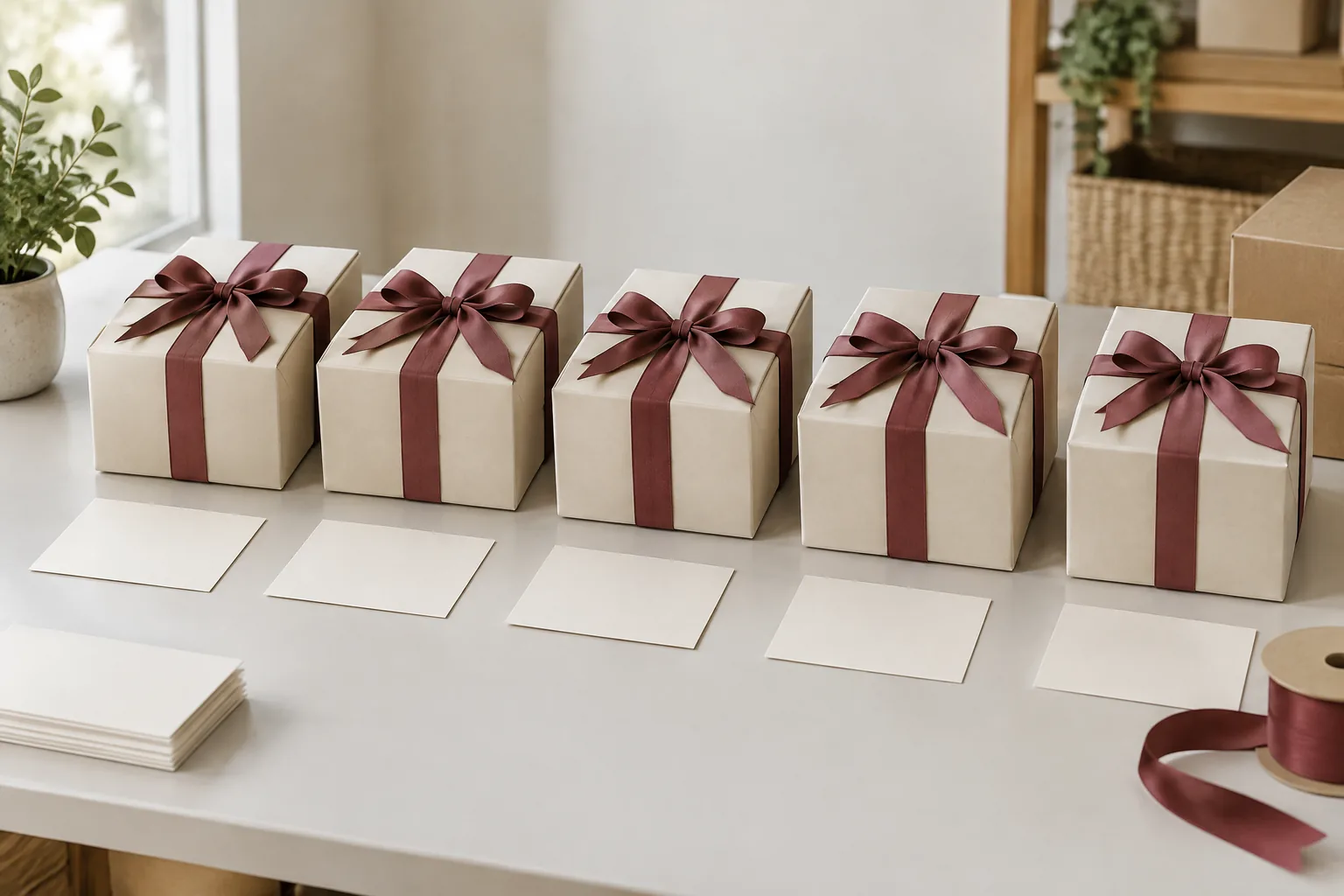
Order for a realistic service window
Separate attendance, serving and leftovers instead of assuming everyone eats together.
Use confirmed attendance at the intended break, not total office headcount, as the starting point. Ask about colleagues working remotely, visiting clients or leaving early. Decide whether the order is for a single shared occasion or several different groups; those are different storage demands. If a later group needs its own allocation, reserve space for it before the first session starts. Do not count on early guests finishing enough dessert to free the shelf for boxes arriving afterwards.
Write a short schedule that identifies receipt, storage and serving, with a named person for each handover. For example, a proposed mid-afternoon break still needs someone available when food arrives, plus an agreed response if the meeting runs late. Confirm the supplier's feasible arrangements rather than assuming a particular arrival slot is offered. Keep cold desserts in suitable storage until needed and bring out manageable quantities in line with the instructions. A longer social programme does not require all the food to be displayed throughout.
The FEHD code advises protecting displayed food and providing suitable separate utensils for different foods. Prepare a clean serving area before removing desserts from storage, and retain ingredient information where colleagues can consult it. Decide in advance what will happen to unopened spare boxes and any exposed portions. Do not promise that leftovers can always be taken home or saved until tomorrow. Their suitability depends on the product instructions and actual handling history, not simply on looking or smelling normal.[5]
Change the format when suitable storage is unavailable
A smaller celebration is better than an order with nowhere appropriate to go.
If the measured space cannot hold the proposed order, change the order rather than asking colleagues to solve the problem on the day. A smaller quantity may work if it serves the people actually attending. A different product may work if its confirmed storage conditions suit an available location. Separate collection dates may work for gifts if the supplier agrees and the office can receive each batch. These are options to investigate, not assumed services or guarantees from any merchant.
Borrowing another department's fridge is useful only after checking its space, temperature and access arrangements. A locked room or a colleague leaving early can make an apparently convenient backup unusable. An insulated container is not automatically an alternative fridge: any proposed cold-holding arrangement needs to maintain the required conditions for the planned duration. If nobody can establish that, do not make it the basis of the order. Avoid buying first and searching for spare cold storage afterwards.
Set a clear decision deadline before committing funds. By then, the organiser should have the product instructions, box measurements, agreed location and receiving arrangement. If one remains unresolved, switch to a workable alternative or postpone the dessert. Explain the change plainly to colleagues: the office cannot accommodate this particular order under its required conditions. Keep the useful measurements for the next season, but check them again; a successful Mid-Autumn arrangement does not automatically suit a taller Christmas cake or a busier lunch day.
| Proposed dessert | Evidence to obtain | Office check | Order decision |
|---|---|---|---|
| Snow-skin assortment | Exact storage instructions and finished box dimensions | Reserved chilled space and prompt receipt-to-fridge transfer | Proceed only when the full boxed quantity can be accommodated |
| Lava-filled mooncakes | Product-specific storage, date information and any serving preparation | Suitable confirmed storage location and any necessary equipment | Do not infer requirements from the filling name |
| Decorated seasonal cake | Instructions for the complete cake and maximum boxed height | Level shelf, door clearance and safe removal route | Choose another size or format if it cannot fit intact |
| Mixed order or staff gifts | Requirements for each component and collection timing | Capacity for the longest holding period, not just the party | Reduce or separate quantities if the complete plan does not fit |

- Measure usable shelf space with normal staff lunches present.
- Confirm the exact product's storage instructions and date information.
- Obtain finished box dimensions and any stacking restrictions.
- Reserve the appropriate compartment for the entire holding period.
- Name a receiver and agree a realistic serving and collection window.
- Choose a smaller order or different format if suitable storage is unresolved.
Choose the dessert after the storage plan works, not before. Confirm what the actual product needs, measure its finished packaging and protect colleagues' normal fridge use. Snow-skin, lava-filled and Christmas-themed desserts should not inherit one another's instructions. When space or receiving arrangements remain uncertain, changing the order is a practical way to keep the celebration manageable.
Can we ask staff to remove their lunches for the afternoon?
Do not make that the default solution. Lunches may need refrigeration too, and staff may be away when the desserts arrive. Agree any rearrangement beforehand without leaving food in unsuitable conditions. If the required shelf cannot be reserved while normal pantry use continues, reduce the dessert quantity or change the product or timing.
Does every lava-filled mooncake need the same storage?
No universal method should be inferred from that description. Ask for instructions for the exact product and follow its packaging information. Storage and serving preparation are separate questions: an instruction about warming a filling does not tell you how to hold the unopened boxes before the break.
Can the freezer take boxes that do not fit in the fridge?
Only if frozen storage is appropriate for the actual product and consistent with its instructions. A freezer is not general overflow space for chilled desserts. Confirm any permitted freezing and subsequent handling before ordering, and make sure the boxed items fit the correct compartment without relying on last-minute repacking.
What if the organiser is in a meeting when the order arrives?
Appoint a receiver who has the order details, handling instructions and access to the reserved space. Give reception that person's contact information through the office's normal process. If nobody can receive and store the food appropriately at the proposed time, confirm another feasible arrangement before committing to the order.
Should we buy extra boxes for colleagues who might attend?
Only include extras that the storage and serving plan can accommodate. Ask for attendance replies first, then decide whether a modest reserve is useful. A spare gift box awaiting collection can occupy space much longer than a shared platter. Do not assume unclaimed chilled gifts can remain in the office indefinitely.
Before ordering, send the chosen supplier your proposed quantity, available shelf dimensions and serving time. Ask for the product's storage instructions and packaged dimensions, then confirm only an arrangement the office can accommodate.
Sources & supported claims
- CFS Food Safety Express 87th Issue: How to Keep Food Safe in Case of a Power Cut at Home?
Keep the refrigerator compartment at 4°C or below and the freezer compartment at -18°C or colder; appliance thermometers are advisable.
- Singapore Food Agency: Safety of Mooncakes
Refrigerate snowskin mooncakes as soon as possible after purchase; ice-cream mooncakes require freezer storage.
- Singapore Food Agency: Safety of Mooncakes
Follow packaging storage instructions and consume mooncakes by the indicated expiry dates.
- FEHD Food Hygiene Code: Chapter 4, Safe Food Handling
Potentially hazardous food should be chilled at or below 4°C or kept frozen when intended to be stored frozen; refrigerated ready-to-eat food should be above raw meat and fish.
- FEHD Food Hygiene Code: Chapter 4, Safe Food Handling
Protect food on display and provide suitable separate utensils for each food when serving unpackaged ready-to-eat food.