
Gatherings & catering
Content updated
On this page
- Define pilot success before choosing the menu
- Map daily attendance rather than total headcount
- Choose meals that colleagues can identify individually
- Agree the reception handoff with a backup colleague
- Collect voluntary dietary requests privately
- Plan for absences and colleagues who eat late
- Evaluate the week before extending the order
- Questions & answers
- Sources & supported claims
Office lunch pilot: test a rota before a recurring order
A newly combined office should use an office lunch pilot to test the daily rota, not simply invite everyone to one launch lunch. Run it for one working week, with colleagues choosing the days they actually need a meal. Check whether the order matches attendance, people receive the correct boxes, reception can complete the handover and late eaters have a workable arrangement. Extend the order only after these basics hold on both busy and quiet days. A popular menu is encouraging, but it does not resolve a lunch list that changes after submission.
Keep the first week finite and voluntary. Give one administrator responsibility for the submitted order and a colleague responsibility for each day's receipt. Record confirmed meals separately from later changes, and use a private channel for dietary questions. At the review, consider administrative time, unused meals and access problems alongside taste. The result may be a regular order on selected days, a revised trial or no recurring arrangement yet; each is more useful than an automatic renewal without evidence.
Define pilot success before choosing the menu
Make the first week answer an operational question
Agree why the office is testing lunch. Two teams sharing new premises may want a convenient meal on overlapping days, while a reception team may need lunch within staggered breaks. Those needs lead to different arrangements. Write a short purpose statement and choose a review date before ordering. Make clear that the trial ends after the agreed week; participation does not enrol anyone in a continuing meal plan.
Choose a few observable tests. Did every confirmed diner receive the meal allocated to them? Was the handover completed without leaving the reception desk unattended? How many confirmed boxes remained unclaimed, and how long did the administrator spend resolving changes? Set an internal limit for acceptable cost and staff time. Avoid treating satisfaction scores as the only evidence, because respondents may enjoy lunch while somebody else manages repeated problems.
YumYum's Office Lunch Catering page describes individual boxes and sharing formats for workplace meals. Use it to explore the format, then ask for a written proposal for the specific trial dates. Request clarity on quantities, inclusions, change deadlines and the agreed handover point. A service page can start that conversation; it should not substitute for confirmation of an order tailored to your office.
Map daily attendance rather than total headcount
Keep being in the office separate from wanting lunch
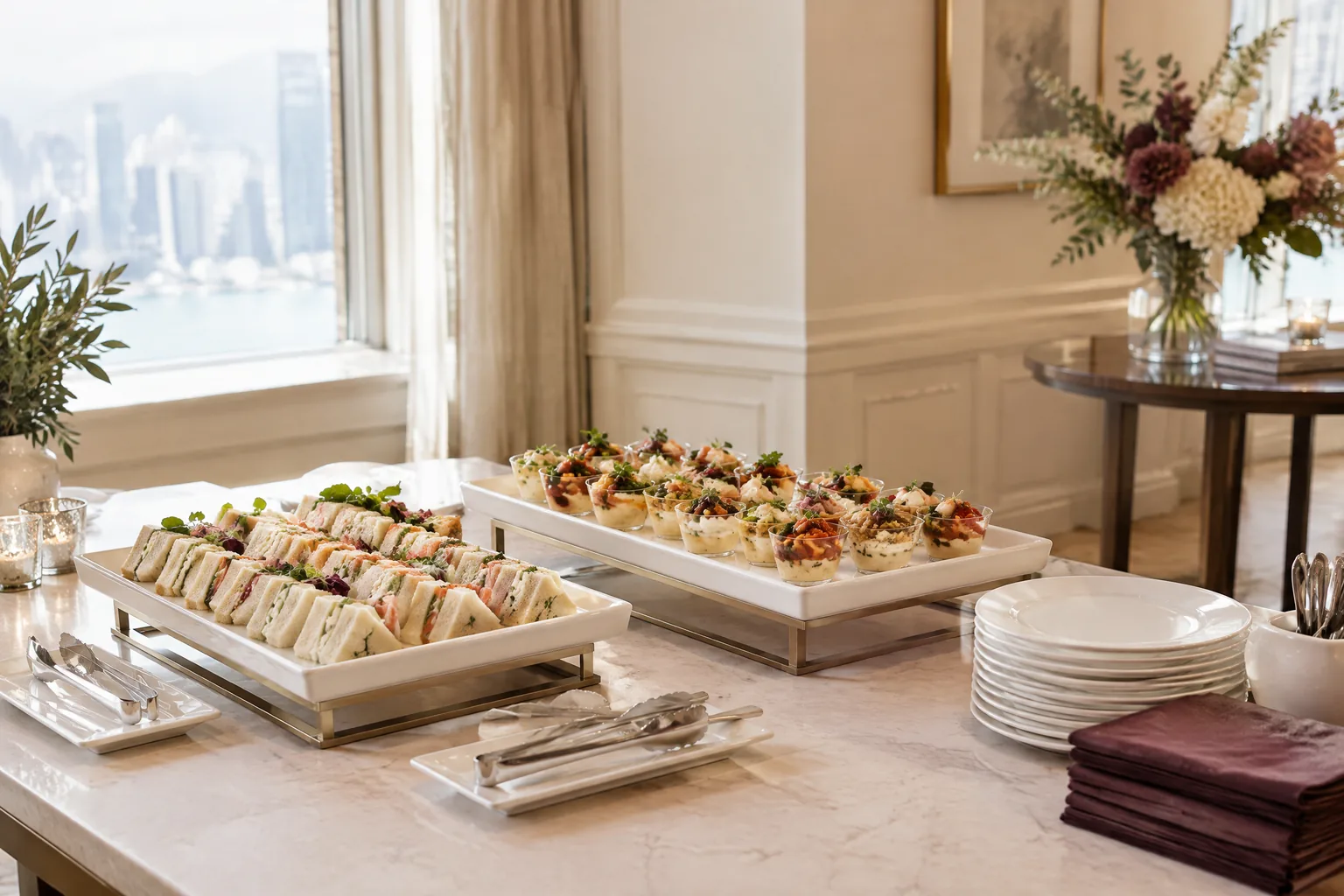
Create a date-by-date rota with three distinct responses: in the office and requesting lunch, in the office without lunch, or not attending. A colleague may bring food, leave for a client meeting or work through a different break. Do not order merely because their name appears on a seating plan. Use one response per person per date so a colleague belonging to both former teams is not counted twice.
Collect intended attendance for the week, then make the order cut-off visible. Base that cut-off on the supplier's confirmed requirement and the administrator's time to reconcile replies, not on an assumed industry deadline. Explain that a calendar edit is not a lunch cancellation. Once the supplier has accepted the quantity, later attendance changes must be recorded separately until the supplier confirms any adjustment.
Preserve the version actually submitted, with its date, meal totals and confirmation status. Keep a change column beside it rather than overwriting the original figures. This lets the receiving colleague distinguish a missing delivery from a box ordered for someone who subsequently stayed home. It also allows finance to reconcile the bill against accepted orders instead of the latest, smaller attendance list.
Give the week a realistic mix. Include the team's normal overlap day and a quieter day if both would be part of the proposed arrangement. Add visitors only when a named host confirms their meal requirement. Do not manufacture a full office merely to make the test look successful. If the quieter day's quantity does not fit the supplier's confirmed terms, try fewer ordering days rather than adding unwanted meals.
| Record | Keep distinct from | Decision it helps make |
|---|---|---|
| Diners requesting lunch on that date | Everyone expected in the office | Whether the day's demand supports an order |
| Supplier-confirmed meal quantities | Later requests or absences | Whether the receipt and invoice match the accepted order |
| Arrival and collection-ready times | The planned eating time | Whether the internal handover needs changing |
| Claimed and unused meals | Meals merely delivered | Whether the rota or a planned spare allowance is working |
| Private exceptions and their resolution | Public taste comments | Whether meal allocation needs individual follow-up |
Choose meals that colleagues can identify individually
Test the allocation method as well as the portion
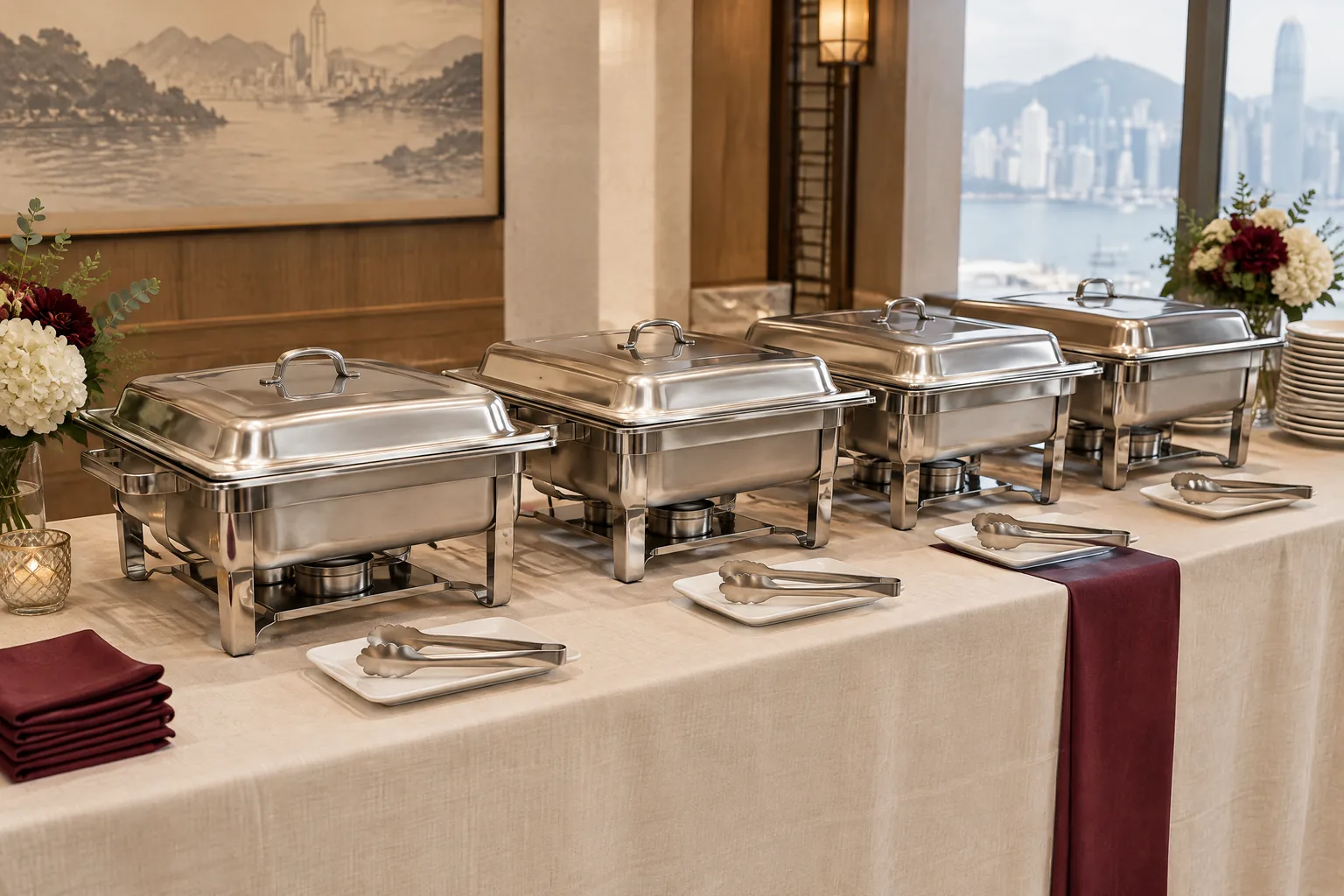
Individually allocated meals make a first trial easier to reconcile when breaks are staggered. Ask how the supplier can identify meal types and whether your office needs to add its own collection codes. Use a short code that matches the private allocation list. A code should help the correct person collect the correct meal; it should not advertise an employee's medical condition or religious practice to the room.
The Bento Box Catering page offers a starting point for looking at compartment-style individual lunches. Compare practical details such as opening the box on a small pantry table, carrying it to a desk and disposing of the packaging. Check the actual proposed meal and included utensils with the supplier. A photograph of a neat box does not establish the portion size, labelling method or contents of your confirmed order.
Keep the initial choice manageable without forcing everyone into one meal. Offer a limited set that the supplier can confirm, with a route for unresolved dietary needs. Colleagues should choose a specific meal rather than a broad cuisine preference. Record whether the selected portion felt sufficient at their normal lunchtime. Avoid adding extra dishes midway through the trial just to improve ratings, as that changes both the cost and collection task.
If a shared meal better suits the office, test it only when people can eat together and somebody can manage serving. Check who supplies serving utensils, clears the table and handles food waiting between breaks. An office with no suitable communal surface may prefer individual boxes even when sharing dishes are appealing. Conversely, a stable team with one lunch break may find individual allocation unnecessary.
Agree the reception handoff with a backup colleague
Arrival and availability to eat are different times
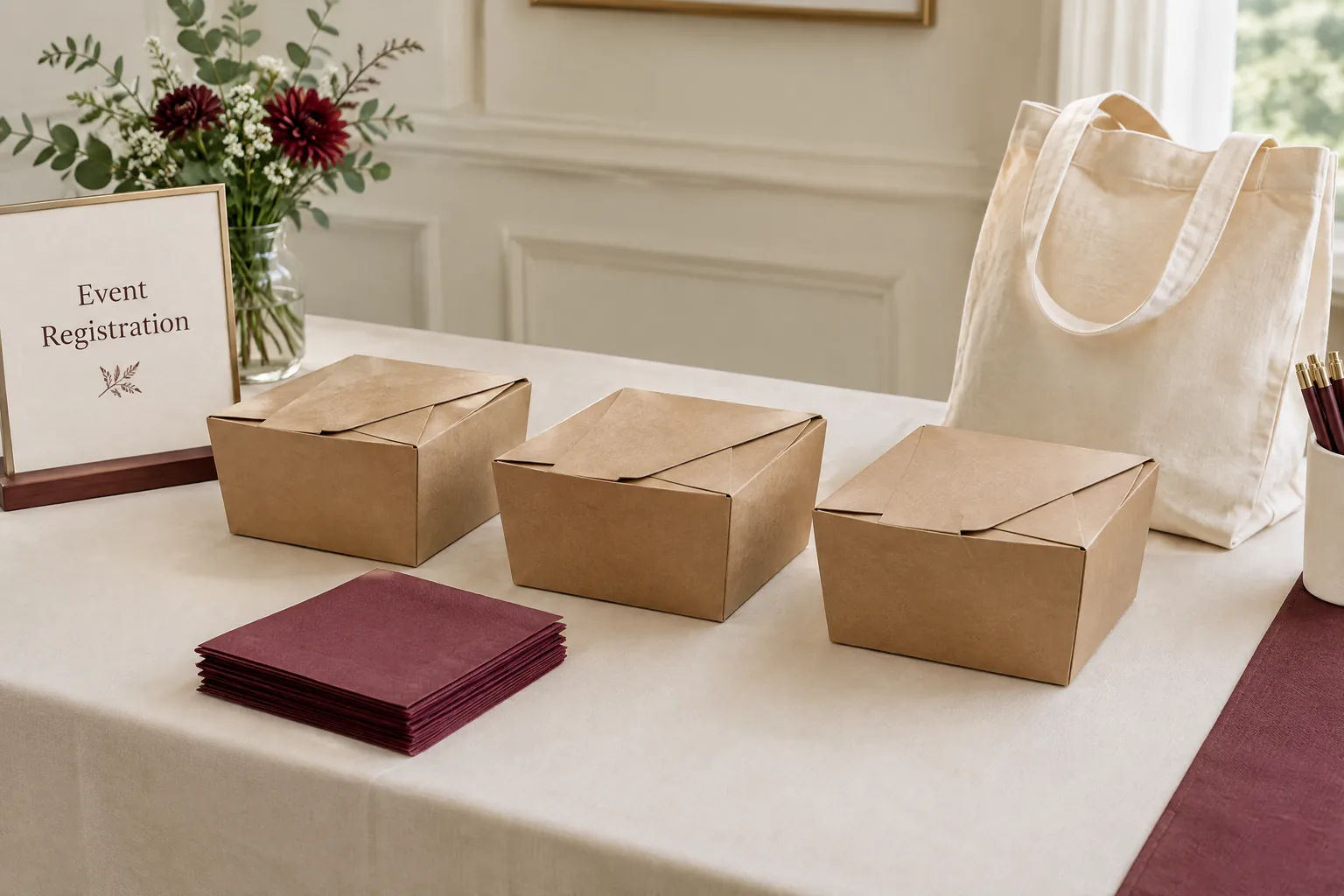
Ask building management where the handover may take place and what access instructions a courier needs. A tower lobby, loading area and office reception are not interchangeable. Confirm the permitted point with the supplier and name a receiving colleague for each day. Give that person the expected quantities and meal types, but not the whole dietary form. Reception should not discover the arrangement when someone arrives carrying lunch.
Choose a backup who can answer while the primary receiver is away from the desk. Decide who moves the meals from the handover point to the pantry and who tells colleagues collection is open. Record arrival and collection-ready times separately. A delay between them may reveal a lift queue or an internal handling problem rather than a supplier delay. Keep the feedback factual so the right person can fix it.
Hong Kong's Centre for Food Safety advises keeping hot delivered food above 60°C and cold food at or below 4°C. It also advises checking delivered food's temperature, container integrity and hygiene condition. Agree an appropriate receiving check and holding arrangement with the supplier before the week begins. An air-conditioned reception counter is not a substitute for controlled hot or cold storage, and a sealed lid is not proof of an acceptable holding history.[1]
Count the boxes by confirmed meal type before releasing them for collection, without opening everyone's meal. Note damaged packaging or missing identification and contact the supplier about discrepancies promptly. If an affected meal cannot be identified, do not guess from its appearance. Keep it out of collection while the issue is resolved, and have an alternative lunch route so the affected colleague is not left waiting indefinitely.

Collect voluntary dietary requests privately
Ask for a usable meal requirement, not a personal history
Let colleagues opt into the meal trial and raise dietary requirements through a private form or named administrator. Ask which requirement affects the proposed meal and what needs clarification with the supplier. Do not request a diagnosis, proof of religion or an explanation in the team chat. Someone who prefers not to disclose a requirement should be able to decline the food without having to defend that decision publicly.
The Privacy Commissioner for Personal Data explains that employers should collect adequate but not excessive information for a lawful purpose related to their activity. Employees should be told whether supplying data is voluntary or obligatory, how it will be used and who may receive it. The Commissioner also explains that internal disclosure of employment data should be on a need-to-know basis. For this trial, tell colleagues who handles the request and what meal information will reach the supplier.[2]
Keep the collection list separate from private follow-up notes. The public-facing list needs only a collection code and meal allocation, while the administrator may need the supplier's answer to a specific ingredient question. PCPD's general principles also say personal data should not be kept longer than necessary and should be protected against unauthorised access. Review which individual notes remain needed when the pilot ends, instead of leaving them in a shared folder indefinitely.[3]
Treat vegan, halal or gluten-free as a request needing confirmation, not as a certification or allergen-free guarantee. Ask about the actual meal, ingredients and relevant preparation concerns; let the colleague decide whether the written response meets their needs. Do not quietly switch their meal because a standard option is unavailable. If a requirement remains unresolved, arrange an agreed alternative rather than ordering a box that merely sounds suitable.
Plan for absences and colleagues who eat late
Do not make spare boxes everybody's fallback
An absence after confirmation creates an unused meal, not necessarily a cancellable order. Record when the colleague notified you and whether the supplier accepted a change. Tell participants how company-funded or employee-paid unused meals will be handled under the agreed trial policy. If reassignment is allowed, check the meal allocation and dietary suitability with the new recipient; do not treat every spare box as interchangeable.
For late eaters, the CFS explains that time in the temperature danger zone is cumulative across handling, storage and transport. Its delivered-food guidance says prepared food held at room temperature for less than two hours may be refrigerated for later use, while food held there for more than four hours should be discarded. Your reception timestamp does not reveal the whole history. When earlier uncontrolled holding is uncertain, the CFS advises consuming delivered food as soon as possible; do not promise that a box left on a desk will still suit an afternoon break.[4]
Before including colleagues with later breaks, check whether the office has appropriate storage and instructions for the proposed meal. Establish who moves their boxes there and how collection remains identifiable. Do not assume chilling or reheating can correct an unknown earlier history. If the office cannot support the required arrangement, exclude that timing from this order and help those colleagues choose a separate lunch option.
Set out a simple exception route for an unexpected return to the office. The administrator can check whether an unclaimed, suitable meal is genuinely available, but should not promise one in advance. Otherwise, the colleague uses their usual lunch option. Keep any planned spare allowance separate from confirmed diners and record whether it was used. Repeatedly ordering extras can hide an attendance problem instead of solving it.

Evaluate the week before extending the order
A smaller recurring arrangement may be the better result
Ask participants a few concrete questions after they have eaten: was the selected meal correct, was the portion suitable, could they collect it during their break and would they choose that meal again? Give the receiving colleague a separate space to report handover issues. Anonymous taste comments can be useful, but missing-meal problems need a private follow-up channel so someone can actually investigate them.
At the review, compare days rather than averaging away the differences. Check confirmed, received and claimed meals alongside the administrator's time and total actual cost. Include agreed delivery charges, packaging extras or other quoted items in that cost rather than comparing food prices alone. Record why meals went unused. One exceptional absence is different from a quiet day that predictably attracts too few diners for the proposed order.
If the trial works, use the Office Lunch Delivery page to frame questions about a repeat arrangement. Ask how the weekly quantities would be confirmed, what happens to holiday weeks and whether menu substitutions need fresh approval. Get the agreed cut-offs, billing basis and pause process in writing. Do not assume the first week's quotation or a daily-order service description creates an automatic long-term agreement.
Choose among continuing on suitable days, revising the trial or stopping. A second trial should address a named issue, such as an unreliable collection rota or insufficient storage, rather than repeat the same week hoping for better results. Carry forward only dietary requests that colleagues still want used. Assign the continuing administrator and backup before approving more dates, so the recurring order does not depend on one person's goodwill.
| Observed pattern | Reasonable next choice | Confirm before proceeding |
|---|---|---|
| Accurate counts and workable handovers on normal ordering days | Continue for a defined review period | Responsible colleagues, pause rules and written order terms |
| Overlap day works, quiet days produce unwanted meals | Order only on the useful day or days | Supplier terms for those quantities and dates |
| Meals are popular but access or allocation repeatedly fails | Revise the specific process and test again | A named fix and a short new trial |
| Later breaks cannot be supported by appropriate holding | Use a separate lunch arrangement for that timing | An alternative agreed with affected colleagues |
| Dietary questions or recurring quantities remain unresolved | Do not extend the affected order yet | Written answers and a workable alternative |

- Set the pilot dates, end date, purpose and decision owner before ordering.
- Collect a separate meal opt-in for each person and each lunch date.
- Save the submitted quantities and supplier confirmation before logging later changes.
- Resolve private dietary questions against the actual proposed meals.
- Confirm the building-approved handover point, daily receiver and backup.
- Agree appropriate food holding and an alternative for unsupported late breaks.
- Review claimed meals, actual cost and staff time before authorising more dates.
The useful outcome is a lunch routine that matches the office's real week. Keep participation separate from attendance, preserve confirmed order quantities and make receiving duties visible. Treat dietary questions and later breaks as matters to resolve before serving, not exceptions to improvise afterwards. When those arrangements work, extend deliberately; when they do not, change the specific problem or keep the order to fewer days.
Should every member of the combined office join the pilot?
No. Invite everyone to respond, but count only people who request a meal on each date. Include the work patterns that a recurring arrangement would need to support, without forcing participation. If one team is not represented because its breaks or attendance differ, record that limitation. A successful lunch for one group does not automatically demonstrate a workable arrangement for the whole office.
Can we change the lunch count whenever the attendance calendar changes?
Use calendar changes to trigger a check, not to amend an accepted order silently. Record the original submitted quantity and the later change. Ask the supplier whether the adjustment is still possible under your confirmed terms, then update the order status once they reply. The receiving colleague needs to know which quantity to expect, even if the live attendance total has fallen.
What should we do when a colleague has not answered the dietary question?
Do not interpret silence as confirmation that any meal will suit them. Ask privately whether they want the proposed meal, need a specific question checked or prefer not to participate. Avoid repeatedly seeking personal explanations. Where the meal's suitability cannot be established in time, agree an alternative with the colleague rather than assigning a general box and hoping it is acceptable.
Does a one-week trial prove that a monthly standing order will work?
It can reveal practical problems, but it cannot represent every holiday, meeting pattern or menu change. Use a successful week to approve a defined next period with a review date, not an indefinite commitment. Confirm how quantities are submitted, how orders pause and who covers the administrator's absence. Keep checking the quiet days, since they may behave differently once the novelty has passed.
Who should own the pilot if reception already has a full workload?
Give order administration to a named coordinator and allocate receiving duties separately. Reception may provide the building contact without being responsible for counting boxes, transporting meals and chasing late collectors. Put the actual tasks into the week's rota with a backup for each handover. If nobody has time to carry them out, simplify the arrangement before placing the trial order.
Prepare your one-week rota and handover plan, then ask the chosen meal supplier to confirm the proposed meals, quantities, dates and change terms in writing before placing the pilot order.
Sources & supported claims
- Centre for Food Safety: Control for Safe Delivered Foods
Hot delivered food should be kept above 60°C and cold food at or below 4°C; consumers should check temperature, container integrity and hygiene condition.
- PCPD Case 2024E03: A school collecting and using teachers’ travel information
Employer collection should be adequate but not excessive for a related lawful purpose; employees should be informed about voluntary or obligatory supply, use and transfer classes; internal employment-data disclosure should be need-to-know.
- PCPD: The Ordinance at a Glance
DPP2 says personal data should not be kept longer than necessary, and DPP4 requires practicable protection against unauthorised or accidental access.
- Centre for Food Safety: Control for Safe Delivered Foods
Danger-zone holding time is cumulative across handling, storage and transportation; prepared food at room temperature for less than two hours may be refrigerated, food held there for more than four hours should be discarded, and prompt consumption is advised when prior uncontrolled holding is uncertain.