
Flowers & thoughtful arrangements
Content updated
On this page
- Find out how your partner feels about an audience
- Let Valentine's Day remain a gift, not a deadline
- Choose dimensions before a symbolic stem count
- Give the flowers somewhere to rest
- Keep a discreet handover honest and practical
- Ask separately about recording and sharing
- Make a pause or a no possible without a performance
- Questions & answers
- Sources & supported claims
Proposal bouquet etiquette: romance without public pressure
Good proposal bouquet etiquette starts by making sure your partner wants the kind of attention you are planning. Discuss marriage and their comfort with an audience before arranging flowers, even if the exact date stays a surprise. Near Valentine's Day, separate a romantic gift from a request for commitment. Choose flowers they can comfortably carry, keep cameras optional and leave room for an answer that is not an immediate yes.
A bouquet should accompany the question, not make it harder to answer. Plan the audience before the flowers, decide who will handle them and agree what may be recorded or shared. A private conversation followed by an optional celebration can still feel special. If marriage readiness or comfort with public attention is unclear, keep the holiday gift separate and postpone the proposal.
Find out how your partner feels about an audience
Agreement about marriage is different from agreement about a public moment.
Start with an ordinary conversation rather than a disguised test. Ask whether your partner would prefer a proposal alone, with a few familiar people or somewhere other people might notice. Discuss marriage itself too: whether you both want it and whether the timing feels right. Enjoying another couple's proposal video does not tell you what they would want for themselves. If you have never talked about getting married, a large floral reveal is not a substitute for that conversation.
The relationship resource love is respect says partners should be comfortable expressing their wants, fears and limits without fearing the other person's response. Applied here, a preference for privacy should be enough to change the plan. Do not ask friends to persuade your partner that a bigger gesture would be more romantic. Nor should you keep asking until a reluctant answer sounds agreeable. You can preserve surprise about the flowers while being open about the setting.[1]
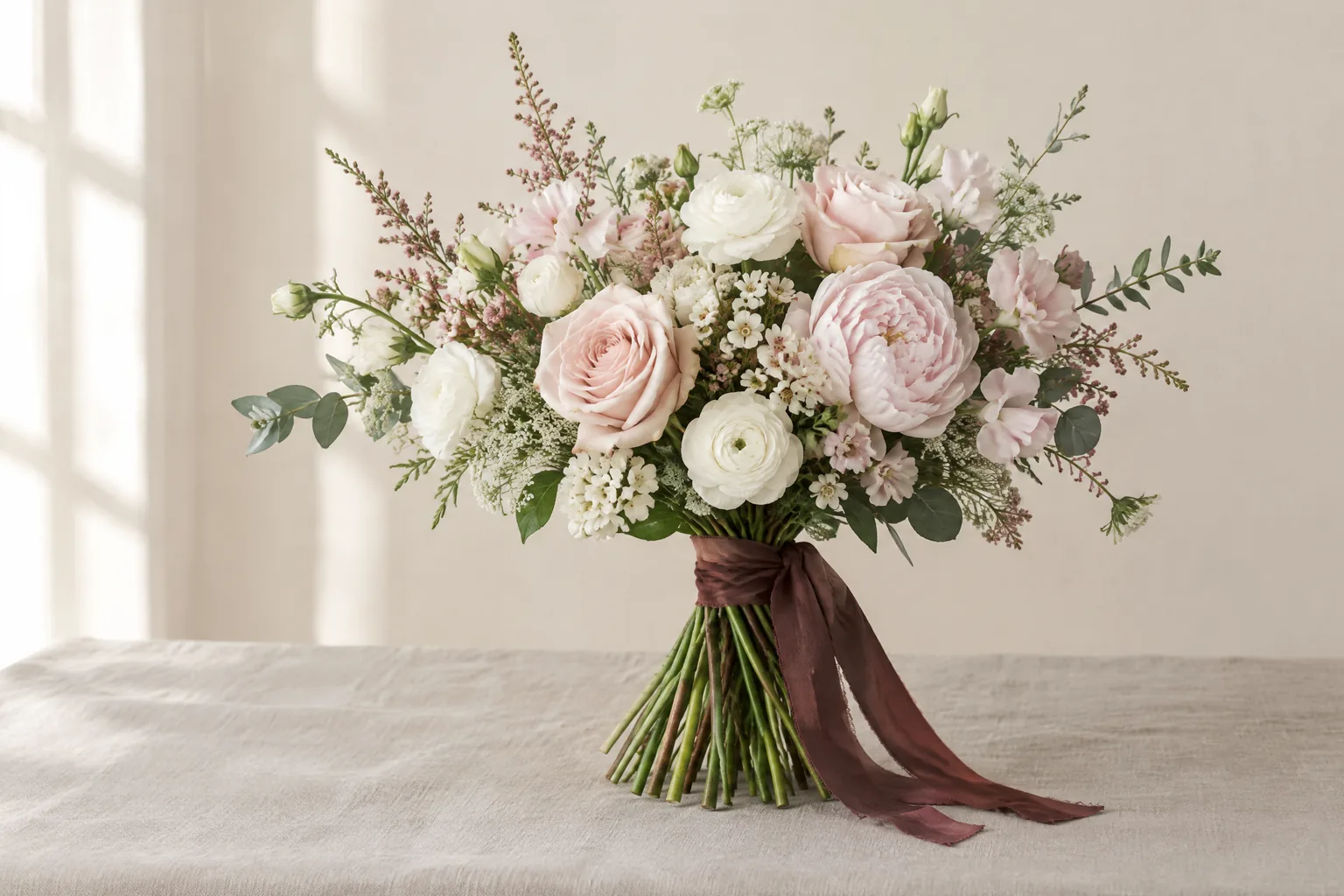
Only after that conversation should you compare a proposal bouquet for its colours and presentation. The linked catalogue can help you describe a style; it cannot establish what your partner will welcome. Write your audience limit into your own plan before contacting anyone: for example, just the two of you, no gathering outside and no surprise call to family. A person may welcome the marriage question and still dislike applause, strangers watching or relatives waiting for an answer.
| What your partner has said | A fitting flower handover | What to leave out |
|---|---|---|
| They want the question kept private | Give manageable flowers when the two of you can talk comfortably | An audience waiting nearby or a surprise recording |
| They welcome a few named people | Ask privately first, then offer the agreed celebration | Extra guests or family calls added without discussion |
| They enjoy public gestures but have not discussed marriage | Keep the holiday flowers as an ordinary gift and talk about marriage separately | Using applause to test marriage readiness |
| Their preference is unclear | Ask about the setting before ordering flowers | Treating silence or liking a video as permission |
Let Valentine's Day remain a gift, not a deadline
A calendar occasion should not decide whether someone is ready to marry.
Ask yourself why you have chosen this date. A shared anniversary of meeting may have personal meaning; a holiday can also be convenient. Neither makes a proposal necessary. If the attraction is mainly an impressive reveal on a romantic evening, consider celebrating the day without asking the marriage question. Your partner should not have to decide about your future while wondering whether declining will spoil an expensive dinner or disappoint people who helped arrange it.
If you are choosing a Valentine's Day bouquet, decide whether its message is simply affection or whether it will accompany a separately considered proposal. The holiday collection is a reference for style, not evidence that a particular flower quantity is expected. Keep the card appropriate to the decision you have actually made. A warm personal note can stand on its own; avoid wording that announces an engagement before your partner has been asked.
Set a spending limit that you can accept regardless of the answer. Do not describe the order cost, preparation time or sacrifices as reasons your partner should agree. If a florist cannot confirm your preferred arrangement for the requested date, simplify the flowers or move the occasion. Do not make the relationship decision follow an ordering deadline. When readiness is uncertain, a normal Valentine's gift and a later conversation are a complete plan, not a failed version of one.
Choose dimensions before a symbolic stem count
The useful question is what your partner can hold and take home.
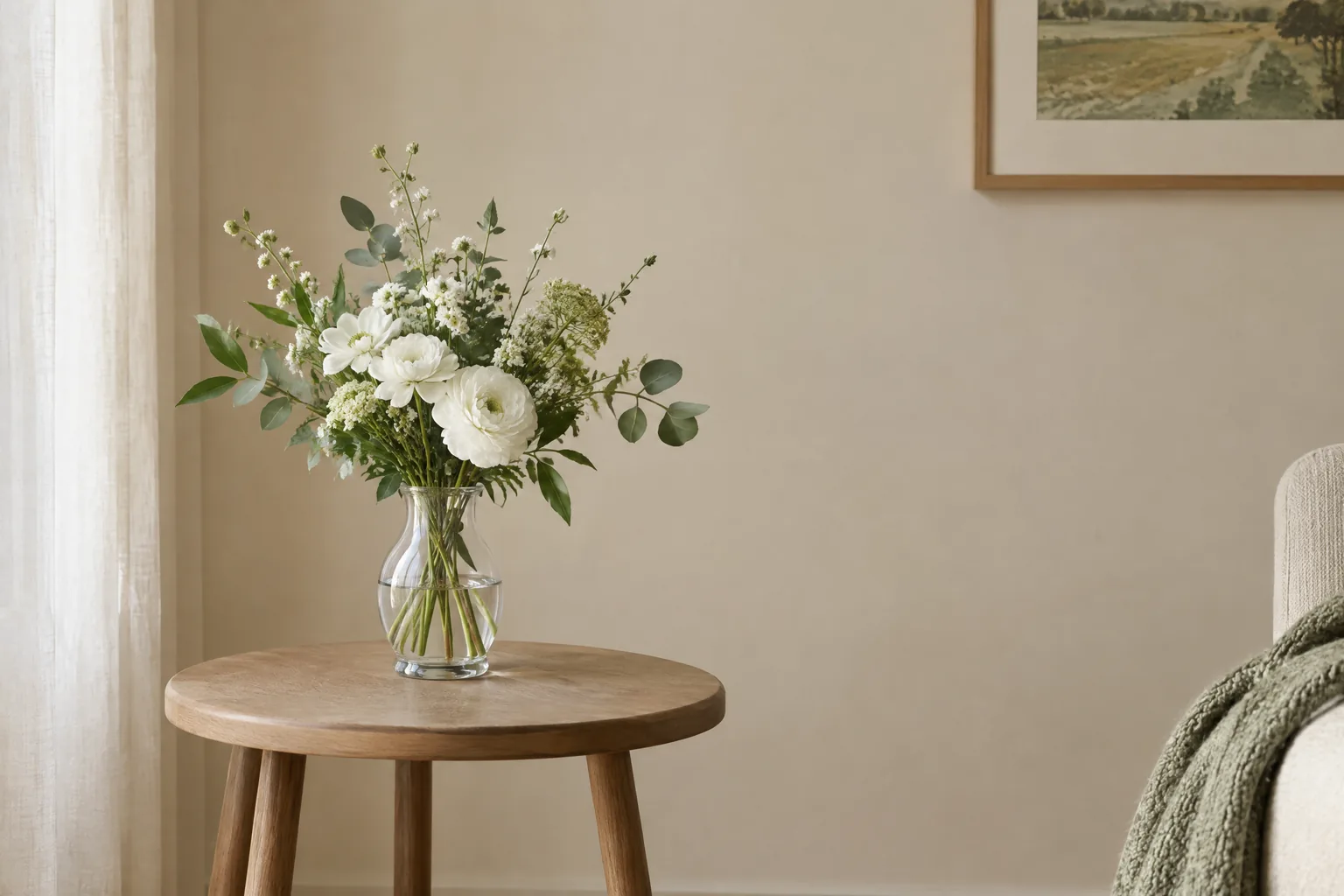
When comparing a rose bouquet, ask for its approximate finished width and height, including the wrapping, rather than choosing from stem count alone. Also ask about weight, grip thickness and any water-containing packaging. Explain who will carry it and how far they will travel. A reference photograph without scale may not show whether the flowers fit comfortably beside a restaurant chair or through your doorway. Ask for measurements for the particular design under discussion, not an assumed standard size.
Use your partner's actual preferences to narrow the brief. If they like pale colours or a simple outline, there is no reason to replace that with red flowers merely because you are proposing. Do not treat online number meanings as a code they must understand. Explain a personal association in the card if it matters to you. Affection does not increase with stem quantity, and a compact arrangement can leave more room for conversation than one that obscures your faces.
Give the florist boundaries for substitutions as well as a reference image. You might prioritise a compact outline and a particular colour family over a named variety. If scent, pollen or a disliked flower matters to your partner, ask what is included and what changes are possible; do not assume a style name answers those questions. Request care and transport instructions for the confirmed arrangement. Availability, dimensions and finishing should be checked for your enquiry rather than inferred from a photograph.
Give the flowers somewhere to rest
Your partner should not have to hold a large gift throughout the conversation.
Picture the handover in ordinary physical terms. If one person holds flowers and the other holds a ring box, who can open a door, move a chair or put down a bag? Choose a nearby surface or ask whether the venue can provide an appropriate place for the flowers. Do not assume a wrapped arrangement can stand unsupported. Confirm with the florist how it may be set down, and keep the route to seats and exits clear.
At a restaurant, ask about the actual table and permitted storage before committing to the size. A private booking does not automatically include space for floral staging or staff involvement. Avoid leaving flowers where they obstruct service, crowd another table or must be balanced beside glasses. If the venue cannot accommodate them comfortably, give them at home before or after dinner instead. The meal can remain a date without becoming the only possible location for the question.
Plan the journey home as carefully as the arrival. Allow for a handbag, coat and umbrella, and do not assign the bouquet to your partner for an entire evening simply because it is their gift. Offer to carry it. If your plan involves changing transport or walking between venues, a smaller arrangement may be the better choice. Check that there is a suitable place to display it at home; a gift should not create an urgent search for a container.
Keep a discreet handover honest and practical
Limit the information shared, without hiding details needed for an authorised delivery.
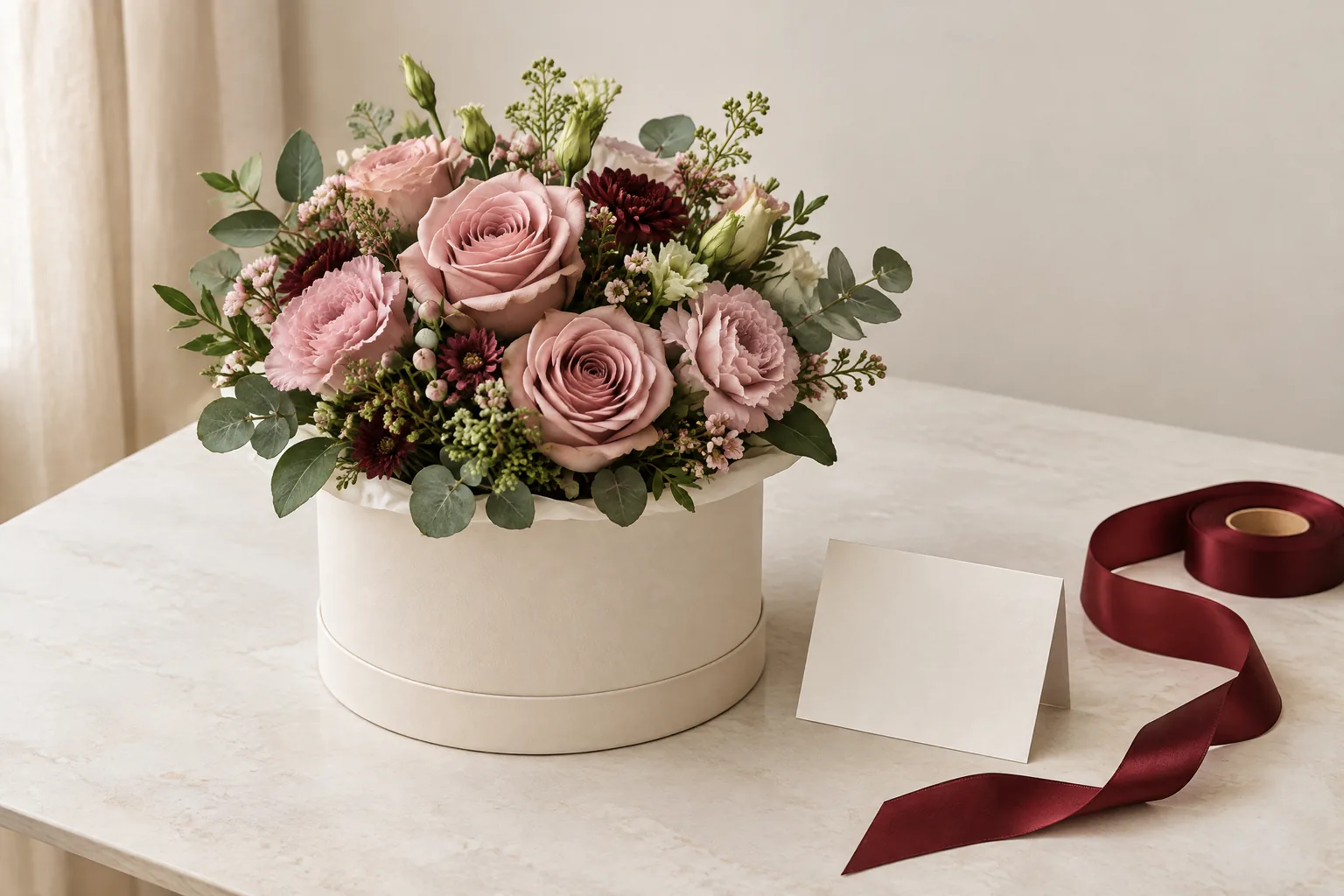
Agree who is allowed to receive the flowers and who should be contacted if the handover fails. Give the florist accurate delivery information and the venue's confirmed instructions. You can ask for a plain outer label and a private card, but do not invent a recipient name or ask staff to conceal information they need to do their job. If discretion cannot be arranged within the available process, collecting the flowers yourself may suit your plan better.
Tell any helpers exactly what they must not do. A friend holding the flowers should not summon other people, start a video call or reveal the plan through a group chat. Restaurant staff should not be expected to announce an engagement or prompt diners to cheer. Ask whether they can support a quiet handover, and accept a refusal. Keep the number of helpers small enough that you can change or cancel the plan without creating a public explanation.
Build in a way to continue the evening if the flowers arrive late or the setting feels wrong. That might mean leaving the gift for another day and enjoying dinner as planned. Do not require your partner to remain at a table while everyone waits for a reveal. Before ordering, ask about the arrangements that actually apply to your request, including changes and collection. No catalogue page alone confirms a delivery time or a discreet handover.
Ask separately about recording and sharing
Wanting a memory does not mean wanting an audience online.
Hong Kong's Privacy Commissioner warns that tagging people can share their personal data without their knowledge or consent. The Commissioner also notes that even narrowly shared information can be forwarded widely once it leaves a device. For a proposal, that is a practical reason to agree on publication rather than treating a private group as automatically harmless. A happy answer does not tell you whether your partner wants their face, voice, location or immediate reaction posted.[2]
Before the day, ask whether your partner would want the moment recorded at all. Then distinguish keeping a recording privately from sending it to family or publishing it. Do not hide a camera because you think they will appreciate the result later. If you are unsure, leave the question unrecorded and offer to take a photograph together afterwards. You can choose the frame and decide about sharing when neither person is trying to answer a life-changing question.
Brief anyone involved not to upload, tag, livestream or send previews on their own initiative. If a recording has been agreed, arrange a clear way to stop it and allow your partner to change their mind. Afterwards, look at any proposed post together, including its caption and audience. If either of you wants it kept private, keep it private. Avoid announcing the news to family on someone else's behalf before the two of you have agreed how to tell them.
Make a pause or a no possible without a performance
A considerate plan works even when the answer needs time.
Choose a place where you can speak comfortably and leave independently if either person wants space. Private need not mean isolated or difficult to get away from. Keep the question simple and avoid asking helpers to wait just out of sight for a signal. A prepared speech should say why you want to marry, not why your partner owes you an answer. Put the flowers down if holding them makes the conversation awkward or physically uncomfortable.
If your partner hesitates, stop adding persuasion. You can say, 'You do not need to answer now,' and mean it. Ask whether they would like to keep talking, change the subject or have some time alone. Do not request a temporary yes for the camera or suggest they wear the ring until you get home. Accepting the flowers is not accepting marriage, and declining the flowers is also an option. Keep any follow-up conversation away from an audience.
Handle helpers and practical arrangements yourself rather than asking your partner to explain. A neutral message that plans have changed is enough for anyone waiting. Do not post about the answer, send an emotional account to a shared group or ask relatives to intervene. Later, discuss what the response means for your relationship when both of you are ready. Flowers can remain a gesture of care only if they are not used as evidence that a different answer was deserved.
- Discuss marriage readiness and the exact level of public attention your partner welcomes.
- Keep Valentine's gifting separate if the proposal timing is not mutually comfortable.
- Confirm finished dimensions, grip, weight and substitution priorities with the florist.
- Arrange somewhere for the flowers to rest and someone to carry them home.
- Confirm an authorised recipient, contact person and venue-approved handover.
- Agree recording and sharing separately, with a plan that allows a pause or cancellation.
Choose the setting before the stem count. The thoughtful version is the one your partner can enjoy without performing for strangers, family or a camera. Keep the gift manageable, take responsibility for the practical arrangements and accept that a proposal may need time or receive a no. Flowers should express what you feel, not decide what your partner must say.
Can the proposal still be a surprise if we discuss it first?
Yes. You can agree that marriage is wanted and talk about privacy without revealing the exact day, words or flowers. Surprise can come from a personal detail rather than uncertainty about whether the question itself is welcome. If your partner asks for no surprises, honour that preference too.
Should I give the flowers before asking the question?
Either order can work. Giving them first allows your partner to enjoy the gift before the conversation, provided there is somewhere to put them down. Giving them afterwards avoids occupying their hands. Do not make accepting or keeping the flowers conditional on a yes.
What if my partner has mentioned wanting a huge arrangement?
Take that preference seriously, but check what they mean and whether they want it in public. Discuss the carrying and display implications without judging their taste. A large design can be presented at home if that better matches the desired privacy and available space. Confirm its actual dimensions before ordering.
Is proposing at their workplace a good way to keep the evening free?
Not unless they have clearly welcomed that setting. A workplace can involve colleagues, reception procedures and little opportunity to step away. Keep work separate when you are unsure. Arrange the flowers for a personal meeting instead, without making colleagues responsible for a surprise or an answer.
Can we recreate the moment for a photograph afterwards?
Yes, if both of you want to. Agree what you would enjoy recreating and whether the resulting image is private or shareable. You do not need to repeat the question or manufacture a reaction. A relaxed photograph with the flowers can record the occasion without pretending to capture the original answer.
Talk about privacy and marriage readiness first. If flowers fit the plan, send the florist your size, carrying and handover requirements, then confirm the arrangement for your requested date.
Sources & supported claims
- How to set boundaries — love is respect
Partners should feel comfortable expressing wants, fears and limits without fearing the other person's response; relationship boundaries should be respected.
- Use of Social Media and Instant Messaging Apps – A Personal Data Privacy Perspective — PCPD, April 2021
Tagging may share others' personal data without their knowledge or consent, and even narrowly shared information can be forwarded widely once it leaves a device.