
Gifts & occasions
Content updated
On this page
A long-distance romantic gift that respects privacy and consent
A long-distance romantic gift can still be a surprise without arriving uninvited at your partner's workplace. Ask whether they welcome a parcel, where it may go and who may receive it; keep the chosen treats or personal note as the unknown part. If you live abroad and your partner is in Hong Kong, agree the receiving arrangements before ordering. A gift should fit their day, not require them to announce your relationship, clear fridge space unexpectedly or perform gratitude in front of colleagues.
Separate permission to receive a gift from permission to make it public. A quiet home handoff may suit one person, while another prefers to choose a date or decline altogether. Confirm the practical limits first, then select something manageable within them. Leave room for a changed answer, a delayed delivery and a response that does not involve a photograph or immediate video call.
Check how private the gesture should be
A welcome gift does not automatically mean a welcome audience
Start with a question your partner can answer without guessing the entire plan: 'I'd like to send you a small gift. Would that be nice this month, and would you prefer it at home?' Offer a genuine alternative such as choosing together later. Asking only 'Are you at work on Friday?' hides the decision they need to make. They may be available yet dislike a romantic parcel arriving where their manager or clients can see it.
The relationship support service love is respect explains that boundaries include what someone wants to keep private. It advises asking when a partner's boundaries are unclear and recognises their right to change those boundaries. Apply that guidance to the audience for your gesture. A public celebration they enjoyed last year is not a standing instruction for this year. A new job, shared flat or different relationship circumstances can make the same delivery feel very different.[1]
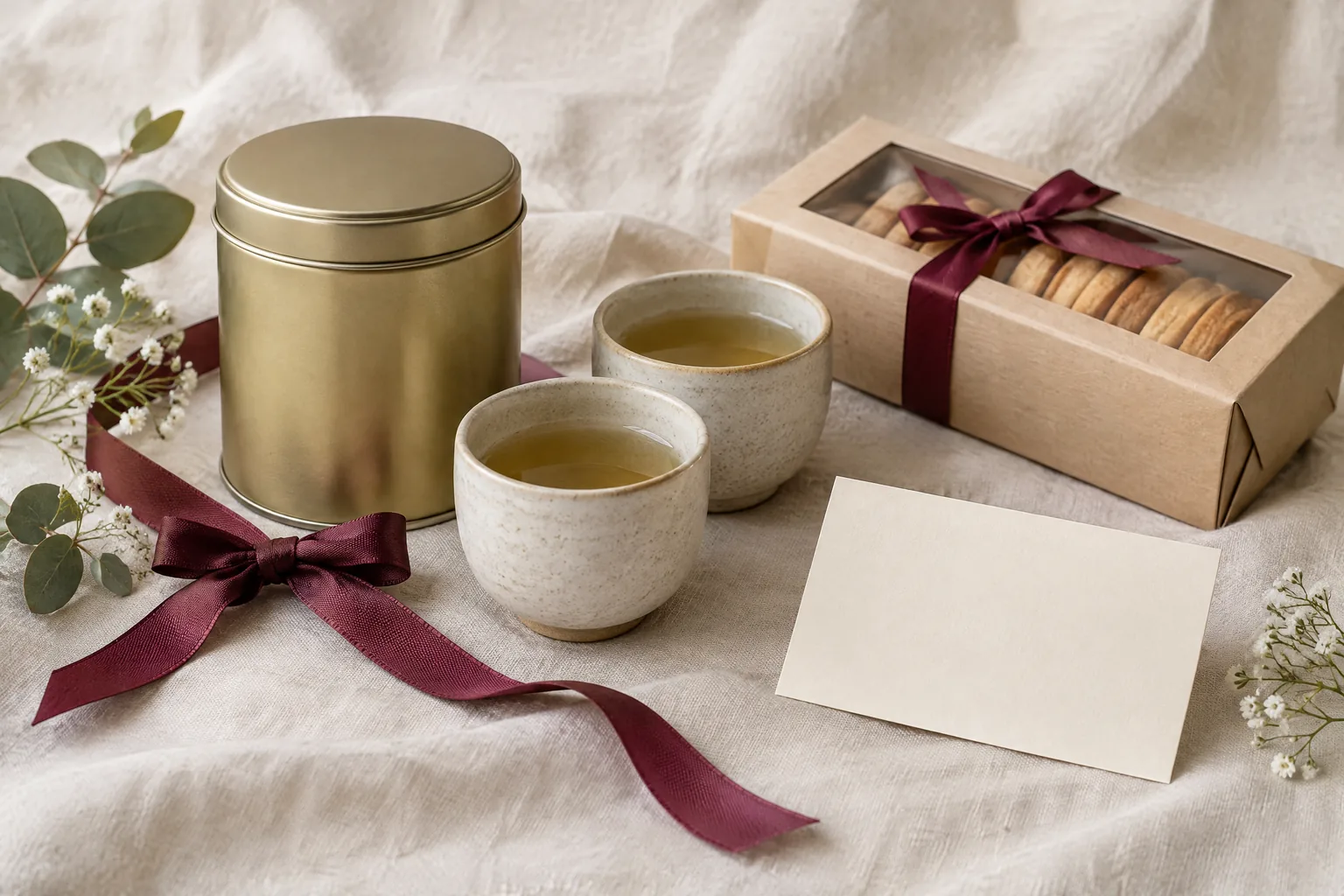
Browse Romantic gift hampers for presentation ideas only after deciding the level of visibility. A red theme or affectionate card may feel lovely in private but expose more than your partner wants at reception. Ask whether the outer wrapping should be discreet and whether the card can be enclosed rather than displayed. If plain packaging is essential, obtain the merchant's confirmation before proceeding. Do not assume a page photograph shows how the parcel will look during handoff.
| Arrangement | Confirm before ordering | Choose something else when |
|---|---|---|
| Private home handoff | Current address, household privacy, approved receiver and storage needs | Family visibility or building access conflicts with the agreed privacy |
| Workplace handoff | Partner's explicit preference, parcel policy and suitable reception procedure | The gesture would reveal the relationship or require an audience |
| Date agreed, contents unknown | A workable receiving window and permission for delivery contact | Your partner cannot commit to being available |
| No delivery for now | Whether a letter, call or later shared choice is welcome | Any alternative would ignore a clear request for space |

Ask for address consent
Knowing an address is different from agreeing to use it for this delivery
Use an address your partner confirms for this gift, not an old tenancy record or a location obtained from a colleague. Ask whether their name should appear in English or Chinese and whether the flat, floor and building details are current. If they live with family, home delivery may reveal the gesture just as publicly as an office parcel. Let them decide whether a household member can receive it; knowing that person's number does not make them an agreed intermediary.
Hong Kong's Privacy Commissioner states that, under the data collection principle, personal data collected should be necessary and adequate but not excessive for its purpose. For a gift enquiry, a useful practical approach is to share only the details needed for the agreed delivery. Do not attach screenshots of private conversations or explain a relationship disagreement to customer service. Ask how the recipient's contact details will be used. These are privacy-conscious planning choices, not a legal finding about your personal situation.[2]
You can preserve the contents as a surprise while saying that the merchant or courier may contact them about receiving a parcel. Do not supply a false number to prevent that call, or ask a friend to answer while pretending to be your partner. If your partner does not want their details passed to a merchant, stop the delivery plan. A personal message sent through your usual channel can mark the occasion without creating a new address-sharing arrangement.
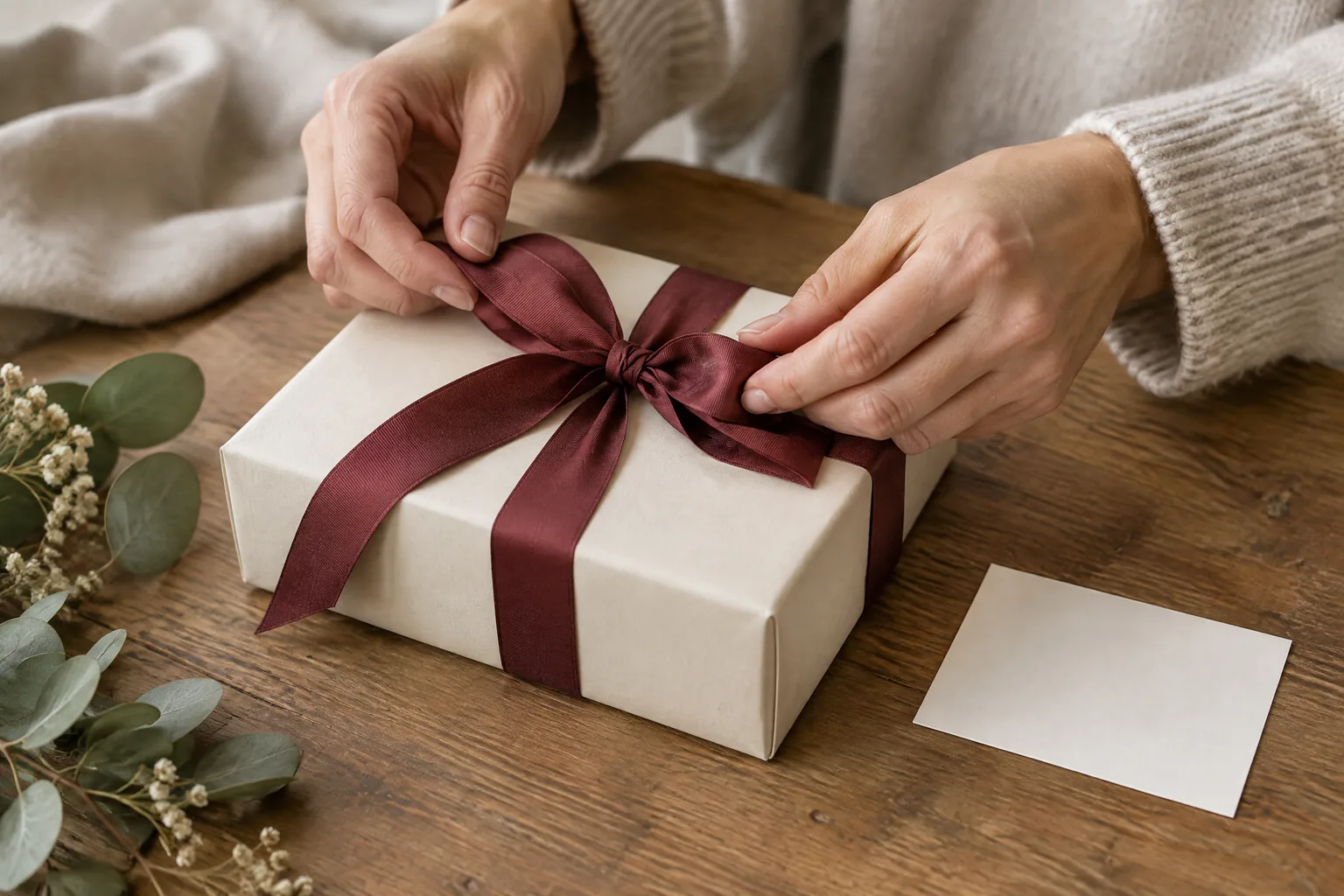
Choose a manageable hamper
Think about what happens after the doorbell
Use the Gift hamper page to explore a direction, then ask for the actual proposed contents and package dimensions. Choose for the person receiving it alone, rather than the size that looks most impressive on screen. A wide basket may be awkward on a bus journey after work; a glass bottle adds weight; a decorative container becomes something to store. Ask yourself whether your partner would enjoy the contents even without an unboxing photograph or a shared celebration that evening.
The Centre for Food Safety explains that, subject to exemptions, prepackaged food labels require an ingredient list and declarations of specified allergy-causing substances, including milk, peanuts and tree nuts. Ask for readable labels for the actual proposed products, not just a general hamper description. Check dates and any storage instructions too. A name such as vegan or gluten-free is not a certification or an allergen-free guarantee. Where suitability remains uncertain, choose a different item or a non-food gesture rather than asking your partner to test it.[3]
Check alcohol preferences without assuming romance calls for wine. Tea is not automatically welcome either, particularly if the recipient avoids caffeine. Ask whether food requiring refrigeration is practical on the chosen day and whether there is room for it. If the answer is unclear, do not add chilled treats merely because they look special. A small selection of confirmed favourites can feel more personal than a large assortment that needs sharing, sorting or explaining to everyone at home.
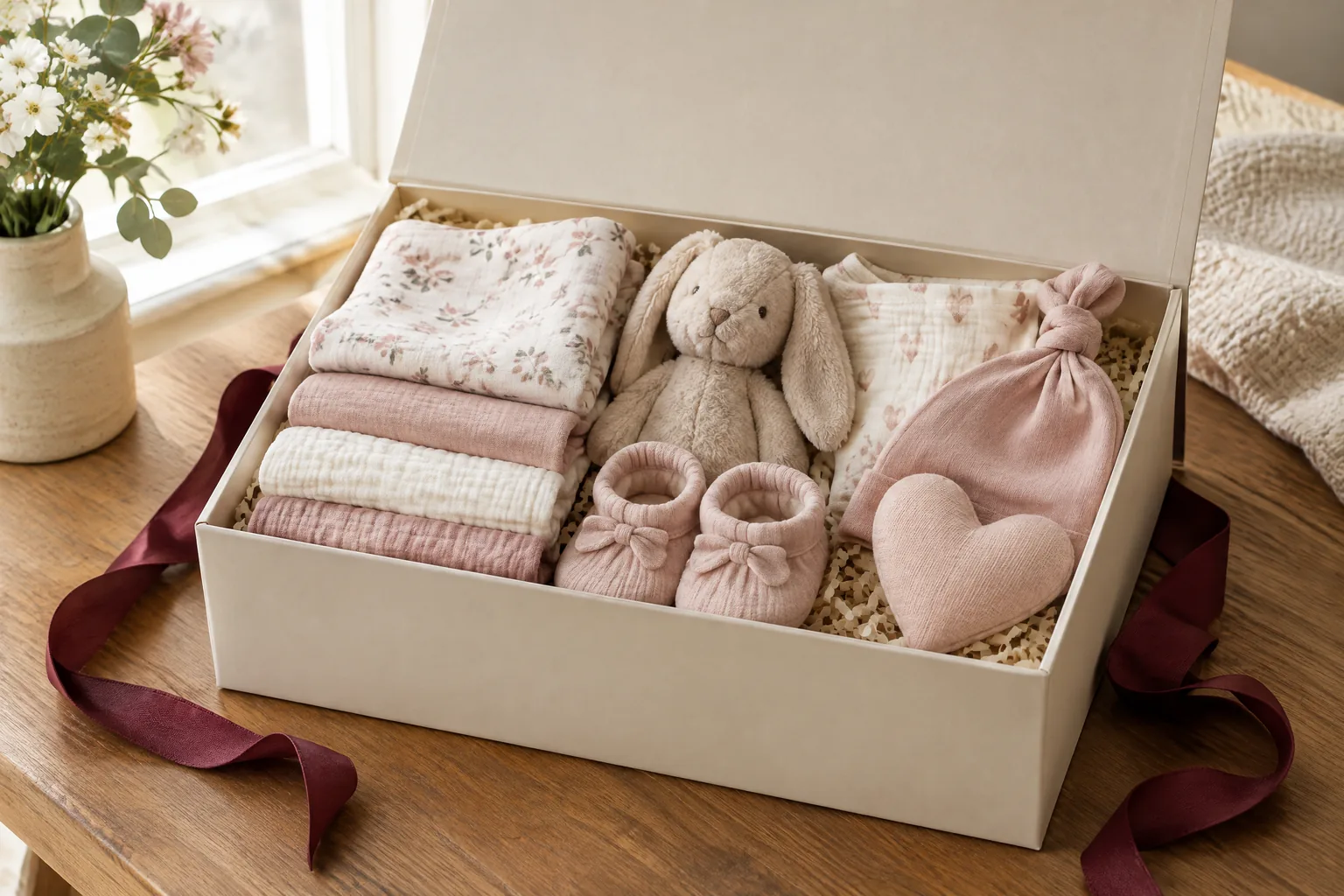
Set limits on bespoke changes
Personalisation should follow known preferences, not guesswork
Bespoke gift hampers can help you think about contents, containers and finishing touches, but a custom brief still needs clear limits. Divide your request into confirmed favourites, exclusions and details you may choose yourself. Your partner might approve chocolate and a small reusable box while leaving the colour to you. That gives you room to make a thoughtful surprise without guessing ingredients or sending a permanent keepsake they feel obliged to display. Discuss requested changes with the merchant rather than treating the guide as an accepted order.
Do not turn a private nickname into lettering visible to delivery staff or neighbours unless your partner welcomes that. A printed couple photograph also involves their image, not just your design preference. Ask before submitting it, and avoid using an image taken from a private chat simply because you have a copy. If you want an intimate message but would rather not share it with the supplier, send it yourself after the agreed handoff and request a neutral card with the parcel.
Put substitutions in writing. You may be happy for a ribbon colour to change but not for alcohol to replace a snack or for a different chocolate brand to introduce an uncertain ingredient. Ask when approval is needed and what happens if you cannot reply from abroad. State which changes require fresh confirmation and whether an unavailable item should be omitted, replaced after agreement or cause the order to pause. Those outcomes still depend on what the merchant can accept, including any charges.
| Requested change | Useful boundary | Action if unavailable |
|---|---|---|
| Ribbon or wrapping colour | Specify whether similar colours are acceptable | Use only an agreed alternative |
| Food brand or ingredients | Review actual labels and retain all exclusions | Pause for confirmation; do not assume equivalence |
| Alcohol addition | Include only if the recipient wants it | Do not substitute alcohol for another item |
| Photo or intimate card | Use only approved images and visibility | Choose a neutral card or send the message privately |
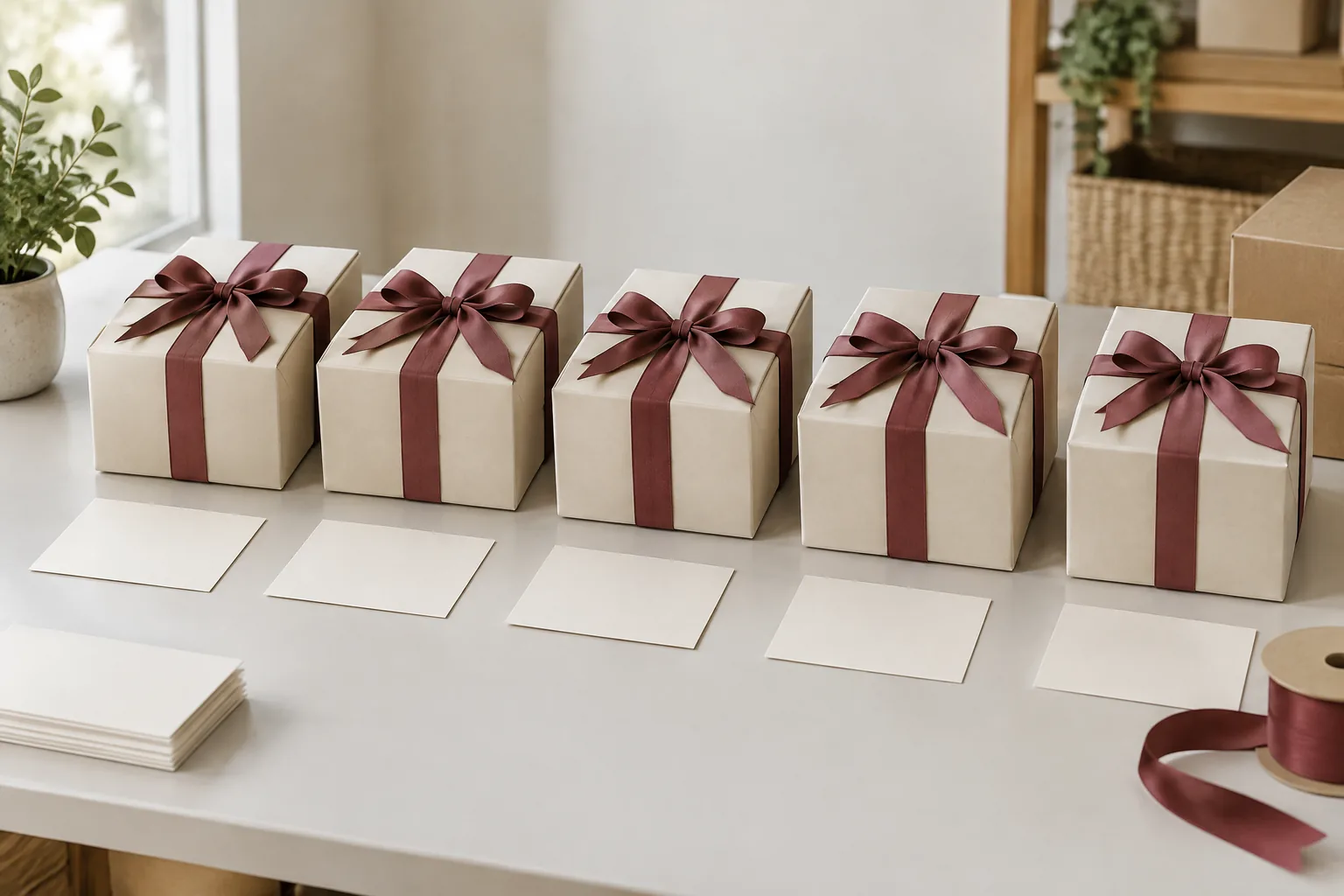
Confirm the delivery handoff
The address alone does not tell a courier who can receive the parcel
Gift hamper delivery in Hong Kong is an enquiry starting point, not confirmation of your chosen date or receiving method. Ask the merchant about the particular address, expected receiving window and contact procedure. Then check that proposal with your partner. A building lobby, reception desk and flat door are different handoffs. If discretion depends on delivery reaching the flat, do not book on the assumption that a courier will bypass a building's access arrangements or wait indefinitely.
For a workplace delivery, your partner should first confirm that personal parcels are permitted and that someone can receive this one. Keep the outside label practical; it should identify the recipient without explaining the romantic occasion. Do not ask reception to gather colleagues, deliver the card aloud or arrange a video of the reaction. If the office cannot offer the privacy your partner wants, choose another arrangement rather than asking staff to keep an unworkable secret.
Write the agreed delivery date in full and mark times as Hong Kong time. Check what that means in your own location on that date, especially if your clocks change seasonally. Ask which contact should be tried first and what can happen if neither person answers. Avoid making yourself the only approval contact during your own sleeping hours. Your partner can know a parcel is coming without knowing what is inside, so practical contact need not ruin the meaningful part of the surprise.
Agree a fallback before dispatch. It might be a different receiving window, an approved household member or a pause, but each option needs the recipient's agreement and the merchant's acceptance. Do not redirect the parcel to their office when home delivery fails unless that address was also approved. If a promised quiet handoff becomes impossible, tell your partner what has changed. Concealing the problem to protect the surprise leaves them dealing with the consequences without useful information.
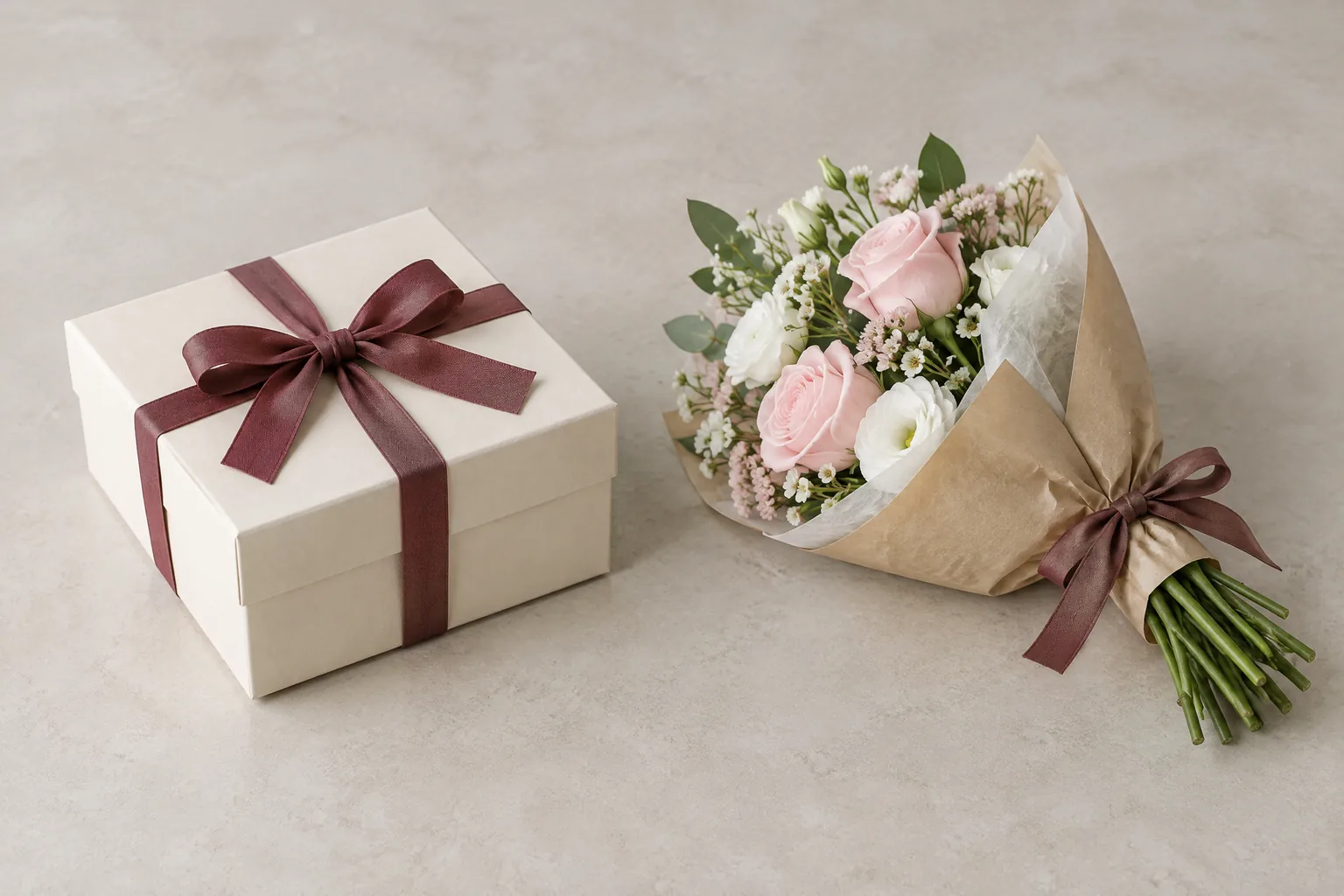
Write a non-demanding message
Affection does not need a requested performance
Keep the card about what you appreciate, not the effort or expense the recipient should acknowledge. 'I remembered how much you enjoy these on a quiet evening. Thinking of you, with love' is enough. Avoid adding a request to call as soon as the parcel arrives. A note such as 'No need to open it on camera; enjoy it when you have time' can help if you have previously discussed unboxing together. It should genuinely release the expectation, not become another instruction.
Do not place a proposal, a relationship ultimatum or a request to move abroad inside an otherwise ordinary hamper without considering the pressure it creates. Your partner may open it beside family or after an exhausting shift. If you want to discuss commitment, arrange a conversation that allows questions and a private answer. Likewise, a gift after an argument should not replace an apology or a discussion of what went wrong. Acceptance of the parcel is not evidence that the disagreement is resolved.
After delivery, send one calm message if needed: 'I hope it reached you comfortably; let me know if anything needs sorting.' Then allow their usual response time. Do not ask a courier for a reaction photo or contact a colleague because your partner has not replied. A delivery update can confirm a handoff, but it cannot tell you how the person feels. Let your partner decide whether to share a picture, thank you privately or enjoy the gift without documenting it.
Offer a simpler or delayed gesture
A changed plan can still honour the relationship
If your partner says 'not at work', accept that answer without asking what you must buy to make it acceptable. If they say 'not this week', ask whether they would like to suggest another time or leave it for now. A quieter option could be a letter, choosing a treat together during a call, or saving the gift for your next visit. Do not replace one declined delivery with another equally unexpected item. The alternative should solve their concern, not merely change the packaging.
If permission changes after ordering, contact the merchant promptly and ask what can still be altered or cancelled. Explain the practical request without disclosing private relationship details. Do not promise your partner a refund before the merchant confirms its terms, and do not use money already spent as a reason they must receive the gift. You may have to accept a cost because preparation has begun. That is an ordering problem to resolve, not a debt the recipient owes you in affection.
For a busy month, agree a low-pressure ritual that does not require a parcel at all. You could each choose a song for a scheduled call or share a short account of something you noticed that day. Avoid making constant availability the measure of closeness. Distance often means your evenings do not line up, and a missed opening time should not become a test. The next gift can wait until there is a suitable receiving plan and a genuinely welcome occasion.

- Ask whether a parcel is welcome and offer a genuine no-delivery option.
- Confirm the address, privacy level and any approved alternative receiver.
- Review proposed contents, labels, package size and storage needs.
- Agree card visibility, image use and limits on substitutions.
- Obtain merchant confirmation of the specific handoff and Hong Kong receiving window.
- Record a consented fallback and leave the recipient free to respond privately.
Keep the unknown part small enough to be enjoyable: a chosen flavour, a thoughtful note or a colour your partner likes. Make the address, audience and receiving arrangement known and agreed. If those conditions cannot be met, delay or simplify the gesture. A successful gift is one your partner can receive comfortably, with no obligation to display it, explain the relationship or repay it with a particular response.
Does asking permission spoil a romantic surprise?
Not necessarily. Ask about receiving a parcel, the location and the kind of contents they welcome; leave the particular selection or message unknown. Someone who wants to know everything can choose with you. Keeping a surprise is optional, while respecting their answer is not. If the only way to preserve your plan is to hide an unwanted public delivery, change the plan.
Can I send it to an office address my partner used before?
Check again. They may have moved teams, changed jobs or decided against personal deliveries. Past use does not tell you whether this romantic parcel is welcome there. Ask about the current address and receiving rules. If you cannot get a clear answer, wait rather than asking a colleague to arrange it behind their back.
What if a friend offers to receive the hamper secretly?
Use the friend only if your partner has approved that person as a receiver. A helpful friend cannot decide your partner's privacy preferences. Confirm where the parcel will be kept and how it will reach the recipient, including any storage instructions. If involving another person is itself unwelcome, use an agreed direct handoff or choose a gesture without delivery.
Should I ask for a photograph proving my partner received it?
Ask the merchant what delivery confirmation is available, without requesting a photograph of your partner or an opened private card. Confirming receipt and recording a reaction are different things. If a delivery image is used, discuss avoiding unnecessary personal details. Your partner should choose whether to send their own picture; it is not part of paying for a gift.
What should I do if my partner declines after I have paid?
Accept the decline and ask the merchant promptly about changing, pausing or cancelling the order. Costs and refunds depend on the actual terms and stage of preparation. Do not redirect it to another address without permission. Separate the commercial problem from the relationship conversation, and avoid suggesting that your partner must accept because you have already spent money.
First ask your partner whether a private parcel would be welcome. If it is, send the relevant merchant your agreed contents and receiving brief, and confirm the actual order details before paying.
Sources & supported claims
- What are my boundaries? — love is respect
Relationship boundaries include privacy preferences; ask when they are unclear, and recognise that a person can change their boundaries.
- The Ordinance at a Glance — Office of the Privacy Commissioner for Personal Data
Under DPP1, personal data collected should be necessary and adequate but not excessive for its purpose. This supports the paragraph's accurately attributed principle, not a finding about a private sender's legal obligations.
- Food Labelling — Centre for Food Safety
Subject to exemptions, Hong Kong prepackaged food labels require ingredient lists and declaration of specified allergy-causing substances, including milk, peanuts and tree nuts.