
Gatherings & catering
Content updated
On this page
- Decide whether you are offering snacks or supper
- Count usable surfaces, not pieces of furniture
- Compare platters and a mini buffet by how guests will eat
- Keep coats clear and make introductions deliberate
- Make food information easy to find
- Plan replenishment around storage, not a full display
- Offer seats or choose a simpler gathering
- Questions & answers
- Sources & supported claims
A standing supper in a small flat: make room for introductions
A standing supper in a small flat works when guests can put down a drink, eat comfortably and meet someone without blocking the food. You do not need to recreate a dining room. First decide whether the invitation promises supper or only light refreshments, then protect a few reliable surfaces for serving and eating. Choose food around those surfaces, rather than ordering a large spread and finding room afterwards. Keep some seats available, even if most guests will mingle, and make the welcome itself someone's job.
For new neighbours, a generous welcome is not necessarily a bigger menu. A clear arrival window, an easy first introduction and somewhere to rest a plate may matter more. Platters can suit a short visit; a mini buffet can suit a substantial meal if the room supports its trays and serving needs. Neither format automatically solves awkward eating, limited storage or the host disappearing into the kitchen.
Decide whether you are offering snacks or supper
Let the invitation set an honest expectation.
Write the food promise before choosing dishes. An invitation for light bites after dinner means something different from one asking neighbours to join you for supper. Include a start and finish time, and say that seating is limited. This gives guests a fair chance to plan their evening. Avoid an open invitation that sounds like a full meal if you can only support a brief drink and a few snacks. Clarity is more welcoming than hoping everyone has already eaten.
Ask who expects to eat a meal, not merely who might drop in. A neighbour arriving after work may need substantial food; another may visit for twenty minutes before collecting a child. Count both as people needing space, but do not assume their food requirements are identical. Record any uncertain replies separately. If most visitors cannot commit to a meal time, consider a shorter refreshments gathering instead of keeping a supper spread open throughout the evening.
The Party Catering page is a starting point for discussing a house-party menu, not a ready-made answer to your room. Send an enquiry with the confirmed meal count, visiting window and limited seating. Explain whether guests need to eat while standing and whether you can hold chilled food or keep hot food at the required temperature. Ask what the proposed dishes and quantities are intended to provide, so a selection of snacks is not mistaken for a complete supper.
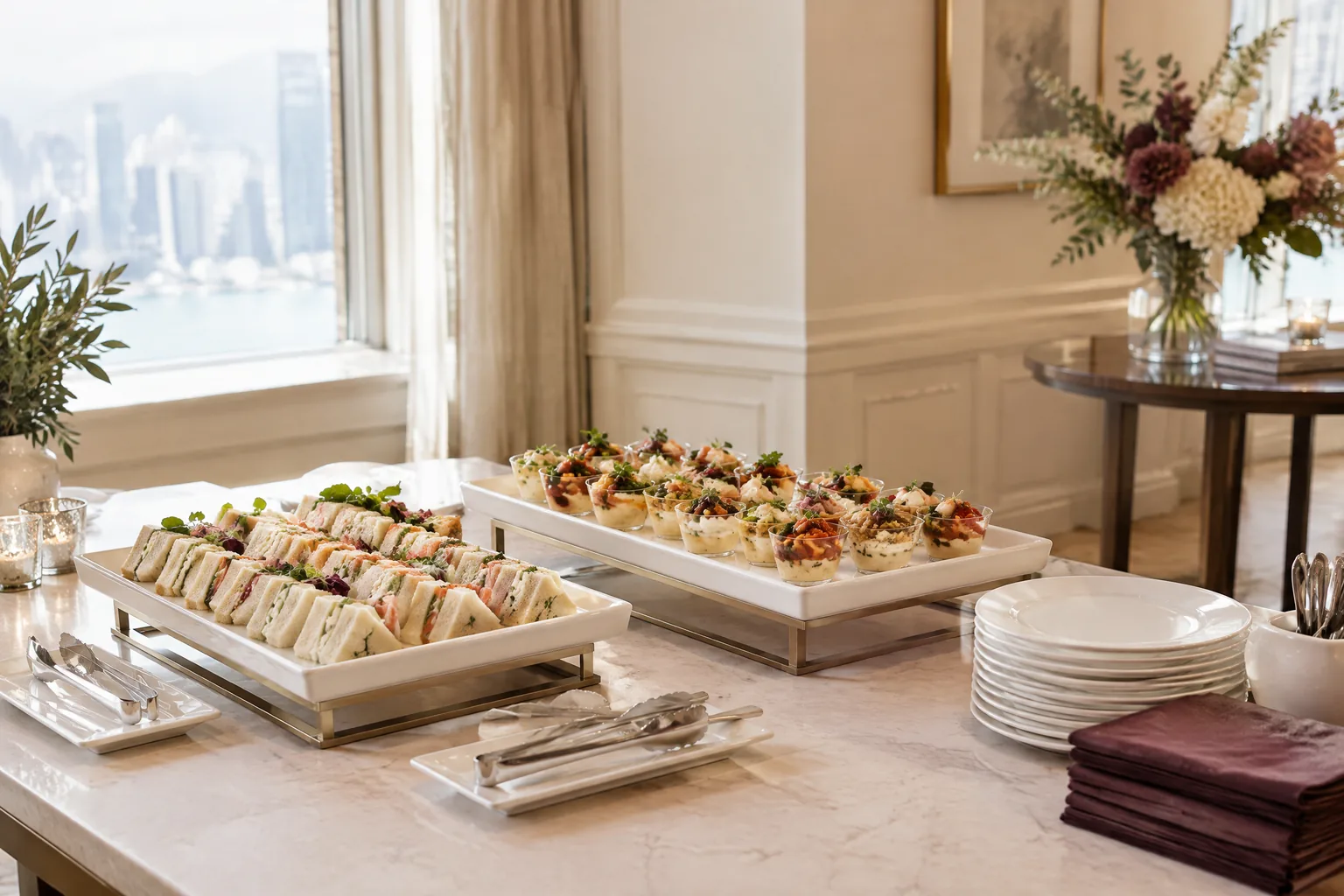
Count usable surfaces, not pieces of furniture
Try the room with a plate and a cup in your hands.
A shelf is useful only if a guest can reach it comfortably and it is stable, clean and intended to bear what you place on it. Do not count a narrow ledge above electronics or a windowsill behind the sofa as an eating surface. Clear personal items before checking the available area. Leave room for someone to collect food without brushing past a guest who has settled there with a drink. A photograph of the empty room can conceal these conflicts.
Give each surface one principal job. A kitchen counter might hold the food, a side table might hold drinks, and the coffee table might support seated eating. Do not assign the same patch of counter to serving trays, guests' plates and unpacking delivery containers. Test your plan with ordinary crockery and a tray of the proposed dimensions. Walk from the entrance to the drinks, food and toilet while someone else stands at the serving point. Reconsider any route that requires squeezing between furniture.
Keep somewhere to put a drink near the conversation area, not only beside the food. Guests carrying a cup in one hand and a plate in the other cannot easily use a fork or greet someone. Coasters can mark the intended places, but they do not create extra capacity. In a worked layout with three surfaces, use the counter for food, the side table for drinks and the coffee table for resting plates. If that leaves nowhere to unpack, receive and sort the food before arrivals.
| Surface | Main job | Keep off it |
|---|---|---|
| Kitchen counter | Food collection and serving utensils | Delivery cartons and guests' bags |
| Side table | Drinks and places to rest cups | Large trays that remove the resting space |
| Coffee table beside seats | Supported eating and resting plates | Coats, decorative displays and spare packaging |
Compare platters and a mini buffet by how guests will eat
The label matters less than the dish and its serving space.
Sharing platters let you present a limited selection together, but the contents still determine the effort required. A sandwich is different from food that needs cutting, dipping or assembling. When considering Food Platter Delivery, check the actual selection, piece counts and whether the stated portions describe a snack or a meal. Ask for the presentation dimensions as well as the contents. A long board can occupy the whole counter, leaving no clear place for plates, utensils or a guest to serve themselves.
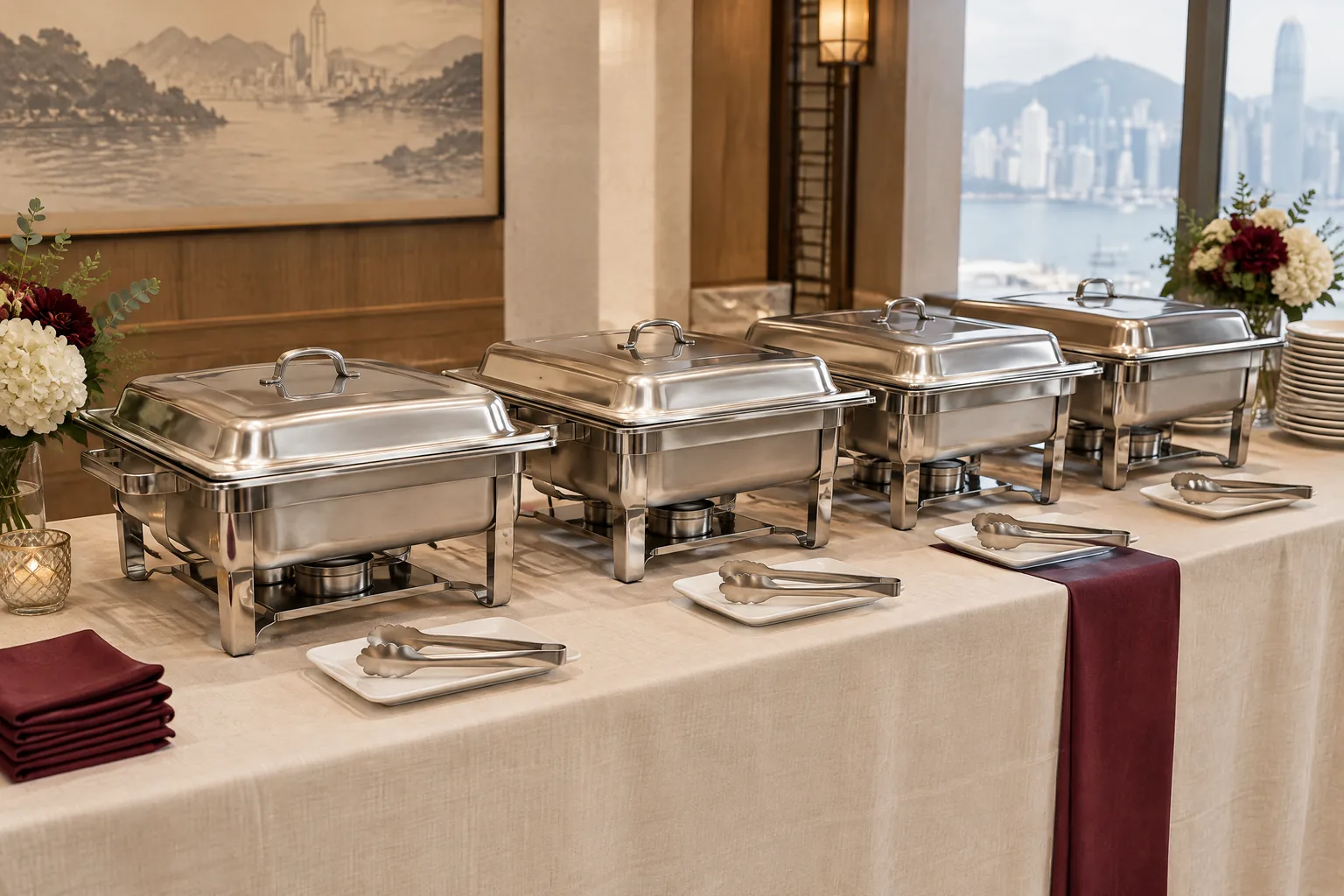
Mini Buffet Catering offers a different enquiry route when you want several shared dishes rather than one platter selection. Before choosing it, ask about tray sizes, serving utensils and any holding equipment required for the proposed menu. A smaller buffet still needs space around each dish and a workable way to maintain its required temperature. Do not assume that equipment, setup or service staff are included. Confirm those points directly, especially if the only available counter is also needed for washing up.
Judge each proposed dish with the plate test. Can a guest collect a sensible serving, move away and eat without a knife? Does sauce run across the plate when it tilts slightly? Will bones, wrappers or skewers need an immediate disposal point? A substantial fork meal may work near an eating surface but be awkward in a crowded conversation circle. Choose fewer dishes that fit the room rather than treating variety as the main measure of hospitality. Keep optional sauces at the serving point if the menu allows.
| Format | A sensible fit when | Check before choosing |
|---|---|---|
| Sharing platters | Guests expect light food or a menu of easily handled items | Actual contents, piece counts, meal role and board dimensions |
| Mini buffet | Guests need supper and there is a dedicated serving area | Tray footprint, utensils, temperature control and eating surfaces |
| Smaller seated meal | Several guests need supported eating | Comfortable seats, table access and a reduced invitation list |
| After-dinner refreshments | The room cannot support a full meal | Explicit invitation wording and a short visiting window |
Keep coats clear and make introductions deliberate
The entrance should welcome people, not store the evening.
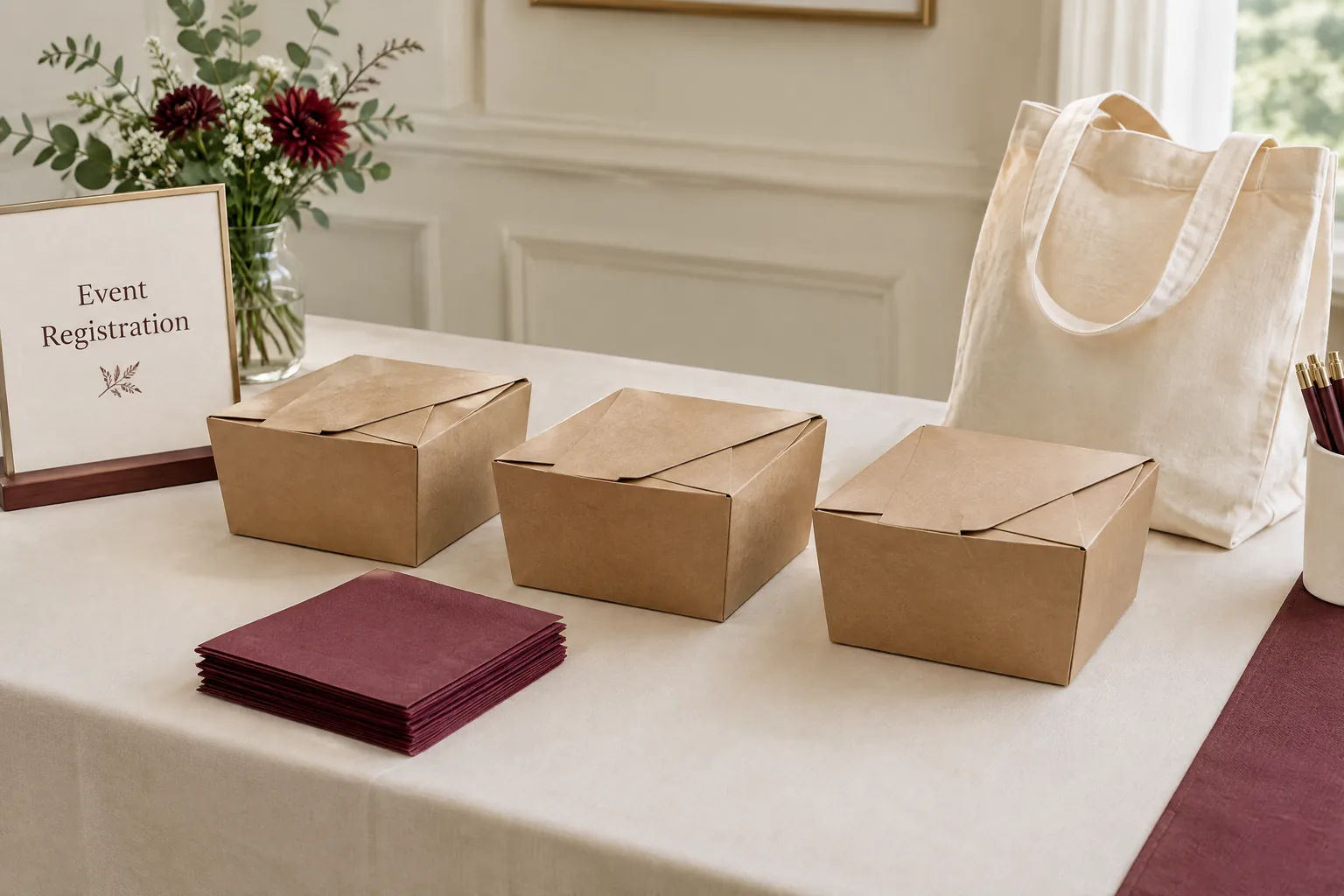
Choose a bag and coat location before guests arrive, with a clear explanation of where personal belongings will go. Avoid covering the few chairs that guests may need for eating or rest. Do not ask people to leave bags where they restrict the entrance, and keep access to the exit unobstructed. If shoes are removed in your home, mention it in advance and allow time at the door. A wet umbrella should have its own place away from the food and the walking route.
If two people are hosting, divide the first half-hour sensibly. One receives arrivals and introduces them; the other checks drinks and the first serving. If you are alone, complete the unpacking before the advertised start so the first neighbour is not left watching you sort containers. Offer one simple drink choice before pointing out the food. Keep music low enough for a new arrival to hear names without asking everyone to repeat them. The food station should not become the only place people can start a conversation.
Introduce people with a name and a small, consent-friendly connection: two neighbours may share an interest in local walks or nearby cafés. Do not disclose someone else's flat number, family details or work history just to create a talking point. If a guest is standing alone, make an introduction rather than directing them towards another plate. Let conversations form in small groups away from the serving route. Avoid a compulsory round of personal introductions if people have only agreed to a casual welcome.
Make food information easy to find
A short label should help a guest decide what to ask.
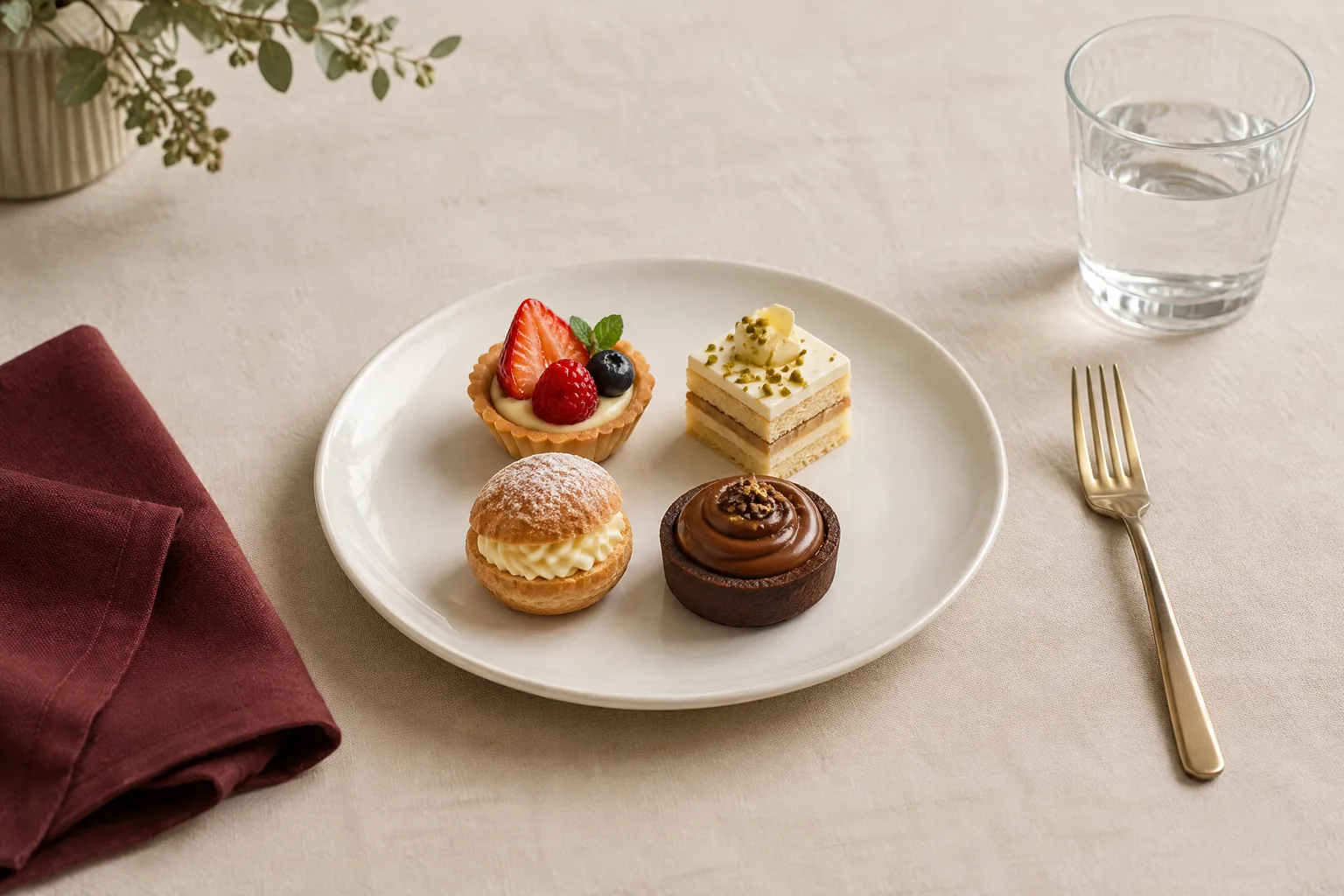
Ask about dietary needs privately when inviting neighbours, then discuss the exact requirements with the supplier before settling the menu. Keep a written record of the answers, including sauces and garnishes. On the evening, place a readable dish name beside each tray and identify who holds the ingredient information. Do not make guests scan several web links while balancing food. If you do not know whether an ingredient is present, say so and check rather than filling the gap with a confident label.
Hong Kong's Centre for Food Safety advises food businesses to prevent unintended transfer of allergens to food and cutlery, and to confirm relevant ingredients with cooks when customers report allergies. Its examples include allergens in sauces and mayonnaise, not only visible main ingredients. At home, keep a dedicated serving utensil with each dish and avoid moving it between trays. A label saying vegetarian, vegan or gluten-free is not proof of certification or an allergen-free preparation process. Discuss those concerns specifically rather than relying on a menu name.[1]
If the supplier cannot meet a guest's requirement, tell the guest before the evening and agree an alternative without pressure. A personally arranged meal may be preferable to uncertainty, but ask how they want it handled and stored. Do not place it unprotected among shared dishes and then describe it as separate. Similarly, a guest who avoids alcohol should be able to identify a suitable drink without announcing their reason. Use clear bottle labels and provide water where it is easy to reach.
Plan replenishment around storage, not a full display
Keep the host in the gathering without neglecting the food.
Before ordering, check what will fit in your fridge with its doors and drawers functioning normally. Confirm the holding instructions for the actual dishes and ask what temperature information will be available at handover. Do not rely on the room's air conditioning as a food-storage arrangement. If the proposed meal needs equipment or storage you cannot provide, change the menu or shorten the meal service. Also establish who will receive the food, where it can be unpacked and what happens if arrival overlaps with your first guests.
The Centre for Food Safety identifies 4°C to 60°C as the temperature danger zone, where bacteria can grow rapidly. It also explains that chilling inhibits bacterial growth but does not kill bacteria. A tray moved back into the fridge is therefore not made safe simply by becoming cold again. Keep a record of the relevant handover and display times and follow the food's confirmed handling instructions. If its temperature history is uncertain, do not promise that it can be saved for tomorrow.[2]
Where the food and instructions allow it, put out a manageable batch while keeping the reserve under the required temperature control. Replace a serving tray rather than mixing new food into an older batch with a different history. Arrange the sequence before the evening so replenishment does not require repeated searches through the kitchen. Keep clean replacement utensils ready. Position a small waste container where guests can find it without leaning over food, and clear used plates without making people feel they have to finish quickly.

Offer seats or choose a simpler gathering
Standing should be an option, not an endurance test.
Ask discreetly whether anyone needs a seat or a suitable eating surface. Do not assume that an apparently fit guest can stand comfortably all evening, or that the sofa is accessible to everyone. Reserve seats that are easy to reach and offer them without requiring a public explanation. A guest using a chair should still be part of the conversation, not placed in a corner facing the kitchen. If most guests need supported eating, a standing format may be the wrong choice despite an attractive menu.
When the room cannot support supper, change the invitation rather than asking guests to improvise. A small seated meal for fewer neighbours, or a short drinks-and-snacks visit after dinner, can be a better first meeting. Another possibility is arranging separate welcome evenings for different households. Give each group a clear invitation and do not treat one visit as an overflow queue for another. Avoid moving chairs or food into a shared corridor to gain space; your gathering should remain within the area you can responsibly host.
At the planned finish, thank people without turning clearing up into a test of neighbourliness. You can leave a few items to wash later while keeping food handling and the exit clear. Ask before adding anyone to a group chat or sharing photographs from the evening. A simple invitation to exchange contact details is enough. The useful result is that neighbours now recognise each other and feel comfortable saying hello, not that every dish disappeared or everyone stayed until the last minute.

- State whether the invitation offers supper or light refreshments, with a start and finish time.
- Separate confirmed meal guests from short visitors and unanswered invitations.
- Test the route and available surfaces using a plate, cup and the proposed tray dimensions.
- Reserve accessible seats and keep coats, bags and umbrellas away from food and exits.
- Confirm dish contents, dietary requirements and dedicated serving utensils before ordering.
- Agree holding instructions, handover information, storage and a manageable replenishment plan.
- Prepare simple introductions and ask consent before sharing contact details or photographs.
Choose the smallest food arrangement that fulfils your invitation, not the largest one the counter can technically hold. A comfortable neighbour supper needs a serving point, places to rest plates and drinks, clear food information and some genuine seating options. If those needs compete for the same surface, simplify the gathering before ordering. Then give arrivals your attention: an easy introduction and an unhurried conversation are the reasons to make room in the first place.
How many neighbours can I invite if there are only four seats?
Four seats do not translate into a reliable standing capacity. Consider who needs a chair, where others can eat, and whether people can move without blocking the exit or serving point. Test the layout with plates and cups before setting the guest list. If usable eating surfaces are scarce, reduce the supper group or offer a shorter visit with clearly described light refreshments.
Can finger food replace dinner for guests arriving after work?
Only if the chosen selection and quantities genuinely provide the meal you have promised. Small pieces can be substantial or merely a snack; the name does not decide that. Ask the supplier how the proposed order is portioned, then explain the menu's role in the invitation. If it is light food, give guests time to eat beforehand rather than describing it as supper.
Should I put all the platters out before the first guest arrives?
Not automatically. Confirm the dishes' holding requirements, check your storage space and plan which food needs to be available first. Where appropriate, display manageable batches and keep reserves under the required temperature control. Ask about handling at handover and retain that information. A tidy full display is not a reason to leave food out for an uncertain arrival window.
What if a neighbour asks whether a dish is safe for their allergy?
Use the supplier's confirmed ingredient and preparation information, not your visual impression of the dish. Tell the guest about any uncertainty, including shared utensils or handling, and let them decide without pressure. If their requirement cannot be met, agree an alternative before they arrive. Do not interpret a vegetarian or other dietary label as a guarantee about allergens.
Is it rude to end a neighbour welcome evening at a fixed time?
A finish time stated in the invitation helps people plan and makes a small-home gathering easier to manage. Welcome late visitors within that window, but explain if the meal service has ended. Do not keep food available beyond its handling instructions just to extend the evening. Thank guests warmly and suggest another meeting if a conversation deserves more time.
Sketch your usable surfaces and confirm who needs supper or a seat. If you are considering catered food, send the relevant supplier that brief and ask about portions, dimensions, dietary information and holding requirements before confirming an order.
Sources & supported claims
- Centre for Food Safety: Food allergens
Food businesses should prevent unintended transfer of allergens to foods and cutlery and confirm ingredients with cooks when customers report allergies; allergens can be present in sauces and mayonnaise.
- Centre for Food Safety: Temperature Danger Zone and 2-hour / 4-hour rule
Bacteria can grow rapidly between 4°C and 60°C; chilling inhibits their growth but does not kill bacteria.