
Gatherings & catering
Content updated
On this page
- Ask about preferences without a challenge
- Compare Korean and Thai dishes one by one
- Make the mild meal worth choosing
- Check ingredients and shared utensils
- Pause games so dinner gets a real place
- Keep food away from cards and components
- Reserve later portions without leaving a buffet out
- Questions & answers
- Sources & supported claims
Birthday spice preferences: keep the game night welcoming
Handle birthday spice preferences privately, give mild eaters a complete meal, and keep optional heat separate where the kitchen can genuinely do so. An adult game night can include Korean and Thai dishes without asking anyone to prove how much chilli they can handle. Choose each dish by its actual recipe and serving needs, not its cuisine label. Then reserve a proper eating break, with food on a separate surface, so guests can enjoy dinner without balancing sauce beside cards and playing pieces.
Start with what guests want to eat, not a vote for the hottest menu. Confirm which dishes have chilli cooked into them and which sauces can arrive separately. Allow everyone to choose the mild food, including guests who also enjoy heat. Ask about allergies in a different question, agree an eating window before a long game begins, and keep later portions under suitable temperature control rather than leaving the whole order out for hours.
Ask about preferences without a challenge
A private reply gives you better information than a group dare.
Send a short message with the invitation: would you prefer no chilli, a little chilli, or a hotter option? Add that replies can come directly to you. Guests should not need to explain their preference to the entire chat, and you do not need a reason to respect it. Avoid labels such as beginner or brave. They turn an ordinary meal choice into a ranking, which is exactly what a friendly birthday should leave to the games.
Ask a separate question about ingredients people cannot eat and any preparation requirements they need to discuss. Keep that reply private too, and obtain permission before passing details to the food supplier. A guest saying they dislike chilli is not reporting an allergy. Equally, a guest asking for an allergy-related meal is not simply requesting less seasoning. Keep these needs distinct in your notes so a kitchen receives a clear question rather than a vague request for something suitable.
Use a familiar example if mild means different things to different people: would they eat a dish with no added chilli, or do they want chilli only in a separate dipping sauce? Do not turn the answer into an exact tolerance score. If someone has not replied, follow up once and choose a flexible meal rather than counting silence as agreement to heat. Tell guests the intended dinner time so they can say whether they will actually be there to eat.
Compare Korean and Thai dishes one by one
The useful distinction is inside the recipe, not between two cuisines.
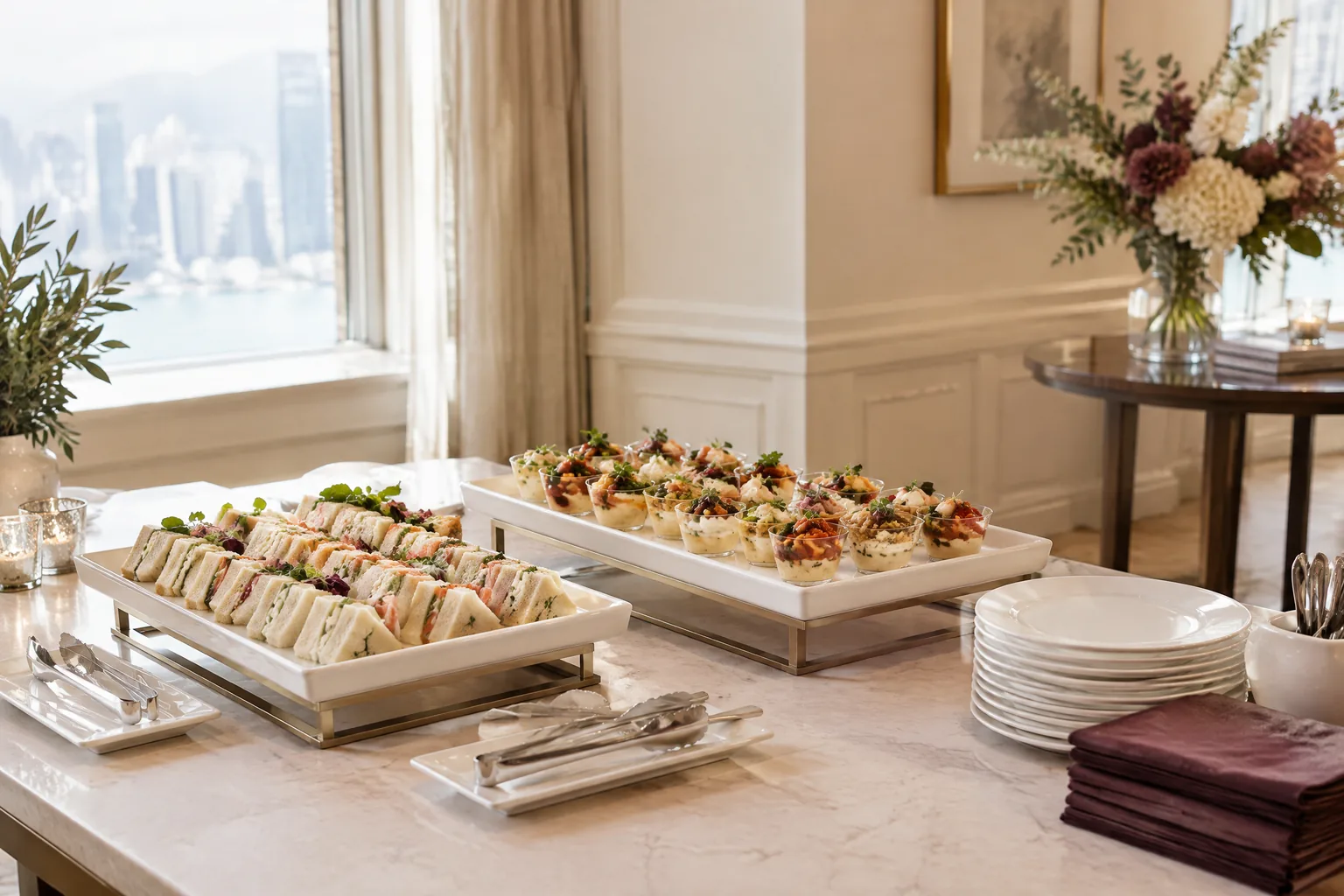
Treat the Korean Catering page as a starting point for asking about individual dishes. For a chicken option, establish whether the seasoning is in the marinade, mixed into the coating, or applied as a finishing sauce. Those are different situations: a sauce on the side may be possible, while a prepared marinade cannot simply be removed at the table. Ask the same practical questions about rice and side dishes instead of assuming the main course is the only source of chilli.
The Thai Catering page provides another menu-enquiry route, but the same dish-level check matters. Ask whether chilli is already in a curry paste or stir-fry sauce, whether a dipping sauce can be packed separately, and what the proposed alternative actually contains. A request for a less hot curry is not the same as a no-chilli dish. Where the answer remains uncertain, choose another confirmed option rather than presenting that uncertainty as a promise to your guest.
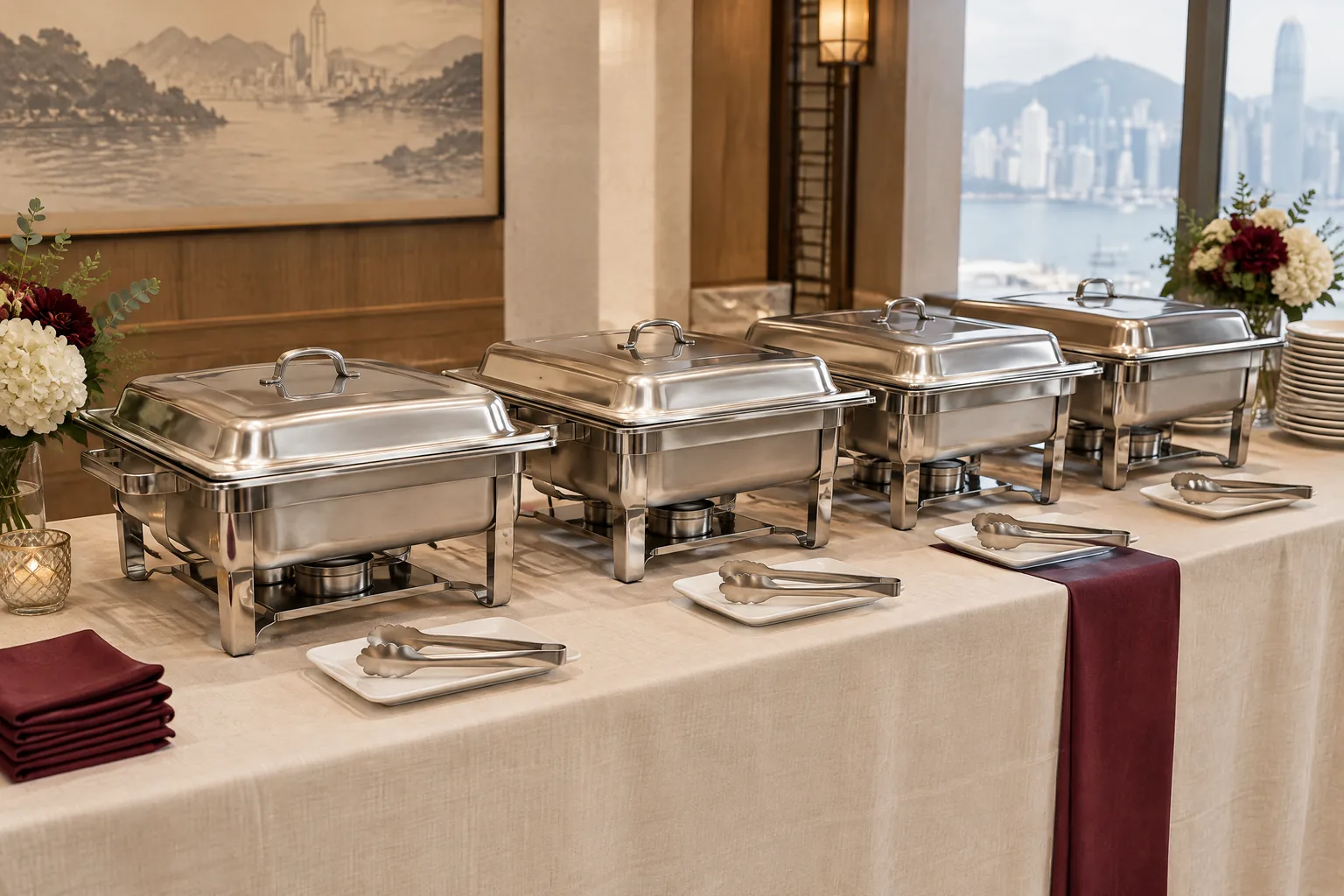
There is no need to make both menus look identical. Compare how guests will serve and eat the proposed food: a sauced rice dish needs a stable plate, a curry needs a bowl, and a wing may need somewhere for bones. If combining cuisines creates too many containers for a narrow sideboard, reduce the number of dishes. Two carefully chosen mains with suitable accompaniments can give more useful choice than several trays that everyone must reach across.
Make the mild meal worth choosing
Rice alone is not an alternative dinner.
Build the no-chilli choice as a meal in its own right, with a substantial main, an accompaniment and something guests enjoy eating. Ask the supplier to identify suitable dishes rather than trying to modify every hot dish. The aim is not to replace all Korean or Thai flavours with plain food. It is to find confirmed options that offer flavour without unwanted heat. A dish can be aromatic, savoury or tangy without being the hotter choice on the table.
Do not reserve the mild food only for the two people who requested it. Other guests may take it as well, particularly if it looks appealing or they want a varied plate. Explain those likely choices when discussing quantities. In a small group, a shared mild main available to everyone can be easier than policing portions. Where someone requires a separately prepared meal, keep that named portion distinct and agree how it will reach its intended diner.
Put optional chilli beside the serving area, with its own utensil and a clear description. Let guests add it to their own plates, never to the communal tray. If a sauce has ingredients that matter to a guest, its label should not just say hot. Avoid surprise sauce additions after the first serving. Someone returning for more should find the same dish they chose earlier, not discover that another guest has changed the whole tray to suit themselves.
| Guest's reply | Useful arrangement | Confirm before ordering |
|---|---|---|
| No chilli | A satisfying main and accompaniment, available without added heat | Chilli in marinades, pastes, sauces and garnish |
| A little chilli or optional heat | A confirmed no-chilli base with a separate sauce where possible | Whether the sauce can actually be separated |
| Enjoys hotter food | A hotter dish or personal condiment, without changing shared mild trays | A distinct serving utensil and enough mild food for everyone |
| Ingredient allergy or specific preparation need | An individually agreed arrangement, separate from the heat preference | Actual ingredients and preparation controls; an alternative if unverified |
| Arriving after dinner | A separately planned meal or another eating arrangement | Arrival time, storage capacity and food-handling instructions |
Check ingredients and shared utensils
Mildness and allergen information answer different questions.
Hong Kong's Centre for Food Safety advises asking customers about food allergies, confirming relevant allergens with the cooks, and preventing unintended allergen transfer to food or cutlery. Its examples include fish sauce, shrimp paste, peanut-containing sauces and wheat-containing batter or sauces. These examples explain why a dish's name is not enough; they do not identify the contents of any particular order. Ask about the actual recipe, including its garnish and dipping sauce, before describing a dish to guests.[1]
A menu name such as vegetarian, vegan or gluten-free does not establish an allergen-free guarantee, a certification or the absence of shared preparation equipment. If a guest needs specific controls, ask what the kitchen can confirm and share the response accurately. Do not upgrade an uncertain answer into reassurance. When requirements cannot be met or verified, discuss an alternative with the guest before ordering. They should have a practical choice, not discover the problem when everyone else starts dinner.
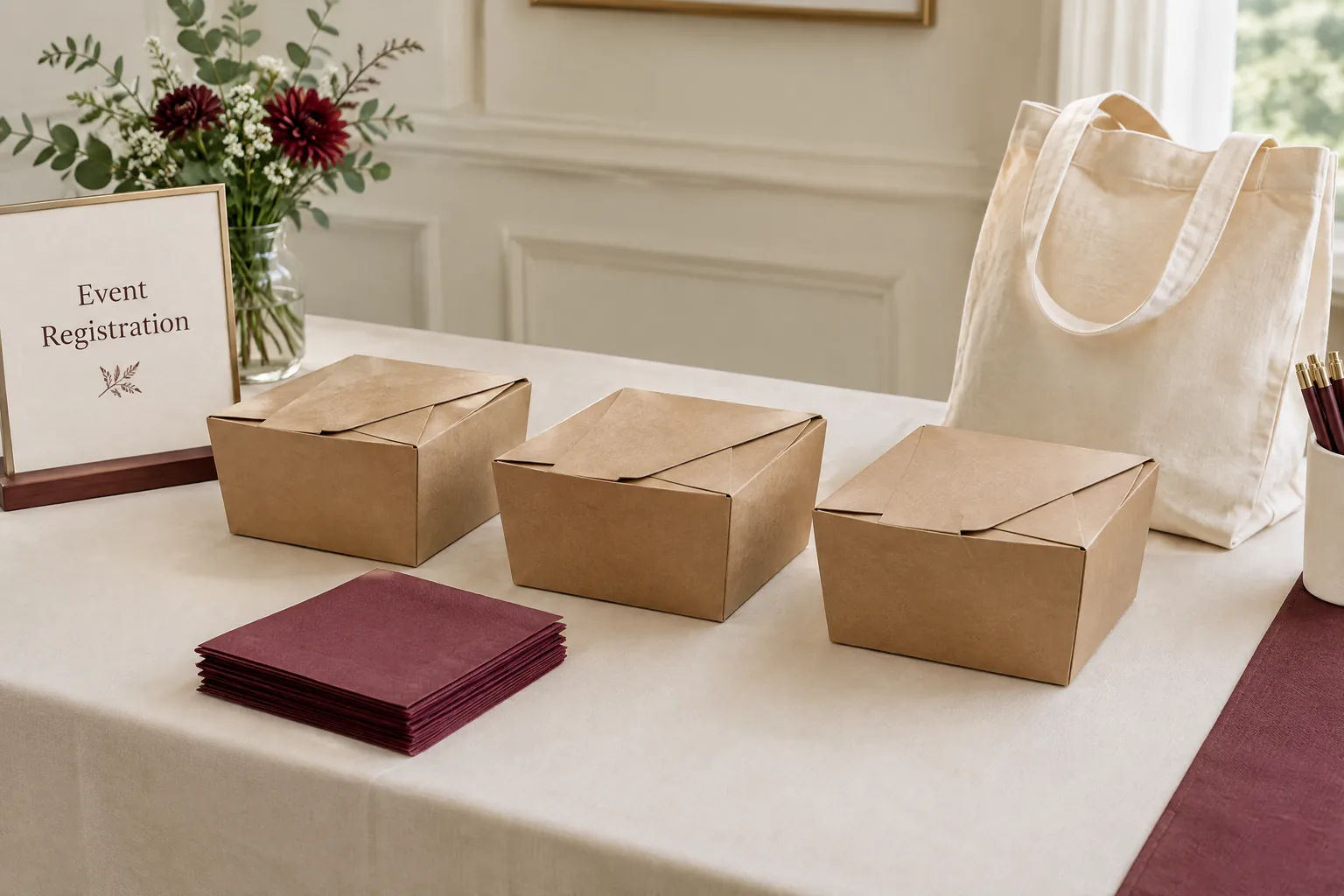
At home, provide a separate serving utensil for each dish and ask guests not to swap them. Keep a separately arranged meal away from the shared buffet until its recipient is ready, following the agreed storage instructions. These measures do not fix earlier contact in preparation or transport, so they cannot replace the kitchen discussion. If a utensil is moved between dishes, stop using it and address the affected food rather than quietly putting it back and hoping nobody notices.
Pause games so dinner gets a real place
Schedule around a natural stopping point, not an unpredictable final turn.
For a short party game, finish the round before serving. For a longer strategy game, agree an earlier pause and record the game state if necessary. Mention this before teaching the rules, when everyone can still plan around it. A delivery arriving halfway through a complicated turn should not leave one guest eating while another guards the board. Allow enough of a break for people to serve themselves, sit down and finish without someone rushing them back into play.
When looking at Birthday Catering, prepare an enquiry that includes your actual meal headcount, the planned eating window and the space available for serving. Ask about the proposed meal format and the handling instructions for any later portions. Keep the answer attached to that order rather than assuming a birthday package automatically fits a game night. A small flat with one table may need a different arrangement from a hired room with a separate dining area.
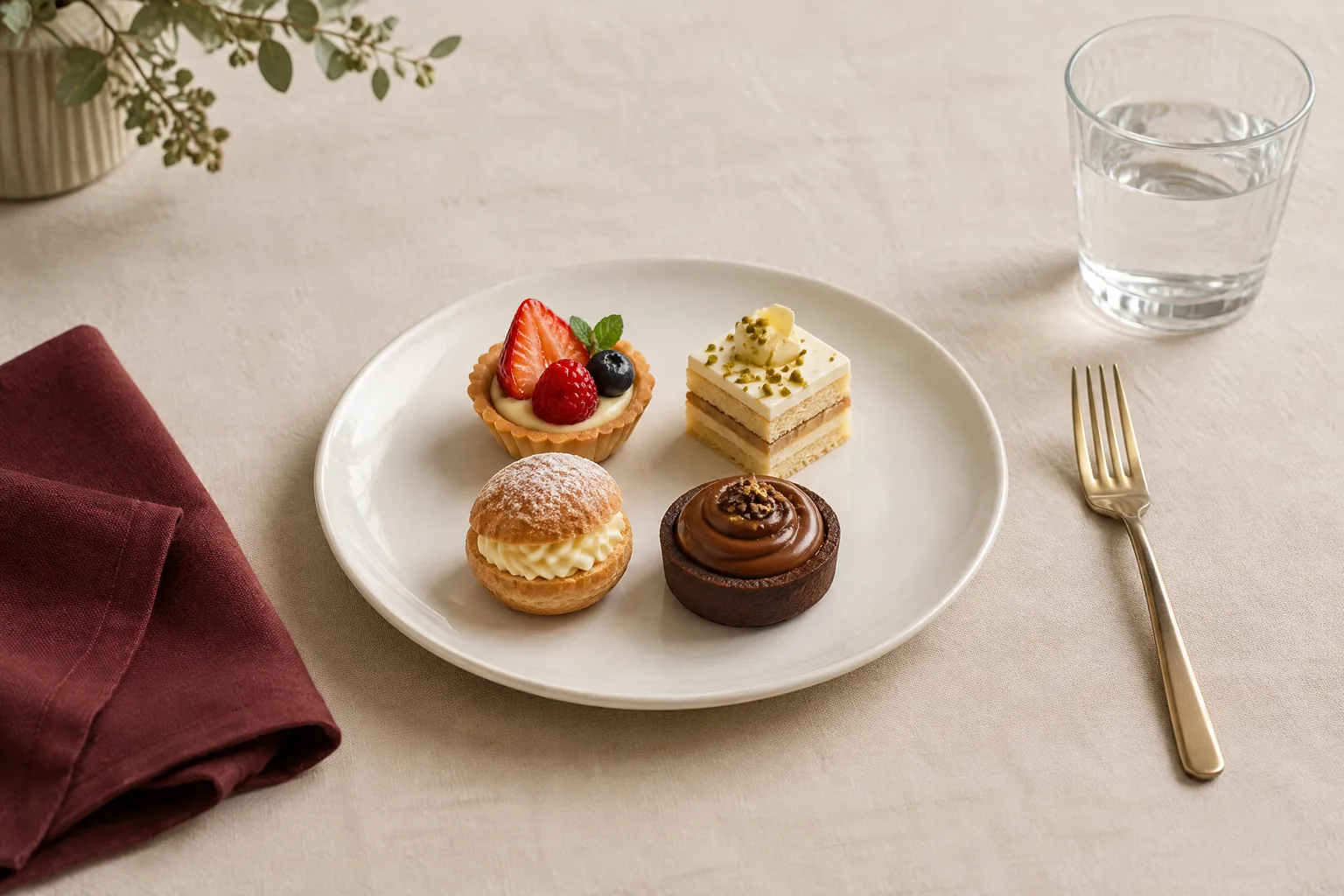
If the game occupies the only dining table, choose a shorter opening game that can be packed away before dinner, then set up the longer game afterwards. A sideboard for food helps with serving but does not create comfortable eating seats by itself. Check where every guest will put a plate. Leave birthday cake for a defined second break, and do not start a lengthy new game just before the planned candles and song.
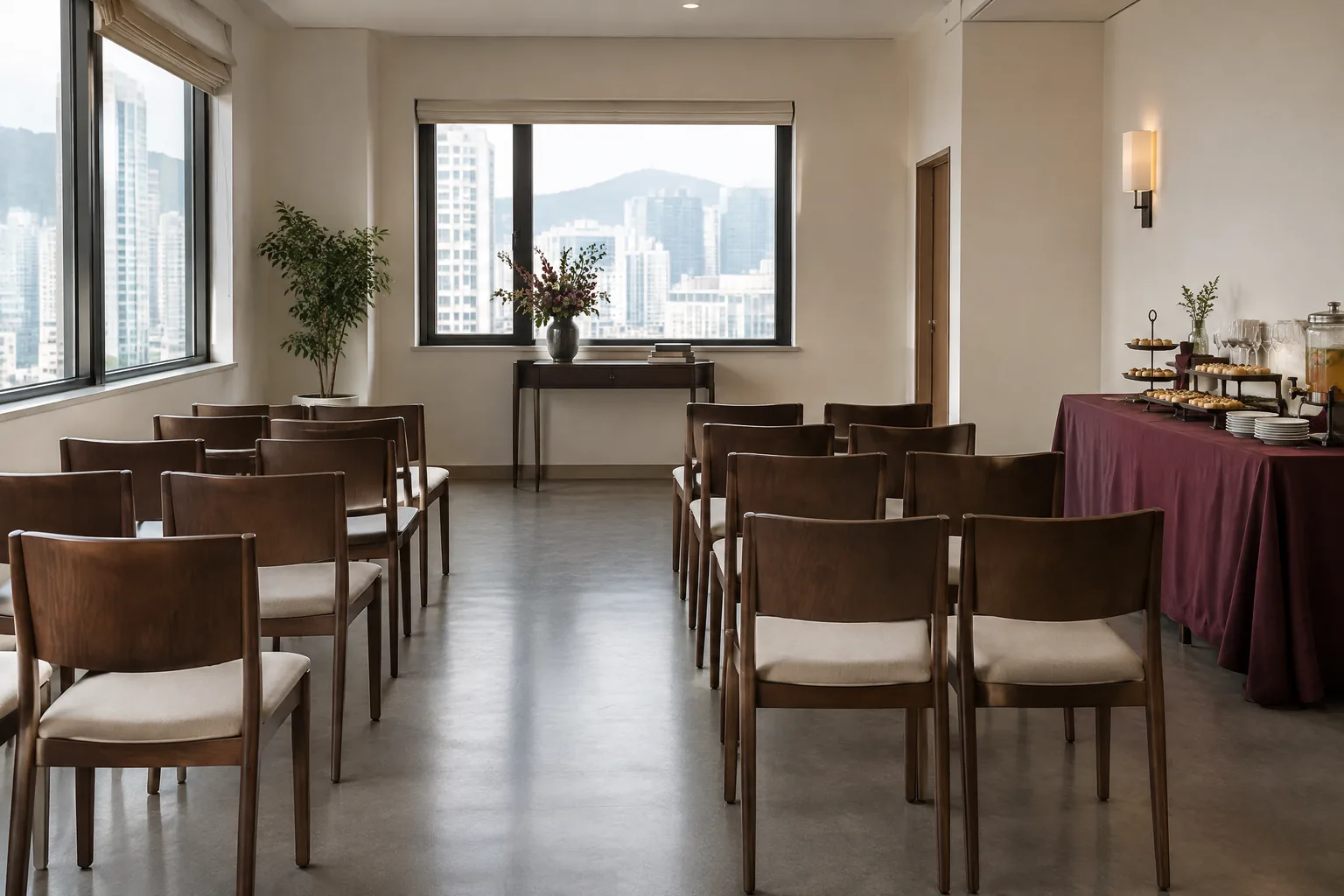
Keep food away from cards and components
Make the separation convenient enough that guests will use it.
Put serving trays on a stable surface away from the game, with plates at the start and condiments at the end. Guests can then complete a plate without passing an open sauce pot over the board. In a compact Hong Kong flat, clear the route between the kitchen and eating area before people arrive. Do not put a hot tray where someone must lean over it to reach a game box, coat or chair.
Provide somewhere for used plates, bones and napkins that is not the playing surface. Choose food that suits the available eating space: bowls for dishes with loose sauce, smaller portions that fit comfortably on a plate, and cutlery where finger food would leave sticky hands. Put drinks within easy reach on a separate stable surface too. A paper towel beside the board is not a reason to let guests juggle food over somebody else's borrowed game.
Agree a friendly reset after dinner: clear plates, deal with spills and wash hands before handling components again. Keep this as a shared habit rather than singling out guests who chose saucier dishes. If a visitor brings a valuable game, ask about their food rules beforehand and respect them. Where there is genuinely no room to separate eating from play, change the order of the evening. Eating first is better than building a fragile setup nobody can use comfortably.

Reserve later portions without leaving a buffet out
Game length does not reset a food-handling clock.
The Centre for Food Safety identifies 4°C to 60°C as the temperature danger zone, where bacteria can grow rapidly. That matters when a birthday stretches across several game rounds. Do not treat an air-conditioned room, a closed takeaway lid or a tray that still feels warm as evidence of suitable temperature control. Ask for handling instructions and establish where food will be kept before it arrives. If you cannot support a later serving, plan one meal break instead.[2]
Food Standards Australia New Zealand's guidance for refrigerated, potentially hazardous food counts time between 5°C and 60°C cumulatively, including preparation, transport and display. Its rule allows refrigeration again below two hours; between two and four hours, food must be used rather than saved for later; beyond four hours, it must be discarded. Its lower temperature threshold differs from Hong Kong's guidance. Do not combine the two into a guessed rule, or start counting only when guests open the container.[3]
For your evening, confirm the food's handling history as far as possible and follow the supplier's instructions alongside local guidance. Keep a later portion under suitable control from the outset rather than returning an uncertain tray to the fridge after a long game. Separate planned second servings from food already passed around. If the timing or storage is unknown, do not rely on reheating as a reason to keep it. Reduce the order or arrange an alternative eating plan instead.

- Collect heat preferences privately and ask about ingredient restrictions separately.
- Confirm chilli already cooked into each proposed dish, not just visible garnish.
- Give mild eaters a complete meal and allow for other guests choosing it too.
- Agree any specific ingredient or preparation requirements before confirming the order.
- Set a dinner pause and check where every guest can put a plate.
- Provide separate dish utensils and keep sauces, drinks and used plates away from the board.
- Confirm storage and timing for later portions; choose one meal break if suitable control is unavailable.
A welcoming game-night menu does not need to test anyone's tolerance or make two cuisines interchangeable. It needs clear dish-level answers, good mild food and an eating arrangement that works in the room. Give hotter choices their own place without changing the shared trays. When guests know what they can eat and when dinner will happen, the competition can stay where it belongs: in the game, not on the plate.
What if the birthday person wants every dish to be hot?
Keep a favourite hotter dish for them, but make the shared meal welcoming to the other diners. Explain the choice as having enough food everyone will enjoy, not as somebody spoiling the birthday. A separate condiment may help if the kitchen confirms it can be supplied that way. Do not ask a mild eater to take part in a tasting dare.
Can I make a spicy dish mild by removing its garnish?
Only the kitchen can tell you where the chilli is. Removing visible slices will not remove seasoning already mixed into a marinade, curry paste or sauce. Ask for a confirmed alternative when the dish cannot be changed. Avoid telling a guest they can simply pick the chilli out; that offers no dependable answer about the food they will actually eat.
Should a guest who cannot eat chilli get a separate box?
Not automatically. A shared no-chilli main can let everyone eat together without making the guest feel singled out. A separate meal may be useful where the supplier and guest agree it best meets specific requirements. Confirm its contents and handling rather than treating packaging alone as protection. Let the guest know which arrangement is planned before the evening.
How do I handle a late arrival during a long game?
Ask whether they want a meal and agree when they expect to eat. Plan suitable storage and a pause that lets them join comfortably, or arrange another food option with them. Do not assume the tray left beside the board since dinner is still appropriate. Their arrival also needs a game plan: a short round or a scheduled new game avoids leaving them watching for an hour.
Is finger food better than rice or curry for board games?
Not necessarily. Finger food may leave sauce on hands, while rice and curry need a stable place for plates or bowls. Choose according to the eating area, not the hope that guests can snack through every turn. A separate meal break makes either format easier. If there are no suitable seats or surfaces, simplify the menu and eat before setting up the game.
Before ordering, send your chosen food supplier the meal headcount, private preference summary and eating window. Ask them to confirm dish ingredients, any separate sauces and the handling arrangements you actually need.
Sources & supported claims
- Centre for Food Safety: Food allergens
Food premises should ask about allergies, confirm concerned allergens with cooks and prevent unintended allergen transfer to food or cutlery. The source gives fish sauce, shrimp paste, peanut sauces and wheat-containing batter or sauces as examples.
- Centre for Food Safety: Temperature Danger Zone and 2-hour / 4-hour rule
The temperature danger zone is 4°C to 60°C, where bacteria can grow rapidly.
- Food Standards Australia New Zealand: 2-hour / 4-hour rule
For refrigerated potentially hazardous food, time between 5°C and 60°C is cumulative across preparation, storage, transport and display. Below two hours food may be refrigerated again; between two and four hours it may be used but not saved for later; beyond four hours it must be discarded.