
Flowers & thoughtful arrangements
Content updated
On this page
- Ask whether she wants another plant
- Put the whole absence on the calendar
- Identify the plant behind the arrangement
- Check the holiday position and the pets
- Request instructions for this pot, not a generic reminder
- Find a willing caregiver before confirming the gift
- Choose a later plant or a gift for the time she is home
- Questions & answers
- Sources & supported claims
Mother's Day plant care: don't add a chore before travel
If Mum will leave Hong Kong for several weeks soon after the celebration, send a living plant only if she wants it and someone has willingly agreed to look after it. Otherwise, postpone the plant until she returns, or choose a gift she can enjoy before departure. Mother's Day plant care should begin with that decision, not with a watering instruction attached to a surprise orchid. A beautiful pot is still a responsibility, and calling it easy to maintain does not settle who will do the work while its recipient is away.
Choose around the household that will actually receive the gift. Identify the plant, check its intended position and ask about pets before comparing colours or planters. If care is agreed, write a short handover for that particular pot and arrange access before departure. If important details remain unknown, waiting is a considerate choice. The celebration can happen on the day without requiring a plant to arrive then.
Ask whether she wants another plant
Liking flowers is not the same as wanting a long-term responsibility.
Start with a question that allows a comfortable refusal: would she enjoy a plant after her trip, or would she prefer something for the celebration itself? Someone who already tends several pots may welcome a particular orchid, but may also be deliberately reducing her collection. Avoid treating a full windowsill as an invitation to add another. Her preference matters more than the family's wish to present a large, lasting gift.
Keep the surprise in the colour or card rather than in the obligation. A sibling can quietly confirm whether there is a suitable place and whether Mum wants help with care. Do not ask a relative to obtain consent by saying everything is already ordered. If the answer is hesitant, offer a later choice together. That preserves the personal gesture without making her arrange a solution during packing.
Families contributing to one present should agree who remains responsible if the timing stops working. The person collecting contributions need not be the person watering the plant, but those roles must be explicit. Set aside the purchase until the recipient's answer is clear. Spending more on a planter does not remove the need for permission, and a modest gift she can comfortably accept is preferable to a showpiece she feels obliged to keep.
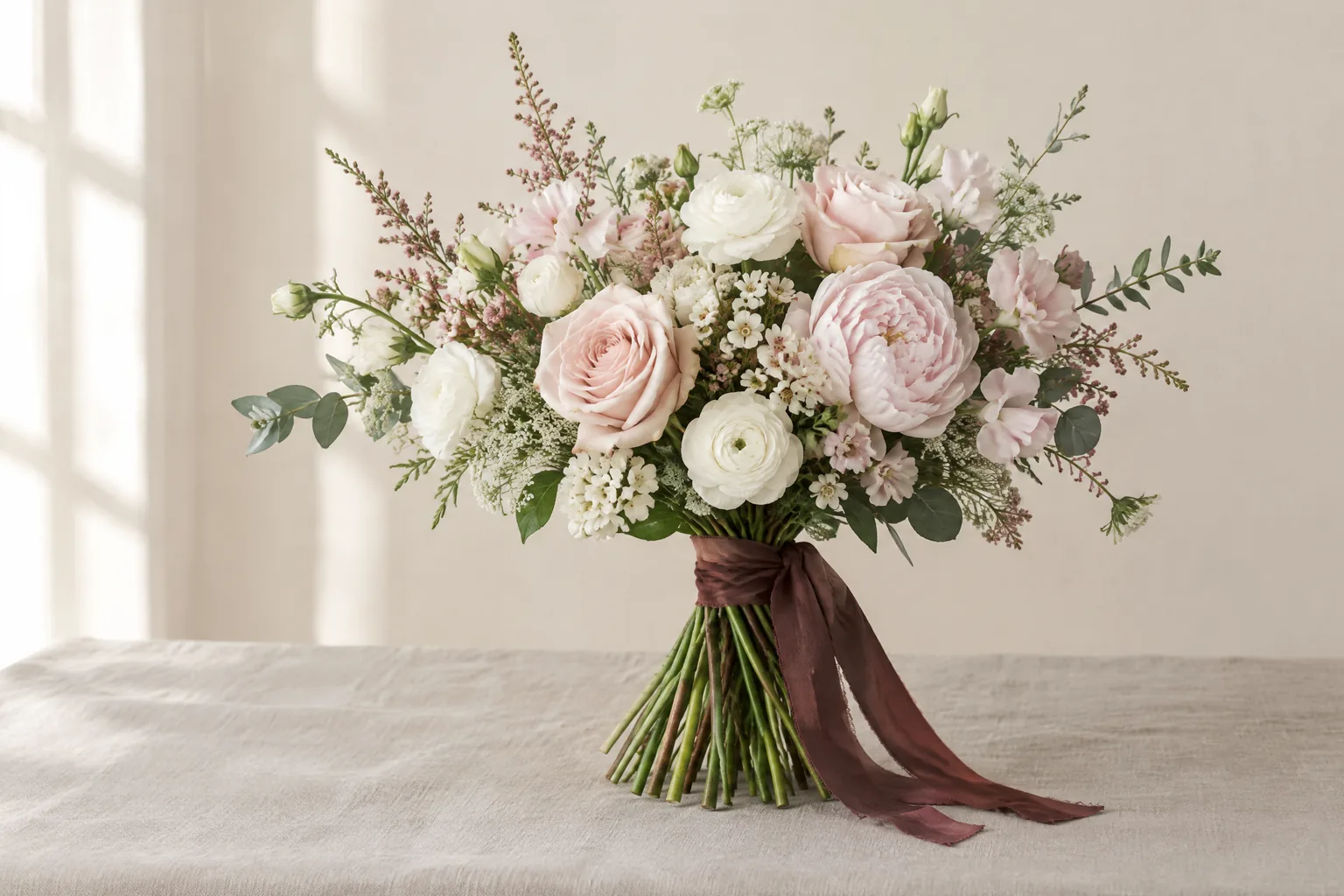
Put the whole absence on the calendar
Include the busy days before departure and the possibility of a later return.
Record the proposed handover date, departure date and expected return. Then ask when someone will next be able to check the plant in person. A gift received on Sunday before a Tuesday flight leaves little time to learn how that pot behaves. By contrast, a plant already familiar to its recipient and an established sitter presents a different decision. Neither situation can be assessed from the number of holiday days alone.
Check the home arrangements rather than assuming they stay normal. Will curtains be closed for the entire trip? Will the room's usual air-conditioning be switched off? Will the caregiver visit that room, or only collect post at the door? These answers describe the conditions the plant would actually experience. Do not solve the problem by asking the household to leave equipment running when they had planned to turn it off.
Allow for access problems and changes to the itinerary. A spare key that has not been tested, a neighbour who will also be away, or a building entrance requiring the absent resident's approval can defeat an otherwise sensible plan. Agree who decides what happens if the return is delayed. If the only backup is to telephone Mum abroad and ask her to find somebody, the gift has not really relieved her of the task.
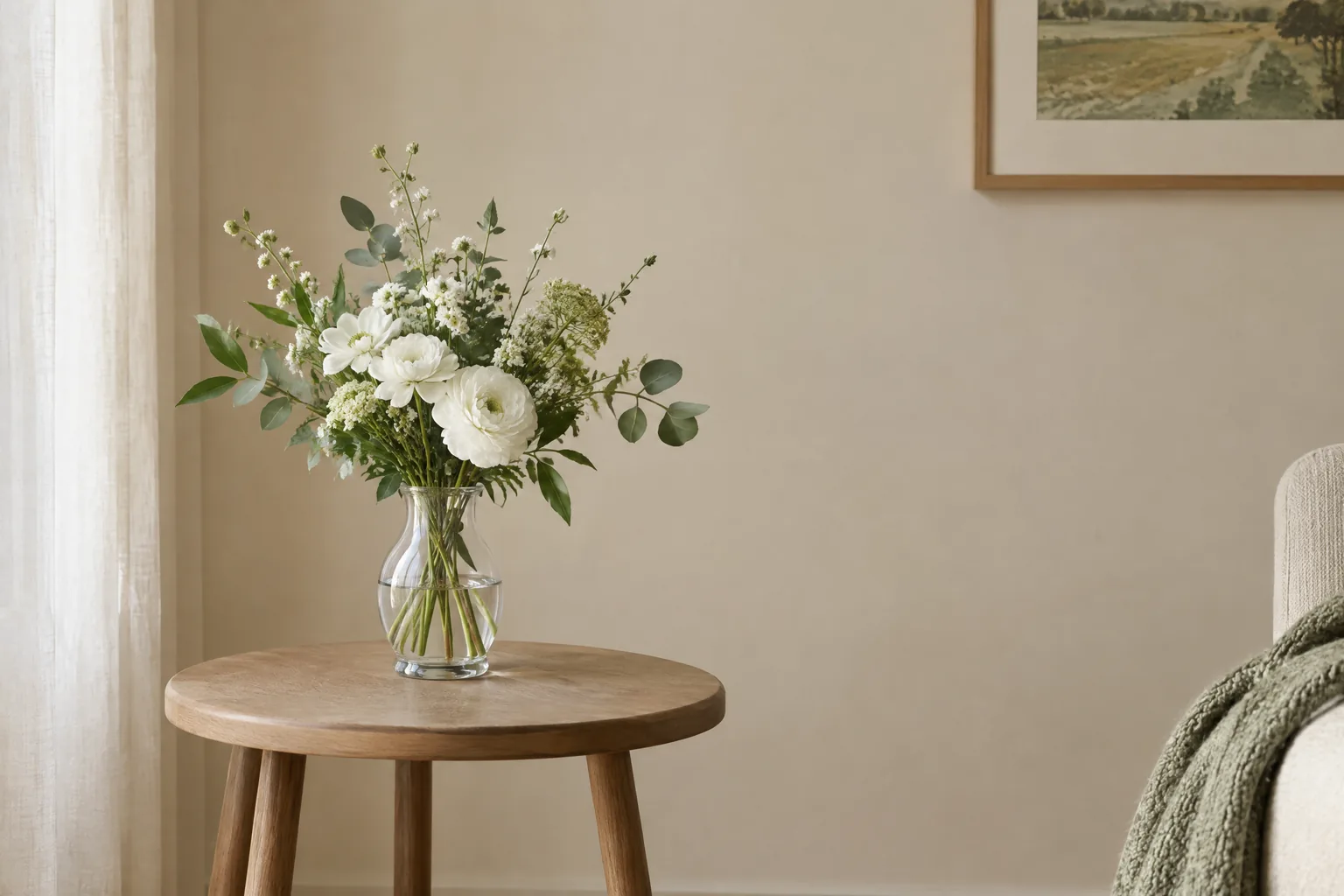
Identify the plant behind the arrangement
An orchid label or an indoor-plant category is not a complete care description.
Ask for the botanical name at least to the level needed to find appropriate guidance, along with the growing medium and pot arrangement. Is this one plant in a removable nursery pot, or several plants grouped inside a decorative container? Are the green leaves part of the orchid or separate companion plants? A photograph helps explain appearance, but it cannot replace a contents list when care and household suitability depend on what is included.
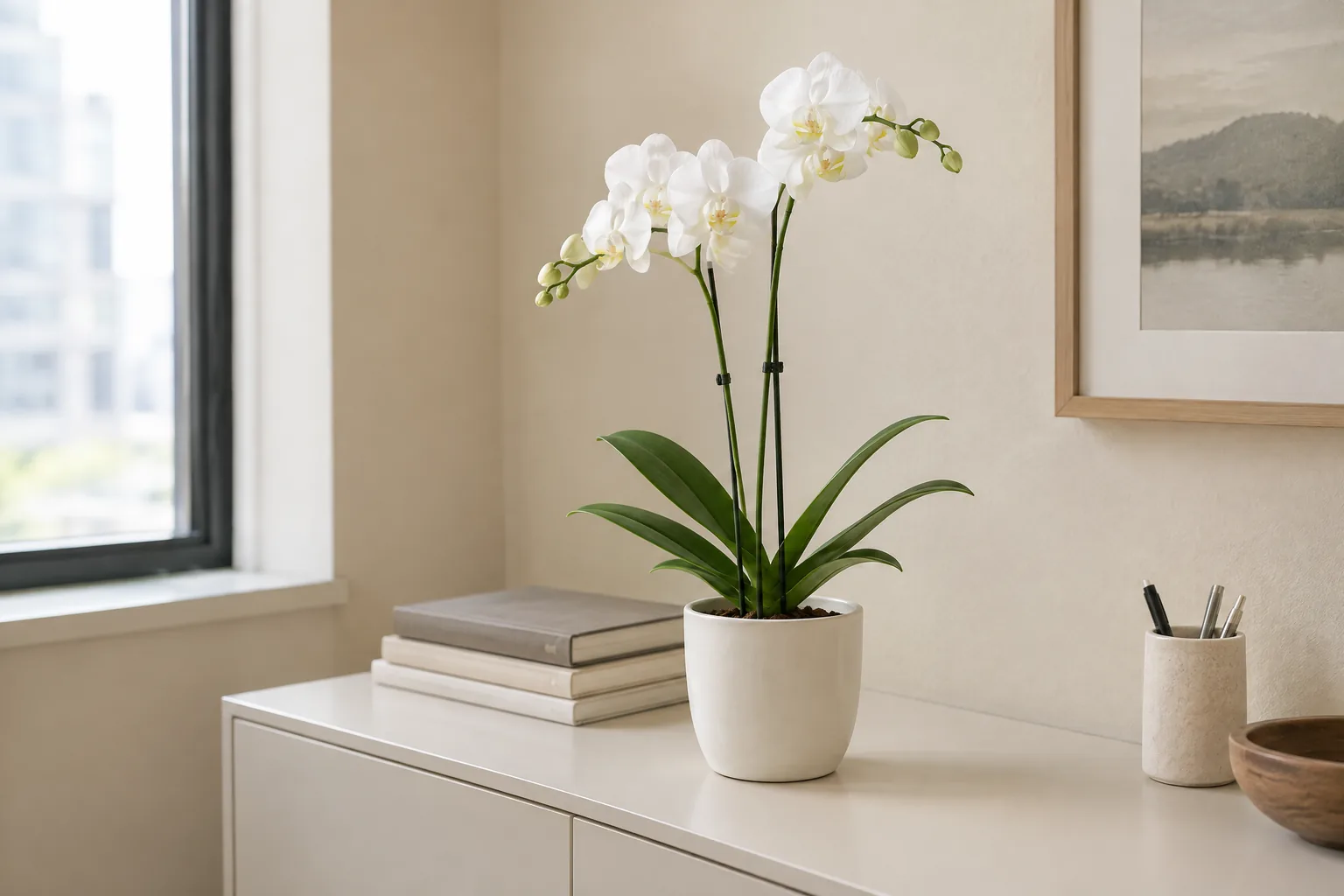
Before you buy orchids online, use the enquiry to ask which orchid is proposed, whether other living plants are included and how excess water leaves the container. Share the travel dates instead of asking only for a preferred flower colour. The linked Y. Florist page is a starting point for discussing potted arrangements, not confirmation that any pictured design suits an unattended home. Ask the seller to confirm the actual plant and planter for your request.
If the family would rather buy indoor plants, compare a named option against the same household questions. A reputation for tolerating occasional missed watering does not establish that a newly purchased specimen can be left for several weeks. Ask what checking it needs in the proposed location and who can perform that check. Where the answer depends on information nobody has, retain the option to choose together after the trip rather than substituting another unfamiliar plant.
Check the holiday position and the pets
Assess the home as it will be used while its owner is away.
For a moth orchid, the Royal Horticultural Society recommends bright light while keeping it out of direct summer sun. That makes the actual display position important: a bright room in a photograph may become a much darker room with holiday curtains drawn. Ask for a description of the intended spot at different times of day. Have the recipient approve any change of position rather than assuming a balcony, bathroom or shaded corner will be suitable.[1]
For a household with cats or dogs, identify the whole arrangement before making a choice. The ASPCA lists Phalaenopsis species, commonly called moth orchids, as non-toxic to cats and dogs. That entry concerns the named plant; it does not assess unidentified foliage, potting materials, treatments or accessories in a particular gift. Do not turn it into a promise that an entire arrangement is harmless or suitable for a pet to chew.[2]
Ask the pet owner where a plant could realistically stand without being investigated or knocked over. A high shelf is not automatically inaccessible to the animal that lives there, and a temporary caregiver should not be expected to redesign the room. If the species or contents cannot be established, pause the order and seek advice from the household's vet where needed. Switching from a plant to cut flowers still requires checking the actual flowers and foliage.
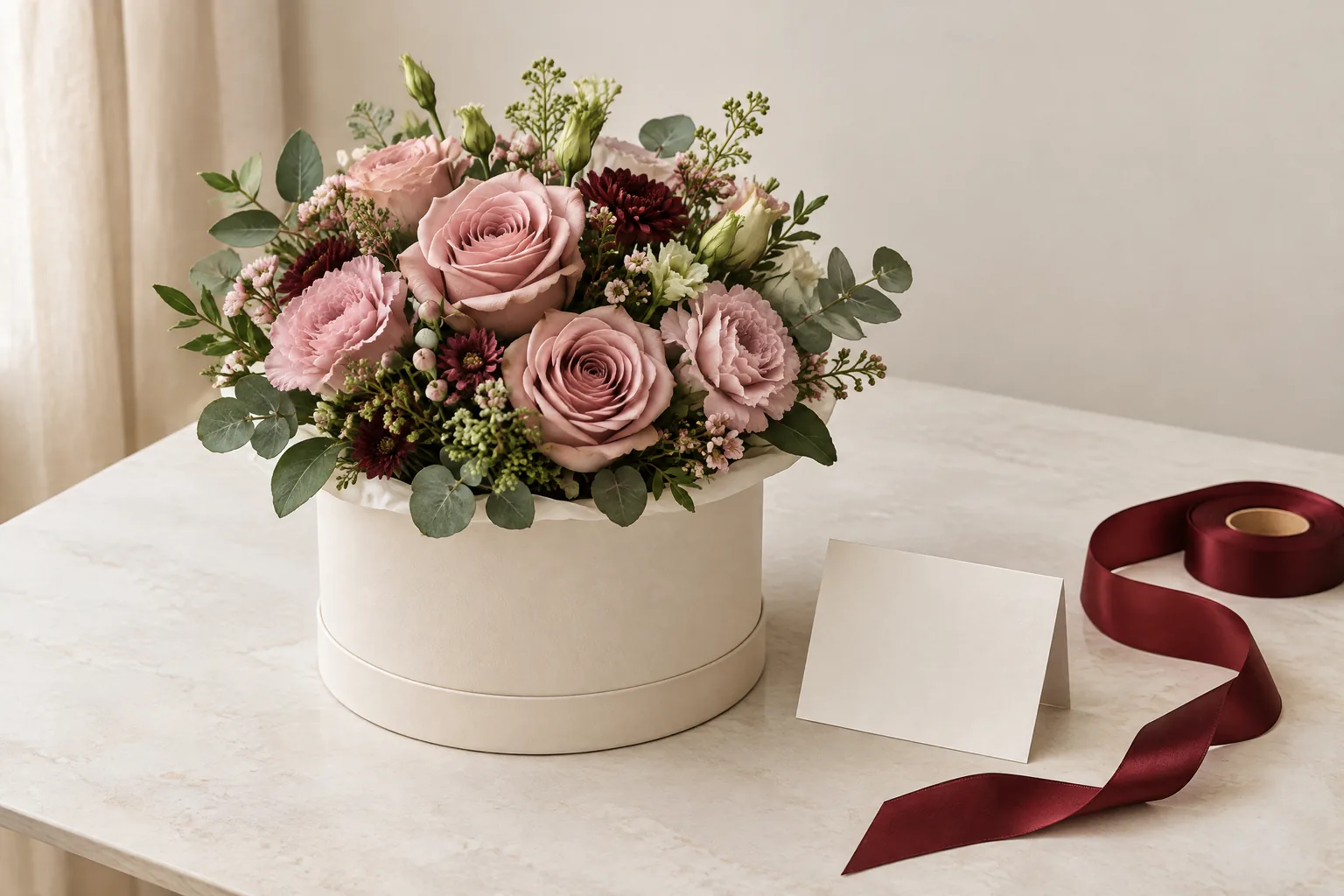
Request instructions for this pot, not a generic reminder
A useful care note explains what to check before adding water.
University of Maryland Extension advises watering indoor plants when they need it rather than on a fixed schedule, noting that potting medium, humidity and temperature affect water needs. For a temporary caregiver, a visit reminder and a watering instruction are therefore different things. A reminder can prompt an inspection; it should not automatically mean pouring in water. Ask the seller how to judge the needs of the identified plant in its particular medium.[3]
For moth orchids, the RHS warns against both overly wet and overly dry roots and says to let excess water drain away rather than leaving the plant sitting in water. A decorative outer pot can conceal collected water, so ask to see how the inner pot is removed and returned. Request a demonstration of the method the seller recommends. Do not compensate for an absence by leaving the orchid standing in extra water before departure.[4]
Keep the handover note specific enough to prevent well-meant improvisation. Include a photograph of the plant in its agreed position, the date it was last watered, the check the sitter should make and a contact for questions. Ask what changes merit a photograph or advice rather than an immediate treatment. Avoid introducing a new watering device, fertiliser routine or repotting project just before the owner leaves; those changes create more unfamiliar decisions for the person helping.
Find a willing caregiver before confirming the gift
Consent, access and a practical demonstration matter more than a name on a family chat.
Ask one person directly whether they can take responsibility for the agreed period and method. Silence in a group chat is not an agreement, and being the closest relative does not make someone available. Explain what the task involves, including travel to the flat, access and draining the pot if watering is needed. Offer an uncomplicated way to decline. A gift for Mum should not quietly become an unwanted duty for someone else.
Arrange a handover while the recipient is still available, ideally with the actual pot present. Let the caregiver practise lifting the inner container and finding the agreed checking point. If the plant will stay at their home, assess that location as carefully as the recipient's, including pets and light. Decide how it will be transported and returned. Do not assume that a neighbour can carry a heavy decorative arrangement or accommodate it on a windowsill.
University of Florida IFAS recommends a plant-sitter's home for absences longer than four weeks, or at least weekly home checks if the plants are too large to move. Its guidance also flags pest problems during extended absences. This is a reason to arrange observation, not an orchid-specific watering timetable. For any shorter trip, the named plant and conditions still determine what care is needed. If nobody can make the agreed checks, postpone this new purchase.[5]
Choose a later plant or a gift for the time she is home
The date on the calendar need not dictate the date a living gift arrives.
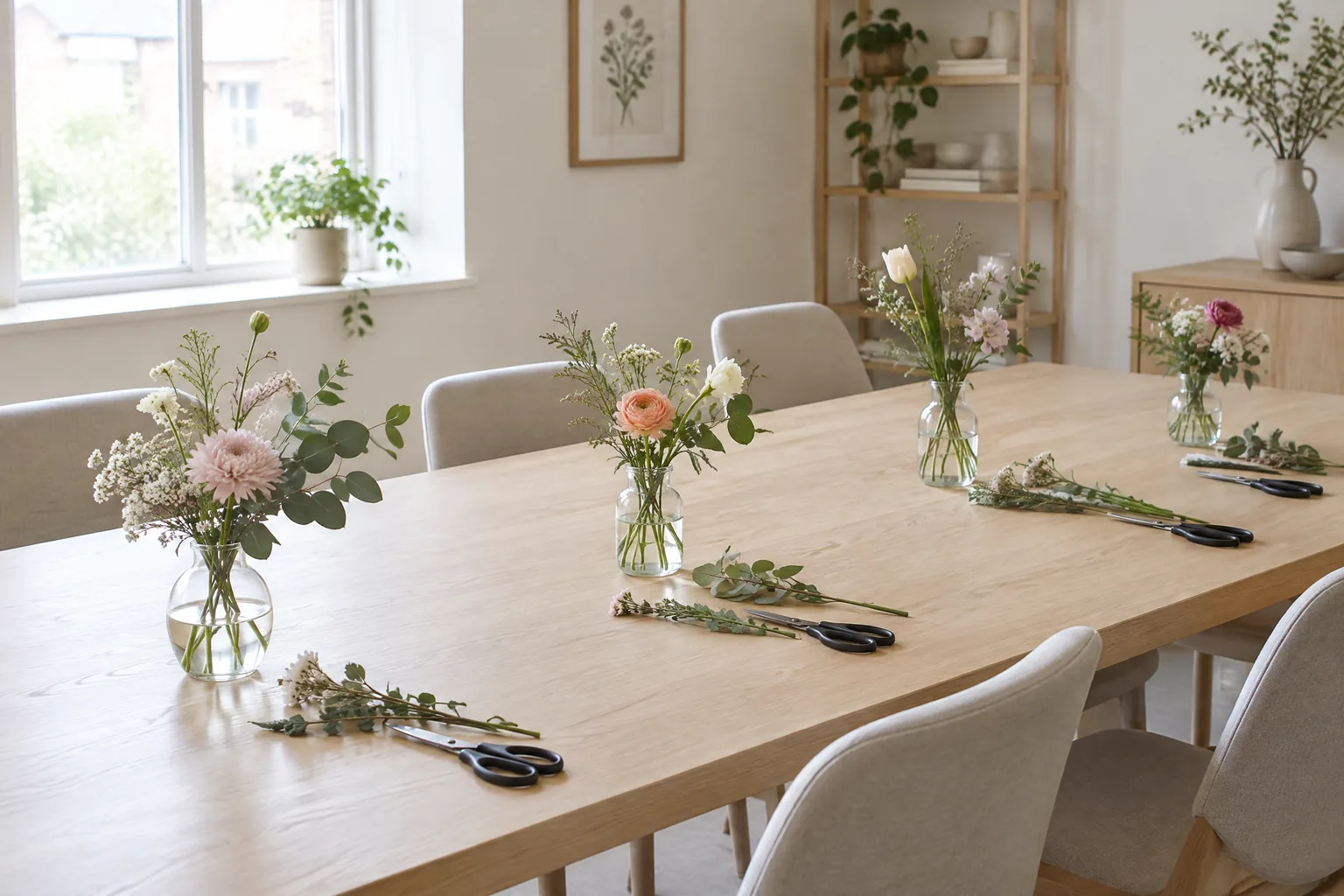
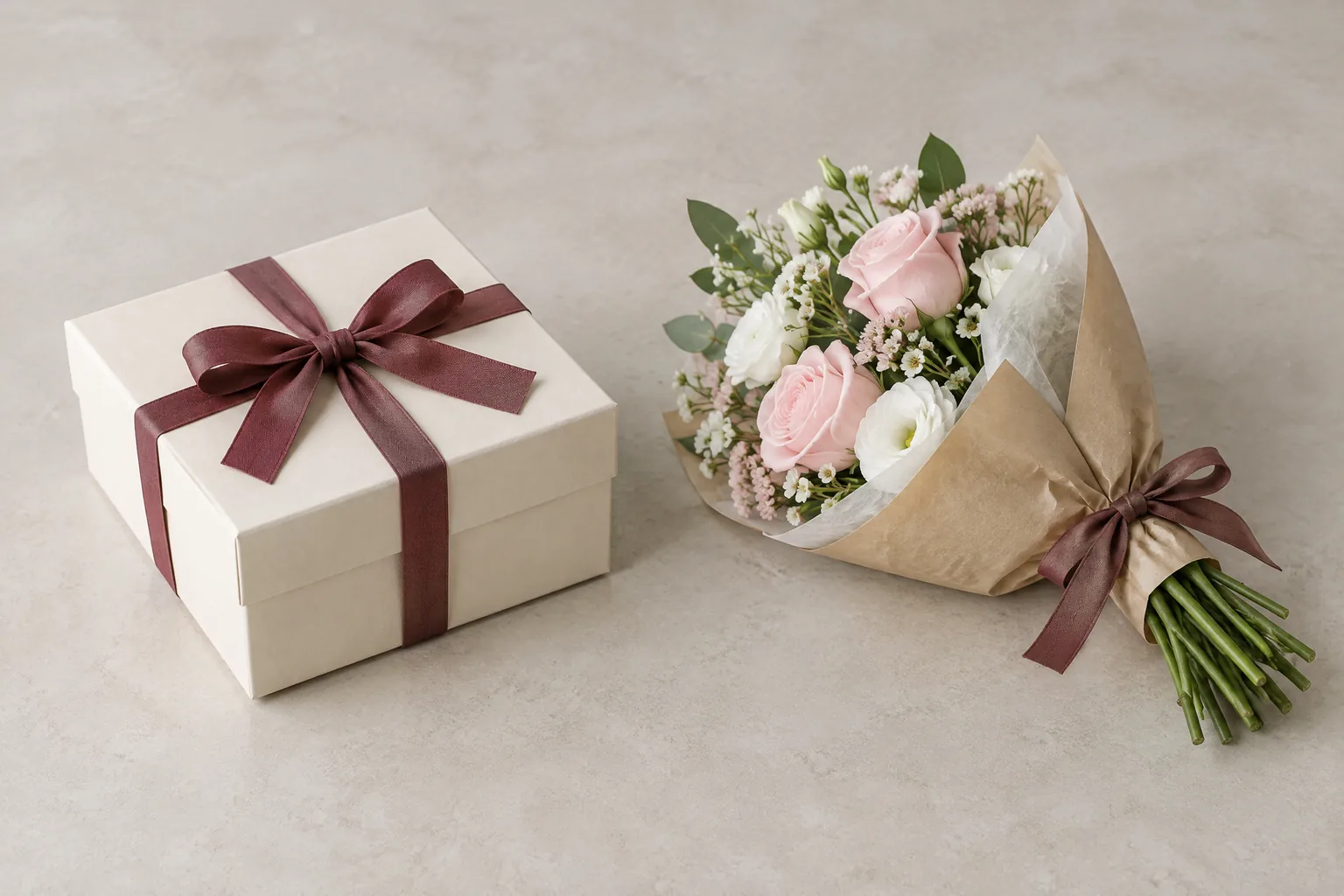
A delayed plant can be a definite plan rather than an apologetic substitute. Give a card explaining that you would like to choose one together after her return, then arrange a time to discuss it. Check her availability again before ordering; the first day back may be full of errands. Ask the merchant about a proposed handover only once the household is ready. Do not describe a future date as booked until it has actually been confirmed.
If she wants flowers during the days she is home, a Mother's Day bouquet may suit that shorter occasion better than a plant intended to stay indefinitely. The Y. Florist destination discusses bouquet preferences and presentation; ask about the actual contents and receiving arrangements. A bouquet still needs attention and eventual disposal, so agree who will handle it before departure. Do not promise it will remain attractive until she returns or assume it can simply be left behind.
There is also no requirement to replace one living gift with another. A personal letter or an agreed outing after the trip may answer the occasion without adding care at all. If different family members have already proposed flowers, nominate one person to coordinate the final choice so several separate gifts do not arrive unexpectedly. The useful outcome is a celebration she can enjoy, followed by a holiday that does not require remote management of presents.
| Option | Choose it when | Pause or change the plan when |
|---|---|---|
| Named orchid | She wants it; its position, contents and caregiver are agreed | Species, drainage or care during the absence is unclear |
| Another named indoor plant | Her home fits its needs and a willing person can check it | The only justification is a general low-maintenance label |
| Plant after her return | She likes the idea but nobody wants holiday-care work | The return date or receiving arrangements are still uncertain |
| Cut flowers before departure | She wants them and someone will care for and clear them | She is leaving too soon to enjoy them or contents are unsuitable |
- Ask whether she wants a new plant, including the option to decline or choose later.
- Record the handover, departure and return dates, with a backup for a delayed return.
- Obtain the plant's identity, companion-plant contents and container drainage details.
- Confirm the holiday display position and check household-pet considerations.
- Get a willing caregiver's explicit agreement and test access before departure.
- Leave a pot-specific care note and agree who handles problems or changes.
- Postpone or change the gift if any essential care arrangement remains unresolved.
A lasting present is not automatically the most considerate present before travel. Choose a living plant only when its recipient welcomes it and its care has a willing owner throughout the absence. If those conditions are missing, waiting protects both the thought behind the gift and Mum's freedom to enjoy her trip. Celebrate her now; choose the plant when the household is ready.
Is an orchid a poor gift if Mum is leaving two days later?
Not necessarily, but it leaves little time for an unfamiliar plant and a care handover. Proceed only if she wants it and a willing caregiver can manage that specific pot from the start. If either point is unsettled, give a card on the day and choose the plant after her return.
Can we ask the florist for an orchid that needs no care for three weeks?
Ask about the identified plant's requirements, but do not make an unsupported no-care promise the basis of the gift. The home, growing medium and container all matter. Explain the absence and ask what checking is needed. If the proposed care cannot be provided, change the timing rather than seeking a reassuring label.
Should siblings take turns watering when they happen to visit?
Only with a shared record and one person coordinating. Otherwise, two visitors may both add water without knowing what the other has done. Record checks as well as watering, and agree who answers questions. A named caregiver with backup is clearer than an open invitation for everyone to help whenever convenient.
Does a moth orchid's non-toxic listing cover a mixed planter?
No. The listing for Phalaenopsis does not identify the other plants or assess every material in a mixed arrangement. Obtain the contents before choosing and let the pet owner assess placement. If a name or material remains unclear, do not substitute a general pet-friendly description for the missing information.
How can we delay the plant without making the gift feel forgotten?
Make the intention personal and specific: explain that you want her to enjoy choosing it without holiday-care worries, and suggest discussing it after she returns. Keep that promise yourself rather than asking her to chase the family. You can celebrate on the day with a message while leaving the plant decision open.
Ask the recipient about her travel plans and preferences first. If a plant is welcome, send the merchant the species, position and care questions before confirming an order; otherwise, agree a time to choose after her return.
Sources & supported claims
- Royal Horticultural Society: How to grow Phalaenopsis (moth orchids)
Moth orchids need bright light and should be kept out of direct summer sun.
- ASPCA Poison Control: Phalaenopsis Orchid
ASPCA identifies Phalaenopsis species as non-toxic to cats and dogs; the article limits this to the named plant rather than guaranteeing an entire arrangement.
- University of Maryland Extension: Watering Indoor Plants
Watering should respond to plant need rather than a fixed schedule; potting medium, humidity and temperature affect water needs.
- Royal Horticultural Society: How to grow Phalaenopsis (moth orchids)
Overly wet or dry roots damage moth orchids; excess water should drain away and the plant should not sit in water.
- University of Florida IFAS: Vacation Plant Care
For absences longer than four weeks, UF/IFAS recommends moving plants to a sitter or at least weekly home checks for plants too large to move, and notes pest risks during extended absences.