
Flowers & thoughtful arrangements
Content updated
On this page
- Map each branch's permitted display
- Separate a recurring service from ownership
- Confirm what the orchid rental covers
- Run festive kumquat purchases as a separate event
- Name the receiver and the person checking care
- Use closure dates to trigger decisions
- Close the return and hand over the record
- Questions & answers
- Sources & supported claims
Your branch office plant calendar needs a handover plan
A branch office plant calendar should show who owns each display, who can receive it and what happens when the office closes. Put regular flowers, rented orchids and purchased festive plants on the same calendar, but keep their agreements separate. A delivery reminder alone cannot tell a new receptionist whether a pot must be returned or whether a fading plant qualifies for replacement. For several Hong Kong offices, the useful starting point is one shared record with a named local contact at every branch.
Give each display a location code and link its calendar entries to the confirmed order or agreement. Record the next decision as well as the next visit: a closure notice, a renewal review or a collection booking may need action first. Treat Lunar New Year plants as a separate purchase exercise unless a written agreement expressly includes them. When staff change, hand over unresolved questions rather than leaving the incoming colleague to reconstruct promises from old messages.
Map each branch's permitted display
Approve a usable position before requesting a matching look.
Start with the actual display points, not the number of branches. A branch might have one approved reception shelf but no suitable floor space. Another may need separate arrangements for its public counter and meeting room. Give these places stable codes, such as B02 Reception, and record the usable width, depth and height. Attach a photograph of the empty position so a replacement administrator can understand the space without visiting every office.
Ask the building or facilities contact which locations are permitted and how deliveries reach them. Keep the agreed position clear of doors, signs and everyday working space. Note any narrow lift or counter that limits the proposed format. A branch that cannot accommodate the preferred plant need not receive a smaller version automatically; it may be better to use a different display or leave that location out after the relevant people agree.
Record conditions that change when people leave. Reception lights may be switched off, blinds may remain closed, or air-conditioning hours may differ at weekends. Send these observations to the plant provider for a suitability assessment rather than classifying the whole portfolio as one identical office environment. Recheck the record when desks move or a branch refurbishes. An approved position belongs to a particular layout, not permanently to the branch name.
Separate a recurring service from ownership
The plant, container and service can have different owners.
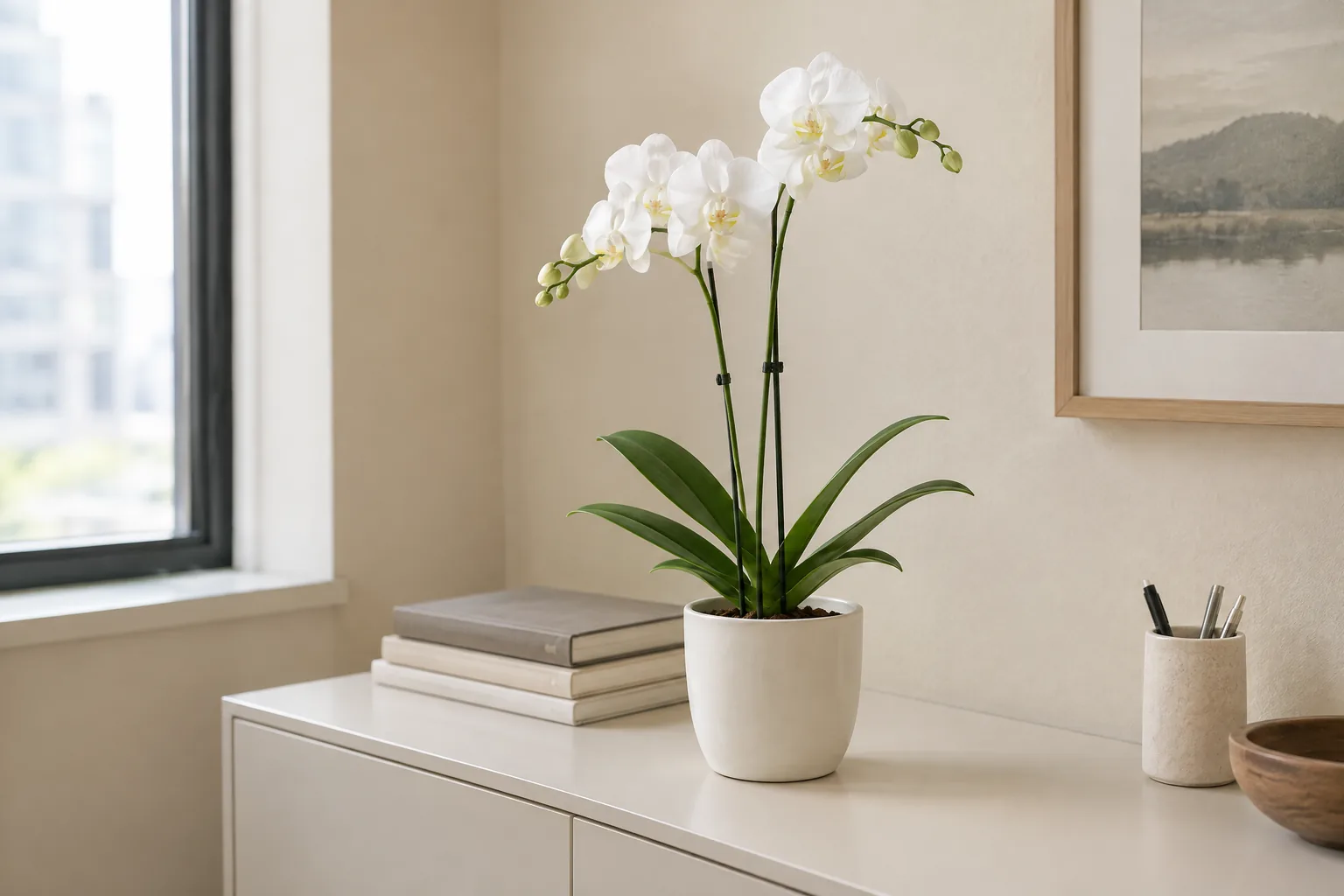
When comparing corporate floral subscriptions, ask for a written scope for each participating site. It should identify the proposed display, service dates and anything staff are expected to do between visits. Do not infer the arrangement from another branch's proposal, even if both use the same supplier. One office may buy flowers for its own vase while another receives a display in a container that remains the provider's property.
Use separate fields for the plant or stems and their container. Mark each as purchased, hired, company-owned or awaiting confirmation, and link that status to the relevant document. A neutral label such as awaiting confirmation is better than guessing. If the company supplies its own ceramic pot, record that too. Otherwise a visiting team may remove it with spent flowers, or an outgoing colleague may mistake a hired vessel for an office asset.
Keep budget responsibility beside the agreement, not beside whoever happens to receive deliveries. Name the cost centre, the person authorised to approve changes and the renewal decision date. For a continuing arrangement, the last scheduled visit and the contractual end date may require different reminders. Finance should be able to match a charge to the branch and service period without asking reception to interpret a description that simply says monthly flowers.
| Display record | Ownership to establish | Next calendar decision | Person responsible |
|---|---|---|---|
| B01 reception flowers | Stems purchased; vase status to confirm | Approve proposed recurring dates | Central budget approver |
| B02 meeting-room orchid | Plant and planter hire scope to confirm | Agree care and end-of-term collection | Local facilities contact |
| B03 festive kumquat pair | Purchase scope and accessories to confirm | Approve seasonal allocation and receiving window | Seasonal order coordinator |
| B02 closure period | Existing hired display remains on record | Obtain pause and care-cover confirmation | Branch manager with named deputy |
Confirm what the orchid rental covers
Rotation, care and collection need their own answers.
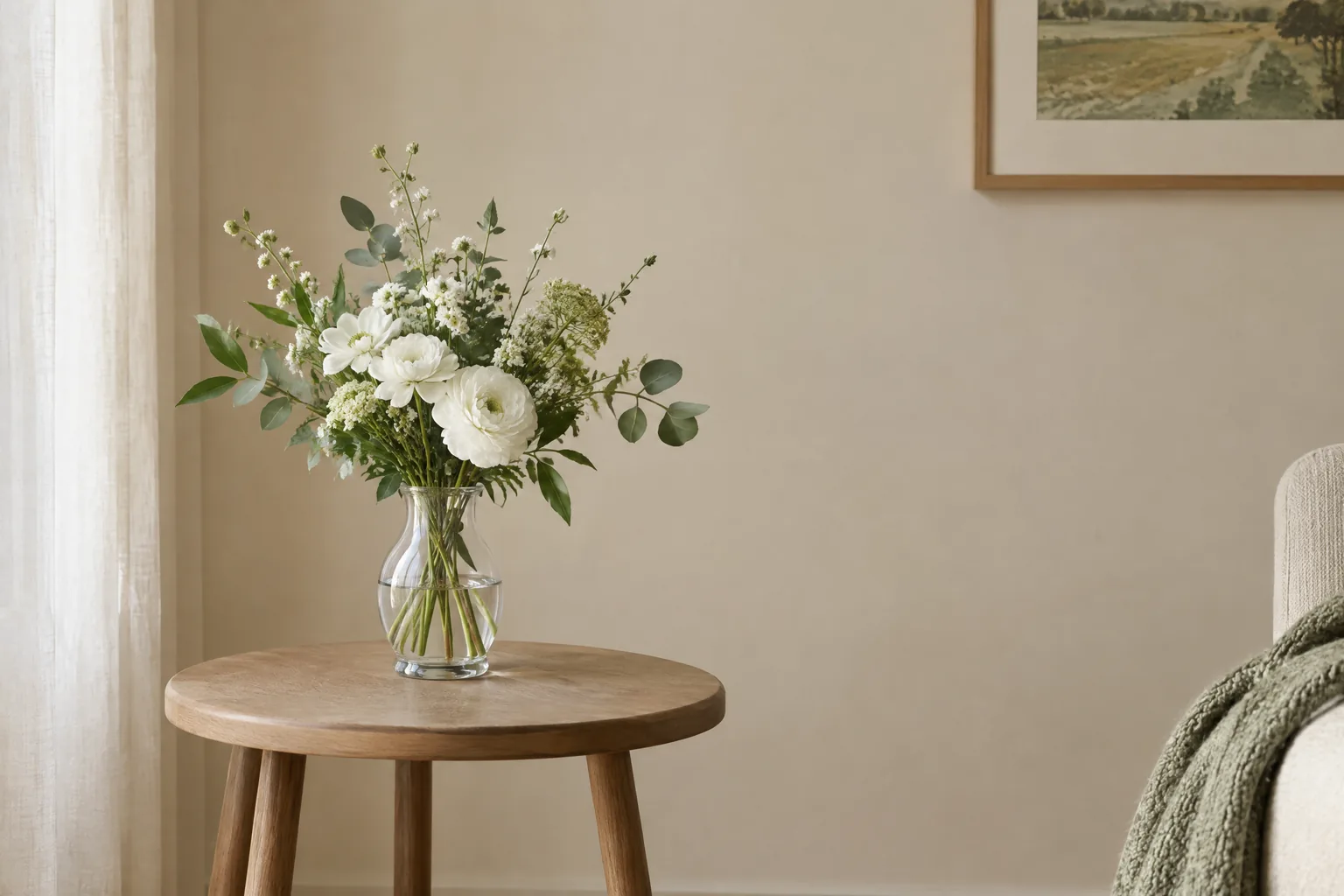
Use an office orchid rental enquiry to clarify the plant presentation, planter and proposed term together. Ask whether any visits, rotation, collection or replacement process are included, and what would trigger a separate quotation. Y. Florist's page frames these as details for individual confirmation, not a standard package. Put the confirmed answers into the branch record; a photograph of an orchid design does not establish ongoing service obligations.
Agree how staff should report a concern before it becomes an argument over responsibility. Useful information includes the display code, the date, a clear photograph and any recent move or change in room conditions. Ask who may authorise a replacement and whether the provider must inspect first. Staff should not discard a rented plant, cut its stems or transfer it into another container simply because a visitor thinks it looks untidy.
For a display confirmed as a moth orchid, the Royal Horticultural Society advises letting excess water drain away and never leaving the plant sitting in water. That makes the container arrangement a handover issue: ask how staff can check or drain it without dismantling the display. Obtain instructions for the actual planting, especially where several plants share a decorative vessel. This guidance is not a universal watering recipe for every orchid species.[1]
Run festive kumquat purchases as a separate event
A recurring office display does not reserve seasonal plants.
Prepare bulk kumquat plant orders from an approved branch allocation rather than multiplying last year's total. List each destination, quantity and acceptable display size, then ask about current feasibility and the complete quotation. Include the desired arrival date and the last day someone can receive the plants before closure. Do not assume a regular floral agreement includes festive stock, a multi-address delivery route or removal after the holiday.
Resolve where the plants will go before ordering extras. A pair requested for an entrance needs two permitted positions, not just a quantity of two on a spreadsheet. Ask what the quoted height measures and confirm the proposed planter and overall spread. If carpets, ornaments or installation are wanted, show them as separate requested lines. Keep the approved alternative visible so a branch does not accept a substantially different scale without an authorised decision.
Distinguish the preferred date from an agreed receiving window. For a fictional three-branch plan, one office might need its plant before an early staff gathering while two others can receive later. Record those as separate requirements, then update them only when the supplier confirms. Give the seasonal project its own approval and closure dates. That keeps a pending festive purchase from being mistaken for an already scheduled recurring visit.
Name the receiver and the person checking care
Receiving a plant is not the same as agreeing to maintain it.
Assign a local receiver and a deputy for each site, using a shared work contact where possible. Give them the approved item list and display location before arrival. The receiver checks the item against the confirmation and records any difference; they need not be the budget approver or the plant-care contact. Where an arrival ends at the loading bay, name whoever is responsible for taking the display to its agreed final position.
Schedule care checks rather than automatic watering. University of Maryland Extension advises watering indoor plants when they need it, not simply on a timetable; potting medium, humidity and temperature affect that need. In the branch calendar, a reminder can therefore say check using the agreed plant instructions, then record the action. Do not apply one generic soil test or quantity of water to every species and display format.[2]
Make the care record easy to leave and read: date, observation, action and initials are usually enough. A note saying checked, no water added is useful because the next colleague knows the plant was not forgotten. Agree with cleaning teams who handles saucers, fallen material and spills, without assuming plant maintenance is part of their existing work. Keep equipment and water handling away from nearby electrical items, and ask facilities about a suitable working area.

Use closure dates to trigger decisions
A pause request needs acknowledgement, not just a crossed-out visit.
Before agreeing a flower subscription, ask how pauses, date changes and restarts are requested and when they take effect. Record the supplier's confirmed notice requirement rather than inventing an internal deadline and treating it as binding. Add a reminder early enough for your approver to respond. A closed branch needs a decision about both the next delivery and the display already inside; cancelling one does not resolve the other.
For each closure, enter the last staffed day, the first receiving day after reopening and any permitted access during the gap. Choose between agreed care cover, an approved temporary relocation or a confirmed collection arrangement. Do not ask a security guard to water a plant or admit a service team without checking that this is allowed and accepted. If no workable plan exists, discuss removing the display before closure rather than leaving its care unassigned.
Keep request and confirmation dates separate. Mark a pause as pending until the provider acknowledges the affected site and visits. Similarly, do not let a calendar repeat rule restart service automatically after a public holiday or refurbishment. Obtain confirmation of the new receiving window, contact and display position. If urgent access restrictions interrupt the plan, record the instruction and the next action owner; do not silently move an unresolved visit to another date.
| Situation | Useful next decision | Evidence needed before closing the issue |
|---|---|---|
| Reception unstaffed for one visit | Ask about an authorised alternative handover | Branch and supplier confirm the same endpoint |
| Office closed with plants inside | Arrange agreed care, relocation or collection | Named person accepts the task and access is approved |
| Branch moving permanently | Review termination, new-site feasibility and item returns | Written agreement update plus reconciled items |
| Festive plant arrival no longer suitable | Ask whether date or allocation can change | Order-specific response before amending branch instructions |
Close the return and hand over the record
Removal from reception is not the end of responsibility.
At the end of a rental or seasonal display, reconcile what is leaving against the item record. Separate a hired planter from a purchased plant and any company-owned accessories. Agree the collection point and who can release the items. A pot moved into a store cupboard is still unresolved if collection remains outstanding. Keep a dated acknowledgement or collection record, and refer any condition dispute to the person authorised to handle the agreement.
For purchased festive plants, decide who will arrange their next destination before the display period ends. Ask about suitable continued care if the company intends to keep them. Any staff adoption should be voluntary and recorded, not an unannounced responsibility passed to the nearest colleague. If disposal or a seasonal recovery programme is considered, check its current acceptance rules and dates with the operator. Do not assume a florist collects plants it previously sold.
Hand an incoming administrator a short list of live exceptions alongside the calendar: an unconfirmed pause, a planter awaiting return or a quote awaiting approval. Have them open the linked agreement and find the next action for one branch. This practical check reveals missing access to documents better than an unread handover email. Retain completed records for reconciliation under company policy, but remove obsolete personal contact details from the working sheet.

- Give every approved display position a stable branch and location code.
- Record ownership of plants, vases, planters and company accessories separately.
- Link dates to confirmed scopes and mark unanswered requests as pending.
- Name a receiver, care contact, approver and practical deputy at each site.
- Approve seasonal quantities separately from recurring service commitments.
- Resolve closure care and restart arrangements before removing reminders.
- Reconcile collections and transfer open exceptions when staff change.
The strongest calendar is the one another colleague can use without guessing. Keep ownership, care and permission to change an order visible beside each branch's dates. Separate seasonal purchases from continuing services, and leave a pending action open until someone confirms the outcome. That gives the next office manager a manageable set of responsibilities rather than a room of plants with unexplained histories.
Can one shared calendar cover branches with different suppliers?
Yes, if it links to separate agreements rather than pretending all sites have identical terms. Use consistent location codes and action labels, but retain each supplier's confirmed dates, notice requirements and responsibilities. Give local staff access to the parts they need. A central coordinator can then see pending decisions across the portfolio without replacing branch-specific instructions.
Should the receptionist be responsible for watering every display?
Only if that duty has been agreed and the person has appropriate instructions and cover. Receiving a delivery does not automatically assign care. Identify the plant-care contact separately, including who takes over during leave. Where a service proposal includes maintenance, clarify what office staff should still check and whom they should contact instead of attempting corrective work themselves.
Does a fading rented orchid mean we can demand an immediate replacement?
Not from the rental label alone. Check the confirmed replacement or rotation terms, then report the concern with the display code and photographs. Ask what happens next and whether any charge or approval is involved. Keep the plant and planter available for inspection or collection unless the provider gives a different instruction accepted by your authorised colleague.
What happens if the branch closes after festive plants have arrived?
Make a separate plan for those purchased plants even if recurring deliveries have been paused. Check who can enter, whether anyone has accepted care duties and what conditions the provider recommends for the actual plants. If a relocation is proposed, confirm the destination and handling responsibility. A subscription pause is not evidence that existing seasonal purchases will be collected.
What is the minimum useful handover when an office manager leaves?
Transfer the current calendar, linked agreements and item ownership records, then identify the next action at each branch. Include deputies, pending supplier replies and any returns still open. Make sure the incoming colleague can access the files through company accounts. A dated photograph can clarify the current display, but it cannot replace the terms governing its care or return.
Choose one branch and complete its display record before copying the format across the portfolio. Send any unresolved scope, care, pause or collection questions to the relevant provider and obtain written confirmation before relying on the arrangement.
Sources & supported claims
- Royal Horticultural Society: How to grow Phalaenopsis (moth orchids)
Moth orchids should not sit in water; excess water should be allowed to drain away.
- University of Maryland Extension: Watering Indoor Plants
Indoor plants should be watered according to need rather than a fixed schedule; potting medium, humidity and temperature affect watering needs.