Baking & procurement
Content updated
On this page
- Ask members whether they want to share the celebration
- Measure the table you are actually allowed to use
- Compare the complete bento, letter and number layouts
- Get portions tied to a real cutting plan
- Give names and design approval a clear owner
- Make the photo moment lead directly into service
- Use a smaller or sequential display when the layout fails
- Questions & answers
- Sources & supported claims
A milestone cake footprint that fits your shared venue
Plan your milestone cake footprint from the permitted table area, not the size of the numeral in a photograph. For a club marking several members' birthdays, anniversaries or achievements, confirm who wants a shared celebration before comparing cakes. Ask for the outside dimensions of every board and box, then reserve space for cutting and plates. A letter or number arrangement works only if it fits that whole plan. Separate personal cakes can honour members individually, but they still need storage and a clear decision about what guests will eat.
Choose the format after checking consent, usable space and actual portions. A small cake for each honouree is not automatically guest dessert, and a long sequence of initials is not automatically one manageable display. The most useful order brief contains an approved layout, board and box measurements, a stated serving basis and a named person responsible for cutting. Keep the photo moment short enough to suit the cake's handling requirements.
Ask members whether they want to share the celebration
One club occasion need not mean one combined milestone.
Speak privately to each member being celebrated. Someone may welcome a birthday greeting but not want their age displayed; another may prefer an achievement recognised without a speech. Ask whether their name, milestone and photograph may be shared with the whole club. Establish whether each person wants to cut a cake, receive one to take away, or simply join the gathering. These answers determine the format more usefully than matching colours do.
Do not treat agreement to attend as agreement to merge celebrations. An anniversary and a retirement can share an evening without sharing a message. Offer a common club greeting with individual cards, separate small cakes, or different recognition moments. If members choose a joint design, make sure the wording gives each person the acknowledgement they actually want. Equal respect does not require equal numbers of letters or identical decorative space.
Set the spending arrangement before design approval. Decide whether the club is buying guest dessert, individual gifts, or both, and say who may approve changes. A member should not discover that accepting a personal cake means contributing to a larger display. Keep a simple record of agreed names and permissions so that a later committee member does not revive an age or message that someone has already declined.
Measure the table you are actually allowed to use
The table edge is not the boundary of a workable cake display.
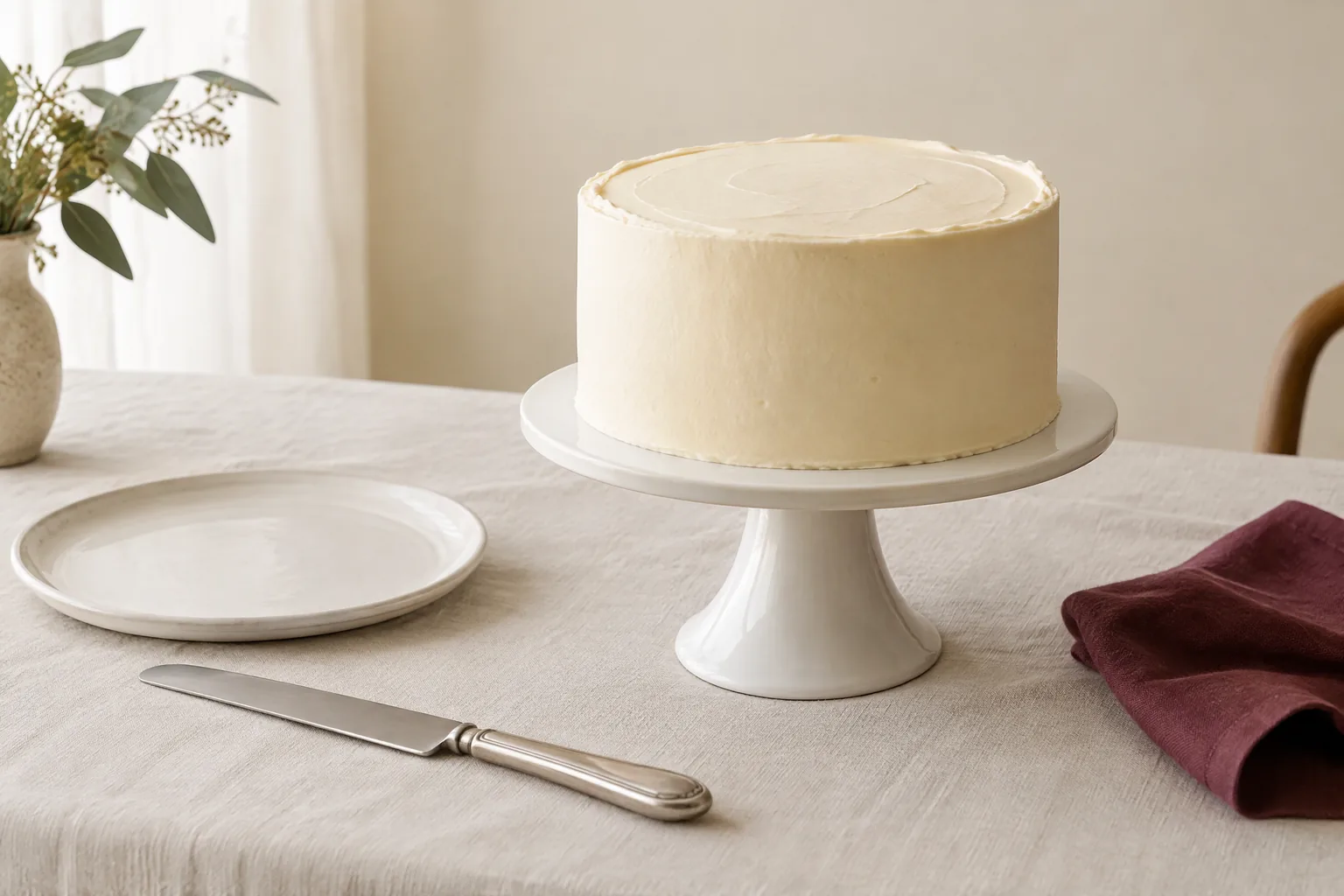
Ask the venue which table is allocated to the club and whether the cake may remain there throughout the booking. A shared function room may need the same surface for registration, drinks or another group's equipment. Record its usable length and depth after those commitments, rather than copying a furniture specification. Check that the surface is stable and that nothing overhangs it. Do not count a neighbouring table unless the venue has agreed to its use.
Make a paper template for each proposed board once the bakery supplies dimensions. Lay the templates on the permitted surface alongside a plate stack, a serving utensil and a place for the person cutting. Test the arrangement from the working side as well as the audience side. A design that fills the table neatly in a top view may leave no place to put down a slice. Leave access to the surrounding seating and exits unchanged.
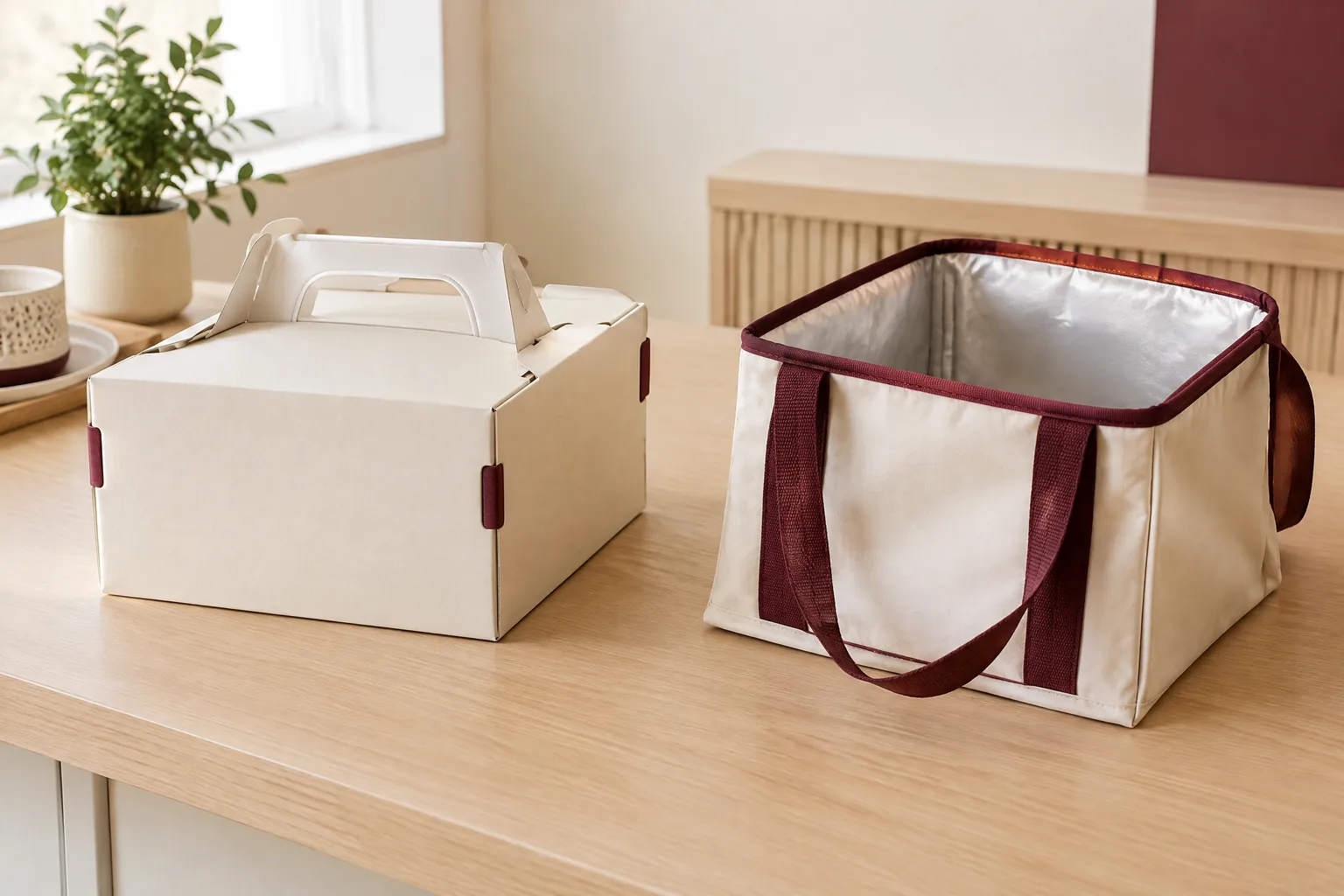
Check the journey to that surface too. Ask about the entrance, lift, doorways and refrigerator opening, including shelf depth and height with the cake boxed. A board fitting the table does not prove its transport box will fit the fridge. Agree where packaging can be removed without balancing the cake on a chair. If chilled storage cannot be confirmed, resolve the timing and suitable product choice with the bakery before committing to the design.
Compare the complete bento, letter and number layouts
Request board and packaging sizes, not just the edible outline.
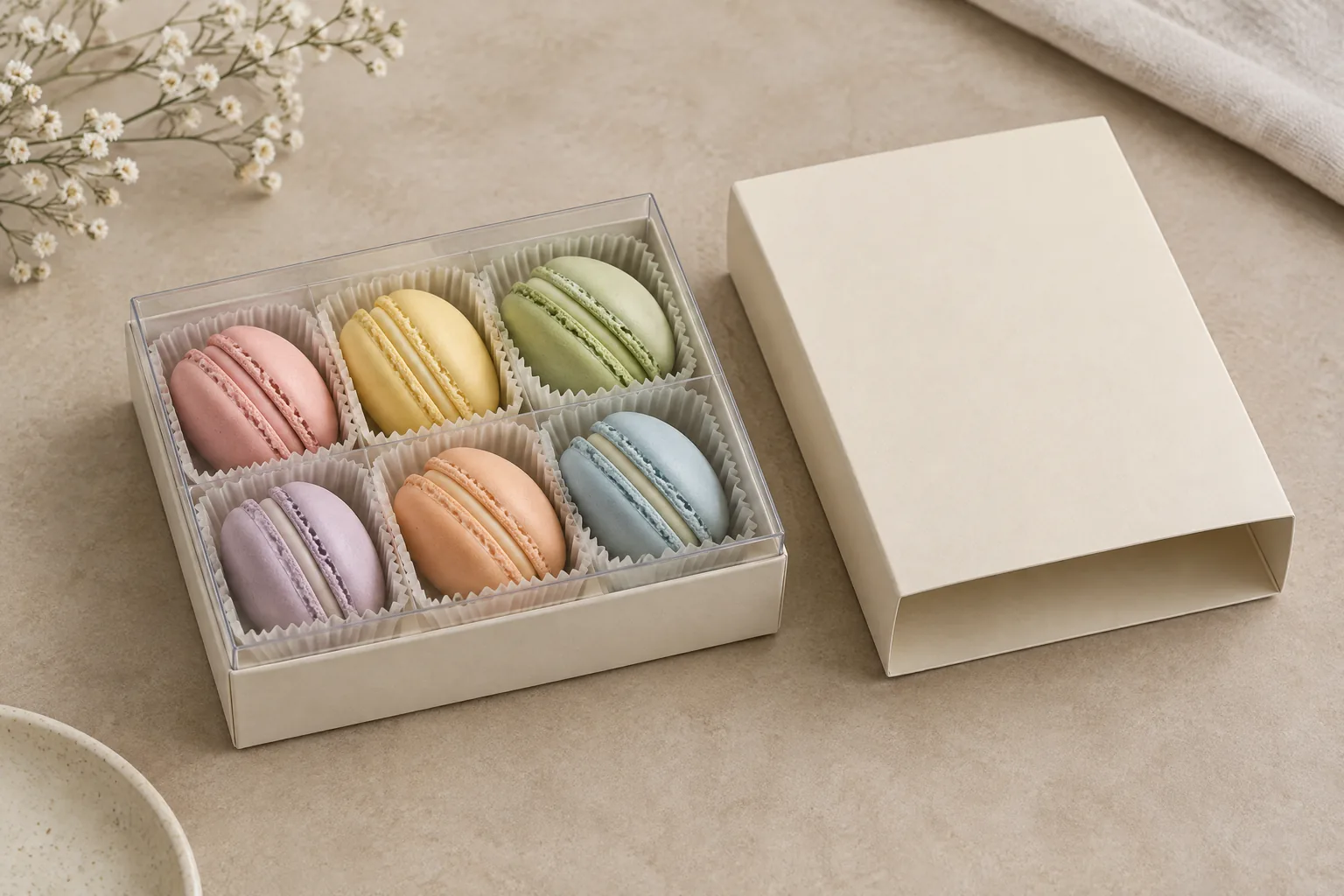
A Bento Cake enquiry is useful when members want individual messages or cakes to keep, rather than one shared centrepiece. Ask for the board size and the outside box dimensions for each proposed design. Include the space required to open or remove the lid. Several compact cakes placed together may occupy more room than expected, especially when everyone wants their message visible in the same photograph. Confirm whether each cake is a personal gift or part of the portions available to guests.
For a Custom Letter Cake, send the exact initials or word and request a plan showing their order, orientation and board arrangement. A narrow initial and a wide one need not have equivalent footprints or edible quantities. Ask whether the proposal uses separate boards or a single larger base, and whether those boards may be moved independently. Replacing full names with initials can shorten a layout, but only if the members approve and guests can understand who is being recognised.
A Number Cake can mark a club anniversary without naming anyone's age, provided that is the intended message. Confirm the numeral sequence in writing and ask for the total assembled width, including gaps and board margins. Do not infer the footprint of a two-digit design from a photograph of one digit. If the proposal relies on placing components separately, confirm how they arrive and how the venue team should position them without touching the decorated surfaces.
| Proposed format | Footprint to request | Serving question | Approval needed | Useful when |
|---|---|---|---|---|
| Personal boxed cakes | Each board and closed box; lid-opening space | Reserved gifts or guest portions? | Each person's message | Members want independent recognition |
| Letter arrangement | All boards together, with gaps and correct orientation | Yield for these exact letters and construction? | Initials, order and front view | Members approve shared wording |
| Number arrangement | Complete digit sequence, board margins and box sizes | Portions for the proposed design, not a similar numeral? | What the numeral represents | One agreed club milestone is central |
| Shared conventional cake with cards | Cake board plus a separate card position | Portion size and cutting pattern? | Common greeting and individual names | Recognition matters more than a shaped outline |
Get portions tied to a real cutting plan
A serving estimate needs a portion size and a person able to follow it.
Wilton's serving guide illustrates why a headcount alone is incomplete: its party portions are based on slices about 1½ by 2 inches, while wedding portions use about 1 by 2 inches. It also says shape and the person cutting affect the result, and that counts are guidance. Those assumptions are not a portion promise for a different bakery's cake. Ask the supplier what its own stated servings mean for the particular shape, height and construction being proposed.[1]
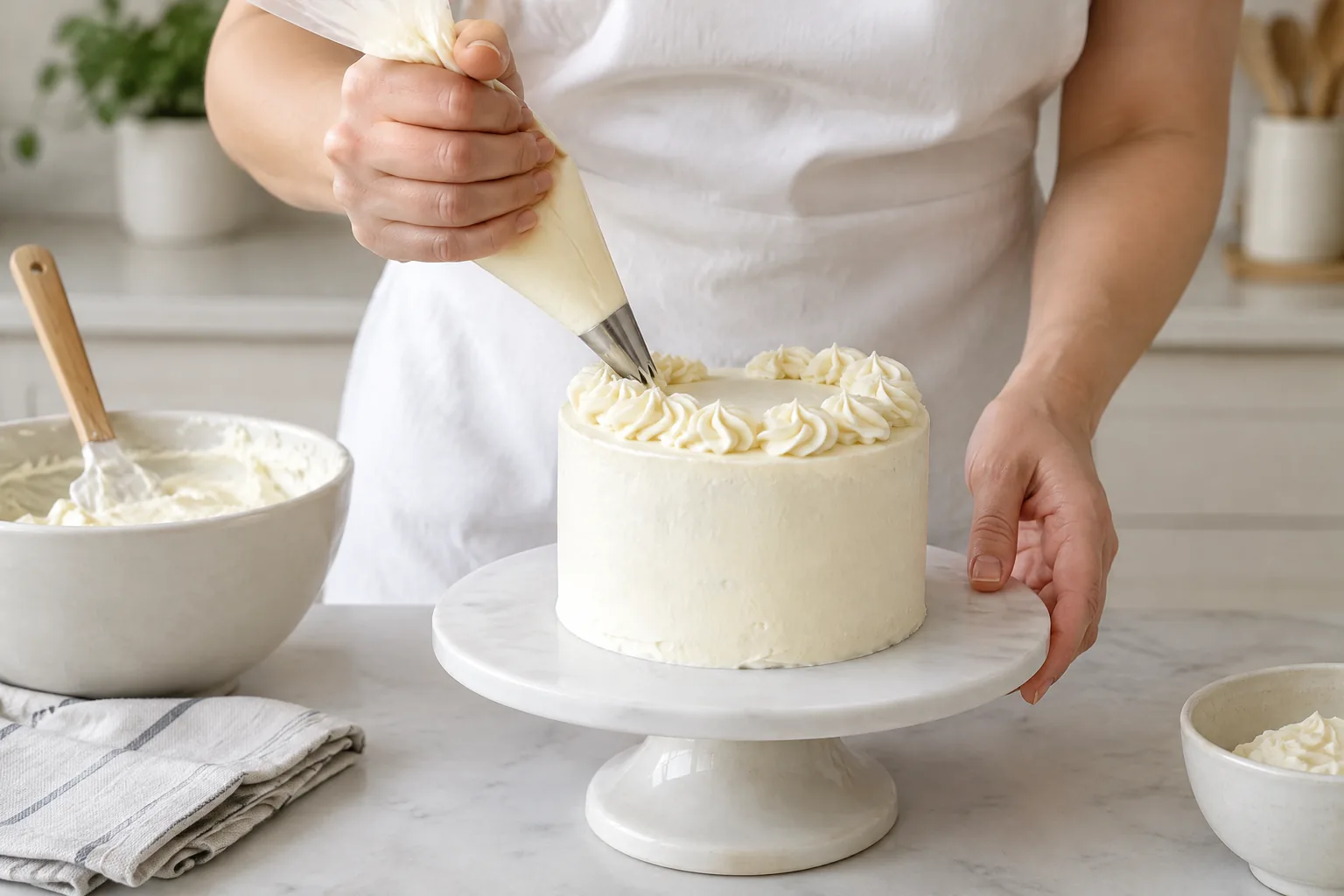
Tell the bakery whether cake follows a full meal, accompanies tea, or is the main dessert. Request an estimated number of portions in the size you actually intend to serve, and ask for a marked cutting sketch where the shape makes that unclear. Curves, narrow strokes and gaps mean a rectangular grid may not translate neatly into similar-looking pieces. Decide whether uneven shapes are acceptable and how the cutter should distribute the decorated pieces without turning service into a guessing exercise.
Count attendance separately from the number of honourees. Remove any personal cakes reserved to take home from the guest-dessert plan, then ask how the remaining food will cover those who want some. Check dietary requirements directly and do not infer suitability from a style or special-diet name. If requirements cannot be confirmed, discuss a separate suitable option rather than promising that careful cutting or removing a topping will resolve the issue.
Give names and design approval a clear owner
A confirmed spelling matters more than fitting another decoration.
Collect each preferred name exactly as it should appear, including capitalisation and any Chinese characters. Distinguish the cake's front from the view seen by the person standing behind it. An arrangement that looks right to the honourees may read backwards or in the wrong order to the audience. Ask for a simple front-view layout with names assigned to positions. Have each person check their own wording privately before one organiser sends the consolidated approval.
For several milestones, keep the edible message short and put longer wishes on separate cards. Cards can also explain initials without demanding a larger cake. Place them where they do not touch food or obstruct the server's hand. If one member prefers not to publish an age, a club anniversary numeral should not be positioned so it appears to describe that person. Review the complete arrangement, not just the spelling of each label in isolation.
Set a deadline for corrections and identify who sends the final version to the bakery. Keep that version in one place rather than combining screenshots from different chat threads. A useful approval covers wording, arrangement and the agreed dimensions; it does not silently approve a changed serving count. If a late addition would require another board or a longer word, return to the table layout instead of asking the maker to squeeze it in.
Make the photo moment lead directly into service
Storage, photography and cutting need the same timetable.
For cakes with perishable fillings, arrange storage before planning a long display. Hong Kong's Centre for Food Safety advises keeping the filled bakery products it discusses at or below 4°C when they are not consumed immediately. Confirm the particular cake's handling instructions with its maker, and establish who can access the venue fridge. Air conditioning is not evidence of suitable refrigerated storage. Bring the cake out for an agreed, brief recognition moment rather than leaving it on display while the club finishes unrelated activities.[2]
Agree on one club photograph and any individual pictures before the cake comes out. Check that members can stand without crowding the table or requiring it to be moved with cakes aboard. If the club already wants a separately arranged group portrait, BigDeal's 團體照 page is a Chinese-language destination for that photography enquiry. It is separate from cake ordering. A simple photograph by a willing attendee may be all this celebration needs; do not extend display time just to create more variations.
This BigDeal guide covers 團體照; the linked page is in Chinese. (Chinese page)
Name a cutter and someone to pass plates, and confirm whether venue staff will help rather than assuming they will. FEHD's food-handling guidance calls for proper handwashing and minimising bare-hand contact with ready-to-eat food, using suitable utensils where possible. Provide a clean working area and appropriate serving tools. Ask the bakery which decorations or supports must be removed before slicing. Keep cards and discarded packaging away from the serving space so the photo setup does not become an obstacle to handing out food.[3]
Use a smaller or sequential display when the layout fails
Protect the recognition, not the original picture of the cake.
If the approved boards do not fit, change the concept before reducing everyone's portion. Keep the most meaningful element: an anniversary numeral, a member's chosen colour, or an individual greeting. A conventional shared cake with separate name cards may express those choices with fewer components. Alternatively, bring out personal cakes in sequence, provided their storage and handling arrangements support that plan. Tell members about the sequence beforehand so a shorter shared display does not feel like an accidental omission.
Separate smaller cakes work best when the organiser can explain their purpose. If they are gifts, keep them reserved and provide a distinct guest dessert. If they will be shared, approve the cutting plan and portions for each one. Do not stack boxes to manufacture extra display space unless the packaging is intended for that arrangement and the supplier agrees. A spare chair or the floor is not a planned holding area for food awaiting its turn.
Send the final brief to both the bakery and the venue contact, giving each only the decisions they need to confirm. The bakery needs the approved design and requested servings; the venue needs dimensions, arrival arrangements and the intended service time. The organiser retains the combined plan and a simpler fallback. When a component remains unconfirmed, choose the format that depends on fewer assumptions rather than accepting a display that leaves nobody room to serve.
- Ask each honouree about shared recognition, public wording and photograph permissions.
- Confirm the allocated table's usable area and the boxed cake's route to suitable storage.
- Obtain the total board layout and outside box dimensions for the exact proposed design.
- Separate personal gifts from guest dessert and confirm portions with a cutting basis.
- Approve names, numeral meaning and the audience-facing layout through one organiser.
- Name the cutter, plate helper and person responsible for storage and the short photo moment.
- Agree a simpler or sequential display if the final layout leaves no serving space.
A successful club cake arrangement leaves room for people to be recognised and for food to be served. Preserve each member's choices, measure the complete boards and boxes, and ask how the proposed cakes will actually be portioned. If that plan does not fit the venue, simplify the display or separate the recognition moments. A smaller workable arrangement is preferable to an impressive shape that cannot be stored or cut as intended.
Can several personal cakes replace a guest cake?
Only if their confirmed portions cover the guests and the recipients agree to share them. A cake intended as a gift should not also be counted as communal dessert. Ask the bakery for a serving estimate for the actual proposed cakes, then decide whether separate guest dessert is needed. Count the boards and boxes together when checking space.
Does choosing initials always save table space?
No. The result depends on the letter shapes, their size and the boards beneath them. A short word on one board may fit differently from separate initials in individual boxes. Request the full layout before deciding. If initials are ambiguous, explain them on cards rather than automatically adding more edible lettering.
What if a member does not want their milestone announced?
Leave it off the cake, cards and spoken introduction unless they agree otherwise. Ask whether they would prefer a private greeting, a neutral club message or no recognition. Sharing a booking does not oblige everyone to share personal information. Check photograph-sharing permission separately from permission to attend the celebration.
Should we order the cake before the venue confirms the table?
Discuss concepts first, but avoid approving a fixed-size arrangement while the usable space remains unknown. Ask the venue to identify the allocated surface and storage, then send those constraints to the bakery. If a decision cannot wait, request a simpler proposal with clearly confirmed dimensions rather than relying on being given another table on arrival.
Can the display table also be the cutting station?
Yes, if there is enough clean working space and the venue permits it. Test room for plates, tools and the person cutting, not just the boards. Remove the photo props before service. If the cake must move elsewhere, confirm that route and who will carry it before guests gather around the display.
Send the bakery your approved wording, available table area and intended portions, and ask for the complete board and box dimensions. Confirm the venue's storage and serving arrangements separately before approving the order.
Sources & supported claims
- Wilton: Ultimate Cake Serving Chart — Our Ultimate Guide to Perfect Portions
Wilton's guide uses party slices about 1½ by 2 inches and wedding slices about 1 by 2 inches, says shape and the cutter affect portions, and treats counts as guidance rather than guaranteed yields.
- Centre for Food Safety: Handle Sandwiches and Bakery Products Safely
The filled bakery products discussed by CFS should be refrigerated at or below 4°C when not consumed immediately; the article applies this to perishable filled cakes without claiming a universal rule for plain cakes or a merchant-specific shelf life.
- FEHD Food Hygiene Code, Chapter 4: Safe Food Handling
Food handlers should wash hands properly and frequently, minimise bare-hand contact with ready-to-eat foods and use appropriate utensils where possible.