
Gatherings & catering
Content updated
On this page
Your first Lunar New Year meal: a guide to sharing dishes
For your first Lunar New Year meal, explain how your household will share the food, ask relatives which customs matter to them, and let guests choose what they eat. You do not need to teach a complete set of festival rules. A short welcome, clearly identified serving utensils and an alternative to unfamiliar ingredients do more to settle first-time guests than a speech about correct behaviour. Decide who will introduce the dishes before everyone sits down, so a guest is not left wondering whether the bowl in front of them is their dinner or part of a shared meal.
Build the meal around the people attending rather than an imagined standard celebration. Separate family preferences from food-handling requirements. Choose a format guests can reach and understand, confirm any delivered food's condition, and explain the first serving without making anyone perform. A guest can participate warmly while using a fork, skipping a dish or enjoying the conversation rather than eating every item.
Ask the family what matters
Describe this household, not every household
Before choosing the menu, speak to the relative or co-host whose family traditions you are welcoming into the gathering. Ask what would make the evening feel familiar to them: a particular dish, a greeting, or a moment when everyone starts eating together. Also ask what they are happy to adapt. Someone may value a favourite vegetable dish more than an elaborate centrepiece. Keep their answer specific to your gathering instead of turning it into a rule that every Chinese family supposedly follows.
Send newcomers a useful invitation rather than a cultural homework assignment. Include the arrival time and the intended eating time, especially if you would like people to arrive earlier for conversation. Tell them whether they need to bring anything. If greetings or gifts are part of your household's plans, explain the arrangement plainly and make clear what is optional. This prevents a guest buying something unnecessary because they are worried about arriving empty-handed.
Agree how you will describe meaningful food at the table. A sentence such as, 'We usually have this because my mother enjoys making it,' is enough when that is the real reason. If a relative wants to explain an association or memory, give them the opportunity without appointing them the spokesperson for an entire culture. Where co-hosts remember a custom differently, decide on tonight's arrangement privately. Guests should not have to choose a side in a family disagreement about the proper way to celebrate.
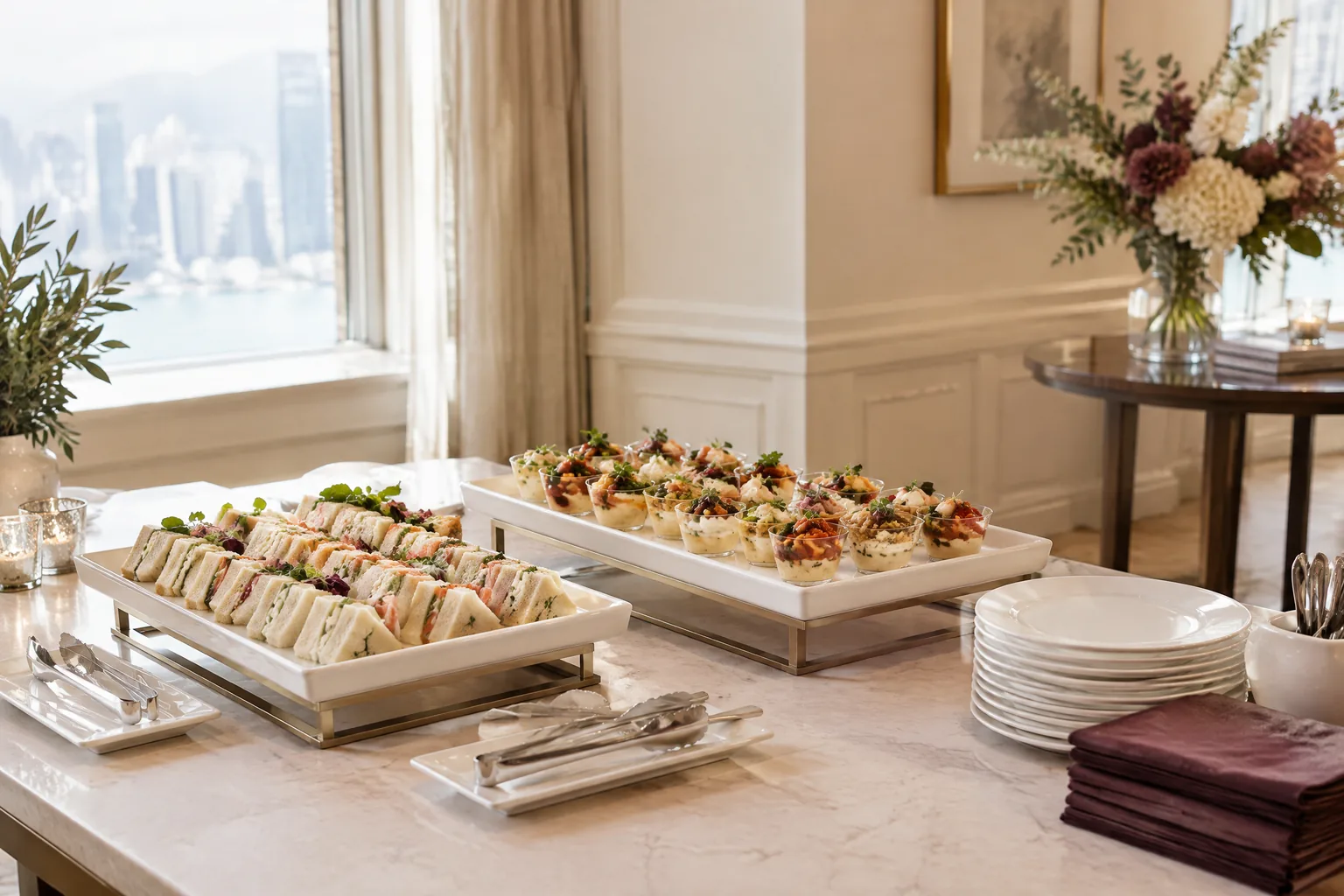
Explain shared dishes plainly
Give guests the information needed for their first serving
As people sit down, identify the food intended for everyone and the items intended for one person. You might say, 'The dishes in the middle are shared. Use the serving spoon to take a little onto your own plate, and come back for more.' Point out where rice bowls belong and where used utensils can rest. If someone should make the first serving under your agreed household arrangement, explain that before guests start guessing whether they are allowed to touch the food.
If you are comparing separately served dishes, Chinese Food Catering is a starting point for asking about Chinese banquet-style options. Give the supplier your intended serving arrangement as well as the headcount. Ask which dishes arrive ready to portion, which contain bones, and which need a separate sauce bowl. A category page cannot tell you whether one particular menu suits your table. Obtain the actual dish list before deciding what explanation or serving equipment each item needs.
Demonstrate one serving, then let conversation resume. Start with a modest portion yourself rather than announcing how much everyone may take. Say whether seconds are welcome and who can help pass a dish that is out of reach. If there is a rotating tray, ask people to wait until nobody is serving before moving it. Do not leave newcomers trying to interpret silence: a simple 'Would you like me to pass that?' is more useful than correcting them after they have stretched across another person's bowl.
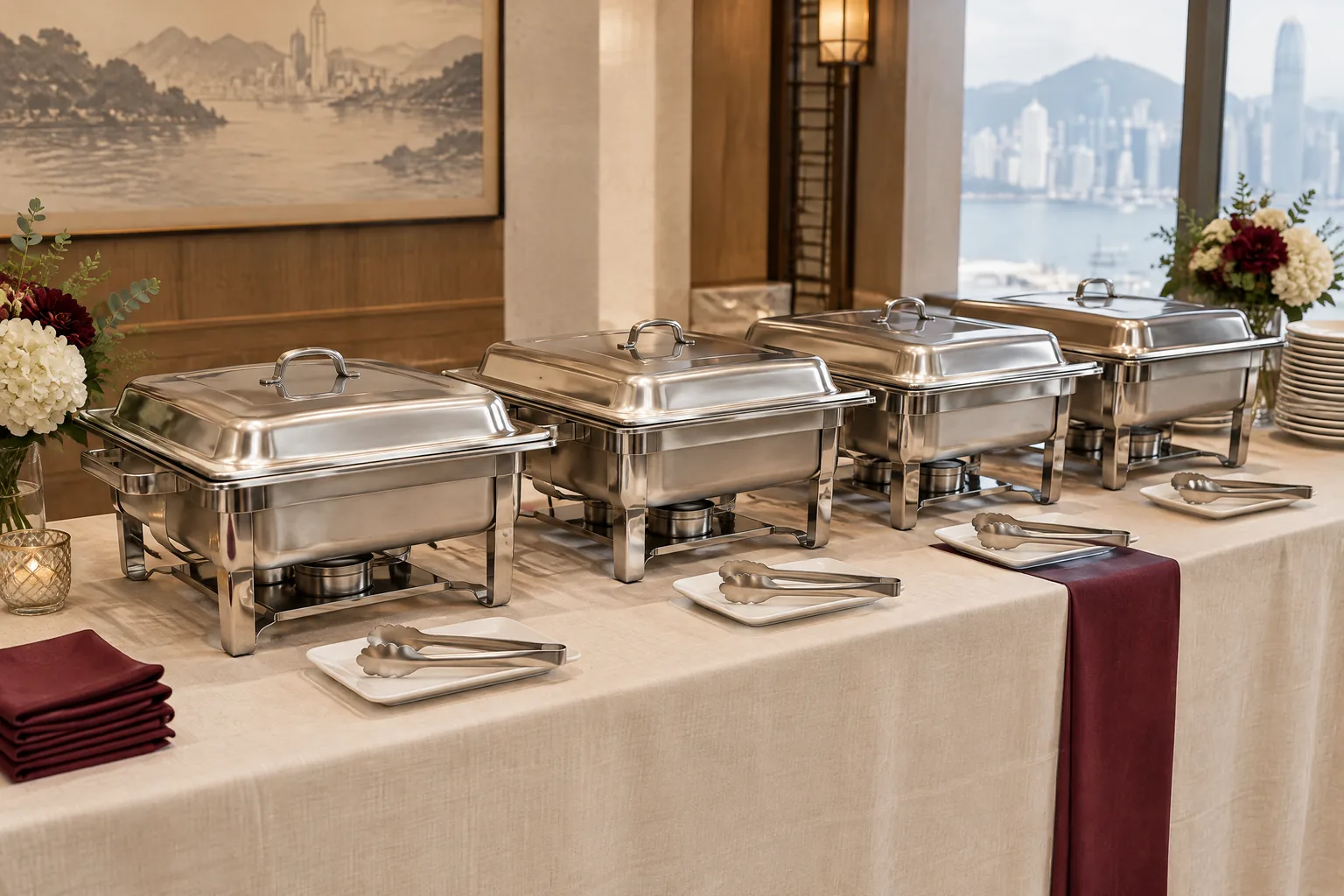
Compare dim sum and larger shared food
Choose for portioning, reach and the guests' needs
Small items make the first serving easy to explain because guests can see what one piece looks like. Dim Sum Catering can be an enquiry route when you want that format, but ask for confirmed fillings and piece counts rather than assuming every dumpling is interchangeable. A bun may suit someone who wants a manageable portion; a soft item may need support from a spoon. Include plates and cutlery even if the presentation looks like finger food. A small item is not automatically comfortable to eat while standing.
Several separate shared dishes give guests more visible choice, while a layered basin concentrates the meal in one vessel. Think about the person seated furthest away and the guest who will decline one ingredient. Separate platters may be easier to pass or portion without searching through layers. If the household especially wants a basin feast, consider a helper who can serve from it and a separately prepared alternative for anyone who cannot eat its contents. Do not count an alternative merely as decoration; it must be enough for the person relying on it.
A centrepiece also need not carry the entire meal. The Centre for Health Protection advises serving extra vegetables and grains with poon choi, and keeping rice separate from the basin's sauce or gravy to reduce fat and salt intake. For your table, this supports offering vegetable dishes and rice separately rather than treating them only as additions to the basin. Confirm their ingredients too. A separate dish creates a practical choice, but separation on the table alone does not establish that it meets an allergy or religious requirement.[1]
| Format | Practical fit | Question before confirming |
|---|---|---|
| Small dim sum items | Visible individual pieces; provide plates and suitable serving tools | What are the confirmed fillings, piece counts and holding instructions? |
| Separate shared dishes | Guests can choose among dishes without searching through layers | Which dishes need cutting, deboning or their own sauce and utensil? |
| Layered poon choi basin | A communal centrepiece where reach and serving help are planned | What is the delivered condition, actual ingredient list and vessel-compatible reheating method? |
| Confirmed separate alternative | A complete meal choice for a guest who cannot use the shared menu | Does preparation and serving meet that guest's specific requirement? |
Confirm the delivered condition of poon choi
A basin name does not provide heating instructions
When enquiring through Poon Choi Delivery, ask whether the specific order will arrive hot or chilled and what you must do before serving. Confirm the vessel's dimensions and whether the supplier's instructions allow it to go on your intended appliance. Share any limits in your kitchen, such as a small fridge or no suitable hob. Do this before ordering. A photograph of a basin, or the word 'delivery', does not establish that the food can be served immediately or that its container can be heated at home.
The Centre for Food Safety advises keeping hot poon choi at 60°C or above and chilled poon choi at 4°C or below. It also says to ask whether reheating is required, how to do it, how long it takes, and whether the original container is suitable. These are general handling recommendations, not a promise about a merchant's delivery. Ask for instructions for the actual order and agree who will follow them. Do not substitute a guessed oven setting or a heating method copied from another supplier.[2]
Arrange for one adult to receive the food and check it against the agreed order and instructions while another welcomes guests. If something differs or the instructions are missing, contact the supplier before serving rather than allowing the social schedule to decide what happens next. The Centre for Food Safety advises not keeping poon choi at room temperature for more than two hours. Avoid putting the basin out early just to complete the table photograph. A delayed guest or a long round of greetings should not leave the meal waiting without its agreed holding arrangement.[3]
Provide serving utensils and labels
Make the distinction visible without singling anyone out
Put a dedicated serving utensil beside each shared dish, with a rest that keeps it recognisable. Explain that these utensils move food onto personal plates, while each guest's own cutlery stays with their meal. The Centre for Food Safety specifically recommends communal chopsticks and spoons when eating poon choi. You can make the arrangement easier to follow by choosing serving utensils that look different from personal ones. Provide a fork without comment to anyone who wants one; the welcome is not a chopstick test.[4]
Use a short dish label where the contents are not obvious. A useful label gives the name guests will hear, a plain-English description and ingredient information confirmed for that order. For example, describing an item as a steamed dumpling is more informative than giving an unfamiliar name alone, but it still does not identify the filling. Keep the supplier's fuller information available for questions. If a detail is unconfirmed, say so instead of guessing from the food's appearance or from a recipe with the same name.
Leave enough room beside dishes to set down a plate while serving. Place sauce where guests can see whether it is shared or already on an individual portion. Keep spare clean serving utensils within the host's reach so an accidental mix-up can be handled quietly. A communal spoon that has been used as personal cutlery should be replaced, not returned to the shared bowl. If the table is too crowded to distinguish utensils reliably, serve fewer dishes at once under the agreed food-holding plan rather than making guests navigate an overloaded setting.
Let guests decline unfamiliar ingredients
Curiosity is welcome; eating is not an obligation
Ask privately about food allergies, religious requirements and other dietary needs before finalising the order. A guest should not need to explain these across a full table. Pass their specific requirements to the supplier and seek confirmation about ingredients and preparation. A vegetarian, vegan or other special-diet name is not a certification or an allergen-free guarantee. If you cannot establish that a dish meets the requirement, agree an alternative with the guest. Do not invite them to try a little as a way of checking.
Preference deserves a comfortable answer too. Some guests may not enjoy a texture, may avoid food with visible bones, or may want only a small amount. Offer a description and let them decide. 'You can skip that; there is another dish here' keeps the interaction friendly without asking for a reason. Avoid praising a newcomer for being brave or announcing that they have finally eaten something authentic. That language can turn an ordinary dinner into a public assessment of how well they fit in.
Help with portioning only after asking. A guest may welcome a first small serving onto their plate, but filling it without permission removes their choice. Do not pick an unwanted ingredient out of a shared dish and call the remainder suitable for someone with an allergy or strict dietary requirement. Where a confirmed alternative is needed, keep its agreed serving arrangement separate and explain it discreetly. If other diners want to try that dish, make sure the intended guest has enough before it becomes another communal favourite.

Plan an inclusive non-food welcome
Make belonging possible beyond the plate
Introduce people by a shared interest as well as their family connection. A newcomer then has a conversation opening that does not depend on knowing the festival already. If relatives mainly speak Cantonese and a guest mainly speaks English, agree who can translate brief explanations without turning every exchange into a performance. Summarise enough to include the guest, and allow relatives to continue speaking naturally. Explain a joke kindly where needed rather than assuming someone who is quiet has understood or is unhappy.
Offer water or another suitable non-alcoholic drink alongside any other drinks, and explain where guests can help themselves. Someone who eats little can still enjoy a greeting, a conversation about family memories or a simple activity the household has chosen. Ask permission before taking or sharing photographs, especially when a guest has just arrived and is still settling in. Do not insist on a food pose or a cheerful reaction to an unfamiliar dish. The meal should leave room for people to participate in different ways.
End with a warm goodbye, not a verdict on what people ate. If guests ask about a dish they enjoyed, share the confirmed name or preparation information you actually have. If they ask what happens next year, invite their preferences while keeping the family's choices open. Afterwards, co-hosts can note practical improvements such as moving the rice nearer or using a clearer serving spoon. This is more useful than deciding who understood the customs best. A comfortable gathering gives first-time guests a reason to return without requiring them to become experts.

- Ask co-hosts which household customs they want to keep and which they are happy to adapt.
- Tell newcomers the arrival time, eating time and whether anything is expected from them.
- Confirm actual dishes and private dietary requirements before choosing a shared format.
- Obtain order-specific delivered-condition, holding and reheating instructions for any basin feast.
- Provide recognisable communal utensils, personal cutlery and clear dish descriptions.
- Agree who receives food, who explains the first serving and how guests can decline comfortably.
The most useful explanation is about your table tonight: what is shared, which utensil to use, when to begin and how to ask for help. Let relatives speak for their own customs and let guests make their own food choices. Confirm the practical details of any delivered meal before the celebration begins. A welcoming first experience depends on clear arrangements and relaxed company, not on newcomers proving that they know every tradition.
Should I teach guests chopstick etiquette before dinner?
Explain the distinction between serving utensils and personal cutlery, then offer help if asked. Keep forks available from the start. A lengthy lesson can make a guest self-conscious and delay the meal. If your household has a particular preference, describe what you are doing tonight rather than presenting it as a universal cultural rule.
Can I give each newcomer a separate plated meal?
Yes, if that suits the person and the agreed menu. Ask first rather than assuming every newcomer dislikes sharing. You might help with a first serving from separate dishes or arrange a confirmed alternative. Keep everyone included in the conversation; a different plate need not mean a different social experience.
What should I say if relatives disagree about a dish's meaning?
Let them describe their own memories without forcing one explanation to win. You can say that the dish means different things within the family and that tonight you are enjoying it together. Resolve any practical disagreement about serving or the start of dinner privately, so guests know what to do.
Can a guest with a dietary restriction eat around unwanted poon choi ingredients?
Do not assume that removing visible pieces makes a mixed basin suitable. Sauces and preparation also matter. Discuss the guest's actual requirement with them and the supplier before ordering. If suitability cannot be confirmed, arrange an agreed alternative rather than relying on the guest to sort through the shared food.
Must guests try every dish to be polite?
Set the expectation that trying food is optional. Offer a description, a small portion if wanted, and a comfortable alternative. Thank guests for joining the gathering rather than for clearing their plates. This lets someone decline without disclosing private information or defending a preference in front of relatives.
Discuss the proposed dishes and serving format with your co-hosts, then ask the food supplier to confirm ingredients, quantities and handling for your actual order before booking.
Sources & supported claims
- Centre for Health Protection: Health Tips for Lunar New Year — Enjoying Poon Choi healthily
Offer extra vegetables and grains alongside poon choi; keep rice separate from its sauce or gravy to reduce fat and salt intake.
- Centre for Food Safety: Poon Choi and Food Safety
Keep hot poon choi at 60°C or above and chilled poon choi at 4°C or below; ask whether and how to reheat it, for how long, and whether its original container is suitable.
- Centre for Food Safety: Poon Choi and Food Safety
Do not keep poon choi at room temperature for more than two hours.
- Centre for Food Safety: Poon Choi and Food Safety
Use communal chopsticks and spoons when consuming poon choi.